New Hampshire might be one of the smaller states in the Northeast, but when it comes to hunting opportunities, it punches well above its weight. From the dense white pine forests of the White Mountains to the rolling farmlands of the Connecticut River Valley, the Granite State offers an incredible variety of game species and public hunting land that keeps hunters coming back season after season. Whether you’re a lifelong resident or a nonresident planning your first out-of-state trip, the 2026-2027 hunting season in New Hampshire brings fresh dates, updated regulations, and plenty of reasons to get outdoors.
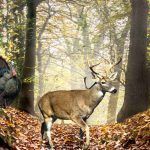
White-tailed deer are the crown jewel of New Hampshire hunting, and the state consistently produces quality bucks thanks to balanced herd management and excellent habitat. But deer aren’t the only draw — black bears roam in healthy numbers across the central and northern regions, wild turkeys are thriving statewide after a remarkable restoration success, and waterfowl hunters enjoy three distinct hunting zones along the Atlantic Flyway. Small game enthusiasts will find ruffed grouse, snowshoe hare, pheasants, and gray squirrels in good supply, while furbearer hunters and trappers can pursue coyote, fox, raccoon, and several other species throughout the fall and winter months.
Public land access is one of New Hampshire’s strongest assets. The White Mountain National Forest alone covers more than 751,000 acres — nearly 10 percent of the entire state — and most of it is open to hunting. Add in 117 state forests, 41 state parks, and 127 Wildlife Management Areas managed by NH Fish and Game, and you’ve got hundreds of thousands of acres to explore. Many private timber company lands in the North Country also remain open to public hunting, a tradition that has lasted over half a century.
Before you head afield, you’ll need the right license, permits, and tags. New Hampshire requires hunters to complete a Hunter Education course before purchasing their first hunting license, though an Apprentice License is available for those who want to try hunting under supervision first. Licenses are valid for the calendar year, running from January 1 through December 31, so planning ahead is essential.
Every hunter should review the annual regulations before the season opens. Dates, bag limits, and zone boundaries can shift from year to year based on wildlife population data and management goals. The New Hampshire Fish and Game Department publishes the official NH Hunting and Trapping Digest annually, and verifying current rules with the state wildlife agency is always the smartest first step. For a broader look at seasons across the country, check out our guide to hunting seasons in the USA.
New Hampshire Hunting Season Overview
| Category | Details |
|---|---|
| Licensing Requirement | Valid NH hunting license required for all hunters age 16 and older; species-specific permits needed for deer, bear, turkey, pheasant, and waterfowl |
| Main Game Species | White-tailed deer, black bear, wild turkey, ruffed grouse, snowshoe hare, pheasant, waterfowl, coyote |
| Public Hunting Areas | White Mountain National Forest (751,000+ acres), 117 state forests, 41 state parks, 127 Wildlife Management Areas, private timber lands |
| Online Harvest Reporting | Available for deer and turkey (with in-person requirements during early season days); bear must be registered at a station or with a Conservation Officer |
| Youth Hunting Opportunities | Youth Deer Weekend, Youth Turkey Weekend, Youth Pheasant Weekend, Youth Waterfowl Weekend |
| Public Land Programs | Wildlife Management Areas, Current Use tax program (keeps private land open), conservation easements, timber company access lands |
| Hunter Education Requirement | Mandatory for first-time license buyers; minimum age 12 for certification; Apprentice License available as a one-time alternative |
New Hampshire divides the state into Wildlife Management Units (WMUs) labeled A through M, each with its own season dates, bag limits, and special regulations. These units allow wildlife managers to fine-tune harvest levels based on local population data, so it’s important to know which WMU you’re hunting in and what rules apply there.
Big Game Hunting Seasons
Big game in New Hampshire means white-tailed deer, black bear, and moose. There is no elk hunting in the state, and moose hunting is conducted through a highly competitive lottery permit system.
Deer Hunting Season
| Season Type | Dates | Bag Limit | Notes |
|---|---|---|---|
| Archery | Sept. 15 – Dec. 15, 2026 | 1 deer (either sex with archery license) | Closes Dec. 8 in WMU A; Special Archery Deer Permit allows 1 additional antlered deer |
| Youth Hunt | Oct. 24 – 25, 2026 | 1 deer (either sex) | Statewide; hunters under 16 accompanied by licensed adult |
| Muzzleloader | Oct. 31 – Nov. 10, 2026 | 1 deer | “Any deer” days vary by WMU; online registration unavailable first 2 days |
| Firearms | Nov. 11 – Dec. 6, 2026 | 1 deer | Closes Nov. 29 in WMU A; “Any deer” days vary by WMU; online registration unavailable first 3 days |
| Special Hunts | Unit L & M Permits | Additional antlerless deer | Unit L: 1 additional antlerless deer; Unit M: 2 additional antlerless deer |
Deer Zones and WMU-Specific Rules:
New Hampshire’s 18 Wildlife Management Units (A through M, with several split into sub-units) each have tailored season structures. The key difference is the number of “any deer” days at the start of the muzzleloader and firearms seasons. In WMUs with higher deer densities (like L and M in the southeastern part of the state), hunters get more any-deer days to help manage the herd. In northern units like A, both archery and firearms seasons close one week earlier than the rest of the state.
Antler Restrictions:
An “antlered deer” is defined as a deer with at least one antler measuring three inches or longer. There is no point-based antler restriction in New Hampshire — if it has a three-inch antler, it’s legal as a buck. “Any deer” means deer of either sex or any age, including does and fawns.
Reporting Requirements:
Deer must be registered within 24 hours of harvest, either online or at an open registration station. However, during the first two days of muzzleloader season and the first three days of firearms season, all deer must be registered in person at a physical registration station — online reporting is unavailable on those days. Hunters receive a confirmation number that must be kept with their license.
Special Opportunities:
Special Unit L and Unit M permits allow hunters to take additional antlerless deer in those specific WMUs, helping manage dense suburban deer populations. The Special Archery Deer Permit allows bowhunters to take one additional antlered deer during the archery season.
Deer Hunting Rules
| Regulation | Requirement |
|---|---|
| Hunter Orange | Not required for deer hunting in NH, but strongly recommended for safety |
| Legal Weapons | Bow and arrow (min. 40 lb draw), crossbow, shotgun (slugs or 00 buckshot or larger), muzzleloader (.40 cal or larger), air rifle (.35 cal or larger, 400+ ft-lbs), straight-walled pistol cartridges (.357 cal or greater), handguns (.327 Federal Magnum or .357 Magnum and greater) |
| Reporting Deadline | Within 24 hours; in-person required during first 2 days of muzzleloader and first 3 days of firearms season |
| Baiting Rules | Allowed Oct. 22 – Nov. 19 in WMUs A–L; Sept. 15 – Dec. 15 in WMU M; permit required |
| Tagging Requirements | Tag must be filled out and immediately attached to the deer upon harvest |
Elk Hunting Season (Not Applicable in New Hampshire)
New Hampshire does not have an elk population, and there is no elk hunting season. The state’s largest big game species is the moose, which is hunted through a lottery permit system.
Moose Hunting Season (Lottery Permit)
| Season | Dates | Permit Type |
|---|---|---|
| Moose | October (typically mid-October, ~8-day window) | Lottery permit only |
The moose hunt is conducted through a highly competitive lottery. Only a limited number of permits are issued each year, and demand far exceeds supply. Applications typically open in spring, and winners are selected through a randomized drawing. Both resident and nonresident hunters may apply, though permit fees differ. Once drawn, hunters must purchase the moose permit and may be assigned to specific WMUs.
Bear Hunting Season
| Season | Dates | Unit/Zone |
|---|---|---|
| General (Still Hunting) | Sept. 1 – Nov. 11 | WMUs A, B, C2, D1, H1, I2 |
| General (Still Hunting) | Sept. 1 – Nov. 30 | WMUs C1, D2, E, F, G, I1, J1, J2, L, M, H2, K |
| Baiting Season | Sept. 1 – Sept. 28 | WMUs A, B, C2, D1, H1, H2, I2, K, L, M |
| Baiting Season | Sept. 1 – Oct. 5 | WMUs C1, D2, E, F, G, I1, J1, J2 |
| Dog Season | Sept. 22 – Nov. 11 | WMUs A, B, C1, C2, D1, D2, E, F, G, H1, I1, I2, J1, J2 |
| Dog Season | Closed | WMUs H2, K, L, M |
Quotas and Check-In Procedures:
Hunters may take one bear statewide. An additional bear may be taken in WMUs C1, D2, E, or F with the purchase of an Additional Bear License and tag — but the first bear must be registered before pursuing the second. Bear hunters must register their harvest within 24 hours at a designated NH Bear Registration Station or by arranging a meeting with a Conservation Officer (call 603-271-3361). The bear must be presented with reproductive organs attached for biological data collection. Chocolate and cocoa derivatives are banned as bear bait due to toxicity concerns; white chocolate is permitted.
A free Take Bear With Dogs Permit is required for anyone hunting bear with hounds, and a Permit to Bait Wildlife must be filed with the Wildlife Division by the first Monday in August for private land bait sites. Bear licenses cost $16 for residents and $48 for nonresidents, and hunters age 16 and older also need a regular hunting license.
Turkey Hunting Seasons
Wild turkeys are one of New Hampshire’s greatest wildlife restoration success stories. Found statewide — with the highest concentrations in the Connecticut River Valley — turkeys offer both spring and fall hunting opportunities.
Spring Turkey Season
| Season | Dates | Bag Limit |
|---|---|---|
| Youth Hunt | April 25 – 26, 2026 | 1 or 2 turkeys (spring regulations apply) |
| Regular Season | May 1 – May 31, 2026 | 2 turkeys total (1 statewide + 1 in WMUs H1, H2, J2, K, L, M only) |
Fall Turkey Season
| Season | Dates | Bag Limit |
|---|---|---|
| Archery | Sept. 15 – Dec. 15, 2026 (WMUs B–M); Sept. 15 – Dec. 8 (WMU A) | 1 turkey of either sex |
| Shotgun | Pending rulemaking — open in select WMUs (D2, G, H1, H2, I1, I2, J2, K, L, M) | 1 turkey of either sex |
Turkey Hunting Regulations
| Rule | Requirement |
|---|---|
| Shotgun Restrictions | 10–20 gauge with #4 shot or smaller; 28 gauge and .410 allowed with specific tungsten-based loads (#7–#9.5, min. 18 g/cc density, 18″ barrel min.) |
| Hunter Orange Requirement | Not required, but recommended during firearm seasons |
| Legal Hunting Hours | Spring: ½ hour before sunrise to 12 noon; Fall: ½ hour before sunrise to ½ hour after sunset |
| Youth Requirements | Youth under 16 need a turkey license but not a regular hunting license; must be accompanied by licensed adult |
Each Turkey License includes 2 tags. Hunters may take one bearded or male turkey during spring and a second turkey of either sex during fall — or two male/bearded turkeys during spring (with the second bird restricted to WMUs H1, H2, J2, K, L, or M). The first spring turkey must be registered before the second can be taken. Rifles, dogs (during spring), bait, electronic calls, live decoys, and reaping/fanning are all prohibited. Turkeys must be tagged immediately and registered within 24 hours.
Waterfowl Hunting Seasons
New Hampshire sits along the Atlantic Flyway, and its three waterfowl zones — Northern, Inland & Connecticut River, and Coastal — offer diverse opportunities for dabblers, divers, and sea ducks. The 2026-2027 seasons have been officially set by NH Fish and Game.
Duck Seasons
| Zone | Dates |
|---|---|
| Northern Zone | Oct. 2 – Nov. 30, 2026 |
| Inland & Connecticut River Zone | Oct. 13 – Nov. 11, 2026; Nov. 25 – Dec. 24, 2026 |
| Coastal Zone | Oct. 6 – Oct. 12, 2026; Nov. 26, 2026 – Jan. 17, 2027 |
Goose Seasons
| Zone/Season | Dates |
|---|---|
| September Canada Goose (Statewide) | Sept. 1 – Sept. 25, 2026 |
| Regular Canada Goose (Northern Zone) | Oct. 2 – Nov. 30, 2026 |
| Regular Canada Goose (Inland & Ct. River Zone) | Oct. 13 – Nov. 11, 2026; Nov. 25 – Dec. 24, 2026 |
| Regular Canada Goose (Coastal Zone) | Oct. 6 – Oct. 12, 2026; Nov. 26, 2026 – Jan. 17, 2027 |
Special Waterfowl Hunts
| Hunt Type | Dates |
|---|---|
| Youth Waterfowl Weekend | Sept. 26 – 27, 2026 |
| Veteran & Active Military Weekend | Jan. 23 – 24, 2027 |
Waterfowl Requirements
| Requirement | Details |
|---|---|
| HIP Registration | Free Harvest Information Program number required for ducks, geese, woodcock, and snipe; call 1-800-207-6183 or register online |
| Federal Duck Stamp | Required for hunters age 16 and older; sign across the face or use electronic version |
| State Migratory Waterfowl License | $11.00 for residents and nonresidents |
The regular duck season runs 60 days with a daily bag limit of 6 birds (18 in possession). Canada goose regular season is also 60 days with a 2-bird daily limit. Specific species restrictions apply within the duck bag — no more than 4 mallards (2 hens), 2 black ducks, 3 wood ducks, 3 pintail, 2 canvasbacks, 2 redheads, and 1 scaup. Sea duck limit is 4 daily. The harlequin duck season is closed.
Small Game Hunting Seasons
New Hampshire’s small game hunting offers excellent action from early September through late winter. Ruffed grouse (locally called partridge) are a favorite among upland hunters, especially in the northern hardwood forests. The state also stocks pheasants at designated release sites each fall.
| Species | Season Dates | Daily Limit |
|---|---|---|
| Gray Squirrel | Sept. 1 – Jan. 31 | 5 |
| Cottontail Rabbit | Oct. 1 – March 15 | 4 (WMUs H2, K, L, M only — some areas closed for New England cottontail conservation) |
| Snowshoe Hare | Oct. 1 – March 31 | 3 (WMUs A–G, J1); 2 (WMUs H1–M) |
| Pheasant | Oct. 1 – Dec. 31 | 2 (season limit 10) |
| Youth Pheasant | Sept. 27 – 28 | 2 |
| Ruffed Grouse | Oct. 1 – Dec. 31 | 4 |
| Quail / Chukar / Partridge | Oct. 1 – Dec. 31 | 4 |
| Woodcock | Oct. 1 – Nov. 14 | 3 |
| Common Snipe | Sept. 15 – Nov. 14 | 8 |
Regional differences matter here. Cottontail rabbit hunting is restricted to specific WMUs because the endangered New England cottontail shares habitat with the more common eastern cottontail, and certain areas are closed to all rabbit hunting to protect the native species. Snowshoe hare limits vary between northern and southern WMUs. Pheasant hunting requires a Pheasant License ($31 for both residents and nonresidents), and the season is closed statewide until 2:00 PM on in-season stocking days (Thursdays and Fridays in early October) for safety reasons.
Furbearer Hunting and Trapping Seasons
| Species | Hunting Dates | Notes |
|---|---|---|
| Coyote | No closed season; night hunting Jan. 1 – Mar. 31 | No daily or season limit |
| Fox (Red & Gray) | Sept. 1 – March 31 | No bag limit |
| Raccoon | Sept. 1 – March 31 | No bag limit |
| Opossum | Sept. 1 – March 31 | No bag limit |
| Skunk | Sept. 1 – March 31 | No bag limit |
| Fisher | Dec. 1 – Jan. 31 | 2 per hunter (combined hunting and trapping) |
| Bobcat | CLOSED | No open season |
| Beaver (trapping) | Oct. 15 – Apr. 10 (WMUs A–F); Nov. 1 – Apr. 10 (WMUs G–M) | Trapping only |
| Otter (trapping) | Same as beaver | Season limit 10 |
Trapping Regulations:
A trapping license is required ($36 resident, $301 nonresident). Trapping season dates differ between northern WMUs (A–F) and southern WMUs (G–M), with northern zones generally opening earlier. Fisher trapping is limited to December only with a statewide 2-fisher bag limit (combined with hunting). Bobcat, lynx, and pine marten remain closed to both hunting and trapping. New requirements now mandate that furbearer hunters register their harvest online beginning September 1, helping the state track harvest data more effectively.
Additional Hunting Opportunities
| Species | Season Dates |
|---|---|
| Crow | Aug. 15 – Nov. 30, 2026; Mar. 16 – 31, 2027 (no bag limit) |
| Snow Geese | Same as duck season dates (25 daily bag limit) |
| Brant | Zone-specific dates (1 daily bag limit) |
| Falconry (Waterfowl) | Extended season dates per zone |
Hunting Licenses and Fees
Resident License Fees
| License Type | Fee |
|---|---|
| Annual Hunting License | $32.00 |
| Combination Hunting & Fishing | $56.00 |
| Archery License | $32.00 |
| Muzzleloader License | $16.00 |
| Special Archery Deer Permit | $26.00 |
| Special Unit L Deer Permit | $26.00 |
| Special Unit M Deer Permit | $36.00 |
| Bear License | $16.00 |
| Additional Bear Tag | $16.00 |
| Turkey Permit (spring & fall) | $16.00 |
| Pheasant License | $31.00 |
| Migratory Waterfowl License | $11.00 |
| Trapping License | $36.00 |
Nonresident License Fees
| License Type | Fee |
|---|---|
| Annual Hunting License | $113.00 |
| Combination Hunting & Fishing | $151.00 |
| Archery License | $83.00 |
| Muzzleloader License | $41.00 |
| Small Game Hunting License | $53.00 |
| 3-Day Small Game License | $25.00 |
| Special Archery Deer Permit | $26.00 |
| Bear License | $48.00 |
| Turkey Permit | $31.00 |
| Pheasant License | $31.00 |
| Migratory Waterfowl License | $11.00 |
| Trapping License | $301.00 |
Youth and Senior Licenses
| License Type | Fee |
|---|---|
| Youth (under 16) | No hunting license required (species-specific tags still needed for turkey and bear) |
| Senior Combination (68+) | $7.00 |
| Senior Archery | $3.00 |
| Senior Muzzleloader | $3.00 |
| Milestone License (born 1947 or earlier) | Free |
| Apprentice License | Same price as regular hunting license ($32 resident / $113 nonresident) |
| Trapping License (Resident Minor) | $6.50 |
All hunting licenses are subject to a $2.50 Wildlife Habitat Fee and additional transaction fees ($2.00 per license at agents, $2.75 online). Licenses are valid from January 1 through December 31 of the calendar year. The Apprentice License is a once-in-a-lifetime option that allows someone to hunt without completing Hunter Education first, but it must be accompanied by a licensed adult age 18 or older at all times.
Hunter Education Requirements
| Requirement | Details |
|---|---|
| Minimum Age | 12 years old to achieve Hunter Education certification |
| Hunter Safety Course | Required before purchasing first hunting license (if born after 1947) |
| Apprentice Option | Available once in a lifetime; same price as regular license; must hunt with licensed adult 18+ |
| Online Course Availability | Yes — both traditional in-person and online courses offered through huntnh.com |
New Hampshire’s Hunter Education program covers firearm safety, wildlife identification, outdoor ethics, and state-specific regulations. Courses are offered in traditional classroom settings and online formats, with spring and summer being the best times to register before fall seasons. Youth under 16 are not required to have a hunting license but must be accompanied by a properly licensed adult and still need species-specific tags for turkey and bear. The Apprentice License is a great way to introduce a friend or family member to hunting, but remember — it expires at the end of the calendar year and cannot be renewed.
Public Hunting Land in New Hampshire
New Hampshire offers a wealth of public hunting access, from vast federal forests to small state-owned Wildlife Management Areas.
Major Public Hunting Areas
| Area Name | Acres | Popular Species |
|---|---|---|
| White Mountain National Forest | 751,000+ | Bear, deer, grouse, snowshoe hare |
| NH Wildlife Management Areas (127 total) | ~64,000 | Deer, turkey, bear, waterfowl, small game |
| State Forests (117 total) | ~201,500 (DNCR lands) | Deer, bear, grouse, squirrel |
| State Parks (41 total) | Varies | Deer, turkey, small game (most open to hunting) |
| Connecticut Lakes Headwaters Forest | ~171,000 (conservation easement) | Bear, deer, moose, grouse |
| Private Timber Company Lands | Varies (North Country) | Bear, deer, grouse, coyote |
Wildlife Management Areas: The NH Fish and Game Department owns nearly 64,000 acres across 127 tracts, most designated as WMAs. These areas are actively managed for wildlife habitat and are open to public hunting, fishing, and trapping.
National Forests: The White Mountain National Forest is the single largest public landholding in the state, covering nearly 10 percent of New Hampshire. Most areas are open to hunting, with exceptions around campgrounds and high-visitor areas.
State Forests and Parks: The Department of Natural and Cultural Resources (DNCR) owns 201,513 acres across 117 state forests, 41 state parks, and 63 other tracts. The majority of these lands are open to hunting.
Public Access Programs: New Hampshire’s Current Use tax program provides a 20% additional tax reduction for landowners who keep their land open to public recreation, including hunting. Over 100,000 acres are protected through conservation easements that require public access in perpetuity. Many private timber companies in the North Country also keep their lands open to hunters, a tradition spanning decades.
Special Hunting Programs
| Program | Description |
|---|---|
| Youth Hunts | Dedicated weekends for deer, turkey, pheasant, and waterfowl — youth hunt with licensed adult supervision |
| Apprentice License | One-time license allowing hunting without Hunter Education; must be accompanied by licensed adult |
| Moose Lottery | Annual permit drawing for limited moose hunting tags; application typically opens in spring |
| Special Unit L & M Permits | Additional antlerless deer permits for high-density WMUs; available for purchase with regular deer license |
| Walk-In Access | Private timber lands and Current Use lands open to public hunting without prior permission |
| Veteran/Active Military Waterfowl Days | Special hunting weekend for veterans and active military personnel licensed in NH |
Applications for the moose lottery are typically submitted online through the NH Fish and Game website. Special Unit L and M deer permits can be purchased when buying your regular hunting license. Apprentice Licenses are only available at NH Fish and Game Headquarters in Concord or by mail — they cannot be purchased online or at license agents.
Important Hunting Regulations
General Hunting Rules
| Regulation | Requirement |
|---|---|
| Hunter Orange | Not legally required in NH, but strongly recommended during firearm seasons |
| Trespassing | Illegal to enter posted land without owner permission; must leave when asked |
| Baiting | Permit required for all bait sites; no bait April 15 – Aug. 31; prohibited for turkey, moose, and waterfowl; chocolate banned for bear bait |
| Drones | Unlawful to use UAVs to locate, surveil, or assist in taking wildlife |
| Spotlighting | Illegal to illuminate wild animals Sept. 1 – Dec. 31; cannot possess firearm while illuminating at night (exception: coyote night hunting Jan. 1 – Mar. 31) |
| Party Hunting | Cannot assist another in taking deer or bear after filling your own tag (unless accompanying a youth or apprentice); cannot tag game belonging to another person |
| Road Hunting | Unlawful to discharge firearm/bow within 15 feet of any class I–V highway; no loaded firearms in moving vehicles |
| Suppressors | Legal for hunting in NH with proper federal licensing |
New Hampshire’s baiting regulations are detailed and species-specific. A Permit to Bait Wildlife must include a topographic map of the bait site, and bait must be placed at least 300 feet from dwellings, public roadways, and trails. For state-owned and managed lands, including the White Mountain National Forest, baiting permit applications must be submitted to the Law Enforcement Division between the first Monday in June and the first Monday in August. The use of drones for scouting or locating game is strictly prohibited, and spotlighting during the fall hunting season is illegal to prevent unethical night hunting practices.
Hunting Hours
| Species | Legal Hunting Hours |
|---|---|
| Deer | ½ hour before sunrise to ½ hour after sunset |
| Turkey (Spring) | ½ hour before sunrise to 12:00 noon |
| Turkey (Fall) | ½ hour before sunrise to ½ hour after sunset |
| Bear | ½ hour before sunrise to ½ hour after sunset |
| Waterfowl | ½ hour before sunrise to sunset |
| Small Game | ½ hour before sunrise to ½ hour after sunset |
Harvest Reporting Requirements
| Species | Reporting Deadline |
|---|---|
| Deer | Within 24 hours — online or at registration station (in-person required first 2 days of muzzleloader and first 3 days of firearms) |
| Turkey | Within 24 hours — online or at registration station |
| Bear | Within 24 hours — at a Bear Registration Station or with a Conservation Officer (call 603-271-3361) |
| Moose | At a designated check station per lottery permit instructions |
New Hampshire’s harvest reporting system helps wildlife biologists track population trends and set future season regulations. For deer and turkey, online reporting is available through the NH Fish and Game website, but in-person registration is mandatory during the opening days of muzzleloader and firearms deer seasons. Hunters receive a confirmation number that must be recorded on their license. Bear registration is more involved — the animal must be physically presented with reproductive organs attached for biological data, and hunters may need to take a Conservation Officer to the kill site.
Penalties for Hunting Violations
| Violation | Possible Penalty |
|---|---|
| Hunting Without License | Fines, license revocation, potential misdemeanor charges |
| Trespassing | Fines, court summons, potential loss of hunting privileges |
| Exceeding Bag Limits | Fines, confiscation of game, license suspension |
| Illegal Harvest (closed season, wrong sex/species) | Fines, license revocation, potential criminal charges |
| Failure to Report Harvest | Fines and potential future license restrictions |
| Spotlighting / Illegal Methods | Fines, equipment confiscation, license revocation |
| Baiting Without Permit | Fines and potential habitat damage restitution |
New Hampshire takes wildlife violations seriously. Penalties can range from monetary fines to permanent license revocation, and serious offenses may result in criminal prosecution. The NH Fish and Game Law Enforcement Division actively patrols hunting areas and investigates reported violations.
New Hampshire Hunting Tips for the 2026-2027 Season
- Know your WMU before you hunt — New Hampshire’s 18 Wildlife Management Units each have different “any deer” day structures and season end dates. WMU A closes a week earlier than the rest of the state for both archery and firearms deer seasons.
- Register deer in person during opening days — Online registration is unavailable for the first two days of muzzleloader season (Oct. 31–Nov. 1) and the first three days of firearms season (Nov. 11–13). Plan ahead to find the nearest open registration station.
- Scout the White Mountain National Forest for bears — Central NH and the White Mountains have the highest bear densities. The general still-hunting season opens September 1, giving you a month-long head start before deer season.
- Buy your Special Archery Deer Permit for an extra buck — For $26, archery hunters can take one additional antlered deer during the long September 15 – December 15 archery window.
- Check pheasant stocking schedules before hunting — Pheasant season closes statewide until 2:00 PM on stocking days (Thursdays and Fridays in early October) for safety. Knowing the schedule helps you avoid wasted trips.
- Get HIP-certified before waterfowl season — It’s free, but required for ducks, geese, woodcock, and snipe. Call 1-800-207-6183 or register online through the NH Fish and Game website.
- Use the Current Use land program for private land access — Check with town officials to identify Current Use tax properties, which are required to stay open to public hunting for a reduced tax rate.
- Respect timber company roads in the North Country — Stay off wet roads, yield to logging trucks, and never block barways. These lands stay open because hunters have shown respect for decades.
- File bear baiting permits early — Private land baiting applications must be postmarked by the first Monday in August. State land applications have a window from the first Monday in June through the first Monday in August.
- Take Hunter Education in spring or summer — Don’t wait until fall. Classes fill up quickly as hunting season approaches, and you’ll need certification before buying your first license.
- Register fisher harvests online — New requirements now mandate online registration for furbearer harvests beginning September 1. Make sure you understand the new system before heading out.
- Avoid shooting female bears with cubs — NH Fish and Game specifically asks hunters to pass on sows with cubs to protect bear populations. Cubs stay with their mother for about 18 months.
- Carry proof of veteran status for the special waterfowl weekend — The Veteran & Active Military hunt (Jan. 23–24, 2027) requires documentation like a DD214, veteran designation on your driver’s license, or military ID.
- Don’t use chocolate as bear bait — It’s banned due to toxicity. White chocolate is the only cocoa-based product allowed.
- Scout the Connecticut River Valley for turkeys — This region has the highest turkey density in the state, and the fall archery season runs September 15 – December 15 with a either-sex bird available.
Frequently Asked Questions
When does deer hunting season start in New Hampshire?
Archery deer season opens September 15, 2026 statewide. The muzzleloader season runs October 31 – November 10, and the regular firearms season runs November 11 – December 6, 2026. WMU A closes one week earlier for both archery and firearms.
Do I need hunter orange to hunt deer in New Hampshire?
Hunter orange is not legally required for deer hunting in New Hampshire, but it is strongly recommended for safety, especially during the firearms season when multiple hunters may be in the same area.
How much does a New Hampshire hunting license cost?
A resident annual hunting license costs $32.00, while a nonresident annual hunting license costs $113.00. Both are subject to a $2.50 Wildlife Habitat Fee. Additional species-specific permits like bear ($16 resident / $48 nonresident) and turkey ($16 resident / $31 nonresident) are required separately.
Can I hunt without taking a Hunter Education course?
Yes, through the Apprentice Hunting License, which is available once in a lifetime. You must hunt alongside a properly licensed adult age 18 or older who maintains physical direction and control. After the apprentice year, you must complete Hunter Education to hunt in future years.
Is there elk hunting in New Hampshire?
No, New Hampshire does not have elk. The state’s largest big game species is moose, which is hunted through a competitive lottery permit system with a limited number of tags issued annually.
What is the bag limit for deer in New Hampshire?
The standard bag limit is one deer per hunter during the regular season (either archery, muzzleloader, or firearms — not all three). With additional permits like the Special Archery Deer Permit ($26) or Special Unit L/M permits, hunters can take additional antlered or antlerless deer in specific WMUs.
When is spring turkey season in New Hampshire?
Spring turkey season runs May 1 – May 31, 2026, with a youth turkey weekend on April 25–26. Hunters may take up to 2 turkeys, with the second bird restricted to WMUs H1, H2, J2, K, L, or M.
Where can I hunt on public land in New Hampshire?
New Hampshire offers extensive public hunting access including the White Mountain National Forest (751,000+ acres), 117 state forests, 127 Wildlife Management Areas (~64,000 acres), and many private timber company lands in the North Country. The Current Use tax program also keeps thousands of private acres open to public hunting.
Do I need a federal duck stamp to hunt waterfowl in New Hampshire?
Yes. Hunters age 16 and older must carry a signed Federal Duck Stamp (or electronic version) in addition to a NH Migratory Waterfowl License ($11) and a HIP certification number. The Federal Duck Stamp can be purchased at U.S. Post Offices or online at duckstamp.com.
Is coyote hunting open year-round in New Hampshire?
Yes. Coyote has no closed season in New Hampshire, and night hunting is allowed from January 1 through March 31. There is no daily or season bag limit for coyote.
Are crossbows legal for hunting in New Hampshire?
Yes. Crossbows are legal for deer, bear, and turkey hunting in New Hampshire. They must meet specific pull weight and mechanical requirements, and arrows or bolts must have the hunter’s name and address on them.
Can nonresidents buy an Apprentice Hunting License in New Hampshire?
Yes. The Apprentice License is available to both residents and nonresidents at the same price as a regular hunting license ($32 resident / $113 nonresident). It can only be purchased at NH Fish and Game Headquarters in Concord or by mail.
What are the legal hunting hours for spring turkey?
Spring turkey hunting hours run from ½ hour before sunrise to 12:00 noon. Fall turkey hunting hours extend to ½ hour after sunset.
Is baiting allowed for deer hunting in New Hampshire?
Yes, with restrictions. Deer baiting is allowed from October 22 – November 19 in WMUs A–L and from September 15 – December 15 in WMU M. A baiting permit is required, and bait must be at least 300 feet from dwellings, roads, and trails.
How do I report a harvested bear in New Hampshire?
Bears must be registered within 24 hours at a designated NH Bear Registration Station or by arranging a meeting with a Conservation Officer (call 603-271-3361). The bear must be presented with reproductive organs attached for biological data collection.
Final Thoughts
The 2026-2027 New Hampshire hunting season offers something for every outdoorsperson, whether you’re chasing whitetails in the hardwoods of the White Mountains, calling in a spring gobbler in the Connecticut River Valley, or sitting in a layout blind along the Coastal Zone for late-season divers. With diverse species, generous seasons, and hundreds of thousands of acres of accessible public land, the Granite State continues to be one of New England’s premier hunting destinations.
Following regulations isn’t just about avoiding penalties — it’s about being a responsible steward of the wildlife resources that make hunting possible. Every license purchase funds habitat management and conservation through NH Fish and Game, and every harvest report helps biologists make data-driven decisions about future seasons. The system only works when hunters participate honestly and comply with the rules.
License requirements are straightforward but essential. Make sure you have the right combination of licenses and species-specific tags before heading out, and remember that the $2.50 Wildlife Habitat Fee applies to all hunting licenses. If you’re mentoring a new hunter, the Apprentice License is an excellent introduction — just remember it’s a one-time opportunity that requires direct supervision at all times.
Public land access in New Hampshire is exceptional, but it comes with responsibility. Respect posted boundaries, yield to logging operations on timber lands, and always ask permission before hunting private property. The tradition of open access in this state exists because generations of hunters have demonstrated respect for the land and its owners. For anglers looking to extend their outdoor season, check out our guide to New Hampshire fishing regulations.
Above all, prioritize safety. Know your target and what’s beyond it, carry communication devices in remote areas, and consider wearing hunter orange even when it’s not required. The mountains and forests of New Hampshire are beautiful but unforgiving, and every hunter owes it to themselves and their families to return home safely.
Always verify current regulations with the New Hampshire Fish and Game Department before heading afield. Season dates, bag limits, and rules can change based on wildlife population data and management decisions.

- 2026-2027 Nevada Hunting Seasons New Dates & Regulations - August 13, 2026
- NC Turkey Season 2026 New Dates & Rules - July 23, 2026
- Thrilling 2026-2027 NM Elk, Deer And Pronghorn Season! - July 23, 2026