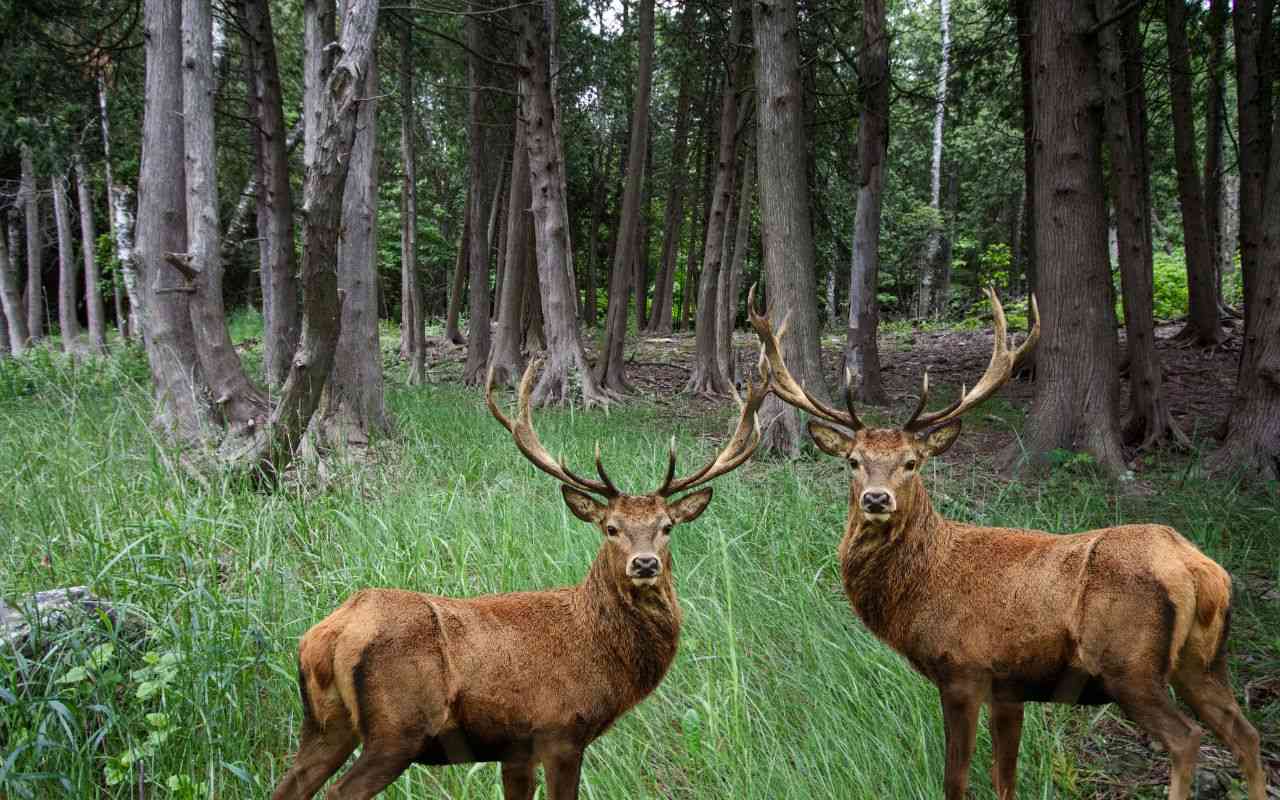
MIDNR has announced the latest dates for Michigan hunting season 2026-2027, and this is the best times to harvest both big and small game. Elk, deer, bear, turkey, and Coyote are just few of the many species of wildlife that can be found in the state for hunters to pursue.
Michigan gives hunters a little bit of everything. You can chase whitetails in farm country, work river bottoms for turkeys, hunt ducks over big marshes, spend time in the grouse woods, or apply for once-in-a-lifetime tags like elk and bear. That variety is a big reason Michigan stays one of the Midwest’s busiest hunting states.
For 2026–2027, the biggest story is change. Michigan approved several important deer updates for the 2026 season, including a shorter December firearm season, the end of the old limited-firearms zone in the Lower Peninsula, and the removal of January deer hunting extensions that many hunters had gotten used to. Waterfowl, spring turkey, bear, elk, and furbearer information also had fresh updates posted for 2026.
Public access is still one of Michigan’s strongest advantages. Between state game areas, more than 4 million acres of state forest, federal lands, commercial forest lands, and private parcels enrolled in access programs, hunters have a lot of room to roam if they plan ahead. The state’s managed wetland areas are especially good for waterfowl hunters.
Licensing is simple in structure but easy to misunderstand if you wait until the last minute. Most hunters need a base license first, then species-specific licenses or permits depending on what they want to hunt. If you are comparing species-specific details, this Michigan deer hunting season guide is a helpful related read, but always match it against the current state rules before you go.
Michigan Hunting Season Overview
| Category | Details |
|---|---|
| Licensing Requirement | Annual base license required for most hunters before species tags or permits |
| Main Game Species | Deer, turkey, waterfowl, black bear, elk, squirrel, rabbit, grouse, pheasant, furbearers |
| Public Hunting Areas | 100+ game and wildlife units covering 340,000+ acres, plus 4+ million acres of state forest |
| Online Harvest Reporting | Mandatory for deer and turkey; bear and elk require registration/check-in procedures |
| Youth Hunting Opportunities | Liberty Hunt, mentored youth package, spring turkey youth license, youth waterfowl weekend |
| Public Land Programs | Mi-HUNT, Hunting Access Program, Wetland Wonders, Commercial Forest access |
| Hunter Education Requirement | Required for first-time hunters born on or after Jan. 1, 1960, unless using apprentice option |
Michigan’s setup works well for both experienced hunters and beginners. Deer remains the headline species, but turkey and waterfowl opportunities are also excellent, and small-game seasons offer long windows that are great for new hunters learning the ropes.
Big Game Hunting Seasons
Michigan big-game hunters should pay extra attention this year because deer rules changed in a meaningful way for 2026. The old Lower Peninsula limited-firearms setup is gone, and the December muzzleloader season has effectively become a short December firearm season.
Deer Hunting Season
| Season Type | Dates | Bag Limit | Notes |
|---|---|---|---|
| Archery | Oct. 1–Nov. 14, 2026 and Dec. 1, 2026–Jan. 1, 2027 | Per valid deer tag | January archery extension was removed for 2026 |
| Firearms (Regular) | Nov. 15–30, 2026 | Per valid deer tag | Open statewide |
| December Firearm Season | Dec. 4–6, 2026 | Per valid deer tag | Replaces the old 10-day statewide muzzleloader season |
| Youth Hunt / Liberty Hunt | Sept. 12–13, 2026 | One antlered deer plus antlerless deer with valid tags | Open to youth and qualifying hunters with disabilities |
| Special Hunts | Early antlerless: Sept. 12–13, 2026; Independence Hunt: Oct. 15–18, 2026; Late antlerless: Dec. 7, 2026–Jan. 1, 2027 | Varies by tag and season | January archery and extended late antlerless seasons were removed for 2026 |
Deer Zones, APRs and Reporting
Michigan is still divided into three main deer zones: Zone 1 in the Upper Peninsula, Zone 2 in the northern Lower Peninsula, and Zone 3 in the southern Lower Peninsula. The big 2026 change is that the Lower Peninsula limited-firearms restriction was eliminated, which means hunters there can now use all legal firearms, including bottleneck cartridges, where deer hunting is otherwise legal.
Antler point restrictions still vary by deer management unit and by license type. In plain language, the restricted deer combo tag still matters in many places, and youth, mentored, and apprentice hunters remain exempt from APRs. A legal antlered deer is generally one with at least one antler 3 inches or longer unless a stricter APR applies in that unit.
Deer harvest reporting remains mandatory. Report your deer within 72 hours of recovery or before transferring possession to someone else, whichever comes first.
Deer Hunting Rules
| Regulation | Requirement |
|---|---|
| Hunter Orange | Required during firearm deer seasons; visible orange outer layer on all sides |
| Legal Weapons | All legal firearms now allowed throughout the Lower Peninsula; bows/crossbows remain legal in archery seasons |
| Reporting Deadline | Within 72 hours or before transfer of possession |
| Baiting Rules | Baiting banned in the entire Lower Peninsula; allowed in the Upper Peninsula Sept. 15–Jan. 1 with limits |
| Tagging Requirements | Validate and attach the kill tag immediately before moving the deer |
Elk Hunting Season
| Season | Dates | Permit Type |
|---|---|---|
| Hunt Period 1 | Sept. 23–Oct. 4, 2026 | Draw only |
| Hunt Period 2 | Dec. 1–15, 2026 | Draw only |
Michigan elk is a limited-entry hunt for residents only. For 2026, 200 elk licenses were available through a weighted-chance drawing. The application period ran May 1–June 1, the application cost was $5, and selected hunters had to buy a $100 elk receipt and complete mandatory orientation. Elk must be reported the day of harvest and registered within 72 hours.
Bear Hunting Season
| Season | Dates | Unit/Zone |
|---|---|---|
| Period 1 | Sept. 9–Oct. 21, 2026 | Amasa, Baraga, Bergland, Carney, Gwinn, Newberry, Drummond Island |
| Period 2 | Sept. 14–Oct. 26, 2026 | Several U.P. bear units |
| Period 3 | Sept. 25–Oct. 26, 2026 | Several U.P. bear units |
| Lower Peninsula Hunt Window | Sept. 12–22 and Oct. 2–8, 2026 | Baldwin, Gladwin, Red Oak |
Michigan bear licenses are issued through a preference-point drawing. No more than 5% of licenses for any hunt number go to nonresidents. After harvest, hunters must present the unfrozen head and hide, or the whole bear, at a registration station within 72 hours for sealing and registration.
Turkey Hunting Seasons
Turkey hunters have a solid spring season in Michigan, and 2026 added a useful youth option plus mandatory harvest reporting.
Spring Turkey Season
| Season | Dates | Bag Limit |
|---|---|---|
| Youth License Opportunity | Valid during any open spring TMU dates through May 31, 2026 | 1 bearded turkey |
| Regular Season | TMU M: Apr. 18–May 31; TMU NN: Apr. 18–May 1; TMU ZZ hunts split between Apr. 18–May 1 and May 2–31; Statewide Hunt 0234: May 2–31 | 1 bearded turkey per license |
Fall Turkey Season
| Season | Dates | Bag Limit |
|---|---|---|
| Archery / General Fall Framework | Sept. 15–Nov. 14 | 1 turkey per valid fall license |
| Firearms / Fall Framework | Sept. 15–Nov. 14 | 1 turkey per valid fall license |
Turkey Hunting Regulations
| Rule | Requirement |
|---|---|
| Shotgun Restrictions | Shot-size restrictions apply; use only legal turkey equipment |
| Hunter Orange Requirement | Not generally required in spring turkey, but always wise when moving through shared public land |
| Legal Hunting Hours | One-half hour before sunrise to one-half hour before sunset |
| Youth Requirements | Ages 10–16 can buy a youth spring turkey license; younger hunters may hunt through the mentored program |
A major 2026 change is mandatory turkey harvest reporting. Successful hunters now have 72 hours to report a bird or must do so before giving it to a processor, taxidermist, or another person.
Waterfowl Hunting Seasons
Michigan remains a strong Great Lakes waterfowl state, especially for hunters willing to learn marsh systems, managed areas, and draw procedures.
Duck Seasons
| Zone | Dates |
|---|---|
| North | Sept. 26–Nov. 22 and Nov. 28–29, 2026 |
| Central (Middle Zone) | Oct. 3–Nov. 29 and Dec. 12–13, 2026 |
| South | Oct. 17–Dec. 13 and Dec. 26–27, 2026 |
Goose Seasons
| Zone | Dates |
|---|---|
| North | Sept. 1–Dec. 16, 2026 |
| Central (Middle Zone) | Sept. 1–30 and Oct. 3–Dec. 18, 2026 |
| South | Sept. 1–30, Oct. 17–Dec. 13, Dec. 26–Jan. 3, and Feb. 6–15 |
Special Waterfowl Hunts
| Hunt Type | Dates |
|---|---|
| Youth Waterfowl | Sept. 19–20, 2026 |
| Veteran / Active-Duty Waterfowl | Sept. 19–20, 2026 |
| Early Teal | Sept. 1–9, 2026 |
Waterfowl Requirements
| Requirement | Details |
|---|---|
| HIP Registration | Required for migratory bird hunters |
| Federal Duck Stamp | Required for waterfowl hunters age 16 and older |
| State Waterfowl License | Required for waterfowl hunters age 16 and older; includes HIP |
Small Game Hunting Seasons
Michigan’s small-game lineup is one of the easiest ways for new hunters to spend more days afield.
| Species | Season Dates | Daily Limit |
|---|---|---|
| Squirrel (gray and fox) | Sept. 15–March 31 | 5 |
| Rabbit / Hare | Sept. 15–March 31 | 5 |
| Pheasant | Zone 1: Oct. 10–31; Zone 2: Oct. 20–Nov. 14; Zone 3: Oct. 20–Nov. 14 and Dec. 1–Jan. 1 | 2 |
| Quail | Oct. 20–Nov. 14 | 5 |
| Grouse (ruffed) | Sept. 15–Nov. 14 and Dec. 1–Jan. 1 | 5 in Zones 1 and 2; 3 in Zone 3 |
| Dove | No open Michigan dove season listed | — |
| Woodcock | Sept. 15–Oct. 29 | 3 |
| Snipe | Sept. 1–Nov. 9 | 8 |
Regional differences matter most for pheasant and grouse. Sharp-tailed grouse is even more specialized and only has a short Zone 1 season.
Furbearer Hunting and Trapping Seasons
| Species | Dates | Notes |
|---|---|---|
| Coyote | Oct. 15–March 1 | Night hunting allowed |
| Fox | Oct. 15–March 1 | Night hunting allowed |
| Raccoon | Oct. 1–March 31 | Night hunting allowed |
| Opossum | Year-round | No closed season |
| Beaver | Nov. 1–April 23 | Trapping units A, B, C |
| Bobcat | Hunting/trapping windows vary by unit | Kill tag required; mandatory registration |
| Otter | Unit-based season windows vary | Kill tag required; mandatory registration |
Michigan trappers need a base license plus a fur harvester license. Bobcat and otter are the species that deserve the most pre-season homework because unit dates, tags, and registration rules are more specific.
Additional Hunting Opportunities
| Species | Season Dates |
|---|---|
| Crow | Aug. 1–Sept. 30 and Feb. 1–March 31 |
| Frog | Last Saturday in May–Nov. 15 |
| Turtle | Snapping and softshell: July 15–Sept. 15; some other legal turtles open year-round |
| Other Legal Species | Year-round species include woodchuck, porcupine, red squirrel, ground squirrel, feral pigeon, house sparrow, starling and Russian boar |
Hunting Licenses and Fees
For prices and buying details, use the official Michigan license fee page.
Resident License Fees
| License Type | Fee |
|---|---|
| Annual Hunting License (Base) | $11 |
| Deer Permit (single deer license) | $20 |
| Turkey Permit | $15 |
| Waterfowl License | $12 |
| Trapping / Fur Harvester License | $15 |
Nonresident License Fees
| License Type | Fee |
|---|---|
| Annual Hunting License (Base) | $151 |
| Deer Permit (single deer license) | $20 |
| Turkey Permit | $15 |
| Waterfowl License | $12 |
| Trapping / Fur Harvester License | $15 |
Youth and Senior Licenses
| License Type | Fee |
|---|---|
| Youth Base License (Junior) | $6 |
| Senior Base License | $5 |
| Apprentice / Starter Package | $7.50 |
A few useful add-ons matter here. Resident deer combo is $40, nonresident deer combo is $190, and senior deer combo is $28. The federal duck stamp is separate at $28. A 2026 base license remains valid through March 31, 2027.
Hunter Education Requirements
| Requirement | Details |
|---|---|
| Minimum Age | Mentored youth can hunt at age 9 and younger; apprentice option starts at age 10 |
| Hunter Safety Course | Required for first-time hunters born on or after Jan. 1, 1960 |
| Apprentice Option | Available for ages 10+ for up to two license years before hunter education is required |
| Online Course Availability | Available, usually followed by field-day or course completion requirements depending on class type |
Michigan makes it pretty easy to get started. The best path for new adult hunters is often the apprentice route, then completing hunter education before the second or third season.
Public Hunting Land in Michigan
Michigan is strong on access. Hunters can use state game areas, state forests, some federal lands, commercial forest lands open to public hunting, and private land enrolled in access programs.
Major Public Hunting Areas
| Area Name | Acres | Popular Species |
|---|---|---|
| Allegan State Game Area | 50,656 | Deer, turkey, pheasant, waterfowl |
| Shiawassee River State Game Area | Nearly 10,000 | Ducks, geese and other waterfowl |
| Pointe Mouillee State Game Area | 4,040 | Waterfowl, especially ducks and geese |
| Fennville Farm Unit at Allegan SGA | 4,100 | Canada geese, ducks, deer, pheasant, turkey |
Wildlife and game areas are the most hunt-focused public properties. State forests greatly expand deer, bear, grouse, and small-game opportunity. Mi-HUNT is one of the best scouting tools in the state because it layers state lands, federal lands, parking, launches, cover types, commercial forest lands, and access-program parcels in one place.
Special Hunting Programs
Access Programs
| Program | Description |
|---|---|
| Walk-In Access / HAP | Private land opened to hunters through the Hunting Access Program |
| Private Land Access | Commercial Forest lands and enrolled private parcels expand access, especially where public land is limited |
| Youth Hunts | Liberty Hunt, youth waterfowl weekend, youth spring turkey option |
| Draw Hunts | Bear, elk, reserved deer hunts, and some managed waterfowl-area hunts |
Important Hunting Regulations
General Hunting Rules
| Regulation | Requirement |
|---|---|
| Hunter Orange | Required during firearm seasons and whenever applicable by species/season |
| Trespassing | Get landowner permission before entering private land |
| Baiting | Lower Peninsula banned; Upper Peninsula allowed only under specific limits and dates |
| Drones | Do not use a drone or other aircraft to hunt or pursue game |
| Spotlighting | Illegal use of artificial light can bring serious penalties |
| Party Hunting | Each hunter must use their own valid tag and license |
| Road Hunting | Do not hunt or pursue animals from a motor vehicle unless specifically permitted by disability rules |
| Suppressors | Confirm current state and federal legality before using one afield |
Hunting Hours
| Species | Legal Hunting Hours |
|---|---|
| Deer | One-half hour before sunrise to one-half hour after sunset |
| Turkey | One-half hour before sunrise to one-half hour before sunset |
| Waterfowl | One-half hour before sunrise to sunset |
| Small Game | Usually one-half hour before sunrise to one-half hour after sunset; check species rules |
Harvest Reporting Requirements
| Species | Reporting Deadline |
|---|---|
| Deer | Within 72 hours or before transfer of possession |
| Turkey | Within 72 hours or before transfer of possession |
| Bear | Check in within 72 hours at registration station |
| Elk | Report on day of harvest and register within 72 hours |
Penalties for Hunting Violations
| Violation | Possible Penalty |
|---|---|
| Hunting Without License / Permit Violation | Generally $50–$500 fine and/or up to 90 days in jail |
| Trespassing | Varies by circumstance; can add separate criminal or civil penalties |
| Exceeding Bag Limits | Generally $50–$500 fine and/or up to 90 days in jail |
| Illegal Harvest of Deer, Bear or Turkey | $200–$1,000 fine, possible jail, restitution, and license revocation |
| Failure to Report Deer or Turkey Harvest | Civil infraction, up to $150 |
Michigan Hunting Tips for the 2026–2027 Season
- Recheck deer rules before fall, because 2026 brought real firearm and season-structure changes.
- If you hunt the Lower Peninsula, update your rifle plan now that the limited-firearms zone is gone.
- In the Upper Peninsula, double-check where universal antlerless licenses are actually usable before buying extras.
- Do not count on January deer hunting anymore; 2026 ends deer hunting after Jan. 1.
- For marsh hunts, learn whether your area is draw-based, self-registration, or open walk-in.
- Carry your harvest-reporting routine into camp so deer and turkey reports get done immediately.
- Use Mi-HUNT layers for parking lots and cover types, not just boundaries.
- If you plan pheasant hunts on Lower Peninsula public land, make sure you account for the extra pheasant-license requirement.
- Bear applicants should keep their preference points active and avoid skipping too many years.
- Elk applicants should apply every year even with slim odds because the system rewards persistence.
- Waterfowl hunters in Menominee, Dickinson, Iron, and Gogebic counties should remember the Central Time adjustment.
- On HAP land, read the posted parcel rules every time; they can differ by property.
- In the Lower Peninsula, do not risk baiting violations by assuming old feed sites are still legal.
- If you are introducing a kid to hunting, Michigan’s Liberty Hunt and youth turkey options are some of the best entry points in the state.
Frequently Asked Questions
Do I need a base license to hunt in Michigan?
Yes. Most hunters need a base license first, then species-specific licenses or permits.
What changed for Michigan deer hunters in 2026?
The Lower Peninsula limited-firearms zone was removed, the old muzzleloader season became a short December firearm season, and January deer extensions were dropped.
Is deer harvest reporting mandatory?
Yes. Deer must be reported within 72 hours or before transfer of possession.
Is turkey harvest reporting mandatory now?
Yes. Starting with 2026 spring turkey, reporting became mandatory within 72 hours.
Can nonresidents hunt bear in Michigan?
Yes, but bear tags are limited by drawing and capped so that no more than 5% of licenses for a hunt number go to nonresidents.
Can nonresidents apply for Michigan elk?
No. Elk is limited to Michigan residents.
Is baiting legal in Michigan?
Not in the Lower Peninsula. In the Upper Peninsula, it is allowed only under strict dates and quantity rules.
Is there a Michigan dove season?
No open mourning dove season is listed in the current Michigan framework.
What do I need for waterfowl hunting?
A base license, state waterfowl license, HIP registration, and a federal duck stamp if you are 16 or older.
Are there public lands for beginners?
Yes. Allegan, Pointe Mouillee, Shiawassee, state forests, and HAP parcels are all good starting points depending on species.
What is the apprentice hunting option?
It allows people age 10 and older to start hunting before completing hunter education, but only for a limited number of license years.
Are youth hunters exempt from antler point restrictions?
In many cases, yes. Youth, mentored, and apprentice hunters are generally exempt from APRs.
Final Thoughts
Michigan’s 2026–2027 hunting season offers a deep lineup: whitetails statewide, spring turkey across broad TMUs, excellent duck and goose opportunities, long small-game seasons, and highly sought-after elk and bear hunts. If you like variety, Michigan is hard to beat.
This year’s deer changes are the biggest reason to slow down and read the fine print. Hunters who relied on the old Lower Peninsula firearm rules or planned for January deer opportunities will need to adjust. That alone makes preseason rule-checking more important than usual.
Licenses are still straightforward once you understand the order: base license first, then your species tag or permit. Fees remain manageable for residents, especially compared with many western states, but waterfowl hunters and big-game applicants should budget for the extra layers.
Public access remains a real strength. From huge state game areas to state forests and HAP parcels, Michigan gives hunters plenty of room to build a season around deer, ducks, grouse, turkey, or traplines. The hunters who scout access just as hard as they scout animals usually do best here.
Safety and compliance still matter as much as success. Wear the orange when required, respect private boundaries, skip illegal baiting, tag animals correctly, and report harvests on time. Those habits keep you legal and help wildlife managers do their job.
Most important of all, Michigan hunters should never assume last year’s rules still apply. This season especially, annual review matters. We based this article on the latest official updates available when writing, but hunters should still confirm final details with Michigan DNR hunting regulations before opening day.

- 2026-2027 Nevada Hunting Seasons New Dates & Regulations - August 13, 2026
- NC Turkey Season 2026 New Dates & Rules - July 23, 2026
- Thrilling 2026-2027 NM Elk, Deer And Pronghorn Season! - July 23, 2026

I’m really mad that mi. discontinued the hunting digest are group always used it to make sure we were always in compliance with the regulations and with the money we spend the DNR not making it easy for residence bring back the digest.
Hunting regs have certainly changed since I left Michigan in the early 1970’s. Mostly for the better, and there is a lot more game available! While perhaps little else has improved.