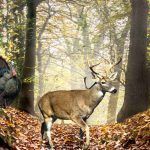
Hawaiʻi offers one of the most unusual hunting setups in the country. Instead of one simple statewide calendar, hunting here is built around islands, public hunting units, game management areas, and special hunt announcements. That makes the state exciting for serious hunters, but it also means beginners need to slow down and read the rules carefully before making plans.
The biggest draw for most hunters is Hawaiʻi’s mix of introduced game mammals and upland birds. Depending on the island, hunters can pursue axis deer, black-tailed deer, mouflon sheep, feral sheep, feral goats, feral pigs, turkey, pheasant, francolin, quail, dove, and more. Few states offer that kind of variety across such different landscapes.
Public land hunting is a major part of the experience. Kauaʻi, Lānaʻi, Hawaiʻi Island, Oʻahu, Molokaʻi, and Maui all have public hunting areas, and several islands also have game management areas with regular access or draw-based hunts. If you compare seasons from one state to another, this broader U.S. hunting seasons by state guide can help, but Hawaiʻi is truly its own system.
Licensing is also a little different here. A Hawaiʻi hunting license is required on both public and private land, and most hunters also need the wildlife conservation stamp. Bird hunters need an additional game bird stamp. For certain hunts, especially on Lānaʻi and Kauaʻi, hunters also need tags, permits, or lottery applications.
Hawaii Hunting Season Overview
| Category | Details |
|---|---|
| Licensing Requirement | Valid Hawaiʻi hunting license required on public and private land |
| Main Game Species | Axis deer, black-tailed deer, mouflon sheep, feral sheep, feral goat, feral pig, turkey, pheasant, quail, francolin, dove |
| Public Hunting Areas | Available on Kauaʻi, Oʻahu, Molokaʻi, Lānaʻi, Maui, and Hawaiʻi Island |
| Online Harvest Reporting | Commonly done through hunter check stations or hunt-specific check-in/check-out systems; some hunts also use mobile reporting, but not every special hunt |
| Youth Hunting Opportunities | Yes; Lānaʻi youth deer and mouflon hunts are major examples |
| Public Land Programs | Public Hunting Areas, Game Management Areas, lottery/draw hunts, private-land access with permission |
| Hunter Education Requirement | Required for most hunters unless they qualify for a narrow historical exception |
Hawaiʻi hunting works best when you think locally rather than statewide. One island may have open turkey opportunities while another island bans turkey harvest. One deer hunt may be archery-only, while another is a weekend draw rifle hunt. That island-by-island structure is the key to understanding Hawaiʻi regulations.
Big Game Hunting Seasons
Deer Hunting Season
Axis deer remain the premier big game species in Hawaii, with the highest concentrations found on Lanai. The 2026-2027 season offers multiple opportunities for archery, muzzleloader, and rifle hunters across several islands.
Lanai Axis Deer Season 2027
| Season Type | Dates | Bag Limit | Notes |
|---|---|---|---|
| Archery Period 1 | February 4-8, 2027 | 1 buck | Five-day period |
| Archery Period 2 | February 11-15, 2027 | 1 buck | Five-day period |
| Archery Period 3 | February 18-22, 2027 | 1 buck | Five-day period |
| Archery Period 4 | February 25 – March 1, 2027 | 1 buck | Five-day period |
| Youth Hunt | March 6-8, 2027 | 1 deer | Special youth opportunity |
| Muzzleloader | March 13-14, 2027 | 1 deer | Two-day season |
| General Rifle | March 20 – May 31, 2027 | 1 deer | Weekends only (Fri-Sun) |
Deer Hunting Rules
| Regulation | Requirement |
|---|---|
| Hunter Orange | Required during rifle seasons |
| Legal Weapons | Archery, muzzleloader, rifle depending on season |
| Reporting Deadline | Within 48 hours of harvest |
| Baiting Rules | Generally prohibited on public lands |
| Tagging Requirements | Must tag immediately upon harvest |
Deer hunting on Lanai operates primarily in the Lanai Cooperative Game Management Area. This area covers the northwest portion of the island with specific boundaries. Hunters must report to check stations and follow all tagging requirements. Axis deer tags are species-specific and must be purchased before hunting. The state does allow party applications with up to eight hunters .
For those wanting to hunt on Maui or Molokai, axis deer hunting is primarily available through private land access. Public opportunities are more limited, so securing permission or booking with a guide is recommended. Kauai also has black-tailed deer hunting with seasons running from summer through fall .
Mouflon Sheep Hunting
Mouflon sheep hunting on Lanai is managed through a lottery system due to limited tags and high demand. The 2026 season includes archery, muzzleloader, and general rifle hunts.
Lanai Mouflon Sheep Season 2026
| Season Type | Dates | Bag Limit | Notes |
|---|---|---|---|
| Archery | July 15-26, 2026 | 3 sheep | One ewe, one either sex, one non-typical ram |
| Youth Hunt | July 31 – August 2, 2026 | 1 sheep | Special youth opportunity |
| Muzzleloader | August 7-9, 2026 | 3 sheep | One ewe, one either sex, one non-typical ram |
| General Rifle | August 15 – October 11, 2026 | 3 sheep | Weekends only (Fri-Sun) |
Important: The application period for the 2026 Lanai Mouflon Sheep Season opens March 30, 2026, and closes May 1, 2026. The lottery drawing happens May 22, 2026 . Hunters must possess a valid 2026-27 Hawaii hunting license before applying. Non-Lanai residents face limited participation, and there’s a $10 non-refundable application fee.
Regulation Note: Hunters may only carry one rifle, shotgun, or bow during the general rifle hunt. Crossbows require a valid permit, and handguns are not permitted. All hunters must check in at the Lanai hunter check station. Late-arriving hunters who check in after station hours must verify check-in via photo of the hunter check sheet .
Feral Goat Hunting
Feral goats are considered an invasive species in Hawaii and can be hunted year-round in many areas. Seasons vary by island and unit.
| Island | Season | Dates | Notes |
|---|---|---|---|
| Kauai Unit A | Archery | June 6-7, 2026 | Weekend only |
| Kauai Unit A | Muzzleloader | June 13 – August 30, 2026 | Two weekends |
| Kauai Unit B | All Methods | May 26 – August 2026 | Fri-Mon + holidays |
| Kauai Units E1, E2 | Year-round | Year-round | Daily hunting |
Feral goats require no special tag—your base hunting license covers goat hunting. However, you must still have a valid Wildlife Conservation Stamp. Check island-specific regulations for unit restrictions and season dates.
Feral Pig Hunting
Feral pigs are abundant across all Hawaiian Islands and can be hunted in most areas year-round or during extended seasons. Pig hunting is covered under the base hunting license, making it an accessible option for many hunters.
| Island | Season | Dates | Notes |
|---|---|---|---|
| Kauai Unit A | Firearms | February – May 2026 | Specific dates vary |
| Kauai Unit B | Year-round | Year-round | Fri-Mon + holidays |
| Kauai Units E1, E2 | Year-round | Year-round | Daily hunting |
| Kauai Unit G | Year-round | Year-round | Archery only, 3-day permits |
The State of Hawaii recognizes that hunting is an essential tool for controlling feral pig populations, which damage native plant communities and contribute to soil erosion .
Turkey Hunting Seasons
Turkey hunting is popular in Hawaii, with spring bearded turkey seasons offering the primary opportunity. The 2026 spring season on Hawaii Island runs from March 1 through April 15.
Spring Turkey Season 2026
| Season | Dates | Bag Limit | Notes |
|---|---|---|---|
| Hawaii Island General Season | March 1 – April 15, 2026 | 1 bearded bird/day, 3 season limit | 46 consecutive days |
| Unit E – Kipuka Ainahou | March 1-31, 2026 | 1 bearded bird/day, 3 season limit | Archery only |
| Maui Private Lands | November 1 – January 31, 2026-27 | Varies | Weekends/holidays only |
Turkey Hunting Regulations
| Rule | Requirement |
|---|---|
| Shotgun Restrictions | No restriction on gauge |
| Hunter Orange Requirement | Required when hunting with firearms; archery below treeline also requires blaze orange |
| Legal Hunting Hours | One-half hour before sunrise to one-half hour after sunset |
| Youth Requirements | Under 16 must be accompanied by licensed adult |
Special Conditions by Unit:
- Unit A (Mauna Kea Forest Reserve): Mammal hunting with rifle, muzzleloader, handgun, and shotgun limited to above treeline during spring turkey season. Archery allowed below treeline with blaze orange wear .
- Unit C (Upper Piha/Laupahoehoe): Available through adaptive management until March 18, 2026. Contact Hilo DOFAW for updated information.
- Unit F (Pu’u Wa’awa’a): All gates must be closed; paddocks with cattle are closed to hunting.
- Unit G (Ka’ohe): Also open daily to mammal hunting for archery .
- Unit E (Kipuka Ainahou): Archery only for turkey.
Game Bird Hunting Seasons
Game bird hunting in Hawaii runs primarily from November through January across all major islands. Species include pheasant, quail, dove, and other game birds. The general season runs on weekends and state holidays.
| Island | Season Dates | Days Open | Special Conditions |
|---|---|---|---|
| Hawaii Island | November 1 – January 31 | Weekends & holidays | Extended days in Units A, G, PTA (Wed, Thu, weekends) |
| Kauai Island | November 1 – January 31 | Weekends & holidays | Unit J pheasant: archery only, weekends/Mon/holidays |
| Lanai Island | November 1 – January 31 | Weekends & holidays | Private land dove seasons available |
| Maui Island | November 1 – January 31 | Weekends & holidays | Private land turkey also open |
| Molokai Island | November 1 – January 31 | Weekends & holidays | Private land dove seasons available |
| Oahu Island | November 1 – January 31 | Weekends & holidays | Private land dove seasons available |
Game Bird Requirements:
| Requirement | Details |
|---|---|
| Game Bird Stamp | Required for all game bird hunting |
| HIP Registration | Harvest Information Program registration required |
| Daily Limits | Vary by species; check island-specific regulations |
Small Game Hunting Opportunities
Hawaii offers limited small game hunting compared to mainland states. Game birds, doves, and feral species are the primary small game opportunities. The state has special dove seasons on private lands across several islands.
| Species | Season Dates | Daily Limit | Notes |
|---|---|---|---|
| Barred Dove (Small) | Special Season: Oct 3-25, 2026 (Oahu, Maui, Lanai, Kauai); Feb 7-Mar 28, 2027 (all islands) | Varies by island | Private lands only |
| Spotted Dove (Large) | Oct 3-25, 2026 (Oahu, Maui, Lanai); Feb 7-Mar 28, 2027 (all islands) | Varies by island | Private lands only |
Waterfowl Hunting Seasons
Waterfowl hunting in Hawaii is limited compared to mainland states. The state has migratory bird seasons that generally align with Pacific Flyway dates. Check with DOFAW for current waterfowl season announcements.
Waterfowl Requirements:
| Requirement | Details |
|---|---|
| HIP Registration | Required for all waterfowl hunters |
| Federal Duck Stamp | Required for hunters 16 and older |
| State Stamp | Game Bird Stamp required |
Furbearer Hunting and Trapping Seasons
Hawaii has limited furbearer species. Feral cats, mongooses, and rats are considered invasive species and can be controlled. Trapping regulations are specific to each island.
| Species | Notes |
|---|---|
| Feral Cat | Invasive species; check island-specific regulations |
| Mongoose | Invasive species; no closed season in many areas |
| Rat | Invasive species; can be controlled year-round |
Hunting Licenses and Fees
Hawaiʻi uses a simple basic license structure, but special hunts add tags, stamps, and application costs.
Resident License Fees
| License Type | Fee |
|---|---|
| Annual Hunting License (includes Wildlife Conservation Stamp) | $20 |
| Deer Permit | Varies: Kauaʻi archery/muzzleloader $5; Kauaʻi rifle $15; Lānaʻi axis deer tag $20 plus $10 application |
| Turkey Permit | $5 per tag |
| Waterfowl Stamp | Not listed |
| Trapping License | Not listed in current public hunting materials |
Nonresident License Fees
| License Type | Fee |
|---|---|
| Annual Hunting License (includes Wildlife Conservation Stamp) | $105 |
| Deer Permit | Varies: Kauaʻi archery/muzzleloader $25; Kauaʻi rifle $30; Lānaʻi axis deer tag $125 plus $10 application |
| Turkey Permit | $20 per tag |
| Waterfowl Stamp | Not listed |
| Trapping License | Not listed in current public hunting materials |
Youth and Senior Licenses
| License Type | Fee |
|---|---|
| Youth License | No separate statewide youth license listed; youth hunters generally still need a valid Hawaiʻi hunting license for special hunts |
| Senior License | $10 |
| Apprentice License | Not listed |
License Validity
Current online license sales show fiscal-year validity. In practice, licenses and stamps for the 2026–2027 cycle run from the purchase date through June 30, 2027. Always check the printed dates on your license and tags.
Hunter Education Requirements
| Requirement | Details |
|---|---|
| Minimum Age | No simple statewide hunting minimum age is highlighted on the general pages; special youth hunts define youth as 15 or younger |
| Hunter Safety Course | Required for most applicants |
| Apprentice Option | No general apprentice license program clearly listed |
| Online Course Availability | Hunter education classes and replacement card services are available through the state system |
Most hunters need proof of a hunter education course recognized by the National Hunter Education Association. Nonresidents with out-of-state hunter education usually need a Hawaiʻi letter of exemption before buying a first Hawaiʻi license. Hunters born before Jan. 1, 1972 who can prove they held a Hawaiʻi hunting license before July 1, 1990 may fall under a limited exception.
Public Hunting Land in Hawaii
Public hunting is one of Hawaiʻi’s real strengths, but access can change with closures, weather, ranch agreements, and local conditions.
Major Public Hunting Areas
| Area Name | Acres | Popular Species |
|---|---|---|
| Kauaʻi DOFAW Public Hunting Area | Approx. 100,000 | Black-tailed deer, pig, goat, pheasant, francolin, quail, dove |
| Lānaʻi Cooperative Game Management Area | Approx. 30,000 | Axis deer, mouflon sheep, turkey, quail, pheasant, dove |
| Kapāpala Cooperative Game Management Area | 24,000+ | Game birds, turkey access, upland bird hunting |
| Kuaokalā GMA, Oʻahu | Roughly 500 acres of maintained habitat plus field systems | Pheasant, francolin, dove, peafowl, pig, goat |
Hawaiʻi uses several land designations, including forest reserves, game management areas, public hunting units, and select cooperative management areas on leased or partnered lands. Some of the best public access is map-based and unit-specific, so always confirm boundaries, safety zones, and entry rules before hunting.
Special Hunting Programs
Access Programs
| Program | Description |
|---|---|
| Public Hunting Areas | Standard state hunting units on the major islands |
| Private Land Access | Allowed with landowner permission and a valid Hawaiʻi hunting license |
| Youth Hunts | Major examples include Lānaʻi youth deer and youth mouflon hunts |
| Draw Hunts | Lānaʻi axis deer, Lānaʻi mouflon sheep, and some Kauaʻi deer rifle opportunities |
Applications for special hunts are usually handled online through the state hunt portal, and most draw hunts also require a separate application fee.
Important Hunting Regulations
General Hunting Rules
| Regulation | Requirement |
|---|---|
| Hunter Orange | Required in public hunting areas except designated archery-only public areas |
| Trespassing | Private-land hunting requires landowner permission |
| Baiting | Verify unit-specific rules before hunting |
| Drones | Unmanned aircraft are prohibited in at least some public hunting areas such as Kuaokalā GMA; do not assume drone use is legal |
| Spotlighting | Artificial light use for hunting is illegal |
| Party Hunting | Tags are hunter-specific and nontransferable |
| Road Hunting | Follow safety-zone and unit-access rules; do not assume roadside shooting is allowed |
| Suppressors | Confirm with Hawaiʻi firearms law before bringing one; do not assume legality |
The safest approach in Hawaiʻi is simple: hunt only with your own tag, stay inside the correct unit, use legal access points, wear blaze orange where required, and follow the exact instructions in that hunt’s current notice.
Hunting Hours
| Species | Legal Hunting Hours |
|---|---|
| Deer | One-half hour before sunrise to one-half hour after sunset |
| Turkey | One-half hour before sunrise to one-half hour after sunset |
| Waterfowl | No regular statewide season published |
| Small Game | One-half hour before sunrise to one-half hour after sunset |
Harvest Reporting Requirements
| Species | Reporting Deadline |
|---|---|
| Deer | Immediately tag harvest; check out and report at the required station/process after the hunt |
| Turkey | Tag immediately after kill; follow island/unit check-out rules |
| Bear | Not applicable |
| Elk | Not applicable |
Hawaiʻi relies heavily on station check-ins, permit cards, and hunt-specific reporting. That means reporting is often tied directly to your hunt completion, not just a later online deadline.
Penalties for Hunting Violations
| Violation | Possible Penalty |
|---|---|
| Hunting Without License | Citation, fines, possible loss of hunting privileges |
| Trespassing | Citation, removal from property, fines, possible criminal action |
| Exceeding Bag Limits | Citation, fines, seizure of game, possible license consequences |
| Illegal Harvest | Criminal or wildlife offense charges, equipment seizure, restitution |
| Failure to Report Harvest | Citation and possible effect on future permits or hunt eligibility |
Actual penalties depend on the law involved, where the violation happened, and how the case is charged. Hunters should treat Hawaiʻi’s unit rules seriously because public access can be lost when abuse becomes common.
Hawaii Hunting Tips for the 2026–2027 Season
- Learn your island and unit, not just the species season.
- Download or print your unit map before leaving cell service.
- If you are hunting Lānaʻi, book travel and lodging early because draw hunts concentrate hunter traffic.
- On Kauaʻi deer hunts, check whether your unit is daily, weekends only, or holiday-only.
- Expect weather to change fast in upland areas, especially on Hawaiʻi Island and Kauaʻi.
- Bring extra blaze orange even if your hunt may enter an archery-only section.
- Do not assume OuterSpatial is active for every hunt; some 2026 Lānaʻi hunts required physical check-in/out.
- If you are a nonresident, handle your hunter education exemption paperwork before travel.
- Watch for ranch gates, posted safety zones, and livestock in cooperative management areas.
- For Kauaʻi black-tailed deer, study the difference between Unit A antler rules and Unit B either-sex rules.
- Bird hunters should confirm whether a dove or turkey opportunity is public land, private land, or both.
- Clean boots, tires, and gear after hunting on Hawaiʻi Island to reduce weed and pest spread between units.
Frequently Asked Questions
Do I need a hunting license to hunt private land in Hawaiʻi?
Yes. Hawaiʻi requires a valid state hunting license on both public and private land.
Do I need a wildlife conservation stamp?
Yes. It is part of the basic Hawaiʻi hunting license structure.
Do bird hunters need anything extra?
Yes. Game bird hunters need a current game bird stamp in addition to the hunting license.
Is there a statewide deer season in Hawaiʻi?
No. Deer seasons are mostly island- and unit-based, especially on Kauaʻi and Lānaʻi.
What is the main 2026 public deer hunt in Hawaiʻi?
The most prominent special public deer hunt is the 2026 Lānaʻi axis deer season.
Are there elk or bear hunts in Hawaiʻi?
No. Hawaiʻi does not have elk or bear hunting seasons.
Is turkey hunting available in Hawaiʻi?
Yes, but it is limited and highly location-specific. Hawaiʻi Island has a confirmed spring bearded turkey season for 2026.
Does Hawaiʻi have duck and goose seasons?
No regular statewide duck-and-goose season was published in the latest materials reviewed for this guide.
Can nonresidents hunt in Hawaiʻi?
Yes, but first-time nonresidents generally need a Hawaiʻi letter of exemption tied to hunter education before buying a license.
Are youth hunts available?
Yes. Lānaʻi offers notable youth-only opportunities for deer and mouflon sheep.
Do I have to wear hunter orange?
Yes on most public hunts, except in designated archery-only public areas.
How long is a Hawaiʻi hunting license valid?
For the current 2026–2027 cycle, licenses sold online are valid through June 30, 2027.
Can I use the same deer tag on another island?
No. Tags are hunt-specific and nontransferable.
Do I need to report my harvest?
Yes. Hawaiʻi uses hunt-specific check-out and reporting procedures, especially for deer and special hunts.
Final Thoughts
Hawaiʻi offers a rare hunting mix. Hunters can chase black-tailed deer on Kauaʻi, axis deer on Lānaʻi, spring bearded turkey on Hawaiʻi Island, and a wide range of upland birds across multiple islands. Add in public access on six major islands, and the state gives hunters far more variety than many people expect.
That said, Hawaiʻi is not a state where you should rely on old dates, forum posts, or mainland assumptions. Seasons are often published by island, unit, and special announcement. A hunt that was open last year may have different access rules, different reporting steps, or different tag limits this year.
Licenses are fairly straightforward, but the real details come from stamps, tags, permits, and lottery applications. Residents and nonresidents both need to watch the fine print, especially for special Lānaʻi and Kauaʻi hunts. Bird hunters also need to remember the added game bird stamp.
Public land remains one of the biggest strengths of Hawaiʻi hunting. From the large public footprint on Kauaʻi to the famous Lānaʻi game management system, hunters have real opportunity if they plan ahead, respect the land, and follow unit-specific rules.
Safety matters here as much as anywhere. Blaze orange rules, check-in procedures, legal weapon restrictions, and private-land permission are all part of staying legal and keeping access open for the future.
Most important of all, Hawaiʻi updates many seasons through annual or island-specific announcements. So while this guide is based on the latest official information available, hunters should always double-check their exact island, unit, and hunt type through the Hawaiʻi DLNR hunting portal before heading out.

- 2026-2027 Nevada Hunting Seasons New Dates & Regulations - August 13, 2026
- NC Turkey Season 2026 New Dates & Rules - July 23, 2026
- Thrilling 2026-2027 NM Elk, Deer And Pronghorn Season! - July 23, 2026