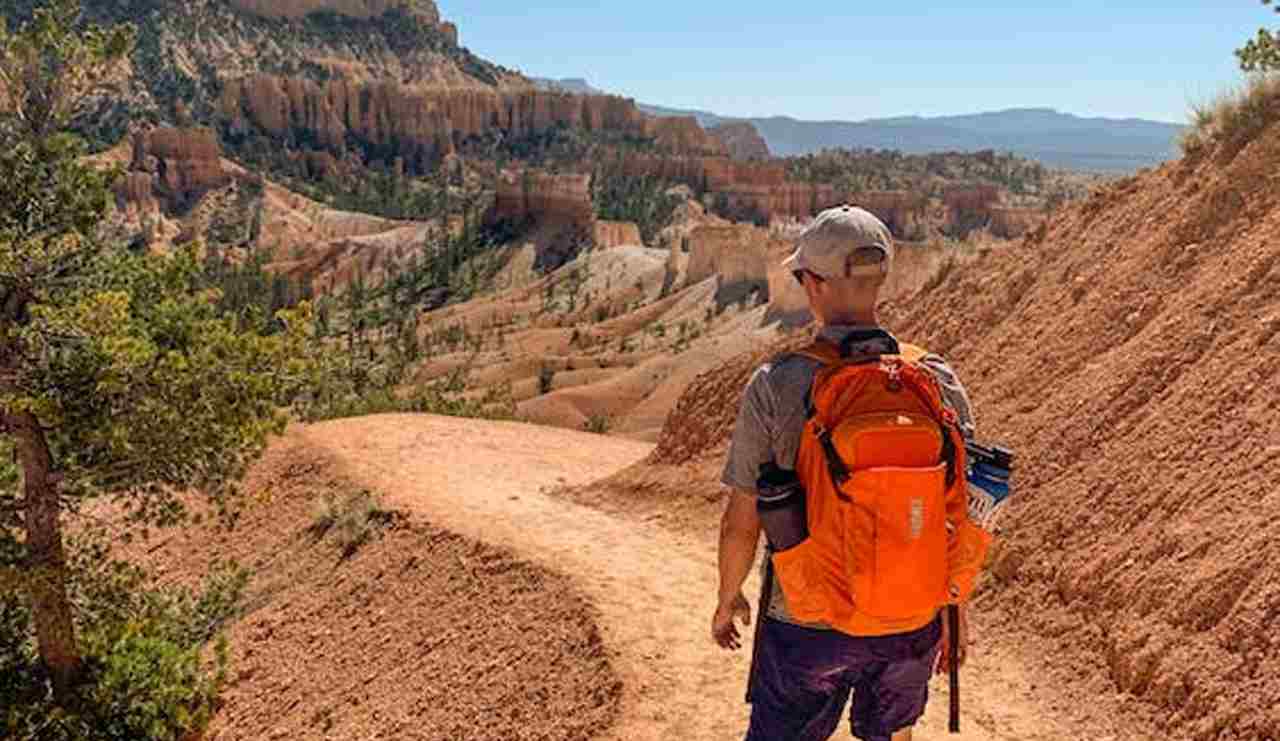
Utah gives hunters one of the most varied Western seasons in the country. In one state, you can chase alpine elk, desert mule deer, spring gobblers, marsh ducks, late-season geese, rabbits, upland birds, and several furbearer species. That range is a big reason Utah stays popular with both resident hunters and traveling DIY hunters.
Mule deer and elk are still the headline species, but Utah’s hunting calendar is much broader than big game. Turkey, waterfowl, chukar, grouse, pheasant, dove, rabbit, and predator opportunities stretch the season across most of the year. Public access is another major advantage, especially with large blocks of BLM ground, national forest, WMAs, and marsh habitat scattered across the state.
Licensing is straightforward, but Utah is not a “buy it and forget it” state. You need a valid hunting or combination license, and many hunts also require a permit or draw result. Some species have mandatory harvest reporting, some require physical check-ins, and some close early when quotas are reached.
That is exactly why hunters should review Utah’s regulations every year. Dates, unit details, access rules, permit availability, bear closures, and shooting-hour tables can all affect your plan. This guide was checked against the official Utah DWR hunting portal and the Utah Hunt Planner, and for a species-specific recap you can also compare our Utah deer hunting season guide.
Utah Hunting Season Overview
| Category | Details |
|---|---|
| Licensing Requirement | Valid Utah hunting or combination license required; many hunts also need a species permit |
| Main Game Species | Mule deer, elk, black bear, turkey, ducks, geese, chukar, grouse, pheasant, rabbits |
| Public Hunting Areas | BLM lands, national forests, WMAs, Bear River marsh country, desert units, mountain units |
| Online Harvest Reporting | Mandatory for big game permits; completed online or by phone |
| Youth Hunting Opportunities | Youth deer flexibility, youth turkey hunt, youth waterfowl hunt, youth upland events |
| Public Land Programs | BLM public land, WMAs, CWMUs, unit-based public hunting access |
| Hunter Education Requirement | Required for most license buyers born after Dec. 31, 1965, unless using Trial Hunting Program |
Utah does not manage hunting with a one-size-fits-all system. Big game is largely unit-based, waterfowl is zone-based, and several species have different permit types, closures, or reporting rules. That makes annual planning important, especially for first-time Utah hunters.
Big Game Hunting Seasons
Utah’s big game structure mixes general-season opportunity with draw-based and unit-based management. Deer and elk are the core hunts, while bear adds quota-based complexity.
Deer Hunting Season
| Season Type | Dates | Bag Limit | Notes |
|---|---|---|---|
| Archery | Aug. 15–Sept. 11, 2026 | 1 buck deer per permit | General-season archery |
| Firearms | Early any legal weapon: Oct. 7–11, 2026; Any legal weapon: Oct. 17–25, 2026 | 1 buck deer per permit | Unit-specific permit rules apply |
| Muzzleloader | Sept. 23–Oct. 1, 2026 | 1 buck deer per permit | General-season muzzleloader |
| Youth Hunt | Youth holders of eligible any-legal-weapon/restricted-rifle permits may hunt all general deer seasons on their unit | 1 buck deer per permit | Includes archery, muzzleloader, and rifle windows |
| Special Hunts | Extended archery: Sept. 12–Oct. 15 or Sept. 12–Nov. 30, 2026, depending on unit | 1 buck deer per permit | Requires eligible unit and extended-archery qualification |
Utah does not use broad deer “zones” the way some Eastern states do. Instead, deer hunting is organized by hunt units, permit numbers, and season type. That means your exact legal area matters just as much as the date on the calendar.
For antler rules, Utah defines a buck deer as a deer with antlers longer than five inches. Reporting is mandatory for deer permit holders, even if you never fire a shot. Special opportunities mainly center on youth flexibility and extended archery units.
Deer Hunting Rules
| Regulation | Requirement |
|---|---|
| Hunter Orange | Required while hunting big game; must be visible on the exterior |
| Legal Weapons | Must match the season: archery, muzzleloader, or any legal weapon |
| Reporting Deadline | Within 30 days after season ends; hunts ending Jan. 16 or later are due by Feb. 15 |
| Baiting Rules | Baiting big game is prohibited statewide |
| Tagging Requirements | Tag the animal immediately before moving it from the kill site |
Elk Hunting Season
| Season | Dates | Permit Type |
|---|---|---|
| Archery Any Bull | Aug. 15–Sept. 16, 2026 | General-season any bull |
| Archery Spike Bull | Aug. 15–Sept. 4, 2026 | General-season spike |
| Any Legal Weapon Any Bull | Oct. 3–9 and Oct. 10–16, 2026 | Early/late any bull |
| Any Legal Weapon Spike Bull | Oct. 3–15, 2026 | General-season spike |
| Muzzleloader | Oct. 28–Nov. 5, 2026 | Any bull and spike units |
Utah’s elk system mixes draw permits, general-season opportunities, and unit categories like spike-only and any-bull. Some permits are awarded in the draw, while others may show up later as remaining or over-the-counter style availability.
Bear Hunting Season
| Season | Dates | Unit/Zone |
|---|---|---|
| Spring Pursuit | March 28–May 25, 2026 | Restricted and non-restricted units |
| Summer Pursuit | July 6–31, 2026 | Non-restricted units |
| Early Summer Pursuit | July 6–16, 2026 | Restricted units |
| Late Summer Pursuit | July 18–31, 2026 | Restricted units |
| Fall Pursuit | Nov. 2–8, 2026 | Non-restricted units |
| Harvest-Objective Hunts | Vary by unit | Close when quota is met or season ends |
Bear hunters need to pay close attention to quotas. On harvest-objective units, a legal season can shut down once the unit reaches its harvest objective. Every harvested bear must be checked in within 48 hours for a permanent tag, and hunters should verify closures before leaving home.
Turkey Hunting Seasons
Utah gives turkey hunters both spring and fall opportunity, with spring remaining the most popular.
Spring Turkey Season
| Season | Dates | Bag Limit |
|---|---|---|
| Youth Hunt | April 30–May 2, 2027 | 1 bird |
| Regular Season | May 3–31, 2027 | 1 bird |
Fall Turkey Season
| Season | Dates | Bag Limit |
|---|---|---|
| Management Harvest | Oct. 1, 2026–Feb. 28, 2027 | Up to 3 permits total; max 2 beardless and 1 either-sex |
Turkey Hunting Regulations
| Rule | Requirement |
|---|---|
| Shotgun Restrictions | Follow current turkey legal-weapon rules in the guidebook |
| Hunter Orange Requirement | Required if you are also participating in a big game hunt; otherwise follow current turkey safety rules |
| Legal Hunting Hours | Check current Utah shooting-hours tables before the hunt |
| Youth Requirements | Youth spring hunt is limited to eligible youth hunters |
Turkey hunters should remember that Utah does not require a mandatory turkey harvest report the way it does for deer and elk, but the state may send nonmandatory surveys after the season.
Waterfowl Hunting Seasons
Utah waterfowl hunting is built around marshes, river bottoms, impoundments, and Great Salt Lake habitat. Ducks are simple by duck zone, but goose hunting uses separate goose areas.
Duck Seasons
| Zone | Dates |
|---|---|
| North | Oct. 3, 2026–Jan. 16, 2027 |
| Central | Utah does not publish a separate central duck zone for 2026–27 |
| South | Oct. 10, 2026–Jan. 23, 2027 |
Goose Seasons
| Zone | Dates |
|---|---|
| North | Northern goose area: Oct. 3–10, 2026 and Oct. 26, 2026–Jan. 31, 2027 |
| Central | No formal statewide central zone; Wasatch Front: Oct. 3–10, 2026 and Nov. 10, 2026–Feb. 15, 2027; Eastern Box Elder: Oct. 3, 2026–Jan. 16, 2027 |
| South | Southern goose area: Oct. 10, 2026–Jan. 23, 2027 |
Special Waterfowl Hunts
| Hunt Type | Dates |
|---|---|
| Youth Waterfowl North | Sept. 19, 2026 |
| Youth Waterfowl South | Sept. 26, 2026 |
| Veteran/Active-Duty Days | Verify final guidebook tables before hunting |
| Early Teal | Not listed as a separate Utah early teal season in the guidebook summary I verified |
Waterfowl Requirements
| Requirement | Details |
|---|---|
| HIP Registration | Required for migratory bird hunters each season |
| Federal Duck Stamp | Required for waterfowl hunters age 16 and older |
| State Stamp | No separate general state duck stamp is highlighted in the 2026 fee schedule; check special permits like Waterfowl Slam |
| Shell Limit | Shotgun cannot hold more than three shells |
| Nontoxic Shot | Required for waterfowl, crane, and coot hunting |
Small Game Hunting Seasons
Utah small game is one of the best ways to stay in the field after big game season.
| Species | Season Dates | Daily Limit |
|---|---|---|
| Squirrel | No general squirrel season listed in the Utah guidebook I verified | — |
| Rabbit | Cottontail: Sept. 1, 2026–Feb. 28, 2027; Snowshoe hare: Sept. 1, 2026–March 15, 2027; Jackrabbit: year-round | 10 cottontail / 5 snowshoe / no limit jackrabbit |
| Pheasant | Nov. 7–Dec. 6, 2026 | 2 male birds |
| Quail | Nov. 7–Dec. 31, 2026 | 5 |
| Grouse | Sept. 1–Dec. 31, 2026 | 4 |
| Dove | Sept. 1–Oct. 30, 2026 | 15 |
| Woodcock | Not listed in the season tables I verified | — |
| Snipe | North: Oct. 3, 2026–Jan. 16, 2027; South: Oct. 10, 2026–Jan. 23, 2027 | 8 |
Regional differences matter here. Chukar and gray partridge open Sept. 26, 2026 and run to Feb. 15, 2027, while American crow runs Sept. 1–30, 2026 and Dec. 1, 2026–Feb. 28, 2027.
Furbearer Hunting and Trapping Seasons
| Species | Dates | Notes |
|---|---|---|
| Coyote | Year-round | No limit; special county spotlighting rules may apply |
| Fox | Red fox year-round; gray/kit fox Sept. 15, 2026–March 1, 2027 | Species matters |
| Raccoon | Special rules apply | DWR notes separate authority issues and spotlighting exceptions |
| Opossum | No standard Utah season listed in the current guidebook I verified | — |
| Beaver | Sept. 15, 2026–April 1, 2027 | Trapping season |
| Bobcat | Nov. 18, 2026–March 1, 2027 | Permit required; max 6 permits |
| Otter | No open general season | Protected; avoid incidental take |
All trapping devices used on furbearers, coyotes, or raccoons generally must be checked every 48 hours, with limited exceptions allowing 96-hour checks for certain lethal sets. Bobcats need both a permit and a permanent tag after harvest.
Additional Hunting Opportunities
| Species | Season Dates |
|---|---|
| Crow | Sept. 1–30, 2026 and Dec. 1, 2026–Feb. 28, 2027 |
| Frog | No general hunting season listed; take is handled under separate amphibian/reptile rules |
| Turtle | No general hunting season listed; verify separate collection rules before take |
| Other Legal Species | Band-tailed pigeon: Sept. 1–14, 2026; Eurasian collared-dove: year-round, no limit |
Hunting Licenses and Fees
Resident License Fees
| License Type | Fee |
|---|---|
| Annual Hunting License (18–64) | $40 |
| Deer Permit | $46 |
| Turkey Permit | $40 |
| Waterfowl Slam | $20 |
| Trapping/Furbearer License | $33 |
Nonresident License Fees
| License Type | Fee |
|---|---|
| Annual Hunting License (adult) | $144 |
| Deer Permit | $599 |
| Turkey Permit | $175 |
| Waterfowl Stamp/Permit | Check current species permit needs; no general nonresident Waterfowl Slam fee was listed in the summary I verified |
| Trapping/Furbearer License | $255 |
Youth and Senior Licenses
| License Type | Fee |
|---|---|
| Youth Hunting License | Resident 14–17: $16; Resident 13 and younger: $11; Nonresident youth: $44 |
| Senior License | Resident 65+ hunting license: $31 |
| Apprentice Option | Trial Hunting Program available; regular license/permit purchase still required |
Utah licenses are generally valid for 365 days from the purchase date unless you buy a multiyear option.
Hunter Education Requirements
| Requirement | Details |
|---|---|
| Minimum Age | Must be at least 12 to hunt; Trial Hunting Program application starts at 11 |
| Hunter Safety Course | Required for most hunters born after Dec. 31, 1965 |
| Apprentice Option | Utah Trial Hunting Program allows beginners to hunt while supervised |
| Online Course Availability | Yes; online coursework is available, but field day/testing is still required |
Utah’s Trial Hunting Program is a good option for brand-new hunters. It allows someone 12 or older to try hunting for up to three years while supervised by a licensed hunter age 21 or older.
Public Hunting Land in Utah
Utah remains a strong public-land hunting state.
| Area Name | Acres | Popular Species |
|---|---|---|
| BLM-managed public lands statewide | Approx. 23 million | Deer, elk, predators, upland game |
| Bear River Migratory Bird Refuge | Nearly 80,000 | Ducks, geese, marsh birds |
| Farmington Bay WMA | About 22,000 | Waterfowl, pheasant, upland birds |
| Utah WMAs statewide | From a few dozen acres to 50,000+ | Waterfowl, upland birds, some big game access |
WMAs are especially important for marsh and bird hunting. National forests and BLM ground matter more for elk and mule deer. Private-land access often comes through permission or CWMU systems rather than a classic statewide walk-in program.
Special Hunting Programs
| Program | Description |
|---|---|
| Walk-In Access | No broad Utah walk-in program like some Plains states; use WMAs, BLM, forests, and direct permission |
| Private Land Access | CWMUs and private-land permission create access on managed private ground |
| Youth Hunts | Youth turkey, youth waterfowl, and youth-friendly deer opportunities |
| Draw Hunts | Big game permit drawings, limited-entry tags, and unit-specific allocation |
Important Hunting Regulations
| Regulation | Requirement |
|---|---|
| Hunter Orange | Required for big game hunters |
| Trespassing | Written/documented permission needed on cultivated, posted, or fenced private land |
| Baiting | Prohibited for big game |
| Drones | Cannot be used to locate protected wildlife during the restricted period |
| Spotlighting | Prohibited for protected wildlife, with limited county/predator exceptions |
| Party Hunting | Illegal |
| Road Hunting | No shooting from a vehicle or across a highway |
| Suppressors | Not specially highlighted in the field guidebook summary; verify legality before use |
Hunting Hours
| Species | Legal Hunting Hours |
|---|---|
| Deer | 30 minutes before sunrise to 30 minutes after sunset |
| Turkey | Check current Utah shooting-hours tables |
| Waterfowl | Check current daily shooting-hours tables by zone/date |
| Small Game | Species-specific; check the current guidebook tables |
Harvest Reporting Requirements
| Species | Reporting Deadline |
|---|---|
| Deer | Within 30 days after season ends; Jan. 16-or-later hunts due by Feb. 15 |
| Turkey | No mandatory harvest report |
| Bear | No online harvest report, but physical check-in within 48 hours |
| Elk | Within 30 days after season ends; Jan. 16-or-later hunts due by Feb. 15 |
Penalties for Hunting Violations
| Violation | Possible Penalty |
|---|---|
| Hunting Without License | Criminal citation, possible misdemeanor charge, loss of hunting privileges |
| Trespassing | Trespass citation plus wildlife violations if game is taken |
| Exceeding Bag Limits | Citation, restitution, and possible suspension risk |
| Illegal Harvest | Misdemeanor or more serious charge depending on circumstances and wildlife value |
| Failure to Report Harvest | One-year application ineligibility or late report plus $25 fee |
Utah Hunting Tips for the 2026–2027 Season
- Use the Utah Hunt Planner before every trip because deer and elk seasons are unit-specific.
- If you want extended archery deer access, make sure you qualify before the season opens.
- Youth deer permit holders in Utah have unusually flexible general-season opportunity, so plan around that advantage.
- Bear hunters should check quota status the same day they leave for the unit.
- Do not assume Utah has a central duck zone; duck seasons are split north and south.
- Carry your HIP number before hunting doves, crows, ducks, geese, snipe, or other migratory birds.
- If you hunt private ground, get documented permission instead of relying on a handshake.
- Expect steep elevation changes and weather swings when switching from desert deer country to mountain elk country.
- Marsh hunters should confirm access rules and closures on WMAs before scouting.
- Jackrabbit and Eurasian collared-dove can be useful backup hunts when your main season is closed.
- Furbearer hunters should mark traps correctly and know the 48-hour check rule.
- Don’t wait on harvest reports; Utah can lock you out of next year’s applications.
- Waterfowl hunters should verify daily shooting hours instead of guessing from sunrise.
- Coyote hunters need to understand county spotlighting rules before hunting after dark.
Frequently Asked Questions
Do I need a hunting license for every Utah hunt?
Yes. You need a valid hunting or combination license, and many species also require a separate permit.
Does Utah require hunter education?
Yes, for most hunters born after Dec. 31, 1965, unless they use the Trial Hunting Program.
Are Utah deer hunts statewide?
No. Utah deer hunting is managed by hunt unit and permit type.
Is hunter orange mandatory in Utah?
Yes for big game hunting.
Can I bait deer in Utah?
No. Big game baiting is prohibited.
Do I have to report a deer even if I don’t fill the tag?
Yes. Deer and elk permit holders must report even if they were unsuccessful.
Are turkey hunters required to file harvest reports?
No mandatory turkey harvest report is required.
Does Utah have public land for DIY hunting?
Absolutely. BLM lands, national forests, refuges, and WMAs offer major opportunity.
Is there an open otter season in Utah?
No general otter season is listed in the current guidebook I verified.
Can I hunt coyotes year-round in Utah?
Yes, but special predator, county, and spotlighting rules can still matter.
Final Thoughts
Utah remains one of the better all-around hunting states in the West because it offers real variety. Big game hunters get solid mule deer and elk opportunity, bird hunters get quality turkey and marsh action, and small game/furbearer hunters have enough season length to stay active for months.
The biggest mistake Utah hunters make is treating the state like a simple calendar hunt. It is not. Unit boundaries, quota closures, youth flexibility, goose areas, and reporting rules all shape what is legal on the ground.
Licenses and permits also deserve attention. A basic hunting license opens the door, but the species permit, draw result, and reporting requirement often decide whether your hunt is actually valid. That is especially true for deer, elk, and bear.
Public-land access is still a major Utah strength. Between BLM acreage, wildlife management areas, marsh habitat, and mountain country, hunters have room to build good DIY hunts without relying entirely on private leases.
Safety and compliance matter just as much as scouting. Know your unit, tag immediately, avoid trespass, stay legal on weapon choice, and double-check reporting deadlines. Before you hunt, verify the latest dates, closures, access rules, and species details with Utah’s wildlife agency.

- 2026-2027 Nevada Hunting Seasons New Dates & Regulations - August 13, 2026
- NC Turkey Season 2026 New Dates & Rules - July 23, 2026
- Thrilling 2026-2027 NM Elk, Deer And Pronghorn Season! - July 23, 2026

I have a Lifetime hunting license in Utah, I’ve been putting in the Moose Draw for 24 years. I recently moved to Arizona and now I have to pay Non-resident fees for Moose?
That is ludicrous!
I am 70% Disabled Veteran (Retired)