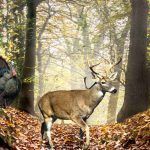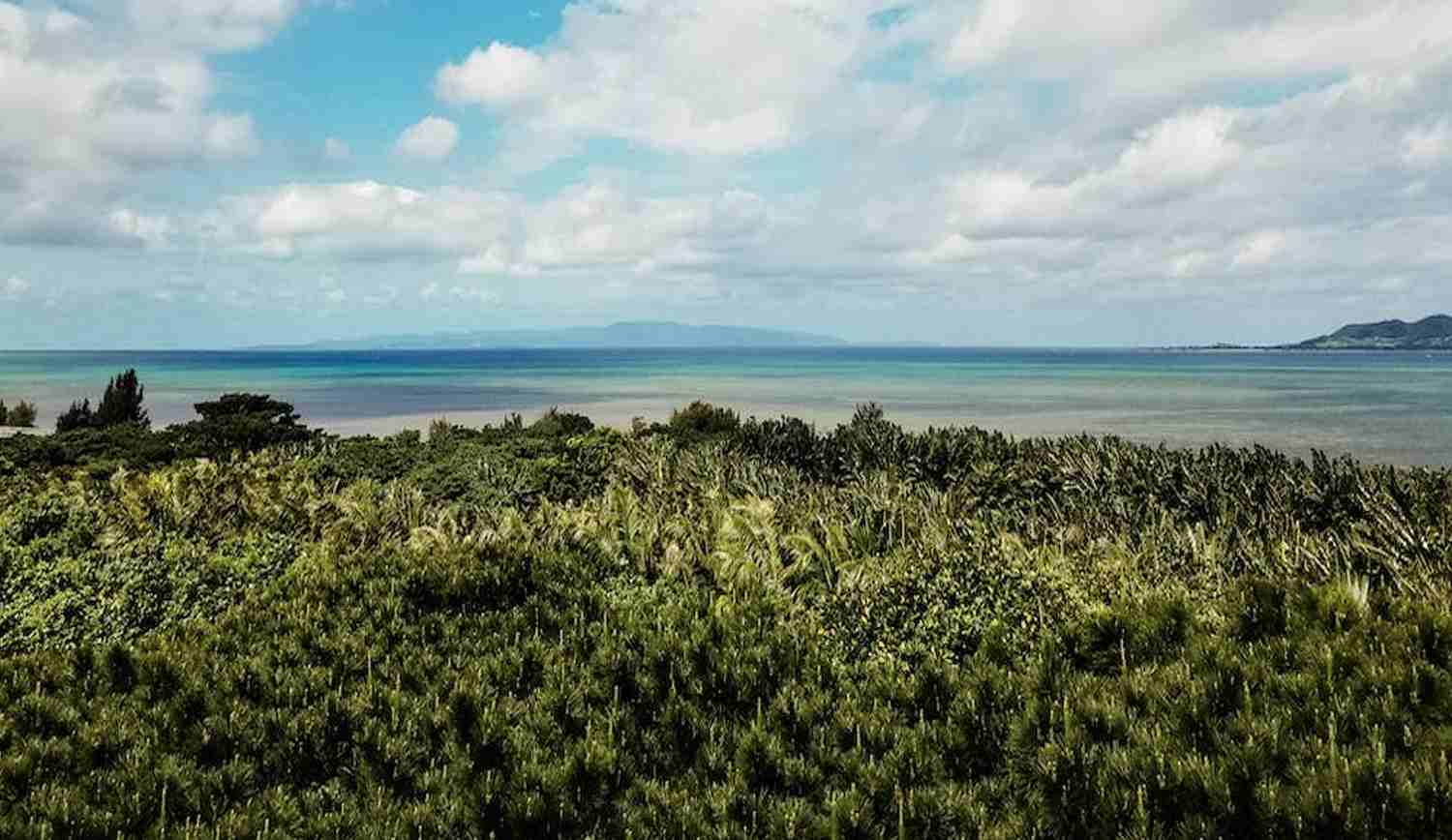
Rhode Island may be the smallest state in the nation, but what it lacks in size it more than makes up for in quality hunting opportunities. From the hardwood ridges of Arcadia Management Area to the salt marshes lining the southern coast, the Ocean State offers a surprising diversity of terrain and game species packed into roughly 1,200 square miles. Whether you’re chasing whitetails in the fog of a November morning, calling in a tom during spring turkey season, or setting up decoys for a flight of greenheads coming off Narragansett Bay, Rhode Island delivers a rewarding experience for hunters who know where to look.
White-tailed deer are the undisputed crown jewel of Rhode Island hunting, and the state manages its herd across four distinct deer zones that each carry their own season structures and bag limits. Beyond deer, hunters can pursue wild turkey, waterfowl, upland birds, small game, and several furbearer species. Migratory bird hunting along the Atlantic Flyway draws waterfowlers from across New England, while stocked pheasant programs keep upland traditions alive on select management areas.
Public land access is a particular strength in Rhode Island. The state’s Division of Fish & Wildlife oversees more than 60,000 acres of Wildlife Management Areas, and additional hunting is available on National Wildlife Refuges, Nature Conservancy preserves, and cooperative private lands enrolled in state access programs.
Why review regulations every single year? Because season dates shift, bag limits get adjusted based on population data, zone boundaries get redrawn, and new rules — like recent changes to sea duck regulations and captive hunting bans — can take effect at any time. Treating last year’s abstract as gospel is one of the fastest ways to end up on the wrong side of an Environmental Police Officer.
Rhode Island Hunting Season Overview
| Category | Details |
|---|---|
| Licensing Requirement | Valid RI hunting license required for all hunters; species-specific permits needed for deer, turkey, and waterfowl |
| Main Game Species | White-tailed deer, wild turkey, waterfowl (ducks, geese, brant), pheasant, cottontail rabbit, squirrel, coyote, fox, raccoon |
| Public Hunting Areas | 60,000+ acres across WMAs, National Wildlife Refuges, TNC preserves, and cooperative lands |
| Online Harvest Reporting | All deer and turkey harvests must be reported within 24 hours via the RIO online portal |
| Youth Hunting Opportunities | Dedicated youth weekends for deer, turkey, pheasant, and waterfowl; junior licenses for ages 12–14 |
| Public Land Programs | Cooperative hunting areas (Co-op lands), state WMAs, and federal refuge hunts |
| Hunter Education Requirement | Mandatory for all first-time license applicants; archery safety course required for archery deer/turkey permits |
Rhode Island structures its hunting seasons around four deer management zones, each with tailored dates and bag limits designed to meet local population goals. The state’s compact geography means hunters can often access multiple zones within a short drive, but it also means regulations can change quickly from one town to the next — especially around firearm discharge restrictions and private land access rules.
Big Game Hunting Seasons
Big game hunting in Rhode Island centers entirely on white-tailed deer. There are no elk or bear populations to speak of, and no hunting seasons exist for either species in the state. That puts the spotlight squarely on deer, and Rhode Island offers one of New England’s more flexible deer frameworks with archery, muzzleloader, and shotgun seasons spread across roughly four and a half months.
Deer Hunting Season
| Season Type | Dates (Projected 2026–2027) | Bag Limit | Notes |
|---|---|---|---|
| Archery (Zone 1) | Sept 15, 2026 – Jan 31, 2027 | See zone limits below | Includes crossbow; youth weekend Sept 12–13 |
| Archery (Zone 2) | Oct 1, 2026 – Jan 31, 2027 | See zone limits below | Youth weekend Sept 26–27 |
| Archery (Zone 3 – Patience/Prudence Islands) | Nov 1, 2026 – Jan 31, 2027 | Max 1 antlered | Youth weekend Oct 24–25; special access required |
| Archery (Zone 4 – Block Island) | Oct 2026 – Feb 2027 (specific dates) | Unlimited antlerless | Check local ordinance; varied hunting days |
| Muzzleloader (Zones 1 & 2) | Nov 1–30, 2026 | See zone limits | Youth weekend Oct 24–25 |
| Muzzleloader Late (Zones 1 & 2) | Dec 26, 2026 – Jan 2, 2027 | Antlerless only | Private land only |
| Shotgun (Zone 1) | Dec 5–20, 2026 | See zone limits | Hunter orange required (500 sq in) |
| Shotgun (Zone 2) | Dec 5–13, 2026 | See zone limits | Hunter orange required (500 sq in) |
| Shotgun Late (Zones 1 & 2) | Dec 26, 2026 – Jan 2, 2027 | Antlerless only | Private land only |
| Youth Hunt (Archery) | Sept 12–13 (Zone 1); Sept 26–27 (Zone 2) | Per zone limits | Licensed adult 21+ must accompany |
| Special Disabled Hunt (Zone 3) | Oct 28–31, 2026 | Per zone limits | Patience & Prudence Islands only |
Deer Zone Bag Limits
| Zone | Antlered Deer Limit | Antlerless Deer Limit |
|---|---|---|
| Zone 1 (Mainland) | 2 (statewide cap) | 3 |
| Zone 2 (Mainland) | 2 (statewide cap) | 2 |
| Zone 3 (Patience & Prudence Islands) | 1 maximum | 2 |
| Zone 4 (Block Island) | 2 (statewide cap) | Unlimited |
The statewide antlered deer limit is two across all zones and methods combined, but Zone 3 caps that at one. Antlerless limits are per zone, meaning a hunter could legally harvest antlerless deer in each zone they hunt, cumulative across all weapons and seasons within a single hunting year.
Deer Hunting Rules
| Regulation | Requirement |
|---|---|
| Hunter Orange | 500 sq inches required during shotgun deer season; 200 sq inches during small game overlap |
| Legal Weapons – Archery | Longbow, recurve, compound, crossbow; min draw weight 40 lbs (fixed blade), 50 lbs (mechanical), 125 lbs (crossbow) |
| Legal Weapons – Muzzleloader | .45 caliber or larger; percussion caplock, flintlock, or in-line; single projectile only |
| Legal Weapons – Shotgun | 10, 12, 16, or 20 gauge; rifled slugs or sabot rounds only; no buckshot; max 5 shells |
| Reporting Deadline | Within 24 hours via RIO online portal or to an Environmental Police Officer |
| Baiting Rules | Baiting and feeding deer is strictly prohibited statewide |
| Tagging Requirements | Deer permit (tag) must be carried while hunting; tag deer immediately upon harvest |
Rhode Island’s deer zones are designed around habitat density and population management goals. Zone 1 covers much of the western mainland, Zone 2 encompasses the eastern mainland, Zone 3 is limited to Patience and Prudence Islands in Narragansett Bay, and Zone 4 covers Block Island. Each zone has its own season framework, and hunters pursuing deer on state lands may need additional special permits beyond the standard deer tag.
Elk Hunting Season
Rhode Island does not have a wild elk population, and no elk hunting season exists in the state. Hunters interested in pursuing elk should look to western states with established herds and draw systems. For a broader view of big game opportunities across the country, check hunting seasons across the USA.
Bear Hunting Season
Rhode Island has no black bear hunting season. While bear sightings have increased in recent years as populations expand from neighboring states, there is no established harvest program. Bears are protected, and any sightings should be reported to the DEM Division of Fish & Wildlife.
Turkey Hunting Seasons
Wild turkey hunting in Rhode Island has grown steadily in popularity as the state’s flock has expanded to all suitable habitat. The state offers both a fall archery season and a spring gobbler season, along with dedicated youth and paraplegic hunter opportunities.
Spring Turkey Season
| Season | Dates (Projected 2026–2027) | Bag Limit |
|---|---|---|
| Youth Hunt | April 18–24, 2027 | 2 bearded birds (season total, max 1 on state lands) |
| Paraplegic Hunt | April 24–25, 2027 | 2 bearded birds (season total, max 1 on state lands) |
| Regular Spring | April 29 – May 23, 2027 | 2 bearded birds (season total, max 1 on state lands) |
Fall Turkey Season
| Season | Dates (Projected 2026–2027) | Bag Limit |
|---|---|---|
| Fall Archery | Oct 1–31, 2026 | 1 either-sex bird |
Turkey Hunting Regulations
| Rule | Requirement |
|---|---|
| Shotgun Restrictions | 10, 12, 16, or 20 gauge; shot size No. 4 to No. 7 lead, or No. 4 to No. 7 tungsten/tin |
| Hunter Orange | Not required during spring turkey season |
| Legal Hunting Hours | ½ hour before sunrise to 1:00 PM (spring and youth seasons) |
| Youth Requirements | Ages 12–14 must be accompanied by licensed adult 21+; ages 15–17 may hunt independently with valid license |
| Permit Requirement | Each turkey harvested requires an individual turkey permit |
Each turkey taken during the spring season counts toward the statewide bag limit of two bearded birds, with no more than one taken on state lands. Fall archery turkey is a separate season with its own one-bird either-sex limit. Hunters planning spring trips should be aware that turkey permits go on sale April 1 through the RIO portal.
Waterfowl Hunting Seasons
Sitting along the Atlantic Flyway, Rhode Island offers excellent waterfowl hunting from coastal marshes to inland impoundments. The state’s location makes it a stopover for diving ducks, puddle ducks, and both resident and migratory Canada geese. While Rhode Island doesn’t divide into North/Central/South waterfowl zones like some larger states, hunting is managed statewide with a few area-specific regulations.
Duck Seasons
| Season Segment | Dates (Projected 2026–2027) |
|---|---|
| Early Split | Oct 10–13, 2026 |
| Mid Split | Nov 26–30, 2026 |
| Late Split | Dec 5, 2026 – Jan 30, 2027 |
Daily bag limit: 6 ducks (with species restrictions — max 4 mallard (2 hens), 2 black duck, 2 canvasback, 3 pintail, 2 redhead, 3 wood duck). Sea duck limit is 4 (part of the 6-duck bag), and scaup has a split limit of 1 then 2.
Goose Seasons
| Season | Dates (Projected 2026–2027) | Daily Bag Limit |
|---|---|---|
| Canada Goose – Early | Sept 1–30, 2026 | 15 |
| Canada Goose – Regular | Nov 21–30, 2026 & Dec 5, 2026 – Jan 30, 2027 | 2 |
| Canada Goose – Late | Jan 30 – Feb 13, 2027 | 5 (limited to Providence, Bristol, Kent, and parts of Washington County) |
| Snow Goose | Oct 10, 2026 – Jan 30, 2027 | 25 (no possession limit) |
| Brant | Dec 26, 2026 – Jan 30, 2027 | 1 |
Special Waterfowl Hunts
| Hunt Type | Dates (Projected 2026–2027) |
|---|---|
| Youth Waterfowl | Oct 24–25, 2026 |
| Veteran/Active Military Waterfowl | Same dates as youth (statewide) |
Waterfowl Requirements
| Requirement | Details |
|---|---|
| HIP Registration | Free HIP permit required for all migratory bird hunters; available through RIO portal |
| Federal Duck Stamp | Required for hunters 16 and older; $25; must be signed in ink across the face |
| State Waterfowl Stamp | Required for all waterfowl hunters; $7.50; available as physical stamp or online certification |
| South Shore WMA Goose Permit | Special permit and field reservation required for regular goose season on South Shore Management Area |
One important recent change: Rhode Island eliminated the separate sea duck season. Sea ducks are now included in the regular duck season framework, and the sea duck bag limit (4) counts toward your total daily duck limit of 6.
Small Game Hunting Seasons
Small game hunting in Rhode Island offers long seasons and diverse opportunities, from September squirrel chases through late-season rabbit hunts. The state stocks pheasants on select management areas, and youth pheasant weekends give young hunters a head start.
| Species | Season Dates (Projected 2026–2027) | Daily Bag Limit |
|---|---|---|
| Cottontail Rabbit | Oct 1, 2026 – Feb 28, 2027 | 3 |
| Gray & Red Squirrel | Sept 12, 2026 – Feb 28, 2027 | 5 (singly or in aggregate) |
| Pheasant | Oct 17, 2026 – Feb 28, 2027 | 2 |
| Bobwhite Quail | Oct 17, 2026 – Feb 28, 2027 | 3 |
| Ruffed Grouse | CLOSED | — |
| Mourning Dove | Sept 1–30, 2026 & Oct 17–Dec 15, 2026 | 15 |
| Woodcock | Oct 17 – Dec 1, 2026 | 3 |
| Snipe | Sept 1 – Nov 9, 2026 | 8 |
| Rails (King/Clapper/Sora/Virginia) | Sept 1 – Nov 9, 2026 | Varies by species |
Ruffed grouse remain closed to hunting in Rhode Island due to population concerns. Pheasant hunting is heavily dependent on the state’s stocking program, with birds released on specific management areas throughout the season. Block Island offers additional pheasant hunting dates with written landowner permission.
Furbearer Hunting and Trapping Seasons
| Species | Hunting/Trapping Dates (Projected 2026–2027) | Notes |
|---|---|---|
| Coyote (State Land) | Sept 15, 2026 – Feb 28, 2027; Apr 29 – May 23, 2027 | Unlimited; 200 sq in orange during small game, 500 during shotgun deer |
| Coyote (Private Land) | No closed season | Unlimited; centerfire rifles ≤.229 cal allowed Apr 1–Sept 30 on private land |
| Red & Gray Fox | Oct 17, 2026 – Feb 28, 2027 (hunting); Nov 1, 2026 – Jan 31, 2027 (trapping) | Unlimited (hunting) |
| Raccoon | Oct 1, 2026 – Feb 28, 2027 (hunting); Nov 1, 2026 – Jan 31, 2027 (trapping) | Unlimited |
| Opossum | Nov 1, 2026 – Jan 31, 2027 (trapping) | No bag limit |
| Beaver (Private) | Nov 1, 2026 – Mar 14, 2027 (trapping) | Resident: 40; Non-resident: 20; special permit required; pelt tagging yes |
| Beaver (State Land) | Dec 1, 2026 – Feb 28, 2027 (trapping) | Same as above |
| Bobcat | NO SEASON | Protected — no open season |
| River Otter | NO SEASON | Protected — no open season |
| Fisher | Dec 1–24, 2026 (trapping) | Bag limit 1; special permit required; pelt tagging yes |
Trapping Regulations
Trappers must obtain a Rhode Island trapping license and, for state management areas, a free Permit to Trap State Lands issued by the Division of Fish & Wildlife. All traps must be labeled with the trapper’s license number, checked every 24 hours, and set only after sunrise on opening day. Steel-jawed leghold traps, snares, and poisons are prohibited. Written landowner permission is required for private land trapping. Trappers must submit a harvest report within 30 days of season end.
Additional Hunting Opportunities
| Species | Season Dates (Projected 2026–2027) | Notes |
|---|---|---|
| Crow | Aug 8 – Sept 27, 2026 (Fri/Sat/Sun); Oct 17 – Dec 7, 2026; Dec 19, 2026 – Apr 3, 2027 (Fri/Sat/Sun) | No HIP permit required for crows |
| Green Frog & Bullfrog | Open year-round except June 1 – July 31 | Daily limit 20 (combined); hunting/fishing/trapping license required |
| Snapping Turtle | Open year-round except May 15 – July 15 | Season limit 6; minimum 13″ carapace; trap, hand, dip net, or bow |
Hunting Licenses and Fees
Rhode Island hunting licenses are valid from March 1 through the last day of February. Purchasing online through the RIO portal avoids Enhanced Access Fees charged by retail vendors. A valid Rhode Island hunting license is required for anyone pursuing wild game in the state, along with species-specific permits for deer, turkey, and waterfowl. First-time license buyers must complete a hunter education course before purchasing. Licenses can be obtained online through the Rhode Island Outdoors licensing portal, at the DEM office in Providence, or at participating sporting goods retailers statewide.
Resident License Fees
| License Type | Online Fee | Vendor Fee |
|---|---|---|
| Annual Hunting License | $24.00 | $26.00 |
| Combination (Hunt & Fish) | $43.00 | $45.00 |
| Junior Hunting (ages 12–14) | $14.00 | $16.00 |
| Deer Permit (per tag) | $14.00 | $14.50 |
| Turkey Permit | $9.00 | $9.50 |
| State Waterfowl Stamp | $7.50 | $8.00 |
| Trapping License | $20.00 | $22.00 |
| All Outdoors Deer Package | $84.00 | $87.00 |
| Senior (65+) / Disabled | FREE | FREE |
Nonresident License Fees
| License Type | Online Fee | Vendor Fee |
|---|---|---|
| Annual Hunting License | $65.00 | $68.00 |
| 3-Day Tourist License | $20.00 | $23.00 |
| Junior Hunting (ages 12–14) | $40.00 | $43.00 |
| Deer Permit (per tag) | $27.50 | $28.50 |
| Turkey Permit | $23.00 | $24.00 |
| State Waterfowl Stamp | $7.50 | $8.00 |
| Trapping License | Contact DEM | Contact DEM |
Youth, Senior, and Special Licenses
| License Type | Fee | Notes |
|---|---|---|
| Youth (Junior) License | $14 resident / $40 nonresident | Ages 12–14; must hunt with licensed adult 21+ |
| Senior License (65+) | Free | Permanent hunting & fishing combo license for RI residents |
| Permanently Disabled | Free | Permanent combo license; documentation required |
| Disabled Veteran | Free | Must provide qualifying documentation |
| Apprentice License | Not available in RI | RI requires hunter education for first-time buyers |
All licenses expire on the last day of February. Each deer and turkey harvested requires its own individual permit (tag), which must be purchased before hunting. The Rhode Island Department of Environmental Management administers all licensing, harvest reporting, and regulatory oversight — and every hunter should make checking their annual abstract a preseason ritual.
Hunter Education Requirements
| Requirement | Details |
|---|---|
| Minimum Age for License | 12 years old (Junior License); 15 for standard license |
| Hunter Safety Course | Required for all first-time license applicants; must present certificate or prior license |
| Archery Safety Course | Required for archery deer permit and fall archery turkey permit |
| Apprentice Option | Not available — RI does not offer an apprentice license exemption |
| Online Course Availability | Available through hunter-ed.com and bowhunter-ed.com |
| Course Contact | RI Hunter Safety Office: (401) 539-0019 |
Rhode Island takes hunter education seriously. Anyone applying for a hunting license for the first time — or who has never held a license from RI or another state — must complete an approved hunter safety course. The course covers firearm safety, wildlife identification, ethics, and Rhode Island-specific regulations. The online option through hunter-ed makes it convenient, but in-person field days may be required for certain certifications.
Public Hunting Land in Rhode Island
Rhode Island’s public hunting lands are managed by the DEM Division of Fish & Wildlife, the U.S. Fish & Wildlife Service, The Nature Conservancy, and through cooperative agreements with private landowners. Together, these properties provide access across every region of the state.
Major Public Hunting Areas
| Area Name | Acres | Popular Species |
|---|---|---|
| Arcadia WMA | 14,692 | Deer, turkey, small game, waterfowl |
| Big River WMA | 8,496 | Deer, turkey, small game |
| Great Swamp WMA | 3,615 | Deer, waterfowl, turkey, pheasant |
| George Washington WMA | 3,503 | Deer, turkey, small game |
| Buck Hill WMA | 3,192 | Deer, turkey, small game |
| Carolina WMA | 2,151 | Deer, small game, waterfowl |
| Durfee Hill WMA | 2,011 | Deer, turkey, small game |
| Burlingame WMA | 1,779 | Deer, turkey, waterfowl, small game |
| Black Hut WMA | 1,682 | Deer, small game |
| Nicholas Farm WMA | 1,682 | Deer, turkey, small game |
| Tillinghast WMA | 1,566 | Deer, small game, waterfowl |
Additional hunting opportunities exist on National Wildlife Refuges (Ninigret, Trustom Pond, Block Island, and John H. Chafee), Nature Conservancy preserves, and Providence Water Supply Board lands — though many of these require special permits or have area-specific restrictions. The Rhode Island Outdoors licensing portal is where hunters can obtain special permits for state land deer, turkey, and waterfowl hunts.
Special Hunting Programs
| Program | Description |
|---|---|
| Cooperative Hunting Areas (Co-op) | Private lands enrolled in state-managed public access programs; hunting allowed with valid RI license |
| Youth Hunt Weekends | Dedicated youth-only days for deer (archery & muzzleloader), turkey, pheasant, and waterfowl |
| Paraplegic Hunts | Special deer and turkey hunting opportunities for paraplegic hunters |
| State Land Deer/Turkey Permits | Special permits required for deer and turkey hunting on certain state lands; available through RIO |
| South Shore WMA Goose Permits | Reserved-field goose hunting system with online permits and field reservations |
| Ninigret Spring Turkey Hunt | Lottery-based spring turkey hunt on Ninigret NWR; application through USFWS |
Applications for special permits and lottery hunts are typically opened well before the season begins. Youth hunt participants must be ages 12–17 and accompanied by a licensed adult at least 21 years old.
Important Hunting Regulations
General Hunting Rules
| Regulation | Requirement |
|---|---|
| Hunter Orange | 500 sq inches during shotgun deer season; 200 sq inches during small game season on state lands |
| Trespassing | Written landowner permission required for all private land hunting; must carry permission while hunting |
| Baiting | Baiting/feeding deer is prohibited statewide; coyote baiting allowed on private land only |
| Drones | Use of drones for hunting or scouting is prohibited |
| Spotlighting | Spotlighting deer is prohibited; shining lights to locate wildlife at night is restricted |
| Party Hunting | Each hunter must tag their own deer; party hunting (tagging another’s deer) is not permitted |
| Road Hunting | Discharging firearms from or across public roadways is prohibited |
| Suppressors | Allowed for hunting with proper federal registration; check current RI statutes |
| Tree Stands | Must be removed from state lands by March 31; no screw-in steps or nails on state lands |
Carrying firearms on state management areas is prohibited outside of hunting season (first day of season through last day of February). Licensed hunters are subject to inspection of boats, vehicles, game bags, blinds, and stands by authorized personnel.
Hunting Hours
| Species | Legal Hunting Hours |
|---|---|
| Deer | ½ hour before sunrise to ½ hour after sunset |
| Turkey (Spring) | ½ hour before sunrise to 1:00 PM |
| Turkey (Fall Archery) | ½ hour before sunrise to ½ hour after sunset |
| Waterfowl | ½ hour before sunrise to sunset (early goose: ½ hour before sunrise to ½ hour after sunset) |
| Small Game | ½ hour before sunrise to ½ hour after sunset (varies by species) |
Harvest Reporting Requirements
| Species | Reporting Deadline |
|---|---|
| Deer | Within 24 hours of harvest |
| Turkey | Within 24 hours of harvest |
| Bear | N/A — no bear season in RI |
| Elk | N/A — no elk season in RI |
| Trapped Furbearers | Season-end harvest report within 30 days of season close |
All deer and turkey harvests must be reported through the RIO online harvest reporting system or directly to an Environmental Police Officer. The report includes harvest location, date, sex, and other biological data that helps DEM manage wildlife populations. Failure to report a harvest is a violation that can result in license suspension.
Penalties for Hunting Violations
| Violation | Possible Penalty |
|---|---|
| Hunting Without a License | Fines, license revocation, potential criminal charges |
| Trespassing | Fines, criminal trespass charges, loss of hunting privileges |
| Exceeding Bag Limits | Fines per violation, license suspension, confiscation of game |
| Illegal Harvest (wrong sex/species/zone) | Fines, mandatory court appearance, license revocation |
| Failure to Report Harvest | Fines, license suspension for repeat offenses |
| Hunting Under the Influence | License revocation, criminal charges, mandatory court appearance |
Rhode Island’s Environmental Police officers actively patrol hunting areas, and violations can result in both administrative license suspension and criminal prosecution. The DEM Director has authority to suspend or revoke hunting, fishing, and trapping licenses for any violation of Title 20 of the RI General Laws.
Rhode Island Hunting Tips for the 2026-2027 Season
- Know your deer zone before you hunt. Rhode Island’s four zones have different season dates and bag limits — hunting the wrong dates in your zone is one of the most common violations EPOs encounter.
- Purchase the All Outdoors Deer Package if you’re a resident. At $84, it bundles your hunting license and multiple deer tags, saving money versus buying each separately.
- Check Block Island ordinances before traveling to Zone 4. The island has its own discharge restrictions and specific hunting day schedule that doesn’t follow the mainland calendar.
- Reserve your South Shore WMA goose field early. The regular Canada goose season on this management area requires a special permit and field reservation through RIO, and slots fill fast.
- Carry your signed paper license at all times. Digital copies on your phone don’t count — RI law requires a signed paper copy on your person while hunting.
- Use the RIO portal for harvest reporting to avoid penalties. The 24-hour deadline is strictly enforced, and cell service can be spotty in remote WMAs, so report as soon as you have signal.
- Scout Arcadia WMA’s interior trails for archery deer. At nearly 15,000 acres, the interior areas receive far less pressure than access points near parking lots.
- Remove tree stands from state land by March 31. Leaving stands past the deadline results in confiscation and potential fines — and screw-in steps are banned entirely on state lands.
- Wear 200 square inches of orange during small game season on state land. This is a frequently overlooked requirement that applies to coyote, rabbit, and squirrel hunters, not just deer hunters.
- Take advantage of the September early Canada goose season. With a 15-bird daily limit and resident geese abundant across agricultural fields, this is one of RI’s most underutilized hunting opportunities.
- Complete your archery safety course before October. This separate certification is required for archery deer and fall turkey permits, and classes fill up quickly in early fall.
- Check Providence Water Supply Board regulations before hunting their lands. These properties have additional restrictions beyond standard state land rules, including designated access points and firearm limitations.
- Report coyote sightings and harvest data to DEM. The state is actively studying coyote populations, and hunter-reported data contributes to management decisions.
- If you’re 65 or older, claim your free permanent combo license. Many senior hunters don’t realize they’re eligible for a no-cost hunting and fishing license — but you still need to purchase deer and turkey tags.
- Verify all dates with DEM before each season opens. The abstract is published annually, and last-minute regulatory changes can shift dates or bag limits — especially for waterfowl, which depend on federal frameworks set in late summer.
Frequently Asked Questions
When does deer archery season start in Rhode Island?
Archery deer season opens September 15 in Zone 1 and October 1 in Zone 2, with both running through January 31. Youth-only archery weekends precede the general opener in each zone.
Can I use a crossbow for deer hunting in Rhode Island?
Yes. Crossbows are legal for deer hunting during the archery season. The minimum draw weight is 125 pounds, and you must complete an archery safety education course to obtain an archery permit.
Do I need a special permit to hunt deer on state land?
In some cases, yes. Certain state management areas require special deer hunting permits beyond your standard deer tag. These are obtained through the RIO online licensing system and may involve lottery drawings for high-demand areas.
How many deer can I harvest in Rhode Island?
The statewide antlered deer limit is 2 (with Zone 3 capped at 1). Antlerless limits vary by zone: Zone 1 allows 3, Zone 2 allows 2, Zone 3 allows 2, and Zone 4 is unlimited. These are per-zone limits, cumulative across all weapons and seasons.
Is baiting legal for deer hunting in Rhode Island?
No. Baiting and feeding deer are strictly prohibited statewide. This includes placing, distributing, or scattering any material that attracts deer to feed.
What is the spring turkey season limit in Rhode Island?
The spring season limit is 2 bearded birds total, with no more than 1 taken on state lands. Each turkey harvested requires its own individual permit.
Are there elk or bear in Rhode Island to hunt?
No. Rhode Island has no elk hunting season and no bear hunting season. While black bear sightings have increased, there is no established harvest program.
How much does a Rhode Island hunting license cost?
A resident annual hunting license costs $24 online or $26 at retail vendors. A nonresident annual license costs $65 online or $68 at vendors. Deer permits are $14 (resident) or $27.50 (nonresident) per tag.
Do seniors get a discount on hunting licenses in Rhode Island?
Yes — Rhode Island residents age 65 and older, as well as permanently disabled residents, receive a free permanent combination hunting and fishing license. However, deer and turkey tags must still be purchased separately.
Is hunter education required in Rhode Island?
Yes. All first-time hunting license applicants must complete an approved hunter education course. An additional archery safety course is required for archery deer and fall turkey permits. Online courses are available through hunter-ed.
Can I hunt coyotes year-round in Rhode Island?
On private land, yes — coyote hunting has no closed season on private property. On state lands, the season runs September 15 through February 28, plus during the open spring turkey season (April 29–May 23).
What stamps do I need for waterfowl hunting in Rhode Island?
Waterfowl hunters need a valid hunting license, a free HIP permit, a Rhode Island State Waterfowl Stamp ($7.50), and a Federal Duck Stamp ($25, required for hunters 16 and older). All must be carried while hunting.
Are ruffed grouse open for hunting in Rhode Island?
No. Ruffed grouse hunting is closed in Rhode Island due to population declines. The DEM continues to monitor the species, but there is currently no open season.
Can I trap beaver in Rhode Island?
Yes, with a trapping license and a special beaver permit. The season runs November 1–March 14 on private land and December 1–February 28 on state land. Bag limits are 40 for residents and 20 for nonresidents, and pelts must be tagged.
Where can I buy a Rhode Island hunting license?
Licenses can be purchased online through the Rhode Island Outdoors (RIO) portal, at the DEM Office of Boating Registration and Licenses in Providence, by calling (401) 222-3576, or at select sporting goods retailers statewide.
Final Thoughts
Rhode Island’s hunting landscape, while compact, offers remarkable variety for a state its size. From the long archery deer season stretching from mid-September through January, to the spring turkey woods echoing with gobbles, to coastal waterfowl blinds set against Atlantic sunrises, the Ocean State packs a serious hunting experience into its borders. The four-zone deer management system gives hunters flexibility, while the robust public land network — anchored by Arcadia’s 14,000-plus acres — ensures access for those without private land connections.
Following regulations isn’t just about avoiding fines — it’s about sustaining the resource. Rhode Island’s deer herd, turkey population, and waterfowl numbers are carefully managed through science-based bag limits and season structures. When hunters report harvests on time, respect zone boundaries, and follow weapon restrictions, they directly contribute to the data that shapes future seasons. The DEM’s management approach depends on hunter compliance, and the quality of hunting tomorrow is built on the ethics practiced today.
Licensing in Rhode Island is straightforward and affordable, especially for residents. The online RIO portal streamlines everything from license purchases to harvest reporting, and the All Outdoors Deer Package offers genuine savings for frequent deer hunters. Seniors and disabled veterans hunt free, and youth programs ensure the next generation gets mentored into the tradition safely.
Public land access is one of Rhode Island’s quiet strengths. With over 60,000 acres of Wildlife Management Areas, plus National Wildlife Refuges and cooperative lands, there’s more room to roam than most people realize. But with that access comes responsibility — respecting other users, packing out trash, and following area-specific rules that keep these lands open for hunting year after year.
Safety remains paramount. Hunter orange requirements, legal hunting hours, and weapon restrictions exist for good reason. Every hunter who heads afield should carry their signed license, know their zone regulations, and make sure someone knows where they’ll be. The state’s hunter education program has produced generations of safe, ethical hunters — and that tradition continues with every new license holder.
Finally, a reminder: always verify current regulations with the Rhode Island Department of Environmental Management before heading afield. Season dates, bag limits, zone boundaries, and permit requirements can change annually based on population surveys, federal frameworks, and legislative action. The information in this guide is compiled from the most current available data, but the official Rhode Island DEM hunting abstract is the final authority. Hunt hard, hunt safe, and enjoy everything Rhode Island’s outdoors has to offer in the 2026-2027 season.

- 2026-2027 Nevada Hunting Seasons New Dates & Regulations - August 13, 2026
- NC Turkey Season 2026 New Dates & Rules - July 23, 2026
- Thrilling 2026-2027 NM Elk, Deer And Pronghorn Season! - July 23, 2026