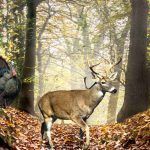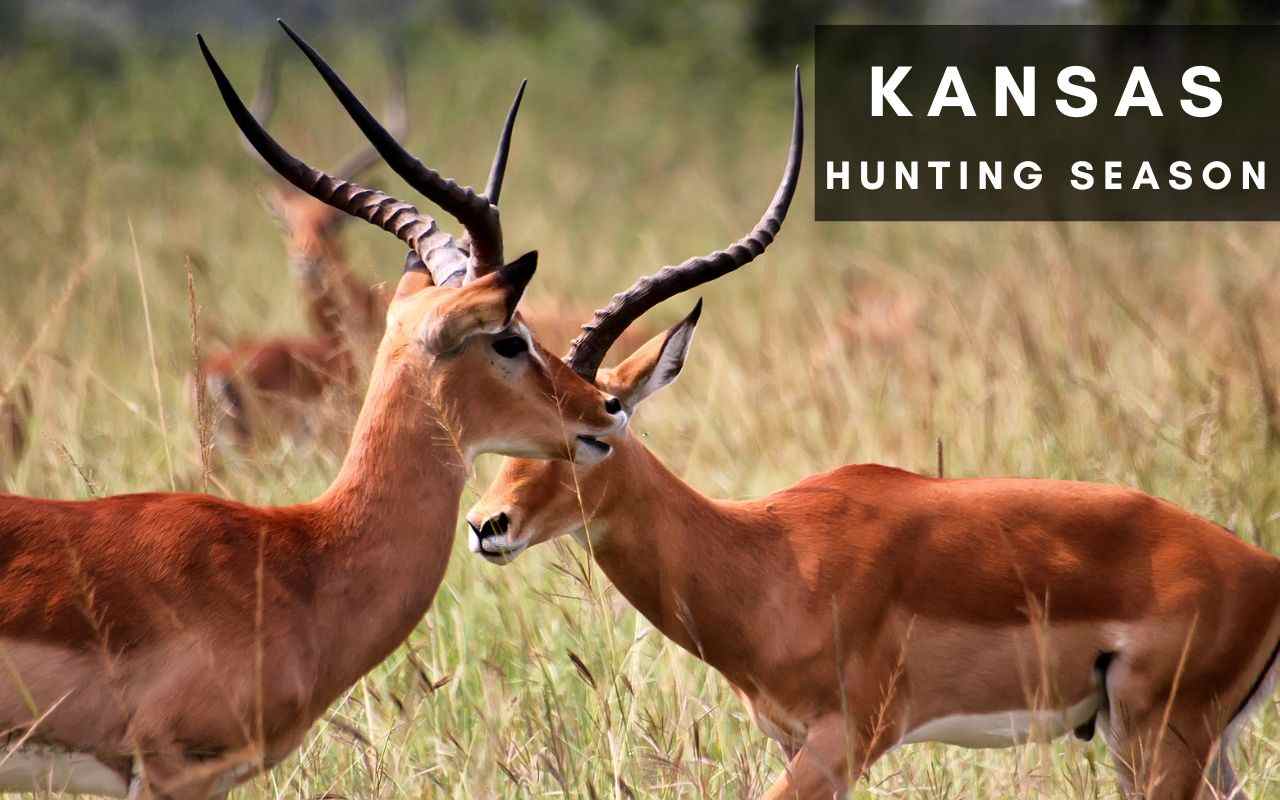
Kansas remains one of the best all-around hunting states in the middle of the country. A hunter can chase whitetails in river bottoms, walk up pheasants in the west, call spring gobblers in timbered draws, and still spend late fall over waterfowl in some of the most famous marsh habitat on the Central Flyway.
What makes Kansas especially appealing is variety. Deer, turkey, quail, pheasant, dove, ducks, geese, coyotes, raccoons, and several other huntable species give both residents and traveling hunters plenty of reasons to plan a full season instead of a single trip. For land access, Kansas also stands out because public wildlife areas, federal refuges, and the WIHA program open a lot more ground than many first-time hunters expect.
Licensing is fairly straightforward, but Kansas does use permit systems, draw applications, unit-based rules, and species-specific add-ons. That means a hunter can be legal for one season and still miss an important detail for another. Deer permits, turkey units, HIP registration, e-tag rules, and public-land restrictions all matter.
If you compare multiple states before planning a trip, this broader state-by-state hunting seasons guide can help.
Kansas Hunting Season Overview
| Category | Details |
|---|---|
| Licensing Requirement | Hunting license required for most hunters; species permits/stamps may also be required |
| Main Game Species | Whitetail deer, mule deer, turkey, pheasant, quail, dove, ducks, geese, coyote |
| Public Hunting Areas | Wildlife areas, national wildlife refuges, WIHA/iWIHA properties |
| Online Harvest Reporting | GoOutdoorsKS app supports e-tags and electronic registration for certain species/situations |
| Youth Hunting Opportunities | Youth deer, spring turkey, youth waterfowl, youth upland opportunities |
| Public Land Programs | WIHA, iWIHA, state wildlife areas, federal refuges |
| Hunter Education Requirement | Required for anyone born on or after July 1, 1957, unless hunting under a lawful exception |
| Verification Note | Some 2026–2027 migratory and small-game dates were still pending on public pages as of June 3, 2026 |
Kansas is friendly to both experienced hunters and newcomers, but it rewards people who read the annual rules closely. Deer permits are unit-based, turkey hunting follows management units, and public-land restrictions can differ from one tract to the next. That is why checking the annual summary before each opener matters.
Big Game Hunting Seasons
Kansas big game centers on deer, with smaller but real opportunities for elk and antelope. Deer is the headline draw, but the fine print matters more here than in many states because Kansas splits seasons by method, unit, and permit type.
Deer Hunting Season
| Season Type | Dates | Bag Limit | Notes |
|---|---|---|---|
| Archery | Sept. 14–Dec. 31, 2026 | One antlered deer on a valid antlered permit; extra antlerless deer only where WAO permits are valid | Archery-only during archery season |
| Firearms | Dec. 2–13, 2026 | Same basic permit limit structure | Resident either-sex firearm permits are draw-only |
| Muzzleloader | Sept. 14–27, 2026 | Same basic permit limit structure | Muzzleloader permit holders may also use muzzleloader/archery equipment in allowed periods |
| Youth & Disability Hunt | Sept. 5–13, 2026 | Based on permit held | Good early-season opportunity |
| Special Hunts | Pre-rut WAO: Oct. 10–12, 2026; Unit 12 extended pre-rut WAO: Oct. 13–18, 2026; extended WAO segments begin Jan. 1, 2027 | Antlerless only where authorized | Units and military subunits matter |
Deer zones, antlers, reporting, and special chances
Kansas manages deer through numbered units, and that is a big deal when you apply. Whitetails are found statewide, while mule deer are mostly a western Kansas story. Kansas also limits hunters to one permit that allows the harvest of an antlered deer per season. Instead of a simple statewide antler-point rule, the state mainly controls harvest through permit type, species, and unit.
For antlerless harvest, Kansas uses Whitetail Antlerless-Only (WAO) permits. Hunters may buy multiple WAO permits in eligible units, but those permits are not valid everywhere. Units 1, 2, 17, and 18 are the most important no-WAO units to remember.
Kansas does not use a universal mandatory deer check station system for every deer. Instead, deer must be tagged immediately, and electronic registration becomes especially important if you want to transport meat without the usual evidence-of-sex requirement attached.
Special deer opportunities are one of Kansas’ strong points. Youth and disability days open early, pre-rut antlerless firearm windows help manage doe harvest, and some extended January WAO opportunities continue in select units after the regular season closes.
Deer Hunting Rules
| Regulation | Requirement |
|---|---|
| Hunter Orange | Required during open firearm or muzzleloader deer seasons; orange hat plus 200 square inches of orange on upper body |
| Legal Weapons | Must match permit type and season; archery permits do not convert to general firearm use |
| Reporting Deadline | Tag immediately after harvest; complete electronic steps before transport when using e-tag/electronic registration |
| Baiting Rules | Illegal on public lands while hunting or preparing to hunt |
| Tagging Requirements | Deer must be tagged immediately; electronic option available through GoOutdoorsKS |
Elk Hunting Season
Kansas elk hunting is limited and much smaller than deer hunting, but it does exist.
| Season | Dates | Permit Type |
|---|---|---|
| Archery | Sept. 14–Dec. 31, 2026 | Resident limited draw only |
| Muzzleloader | Sept. 1–30, 2026 | Resident limited draw only |
| Firearms – 1st segment | Aug. 1–31, 2026 | Resident limited draw only |
| Firearms – 2nd segment | Dec. 2–13, 2026 | Resident limited draw only |
| Firearms – 3rd segment | Jan. 1–March 15, 2027 | Resident limited draw only |
| Fort Riley Subunit 2A archery/muzzleloader | Sept. 1–30, 2026 | Resident limited draw only |
| Fort Riley Subunit 2A firearms | Oct. 1, 2026–Jan. 31, 2027 (segmented) | Resident limited draw only |
Kansas elk permits are resident-only draw permits, with application periods listed in spring. Fort Riley/Subunit 2A is the most specialized elk setup in the state, so read permit instructions carefully before applying.
Bear Hunting Season
Kansas does not have an established bear hunting season.
| Season | Dates | Unit/Zone |
|---|---|---|
| Bear | No open season | Not applicable |
There are no Kansas bear quotas, bear tags, or bear check-in procedures for general hunters because the state does not offer a bear hunt.
Turkey Hunting Seasons
Spring turkey remains one of the most popular Kansas hunts, even though turkey numbers are not what they once were. Permits are limited to one bearded turkey, and Kansas hunters should pay close attention to unit rules.
Spring Turkey Season
| Season | Dates | Bag Limit |
|---|---|---|
| Youth & Disability | April 1–14, 2026 | 1 bearded turkey |
| Regular Season | April 15–May 31, 2026 | 1 bearded turkey |
Fall Turkey Season
| Season | Dates | Bag Limit |
|---|---|---|
| Archery | No fall season posted for 2026 | 0 |
| Firearms | No fall season posted for 2026 | 0 |
Turkey Hunting Regulations
| Rule | Requirement |
|---|---|
| Shotgun Restrictions | Shoulder-mounted shotguns or legal archery equipment; shot sizes 2–9 |
| Hunter Orange Requirement | Not generally listed as a spring turkey requirement statewide; verify overlap situations and public-land postings |
| Legal Hunting Hours | One-half hour before sunrise to sunset |
| Youth Requirements | No minimum age; hunters 15 and younger may hunt under youth rules, and supervision rules apply unless hunter-ed exemption conditions are met |
Kansas sells over-the-counter spring permits for many resident hunters in Units 1, 2, 3, 5, and 6, while Unit 4 stays more restricted. Nonresidents must use the draw for available spring units. Kansas youth permits are one of the better values in the state.
Waterfowl Hunting Seasons
Kansas waterfowl is excellent, but it is also the section most likely to change late in the process. Kansas uses High Plains and Low Plains sub-zones, not a simple north/central/south map. As of June 3, 2026, final 2026–2027 duck and goose dates were not fully posted on the public season pages I reviewed, so hunters should treat the table below as a planning checklist and confirm final zone dates before buying travel or lodging.
Duck Seasons
| Zone | Dates |
|---|---|
| High Plains | TBD by KDWP for 2026–2027 |
| Low Plains Early | TBD by KDWP for 2026–2027 |
| Low Plains Late | TBD by KDWP for 2026–2027 |
| Southeast Zone | TBD by KDWP for 2026–2027 |
Goose Seasons
| Zone | Dates |
|---|---|
| Statewide dark geese framework | TBD by KDWP for 2026–2027 |
| Statewide light geese framework | TBD by KDWP for 2026–2027 |
| White-fronted geese framework | TBD by KDWP for 2026–2027 |
Special Waterfowl Hunts
| Hunt Type | Dates |
|---|---|
| Youth Waterfowl | TBD by KDWP for 2026–2027 |
| Veteran/Active Military Waterfowl | TBD by KDWP for 2026–2027 |
| Early Teal | TBD by KDWP for 2026–2027 |
Waterfowl Requirements
| Requirement | Details |
|---|---|
| HIP Registration | Required |
| Federal Duck Stamp | Required for waterfowl hunters age 16+ |
| State Stamp | Kansas Waterfowl Stamp required |
Waterfowl hunters age 16 and older also need to carry a current Federal Duck Stamp, and that stamp is valid from July 1 through the following June 30.
Small Game Hunting Seasons
Kansas small-game hunting is one of the strongest reasons to hunt the state, especially for pheasant and quail. A few 2026–2027 fall dates were still pending public posting in early June, so the table below separates confirmed items from seasons still awaiting final publication.
| Species | Season Dates | Daily Limit |
|---|---|---|
| Squirrel | June 1, 2026–Feb. 28, 2027 | Verify annual summary |
| Rabbit | Year-round | Verify annual summary |
| Pheasant | TBD for 2026–2027 | 4 cocks |
| Quail | TBD for 2026–2027 | 8 |
| Grouse (Greater Prairie-Chicken) | TBD for 2026–2027 | 2 |
| Dove | TBD for 2026–2027 | 15 mourning/white-winged combined |
| Woodcock | TBD for 2026–2027 | Verify annual summary |
| Snipe | TBD for 2026–2027 | Verify annual summary |
Regional note: western Kansas is the classic pheasant destination, while central and eastern areas can shine for quail, rabbits, squirrels, and mixed-bag public access.
Furbearer Hunting and Trapping Seasons
| Species | Dates | Notes |
|---|---|---|
| Coyote | Year-round | Night-vision permit season runs Jan. 1–March 31 |
| Fox | TBD for 2026–2027 | Verify annual summary |
| Raccoon | Extended hunting/trapping open March 1–Nov. 18, 2026; regular 2026–2027 dates pending | Public page showed extended season |
| Opossum | Extended hunting/trapping open March 1–Nov. 18, 2026; regular 2026–2027 dates pending | Public page showed extended season |
| Beaver | TBD for 2026–2027 | Trapping rules apply |
| Bobcat | TBD for 2026–2027 | Verify annual summary |
| Otter | TBD for 2026–2027 | Trapping season structure is limited |
A Kansas furharvester license is required to hunt, trap, or pursue furbearers, and trapping on WIHA/iWIHA is not allowed. Coyote is the outlier because hunting and trapping rules differ depending on method.
Additional Hunting Opportunities
| Species | Season Dates |
|---|---|
| Crow | TBD for 2026–2027 |
| Frog (Bullfrog) | July 1–Oct. 31, 2026 |
| Turtle | Year-round under general reptile/amphibian rules |
| Other Legal Species | Ground squirrels, woodchucks, armadillos, porcupines, feral pigeons, starlings, and house sparrows may be lawful under separate rules |
Hunting Licenses and Fees
Resident License Fees
| License Type | Fee |
|---|---|
| Annual Hunting License | $25 |
| Deer Permit | $40 most OTC resident deer permits |
| Turkey Permit | $25 |
| Waterfowl Stamp | $8 |
| Trapping/Furharvester License | $25 |
Nonresident License Fees
| License Type | Fee |
|---|---|
| Annual Hunting License | $125 |
| Deer Permit | $475 |
| Turkey Permit | $85 |
| Waterfowl Stamp | $8 |
| Trapping/Furharvester License | $250 |
Youth and Senior Licenses
| License Type | Fee |
|---|---|
| Youth License | Resident youth 15 and under generally do not need a hunting license; nonresident youth hunting license $40 |
| Senior License | Resident senior annual hunting license (65–74) $15 |
| Apprentice License | Resident apprentice combo $25; nonresident apprentice hunting license $125 |
Most Kansas annual licenses now run on a 365-day cycle rather than only a calendar year, while some multi-year options run for a fixed number of days or until a youth reaches a certain age.
Hunter Education Requirements
| Requirement | Details |
|---|---|
| Minimum Age | Certification starts at age 11 |
| Hunter Safety Course | Required for anyone born on or after July 1, 1957 |
| Apprentice Option | Available for ages 16+; may be purchased twice and requires supervised hunting |
| Online Course Availability | Fully online for ages 18+; hybrid option available for younger students |
Kansas accepts hunter-ed certificates from other states and provinces. Hunters under 27 should carry proof while in the field. Youth 15 and younger can still hunt under direct adult supervision even if they have not yet completed certification.
Public Hunting Land in Kansas
Kansas offers more public access than many people realize. WIHA alone opens more than a million acres in many years, and the state also has wildlife areas plus major federal marsh and refuge habitat.
Major Public Hunting Areas
| Area Name | Acres | Popular Species |
|---|---|---|
| Quivira National Wildlife Refuge | 22,135 | Ducks, geese, deer, quail, pheasant |
| Cheyenne Bottoms Wildlife Area | about 20,000 | Ducks, geese, cranes, snipe |
| Marais des Cygnes National Wildlife Refuge | 7,500 | Deer, turkey, squirrel, rabbit, quail |
| Milford Wildlife Area | roughly 18,000+ class property footprint often cited in older state materials | Waterfowl, deer, upland birds |
Kansas public hunting usually means one of four things: state wildlife areas, federal refuges, WIHA/iWIHA tracts, or special public hunts. WIHA is especially valuable because it opens private ground to walk-in hunting only during posted access windows. iWIHA adds check-in/check-out and hunter-cap limits.
Special Hunting Programs
Access Programs
| Program | Description |
|---|---|
| Walk-In Access (WIHA) | Leased private lands open to public hunting on foot during posted periods |
| Private Land Access | iWIHA adds online check-in/check-out and daily capacity limits |
| Youth Hunts | Special early seasons and managed youth opportunities |
| Draw Hunts | Used for certain deer, elk, turkey, and public special hunts |
Application details vary. Deer and elk draw periods run in spring, turkey draw applications open in winter, and public-land special hunts may use separate deadlines.
Important Hunting Regulations
General Hunting Rules
| Regulation | Requirement |
|---|---|
| Hunter Orange | Required for deer firearm/muzzleloader hunts and some overlap situations |
| Trespassing | Get permission on private land; posted/fenced land is off-limits without authorization |
| Baiting | Illegal on public lands |
| Drones | Not allowed on KDWP-owned or managed properties |
| Spotlighting | Illegal for taking wildlife |
| Party Hunting | Each hunter must stay within his or her own permit and tag privileges |
| Road Hunting | Do not shoot from or along roads/right-of-way unlawfully |
| Suppressors | Verify current Kansas and federal firearm law plus local/area restrictions |
Kansas public land also has stand, blind, and camping rules that can change by property. Always read posted signs at the gate, not just the statewide summary.
Hunting Hours
| Species | Legal Hunting Hours |
|---|---|
| Deer | One-half hour before sunrise to one-half hour after sunset |
| Turkey | One-half hour before sunrise to sunset |
| Waterfowl | One-half hour before sunrise to sunset |
| Small Game | Usually one-half hour before sunrise to sunset; verify species-specific rules |
Harvest Reporting Requirements
| Species | Reporting Deadline |
|---|---|
| Deer | Tag immediately; complete electronic steps before transport when using e-tag/electronic registration |
| Turkey | Immediate tagging; mobile e-tag users must submit through app |
| Bear | Not applicable |
| Elk | Follow permit-specific instructions and verify at draw award |
Penalties for Hunting Violations
| Violation | Possible Penalty |
|---|---|
| Hunting Without License | Citation, fines, court costs, and possible license consequences |
| Trespassing | Class B nonperson misdemeanor |
| Exceeding Bag Limits | Misdemeanor charges, fines, possible jail time, and license loss |
| Illegal Harvest | Big-game/turkey violations can bring $500–$1,000 fines on first or second conviction, jail exposure, restitution, and license suspension |
| Failure to Report Harvest | Citation risk and transport/possession problems if tagging or electronic rules are not followed |
For big game and wild turkey, Kansas penalties can get serious fast. Repeat convictions can mean longer license suspension, mandatory higher fines, and restitution for illegally taken trophy-class animals.
Kansas Hunting Tips for the 2026–2027 Season
- Study your unit number before buying or applying for any deer or turkey permit.
- If you want a Kansas buck, put deer draw deadlines on your calendar now instead of waiting for summer.
- Use WIHA for backup ground, but always double-check access dates because not every tract opens on the same day.
- In western Kansas, scout water first for pheasants and deer; drought patterns can change bird and deer concentrations quickly.
- Do not assume January antlerless deer hunts are statewide. Kansas limits extended WAO seasons to specific units.
- If you choose mobile delivery for tags, make sure your GoOutdoorsKS app is working before you leave the truck.
- At Cheyenne Bottoms and Quivira, wind direction can matter as much as bird numbers for waterfowl success.
- If you are hunting turkey in Unit 4, read the draw rules twice; it is not handled like the easier OTC units.
- Carry more orange than you think you need during deer gun seasons, especially if helping someone track or drag a deer.
- On Kansas public land, never assume baiting or drone use is allowed just because you saw it elsewhere.
- If you are a nonresident, budget the hunt honestly; Kansas deer gets expensive once license, permit, and travel costs stack up.
- During January antlerless hunts, pay extra attention to unit borders around military and special subunits.
Frequently Asked Questions
Do I need both a hunting license and a deer permit in Kansas?
Yes. Most hunters need both, unless a specific legal exemption applies.
Are Kansas deer permits over the counter?
Some resident deer permits are OTC, but resident either-sex firearm permits and all standard nonresident deer permits are draw-based.
Is there a fall turkey season in Kansas for 2026?
As of June 3, 2026, no fall turkey season was posted on the public turkey page for 2026.
Does Kansas have a bear hunting season?
No. Kansas does not have a general bear season.
Do nonresidents need to enter a draw for Kansas turkey?
Yes, nonresident spring turkey permits are handled through a draw for available units.
Is WIHA public land?
Not exactly. It is private land enrolled for public walk-in hunting access during posted dates.
Can I bait deer in Kansas?
Not on public land. Public-land baiting is illegal.
Is hunter education required in Kansas?
Yes, for hunters born on or after July 1, 1957, unless they qualify for a lawful exception such as supervised youth hunting or the apprentice option.
Do I need HIP for dove and waterfowl?
Yes, HIP registration is a core requirement for migratory bird hunting.
When should I apply for Kansas deer permits?
Nonresident deer applications open in April, while resident draw-only deer applications open in May.
Are suppressors legal for hunting in Kansas?
Hunters should verify current Kansas and federal law along with any local or property-specific restrictions before use.
Is rabbit hunting open all year in Kansas?
Kansas has historically listed rabbit/hare as year-round, but always verify the current summary before hunting.
Final Thoughts
Kansas is still a high-value hunting state because it gives hunters real diversity. You can build an entire season around deer and turkey, or you can mix in pheasants, quail, ducks, geese, coyotes, and late-season public-land opportunities without leaving the state.
The most important regulation lesson for 2026–2027 is that not every season gets posted at the same time. Deer dates, turkey dates, current fees, and hunter-ed rules were already available, but some waterfowl, upland, and furbearer details were still pending on public pages in early June. That makes timing important: use the current information now for planning, but verify again before opening day.
Licenses and permits are not hard to understand once you break them into categories. Think of Kansas in layers: first your hunting license, then your species permit, then any required stamp or registration. If you skip one layer, you can turn a legal hunt into a violation very quickly.
Public access is a major part of the Kansas advantage. WIHA and iWIHA create opportunities that many states simply do not offer at the same scale, while wildlife areas and federal refuges give hunters additional choices for deer, upland birds, and waterfowl. Still, public-land rules are often tighter than people expect, especially for baiting, drones, blinds, and access windows.
Safety matters just as much as paperwork. Wear orange when required, know your unit lines, read posted signs, and make sure your tag or app works before you pull the trigger. Kansas can be a simple state to hunt, but only if you treat the annual regulations as part of the hunt itself.
Before you go, make one last check with the Kansas wildlife agency for final 2026–2027 season dates, unit updates, public-land notices, and any last-minute regulation changes.

- 2026-2027 Nevada Hunting Seasons New Dates & Regulations - August 13, 2026
- NC Turkey Season 2026 New Dates & Rules - July 23, 2026
- Thrilling 2026-2027 NM Elk, Deer And Pronghorn Season! - July 23, 2026