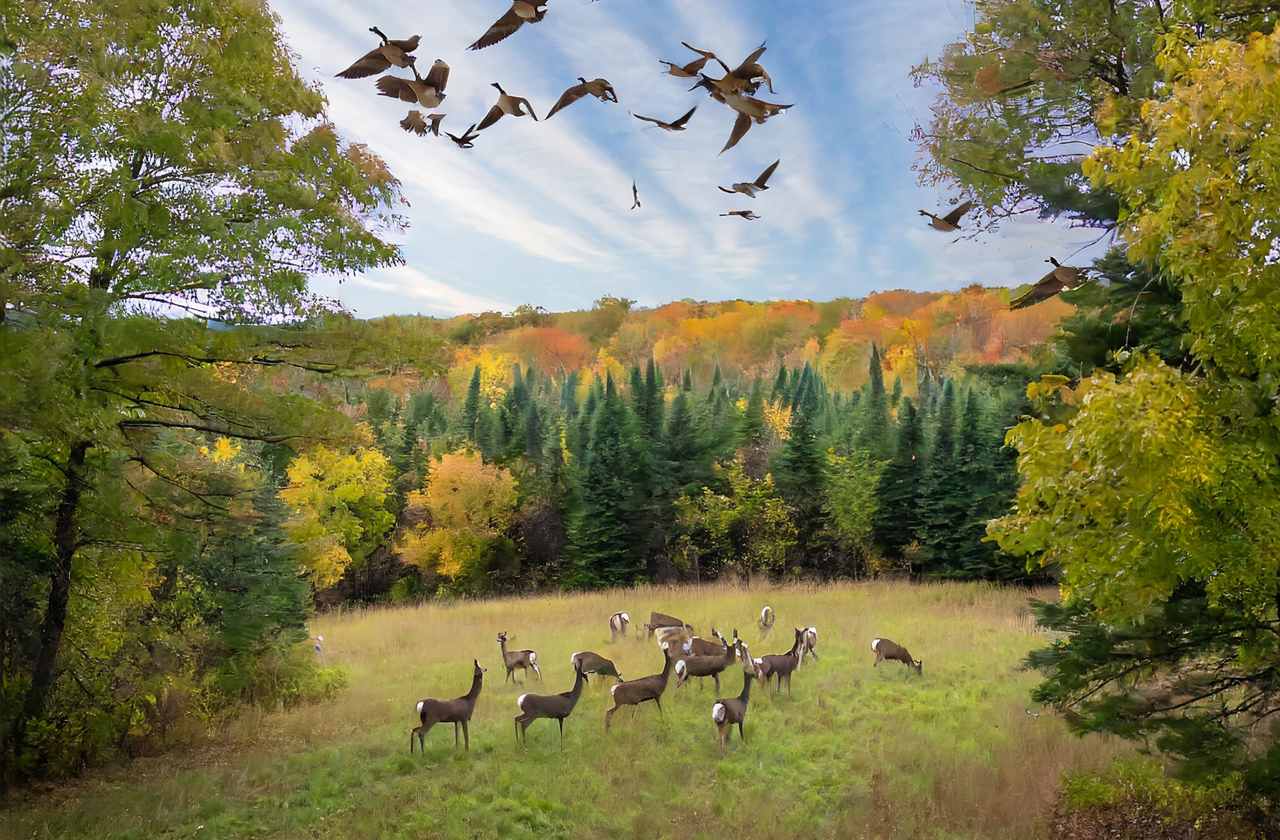
Minnesota gives hunters a little bit of everything. You can chase whitetails in farm country, hunt grouse in the north woods, set up for ducks in prairie marshes, or draw for a true bucket-list elk or bear hunt. That variety is a big reason the state stays popular with both lifelong hunters and beginners.
For 2026–2027, the biggest story is that hunters need to watch annual updates closely instead of relying on last year’s habits. Deer season structures, permit-area bag limits, waterfowl timing, and public-land access details can all shift from year to year. That matters even more in a state like Minnesota, where rules often change by zone, permit area, or species.
Minnesota is also strong on public access. Wildlife Management Areas, state forests, national forests, and Walk-In Access parcels create a lot of room for hunters who do not own private ground. If you are willing to scout, Minnesota offers real DIY opportunity for deer, grouse, pheasants, rabbits, doves, and waterfowl.
Licensing is another place where new hunters can get tripped up. Minnesota does not work like some states that sell one simple all-species hunting license. In many cases, you need a base small-game or species license plus added validations or stamps. Before you hunt, double-check your exact species, season, zone, and permit requirements.
Minnesota Hunting Season Overview
| Category | Details |
|---|---|
| Licensing Requirement | Species-specific licensing system; small game, deer, turkey, bear, elk, trapping, and stamps/validations may all apply |
| Main Game Species | Whitetail deer, black bear, elk, wild turkey, ducks, geese, pheasants, grouse, rabbits, squirrels |
| Public Hunting Areas | WMAs, state forests, Superior National Forest, Walk-In Access parcels, selected state parks/SRAs |
| Online Harvest Reporting | Deer, turkey, and bear reporting available through DNR systems; deadlines vary by species |
| Youth Hunting Opportunities | Youth deer, youth turkey access, youth waterfowl weekend, state park youth hunts |
| Public Land Programs | Walk-In Access, hunter walking trails, WMA system, state forests, special managed hunts |
| Hunter Education Requirement | Generally required for anyone born after Dec. 31, 1979, with apprentice option available |
Minnesota rewards hunters who pay attention to details. A deer hunter may be dealing with permit-area rules, a turkey hunter may need to think about season letters, and a duck hunter may need stamps, HIP, and changing zone calendars. That sounds like a lot, but once you break it down by species, it becomes manageable.
Big Game Hunting Seasons
Minnesota’s big-game lineup is led by whitetails, but elk and bear also matter. Deer is the broadest opportunity, elk is a rare draw, and bear remains a serious northern hunt with quotas and permit areas.
Deer Hunting Season
| Season Type | Dates | Bag Limit | Notes |
|---|---|---|---|
| Archery | Sept. 19–Dec. 31, 2026 | Varies by deer permit area | Crossbows legal for archery deer hunters |
| Firearms Season A (100 series) | Nov. 7–22, 2026 | Varies by deer permit area | Longer A season in 100-series areas |
| Firearms Season A (200 & 300 series) | Nov. 7–15, 2026 | Varies by deer permit area | Standard A season in these permit areas |
| Firearms Season B | Nov. 21–29, 2026 | Varies by deer permit area | Late southeast season structure |
| Muzzleloader | Nov. 28–Dec. 13, 2026 | Varies by deer permit area | Separate muzzleloader license required |
| Youth Hunt | Oct. 15–18, 2026 | Usually 1 either-sex deer; extra antlerless only where allowed | Statewide youth opportunity |
| Special Hunts | Varies | Varies | Includes selected state park and special managed hunts |
Minnesota deer rules are built around deer permit areas, often called DPAs. Instead of one statewide bag limit for everyone, hunters need to know whether they are in a one-deer, two-deer, three-deer, or five-deer area. That single detail changes how many deer you may harvest and whether extra antlerless opportunities apply.
For bucks, Minnesota uses a simple legal definition on the core deer pages: a legal buck has at least one antler that is 3 inches or longer. A button buck does not count as a legal buck. Antlerless rules depend on the permit area and season.
The other major 2026 change is the repeal of the old shotgun-only deer zone. That does not mean every place now works the same. Hunters still need to check current local weapon rules and DPA maps before buying a firearm deer license.
Deer must be tagged before the animal is moved, and harvest registration must be completed within 48 hours. Special-hunt deer must be registered under the special hunt number, not the broader permit area.
Deer Hunting Rules
| Regulation | Requirement |
|---|---|
| Hunter Orange | Blaze orange or pink required during firearms and muzzleloader deer seasons on cap and outer clothing above the waist |
| Legal Weapons | Legal big-game firearms, bows, crossbows; use legal ammunition |
| Reporting Deadline | Register within 48 hours |
| Baiting Rules | Deer baiting is illegal statewide |
| Tagging Requirements | Validate tag immediately before moving deer |
Elk Hunting Season
| Season | Dates | Permit Type |
|---|---|---|
| A (Either-sex, Zone 10) | Sept. 12–20, 2026 | Lottery |
| B (Antlerless, Zone 10) | Sept. 12–20, 2026 | Lottery |
| C (Either-sex, Zone 20) | Sept. 12–20, 2026 | Lottery |
| D (Antlerless, Zone 20) | Sept. 12–20, 2026 | Lottery |
| E (Either-sex, Zone 30) | Sept. 12–20, 2026 | Lottery |
| F (Antlerless, Zone 30) | Sept. 12–20, 2026 | Lottery |
| G (Antlerless, Zone 30) | Sept. 26–Oct. 4, 2026 | Lottery |
Minnesota elk is a once-in-a-lifetime resident hunt. The 2026 application window ran June 12–July 7, and selected hunters must attend a mandatory pre-hunt orientation. If you are lucky enough to draw, verify final harvest and check-in instructions directly with the DNR before the hunt.
Bear Hunting Season
| Season | Dates | Unit/Zone |
|---|---|---|
| Bear | Sept. 1–Oct. 18, 2026 | Bear permit areas and no-quota area |
Bear hunting still runs through a permit-area system. The 2026 bear lottery deadline was May 1, license purchase deadline is Aug. 1, surplus licenses start Aug. 5, and baiting may begin Aug. 14. Quota and no-quota areas both allow one adult bear per licensed hunter. Minnesota also requires harvested bears to be registered within 48 hours and a mandatory tooth sample must be submitted by Nov. 1.
Turkey Hunting Seasons
Minnesota gives turkey hunters both a long spring structure and a fall season. Spring is the main event, but fall remains a useful option for hunters who like a later-season woods hunt.
Spring Turkey Season
| Season | Dates | Bag Limit |
|---|---|---|
| Youth Hunt | Apr. 15–May 31, 2026 | 1 bearded bird |
| Archery | Apr. 15–May 31, 2026 | 1 bearded bird |
| A | Apr. 15–21, 2026 | 1 bearded bird |
| B | Apr. 22–28, 2026 | 1 bearded bird |
| C | Apr. 29–May 5, 2026 | 1 bearded bird |
| D | May 6–12, 2026 | 1 bearded bird |
| E | May 13–19, 2026 | 1 bearded bird |
| F | May 20–31, 2026 | 1 bearded bird |
Fall Turkey Season
| Season | Dates | Bag Limit |
|---|---|---|
| Archery/Firearms Fall Turkey | Oct. 3–Nov. 1, 2026 | 1 bird; verify final fall rules before hunting |
Turkey Hunting Regulations
| Rule | Requirement |
|---|---|
| Shotgun Restrictions | 10 gauge or smaller; shot size No. 4 or smaller |
| Hunter Orange Requirement | Not required while turkey hunting unless another overlapping season makes it necessary |
| Legal Hunting Hours | 1/2 hour before sunrise to sunset |
| Youth Requirements | Youth licenses available; 12+ generally need safety certificate or apprentice validation |
Turkey hunters need to tag the bird immediately and register it within 24 hours. One leg or a fully feathered wing must remain attached until registration. Minnesota also allows crossbows for valid spring turkey license holders.
Waterfowl Hunting Seasons
Minnesota waterfowl hunting stays strong, especially for hunters who split time between prairie wetlands, big lakes, and migration corridors.
Ducks and Geese Season
| Season | Zone / Area | 2026 Dates | 2027 Dates |
|---|---|---|---|
| Ducks, coots, mergansers | North Zone | Sep 26, 2026 – Nov 25, 2026 | Sep 25, 2027 – Nov 24, 2027 |
| Ducks, coots, mergansers | Central Zone | Sep 26, 2026 – Oct 4, 2026, and Oct 10, 2026 – Nov 29, 2026 | Sep 25, 2027 – Oct 3, 2027, and Oct 9, 2027 – Nov 28, 2027 |
| Ducks, coots, mergansers | South Zone | Sep 26, 2026 – Oct 4, 2026, and Oct 17, 2026 – Dec 6, 2026 | Sep 25, 2027 – Oct 3, 2027, and Oct 16, 2027 – Dec 5, 2027 |
| Geese | Early goose, statewide | Sep 5, 2026 – Sep 20, 2026 | Sep 11, 2027 – Sep 26, 2027 |
| Geese | North Zone | Sep 26, 2026 – Dec 25, 2026 | Sep 25, 2027 – Dec 24, 2027 |
| Geese | Central Zone | Sep 26, 2026 – Oct 4, 2026, and Oct 10, 2026 – Dec 30, 2026 | Sep 25, 2027 – Oct 3, 2027, and Oct 9, 2027 – Dec 31, 2027 |
| Geese | South Zone | Sep 26, 2026 – Oct 4, 2026, and Oct 17, 2026 – Jan 6, 2027 | Sep 25, 2027 – Oct 3, 2027, and Oct 16, 2027 – Jan 6, 2028 |
| Geese | Spring light goose conservation order | Statewide | Feb 18, 2027 – Apr 30, 2027 |
Special Waterfowl Hunts
| Hunt Type | Dates |
|---|---|
| Youth Waterfowl | Sept. 12–13, 2026 |
| Veteran/Military Waterfowl | TBD |
| Early Teal | Sept. 5–9, 2026 |
| September Goose | Sept. 12–27, 2026 |
| Spring Light Goose Conservation Order | Feb. 18–Apr. 30, 2027 |
Waterfowl Requirements
| Requirement | Details |
|---|---|
| HIP Registration | Required for waterfowl hunting |
| Federal Duck Stamp | Required for migratory bird hunters age 16 and older |
| State Stamp | Required for residents 18–64 and nonresidents 16 and older |
If you plan a duck or goose hunt early, keep checking the DNR’s annual waterfowl release in late summer. In Minnesota, that is one of the most important “verify before you go” species groups.
Small Game Hunting Seasons
Minnesota’s small-game calendar is one of its biggest strengths. Rabbits, squirrels, doves, grouse, woodcock, and pheasants give hunters a long season and a lot of public-land flexibility.
| Species | Season Dates | Daily Limit |
|---|---|---|
| Squirrel (gray & fox) | Sept. 19, 2026–Feb. 28, 2027 | 7 combined |
| Rabbit (cottontail & snowshoe hare) | Sept. 19, 2026–Feb. 28, 2027 | 10 |
| Pheasant | Oct. 10, 2026–Jan. 3, 2027 | 2 roosters early season; 3 after Dec. 1 under current posted limit pattern |
| Quail | No statewide DNR-listed season found | N/A |
| Grouse (ruffed & spruce) | Sept. 19, 2026–Jan. 3, 2027 | 5 combined, max 2 spruce |
| Dove | Sept. 1–Nov. 29, 2026 | 15 |
| Woodcock | Sept. 19–Nov. 2, 2026 | 3 |
| Snipe | Sept. 1–Nov. 2, 2026 | 8 |
Regional differences matter. Pheasant hunting is strongest in the south and west, while grouse and woodcock are more at home in the northern and northeastern forests. Sharp-tailed grouse rules are even more specific, with the northwest zone open and the east-central zone closed on the current DNR grouse page.
Furbearer Hunting and Trapping Seasons
| Species | Dates | Notes |
|---|---|---|
| Coyote | Open year-round under current DNR information | Lights allowed Jan. 1–Mar. 15 under specific rules |
| Fox | North: Oct. 17, 2026–Mar. 15, 2027; South: Oct. 24, 2026–Mar. 15, 2027 | Gray & red fox |
| Raccoon | North: Oct. 17, 2026–Mar. 15, 2027; South: Oct. 24, 2026–Mar. 15, 2027 | Night rules apply |
| Opossum | North: Oct. 17, 2026–Mar. 15, 2027; South: Oct. 24, 2026–Mar. 15, 2027 | No limit |
| Beaver | North: Oct. 24, 2026–May 15, 2027; South: Oct. 31, 2026–May 15, 2027 | Trapping-focused season |
| Bobcat | Dec. 12, 2026–Jan. 17, 2027 | North zone listed; registration rules apply |
| Otter | North: Oct. 24, 2026–May 15, 2027; South: Oct. 31, 2026–May 15, 2027 | Trapping-focused season |
Minnesota requires extra attention from trappers. Bobcat carcasses must be presented at registration, and fisher/pine marten heads and pelts also have registration requirements. Beaver and otter are not general firearm/archery hunting species in the way fox or coyote are; they are handled through trapping rules.
Additional Hunting Opportunities
| Species | Season Dates |
|---|---|
| Crow | Sept. 1–Oct. 31, 2026; Dec. 15–31, 2026; Jan. 1–15, 2027; Mar. 1–31, 2027 |
| Frog | Verify under Minnesota fishing/amphibian regulations rather than the hunting booklet |
| Turtle | Verify under Minnesota fishing/turtle regulations rather than the hunting booklet |
| Other Legal Species | Rails, mourning doves, and sandhill crane opportunities may apply in the proper seasons and with required permits |
Hunting Licenses and Fees
Minnesota does not use one simple all-species annual hunting license for most hunters. In practice, most people start with a small game license or a species license and then add stamps or validations as needed. Base prices below do not include the extra $1 agent fee noted by the DNR.
Resident License Fees
| License Type | Fee |
|---|---|
| Annual Hunting Base (Small Game) | $22 |
| Deer License (archery, firearm, or muzzleloader) | $34 |
| Turkey License (spring or fall) | $26 |
| Waterfowl Stamp | $7.50 |
| Trapping License | $23 |
Nonresident License Fees
| License Type | Fee |
|---|---|
| Annual Hunting Base (Small Game) | $102 |
| Deer License (archery, firearm, or muzzleloader) | $185 |
| Turkey License (spring or fall) | $96 |
| Waterfowl Stamp | $7.50 |
| Trapping License | $84 |
Youth and Senior Licenses
| License Type | Fee |
|---|---|
| Youth Small Game License (16–17) | $5 |
| Senior Small Game License (65+) | $13.50 |
| Apprentice Hunter Validation | $3.50 |
Minnesota hunting and fishing licenses run from March 1 through Feb. 28 of the following year. If you compare seasons in nearby states, this U.S. hunting seasons guide can help you line up dates and travel plans.
Hunter Education Requirements
| Requirement | Details |
|---|---|
| Minimum Age | Youth can hunt younger than 12 in some mentored situations; certification becomes valid at age 12 |
| Hunter Safety Course | Required for anyone born after Dec. 31, 1979 who is over 12 and buying a firearms hunting license |
| Apprentice Option | Valid for 2 license years in a lifetime under licensed adult supervision |
| Online Course Availability | Available through hybrid, adult online/virtual field-day, and classroom options |
Minnesota’s apprentice system is useful for beginners who want to try hunting before taking the full course. That said, it is not a long-term substitute. If you plan to keep hunting, get certified early and avoid a last-minute scramble in September.
Public Hunting Land in Minnesota
Minnesota is one of the better Midwestern states for do-it-yourself hunters because the public-land menu is broad. You are not limited to one type of parcel.
Major Public Hunting Areas
| Area Name | Acres | Popular Species |
|---|---|---|
| Wildlife Management Areas statewide | 1.39 million acres | Deer, pheasants, waterfowl, grouse |
| State forests statewide | 3 million acres | Deer, bear, grouse |
| Superior National Forest | About 3 million acres | Deer, grouse, bear, woodcock |
| Walk-In Access parcels | Varies annually | Pheasants, deer, small game |
WMAs are the backbone for many hunters. State forests are especially valuable for grouse, deer, and bear. Walk-In Access is worth special attention in farm country because it opens private land without the usual door-knocking process, as long as you buy the validation and follow the posted rules.
Special Hunting Programs
| Program | Description |
|---|---|
| Walk-In Access | Public access on enrolled private land; validation required |
| Private Land Access | WIA parcels and permission-based agricultural land opportunities |
| Youth Hunts | Youth deer, youth waterfowl, special youth state park deer hunts |
| Draw Hunts | Bear lottery, elk lottery, spring turkey WMA lottery, special state park deer hunts |
Application timing matters here. Spring turkey WMA lottery deadline was Feb. 13, 2026. Bear lottery closed May 1. Elk applications closed July 7. If you miss those windows, your fall options shrink fast.
Important Hunting Regulations
| Regulation | Requirement |
|---|---|
| Hunter Orange | Required in the field during firearms/muzzleloader deer seasons; often also required for small game unless exempt |
| Trespassing | No entry on posted land or agricultural land without permission |
| Baiting | Deer baiting prohibited statewide |
| Drones | Illegal to use for taking or recovering big or small game |
| Spotlighting | Highly restricted; general nighttime shining rules apply |
| Party Hunting | Allowed for deer and some small game under strict rules; not for migratory birds |
| Road Hunting | No shooting from or within the right-of-way of an improved public highway at big game |
| Suppressors | Verify current Minnesota law and 2026 handbook; not summarized on the main DNR season pages reviewed |
The biggest practical mistakes in Minnesota are usually not about species ID. They are paperwork and conduct mistakes: hunting the wrong permit area, ignoring orange rules, using bait, or assuming an old public-access habit is still legal.
Hunting Hours
| Species | Legal Hunting Hours |
|---|---|
| Deer | 1/2 hour before sunrise to 1/2 hour after sunset |
| Turkey | 1/2 hour before sunrise to sunset |
| Waterfowl | 1/2 hour before sunrise to sunset; early teal starts at sunrise |
| Small Game | 1/2 hour before sunrise to sunset |
Harvest Reporting Requirements
| Species | Reporting Deadline |
|---|---|
| Deer | Within 48 hours |
| Turkey | Within 24 hours |
| Bear | Within 48 hours |
| Elk | Verify directly with DNR if drawn |
Minnesota allows phone, online, and in some cases walk-in reporting. Write your confirmation number down right away. For bear hunters, remember that registration is only part of the job; the required tooth sample still has to be submitted.
Penalties for Hunting Violations
| Violation | Possible Penalty |
|---|---|
| Hunting Without License | Citation, equipment seizure, restitution, possible license sanctions |
| Trespassing | Civil or criminal penalties, fines up to $3,000, possible license revocation |
| Exceeding Bag Limits | Citation, restitution, confiscation risk |
| Illegal Harvest | Fines, restitution, confiscation, license loss |
| Failure to Report Harvest | Violation citation and possible loss of privileges |
A deer-baiting conviction is especially costly in Minnesota. A first conviction can cost you deer hunting privileges for a year, and repeat convictions bring longer revocations plus possible seizure of bows or firearms.
Minnesota Hunting Tips for the 2026–2027 Season
- Check your exact deer permit area before you buy tags, not after.
- Relearn firearm-deer rules for 2026 because the old shotgun-only zone was repealed.
- Buy extra antlerless permits early if you plan to hunt open DPAs during early antlerless season.
- Carry blaze orange or pink even when you think your hunt is “mostly archery” if any overlapping firearms season could apply.
- For bear season, line up bait-site access and registration details well before Aug. 14.
- If you hunt early teal, learn the reservation-specific wild-rice restrictions before you travel.
- Use Walk-In Access for pheasants and mixed-bag small game, but always check parcel status for closures first.
- In grouse country, focus on aspen edges and hunter walking trails after leaf drop instead of opening-week foliage.
- Turkey hunters should carry string or wire so the tag can be attached immediately.
- Deer hunters should save the harvest registration number and a pen in the truck so confirmation numbers do not get lost.
- Youth deer mentors need to remember party hunting is not allowed for youth tags.
- Bear hunters should set a reminder for the mandatory tooth-sample deadline.
Frequently Asked Questions
Do I need a separate deer license for archery, firearm, and muzzleloader?
Yes. Minnesota sells separate deer licenses by method.
Is deer baiting legal anywhere in Minnesota?
No. Deer baiting is illegal statewide.
How long do I have to register a deer?
Within 48 hours of harvest.
How long do I have to register a turkey?
Within 24 hours of harvest.
Is the youth deer hunt a special draw?
No. The statewide youth deer hunt does not require a special permit, but the youth needs the proper deer license.
Are crossbows legal in Minnesota deer season?
Yes. Crossbows are legal for all archery deer hunters, and youth with firearm licenses may also use a crossbow during the youth deer hunt.
Do I need both HIP and a duck stamp for waterfowl?
Usually yes, if you meet the age requirement for the federal duck stamp and state waterfowl stamp.
Can I use a drone to find or recover game?
No. Minnesota prohibits drone use for taking or recovering big or small game.
Does Minnesota have good public land for beginners?
Yes. WMAs, state forests, and Walk-In Access parcels make it one of the better DIY states in the region.
Are 2026 regular duck and goose zone dates fully posted yet?
Not fully on the main DNR pages reviewed as of July 8, 2026. Check the DNR’s final annual waterfowl release before the opener.
Final Thoughts
Minnesota remains one of the most complete hunting states in the Upper Midwest. Deer is still the main draw, but the overall package is what makes the state attractive: grouse in the north woods, pheasants in farm country, public-land ducks, spring turkey, and rare-entry big game like elk and bear.
The biggest takeaway for 2026–2027 is simple: do not assume last year’s rules still fit. Minnesota hunters need to pay attention to permit areas, youth rules, reporting deadlines, and overlapping season requirements. That is especially true this year with important deer-rule changes and still-updating waterfowl information.
Licensing also deserves extra attention. In Minnesota, a hunter may need a species license, a small-game base license, a state stamp, HIP, and a federal duck stamp depending on what they plan to hunt. Spending five extra minutes checking that setup is far better than learning the hard way in the field.
Public access remains one of Minnesota’s biggest strengths. From WMAs and state forests to Walk-In Access parcels, the state gives hunters room to roam if they are willing to scout and adapt. That matters for both beginners and experienced hunters trying to avoid crowded openers.
Safety and legality go hand in hand here. Wear blaze when required, keep tags and confirmation numbers straight, stay off posted land without permission, and never cut corners on baiting or reporting. Before any trip, verify the latest season details, zone dates, and permit rules directly with the Minnesota DNR. This guide was checked against Minnesota DNR hunting regulations and the Minnesota DNR hunting land locations guide.

- 2026-2027 Nevada Hunting Seasons New Dates & Regulations - August 13, 2026
- NC Turkey Season 2026 New Dates & Rules - July 23, 2026
- Thrilling 2026-2027 NM Elk, Deer And Pronghorn Season! - July 23, 2026
I’m looking for transportation rules for deer in our area 684. Some yahoo is trying to tell me that before you transport your deer home you have to skin and quarter it. I find that hard to believe.