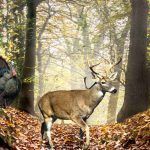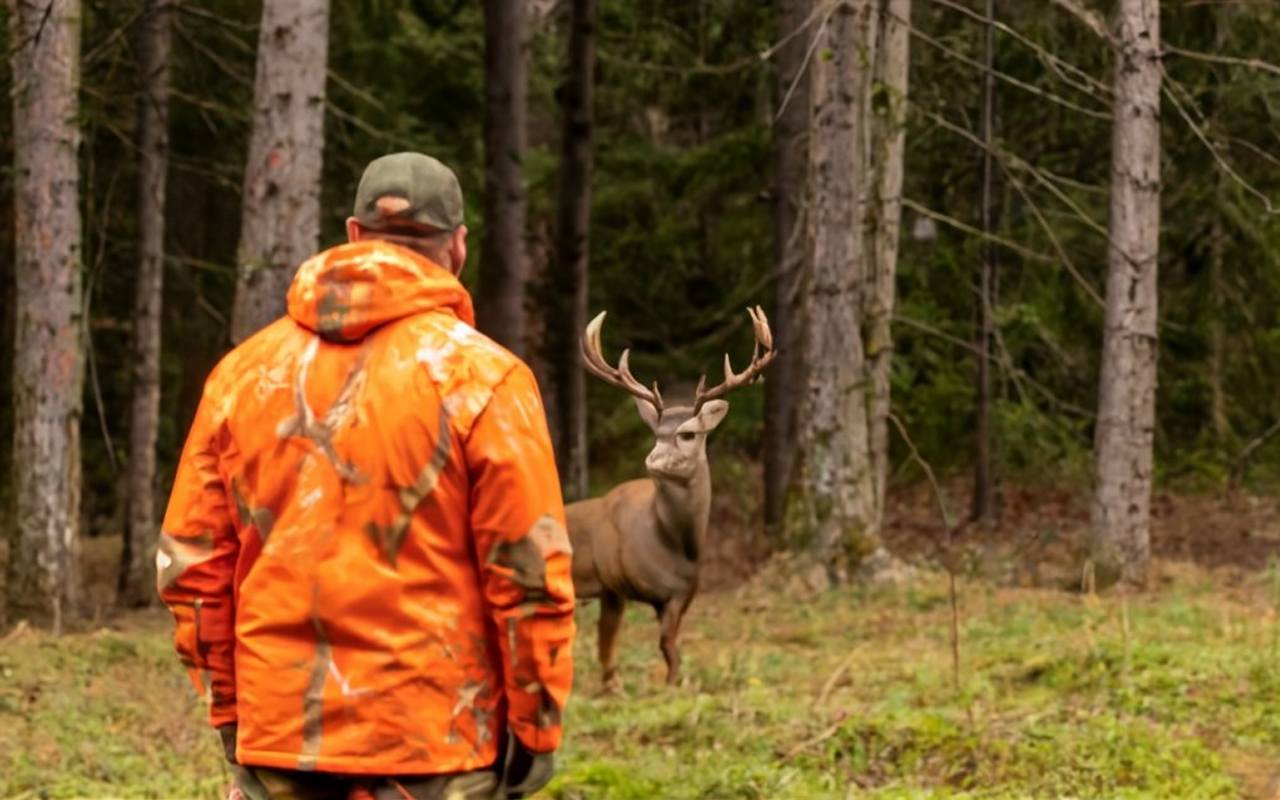
Washington gives hunters a little bit of everything: blacktail in the coast country, mule deer in the dry interior, whitetails in the northeast, strong elk traditions, solid turkey hunting, major waterfowl flyway action, and a surprising amount of public access if you know where to look.
That variety is exactly why Washington can feel confusing for new hunters. Seasons are often tied to weapon choice, species, and specific GMUs or hunt areas rather than one simple statewide opener. A deer season in western Washington may not line up with a deer season in the northeast, and goose rules can change again depending on the management area.
Licensing is another place where hunters need to slow down and double-check details. Washington requires valid licenses, tags, harvest reporting, and in some cases extra authorizations or harvest cards. For migratory birds and some special hunts, the paperwork matters just as much as your gear.
If you are comparing options across the region, our season date guide can also help with broader season planning.
Washington Hunting Season Overview
| Category | Details |
|---|---|
| Licensing Requirement | Valid Washington hunting license plus species tag/permit as needed |
| Main Game Species | Deer, elk, black bear, turkey, ducks, geese, grouse, pheasant, rabbit, coyote |
| Public Hunting Areas | WDFW wildlife areas, national forests, state lands, private-land access programs |
| Online Harvest Reporting | Required for big game, turkey, migratory birds, and trappers |
| Youth Hunting Opportunities | Youth deer, spring turkey, pheasant, and waterfowl days |
| Public Land Programs | Feel Free to Hunt, Register to Hunt, Hunt by Reservation, Hunt by Written Permission |
| Hunter Education Requirement | Required for first-time buyers born after Jan. 1, 1972, unless using one-time deferral |
| Hunter Orange Requirement | Required in many modern-firearm overlap situations |
Washington’s system rewards hunters who read the pamphlet instead of guessing. The biggest theme for 2026–2027 is simple: check the exact area, check the exact weapon season, and report your activity on time.
Big Game Hunting Seasons
Washington big game seasons are highly area-specific, so the table below gives the real date windows hunters see most often. Always match your tag to your deer area or elk area before hunting.
Deer Hunting Season
| Season Type | Dates | Bag Limit | Notes |
|---|---|---|---|
| Archery | Sept. 1–25; late dates from Nov. 10/20/21/25 through Dec. 8/15/31 depending on area | 1 deer | Exact dates vary by species and deer area |
| Firearms | Sept. 15–25 high buck; Oct. 17–Nov. 1; Nov. 7–19; Nov. 19–22 depending on area | 1 deer | Blacktail, mule deer, and whitetail dates differ |
| Muzzleloader | Sept. 15–25 high buck; Sept. 26–Oct. 4; late dates Nov. 20/25 through Dec. 8/15 | 1 deer | Area-specific late seasons |
| Youth Hunt | Oct. 24–30 or Oct. 24–27 in select whitetail areas | Counts toward annual limit | Limited youth-only opportunity |
| Special Hunts | Various permit dates | Permit-specific | Fewer crowds, permit required |
Washington deer hunting is split by deer areas and species. Black-tailed deer dominate much of western Washington, mule deer are a major focus in central and eastern country, and whitetails matter most in the northeast. Antler rules vary by area and can be “any buck,” “3-point minimum,” “any deer,” or “3-point minimum or antlerless.”
Mandatory reporting applies to deer hunters, and the general deadline is Jan. 31. Washington also continues its CWD-related restrictions, so baiting or feeding deer, elk, or moose is not something hunters should assume is legal. Special hunt permits for 2026 were sold in spring, with applications submitted through May 27 and results posted in June.
Deer Hunting Rules
| Regulation | Requirement |
|---|---|
| Hunter Orange | Minimum 400 square inches of fluorescent orange/pink above the waist, visible from all sides in required situations |
| Legal Weapons | Must match season/tag rules; archery during archery, muzzleloader rules during muzzleloader, modern firearm during firearm season |
| Reporting Deadline | Jan. 31 |
| Baiting Rules | Cervid baiting/feeding restrictions tied to CWD rules; verify before hunting |
| Tagging Requirements | Immediately notch month/day and attach the correct tag |
Elk Hunting Season
| Season | Dates | Permit Type |
|---|---|---|
| Modern Firearm | Sept. 12–27 in select areas; Oct. 31–Nov. 8/15; Nov. 7–18 in western units; some Master Hunter dates run Aug. 1–Jan. 20 | General / Master Hunter |
| Archery | Sept. 12–24 early; late seasons from Oct. 31 into Dec. or Jan. in select areas | General / Master Hunter |
| Muzzleloader | Oct. 3–9 early; late dates Oct. 31 into Dec. in select areas | General / Master Hunter |
| Special Hunts | Area-specific | Draw permit |
Washington’s elk system mixes general seasons with special permits and Master Hunter opportunities. The draw system matters if you want better dates, better areas, or extra opportunity. One elk is the standard season bag, although some successful special-permit or Master Hunter hunters may qualify for additional harvest opportunity. Special hunt applications are handled through the WILD licensing system.
Bear Hunting Season
| Season | Dates | Unit/Zone |
|---|---|---|
| General Black Bear | Aug. 1–Nov. 15 | Most BBMUs |
| General Black Bear | Aug. 15–Nov. 15 | BBMU 5 Okanogan |
| General Black Bear | Aug. 15–Nov. 15 | BBMU 14 Willapa Hills |
Most Washington black bear units allow a bag limit of 2 bears, but BBMU 5 and BBMU 14 are more restrictive with a limit of 1. Washington’s key bear rule for 2026 is the tooth requirement: every successful bear hunter must submit the required tooth sample by Dec. 1. Hunters in some areas may also need the bear identification test before hunting.
Turkey Hunting Seasons
Washington turkey hunting is one of the state’s better beginner-friendly hunts, especially in the east.
Spring Turkey Season
| Season | Dates | Bag Limit |
|---|---|---|
| Youth Hunt | April 1–7, 2026 | Combined spring/youth statewide limit of 3 bearded birds, with area caps |
| Regular Season | April 15–May 31 | Combined spring/youth statewide limit of 3 bearded birds, with area caps |
Fall Turkey Season
| Season | Dates | Bag Limit |
|---|---|---|
| General Fall Season | Sept. 1–Dec. 31 | Statewide seasonal bag of 4, but area restrictions apply |
Turkey Hunting Regulations
| Rule | Requirement |
|---|---|
| Shotgun Restrictions | Shotgun or muzzleloading shotgun using #4 or smaller shot; shotgun may not hold more than 3 shells |
| Hunter Orange Requirement | Required when hunting in overlap with modern firearm deer/elk areas |
| Legal Hunting Hours | One-half hour before sunrise to sunset |
| Youth Requirements | Youth hunters may use the early youth-only spring window if properly licensed and tagged |
Turkey hunters also need a small game license plus a turkey transport tag. Electronic calls, electronic decoys, dogs, and baiting methods for game birds are prohibited. A full spring bag does not remove fall opportunity, because spring and fall are treated separately.
Waterfowl Hunting Seasons
Washington does not use simple north/central/south duck zones. The state publishes a statewide regular duck season plus youth days, and it manages geese by Goose Management Area.
Duck Seasons
| Zone/Area | Dates |
|---|---|
| Statewide Regular | Oct. 11–19 and Oct. 22–Jan. 25 |
| Western Washington Youth | Sept. 20 |
| Eastern Washington Youth | Sept. 27 |
| Youth, Veteran & Active Military | Jan. 31 |
Goose Seasons
| Zone | Dates |
|---|---|
| GMA 1 | Sept. 6–14; Oct. 11–Nov. 30; Dec. 13–Jan. 25; white goose late Feb. 7–15 |
| GMA 2 Coast | Sept. 6–14; Oct. 11–Nov. 30; Dec. 20–Jan. 11 on limited weekly days |
| GMA 2 Inland | Sept. 6–14; Oct. 11–26; Nov. 26–Jan. 11; Feb. 7–15 on limited weekly days |
| GMA 3 | Sept. 6–14; Oct. 11–19; Nov. 1–Jan. 25 |
Special Waterfowl Hunts
| Hunt Type | Dates |
|---|---|
| Youth Goose Hunt (West) | Sept. 20 |
| Youth/Veteran/Active Military Duck & Goose | Jan. 31 |
| Early September Canada Goose | Sept. 6–14 |
Waterfowl Requirements
| Requirement | Details |
|---|---|
| HIP Registration | Covered when you buy the state Migratory Bird Permit |
| Federal Duck Stamp | Required for duck and goose hunters age 16+ |
| State Stamp | No separate state duck stamp required for regular duck hunting; some species/areas require extra authorization cards |
Washington’s 2026 waterfowl changes include higher daily bag allowances for pintail, scoter, and goldeneye, plus updates to some goose-area dates. If you hunt GMA 2, sea ducks, brant, snow geese, or band-tailed pigeons, read the authorization rules closely.
Small Game Hunting Seasons
| Species | Season Dates | Daily Limit |
|---|---|---|
| Squirrel | No general statewide season listed | — |
| Rabbit/Hare | Sept. 1–Mar. 15 | 5 mixed |
| Pheasant | West: Sept. 20–Nov. 30, East: Oct. 18–Jan. 19 | West 2 either sex / East 3 cocks |
| Quail | West: Sept. 20–Nov. 30, East: Oct. 4–Jan. 19 | 10 mixed; mountain quail only 2 in west |
| Grouse | Sept. 15–Jan. 15 | 4 |
| Dove | Sept. 1–Oct. 30 | 15 |
| Woodcock | Not listed in current summary table | Verify with WDFW |
| Snipe | Oct. 11–19 and Oct. 22–Jan. 25 | 8 |
Regional differences matter a lot here. Western pheasant hours are more restrictive, eastern pheasant is cock-only, and some species are open only in certain parts of the state.
Furbearer Hunting and Trapping Seasons
| Species | Dates | Notes |
|---|---|---|
| Coyote | Year-round | No bag limit; no dogs |
| Fox | Sept. 1–Mar. 15 hunting; Nov. 1–Mar. 31 trapping | Some national-forest trapping closures |
| Raccoon | Sept. 1–Mar. 15 hunting; Nov. 1–Mar. 31 trapping | Dog use restricted during firearm deer/elk overlaps |
| Opossum | No specific open season listed | Verify before take |
| Beaver | Nov. 1–Mar. 31 | Trapping only |
| Bobcat | Sept. 1–Mar. 15 | Pelt seal and lower jaw required by Apr. 20 |
| Otter | Nov. 1–Mar. 31 | Trapping only; pelt sealing required |
First-time trappers must pass Washington’s trapper education exam. Restraining traps must be checked daily, kill traps within 72 hours, and all trappers must file their annual report by Apr. 20.
Additional Hunting Opportunities
| Species | Season Dates |
|---|---|
| Crow | Sept. 1–Dec. 31 |
| Frog | Bullfrogs only: year-round, no bag limit |
| Turtle | No general hunting season listed |
| Other Legal Species | Some unclassified wildlife may be taken with the proper license |
Hunting Licenses and Fees
Resident License Fees
| License Type | Fee |
|---|---|
| Annual Hunting License (Small Game) | $55.13 |
| Deer Permit/License | $61.70 |
| Turkey Permit | $21.75 |
| Waterfowl Permit (Migratory Bird Permit) | $23.27 |
| Trapping License | $41.60 |
Nonresident License Fees
| License Type | Fee |
|---|---|
| Annual Hunting License (Small Game) | $252.47 |
| Deer Permit/License | $599.07 |
| Turkey Permit | $61.22 |
| Waterfowl Permit (Migratory Bird Permit) | $23.27 |
| Trapping License | $200.00 |
Youth and Senior Licenses
| License Type | Fee |
|---|---|
| Youth Small Game License | $24.77 |
| Senior Small Game License (70+) | $20.06 |
| Apprentice/Deferral Option | $24 processing fee, plus license costs |
Washington hunting licenses generally run on an April 1–March 31 license year. Trapping follows the same April-to-March cycle. Game bird and migratory bird season pamphlets may use a July-to-June publication window, so always match the fee year to the current license page.
Hunter Education Requirements
| Requirement | Details |
|---|---|
| Minimum Age | No minimum age to take hunter education |
| Hunter Safety Course | Required for first-time license buyers born after Jan. 1, 1972 |
| Apprentice Option | One-time, one-year deferral; hunter must be at least 10 and accompanied |
| Online Course Availability | Hybrid online course plus field skills session available |
Washington’s apprentice-style option is not a separate “apprentice license” in the western-state sense. It is a one-time hunter education deferral, and the new hunter must stay close enough to the supervising adult for direct visual and verbal contact.
Public Hunting Land in Washington
| Area Name | Acres | Popular Species |
|---|---|---|
| Oak Creek Wildlife Area | 67,100 | Elk, mule deer, turkey, quail, chukar |
| Skagit Wildlife Area | 18,138 | Ducks, geese, swans, shorebirds |
| Columbia Basin Wildlife Area | 160,100 | Waterfowl, upland birds, wetland species |
Washington public hunting includes WDFW wildlife areas, national forests, DNR lands, and private properties enrolled in access programs. WDFW manages more than 1 million acres across 33 wildlife areas, and access rules can differ by parcel. Many WDFW lands require a Discover Pass or Vehicle Access Pass.
Special Hunting Programs
| Program | Description |
|---|---|
| Walk-In Access | Feel Free to Hunt properties allow public access without extra permission |
| Private Land Access | Register to Hunt, Hunt by Reservation, and Hunt by Written Permission |
| Youth Hunts | Youth deer, turkey, pheasant, and waterfowl windows |
| Draw Hunts | Special hunt permits through WILD; Landowner Hunting Permit opportunities in some areas |
Important Hunting Regulations
| Regulation | Requirement |
|---|---|
| Hunter Orange | Required in many firearm-overlap situations |
| Trespassing | Illegal to hunt or retrieve wildlife from another person’s property without permission |
| Baiting | Do not assume legal for cervids; CWD rules matter |
| Drones | Illegal to use aircraft or unmanned aircraft to spot or report wildlife for hunting |
| Spotlighting | Illegal for big game; night-vision and laser-aided big-game hunting are prohibited |
| Party Hunting | Illegal for big game and turkey |
| Road Hunting | Illegal to hunt from a vehicle or shoot from/across a maintained public road |
| Suppressors | Verify current firearm law and local rules before use |
Legal hunting hours also change by species:
| Species | Legal Hunting Hours |
|---|---|
| Deer | 1/2 hour before sunrise to 1/2 hour after sunset |
| Turkey | 1/2 hour before sunrise to sunset |
| Waterfowl | Official migratory bird hours table |
| Small Game | Varies by species; western pheasant/quail are more limited |
Harvest Reporting Requirements
| Species | Reporting Deadline |
|---|---|
| Deer | Jan. 31 |
| Turkey | Jan. 31 |
| Bear | Jan. 31 report; tooth submission by Dec. 1 |
| Elk | Jan. 31 |
Most reporting is handled online through WILD. Small game and migratory bird hunters now log activity online through March 31, while trappers must complete reports by Apr. 20.
Penalties for Hunting Violations
| Violation | Possible Penalty |
|---|---|
| Hunting Without License | Citation, criminal charge, loss of privileges |
| Trespassing | Criminal trespass citation and hunting-law consequences |
| Exceeding Bag Limits | Criminal penalties, wildlife assessments, suspension risk |
| Illegal Harvest | Wildlife assessment can reach $2,000+ for deer/elk/bear/cougar and more for trophy animals |
| Failure to Report Harvest | $10 non-reporting administrative penalty |
Washington also allows license suspension, repeat-offender suspensions, and even seizure/forfeiture of property used in violations.
Washington Hunting Tips for the 2026–2027 Season
- Check whether your deer or elk tag is tied to a GMU, deer area, or elk area before you leave home.
- In western Washington pheasant country, remember the shorter 8 a.m. to 4 p.m. legal hours.
- If you hunt eastern Washington in summer or early fall, watch wildfire and fire-restriction notices on WDFW lands.
- Buy your migratory bird permit early so HIP is already covered before teal, dove, or duck openers.
- Goose hunters in GMA 2 should confirm whether they need special authorizations or testing before opening day.
- Bear hunters should set a reminder for the Dec. 1 tooth deadline as soon as they notch a tag.
- Bobcat hunters should plan pelt sealing and jaw submission before freezer space becomes a problem.
- If you hunt Oak Creek, Colockum, or other big elk country, scout access roads as much as the animals.
- Use the Hunt by Reservation system early in the week for better odds on limited private-land slots.
- Carry both digital and paper backup details for your WILD account, tags, and reporting confirmation numbers.
- If you hunt near Spokane or other CWD-sensitive areas, read carcass transport rules before moving meat or bones.
- On WDFW lands, do not assume target shooting access equals hunting access; seasonal closures are common.
- Waterfowl hunters should study Washington’s goose management areas, because the state does not use simple north/south goose rules.
- First-time hunters should use the spring turkey season as a low-pressure way to learn calling, setup, and tagging.
Frequently Asked Questions
Do I need a hunting license in Washington if I am under 16?
Yes. Youth hunters get reduced fees, but they still need the proper license and tags.
Does Washington require hunter education?
Yes, for first-time license buyers born after Jan. 1, 1972, unless they qualify for the one-time deferral.
Can I hunt deer with a crossbow in Washington?
Yes, but only where it is legal under the season and tag you hold.
Is baiting deer legal in Washington?
Do not assume it is. Washington’s cervid disease rules make this an area hunters should verify carefully.
Are duck seasons split into north, central, and south zones?
No. Washington uses a statewide duck framework and separate goose management areas.
Do I need HIP for dove hunting?
Yes. If you hunt migratory game birds, your migratory bird permit covers HIP registration.
Is a federal duck stamp required in Washington?
Yes, for duck and goose hunters age 16 and older.
Can I hunt coyotes year-round?
Yes, but you still need the proper hunting license and must follow method restrictions.
Is party hunting legal?
No, not for big game or turkey.
What happens if I forget to report my harvest?
For required reports, you can be hit with a $10 administrative penalty and lose future convenience.
Can I hunt on private land if it is not posted?
Do not guess. Washington trespass law is strict, and landowners do not have to post property.
Does Washington have public hunting land?
Yes. WDFW wildlife areas, national forests, and access-program private lands offer major opportunity.
Final Thoughts
Washington remains one of the better western states for hunters who want variety. Deer, elk, bear, turkey, waterfowl, upland birds, predators, and furbearers all create real opportunity during the 2026–2027 season.
The flip side is that Washington is not a “show up and wing it” hunting state. Weapon-specific seasons, GMU rules, access programs, reporting deadlines, and special authorizations all matter. Hunters who read carefully usually avoid the mistakes that cost time, money, and opportunity.
Licenses and fees also deserve extra attention this year because Washington’s fee structure changed and some categories now cost noticeably more than they did a few seasons ago. Buy early, print what you need, and make sure your tag and permit combination actually matches the species you plan to hunt.
Public land is still a major strength here. From big elk country around Oak Creek to wetland-heavy waterfowl ground in the Skagit and Columbia Basin systems, Washington offers solid access for self-guided hunters willing to plan ahead.
Safety matters just as much as legality. Wear hunter orange when required, know your legal hours, avoid road-hunting shortcuts, and treat access signs like hard rules instead of suggestions.
This guide is built from the latest 2026–2027 Washington rules and fee schedules published by Washington hunting regulations and WDFW hunting license fees. It is written in plain English, but hunters should still verify their exact GMU, access type, and emergency rule changes before opening day.

- 2026-2027 Nevada Hunting Seasons New Dates & Regulations - August 13, 2026
- NC Turkey Season 2026 New Dates & Rules - July 23, 2026
- Thrilling 2026-2027 NM Elk, Deer And Pronghorn Season! - July 23, 2026