Vermont has over 800,000 acres of federal and state-owned public land, also State parks allow hunting off-season. In this page, we’ll discuss the dates, regulations, and permits you’ll need in order to hunt in the state.
🦌 Big Game
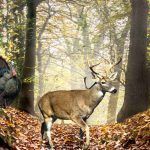
White-Tailed Deer
| Season Type | Dates | Notes |
|---|---|---|
| Archery | Oct 1 – Nov 14, Dec 1–15 | Closed during rifle season |
| Youth & Novice Weekend | Oct 25–26 | – |
| Regular Rifle Season | Nov 15–30 | 16-day season |
| Muzzleloader | Dec 6–14 | – |
| Antlerless Muzzleloader (select WMUs) | Oct 30 – Nov 2 | Permit-dependent |
Black Bear
| Season Type | Dates | Notes |
|---|---|---|
| Early Season | Sep 1 – Nov 14 | – |
| Late Season | Nov 15–23 | – |
| With Dogs (Residents) | Sep 1 – Nov 23 | Permit required |
| With Dogs (Nonresidents) | Sep 15 – Nov 23 | Permit required |
Moose (Limited Permit)
| Season Type | Dates | Notes |
|---|---|---|
| Archery Only | Oct 1–7 | If permits issued |
| Regular Season | Oct 18–23 | If permits issued |
🦃 Turkey
Spring
| Season Type | Dates |
|---|---|
| Youth & Novice Weekend | Apr 26–27 |
| Regular Season | May 1–31 |
Fall
| WMUs | Season Dates | Method |
|---|---|---|
| Statewide (Archery) | Oct 4–24 | Bow only |
| B,D,G,H,I,J,L,M,O,P,Q | Oct 25 – Nov 2 | Shotgun or bow |
| F,K,N | Oct 25 – Nov 9 | Shotgun or bow |
🦝 Furbearers
| Species | Season Dates | Notes |
|---|---|---|
| Bobcat | Jan 10 – Feb 7 | – |
| Red & Gray Fox | Oct 26, 2024 – Feb 9, 2025 & Oct 25, 2025 – Feb 8, 2026 | – |
| Raccoon | Oct 11 – Dec 31 | – |
| Muskrat | Mar 20 – Apr 19 | – |
| Coyote (without dogs) | Year-round | No closed season |
| Coyote (with dogs) | Dec 15 – Mar 15 | Permit required |
Closed Species: Fisher, Otter, Beaver, Marten, Lynx, Wolf
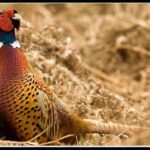
🐦 Upland Birds
| Species | Season Dates | Method |
|---|---|---|
| Ruffed Grouse | Sep 27 – Dec 31 | Shotgun or bow |
| American Woodcock | Sep 28 – Nov 11 | No federal stamp required |
🐿️ Small Game
| Species | Season Dates | Notes |
|---|---|---|
| Gray Squirrel | Sep 1 – Dec 31 | Great for beginners |
| Hare & Rabbit (Most WMUs) | Sep 27, 2025 – Mar 8, 2026 | – |
| Hare & Rabbit (WMUs D,E) | Sep 27, 2025 – Mar 31, 2026 | Extended season |
🐦⬛ Other Small Game
| Species | Season Dates | Restrictions |
|---|---|---|
| Crow | Jan 17–Apr 11 & Aug 22–Dec 19 | Friday–Monday only |
| Weasel | Year-round | – |
| Skunk | Year-round | – |
| Opossum | Year-round | – |
🦅 Migratory Birds (HIP Registration Required)
Waterfowl
Ducks
| Zone | First Split | Second Split |
|---|---|---|
| Lake Champlain | Oct 12 – Nov 3 | Nov 23 – Dec 29 |
| Interior Vermont | Oct 12 – Nov 10 | Nov 23 – Dec 22 |
| Connecticut River | Oct 9 – Nov 11 | Nov 27 – Dec 22 |
Geese
| Species | Season | Dates |
|---|---|---|
| Canada Geese (Early) | Sep 1–25 | All zones |
| Canada Geese (Oct-Nov) | Lake Champlain/Interior | Oct 12 – Nov 10 |
| Connecticut River | Oct 9 – Nov 11 | |
| Canada Geese (Dec-Jan) | Lake Champlain/Interior | Dec 1 – Jan 19, 2026 |
| Connecticut River | Nov 27 – Dec 22 & Dec 23 – Jan 11, 2026 | |
| Snow Geese (Conservation Order) | Fall | Oct 1 – Dec 31 |
| Late Winter | Feb 26 – Mar 10, 2026 | |
| Spring | Mar 11 – Apr 20, 2026 |
Brant
| Zone | Season Dates |
|---|---|
| Lake Champlain | Oct 12 – Nov 10 |
| Interior Vermont | Oct 12 – Nov 10 |
| Connecticut River | Oct 9 – Nov 7 |
🎪 Trapping
| Species Group | Season Dates |
|---|---|
| Mink, Skunk, Fox, Raccoon, Coyote, Opossum, Weasel | Oct 25 – Dec 31 |
| Otter, Muskrat, Beaver | Oct 25, 2025 – Mar 31, 2026 |
| Fisher | Dec 1–31 |
| Bobcat | Dec 1–16 |
All dates subject to change. Always verify with Vermont Fish & Wildlife before hunting.
Hunting Regulations
Location
The residents of this state shall be allowed to hunt and fowl on their own land and on unenclosed grounds,” Article 67 declares. And these means, unless otherwise specified, hunters may hunt anywhere in Vermont. Except on weekends, young, inexperienced hunters may shoot turkeys and deer without parental supervision.
On private property, hunters may hunt without the landowner’s permission, but they must inquire beforehand. Respectful hunters are more likely to get admission.
- Pursuing on private property with a “No Hunting” sign is prohibited unless the proprietor has given written authorization.
- While it is not obligatory, residents are encouraged to wear hunter orange outside. In the woods, wear a hunter orange cap so that people can see you.
- Fully automatic rifles and suppressed firearms are prohibited.
- Artificial lights cannot be used.
- Shooting from a vehicle, truck, snowmobile, ATV, speedboat, aircraft, remote-controlled drones, or towed trailer is forbidden. Permanently handicapped hunters who have a valid hunting license may hunt from a vehicle.
- Pedestrians are not authorized on the right-of-way or interstates. Rest stops and pullouts aren’t ideal for parking in remote deer locations.
- Deer hunting is prohibited on public roadways. Street shooting is also forbidden. Infringers may be fined $1,000.
- Wildlife hunters cannot use dogs. Dog owners must prevent their dogs from pursuing or disturbing native animals. Wildlife enforcement may fine or revoke permits for dogs that disturb wildlife. Avoid interfering with hounds pursuing an animal you don’t own.
- On state land, it is illegal to use nails, bolts, screws, wire, or chain to penetrate the bark of a tree.
- May be shot 30 minutes before and after dawn and sunset.
- Apples, bananas, and other natural foods are not permitted to be utilized to lure deer into hunting or trapping zones.
- It is forbidden to hunt in a river, lake, or pond.
- The WMU may have a different definition of “Legal buck.” Bucks lacking two-pointed antlers are not allowed in the eastern or western WMUs. Antlers with points are at least one inch long. Legal bucks in the Central and Northeast WMUs have one 3-inch antler.
Rules for Importing Deer, Elk
| Importing Deer, Elk Regulation | Details |
|---|---|
| Purpose of Regulation | To protect Vermont's wild deer from chronic wasting disease (CWD). |
| What is CWD | A fatal disease affecting the brain and nervous system in deer and elk, caused by abnormal prion proteins. |
| Risk of Transmission | CWD prion proteins can be introduced to the environment through bodily fluids and persist for extended periods. |
| Import and Possession Rules | • It's illegal to import or possess deer or elk, or parts of them, from states/provinces with CWD, except for specific exceptions. • Regulations apply to both captive and wild animals. |
| Allowed Exceptions for Import/Posession | • Meat properly processed and labeled with hunting license information, not mixed with other deer or elk. • Boneless meat. • Hides or capes with no head attached. • Clean skull-cap with antlers attached. • Antlers with no other meat or tissue attached. • Finished taxidermy heads. • Upper canine teeth with no tissue attached. |
| States and Provinces Affected by the Regulations (CWD) | Alabama, Arkansas, Colorado, Florida, Idaho, Illinois, Iowa, Kansas, Louisiana, Maryland, Michigan, Minnesota, Mississippi, Missouri, Montana, Nebraska, New Mexico, New York, North Carolina, North Dakota, Ohio, Oklahoma, Pennsylvania, South Dakota, Tennessee, Texas, Utah, Virginia, West Virginia, Wisconsin, Wyoming, Alberta, Quebec, Manitoba, Saskatchewan. |
| Penalties for Violations | Up to $1,000 fine and loss of hunting/fishing licenses for one year per illegally imported deer or elk. |
| Prohibition on Deer Urine-based or Body Fluid Attractants | The use of natural deer urine-based or deer body fluid attractant scents is prohibited in Vermont due to the CWD threat. |
Contacts
You may find maps of WMAs on the Fish & Wildlife website (www.vtfishandwildlife.com) and in the handbook “Guide to Wildlife Management Areas of the state, easily obtainable by way of an online store.
Visit the website, contact (802) 828-1000, or
FAQ
Where can I hunt a Deer in Vermont?
Wildlife is most abundant in the Connecticut River basin and northern and southern western areas. Deer are less available in the eastern portion of the state, especially in high terrain running north-south. However, these sites provide distant exploring prospects.
What to Do After Hunting a Deer in Vermont?
Request a license tag immediately after taking a trapped animal home. Use a sturdy paper or tag and write your name or conservation ID. Once attached, the tag should be visible.
You may process or taxidermize the animal after tagging. Labels must stay on corpses during processing. The dead animal must be reported to Vermont Fish and Wildlife within 48 hours. Visit the closest large game reporting station and complete the paperwork. Check Vermont Fish & Wildlife’s website before the deadline to see whether electronic reporting is available.
- Utah Hunting EXPO 2026: Complete Event Guide, Dates & 200 Premium Permit Detail - February 15, 2026
- 2026 Maine Fishing Laws and Regulations for Freshwater Anglers - February 9, 2026
- 2025-2026 Utah Hunting Seasons New Regulations & Dates! - October 3, 2025