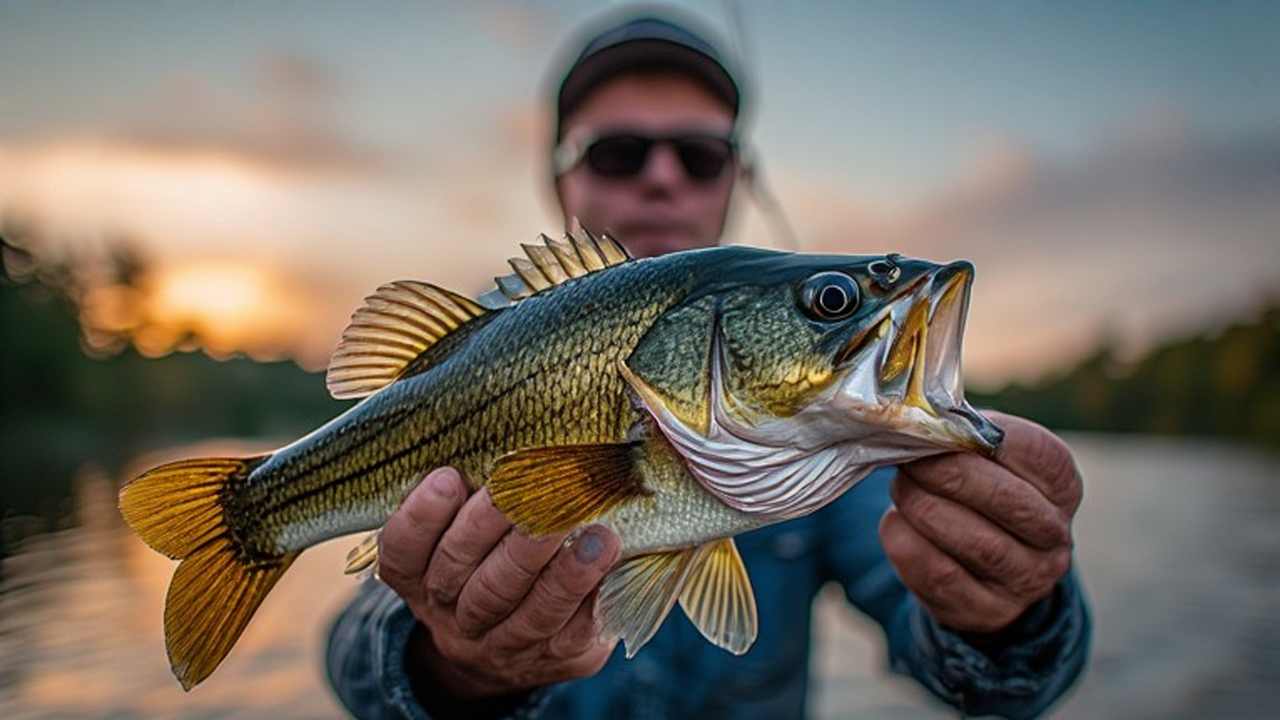
Whether you’re a first-timer casting from a dock or a seasoned angler planning a multi-day expedition, understanding Maine’s fishing seasons and regulations means more time enjoying the water and less time wondering if you’re doing it right.
Maine’s approach to managing its fisheries is rooted in conservation and accessibility. The state balances protecting native species like wild brook trout with providing abundant opportunities for families, tourists, and serious anglers alike. From tidal estuaries where striped bass prowl to pristine backcountry ponds accessible only by hiking trail, Maine offers a diversity of angling experiences matched by few other states. But with that diversity comes a patchwork of rules designed to keep fish populations healthy and waters productive for generations to come.
This guide walks you through everything you need to know about fishing Maine waters in 2026—what’s biting, when seasons open and close, where special rules apply, and how to stay on the right side of conservation law while having an unforgettable time on the water.
🗓️ Complete Maine Fishing Season Dates 2026
| Species/Water Type | Season Opens | Season Closes | Special Notes |
|---|---|---|---|
| General Law Lakes & Ponds | April 1 | September 30 | Standard creel and length rules apply |
| Brooks, Streams & Rivers | April 1 | September 30 | Check for fly-fishing-only sections |
| Landlocked Salmon & Trout (most waters) | April 1 | September 30 | Some waters open to ice fishing Dec–March |
| Bass (Largemouth & Smallmouth) | June 15 | September 30 | Catch-and-release allowed earlier in some lakes |
| Northern Pike | January 1 | September 30 | Year-round on select waters |
| Pickerel (Chain) | January 1 | December 31 | Open year-round statewide |
| White Perch & Yellow Perch | January 1 | December 31 | No closed season |
| Splake (brook trout × lake trout hybrid) | January 1 | September 30 | Often stocked in high-elevation ponds |
| Ice Fishing (general) | January 1 | March 31 | Specific lakes may have extended seasons |
Note: Always consult the official Maine Department of Inland Fisheries & Wildlife (MDIFW) regulations booklet, as some waters have exceptions.
🌅 Seasonal Fishing Breakdown
🌱 Early Spring (April–May)
When ice-out arrives—usually mid-April in southern Maine and early May up north—it’s like flipping a switch. Trout and salmon that have been dormant all winter start feeding aggressively, and anglers flock to tributaries and shallow coves where fish are staging. This is prime time for:
- Brook trout in streams swollen with snowmelt
- Rainbow trout cruising near inlets and outlets
- Landlocked salmon chasing smelt in the shallows
Regulations during this period are strict to protect spawning fish and ensure populations stay robust. Many waters enforce gear restrictions—artificial lures or fly-fishing only—and shorter possession limits. It’s also when you’ll find the most catch-and-release designated areas, particularly on wild brook trout streams where every fish returned helps the next generation thrive.
☀️ Peak Summer (June–August)
Summer transforms Maine’s fishing landscape. Bass season kicks off mid-June, and suddenly thousands of lakes that were quiet in spring come alive with anglers targeting largemouth and smallmouth bass. Water temperatures rise, aquatic insects hatch in waves, and fish move to deeper, cooler zones or feed actively at dawn and dusk.
This is also when families hit the water in full force. Panfish—white perch, yellow perch, pumpkinseed sunfish—become the stars of the show for kids and casual anglers. Stocked ponds near towns and campgrounds see heavy traffic, and the state’s youth fishing programs are in full swing.
Special regulations during summer often involve daily creel limits and slot size limits for bass, designed to protect breeding-age fish while allowing anglers to harvest smaller or larger individuals outside the protected range.
🍂 Fall Transition (September–October)
September is magic. Crowds thin, water cools, and fish begin feeding heavily to prepare for winter. Brook trout return to spawning streams, their colors intensifying into brilliant orange and red. Salmon follow suit in select rivers and tributaries, creating one last surge of excitement before ice-out.
Many anglers consider fall the best time for trophy fishing—larger fish are more aggressive, and cooler temperatures mean they’re active throughout the day, not just at sunrise and sunset. However, this is also when seasonal closures begin to kick in. By October 1, most general law waters are closed to fishing, though some specially designated lakes and rivers remain open into late fall or even year-round.
❄️ Winter (December–March)
Ice fishing is a Maine tradition, and certain waters are managed specifically to provide winter opportunities. White perch, yellow perch, pickerel, and splake are popular targets through the ice. Some lakes have extended seasons for specific species, and a few are open year-round for ice angling.
Safety is paramount—ice thickness varies wildly depending on location, depth, and weather patterns. The MDIFW publishes ice safety guidelines and reports on ice conditions throughout the winter season.
🐟 Game Fish Anglers Target Most
Bass: The Summer Heavyweight
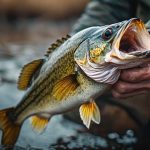
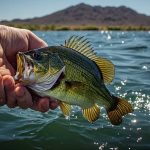
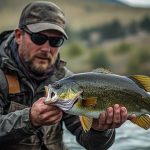
Smallmouth bass are the scrappy fighters of Maine’s lakes and rivers, known for explosive strikes and acrobatic jumps. Largemouth bass prefer warmer, weedier environments—places like Cobbossee Lake and Sebago Lake are legendary for producing big bucketmouths. The season opens on June 15 across most waters, giving bass time to spawn undisturbed.
Anglers should note that many lakes have catch-and-release restrictions before the official opener, meaning you can fish for bass earlier in the year but must return every fish. Once the season is in full swing, possession limits typically allow one or two fish per day, often with a protected slot—for example, all bass between 12 and 15 inches must be released to protect the breeding population.
Trout: The Heart of Maine Angling
Brook trout are Maine’s state fish, and for good reason. Native “brookies” thrive in cold, clean streams and remote ponds, often in places you’d need a compass and boots to reach. Rainbow trout and brown trout, while introduced species, have carved out their own niches in larger rivers and lakes. Landlocked salmon—technically a type of trout—are prized for their size and fighting ability, particularly in deep, cold lakes like Moosehead and Sebago.
Trout fishing in Maine peaks in spring and fall when water temperatures are ideal. Summer can be tougher, as fish retreat to deep, cold zones or spring-fed pockets. Regulations vary widely: some streams are fly-fishing-only, others are catch-and-release year-round, and still others allow harvest with standard bag limits. Always check the specific rules for the water you’re fishing.
Northern Pike: The Toothy Predator
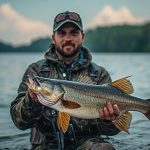
Pike aren’t as widespread in Maine as they are in neighboring states, but where they exist—like in Eagle Lake and Fish River Chain—they offer thrilling action. These apex predators can exceed 20 pounds and will strike lures, flies, or live bait with startling aggression. The season typically runs from January through September, with some waters open year-round.
Because pike can impact native fish populations, Maine manages them carefully. Some waters have liberal harvest limits to control pike numbers, while others restrict harvest to protect the fishery as a trophy destination.
Pickerel, Walleye & Catfish
Chain pickerel are abundant and accessible, found in nearly every warm-water lake and pond. They’re open year-round, making them a reliable target when other seasons are closed. Walleye are less common but present in select waters, often managed with stocking programs. Catfish—both channel and bullhead species—offer easy, family-friendly fishing, especially in southern Maine’s warmer rivers and ponds.
🦞 Regulated or Special-Permit Fisheries
Maine’s wild brook trout heritage sites represent some of the most carefully protected waters in the state. These are streams and ponds where native brook trout populations remain genetically pure, with no stocking and strict catch-and-release rules. Fishing these waters is a privilege—expect gear restrictions (often artificial lures or flies only), and always practice leave-no-trace ethics.
Atlantic salmon restoration efforts continue on rivers like the Penobscot, where anglers can encounter both wild and hatchery-raised fish. All Atlantic salmon must be released immediately, and specific sections of rivers are entirely closed to fishing during critical migration periods.
If you’re interested in targeting sea-run fish like striped bass or alewife in tidal waters, note that separate regulations apply. Striped bass have size and bag limits that change based on stock assessments, and some estuaries have seasonal closures to protect spawning runs.
🐠 Everyday Fish & Panfish Opportunities
| Species | Typical Creel Limit | Common Habitat |
|---|---|---|
| White Perch | 25 fish/day | Lakes, ponds, tidal rivers |
| Yellow Perch | 25 fish/day | Shallow bays, weedy areas |
| Pumpkinseed Sunfish | No specific limit (covered under general rules) | Warm ponds, docks, lily pads |
| Rock Bass | No specific limit | Rocky shorelines, rivers |
| Fallfish | No closed season or limit | Streams, moving water |
These species are the backbone of casual fishing in Maine. They’re abundant, easy to catch, and perfect for introducing kids to the sport. Many urban fishing ponds near Portland, Bangor, and Augusta are stocked with panfish and offer accessible shoreline fishing, ADA-compliant docks, and family-friendly amenities.
🏞️ Stocked Waters & Management Programs
Maine’s stocking program is one of the most extensive in the Northeast. Each spring, hatcheries release millions of trout, salmon, and splake fingerlings into public waters. The MDIFW publishes a stocking schedule online, showing exactly when and where fish are released. Popular stocked waters include:
- Mousam Lake (York County) – brook trout, brown trout
- Pleasant Pond (Somerset County) – splake
- Sebago Lake (Cumberland County) – landlocked salmon
Urban fishing initiatives focus on creating opportunities close to population centers. Ponds in places like Bangor’s Essex Woods Park or Portland’s Deering Oaks are stocked regularly and provide easy access for families without boats. Some programs even host free fishing days, where licenses aren’t required and fishing clinics are offered.
If you’re serious about targeting stocked fish, time your trip shortly after a release. Newly stocked trout are often eager to bite and haven’t yet learned to be wary of anglers.
🌍 Access Rules: Public vs Private Waterways
- Know before you go: Maine has thousands of miles of shoreline, but not all of it is open to the public. Look for boat launches, parking areas with signage, or state-designated access points. Many lakes have walk-in access where you can carry a canoe or kayak but can’t trailer a motorboat.
- Respect private property: Just because you can see water from a road doesn’t mean you can fish there. “No Trespassing” signs are legally binding, and Maine takes property rights seriously. Violating these rules can result in fines and damage the reputation of anglers statewide.
- Public boat launches and carry-ins: The MDIFW maintains an online map of public access points, including boat ramps, hand-carry sites, and fishing piers. Bookmark this resource—it’s invaluable for trip planning.
- Respect the resource: Even on public waters, practice good stewardship—pack out trash, avoid disturbing nesting birds, and be mindful of erosion-sensitive shorelines.
🎟️ Maine Fishing License Overview
- Resident licenses: Available to anyone who has lived in Maine for at least three consecutive months. Options include annual, three-day, and one-day licenses.
- Non-resident licenses: Required for visitors. A 15-day license is popular for vacationers, while a full-season license makes sense for seasonal residents or frequent visitors.
- Youth exemptions: Kids under 16 can fish without a license, though they must still follow all bag and possession limits. Some anglers buy a “junior guide license” for kids interested in learning the sport seriously.
- Free Fishing Day: Maine typically designates one or two days per year when anyone can fish without a license. Check the MDIFW website for 2026 dates.
- Special stamps and endorsements: If you plan to fish for Atlantic salmon (catch-and-release only) or target certain sea-run species, additional stamps may apply.
Licenses can be purchased online, at sporting goods stores, or through town offices. Carry your license and a printed or digital copy of the regulations booklet whenever you’re on the water—wardens do check, and supporting compliance helps fund conservation programs. For anglers traveling across state lines, checking out Alabama’s fishing regulations or California’s fishing regulations can offer perspective on how Maine’s rules compare regionally.
❓ Angler FAQs
Can I fish for bass before the official June opener?
Yes—many waters allow catch-and-release bass fishing starting in April, but you must release every fish immediately. Check the specific regulations for the lake you’re targeting, as some have different rules.
What’s the difference between “general law” waters and special regulation waters?
General law waters follow statewide default rules: April 1 to September 30 for most species, standard creel limits, and no gear restrictions beyond the basics. Special regulation waters have custom rules—fly-fishing-only, catch-and-release, extended seasons, or unique size limits—listed individually in the regulations booklet.
Do I need a separate license for saltwater fishing?
No. Maine does not require a separate saltwater license for recreational anglers. However, certain species like striped bass have specific rules, and federal regulations apply to offshore fishing.
Are there places I can fish for free without a boat?
Absolutely. Maine has dozens of shore fishing access sites, including public piers, handicapped-accessible docks, and dam areas. Check the MDIFW access map for locations near you.
What happens if I accidentally catch an endangered fish like Atlantic salmon?
Release it immediately and carefully. Atlantic salmon in Maine’s rivers must not be removed from the water. Use barbless hooks if fishing in salmon restoration rivers, and handle fish as little as possible.
Can I use live bait everywhere?
Not always. Some waters, especially wild brook trout streams, prohibit live bait to reduce mortality of released fish. Artificial lures and flies are required in these areas. Always read the water-specific rules.
How do I report a violation or poaching?
Call Maine’s Operation Game Thief hotline or use the Tip 411 system to report anonymously. Protecting the resource depends on anglers looking out for each other.
🗺️ Where to Fish This Year
Start with Sebago Lake, Maine’s second-largest lake and a landlocked salmon factory. It’s deep, cold, and accessible from multiple towns around its perimeter. Trolling and fly-fishing are both productive, and the lake’s history as a premier salmon fishery goes back over a century.
For a backcountry experience, explore the Allagash Wilderness Waterway, where brook trout and landlocked salmon swim in water so clear you can watch them rise to your fly. Access requires planning—canoe trips here are multi-day affairs—but the solitude and beauty are unmatched.
Closer to civilization, Cobbossee Lake near Augusta offers excellent bass fishing and abundant panfish. It’s family-friendly, with several public access points, campgrounds, and nearby amenities.
If you’re chasing pike, head north to Eagle Lake in Aroostook County. This massive body of water hosts trophy pike, lake trout, and salmon, with boat launches and guides available for hire.
Finally, don’t overlook small ponds—places like Wilson Pond or Echo Lake—often hold surprises. These hidden gems are stocked regularly, see less pressure than famous waters, and can produce memorable catches for anglers willing to explore off the beaten path. You can also explore similar opportunities in neighboring states, such as Connecticut’s fishing regulations or Colorado’s fishing regulations, which offer diverse angling experiences.
For detailed maps, lake-specific rules, and real-time stocking updates, visit the Maine Department of Inland Fisheries & Wildlife official site.
✅ Final Thoughts
Maine’s 2026 fishing season offers something for every angler—whether you’re casting dry flies on a mountain brook, trolling for salmon in a glacial lake, or teaching a child to catch their first sunfish from a dock. The general season for most inland waters runs April 1 through September 30, with bass season opening June 15 and certain species like pickerel and perch available year-round. Special regulations apply to hundreds of waters, so always consult the MDIFW booklet before heading out.
Conservation is woven into every rule. Catch-and-release zones, slot limits, gear restrictions, and seasonal closures all serve one purpose: ensuring that Maine’s waters remain healthy, productive, and full of fish for decades to come. Whether you’re a Maine native or a visitor drawn by the promise of pristine waters and wild fish, respect the rules, tread lightly, and savor every moment on the water. The Pine Tree State’s angling heritage is a gift—one that we all share the responsibility to protect.

- 2026-2027 Nevada Hunting Seasons New Dates & Regulations - August 13, 2026
- NC Turkey Season 2026 New Dates & Rules - July 23, 2026
- Thrilling 2026-2027 NM Elk, Deer And Pronghorn Season! - July 23, 2026