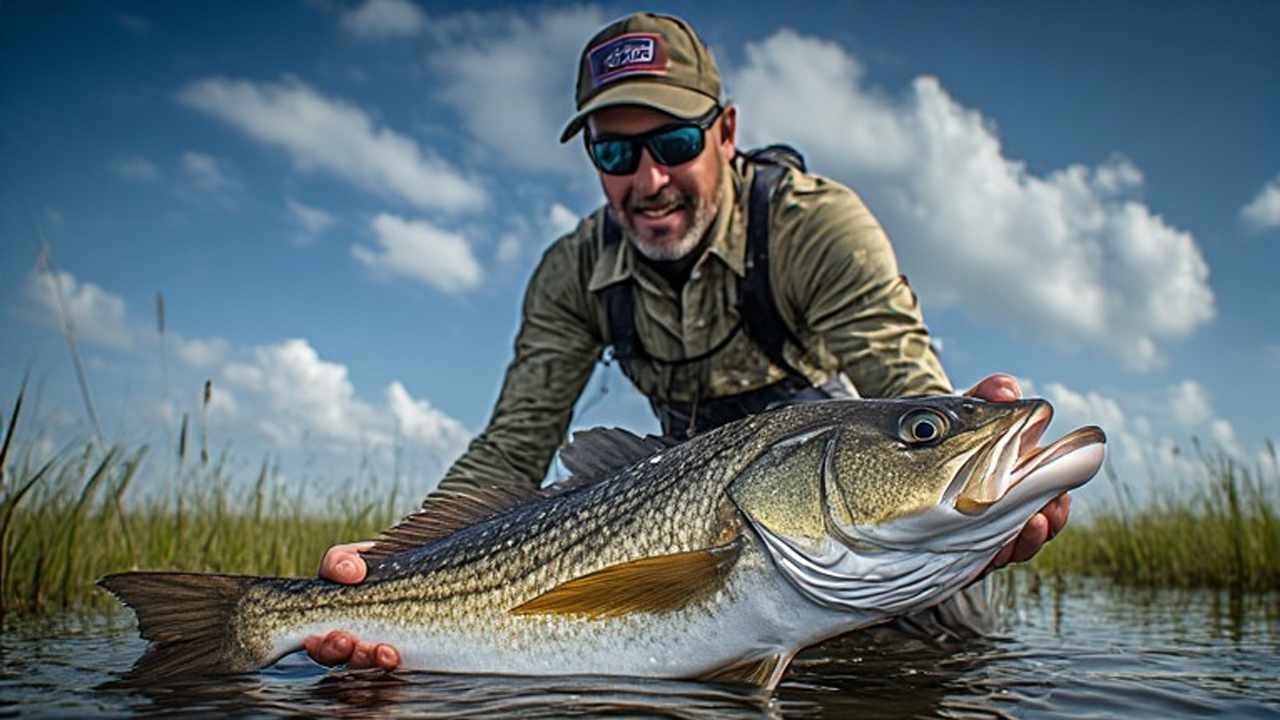
Florida’s fishing opportunities don’t follow the predictable rhythms of four-season states—here, angling is a year-round romance with some of the most diverse fisheries in North America.
From the sprawling freshwater bass lakes of Central Florida to the flats teeming with redfish along the Panhandle, the Sunshine State offers something extraordinary: consistency. While northern anglers hibernate through frozen months, Florida’s waters stay productive, though each season brings its own personality and regulatory considerations. Whether you’re a tourist planning a winter escape or a local looking to maximize your 2026 outings, understanding when and where to fish—and what rules apply—transforms good trips into legendary ones.
Conservation remains at the heart of Florida’s management philosophy. The state balances accessibility with sustainability, ensuring that tomorrow’s generation can experience the same thrill of a screaming drag and bent rod. Let’s navigate what makes 2026 special for Florida anglers.
🗓️ Complete Florida Fishing Season Dates 2026
| Species | Season Dates | Possession Limits | Size Restrictions | Special Notes |
|---|---|---|---|---|
| Largemouth Bass | Year-round | 5 per day | 12-15 inches (slot varies by region) | Catch-and-release encouraged during spawn |
| Snook | Sept 1 – Nov 30 (Gulf) / Dec 1 – Feb 28 (Atlantic) | 1 per day | 28-32 inch slot limit | Closed during summer spawn |
| Redfish (Red Drum) | Year-round | 1 per day | 18-27 inch slot limit | Extra regulations in certain zones |
| Spotted Seatrout | Year-round | 4 per day | 15-19 inch slot, 1 over 19″ | Spring closures in some counties |
| Tarpon | Year-round (catch-and-release only) | N/A – CPR required | Tag required for harvest (rare) | Must purchase tarpon tag |
| Grouper (Gag) | Varies by region | 2 per day aggregate | 24 inches minimum | Federal vs state waters differ |
| Snapper (Red) | Varies seasonally | 2 per day | 16 inches minimum | Short federal seasons |
| Mahi-Mahi | Year-round | 10 per day | 20 inches fork length | Offshore favorite |
| Kingfish (King Mackerel) | Year-round | 2 per day | 24 inches fork length | Migratory patterns peak in spring |
| Peacock Bass | Year-round | No bag limit | No size limit | South Florida canal system specialty |
🌤️ Seasonal Fishing Breakdown
Early Spring (March – May)
Spring in Florida is when the magic really accelerates. This period marks the transition from comfortable to downright hot, and fish respond accordingly.
- 🐟 What’s Biting: Largemouth bass begin their spawning rituals in shallow waters, making them aggressive and territorial. Snook start their pre-summer feeding frenzy along mangrove shorelines. Tarpon migration begins in earnest, drawing anglers from around the globe to witness “silver kings” rolling through passes and along beaches.
- 📋 Regulations to Watch: Many bass anglers voluntarily practice catch-and-release during bedding season to protect spawning females. Snook remains closed in most regions during spring, so check your specific zone. Spotted seatrout may have localized closures in certain counties to protect spawning aggregations.
- 🎣 Tactics and Timing: Dawn and dusk produce best results as temperatures climb. Sight-fishing becomes productive in clear shallow waters. Artificial lures dominate, though live bait like pilchards and shrimp remain deadly effective.
Peak Summer (June – August)
Summer fishing in Florida isn’t for the faint of heart—it’s hot, humid, and thunderstorms roll in like clockwork most afternoons. But the fishing? It can be phenomenal if you adapt.
- 🐟 What’s Biting: Inshore species like redfish and seatrout remain active, especially during early morning hours. Offshore, the pelagic bite heats up with mahi-mahi, wahoo, and kingfish prowling the blue water. Snapper seasons often open briefly during summer, creating frenzied weekends.
- 📋 Regulations to Watch: Snook enters its closed season to protect spawning fish—this closure is strictly enforced. Grouper regulations vary significantly between state and federal waters, and seasons can change year to year based on stock assessments. Always verify before heading out past nine nautical miles.
- 🎣 Tactics and Timing: Fish early (sunrise) or late (sunset) to avoid midday heat. Focus on shaded areas like docks, bridges, and mangrove tunnels. Offshore trips should launch at first light to maximize fishing time before afternoon storms.
Fall Transition (September – November)
Autumn brings relief from summer’s intensity and some of the year’s best fishing action. Water temperatures moderate, baitfish schools thicken, and predators feed voraciously before winter.
- 🐟 What’s Biting: Snook season reopens on September 1st along the Gulf Coast—this is what many anglers wait for all year. Redfish remain consistently productive. Tarpon numbers decline as they migrate southward, but late-season opportunities exist. Offshore, kingfish and cobia migrations peak.
- 📋 Regulations to Watch: Pay close attention to snook slot limits and possession rules, as they differ between Atlantic and Gulf coasts. Redfish regulations remain year-round but respect the slot limit religiously—it’s designed to protect breeding-size fish. Some seatrout areas may have additional restrictions.
- 🎣 Tactics and Timing: All-day fishing becomes comfortable again. Live bait presentations shine as mullet runs trigger feeding frenzies. Topwater action in shallow waters produces heart-stopping strikes.
Winter (December – February)
Winter in Florida means something entirely different than it does up north. While occasional cold fronts push through, most days remain fishable, and certain species actually thrive in cooler water.
- 🐟 What’s Biting: Snook season along the Atlantic Coast opens December 1st. Sheepshead around structure become a top target. Freshwater bass fishing improves as metabolism slows and fish feed strategically. Offshore bottom fishing for grouper and snapper (when open) produces quality catches.
- 📋 Regulations to Watch: Snook regulations flip between coasts—what’s open on one side may be closed on the other. Cold snaps can trigger special protections if water temperatures drop drastically, potentially creating temporary catch-and-release-only rules for temperature-stressed species.
- 🎣 Tactics and Timing: Midday warming often triggers the best bite during winter. Focus on darker bottom areas that absorb heat. Slow presentations work better as fish metabolism decreases with cooler water.
🐟 Game Fish Anglers Target Most
Largemouth Bass – The Freshwater King
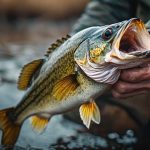
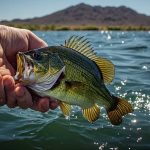
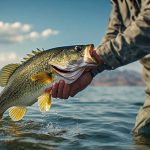
Florida largemouth bass grow larger here than anywhere else in the country thanks to longer growing seasons and abundant forage. Trophy bass over ten pounds swim in lakes throughout Central and South Florida, and the state record exceeds seventeen pounds.
Peak activity occurs during pre-spawn (late winter/early spring) when bass move shallow and feed aggressively before reproduction. Possession limits of five per day with slot limits protect mid-sized breeding fish while allowing harvest of smaller and trophy-sized specimens. Urban lakes, Kissimmee Chain, Lake Okeechobee, and countless phosphate pits provide world-class bass fishing.
Artificial worms, swimbaits, and topwater plugs dominate tactics, though live golden shiners remain the secret weapon for true giants. Many serious bass anglers practice total catch-and-release, recognizing these fish as more valuable in the water than the cooler.
Snook – The Inshore Prize
Snook represent Florida’s signature inshore gamefish—beautiful, powerful, and notoriously finicky. Their distinct black lateral line and golden-yellow coloring make them instantly recognizable, and their fighting ability humbles anglers of all skill levels.
Seasonal closures protect spawning aggregations during summer months, while fall and winter (depending on coast) provide legal harvest opportunities within strict slot limits of 28-32 inches. One fish per day means every snook caught legally is a significant achievement.
Mangrove shorelines, bridge pilings, inlet structures, and beach troughs hold snook throughout the year. Live pilchards, pinfish, and mullet work exceptionally well, though artificial lures like soft plastics and plugs allow covering more water efficiently. Respect the closure dates absolutely—snook populations have rebounded thanks to these protections, and conservation ensures future generations can experience this incredible fishery. For those interested in fishing regulations across different states, Alabama’s fishing guidelines offer an interesting contrast in how different regions manage their resources.
Redfish (Red Drum) – Year-Round Consistency
If you could design the perfect inshore fish, it would look a lot like a redfish. Copper-bronze bodies, distinctive black tail spots, and an aggressive appetite make them beloved by beginners and experts alike.
Redfish remain available year-round with one per day possession within an 18-27 inch slot limit. This regulation protects juvenile fish and breeding-size adults, focusing harvest on mid-sized specimens. Grass flats, oyster bars, mangrove edges, and shallow backwaters all harbor redfish populations.
Sight-fishing for “tailing” reds in inches-deep water provides some of Florida’s most exciting angling. Gold spoons, soft plastic jerkbaits, and live shrimp consistently produce. Unlike some gamefish, redfish feed actively throughout the day, making them accessible to anglers who can’t chase dawn and dusk windows.
Tarpon – The Silver King
Tarpon fishing represents the pinnacle of Florida’s angling opportunities. These prehistoric giants can exceed 200 pounds, jump spectacularly when hooked, and test equipment and skills like few other species.
Florida regulations mandate catch-and-release for tarpon, with rare exceptions requiring special harvest tags. This conservation approach protects a species that grows slowly and reproduces infrequently. Peak migration occurs April through July, when massive schools move along beaches and through passes.
Tackle must be substantial—tarpon destroy light gear effortlessly. Live crabs, mullet, and threadfin herring work as bait, while artificial lures allow sight-casting to rolling fish. The first jump—explosive, silver, and impossibly high—creates memories that last lifetimes. Many anglers consider tarpon fishing more about the experience than the catch, and a released tarpon swims away to thrill another angler another day.
Spotted Seatrout – The Weekday Favorite
Spotted seatrout provide accessible, productive fishing throughout Florida’s coastal waters. Their delicate white flesh makes them table favorites, and regulations allow reasonable harvest while protecting the resource.
Four per day with a 15-19 inch slot (plus one over 19 inches allowed) balances conservation with harvest opportunity. Some counties implement additional spring closures to protect spawning aggregations—always verify local rules.
Grass flats, channel edges, and oyster bars from six inches to six feet deep hold seatrout year-round. They feed actively at dawn and dusk, with topwater lures producing explosive strikes during low-light periods. Soft plastics, live shrimp under popping corks, and suspending plugs all catch trout consistently. Their aggressive nature makes them ideal for introducing children and beginners to saltwater fishing.
🦞 Regulated or Special-Permit Fisheries
Tarpon Tag Program
As mentioned, tarpon harvest requires purchasing a special tag in advance. These tags are limited and expensive, reflecting the species’ conservation status. The vast majority of tarpon anglers fish purely for sport, practicing careful catch-photo-release techniques that minimize stress and maximize survival.
Goliath Grouper – Complete Protection
Goliath grouper (formerly called jewfish) remain completely protected in Florida waters. These massive bottom dwellers can exceed 500 pounds and were nearly fished to extinction before protections began. While you may encounter them while targeting other species, they must be released immediately and carefully. Populations are recovering, but harvest remains prohibited. Their prehistoric appearance and curious nature make encounters memorable even without keeping them.
Snapper and Grouper – Complex Offshore Rules
Federal and state regulations diverge significantly for offshore species like red snapper and various grouper species. Federal seasons (beyond nine nautical miles) are often measured in days rather than months, with short openings announced seasonally. State waters (within nine miles) may have different seasons and limits.
Gag grouper, red grouper, black grouper, and other species have specific size limits, seasonal closures, and aggregate bag limits. Before any offshore trip, verify current regulations for both state and federal waters. The National Oceanic and Atmospheric Administration’s fisheries resources provide updated federal regulations, while Florida Fish and Wildlife Conservation Commission (FWC) manages state waters.
Sturgeon – Look But Don’t Touch
Gulf sturgeon inhabit Florida rivers and coastal areas, and they’re completely protected. These ancient fish breach spectacularly but must never be harvested or harassed. Accidental catches must be released immediately.
🐠 Everyday Fish & Panfish Opportunities
| Species | Typical Limits | Prime Locations | Best Season |
|---|---|---|---|
| Bluegill | 50 per day | Freshwater ponds, lakes | Spring/Summer |
| Shellcracker (Redear Sunfish) | 50 per day | Lakes with sandy bottoms | Spring bedding season |
| Black Crappie | 25 per day | Brush piles, docks, canals | Winter/Spring |
| Catfish (various) | No limit for most species | Rivers, lakes, urban ponds | Year-round, best summer nights |
| Sheepshead | 15 per day (8″ minimum) | Bridges, piers, rock piles | Winter months |
| Mangrove Snapper | 10 per day (10″ minimum) | Docks, bridges, offshore structure | Year-round |
| Yellow Perch | 50 per day | North Florida lakes | Spring |
These species provide outstanding action for families, beginners, and anyone seeking consistent bites without intensive regulation navigation. Most are delicious table fare and accessible from shore, making them perfect for casual outings.
🏞️ Stocked Waters & Management Programs
The Florida Fish and Wildlife Conservation Commission actively manages numerous urban fishing programs designed to create accessible opportunities. Many city parks feature small ponds stocked regularly with catfish, bass, and panfish specifically for family fishing.
South Florida’s canal system receives unique attention with peacock bass stockings—exotic cichlids from South America that thrive in warm, clear canals. These aggressive fish provide extraordinary sport fishing within sight of Miami’s downtown skyline, creating a world-class urban fishery.
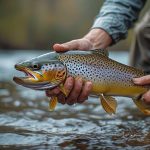
Trout don’t naturally occur in most of Florida, but some North Florida streams receive seasonal stockings to create put-and-take fisheries during winter months. These programs cater to anglers who enjoy trout fishing techniques without traveling far north. Anglers interested in how other states manage similar freshwater opportunities might explore Colorado’s approach to stocked trout fisheries, which offers fascinating comparisons in coldwater fish management.
The FWC website provides stocking schedules, allowing anglers to target recently stocked waters for best results. Many of these locations feature accessible fishing piers, parking, and facilities designed for wheelchair users and families.
🌍 Access Rules: Public vs Private Waterways
- Navigable Waters Are Public: Florida law grants public access to all navigable waters, regardless of who owns the surrounding land. You can legally boat, fish, and anchor in navigable waters even if they flow through private property.
- Mean High Water Line: Saltwater anglers can legally walk beaches and fish up to the mean high water line, even in front of private property. However, you cannot cross private land to reach the beach without permission.
- Boat Ramp Etiquette: Popular boat ramps get crowded, especially weekends. Prepare your vessel away from the ramp, launch efficiently, and retrieve quickly to minimize congestion.
- Private Property Respect: Never trespass to reach fishing spots. Use designated public access points, boat ramps, and fishing piers. Respect “No Trespassing” signs absolutely.
- Water Management District Lands: Organizations like South Florida Water Management District and Southwest Florida Water Management District own extensive properties that permit fishing access. Some require permits or have specific access rules—verify before visiting.
- National Parks and Refuges: Places like Everglades National Park, Biscayne Bay, and various national wildlife refuges allow fishing with specific regulations. Some areas require separate permits or have seasonal closures to protect wildlife.
🎟️ Florida Fishing License Overview
- Who Needs One: Anyone between 16-65 years old fishing in Florida waters needs a valid license. Both residents and visitors must carry licenses while fishing.
- Exemptions: Children under 16 and adults over 65 (residents only), shoreline fishing in your county of residence (for residents), and fishing from a licensed charter boat all qualify for exemptions.
- Resident vs Non-Resident: Residency requires living in Florida for at least 183 days prior to purchasing a license. Resident licenses cost significantly less than non-resident options.
- Short-Term Options: Three-day and seven-day licenses serve visiting anglers perfectly. These include both freshwater and saltwater privileges, unlike annual licenses which require separate freshwater and saltwater endorsements.
- Special Endorsements: Snook permits, spiny lobster permits, and tarpon tags represent additional requirements beyond basic fishing licenses. These species-specific stamps fund targeted conservation programs.
- Purchase Options: Buy licenses online through the FWC website, at county tax collectors’ offices, or at sporting goods stores and bait shops statewide. Digital licenses on smartphones are legally valid.
- Support Conservation: License fees directly fund fish management, habitat restoration, hatchery operations, and enforcement. Every purchase invests in Florida’s fishing future.
❓ Angler FAQs
Can I keep every fish I catch if it’s legal size?
Legally, yes, within possession limits. Ethically, consider practicing selective harvest. Keep enough for a meal or two, but releasing fish—especially larger breeding specimens—ensures sustainability. The best anglers take photos instead of stringers.
What happens if I accidentally catch a fish during its closed season?
Handle it carefully and release it immediately. Avoid fishing areas where closed-season species concentrate if you want to target other species. Accidental catches aren’t violations unless you fail to release the fish promptly and properly.
Do I need different licenses for freshwater versus saltwater?
Florida requires separate endorsements for freshwater and saltwater fishing on annual licenses. However, short-term tourist licenses include both automatically. This system allows specialized conservation funding for different ecosystems.
Are there areas where I can fish without any license?
Many county parks, some piers, and designated shore fishing areas offer license-free fishing opportunities, primarily aimed at introducing children and families to the sport. These locations are clearly marked, and the exemption only applies to fishing from that specific area—you still need a license to fish elsewhere.
What should I do if I’m unsure whether I’m in federal or state waters?
Use GPS coordinates and marine charts showing the nine nautical mile boundary. When in doubt, follow the more restrictive regulations. Most charter captains communicate clearly which water you’re fishing and which rules apply.
Can I give my extra fish to friends or family?
No. Possession limits apply to individuals, and transferring fish to others to circumvent limits is illegal. Each angler must catch their own fish under their own license. Exceptions exist for guided charter trips where the captain may assist with possession.
How often do regulations change?
Some rules remain stable for years, while others (particularly offshore federal seasons) can change annually or even mid-season based on stock assessments and quota usage. Always verify current regulations before each trip rather than relying on memory from previous years.
🗺️ Where to Fish This Year
Florida’s fishing opportunities span from the Georgia border down through the Keys, encompassing everything from spring-fed rivers to offshore canyons. Let me guide you to some iconic waters that should be on every angler’s radar for 2026.
Lake Okeechobee dominates the center of South Florida like an inland sea. This massive lake produces world-class largemouth bass fishing, with professional tournaments choosing these waters repeatedly. The grass flats, rim canal, and countless coves hide bass, crappie, and bluegill. Okeechobee fishes well year-round, though spring pre-spawn draws the most attention. Public access abounds via state parks and fish camps around the perimeter.
The Everglades offer something no other destination can match—pristine backcountry fishing through mangrove mazes and sawgrass plains. Flamingo and Everglades City serve as gateways to this unique ecosystem. Snook, redfish, tarpon, and snapper all thrive here. Winter and spring provide the most comfortable conditions, though summer fishing can be spectacular if you tolerate the heat and bugs.
Tampa Bay consistently ranks among America’s best inshore fisheries. Redfish, seatrout, snook, tarpon, and flounder all inhabit these waters in healthy numbers. Countless residential docks, grass flats, oyster bars, and deeper channels provide endless exploration options. Shore access exists along causeways and parks, while kayak and boat anglers can fish for months without repeating spots.
The Panhandle emerges as Florida’s hidden gem for many visitors. Destin, Panama City Beach, and Pensacola offer world-class offshore fishing paired with productive inshore bays. The white sand beaches and emerald water create stunning backdrops for catching Spanish mackerel, pompano, redfish, and seasonal cobia. The region feels less crowded than South Florida while maintaining excellent fishing quality.
The Keys stretch southwest from Homestead into the Atlantic, creating a unique ecosystem where Gulf of Mexico and Atlantic Ocean mix. Key West to Islamorada, every island offers fishing opportunities. The flats hold bonefish, permit, and tarpon—fly fishing’s “grand slam.” Deeper channels produce snapper, grouper, and dolphin. Bridge fishing remains legendary, with multiple species available from shore.
The FWC’s Florida Fishing Atlas provides detailed online maps showing public access points, boat ramps, fishing piers, and local regulations throughout the state. This free resource helps anglers identify new waters and plan trips effectively.
✅ Final Thoughts: Your 2026 Florida Fishing Snapshot
Florida’s 2026 angling opportunities shine as bright as the subtropical sun that defines this incredible state. From January through December, you’ll find productive fishing whether you prefer freshwater bass lakes, inshore flats, or offshore blue water. The year-round open seasons for species like largemouth bass (daily limit of 5, with 12-15 inch slot limits varying by region), redfish (1 per day within 18-27 inches), and spotted seatrout (4 per day, 15-19 inch slot) provide consistent action.
Pay special attention to snook regulations, which split between Gulf Coast (open September 1 – November 30) and Atlantic Coast (open December 1 – February 28), with strict 28-32 inch slot limits and one fish per day. These closures protect spawning aggregations and have successfully rebuilt populations. Offshore enthusiasts should monitor red snapper and grouper seasons carefully, as these change annually based on stock assessments and often feature brief openings measured in days rather than months.
Conservation drives every regulation, from tarpon’s catch-and-release-only status to the complete protection of goliath grouper. These rules ensure your children and grandchildren will experience the same thrilling strikes and bent rods that define Florida fishing today. Obtain your appropriate license (resident or non-resident, freshwater or saltwater endorsements, plus any species-specific stamps like snook or tarpon tags), respect possession and size limits, and fish Florida’s incredible waters with the confidence that you’re part of a sustainable tradition.
Whether you’re wading warm flats at sunrise, casting topwater plugs for explosive strikes, or battling silver kings that jump impossibly high, Florida delivers angling dreams. Tight lines throughout 2026! 🎣

- Wyoming Fishing Regulations 2026: State Rules & Management Areas - February 16, 2026
- Wisconsin Fishing Regulations by Zone 2026: Seasons & Size Limits - February 16, 2026
- West Virginia Fishing Regulations 2026: Stream & Lake Rules - February 16, 2026