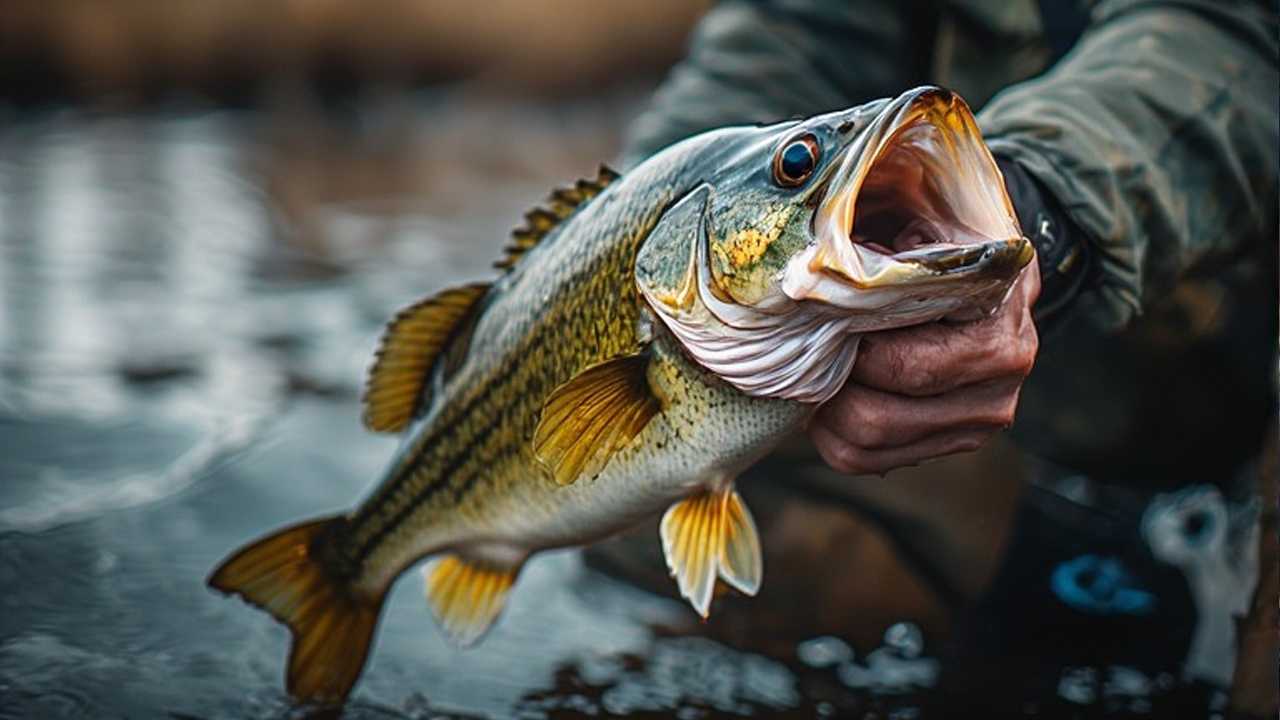
The sun barely kissed the horizon when Marcus backed his truck down the boat ramp at Lake Guntersville. Steam rose from his coffee as the water reflected shades of amber and violet—a perfect April morning in Alabama. He’d been planning this bass trip for weeks, studying the seasonal patterns, checking the regs, and marking his calendar for when the spawning beds would be most active. That’s the thing about fishing in the Heart of Dixie: timing isn’t just about luck; it’s about understanding the rhythm of the waters, the rules that protect them, and the windows of opportunity that shift with every season.
Alabama offers some of the most diverse and accessible angling experiences in the South. From the cool mountain streams of the Appalachian foothills to the sprawling reservoirs of the Tennessee River system, and down to the coastal estuaries where freshwater meets the Gulf, there’s a fishing opportunity for every skill level and preference. But with that diversity comes responsibility. The Alabama Department of Conservation and Natural Resources (ADCNR) carefully manages these fisheries through seasonal regulations, possession limits, and licensing requirements designed to ensure that your grandchildren will enjoy the same thriving fish populations you do today.
Whether you’re a first-timer trying to figure out what a creel limit means, a visiting angler exploring new waters, or a seasoned local looking for clarity on the 2026 updates, this guide breaks down everything you need to know—without the jargon, without the repetition, and with a focus on actually getting you on the water with confidence.
🗓️ Complete Alabama Fishing Season Dates 2026
| Species | Season Status | Open Period | Special Notes |
|---|---|---|---|
| Largemouth Bass | Year-round | January 1 – December 31 | Special slot limits on select waters |
| Smallmouth Bass | Year-round | January 1 – December 31 | Catch-and-release encouraged during spawn |
| Spotted Bass | Year-round | January 1 – December 31 | No closed season statewide |
| Striped Bass | Year-round | January 1 – December 31 | Size and creel restrictions apply |
| White Bass | Year-round | January 1 – December 31 | High activity during spring runs |
| Crappie (Black/White) | Year-round | January 1 – December 31 | Peak season: February – April |
| Catfish (Channel, Blue, Flathead) | Year-round | January 1 – December 31 | No closed season; jugging/trotlines regulated |
| Bluegill & Sunfish | Year-round | January 1 – December 31 | Great for kids and beginners |
| Trout (Rainbow, Brown, Brook) | Varies by water | October 15 – May 15 (typical) | Stocked waters only; check local schedules |
| Redear Sunfish | Year-round | January 1 – December 31 | “Shellcracker” season peaks in May |
| Yellow Perch | Year-round | January 1 – December 31 | Limited distribution statewide |
| Sauger | Year-round | January 1 – December 31 | Tennessee River system primarily |
Note: Always verify current regulations with ADCNR before your trip, as emergency closures or zone-specific rules may apply.
🌅 Seasonal Fishing Breakdown: When to Target What
Early Spring (March – May)
When the dogwoods bloom white along the shorelines and the water temperature climbs into the upper 50s, Alabama’s fisheries wake up. This is spawning season for many species, and it’s also when anglers experience some of the most consistent action of the year.
Crappie move shallow into brush piles and submerged timber, making them accessible even from the bank. You’ll find them staging near creek channels and coves, especially in the Tennessee Valley reservoirs like Wheeler and Wilson. Possession limits are generous, but ethical anglers know to release the bigger females once they’ve caught a few keepers for the dinner table.
Largemouth bass enter their pre-spawn and spawn phases, becoming territorial and aggressive. Sight-fishing opportunities open up on clear lakes, and topwater action in the early mornings can be explosive. Many waters have special regulations during this window—some enforce catch-and-release only in certain zones to protect bedding fish, while others maintain liberal harvest rules but encourage voluntary conservation.
White bass make their legendary spawning runs up tributaries and tailwaters. The Coosa River system and areas below dams see massive concentrations of these scrappy fighters, and they’ll hit just about anything you throw. It’s a fantastic time to bring kids or first-timers, as the action can be fast and furious.
Trout anglers should note that many stocked streams in North Alabama begin to wind down as temperatures rise. Late April and early May are your last best chances before warm-water species take over until fall.
Peak Summer (June – August)
Alabama summers are hot—both above and below the waterline. Fish behavior shifts dramatically as thermoclines form in deeper lakes and rivers slow to a lazy crawl.
Bass fishing transitions to early mornings and late evenings, with midday action focused around deep structure, ledges, and offshore humps. Anglers who know how to read electronics and fish 15 to 25 feet deep can have exceptional days, especially on Guntersville, Martin, and Neely Henry.
Catfish are at their peak. Channel cats, blues, and flatheads feed aggressively in the summer heat, especially after dark. This is prime time for trotlining, limb-lining, and jugging—methods that are legal in Alabama with proper permits and adherence to line count regulations.
Bream spawn in waves throughout the summer, often during full moons. Redear sunfish (shellcrackers) and bluegills bed up in shallow, sandy areas, making them easy targets for cane pole and light tackle enthusiasts. Possession limits are typically generous, making this a great family outing.
Striped bass and hybrid stripers (often called “stripers” and “wipers”) chase baitfish in open water. Trolling or casting near schools of shad in the main lake channels can produce explosive strikes. These fish are managed carefully, with size and creel limits designed to maintain strong populations in the face of high summer angling pressure.
Fall Transition (September – November)
Autumn in Alabama is arguably the best time to fish. Temperatures cool, fish feed heavily in preparation for winter, and the crowds thin out after Labor Day.
Bass go on a feeding frenzy as shad schools migrate to the backs of creeks and shallow flats. Topwater fishing returns with a vengeance, and spinnerbaits, crankbaits, and swimbaits produce consistent results. Anglers targeting bigger specimens often do best in October and November when fish are fattening up.
Crappie begin their fall migration back toward deeper winter haunts, often suspending around main lake structure and creek channel drops. This is a transitional period that requires mobility and experimentation, but those who dial in the pattern can load the boat.
Trout stocking resumes in mid-October on designated streams and tailwaters. These cool-water fisheries come alive again as hatchery trucks deliver fresh rainbows, browns, and the occasional brook trout. Early season trout fishing in Alabama is less pressured than spring, offering a quieter, more contemplative experience.
Winter (December – February)
Winter fishing in Alabama is underrated. While the bite slows, it doesn’t stop—and for those willing to bundle up, the rewards can be substantial.
Crappie concentrate in predictable winter haunts: deep brush piles, channel bends, and the lower ends of creek arms. Vertical jigging with small plastics or live minnows is the go-to tactic, and the fish often run bigger on average than at any other time of year.
Bass become lethargic but still feed opportunistically. Slow-moving presentations—jerkbaits, suspending plugs, and finesse worms—work best. Cold fronts can shut down the bite for days, but stable weather windows produce quality fish.
Striped bass fishing remains productive in the tailwaters below dams, where current and oxygen levels stay favorable. Bundle up, bring the right gear, and you can enjoy solitude and solid action.
🐟 Game Fish Anglers Target Most
Largemouth Bass
If there’s a fish that defines Alabama angling, it’s the largemouth bass. From urban ponds to world-class tournament venues like Lake Guntersville (consistently ranked among the top bass fisheries in North America), these fish are the heartbeat of the state’s sportfishing economy.
Largemouth thrive in nearly every water type—from shallow, weedy oxbow lakes to sprawling Tennessee River impoundments. They’re most active in spring and fall, but year-round seasons mean you can target them any day of the year. Size limits vary by water body; some lakes have special slot limits designed to protect mid-sized fish and promote trophy growth. Always check the specific regulations for where you’re fishing.
The state record largemouth—over 16 pounds—stands as a testament to the quality of Alabama’s bass fisheries, and each season brings new stories of personal bests.
Smallmouth and Spotted Bass
North Alabama’s rivers and highland reservoirs are home to excellent smallmouth bass populations. These bronze beauties prefer cooler, clearer, rockier habitats—think the Coosa River system, sections of the Black Warrior, and the upper reaches of reservoirs like Smith Lake and Lewis Smith.
Spotted bass, often called “spots” or “Kentucky bass,” are abundant throughout the state and are more tolerant of current and cooler water than their largemouth cousins. They’re aggressive strikers and often surprise anglers fishing for other species. While they don’t grow as large as largemouths, they make up for it in fighting spirit.
Both species are open year-round, with no closed season statewide. Ethical anglers often practice catch-and-release during the spawn to support population health, but harvest within legal limits is allowed.
Striped Bass and Hybrids
Stripers and their hybrid cousins are adrenaline on a line. Introduced to Alabama’s reservoirs decades ago, these powerful fish migrate, chase baitfish, and provide explosive topwater action during their feeding windows.
The Tennessee River reservoirs—Wheeler, Wilson, Guntersville, and Pickwick—are hotspots for striper fishing. Size and possession limits are carefully enforced to maintain sustainable populations. Many anglers target them in the tailwaters below dams, where current concentrates both fish and forage.
These fish are most active in early morning and late evening, often busting shad near the surface in a feeding frenzy locals call a “boil.” When you find one, it’s a sight you won’t forget.
Crappie (Black and White)
Crappie fishing in Alabama is a social affair. Also known as “speckled perch,” “white perch,” or “sac-a-lait,” these panfish are beloved for their delicate flavor and cooperative nature.
Black crappie prefer clearer, more vegetated waters, while white crappie tolerate stained water and open habitats. Both species school heavily, so when you find one, you’ve often found many. Spring is prime time as they move shallow to spawn, but winter fishing around deep brush piles and ledges can be just as productive—and far less crowded.
Possession limits are typically generous, allowing families to bring home enough for a proper fish fry. Just remember: selective harvest and releasing larger females helps ensure future generations enjoy the same opportunities.
Catfish (Channel, Blue, Flathead)
Alabama’s catfish populations are robust, diverse, and available to anyone with a pole and some patience. Channel cats are the most common, inhabiting everything from farm ponds to major rivers. Blue catfish reach trophy sizes—some topping 100 pounds—in the state’s larger river systems. Flathead catfish, the ambush predators of the bunch, lurk around logjams and undercut banks, waiting for live prey.
There are no closed seasons for catfish, and regulations are straightforward. Jugging, trotlining, and limb-lining are legal with proper permits and adherence to line count rules. These traditional methods are a part of Alabama’s fishing heritage and remain popular today.
Catfish are forgiving, making them perfect for beginners and kids. They’re also delicious when prepared properly, cementing their place as a staple of Southern fish fries.
🦞 Regulated or Special-Permit Fisheries
Alabama manages several fisheries with heightened scrutiny due to conservation concerns or unique ecological value. Trout streams, for example, are heavily stocked and closely monitored. While trout fishing doesn’t require a separate stamp in Alabama (unlike some neighboring states), certain streams have special regulations—such as single-hook, artificial-only rules or catch-and-release zones.
The state also operates a Public Fishing Lakes Program, which includes small, intensively managed lakes reserved exclusively for anglers with a valid Alabama fishing license. These waters are stocked regularly and offer excellent opportunities for families and novice anglers. However, special rules—such as restricted bait types, boat motor size limits, or youth-only areas—are common.
For anglers interested in exploring state hunting and fishing regulations across the region, the Alabama Department of Conservation and Natural Resources provides comprehensive resources. You can also explore state hunting seasons to understand the broader conservation framework that supports sustainable wildlife and fisheries management across the U.S.
If you’re targeting alligator gar or paddlefish, be aware that special harvest rules may apply. These primitive species are protected in many waters, and intentional targeting may require notification or adherence to specific reporting protocols.
🐠 Everyday Fish & Panfish Opportunities
| Species | Typical Creel Limit | Where to Find Them |
|---|---|---|
| Bluegill | Generous (often 25–50/day) | Ponds, coves, shallow vegetation |
| Redear Sunfish | Generous | Sandy bottoms, deeper than bluegill |
| Green Sunfish | Liberal | Small creeks, farm ponds |
| Warmouth | Liberal | Weedy, sluggish waters |
| Yellow Perch | Moderate | Tennessee Valley reservoirs |
| Rock Bass | Moderate | Rocky streams, clear rivers |
| White Perch | Moderate | Coastal rivers, estuaries |
Panfish are the gateway drug to a lifetime of angling. They’re abundant, cooperative, and delicious. Kids catch them with cane poles and worms; fly anglers chase them with poppers and nymphs. They’re found in nearly every Alabama water body, from backyard retention ponds to major reservoirs.
The beauty of panfish is their accessibility. You don’t need a boat, expensive gear, or expert knowledge. A simple setup, a bucket of crickets or red worms, and a quiet afternoon can yield a cooler full of memories—and dinner.
🏞️ Stocked Waters & Management Programs
Alabama invests significantly in its fisheries through hatchery operations and strategic stocking programs. Trout, striped bass, and hybrid stripers are regularly stocked in suitable waters to supplement natural reproduction and provide robust angling opportunities.
Trout stocking occurs from mid-October through early May on select streams and tailwaters in North Alabama. Popular destinations include Sipsey Fork, Bear Creek, and the tailwaters below Smith Lake Dam and Holt Dam. The Alabama Department of Conservation and Natural Resources publishes a stocking schedule online, allowing anglers to time their trips around fresh deliveries.
Urban fishing ponds are part of a statewide initiative to bring fishing opportunities closer to population centers. These small lakes are stocked with channel catfish, bluegill, and largemouth bass and often feature accessible piers and facilities. They’re perfect for introducing children to the sport and providing easy access for anglers with mobility challenges.
The state also operates several fish hatcheries, including the Claude D. Kelley State Fish Hatchery, which plays a critical role in maintaining healthy populations of game fish. Public tours are sometimes available, offering a behind-the-scenes look at conservation in action.
🌍 Access Rules: Public vs Private Waterways
Understanding where you can and can’t fish is crucial. Alabama law is clear: you may fish from the water or the bank on any navigable waterway, even if the adjacent land is private, as long as you access the water legally. Navigable waters include most rivers, large streams, and reservoirs.
However, stepping onto private land without permission—even to access the water—is trespassing. Always use designated public access points: boat ramps, fishing piers, Wildlife Management Areas (WMAs), and state parks.
If you’re unsure whether a water body is public or private, look for signage, check property maps, or contact the local ADCNR office. When in doubt, ask permission. Most landowners are accommodating, especially if you’re respectful and courteous.
Never cut fences, leave gates open, or litter. These actions not only violate the law but also damage the reputation of the angling community and jeopardize future access.
🎟️ Fishing License Overview (Simplified)
To fish in Alabama, most anglers age 16 and older need a valid fishing license. Residents enjoy lower fees, while non-residents pay more but still find Alabama’s rates competitive with neighboring states.
Youth under 16 can fish without a license, making it easy for families to introduce kids to the sport. Senior residents (65 and older) can obtain discounted or free licenses, depending on the type.
Short-term licenses are available for visitors—one-day, seven-day, and annual options give flexibility. If you’re only in town for a weekend, a seven-day license is usually the best value.
Special permits or stamps are not required for trout in Alabama, unlike some neighboring states. However, if you plan to use jugs, trotlines, or limb lines for catfish, you’ll need to follow specific regulations and possibly purchase additional permits.
Licenses can be purchased online, at sporting goods stores, or at county probate offices. Carry your license and photo ID while fishing—conservation officers conduct routine checks, and compliance is taken seriously.
❓ Angler FAQs
Can I fish without a license in Alabama if I’m visiting for just one day?
Not unless you’re under 16. Even one-day trips require a valid license. The good news is that one-day licenses are affordable and easy to purchase online.
Are there any catch-and-release-only waters in Alabama?
Some streams and sections of tailwaters have catch-and-release or special harvest rules, particularly for trout. Always check the specific regulations for the water you’re fishing.
What’s the best time of year to bring my family fishing in Alabama?
Spring (March–May) is ideal for beginners. Crappie are biting, bluegill are active, and the weather is pleasant. Summer can be hot but offers excellent catfish action, especially in the evenings.
Do I need a boat to fish Alabama’s big reservoirs?
No. Many reservoirs have excellent bank fishing, fishing piers, and accessible shorelines. Spots like Guntersville State Park and Lake Lurleen offer great bank access.
What happens if I accidentally catch a protected species?
Release it immediately and carefully. If the fish is injured, report it to ADCNR. Accidental catches are usually not penalized, but intentional targeting or possession of protected species can result in fines.
Can I fish at night in Alabama?
Yes. There are no statewide restrictions on night fishing. In fact, catfish and stripers are often more active after dark. Just be sure to follow all boating and safety regulations if you’re on the water.
How do I find stocking schedules for trout streams?
The Alabama Department of Conservation and Natural Resources publishes stocking schedules on their website. You can also sign up for email alerts or follow their social media channels for updates.
🗺️ Where to Fish This Year
Alabama’s fishing landscape is vast and varied. Here are some standout destinations that offer something for everyone:
Lake Guntersville is the crown jewel of Alabama bass fishing. Spanning over 69,000 acres, it’s a labyrinth of grass flats, channels, and points that consistently produce trophy largemouth. The lake also offers excellent crappie, catfish, and striper fishing. Public access is abundant, with multiple boat ramps, marinas, and shoreline areas.
Pickwick Lake, shared with Tennessee, is famous for its smallmouth bass fishing. The rocky bluffs, clear water, and abundant baitfish make it a premier destination. Anglers also target stripers, catfish, and crappie here. The Wilson Dam tailwater is a legendary spot for striper fishing during the cooler months.
Smith Lake is one of the clearest and deepest reservoirs in Alabama. Its steep banks, submerged timber, and cool water support spotted bass, largemouth, and stocked rainbow trout. It’s a scenic, challenging fishery that rewards patient, skilled anglers.
The Coosa River System includes Lakes Neely Henry, Weiss, and Martin. These waters are known for their consistent bass and crappie fishing, as well as their spring white bass runs. The river sections between the lakes offer excellent wade fishing and kayak opportunities.
Mobile-Tensaw Delta, near the Gulf Coast, is a sprawling, wild wetland complex teeming with redfish, speckled trout, flounder, and freshwater species like bass and catfish. It’s a unique environment where freshwater and saltwater ecosystems collide, offering incredible biodiversity and fishing variety.
For a comprehensive Alabama fishing map and access guide, visit the official ADCNR website or pick up a print map at local tackle shops. High-quality fishing resources are also available through outdoor organizations like Bassmaster and Take Me Fishing, which provide trip planning tools, educational content, and community connections for anglers nationwide.
🔗 Helpful Links
Planning a fishing trip to Alabama? Explore more resources to enhance your experience:
- Discover fishing opportunities across the country at the main Fishing Hub
- Learn about targeting specific species with expert tips and tactics
- Check neighboring states’ regulations if you’re planning a multi-state angling adventure
These resources help you plan smarter, fish better, and stay informed about conservation efforts that protect the waters we all love.
✅ Final Thoughts
Fishing in Alabama is more than a pastime—it’s a tradition passed down through generations, a way to connect with nature, and a chance to create memories that last a lifetime. Whether you’re sight-casting to bedding bass on a calm spring morning, drifting live bait for catfish under a summer moon, or standing in a cold tailwater waiting for a trout to strike, you’re participating in something bigger than yourself.
The regulations, seasons, and creel limits we follow aren’t bureaucratic red tape—they’re the framework that ensures your children and grandchildren will have the same opportunities you do. Respect the rules, practice ethical angling, and always leave the water better than you found it.
Before every trip, double-check the latest regulations on the Alabama Department of Conservation and Natural Resources website. Rules can change due to environmental conditions, population assessments, or emergency conservation measures. Staying informed is part of being a responsible angler.
Grab your gear, tie on a lure, and get out there. Alabama’s waters are waiting—and 2026 is going to be a great year to explore them. 🎣

- Wyoming Fishing Regulations 2026: State Rules & Management Areas - February 16, 2026
- Wisconsin Fishing Regulations by Zone 2026: Seasons & Size Limits - February 16, 2026
- West Virginia Fishing Regulations 2026: Stream & Lake Rules - February 16, 2026