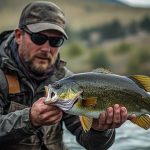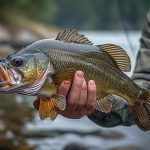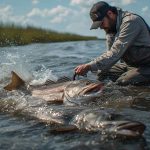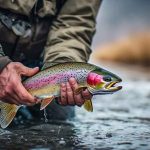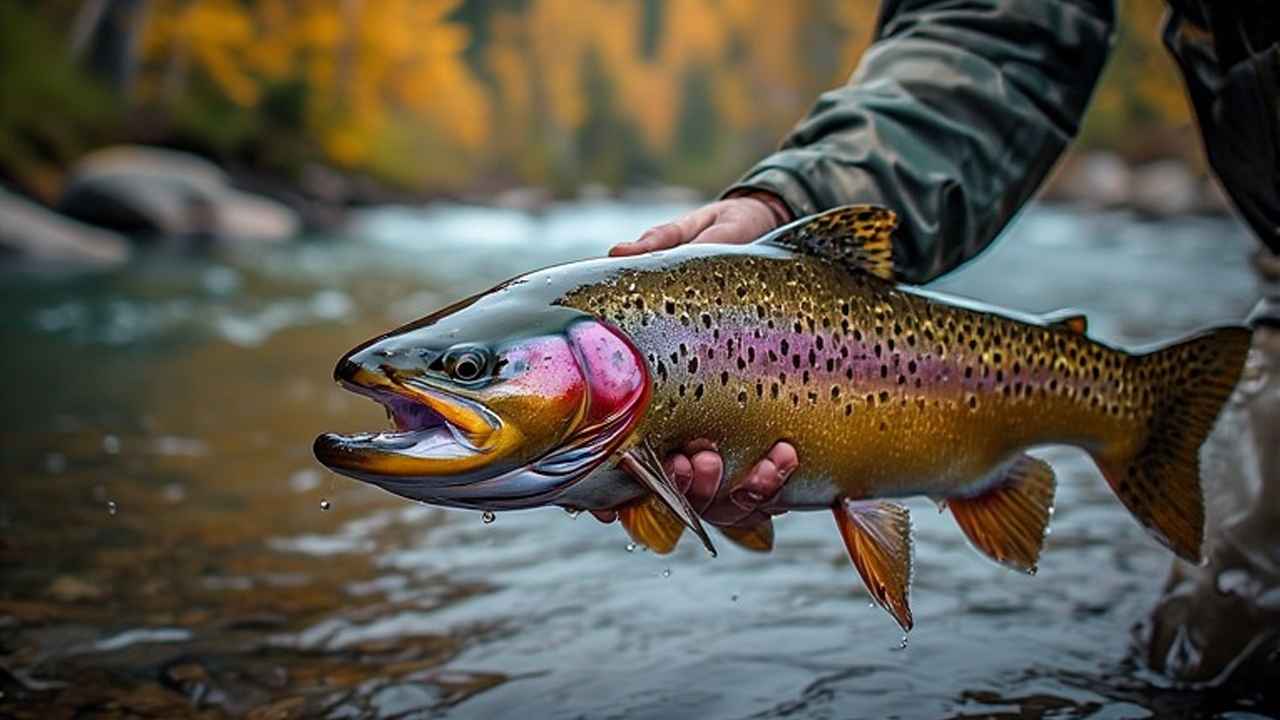
West Virginia’s fishing landscape changes with the seasons like the forests that cradle its rivers, and understanding when, where, and how to cast your line can transform an ordinary Saturday into an unforgettable adventure.
The 2026 angling calendar brings fresh opportunities for both first-timers and seasoned anglers. Whether you’re visiting from neighboring Pennsylvania’s regulated waters or planning a cross-country trip, West Virginia’s conservation-focused approach ensures healthy fish populations while keeping access friendly for families and casual anglers. From the famous Gold Rush trout program to year-round bass opportunities, there’s never been a better time to explore what locals call “Almost Heaven” for good reason.
Before you pack your tackle box, though, you’ll need to understand the rhythm of these waterways—how spring runoff awakens hungry trout, how summer heat pushes bass into deeper pools, and how fall colors signal the best walleye action of the year. Let’s walk through everything you need to know about fishing West Virginia in 2026, from license requirements to the best lakes worth the drive.
🗓️ Complete West Virginia Fishing Season Dates 2026
| Species | Season Open | Daily Creel Limit | Size Restrictions | Special Notes |
|---|---|---|---|---|
| Black Bass (Largemouth, Smallmouth, Spotted) | Open Year-Round | 6 fish | Varies by water; some have slot limits | Select lakes have special regulations |
| Trout (Rainbow, Brown, Brook, Golden) | Open Year-Round | 6 fish | 7-inch minimum | Trout stamp required; Gold Rush April 1-12 |
| Walleye | Open Year-Round | 8 fish (varies) | 15-18 inch minimum on select waters | Slot limits on certain rivers |
| Muskellunge | Open Year-Round | 1 fish | 30-inch minimum | Catch-and-release encouraged |
| Tiger Musky | Open Year-Round | 1 fish | 30-inch minimum | Hybrid species; special management |
| Northern Pike | Open Year-Round | 4 fish | None statewide | Check local regulations |
| Channel Catfish | Open Year-Round | 4 fish | None | Hand-fishing allowed June 15-Aug 31 |
| Blue Catfish | Open Year-Round | 2 fish | 25-inch minimum | Stocked in navigable rivers |
| Flathead Catfish | Open Year-Round | 30 fish | None | Popular in larger rivers |
| Crappie (Black & White) | Open Year-Round | 30 combined | None | Spring spawning = peak action |
| Bluegill & Sunfish | Open Year-Round | 10 fish (5 over 8 inches) | Size tier regulations | Perfect for family fishing |
| Yellow Perch | Open Year-Round | 30 fish | None | Great ice fishing target |
| Striped & Hybrid Striped Bass | Open Year-Round | 30 fish (max 4 over 15 inches) | Aggregate limits apply | Check water-specific rules |
Note: Possession limits are typically double the daily creel limit. Always verify regulations for specific waters, as slot limits and special management areas may apply.
🌅 Seasonal Fishing Breakdown (NOT by Month)
Early Spring: The Awakening (Late February – April)
When snow begins melting from the high country, West Virginia’s rivers swell with fresh oxygen, and fish start thinking about one thing: food. Early spring marks the beginning of trout stocking season, with the West Virginia Division of Natural Resources releasing hundreds of thousands of rainbows, browns, and brook trout into designated waters starting in January.
- Dominant Species Active: Trout (especially in stocked streams), early-run walleye, crappie moving toward spawning areas
- Key Regulations to Watch: The Gold Rush program (April 1-12, 2026) stocks 50,000 golden rainbow trout across 68 lakes and streams—these specially bred fish offer prize opportunities and bragging rights
- Special Catch-and-Release Periods: Some trophy trout waters operate under catch-and-release rules; consult the West Virginia DNR fishing regulations for designated streams
- Angler Strategy: Focus on stocked streams immediately after releases; check the WVDNR stocking schedule weekly as exact dates aren’t published in advance to prevent overcrowding
Peak Summer: Deep Water and Dawn Patrols (May – August)
Summer transforms West Virginia’s fishing scene. As water temperatures climb into the 70s, bass move into their most aggressive feeding patterns, while trout retreat to spring-fed pools and tailwaters. This is prime time for lake fishing—think Summersville’s crystal-clear waters or Tygart Lake’s sprawling coves.
- Dominant Species Active: Largemouth and smallmouth bass, muskie, catfish (including hand-fishing season June 15-August 31), panfish around structure
- Typical Regulations Anglers Should Watch: Bass possession limits on managed lakes, blue catfish size minimums (25 inches), special slot limits on select reservoirs
- Special Features: Youth fishing derbies and family-friendly programs peak during summer months; many state parks offer loaner tackle programs
- Pro Tip: Target early morning and late evening for bass; midday heat sends smart anglers to shaded creek mouths or deeper structure where walleye and muskie lurk
Fall Transition: The Color Show Bite (September – November)
Autumn in West Virginia isn’t just about foliage—it’s about some of the year’s best fishing. Cooling water temperatures trigger feeding frenzies as fish bulk up for winter. Walleye fishing reaches its peak, smallmouth bass become aggressive on topwater presentations, and muskie hunters mark their calendars.
- Common Species Active: Walleye (moving shallow), smallmouth bass, muskie, fall trout stockings in October
- Typical Regulations: Standard creel limits apply; be mindful of slot limits on New River bass (14-22 inch protected slot in certain sections)
- Special Considerations: October brings fall trout stockings (typically weeks of October 19 and 26) with over 40,000 pounds of trout distributed statewide
- Tactical Advantage: Fish slow down in cold fronts but explode on warm, stable days; fall offers some of the most consistent action for anglers willing to bundle up
Winter: Ice-Free Opportunities (December – February)
Unlike northern states where ice shuts down open-water fishing, West Virginia’s relatively mild winters keep many waters accessible year-round. This is when serious anglers have lakes to themselves, and trout fishing in tailwaters can be spectacular.
- Active Species: Trout (especially in tailwaters below dams), walleye, some bass in deeper southern reservoirs, yellow perch
- Regulations to Remember: All standard creel and size limits remain in effect; winter trout stocking begins in January at select locations
- Conservation Focus: Catch-and-release is encouraged for bass during coldest periods when fish are lethargic and vulnerable
- Hidden Gem Season: Fewer crowds mean better access to prime spots; tailwaters below Cheat Lake Dam and Summersville Dam produce consistently
🐟 Game Fish Anglers Target Most
Bass: The Mountain State’s Premier Sport Fish
West Virginia bass fishing deserves its reputation. Smallmouth bass in the New River system have put the state on the national tournament circuit, while lake-dwelling largemouth reach impressive sizes in waters like Beech Fork and R.D. Bailey Lake. The bass season runs open year-round, giving anglers twelve months of opportunity—but timing matters.
Spring spawning (late April through May) offers shallow-water sight-fishing chances, though many anglers practice catch-and-release during this vulnerable period. Summer pushes bass deeper, where they relate to rock ledges, submerged timber, and creek channels. Fall brings a second feeding frenzy before winter slows metabolism.
Creel limits vary by water: Most lakes hold a standard six-fish daily limit, but special management lakes like Elk Fork, North Bend, O’Brien, and Woodrum operate under different rules. The New River features a protected slot limit (14-22 inches) from the confluence with the Gauley River upstream to the Virginia border—designed to protect breeding-age fish while allowing harvest of smaller and trophy-size specimens. Always verify specific regulations for your target water, as size and possession limits reflect individual lake management goals.
Popular water types: Flowing rivers (New, Gauley, Greenbrier), large reservoirs (Summersville, Stonewall Jackson, Tygart), and smaller impoundments (Brandywine, Jennings Randolph)
Trout: A Stocking Success Story
Trout fishing in West Virginia exists almost entirely because of aggressive management and stocking efforts. The state maintains several hatcheries producing rainbow, brown, brook, and golden rainbow trout—with roughly 500,000 fish distributed annually between February and May, plus special fall stockings in October.
The daily creel limit sits at six trout with a seven-inch minimum length. Possession limits double the daily creel, meaning you can keep up to 12 trout in your possession at any time. But here’s where it gets interesting: designated streams and lakes receive special attention, including delayed-harvest areas, catch-and-release zones, and trophy trout waters where different rules apply.
Seasonal patterns: Spring stockings (January-May) concentrate on accessible streams and family-friendly ponds. The Gold Rush program (April 1-12, 2026) specifically targets 68 waters with golden rainbow trout—these fish carry prize tags worth gear and recognition. Fall stockings focus on cold-water streams and tailwaters that maintain suitable temperatures year-round.
Prime locations: Cheat River tailwater, Cranberry River (catch-and-release), Elk River, Williams River, plus dozens of stocked streams listed in the annual regulations booklet. Don’t overlook urban fishing programs in places like Barboursville Lake, where families can chase stocked trout close to town.
Pike & Muskie: The Apex Predators
Muskellunge and their hybrid cousins (tiger musky) represent West Virginia’s ultimate freshwater challenge. These toothy predators grow to impressive sizes—30 pounds and beyond—and require patience, heavy tackle, and a certain degree of obsession. Both species are open year-round with a one-fish daily limit and 30-inch minimum size restriction.
The WVDNR operates a dedicated muskie spawning program, collecting wild brood stock each spring to produce the next generation of stocking fish. While harvest is legal for fish exceeding 30 inches, the culture among muskie anglers strongly favors catch-and-release to preserve trophy genetics. According to reputable fishing authorities, West Virginia’s muskie fishery continues improving thanks to conservative harvest and habitat protection.
Best water bodies: New River (especially near Bluestone Lake), Stonewall Jackson Lake, Burnsville Lake, and the Elk River system. Pike show up in select waters including Cheat Lake and some Ohio River tributaries.
Tactical considerations: Fall (September-November) brings peak muskie activity as fish feed aggressively before winter. Use large baits—10-inch swimbaits, big topwater lures, and live suckers work well. Expect to cast for hours between strikes; muskie fishing rewards persistence above all else.
Walleye & Catfish: The Meat-Hunters’ Choice
Walleye fishing has exploded in popularity across West Virginia, with both stocked and naturally reproducing populations thriving in reservoirs and larger rivers. The standard daily creel limit is eight walleye, but specific waters implement tighter restrictions—some allow only two fish, and minimum size limits range from 15 to 18 inches depending on location.
Key walleye waters: Monongahela River (15-inch minimum), Stonewall Jackson Lake, Tygart Lake, Burnsville Lake. Spring spawning runs (March-April) concentrate fish in tributaries and rocky shorelines. Fall offers a second peak as walleye move shallow to feed before winter.
Catfish regulations vary by species. Channel cats carry a four-fish limit with no size restriction—perfect for family fish fries. Blue catfish, stocked in navigable rivers, have a two-fish limit with a 25-inch minimum to protect the stocking investment. Flathead catfish offer generous limits (30 fish) and no size restrictions, making them ideal for anglers seeking action over trophies.
Unique opportunity: West Virginia allows hand-fishing (noodling) for catfish from June 15 through August 31, dawn to dusk only. This adrenaline-fueled method involves reaching into underwater cavities to grab catfish by hand—legal, thrilling, and definitely not for everyone.
🦞 Regulated or Special-Permit Fisheries
West Virginia takes conservation seriously, implementing special management programs for vulnerable or prized species. These regulations reflect biological necessity and angler input, balancing harvest opportunities with long-term sustainability.
Trophy Trout Waters & Delayed Harvest Areas
Certain streams operate under catch-and-release only regulations to protect wild trout populations and create quality angling experiences. The Cranberry River, for example, flows through the Monongahela National Forest with special restrictions designed to maintain its reputation as a premier wild trout destination. Other streams feature delayed harvest regulations—catch-and-release mandatory during certain months, then limited harvest allowed seasonally.
These waters often require wading through remote terrain and using artificial lures or flies. The reward? Larger average fish sizes and uncrowded conditions. Anglers must carefully review the regulations summary to identify these special zones, as unmarked violations can result in significant fines.
Slot Limit Bass Waters
The New River slot limit (14-22 inches protected) represents one of the state’s most significant bass management efforts. Anglers may harvest bass under 14 inches and one fish over 22 inches, but must release all bass falling within the protected zone. This strategy maintains breeding stock while allowing younger fish to be kept for the table and permitting trophy harvest.
Other waters feature different slot configurations or maximum size limits. Always consult the current regulations for your target lake—management strategies evolve based on survey data, and what was legal last year might have changed.
Permit Systems & Draw-Only Access
While most West Virginia waters operate on open access with standard licenses, some specialty programs require additional permits. The trout stamp is mandatory for all anglers targeting trout, regardless of whether you’re fishing stocked or wild populations. This stamp funds hatchery operations, stream improvements, and monitoring programs.
Youth fishing derbies occasionally implement registration requirements for fairness and safety. The WVDNR also maintains a network of accessible fishing locations specifically designed for anglers with disabilities—these sites often feature paved pathways, accessible piers, and stocked ponds.
🐠 Everyday Fish & Panfish Opportunities
| Species | Typical Creel Limit Type | Where Commonly Found |
|---|---|---|
| Bluegill | 10 fish (5 over 8 inches) | Farm ponds, state park lakes, reservoir coves |
| Crappie (Black & White) | 30 combined | Brush piles, submerged timber, bridge pilings |
| Yellow Perch | 30 fish | Deep lake basins, cold-water reservoirs |
| Rock Bass | Included in sunfish limits | Rocky streams, river pools, dam tailwaters |
| White Bass | 30 fish (aggregate with stripers) | Large rivers during spring spawning runs |
| Pumpkinseed Sunfish | Included in sunfish limits | Shallow weedy areas, warm water ponds |
| Warmouth | Included in sunfish limits | Slower streams, muddy-bottom lakes |
Panfish represent the backbone of family fishing in West Virginia. These eager biters require minimal gear, tolerate beginner mistakes, and taste delicious breaded and fried. Spring spawning concentrations (May-June) put dozens of fish within casting distance of any brushy bank or boat dock.
Pro tip for families: State park lakes like Cacapon, Pipestem, and Audra feature easily accessible fishing piers, loaner rod programs, and healthy panfish populations. Arrive with a container of worms, a bobber, and small hooks—you’ll catch fish, guaranteed.
🏞️ Stocked Waters & Management Programs
West Virginia’s stocking program deserves recognition as one of the most ambitious in the eastern United States. Operating multiple fish hatcheries including the historic Bowden State Fish Hatchery, the WVDNR produces and distributes millions of fish annually across various species.
Trout Stocking Schedule Overview
Stocking begins in January 2026 and continues through May, targeting over 200 streams and lakes. The exact weekly schedule isn’t published in advance to prevent overcrowding, but general stocking periods appear in the regulations summary. Anglers can expect:
- Early season (January-March): Focus on larger lakes and accessible streams
- Pre-Gold Rush (March): Building up to the April 1-12 golden rainbow release
- Gold Rush period (April 1-12): 50,000 golden rainbows distributed across 68 waters
- Late spring (April-May): Continued stockings as temperatures allow
- Fall bonus (October 19 & 26 weeks): Special stockings totaling 40,000+ pounds
Where to find stocking locations: The annual Fishing Regulations Summary includes maps and tables of stocked waters. The WVDNR website offers real-time updates, though specific daily schedules remain confidential to distribute fishing pressure more evenly.
Warmwater Species Management
Beyond trout, the state stocks blue catfish fingerlings in navigable rivers—the Ohio, Kanawha, and Monongahela systems receive regular additions. These fish grow rapidly and provide exciting fishing for anglers willing to fish larger rivers.
Muskellunge stocking occurs in select reservoirs and rivers following the spring spawning program. Young-of-year muskie (fingerlings) go into waters with established forage bases and suitable habitat. Tiger musky, a sterile hybrid, fill niche roles in certain lakes where pure muskie populations might struggle.
Youth & Urban Fishing Initiatives
Several programs aim to introduce children to angling through heavily stocked urban ponds near population centers. Barboursville Lake, for example, receives generous trout stockings and sits within easy reach of Huntington. These waters often feature relaxed regulations—sometimes no fishing license required for youth—and accessible facilities like paved walkways and fishing piers.
Free Fishing Days occur periodically throughout the year when anyone can fish without a license. The WVDNR typically hosts special events during these weekends, including youth fishing derbies at hatcheries where kids can catch fish in stocked ponds and win prizes.
🌍 Access Rules: Public vs Private Waterways
Understanding where you can legally fish ranks among the most important aspects of West Virginia angling regulations. Unlike some western states with clear stream access laws, eastern private property rights create a more complex landscape.
- Navigable rivers: Waterways classified as navigable by law allow public fishing access below the ordinary high-water mark, regardless of adjacent land ownership. Major rivers like the New, Greenbrier, and Cheat fall into this category. You can wade, float, and fish these rivers, but stepping onto dry land or above the high-water mark constitutes trespassing.
- Public boat ramps and access points: The WVDNR maintains over 500 public fishing and boating access sites statewide. These areas provide legal entry to streams, rivers, and lakes with designated parking, boat ramps (where applicable), and clearly marked boundaries. The WVDNR’s online interactive map shows all official access locations—bookmark this resource before planning trips.
- State park waters: Lakes within West Virginia State Parks allow public fishing with proper licenses. These waters often feature excellent facilities including fish cleaning stations, rental equipment, and on-site tackle shops. Some parks charge entrance fees, though fishing access itself requires only your standard license.
- Private ponds and lakes: Small impoundments on private land require written landowner permission. Trespassing violations carry serious penalties including fines and potential criminal charges. Never assume access is permitted—always ask first and respect “No Trespassing” signage.
- Reciprocal boundary waters: The Potomac River (West Virginia-Maryland border) and portions of the Ohio River (West Virginia-Ohio border) operate under reciprocal agreements. Valid fishing licenses from either state allow fishing these boundary waters. However, you must follow the regulations of the state that issued your license, which can create confusion when regulations differ. Verify reciprocal rules before fishing border waters.
- National Forest and Wildlife Management Areas: Public land managed by the U.S. Forest Service (Monongahela National Forest) and WVDNR Wildlife Management Areas generally allow public fishing access. These properties offer backcountry fishing opportunities, though rough roads and limited facilities require self-sufficiency.
Respecting private property: Even when rivers are legally navigable, be considerate of adjacent landowners. Don’t trample gardens, leave trash, or make excessive noise near homes. Good angler behavior preserves access for everyone and prevents future restrictions.
🎟️ West Virginia Fishing License Overview
Every angler age 15 and older must carry a valid West Virginia fishing license and photo identification while fishing. Licenses run on the calendar year (January 1 – December 31), so 2026 licenses become valid January 1 and expire December 31, 2026.
- Resident vs Non-Resident differences: West Virginia residents enjoy significantly lower license costs compared to out-of-state visitors. Residency requires living in West Virginia for at least 60 consecutive days before purchasing. Military members stationed in West Virginia qualify for resident licenses regardless of home-of-record.
- Youth rules: Children under 15 fish free without a license. Once an angler turns 15, they must purchase an adult license. Many families wait until after a child’s 15th birthday to avoid licensing requirements during younger years.
- Short-term passes: Non-residents visiting for brief trips can purchase 3-day tourist licenses covering fishing and small game hunting. These cost-effective options prevent casual visitors from paying full-year fees for weekend fishing trips. Multi-day options are available for week-long vacations.
- Special endorsements or stamps: The trout stamp is mandatory for anyone fishing for trout, even in stocked ponds. This additional fee directly funds hatchery operations, trout stocking, and cold-water habitat improvements. No trout stamp means no legal trout fishing, regardless of your base license type.
- Sportsman licenses: Bundled packages combine fishing, hunting, and trapping privileges into single licenses. The Class X3 Sportsman License covers three years of combined privileges—ideal for serious outdoors enthusiasts who participate in multiple activities. These packages save money compared to buying individual licenses annually.
- Where to purchase: Buy licenses online at WVhunt.com, at WVDNR district offices, or through licensed agents (sporting goods stores, Walmart, many gas stations). Online purchases allow immediate printing—fish the same day you buy.
- What to carry: Always have your physical license (paper or digital), photo ID, and any required stamps while fishing. Conservation officers conduct random compliance checks and can issue citations for missing documentation. Possession limits apply based on your license type and legal residence.
❓ Angler FAQs (Rewritten Every Time)
Can I fish multiple waters in one day and keep separate creel limits?
No. Daily creel limits represent the maximum you can possess in one day, regardless of how many waters you visit. If the bass limit is six fish, you can keep six total—not six from Lake A plus six from River B. Possession limits (typically double the daily creel) apply to fish you’ve kept from previous days stored at home or in camp.
Do I need a trout stamp if I’m fishing a stream that might have trout but I’m targeting bass?
Technically, the trout stamp is required only when “fishing for trout.” However, enforcement becomes murky in waters containing mixed species. Conservation officers generally use common sense—if you’re fishing appropriate trout gear in a stocked stream, expect questions without a stamp. To avoid issues, purchase the stamp if you’ll fish anywhere trout might swim. The modest cost funds conservation programs worth supporting.
Are there size restrictions I need to measure carefully?
Absolutely. Several species have minimum sizes (trout 7 inches, blue catfish 25 inches, walleye 15-18 inches depending on water). Measure from nose to tail pinch (pinch tail fin together for accurate length). Fish close to minimum size create judgment calls—when in doubt, release it. Undersized fish violations carry stiff penalties. Some anglers carry measuring boards or tape marked with minimum sizes for quick reference.
What happens if I catch a golden rainbow trout during Gold Rush?
Golden rainbow trout during the April 1-12 Gold Rush period carry special tags identifying them as prize fish. If you catch one, note the tag number and follow submission instructions in the Gold Rush materials (usually posted on the WVDNR website and social media). Prizes include fishing gear, gift certificates, and recognition. You can choose to harvest the fish or photograph and release it—either way, report the tag number to claim your prize.
Can I use live bait in catch-and-release areas?
Regulations vary by specific stream or lake. Some catch-and-release zones mandate artificial lures only (flies, spinners, plugs) because deeply hooked fish caught on live bait suffer higher mortality. Other delayed harvest areas allow live bait during certain seasons. Always check the special regulations section of the fishing summary for your target water. When restrictions exist, follow them—they protect the fishery you came to enjoy.
What if I fish boundary waters with Virginia or another state?
Reciprocal agreements exist for certain boundary waters. On the Potomac River between West Virginia and Maryland, either state’s license works, but you must follow regulations of the state that issued your license. For Virginia boundary waters (like portions of the New River), similar reciprocity applies in designated sections. Check the “Reciprocal Waters” section of your regulations summary for specific details, as rules change periodically.
Are there any waters completely off-limits to fishing?
Most public waters remain open, but some private club lakes prohibit public access entirely. Additionally, certain Wildlife Management Areas have restricted access during specific hunting seasons for safety. National Park Service waters (like sections within New River Gorge National Park) follow state regulations but require separate attention to boundary rules. Respect posted closures—they exist for safety, conservation, or property rights.
🗺️ Where to Fish This Year
West Virginia’s diverse topography creates fishing opportunities from mountain streams to sprawling reservoirs. Whether you’re casting from a kayak or wetting a line from a bank, these waters deliver consistent action and stunning scenery.
Summersville Lake earns its nickname “The Little Bahamas of the East” through impossibly clear water and dramatic rock cliffs. Covering 2,700 acres, this reservoir holds smallmouth bass, walleye, and crappie. The clarity demands subtle presentations—light line, natural colors, and finesse tactics. Launch from the public ramp on the south end, or bank-fish near the dam for deep-water species. Summer weekends bring crowds, but spring and fall offer elbow room with excellent fishing.
Tygart Lake in north-central West Virginia consistently ranks among the state’s top bass fisheries. Over 1,750 acres of water wind through mountain ridges, creating endless coves, points, and structure. Muskie lurk here too, along with quality walleye populations. The lake’s limited access reduces fishing pressure compared to more publicized waters—smart anglers take advantage. State park facilities on the north end provide camping, boat rentals, and a swimming beach for family-friendly trips.
Cheat Lake sits just downstream of a long canyon section, creating a unique tailwater fishery. The dam releases cold, oxygen-rich water supporting trout year-round below the spillway. Above the dam, the lake spreads for miles with excellent smallmouth bass fishing. Public access exists at Cheat Lake Park, plus multiple boat ramps. For fly-fishing enthusiasts, the tailwater rivals famous western streams—wade carefully and watch for generation schedules that raise water levels quickly.
New River deserves special mention as one of the oldest rivers on Earth—a title that creates exceptional habitat diversity. The upper section (Virginia border to Bluestone Lake) flows through rugged canyon country with Class V whitewater and incredible smallmouth fishing. Lower sections flatten into more navigable water holding bass, muskie, catfish, and walleye. The slot limit (14-22 inches) protects breeding bass while allowing harvest of eaters and trophies. Float fishing remains popular, with numerous outfitters offering guided trips or shuttle services for private boats.
Stocking stream highlights include the Cranberry River (wild trout, catch-and-release regulations), Elk River (accessible stocked trout plus smallmouth), and Williams River (remote, lightly pressured, beautiful). Urban anglers benefit from convenient options like Barboursville Lake near Huntington—heavily stocked with trout and offering easy access for beginners.
Interactive mapping tools: The WVDNR’s online fish and wildlife map (MapWV.gov) shows all public access points, Wildlife Management Areas, and stocking locations. Spend time exploring this resource before road trips—it reveals hidden gems and confirms access legality.
If you’re comparing nearby Virginia’s angling opportunities, note that West Virginia generally offers fewer crowds and more remote experiences, though Virginia’s tidal waters add coastal options unavailable in landlocked West Virginia.
✅ Final Thoughts
West Virginia’s 2026 fishing season offers something for everyone: golden rainbow trout stocked across 68 waters between April 1-12 during Gold Rush, year-round bass opportunities with special slot limits protecting breeding stock on the New River (14-22 inches), and over 500,000 trout distributed between January and May with bonus fall stockings in late October. Creel limits remain generous—six trout daily, six bass on most waters, eight walleye—balanced by size restrictions protecting juveniles and trophy fish (7-inch minimum trout, 25-inch minimum blue catfish, 30-inch minimum muskie).
Licenses are mandatory for anglers 15 and older, with the trout stamp required when targeting any trout species. Reciprocal agreements with Maryland (Potomac River) and limited Virginia border waters simplify multi-state trips. Hand-fishing for catfish runs June 15-August 31, offering unique summer adventure. Public access exceeds 500 designated sites statewide, complemented by navigable river rights allowing fishing below the high-water mark.
Conservation measures like catch-and-release zones, delayed harvest streams, and slot limits reflect West Virginia’s commitment to sustainable fisheries. Management strategies evolve based on survey data—what works on Tygart Lake differs from New River needs—so always consult current regulations before fishing unfamiliar waters. The WVDNR’s transparent stocking schedules, accessible online licensing, and extensive public access demonstrate how conservation and recreation coexist successfully.
Whether you’re a visiting angler exploring Mountain State waters for the first time or a local planning weekend trips, the 2026 season promises memorable days on the water. Pick up your license, tie on your favorite lure, and discover why West Virginia calls itself “Almost Heaven”—the fishing might just convert you into a believer.

- Wyoming Fishing Regulations 2026: State Rules & Management Areas - February 16, 2026
- Wisconsin Fishing Regulations by Zone 2026: Seasons & Size Limits - February 16, 2026
- West Virginia Fishing Regulations 2026: Stream & Lake Rules - February 16, 2026