Picture this: dawn breaks over Shasta Lake, mist curling off glassy water as your first cast slices through the quiet. That moment—where anticipation meets possibility—is what draws millions to California’s waterways each year. From the snowy Sierra streams to the warm bass ponds of the Central Valley, the Golden State offers a fishing calendar as diverse as its landscapes. Whether you’re planning a weekend trout trip or mapping out an entire season of angling adventures, understanding how catch dates and possession limits shift with the seasons can transform a good day into a legendary one. California takes conservation seriously, balancing abundant opportunities for anglers with thoughtful management of its fisheries. Let’s navigate the rhythms of the 2026 angling year together.
📅 Complete California Fishing Season Overview 2026
| Species Category | General Season Window | Key Regulations to Note | Prime Locations |
|---|---|---|---|
| Rainbow & Brown Trout | Late April – Mid November | Varies by water; check stream-specific rules | Eastern Sierra, Trinity River, Hat Creek |
| Largemouth Bass | Year-round | Catch limits apply; spring spawn protection in some waters | Clear Lake, Castaic Lake, Lake Oroville |
| Smallmouth Bass | Year-round | Size restrictions common | Shasta Lake, Don Pedro Reservoir |
| Striped Bass | Year-round (coastal/delta) | Slot limits enforced in certain zones | San Francisco Bay, California Delta |
| Kokanee Salmon | May – September | Creel limits strictly managed | Donner Lake, Stampede Reservoir |
| King Salmon (inland) | Seasonal windows vary | Consult watershed-specific notices | Sacramento River, Feather River |
| Steelhead Trout | Winter runs: Dec – March | Highly regulated; barbless hooks often required | Klamath River, Smith River |
| Catfish (Channel/Flathead) | Year-round | Generous limits; great beginner fish | Folsom Lake, San Luis Reservoir |
| Crappie & Bluegill | Year-round | Daily possession limits apply | Delta waterways, local ponds |
| Sturgeon (White) | Jan 1 – July 15 (typical) | Highly regulated slot size; tags required | San Pablo Bay, Suisun Bay |
Note: Always verify current regulations with the California Department of Fish and Wildlife (CDFW) before heading out, as emergency closures or adjustments can occur.
🗓️ Seasonal Fishing Breakdown Across California’s Waters
🌸 Early Spring: The Awakening (March – May)
When winter’s grip finally loosens, California’s fisheries come alive in stages. Mountain streams remain frigid, but valley reservoirs warm enough to activate bass and crappie. This transitional period offers some of the year’s most rewarding challenges:
- What’s Biting: Trout plants begin in earnest as lowland lakes reach optimal temperatures. Bass move toward shallow spawning grounds, becoming aggressive feeders. Early-season catfish awaken in muddy backwaters.
- Regulations Watch: Many Sierra streams remain closed until late April or early May to protect spawning wild trout. Always check stream-specific opener dates. Some bass fisheries implement catch-and-release-only periods during bedding season to safeguard reproduction.
- Hotspot Behavior: Delta channels see pre-spawn stripers cruising; this is big-fish season before they scatter. Foothill reservoirs like Camanche and Pardee produce consistent action for planted rainbows.
☀️ Peak Summer: The Golden Months (June – August)
California summers deliver nonstop action across diverse elevations. Coastal anglers enjoy mild temperatures, while high-country adventurers chase native trout in alpine gems:
- Species on Fire: Kokanee salmon schools tighten in thermoclines—downriggers and precise depth control pay off. Largemouth bass dominate early mornings and late evenings on topwater lures. Warmwater species like bluegill and green sunfish provide endless entertainment for families.
- Heat Management: Lowland waters push fish deeper during midday heat. Focus efforts during twilight windows or target higher-elevation fisheries where cold water keeps trout active all day. The Eastern Sierra fishing opportunities rival anywhere in the West during July.
- Special Notes: Some urban stocking programs pause during peak heat to avoid stressing fish. Barbless hook requirements expand in certain watersheds to improve catch-and-release survival.
🍂 Fall Transition: The Second Spring (September – November)
Autumn might be California’s best-kept angling secret. Crowds thin, temperatures moderate, and fish feed aggressively to prepare for winter:
- Prime Time: Trout fishing peaks before high-country closures—browns and brookies develop brilliant spawning colors. Bass fatten up with extended feeding windows as water cools. Stripers stage near river mouths for fall runs.
- Regulatory Shifts: Many alpine lakes and streams close by early November. Lowland fisheries remain open, shifting focus to reservoirs and valley systems. Fall is also when some salmon seasons wind down—timing is everything.
- Tactical Advantage: Clearer water demands finesse. Lighter lines, natural presentations, and matching the hatch become critical. It’s technical fishing at its finest.
❄️ Winter: The Quiet Season (December – February)
Winter separates casual anglers from dedicated ones. While snow blankets the high country, productive fishing continues in unexpected places:
- Cold-Water Opportunities: Steelhead runs dominate Northern California rivers—these chrome-bright fighters make brutal weather worthwhile. Lowland reservoirs still produce bass, especially during warm spells. Sturgeon fishing heats up in bay systems.
- What to Expect: Bite windows narrow; focus midday when water temperatures peak slightly. Slow presentations and downsized offerings match lethargic fish behavior. Ice fishing is extremely limited in California compared to states with colder climates.
- Conservation Focus: Many catch-and-release regulations protect spawning populations. Handle fish gently in frigid water—they’re more vulnerable to stress.
🐟 Game Fish Anglers Target Most
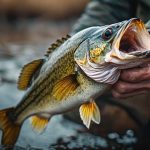
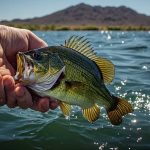
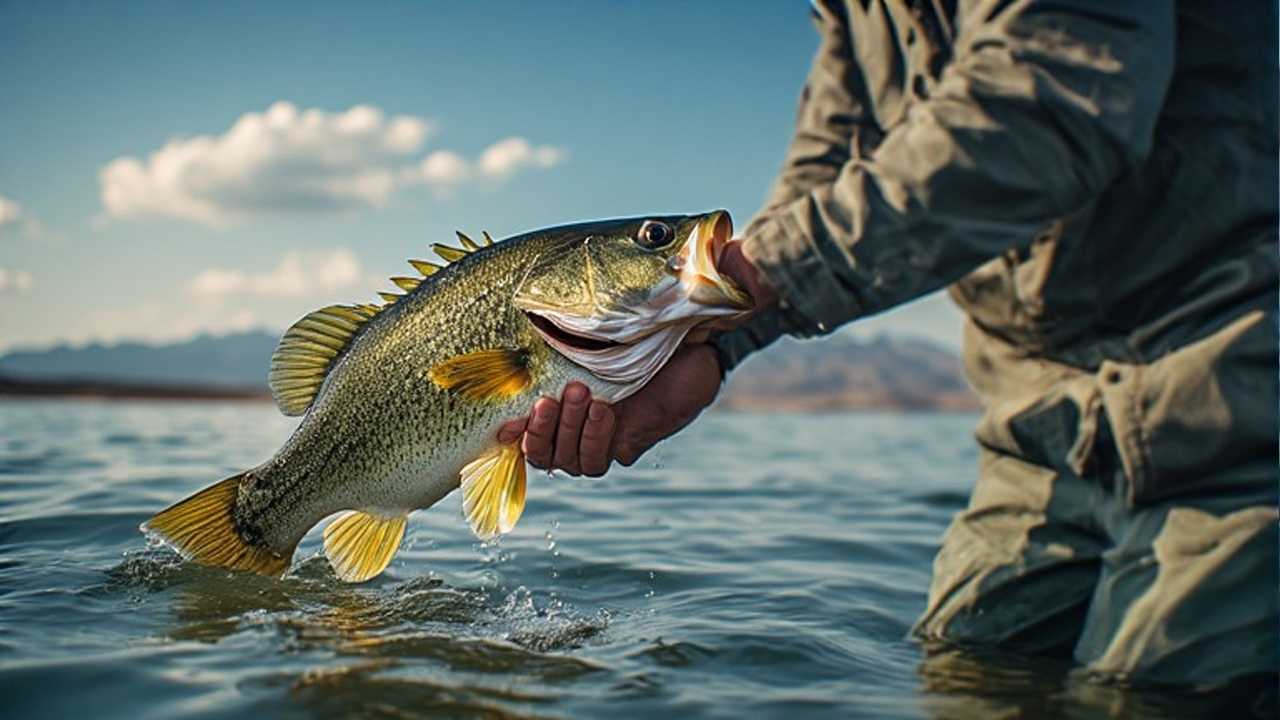
California’s sport fishing scene centers on several marquee species that define the state’s angling culture. Bass enthusiasts find paradise in the state’s reservoir system. Largemouth bass thrive in everything from urban ponds to sprawling impoundments like Clear Lake and Lake Oroville. Spring remains the classic window when pre-spawn aggression makes them vulnerable to reaction baits, but summer and fall offer equally rewarding periods for those willing to adjust techniques. Most waters enforce daily possession limits around five fish, with some trophy lakes implementing slot sizes to protect breeding-class giants. Structure is king—submerged trees, rocky points, and grass lines concentrate bass year-round.
Trout fishing, however, might be California’s true heart and soul. From planted rainbows stocked weekly in neighborhood lakes to wild golden trout in remote Sierra cirques, the variety is staggering. The Eastern Sierra region hosts world-class trout streams where catch-and-release ethics dominate. Late spring through early fall defines the core trout season in high elevations, though some tailwaters fish exceptionally through winter. Creel limits vary dramatically: heavily stocked urban waters might allow generous harvests, while pristine native fisheries enforce zero-kill rules. Success hinges on understanding which waters hold wild versus hatchery fish—each demands different approaches.
Striped bass represent California’s premier brackish and anadromous gamefish. These powerful fighters migrate through the Delta and bay systems, offering shots at trophy-class specimens exceeding forty pounds. Unlike species with narrow seasonal windows, stripers provide year-round opportunities, though spring and fall concentrations make them easier targets. Slot limits protect the breeding population—typically, only one fish over a certain length can be kept, with smaller fish released. Target rocky shorelines, tidal rips, and river confluences where baitfish concentrate. The fight-per-pound ratio of a striper is legendary.
Catfish often fly under the radar, yet they deliver consistent action when other species turn finicky. Channel cats dominate most reservoirs, while flatheads grow to impressive sizes in the Sacramento system. Summer nights are magic time—baits soaked near drop-offs or muddy flats produce steady hookups. Possession limits tend to be generous, making catfish excellent table fare for anglers seeking more than sport. Folsom Lake, Lake McClure, and countless Delta sloughs harbor thriving populations. For beginners or families, few fish are as forgiving or fun. If you’re exploring angling regulations across state lines, the Alabama fishing guidelines offer interesting contrasts in catfish management strategies.
🦞 Regulated or Special-Permit Fisheries
California protects several species through intensified management, ensuring their survival for future generations. White sturgeon fishing requires not only a standard license but adherence to strict slot limits—only fish within a specific size range can be kept, protecting both juveniles and massive spawning adults. The San Francisco Bay and Delta system hosts the primary fishery, with specific seasons designed around reproductive cycles. This isn’t casual fishing; landing a legal sturgeon demands knowledge, patience, and specialized gear.
King salmon and steelhead represent another tier of regulation entirely. These anadromous species navigate complex life cycles spanning ocean and river environments. Seasonal closures protect spawning runs, while gear restrictions (barbless hooks, specific lure types) minimize mortality in catch-and-release zones. Some premier steelhead streams operate under special regulations that prohibit bait entirely, preserving wild genetics. Report cards are often mandatory, helping biologists track harvest and population health.
California’s Heritage Trout Challenge exemplifies conservation-minded angling. This program encourages catch-and-release fishing for the state’s native trout species—golden, Lahontan cutthroat, Paiute cutthroat, and others. While no special permit is required, access to many waters demands wilderness permits and backpacking skills. These fisheries exist in fragile alpine ecosystems where ethical practices are non-negotiable. Participation costs nothing but effort, yet the rewards—solitude, pristine environments, and connection to California’s natural heritage—are priceless.
🐠 Everyday Fish & Panfish Opportunities
| Panfish Species | Typical Possession Approach | Where They’re Abundant |
|---|---|---|
| Bluegill | Standard daily limits (often 25) | Farm ponds, slow Delta sloughs, warm reservoirs |
| Redear Sunfish | Combined sunfish limits | Similar to bluegill; prefer slightly deeper structure |
| Black Crappie | Generous daily allowances | Brush piles, submerged timber in reservoirs |
| White Crappie | Same as black crappie | More tolerant of murky water; Delta channels |
| Sacramento Perch | Catch-and-release in some native waters | Pyramid Lake (NV), limited CA populations |
| Green Sunfish | Often unlimited | Small creeks, irrigation ponds; aggressive biters |
Panfish provide the backbone of family fishing trips and shoreline adventures. They inhabit accessible waters, bite enthusiastically, and tolerate beginner mistakes. Spring spawning aggregations make them especially easy to target—look for shallow, weedy areas where males build nests. Light tackle maximizes the fun; ultralight rods turn six-inch bluegills into worthy opponents. Most anglers practice selective harvest, keeping a few for dinner while releasing the rest to sustain populations.
🏞️ Stocked Waters & Management Programs
California’s stocking program is among the nation’s most ambitious, distributing millions of trout annually to keep public waters productive. The CDFW operates multiple hatcheries producing catchable-size rainbows that go directly into lakes and streams within days of release. Urban fisheries benefit enormously—places like Irvine Lake, Morro Bay, and Santee Lakes receive regular plants to sustain heavy angling pressure. The stocking schedule is public information, and savvy anglers time trips to coincide with fresh releases.
Beyond put-and-take trout, California invests in youth fishing programs and accessible facilities. Many city parks feature small ponds specifically managed for kids, often stocked heavily during summer break to encourage young anglers. Some waters are even designated as youth-only during peak season, ensuring uncrowded, successful experiences. These programs build the next generation of conservation-minded anglers.
Wild trout restoration represents the flip side of stocking efforts. The CDFW identifies streams capable of supporting self-sustaining populations and ceases planting, allowing native genetics to thrive. These Heritage Trout Waters often carry special regulations—barbless hooks, artificial lures only, and sometimes zero harvest. The result? Healthier ecosystems and exceptional angling for those willing to work for their fish. For anglers curious about other Western states’ approaches, checking out Arizona’s angling regulations reveals different philosophies on stocking versus wild fish management.
🌍 Access Rules: Public vs Private Waterways
Navigating California’s complex water access laws can be tricky. Unlike states with strong public trust doctrines guaranteeing access to navigable waters, California blends private property rights with public waterways in sometimes confusing ways. The general rule: if you can access the water from public land (roads, bridges, designated access points) without crossing private property, you’re good to fish. Many reservoirs managed by municipalities or water districts offer public access with day-use fees, while some private ranches restrict all access.
Signage is your friend. Look for “No Trespassing” markers, gates, and posted regulations. When in doubt, seek permission or move to confirmed public waters. The CDFW maintains an interactive map showing legal access points—use it religiously to avoid conflicts. Respect for private property protects everyone’s angling privileges. One careless trespass can shut down access for the entire fishing community.
Navigable rivers present unique scenarios. In some cases, you may legally float through private land as long as you remain waterborne and below the high-water mark. However, wading, anchoring, or touching the bottom might constitute trespassing. These nuances vary by watershed and legal precedent, so research your specific destination. The California Department of Fish and Wildlife’s official resources provide detailed guidance on complex access questions.
🎟️ Fishing License Overview
Everyone aged 16 and older needs a valid fishing license to angle in California, with few exceptions. Residents and non-residents purchase different tiers—residents enjoy lower costs, while visitors pay premium rates for the privilege of accessing the state’s fisheries. Annual licenses cover the calendar year, making them cost-effective for regulars. Short-term options exist too: one-day and two-day licenses suit vacationers or occasional anglers testing the waters before committing.
Youth under 16 fish for free, though some programs encourage voluntary junior licenses to foster early stewardship habits. Seniors and disabled veterans qualify for reduced-rate or even no-cost licenses depending on circumstances—California honors those who’ve served and recognizes the value of keeping older generations engaged in outdoor recreation.
Special endorsements and stamps add complexity but open doors. The Steelhead Report Card is mandatory for anyone targeting steelhead, even if practicing catch-and-release. The Second-Rod Validation allows using two rods simultaneously in certain waters—a small investment that doubles your chances. Ocean Enhancement Stamps fund saltwater programs, though most inland anglers won’t need them. The key is understanding which add-ons apply to your style of fishing before the season begins. Licenses are available online through the CDFW website, at sporting goods retailers, and through various mobile apps.
❓ Angler FAQs
When do California’s high-country trout lakes typically open for the season?
Most alpine fisheries open late April through early May, though heavy snowpack can delay access. Always check CDFW announcements for specific opener dates, as they vary by drainage and elevation. Eastern Sierra waters generally become accessible by Memorial Day weekend.
Can I keep every bass I catch, or are there slot sizes?
It depends on the water. While many California lakes allow standard five-fish daily limits without size restrictions, trophy bass fisheries like Clear Lake enforce protective slots to preserve breeding stock. Always consult the current regulations booklet or online resources for your destination.
Are there places where I can fish without worrying about access fees?
Absolutely. Numerous streams, rivers, and stretches of public reservoir shoreline require only a valid fishing license. National Forest lands, Bureau of Land Management areas, and state wildlife areas offer free access, though some charge day-use parking fees. Urban ponds might charge nominal entry.
Do I need a separate license for saltwater versus freshwater fishing?
No. California’s sport fishing license covers both environments. However, if you target specific ocean species or fish from party boats, you may need additional stamps or endorsements. Read the fine print when purchasing your license.
What’s the penalty for fishing without a license or violating creel limits?
Fines vary by severity but start in the hundreds of dollars for first offenses. Repeat violations or egregious cases (like poaching endangered species) can result in thousands in fines, equipment confiscation, and even criminal charges. Conservation officers take violations seriously.
Can non-residents buy short-term licenses, or is it annual only?
Non-residents have full access to one-day and two-day licenses, perfect for vacation trips. These are surprisingly affordable given California’s fishing diversity and make it easy to enjoy a weekend getaway without committing to a full-year credential.
How do I know if a stream is catch-and-release only or open to harvest?
The CDFW regulations booklet breaks down rules by water name and region. Heritage Trout Waters are clearly marked, as are any special-regulation zones. When in doubt, consult the department’s interactive fishing map or call their angler information line. Never assume—always verify.
🗺️ Where to Fish This Year
California’s fishing landscape offers something for every skill level and ambition. Shasta Lake, sprawling across Northern California, is a legendary multi-species destination where bass, trout, crappie, and even landlocked king salmon coexist. Its sheer size means crowds spread out, and patient anglers always find productive water. The lake’s management emphasizes year-round opportunity, making it a reliable choice regardless of season.
For those chasing Sierra trout in their purest form, the Eastern Sierra corridor delivers unforgettable experiences. Crowley Lake opens each year to fanfare, its massive holdover rainbows and surrounding streams drawing pilgrims from across the West. Convict Lake’s turquoise waters and dramatic mountain backdrop make every catch feel cinematic. The California Department of Fish and Wildlife’s interactive fishing map provides GPS coordinates, stocking schedules, and real-time condition reports—an indispensable tool.
The California Delta, a maze of channels and sloughs, is both intimidating and rewarding. Striped bass, sturgeon, largemouth bass, and catfish all thrive here, often within casting distance of each other. Navigation requires attention—it’s easy to get turned around—but the payoff is world-class fishing minutes from major metro areas. Spring and fall see the Delta at its best, though dedicated anglers score year-round.
Down south, Lake Casitas near Ventura has produced some of California’s largest bass, including multiple line-class world records. Special regulations protect trophy genetics, so study the rules carefully. It’s not high-volume fishing; it’s patient, strategic hunting for the fish of a lifetime. Similarly, Castaic Lake in Los Angeles County offers a taste of Florida-strain largemouth in a Southern California setting—quality over quantity defines these waters.
Don’t overlook neighborhood opportunities. Many anglers chase glamour species while ignoring productive urban fisheries. Santa Ana River Lakes, Morro Bay, and even San Francisco’s Lake Merced provide accessible action without long drives. Sometimes the best fishing day is the one you can squeeze in after work.
✅ Final Thoughts
California’s 2026 angling season promises as much adventure as you’re willing to seek. Whether you’re a trout purist stalking wild fish in alpine streams, a bass junkie chasing personal bests in sprawling reservoirs, or a parent introducing kids to the magic of panfish, the Golden State delivers. Regulations exist not to frustrate but to ensure these opportunities endure for generations. Practice ethical angling: handle fish gently, pack out trash, respect access rules, and release fish you don’t intend to eat.
Stay current with CDFW updates—drought, wildfires, and other environmental factors can trigger emergency closures or regulation changes. A quick check before each trip saves disappointment and ensures compliance. First-timers should consider guided trips or joining local fishing clubs; the community is welcoming and eager to share knowledge.

- Wyoming Fishing Regulations 2026: State Rules & Management Areas - February 16, 2026
- Wisconsin Fishing Regulations by Zone 2026: Seasons & Size Limits - February 16, 2026
- West Virginia Fishing Regulations 2026: Stream & Lake Rules - February 16, 2026