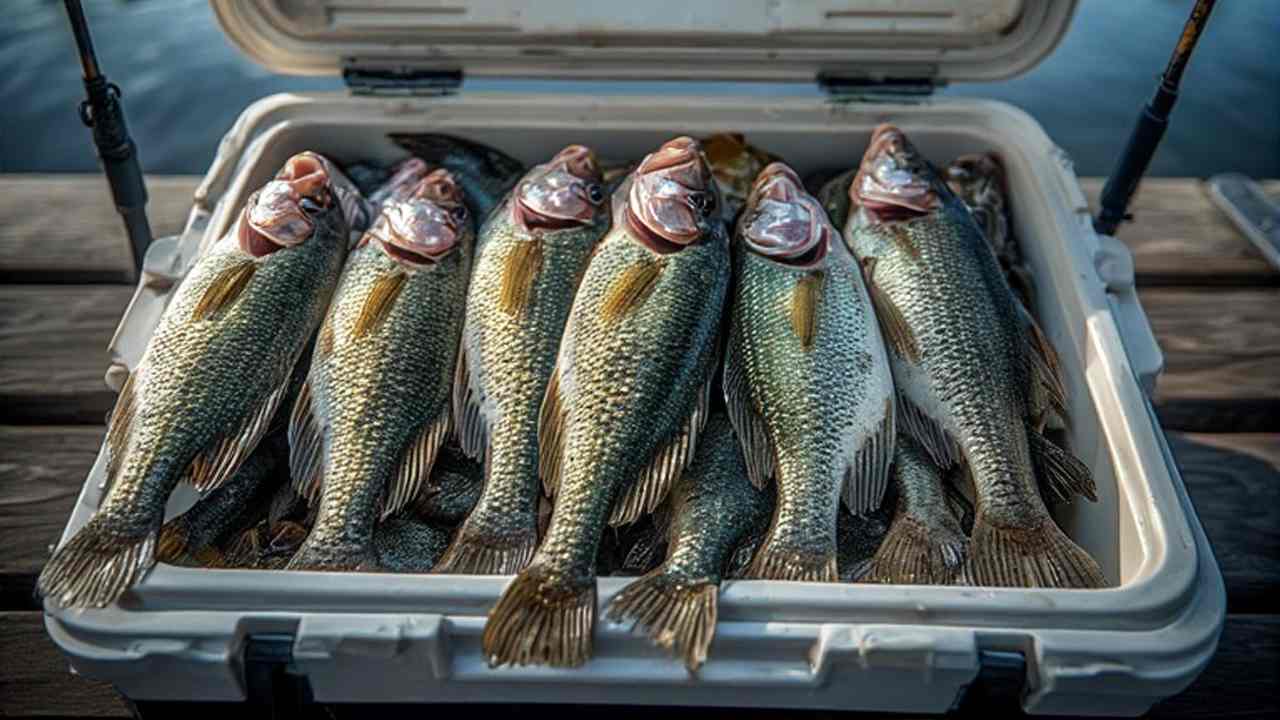
The first rays of morning sun hit the still surface of Lake Lanier, and you’re already rigging your line. A great blue heron lifts off from the shallows, signaling the start of another perfect Georgia fishing day. But before you cast that first lure, there’s a question every angler needs answered: what’s legal to catch right now, and how much can I keep?
Georgia’s fishing landscape is as diverse as its terrain—from mountain trout streams tumbling through the North Georgia highlands to sprawling coastal estuaries where redfish cruise the spartina grass. Understanding the state’s angling regulations isn’t just about staying legal; it’s about respecting a resource that feeds families, fuels tourism, and connects generations. Whether you’re a first-timer baiting a hook at a neighborhood pond or a seasoned angler planning a week-long expedition, knowing the rules helps you fish smarter, conserve better, and enjoy every moment on the water.
Georgia’s Wildlife Resources Division works year-round to balance access with sustainability. Licensing requirements support habitat restoration, stocking programs, and research that keeps fisheries healthy. For visitors, the state offers flexible short-term licenses and family-friendly access points. Residents benefit from year-round opportunities across hundreds of public waters. Conservation isn’t a buzzword here—it’s a commitment that ensures your grandkids will cast lines into the same waters you love today.
🗓️ Complete Georgia Fishing Season Dates 2026
| Species/Category | Season Opens | Season Closes | Notes |
|---|---|---|---|
| Largemouth Bass | Open Year-Round | No Closure | Daily creel limits apply |
| Spotted Bass | Open Year-Round | No Closure | Check specific lake regulations |
| Smallmouth Bass | Open Year-Round | No Closure | Catch-and-release encouraged in streams |
| Trout (General) | Last Saturday in March | October 31 | Delayed harvest streams vary |
| Trout (Catch & Release Streams) | Open Year-Round | No Closure | Artificial lures only |
| Striped Bass (Inland) | Open Year-Round | No Closure | Size and possession limits enforced |
| Hybrid Striped Bass | Open Year-Round | No Closure | Popular in reservoirs |
| Channel Catfish | Open Year-Round | No Closure | No statewide limits on most waters |
| Flathead Catfish | Open Year-Round | No Closure | Some waters have special rules |
| Crappie (Black & White) | Open Year-Round | No Closure | 50-fish daily creel in most areas |
| Bluegill & Sunfish | Open Year-Round | No Closure | Generous limits for family fishing |
| Walleye | Open Year-Round | No Closure | Limited distribution; check local regulations |
| Chain Pickerel | Open Year-Round | No Closure | No statewide restrictions |
Note: Always verify current regulations on specific lakes and rivers, as some waters have unique management rules.
🌅 Seasonal Fishing Breakdown for Georgia
Early Spring: Awakening Waters 🌸
When dogwoods bloom and temperatures climb into the 60s, Georgia’s fish shake off winter lethargy. Bass begin their pre-spawn movements, staging near shallow flats and creek channels. This is prime time for finesse tactics—soft plastics, jerkbaits, and suspending plugs that mimic shad or crawfish.
Trout anglers mark their calendars for the last Saturday in March, when delayed harvest streams reopen to harvest regulations. These specially managed waters offer trophy-class rainbows and browns that have been catch-and-release only through winter. Arrive early—these spots see heavy traffic on opening day.
Crappie fishing hits its stride in April as fish move shallow to spawn. Brush piles, docks, and submerged timber become hotspots. Jigs tipped with minnows or soft plastics in the 8-12 foot range produce slab-sized fish that taste incredible in the pan.
Peak Summer: Heat and Adaptation ☀️
June through August means early mornings and late evenings if you want consistent action. Bass fishing shifts to deeper structure—ledges, channel swings, and offshore humps where fish school to chase baitfish. Topwater action at dawn and dusk provides explosive surface strikes that make summer fishing unforgettable.
Catfish anglers thrive in the heat. Channel cats and flatheads feed aggressively throughout summer nights, especially near river mouths, old creek beds, and areas with current. Cut bait, live bluegill, and prepared stink baits all produce.
Trout fishing moves to tailwaters below dams—Chattahoochee River below Buford Dam, Toccoa River below Blue Ridge Dam—where cold-water releases keep temperatures hospitable. Nymphs, streamers, and dry flies all work when flows are stable.
Fall Transition: The Feeding Frenzy 🍂
September and October bring cooler nights and hungry fish. Bass fatten up for winter, chasing shad schools that move shallow. Spinnerbaits, crankbaits, and swimbaits excel as fish feed aggressively. This is trophy season—when personal bests get broken.
Trout season closes October 31 on most streams, but catch-and-release waters remain open. Fall colors along North Georgia streams create postcard-perfect fishing conditions. Browns begin their spawning rituals, so practice ethical catch-and-release if targeting them.
Crappie move back to deeper water, suspending near brush piles and drop-offs. Spider-rigging with multiple poles and slow-trolling live minnows helps locate schools. Once you find them, vertical jigging can fill a cooler fast.
Winter: Cold-Weather Opportunities ❄️
December through February slows the pace but doesn’t stop it. Bass fishing focuses on deep structure—45-degree chunk rock banks, main lake points, and channels where baitfish winter. Slow-rolling jigs and fishing suspending jerkbaits with long pauses test an angler’s patience but reward persistence.
Trout fishing shifts entirely to catch-and-release streams and tailwaters. Fish are accessible and willing to bite midges, small nymphs, and soft-hackle patterns. Bundle up, slow down, and enjoy solitude that summer crowds never offer.
Crappie fishing can be exceptional in deep water—20 to 30 feet—where schools suspend near standing timber. Electronics and vertical presentations are essential. The fish you catch will be thick and healthy, having fed all fall.
🐟 Game Fish Anglers Target Most
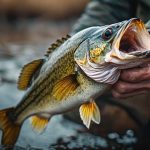
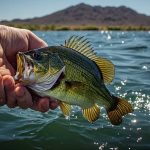
Largemouth Bass dominate Georgia’s fishing culture. From suburban retention ponds to sprawling reservoirs like Lake Seminole and Clarks Hill, largemouths thrive in warm, vegetated waters. They’re catchable year-round, with spring and fall offering peak action. Possession limits vary by water body, but most follow a five-fish daily creel with a 12-inch minimum. These fish respond to everything from topwater frogs in lily pads to deep-diving crankbaits on ledges. Their adaptability makes them perfect for anglers of all skill levels.
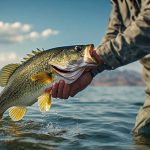
Spotted Bass have exploded in popularity, especially in flowing reservoirs like the Coosa River system and Lake Allatoona. Smaller and more aggressive than their largemouth cousins, spots school heavily and chase bait with reckless abandon. Summer ledge fishing for spotted bass has become a regional obsession—drop-shotting and vertical jigging produce double-digit days when you locate schools. They share the same regulations as largemouths on most waters, making them a bonus catch that often fights harder pound-for-pound.
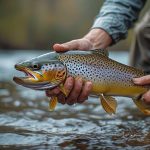
Trout represent Georgia’s mountain heritage. Rainbow, brown, and brook trout inhabit cold streams in the Blue Ridge Mountains. Special regulations divide waters into categories: catch-and-release areas open year-round with artificial lures only, delayed harvest streams that alternate between catch-and-release and harvest periods, and general trout waters with traditional seasons and creel limits. The standard harvest limit is eight trout daily on general waters, but always check specific stream regulations. Spring stockings supplement wild populations, creating accessible fishing near towns like Helen and Blue Ridge.
Striped Bass and Hybrids offer the big-fish thrill Georgia anglers crave. Lake Lanier, Clarks Hill, and Lake Hartwell hold populations of landlocked stripers that exceed 40 pounds. Hybrids—a striped bass and white bass cross—fight like freight trains and school aggressively in open water. Both species chase threadfin shad, so matching the hatch with soft plastics, flukes, or live bait near points and humps produces strikes. Possession limits and size restrictions protect these prized fish, so know the rules for your water.
Crappie fill freezers and make family fishing days unforgettable. Black and white crappie inhabit every major reservoir and many smaller lakes. Spring spawning brings them shallow, while summer and winter find them suspended near structure. The 50-fish daily limit reflects their abundance—an afternoon on a good brush pile can produce incredible action. Crappie adapt to simple tackle and techniques, making them perfect for kids and beginners.
Catfish offer year-round opportunity with minimal restrictions. Channel cats, flatheads, and blue catfish all call Georgia home. Channel cats dominate rivers, ponds, and lakes, eating everything from chicken liver to cut shad. Flatheads prefer live bait and structure-rich rivers. Blue catfish, concentrated in certain river systems, grow enormous and fight relentlessly. Most Georgia waters have no creel limit on catfish, though some specific lakes enforce daily limits to protect trophy fisheries.
🦞 Regulated or Special-Permit Fisheries
Georgia’s shoal bass represent a conservation success story. Found in the Flint and Chattahoochee river systems, these river-dwelling bass have strict regulations—often catch-and-release only or highly restrictive possession limits. They’re genetically distinct and ecologically sensitive, so the Wildlife Resources Division manages them carefully. Anglers target them in fast current using small crankbaits and topwater lures, and releasing them ensures future generations enjoy the same opportunity.
Lake Allatoona operates under special bass regulations with a unique slot limit designed to improve size structure. Other lakes like West Point and Walter F. George have specific creel rules that differ from statewide standards. Before fishing any major reservoir, check the Georgia Sport Fishing Regulations guide or the Wildlife Resources Division website for water-specific rules.
Trout streams feature the most complex regulations. Delayed harvest waters close to harvest from November through the last Saturday in March, during which only artificial lures are allowed and all trout must be released. This creates exceptional fishing during winter months and allows fish to grow before the spring harvest season opens. Catch-and-release streams remain open year-round with artificial lures only and zero possession limits. These designations protect wild trout populations and provide quality fishing experiences.
🐠 Everyday Fish & Panfish Opportunities
| Species | Typical Possession Limit | Where to Find Them |
|---|---|---|
| Bluegill | Generous (often 50/day) | Ponds, lake shorelines, brush piles |
| Redear Sunfish | Generous (often 50/day) | Deeper than bluegill, near shell beds |
| Black Crappie | 50/day statewide | Reservoirs, brush piles, standing timber |
| White Crappie | 50/day statewide | Shallower than black crappie, rivers |
| Yellow Perch | Minimal restrictions | North Georgia lakes, deeper water |
| White Bass | Generous limits | Reservoirs with alewife or shad populations |
| Chain Pickerel | No statewide limits | Weedy lakes, swamps, slow rivers |
Panfish provide the backbone of family fishing in Georgia. They’re abundant, accessible, and delicious. Simple tactics work—bobbers and worms for bluegill, small jigs for crappie, inline spinners for white bass. Many public fishing areas and neighborhood ponds offer excellent panfishing within minutes of home.
🏞️ Stocked Waters & Management Programs
Georgia’s Wildlife Resources Division stocks hundreds of thousands of trout annually in streams and select lakes. The stocking schedule runs from late fall through early spring, with put-and-grow stockings in March and April targeting streams open to harvest. Urban fishing programs bring trout to metro Atlanta parks, making the sport accessible to city residents.
Kids Fishing Ponds across the state offer special youth-only fishing opportunities, stocked with bluegill, catfish, and bass. These waters introduce young anglers to the sport in low-pressure environments.
Lake Chatuge, Lake Burton, and other North Georgia lakes receive trout stockings, creating unique coldwater lake fisheries. These fish behave differently than stream trout—trolling and casting spoons or spinners produces best results.
Check the official Georgia DNR stocking schedule for real-time updates on where and when fish are released. Stocked trout are marked with clipped fins, helping biologists monitor stocking success.
🌍 Access Rules: Public vs Private Waterways
- Navigable Waters: Georgia law allows public access to navigable waters, even if shorelines are private. You can fish from a boat on any navigable river or lake, but stepping onto private land without permission is trespassing.
- Wildlife Management Areas (WMAs): Many WMAs provide free fishing access with a valid license. Some require additional permits during hunting seasons for safety—check signage and regulations.
- Public Fishing Areas (PFAs): These designated sites offer parking, bank access, and often fish attractors or stocking. They’re family-friendly and maintained specifically for angler access.
- Corps of Engineers & TVA Lands: Federal reservoir lands around lakes like Hartwell and Allatoona provide extensive public shoreline access, boat ramps, and fishing piers.
- Respect Private Property: If you’re unsure whether land is public, don’t enter. Trespassing damages the reputation of all anglers and can result in fines or arrest.
- River Access Points: Georgia maintains public boat ramps and fishing access areas on major rivers. These are marked on Wildlife Resources Division maps and GPS apps.
🎟️ Georgia Fishing License Overview (Simplified)
- Who Needs a License? Anyone 16 or older fishing in Georgia’s public waters must carry a valid fishing license. This includes residents and non-residents.
- Resident vs Non-Resident: Residency determines license cost. Georgia residents pay significantly less for annual licenses than visitors. Residency is based on where you live, not where you were born.
- Youth Exemptions: Anglers under 16 fish for free without a license. Supervised youth fishing programs encourage lifelong participation.
- Short-Term Licenses: One-day and three-day licenses offer affordable options for vacation anglers or those testing the waters before committing to an annual license.
- Trout Stamp: Anglers fishing designated trout streams or hatchery-supported lakes must purchase an additional trout stamp beyond the base fishing license.
- Online Purchasing: Licenses can be bought online through the Georgia Wildlife Resources Division website or at sporting goods retailers statewide. Carry proof on your phone or printed—enforcement officers will check.
- Senior and Disabled Discounts: Georgia offers reduced-rate or free licenses for senior residents and disabled individuals. Verify eligibility requirements on the official licensing portal.
❓ Angler FAQs
Can I fish in Georgia without a license if I’m just visiting for a weekend?
No. Non-residents need a license just like residents. However, one-day and three-day licenses are available at affordable rates specifically for short visits. Buy one online before your trip or pick one up at a local tackle shop.
Do private ponds require a fishing license?
If the pond is entirely on private land and stocked privately with no public water connection, technically no license is required for the landowner or invited guests. However, most anglers carry a license anyway to avoid confusion and support conservation programs.
What happens if I catch a fish over the slot limit?
Release it immediately and carefully. Slot limits protect certain size ranges to improve population health. Keeping a fish outside legal size limits results in citations and fines. When in doubt, measure twice and release if questionable.
Are there any free fishing days in Georgia?
Yes, Georgia typically offers free fishing days during National Fishing and Boating Week in early June and on other designated dates. On these days, no license is required, but all other regulations (creel limits, size limits, seasons) remain in effect. Check the Wildlife Resources Division website for specific 2026 dates.
Can I use live minnows as bait everywhere?
Generally yes, but some trout streams and catch-and-release waters prohibit all bait, allowing only artificial lures. Always check water-specific regulations before fishing. Using prohibited bait can result in citations and harm sensitive fisheries.
What’s the penalty for fishing without a license?
First-time offenders typically face fines starting around $150 plus court costs. Repeat violations carry steeper penalties. Conservation officers patrol popular fishing areas regularly, and the fine far exceeds the cost of a license.
Is bowfishing legal in Georgia?
Yes, bowfishing is legal for non-game fish species like carp and gar. A fishing license is required. Bowfishing for game fish like bass or trout is prohibited. Check regulations for specific species allowed and any restricted waters.
🗺️ Where to Fish This Year
Georgia’s fishing diversity means every region offers something special. Lake Lanier, just north of Atlanta, combines convenience with quality—stripers, spotted bass, and crappie draw anglers year-round. Its proximity to metro areas makes it a weekend escape without the long drive.
Head southwest and you’ll find Lake Seminole, legendary for largemouth bass. Its cypress swamps and grass flats produce giant bass, especially during spring. Seminole’s connection to the Flint and Chattahoochee rivers creates dynamic fishing conditions that change with water flow.
Trout lovers find paradise in North Georgia’s Chattahoochee National Forest. Streams like the Toccoa River, Jacks River, and Conasauga River wind through mountain valleys, offering wild trout and stunning scenery. Delayed harvest sections and catch-and-release zones provide variety, while general trout waters stock rainbow trout regularly.
Clarks Hill Lake (Lake Strom Thurmond) straddles the Georgia-South Carolina line and ranks as one of the nation’s best hybrid striped bass fisheries. Anglers also target largemouth bass, crappie, and catfish across 70,000 acres of water. Multiple boat ramps and camping areas make multi-day trips easy.
For a quieter experience, explore Lake Burton or Lake Rabun in Northeast Georgia. These clear, deep lakes offer trout fishing alongside traditional warmwater species. The mountain backdrop makes every cast feel like a postcard.
Official fishing maps and detailed access information are available through the Georgia Wildlife Resources Division’s online resources. Download PDFs or use interactive maps to locate boat ramps, fishing piers, and public access points statewide.
✅ Final Thoughts: Your 2026 Georgia Fishing Blueprint
From the Appalachian foothills to the Coastal Plain, Georgia’s waters offer 365 days of angling opportunity. The 2026 season maintains the state’s commitment to accessible, sustainable fishing—whether you’re chasing trophy stripers on Lake Lanier, drifting nymphs through a delayed harvest trout stream, or teaching a grandchild to bobber-fish for bluegill. Bass fishing remains open year-round across the state with standard five-fish daily limits, while trout season runs from the last Saturday in March through October 31 on most streams, with catch-and-release waters staying open all year. Crappie and panfish provide generous 50-fish daily limits perfect for family fish fries, and catfish offer unrestricted opportunity on most waters.
Special regulations on certain lakes protect trophy bass populations, and trout stamps are required for designated coldwater fisheries. Conservation-minded management means today’s limits ensure tomorrow’s catches—so practice selective harvest, release healthy fish, and respect the resource. Grab your Georgia fishing license, study the regulations for your target water, and experience a state where every season offers something worth casting for.
If you’re exploring fishing opportunities in neighboring states, check out Alabama’s freshwater fishing rules for Gulf Coast and Tennessee River fishing, or discover Colorado’s mountain trout regulations for high-elevation angling adventures. For coastal enthusiasts, the National Oceanic and Atmospheric Administration’s recreational fishing guidelines provide federal saltwater regulations that complement Georgia’s coastal fishing opportunities.

- Wyoming Fishing Regulations 2026: State Rules & Management Areas - February 16, 2026
- Wisconsin Fishing Regulations by Zone 2026: Seasons & Size Limits - February 16, 2026
- West Virginia Fishing Regulations 2026: Stream & Lake Rules - February 16, 2026