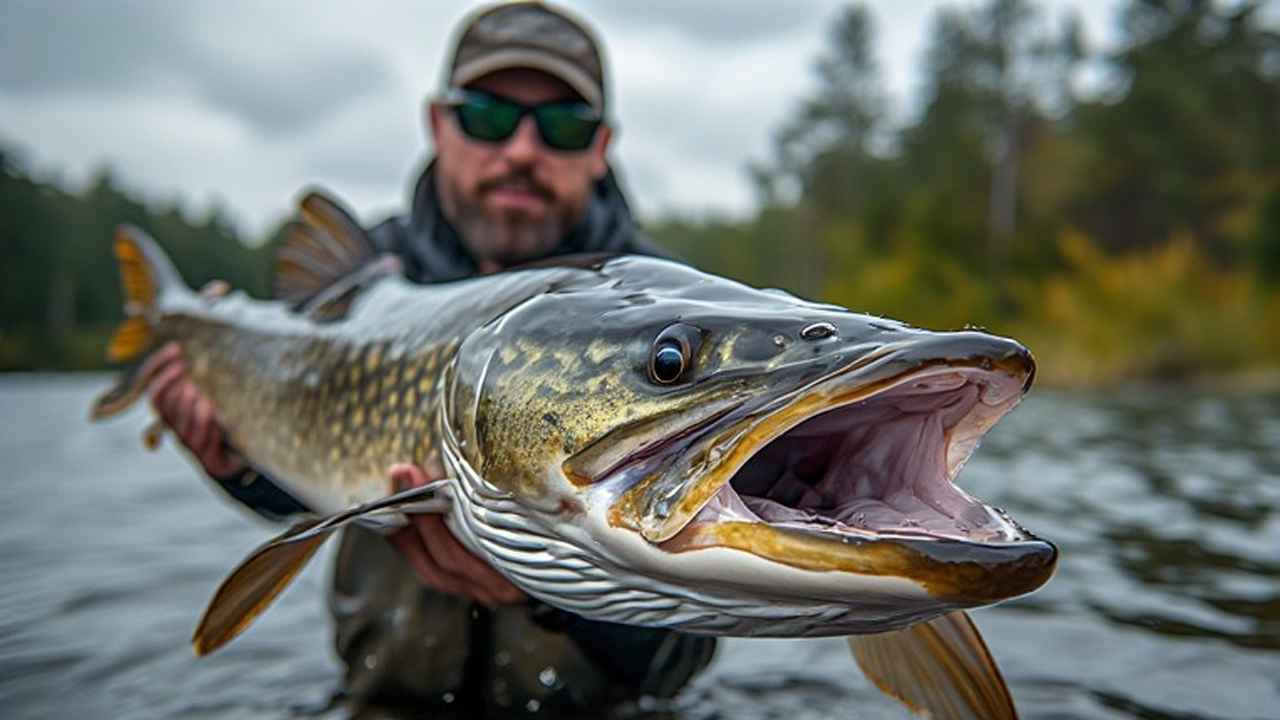
Whether you’re a weekend warrior from Milwaukee or a curious traveler planning your Northwoods escape, understanding Wisconsin’s angling calendar isn’t just about following rules—it’s about timing your adventure to the heartbeat of the water itself.
The Badger State offers more than 15,000 lakes and thousands of miles of rivers and streams, each with its own rhythm, its own seasons, and its own stories written in scales and fins. But catching fish legally and sustainably means knowing what’s allowed, when opportunities open up, and how possession limits protect what makes Wisconsin waters so legendary. Conservation is woven into the fabric here—every regulation exists to ensure your grandkids can chase muskies and brookies just like you do today.
Whether you’re chasing your first panfish from a public pier or planning a multi-day expedition targeting trophy walleye, this guide walks you through everything you need to know about 2026 fishing opportunities across Wisconsin. Let’s dive in. 🐟
🗓️ Complete Wisconsin Fishing Season Dates 2026
| Species | Season Opens | Season Closes | Notes |
|---|---|---|---|
| Walleye & Sauger | First Saturday in May (May 2) | March 1, 2027 | Size and bag limits vary by waterbody |
| Northern Pike | First Saturday in May (May 2) | March 1, 2027 | Some waters year-round |
| Muskellunge | Saturday before Memorial Day (May 23) | November 30 | Catch-and-release only until opener |
| Largemouth & Smallmouth Bass | First Saturday in May (May 2) | March 1, 2027 | Catch-and-release allowed earlier in some zones |
| Stream Trout (Inland) | First Saturday in May (May 2) | September 30 | Extended seasons on select streams |
| Lake Trout | Year-round | Year-round | Specific lake regulations apply |
| Panfish (Bluegill, Crappie, Perch) | Year-round | Year-round | Daily limits enforced |
| Catfish (Channel, Flathead) | Year-round | Year-round | No closed season |
| Sturgeon (Winnebago System) | February (Spearing Season) | February | Registration required |
| Cisco (Lake Herring) | Various by lake | Various by lake | Check local rules |
Always verify specific waterbody exceptions through the Wisconsin DNR before your trip.
🌅 Seasonal Fishing Breakdown Specific to Wisconsin
Early Spring (March–April)
As ice shelves break apart and snowmelt fills tributaries, Wisconsin transforms into a trout angler’s paradise. This is when tributaries to Lake Michigan and Superior see their legendary steelhead and brown trout runs. You’ll find anglers shoulder-to-shoulder on rivers like the Bois Brule and Sheboygan, but the reward—a chrome-bright steelhead cartwheeling through the current—is worth every cold finger.
Panfish begin staging near shorelines in shallow bays, preparing for their spawn. Bluegills and crappies become aggressive feeders, and this period offers some of the easiest action for families and newcomers. Ice-out on inland lakes signals the unofficial start of open-water season, even if the major game fish openers haven’t arrived yet. Just remember: walleye, pike, and bass seasons remain closed, so catch-and-release isn’t even an option for most waters during this window.
Peak Summer (May–August)
The first Saturday of May is circled on every Wisconsin angler’s calendar in permanent marker. Walleye, northern pike, and bass seasons open simultaneously, and lakes from the Mississippi River pools to the Chequamegon-Nicolet National Forest come alive with boat traffic and shoreline casters.
Walleye dominate the conversation—especially on waters like the Lac Courte Oreilles Chain, Big Green Lake, and Lake Winnebago. Anglers target them with live bait rigs, jigging techniques, and trolling crankbaits along weed edges and drop-offs. Possession limits are strictly enforced, and slot limits (designed to protect breeding populations) mean you can’t just keep the biggest fish you catch.
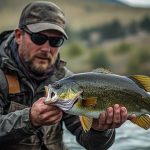
Bass fishing reaches fever pitch in June and July. Largemouth bass hold tight to lily pads and timber in southern flowages, while smallmouth bass patrol rocky points and gravel bars in northern lakes. Topwater action at dawn becomes borderline addictive—there’s nothing like watching a four-pound smallmouth crush a popper in two feet of water.
Late May brings the muskie opener, and Wisconsin’s reputation as the “Muskie Capital of the World” isn’t just marketing hype. The Hayward area, Vilas County, and the Eagle River chain offer legitimate shots at fish over 50 inches. But muskie fishing demands patience, heavy tackle, and often hours between follows. It’s not for everyone, but those who commit swear there’s no greater thrill in freshwater angling.
Fall Transition (September–November)
Autumn paints Wisconsin in rust and gold, and beneath the surface, fish are feeding with urgency. Walleye become more aggressive as water temps drop, often moving shallower again as they bulk up before winter. Muskie season runs through November, and fall is statistically the best time to encounter true giants. The October bite—when water temperatures hover in the low 50s—produces Wisconsin’s heaviest fish each year.
Trout season on most inland streams closes by the end of September, but this doesn’t mean trout anglers are sidelined. Lakes like the Trout Lake chain remain open year-round for lakers, and targeting them with downriggers or jigging spoons becomes a quiet, focused pursuit as summer crowds vanish.
Pro tip: If you’re angling for multi-species action, November is underrated. Pike feed heavily before ice-up, and panfish school tightly in deeper basins, making them easier to locate with electronics.
Winter (December–February)
Hard water fishing is a cultural institution here. From tip-ups on frozen flowages to heated shacks on Lake Winnebago, ice fishing isn’t just allowed—it’s celebrated. Panfish, northern pike, walleye, and perch are all fair game once ice reaches safe thickness (usually late December to early January).
The absolute highlight? Sturgeon spearing season on the Winnebago system. Running for just 16 days in February, this is a lottery-based, bucket-list experience. Anglers sit in darkhouses and peer through holes cut in 18+ inches of ice, waiting for prehistoric shadows to glide below. Registration is required, and harvest tags are limited to protect this ancient species.
🐟 Game Fish Anglers Target Most
Bass: Wisconsin’s All-Stars
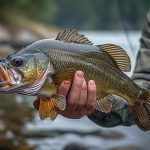
Both largemouth and smallmouth bass are accessible, aggressive, and abundant. Largemouth dominate the southern and central parts of the state, thriving in warm, weedy lakes and backwaters of the Wisconsin River. They’re structure-oriented fish—target docks, fallen timber, and lily pad fields with Texas-rigged plastics or spinnerbaits.
Smallmouth bass, on the other hand, rule the north. They prefer cooler, clearer water and gravel or rock substrates. The Door County peninsula, the Wolf River, and countless Northwoods lakes offer world-class smallmouth fishing. Techniques lean towards finesse: drop shots, Ned rigs, and tube jigs bounced along rocky transitions.
Season opens the first Saturday in May, but some waters allow catch-and-release starting earlier. Always check zone-specific regulations, as bag limits and size restrictions vary. The standard creel is usually five bass combined, but certain trophy lakes enforce slot or protected lengths to maintain quality fishing.
Trout: Coldwater Gems from Spring Creeks to the Great Lakes
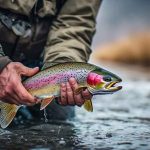
Wisconsin boasts over 15,000 miles of trout streams, many flowing through breathtaking Driftless Area valleys in the southwest. Brook trout hold in tiny headwaters, brown trout patrol deeper runs and undercut banks, and rainbow trout (including steelhead) migrate in and out of tributaries.
Inland stream trout season typically opens the first Saturday in May and runs through September, though extended seasons exist on some designated waters. Bag and size limits vary—some streams are catch-and-release only, and others allow harvest of stocked fish. Trout stamps are required in addition to your standard fishing license.
Lake trout offer year-round opportunities on deep, cold lakes like Geneva Lake, Green Lake, and many northern glacial lakes. These fish are caught by trolling with downriggers or vertical jigging over deep structure. Daily bag limits are usually lower (often 3 or 5), and size restrictions can apply.
For Great Lakes anglers, the steelhead runs in spring (March–April) and fall (October–November) are legendary. Fish push into tributaries like the Root River, Pike River, and streams along the Bayfield Peninsula. This is fly fishing and spin casting at its most exciting, with fish ranging from 5 to 15+ pounds.
Pike and Muskie: Wisconsin’s Apex Predators
Northern pike are widespread, aggressive, and often the first “big” fish a young angler catches. They’re found in nearly every Wisconsin lake with adequate forage and vegetation. Pike fishing peaks in early summer and again in fall. They’re ambush hunters, so casting spoons, spinnerbaits, or large swimbaits near weed edges and drop-offs is productive. The state record pike weighed over 38 pounds, and 40-inch-plus fish are landed every season.
Muskellunge, the fish of 10,000 casts, are Wisconsin’s crown jewel. These elusive giants require specialized tactics: heavy casting gear, oversized lures (sometimes a foot long), and mental endurance. The season opens late May and runs through November, giving anglers a solid six-month window. Prime muskie waters include the Chippewa Flowage, Lac Vieux Desert, Eagle River chain, and the St. Croix River. Catch-and-release is strongly encouraged, and many trophy hunters voluntarily release all muskies regardless of size.
Both pike and muskie have varying size and bag limits depending on the waterbody. Some lakes have protective slots (like 40–50 inches) where fish must be released, ensuring the breeding population stays robust.
Walleye: The People’s Champion
If there’s one fish that defines Wisconsin angling culture, it’s the walleye. Friday night fish fries across the state feature walleye, and tournaments draw thousands of participants annually. Walleye thrive in both large lakes and river systems, feeding primarily at dawn, dusk, and after dark on minnows and small fish.
Techniques vary: jigging with live minnows, trolling crankbaits along breaks, rigging leeches over weed flats. Walleye are structure-oriented and light-sensitive, so targeting rocky points, sandy transitions, and muddy flats in low light is key. The statewide opener in early May creates a frenzy on popular lakes like Mille Lacs (shared with Minnesota but fished by Wisconsinites), Castle Rock Lake, and the Turtle-Flambeau Flowage.
Daily bag limits typically range from 3 to 5 fish, with size restrictions in place to protect spawning adults. Check each waterbody’s regulations carefully—Wisconsin uses management zones with tailored rules.
🦞 Regulated or Special-Permit Fisheries
Wisconsin takes pride in species that require extra stewardship. Lake sturgeon, once nearly extinct, have rebounded thanks to strict harvest controls. The Winnebago system’s spearing season is tightly regulated through a registration and tagging system. Only a limited number of sturgeon are harvested annually, and once the cap is reached, the season closes immediately (sometimes within hours on opening day).
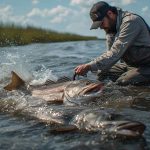
Paddlefish are another rare catch. Found in the Wisconsin River and Mississippi River backwaters, they’re filter feeders and must be snagged (not hooked in the mouth). Special permits and harvest tags are required, and opportunities are extremely limited.
Lake Michigan and Superior salmon and trout fisheries are managed jointly with other Great Lakes states. Chinook salmon, coho salmon, and lake trout are all stocked heavily, and fishing them from charter boats or piers is a summertime tradition. These fisheries require a Great Lakes Salmon & Trout Stamp in addition to your standard license.
Certain trout streams are classified as Class I (natural reproduction) or Class II (maintained by stocking), with different harvest rules. Some are designated as “Wis-Trout” streams, allowing year-round catch-and-release with artificial lures only. These special regulations are clearly posted and listed in the annual fishing regulations guide.
🐠 Everyday Fish & Panfish Opportunities
| Species | Creel Limit Style | Common Habitat |
|---|---|---|
| Bluegill | Daily bag (typically 25) | Weedy bays, shallow flats |
| Black Crappie | Daily bag (typically 25) | Brush piles, submerged trees |
| Yellow Perch | Daily bag (typically 10–50 depending on lake) | Open water, reefs, weed edges |
| Rock Bass | Daily bag (often 25) | Rocky shorelines, rivers |
| White Bass | Daily bag (often 25) | River systems, open lake basins |
| Pumpkinseed | Daily bag (same as bluegill) | Shallow, vegetated areas |
Panfish are the backbone of Wisconsin’s family fishing culture. They’re abundant, bite readily, and make excellent table fare. Ice fishing for bluegills and crappies is a winter staple, while summer dockside panfishing with kids is a rite of passage. Limits are generous but enforceable—keeping hundreds of fish is both illegal and harmful to fisheries. Practice selective harvest: keep a meal’s worth, release the rest.
🏞️ Stocked Waters & Management Programs
Wisconsin’s Department of Natural Resources operates one of the most robust stocking programs in the Midwest. Each year, millions of fish are raised and released into public waters to supplement natural reproduction, create new fishing opportunities, and restore native species.
- Trout stocking: Both spring and fall plants occur in streams and lakes. Many urban parks have trout ponds stocked specifically for youth and family fishing events.
- Walleye fingerlings: Stocked in lakes with declining natural reproduction to maintain fishable populations.
- Muskellunge: Stocking supports naturally reproducing populations and creates fisheries in lakes that wouldn’t otherwise support them.
- Salmon and steelhead: Great Lakes tributaries are stocked annually to maintain the trophy fisheries that draw thousands of anglers.
The Wisconsin Fish Stocking Report is available online through the DNR. You can search by county, waterbody, or species to see exactly what was stocked and when. This is especially useful for targeting recently stocked trout in streams, where fishing pressure can be high immediately after plants.
Many urban fishing ponds are stocked regularly to provide accessible opportunities near cities like Madison, Green Bay, and Eau Claire. These spots are perfect for beginners and require no boat, no long drive, and minimal gear.
🌍 Access Rules: Public vs Private Waterways
- Navigable waters are public: In Wisconsin, if a waterbody is legally navigable, the water itself and the land below the ordinary high-water mark are public trust resources. This means you can wade, boat, and fish there—even if the shoreline is privately owned.
- Entry points matter: You cannot cross private land to reach public water without permission. Use designated public access sites, boat launches, or bridges. The DNR maintains hundreds of public landings, many with parking, docks, and restroom facilities.
- Respect boundaries: Even though you can fish navigable water, stepping onto private docks, lawns, or beaches without permission is trespassing. If you’re unsure, ask or move along.
- Stream access: Wisconsin’s stream access laws are complex. Generally, if a stream is navigable, you can walk the streambed even through private property, but entering the streambanks above the waterline may not be allowed. When in doubt, stick to public land or get landowner permission.
- Signage and markers: Look for “Public Fishing Rights” signs, DNR easements, and marked boundaries. County and state parks often have dedicated fishing piers and trails.
Understanding access prevents conflicts and ensures Wisconsin’s waters remain open to everyone. Many local fishing groups and conservation organizations work with landowners to create and maintain public easements—support them if you can.
🎟️ Wisconsin Fishing License Overview
- Who needs a license? Anyone age 16 or older must have a valid Wisconsin fishing license to fish in the state. Exceptions exist for certain disabled veterans, residents fishing on their own land, and during Free Fishing Weekend (typically in January).
- Resident vs. non-resident: Wisconsin residents pay significantly less. Residency is determined by where you live and intend to remain. If you’re a student, active military, or seasonal visitor, specific rules apply—check with the DNR.
- Youth anglers: Kids under 16 can fish without a license, but they must follow all size, bag, and season regulations.
- Short-term licenses: Visitors can purchase 1-day, 4-day, or 15-day licenses. These are affordable and ideal if you’re just passing through or trying out Wisconsin fishing for the first time.
- Special stamps and endorsements: Depending on what and where you fish, you may need additional stamps:
- Great Lakes Salmon & Trout Stamp (if targeting these species in Lake Michigan or Superior)
- Inland Trout Stamp (if fishing streams or inland trout lakes)
- Two-line permit (allows you to fish with two rods simultaneously while ice fishing)
- Where to buy: Licenses are available online through the Wisconsin DNR website, at sporting goods stores, bait shops, and many gas stations. Keep your license (physical or digital) with you while fishing—game wardens do check, and fines for fishing without a license are steep.
- Why it matters: License fees fund fish stocking, habitat restoration, public access improvements, and enforcement. When you buy a license, you’re directly supporting the fisheries you love.
❓ Angler FAQs
Can I fish the same day I buy my license?
Absolutely. Your license is valid immediately upon purchase, so if you buy it online at 6 a.m., you can be casting by 6:15 a.m.
What happens if I catch a fish during closed season by accident?
If you’re targeting legal species and accidentally catch a fish that’s out of season (say, a bass in April while panfishing), you must release it immediately and unharmed. Don’t remove it from the water if possible. Keeping it—even unintentionally—is a violation.
Are there any waters that are off-limits entirely?
Yes. Some lakes and streams are designated as research waters or closed to protect spawning areas. These are clearly marked and listed in the regulations. Additionally, certain private lakes are not open to public fishing unless you have permission from the landowner.
Can I eat the fish I catch?
Generally, yes—but be aware of consumption advisories. Industrial pollution and naturally occurring mercury mean some fish from certain waters should be eaten sparingly, especially by pregnant women and children. The Wisconsin DNR publishes a “Choose Wisely” guide that details which fish from which waters are safest to eat. Panfish and trout are usually safer bets than large, old predators like northern pike or walleye from contaminated waters.
How do I know which lakes have special regulations?
The annual Wisconsin Fishing Regulations booklet (available as a PDF online) includes a section detailing every waterbody with unique rules. Before fishing any new lake, search for its name in the booklet or use the DNR’s Surface Water Viewer online tool.
Is bowfishing legal in Wisconsin?
Yes, for certain species during specific times. You can bowfish for rough fish like carp, gar, suckers, and buffalo year-round. Some game fish can also be taken by bow during their open seasons, but restrictions apply. A fishing license (and sometimes an archery license) is required.
What should I do if I see someone violating fishing regulations?
Report it. Wisconsin has a “Tip DNR” hotline (1-800-TIP-WDNR) where you can anonymously report poaching, illegal harvest, and other violations. Violations harm fish populations and cheat honest anglers—reporting them protects the resource.
🗺️ Where to Fish This Year
Wisconsin’s sheer variety of waters means you can fish a different lake every week for years and still not scratch the surface. If you’re looking for iconic destinations, start with the Wisconsin River—over 400 miles of flowing water offering smallmouth bass, walleye, muskie, and catfish. Its lower pools are quiet and scenic, perfect for canoe-based fishing trips.
Head north to the Boulder Junction area (often called the “Musky Capital”) where you’ll find the Manitowish Chain, Trout Lake, and countless others. These are classic Northwoods lakes with deep, clear water, rocky shorelines, and a serious muskie pedigree. Don’t expect easy fishing, but do expect the chance at a true trophy.
For family-friendly access, try Lake Kegonsa State Park near Madison or Governor Dodge State Park in the Driftless Area. Both have easy shore access, well-stocked panfish populations, and amenities like picnic areas and playgrounds. These are no-stress, high-reward environments ideal for kids and first-timers.
If you want to experience the Great Lakes, explore the Apostle Islands region on Lake Superior. Smallmouth bass, lake trout, and splake (a brook trout-lake trout hybrid) roam the rocky shorelines and drop-offs. Kayak fishing here is otherworldly—clear water, dramatic cliffs, and fish that have rarely seen a lure.
The Wisconsin DNR’s Lake Finder and Trout Stream Maps are invaluable tools. They include depth contours, public access points, stocking records, and special regulations. Many are available as mobile apps, so you can navigate unfamiliar waters with confidence.
For those traveling from neighboring states, consider exploring Minnesota fishing regulations or heading south to compare opportunities in Illinois fishing regulations if you’re planning cross-border adventures.
✅ Final Thoughts
Wisconsin’s 2026 fishing season offers everything from the quiet solitude of a spring creek to the adrenaline rush of a muskie boat. Walleye season opens the first Saturday in May, kicking off months of prime angling. Bass, northern pike, and panfish follow the same opener, while muskie season begins later in May, running through the end of November. Trout streams open simultaneously in early May and close by September 30, though many lakes offer year-round trout fishing.
Possession limits, size restrictions, and seasonal closures exist for one reason: to ensure Wisconsin remains a world-class fishery for generations. Whether you’re keeping a limit of bluegills for a family fish fry or releasing a 50-inch muskie to grow even larger, you’re part of a conservation legacy that started over a century ago.
Pick up your fishing license, grab a copy of the current regulations (free online through the Wisconsin Department of Natural Resources), and get out there. The opener is circled on the calendar. Your line is spooled. The lakes are calling. 🎣

- Wyoming Fishing Regulations 2026: State Rules & Management Areas - February 16, 2026
- Wisconsin Fishing Regulations by Zone 2026: Seasons & Size Limits - February 16, 2026
- West Virginia Fishing Regulations 2026: Stream & Lake Rules - February 16, 2026