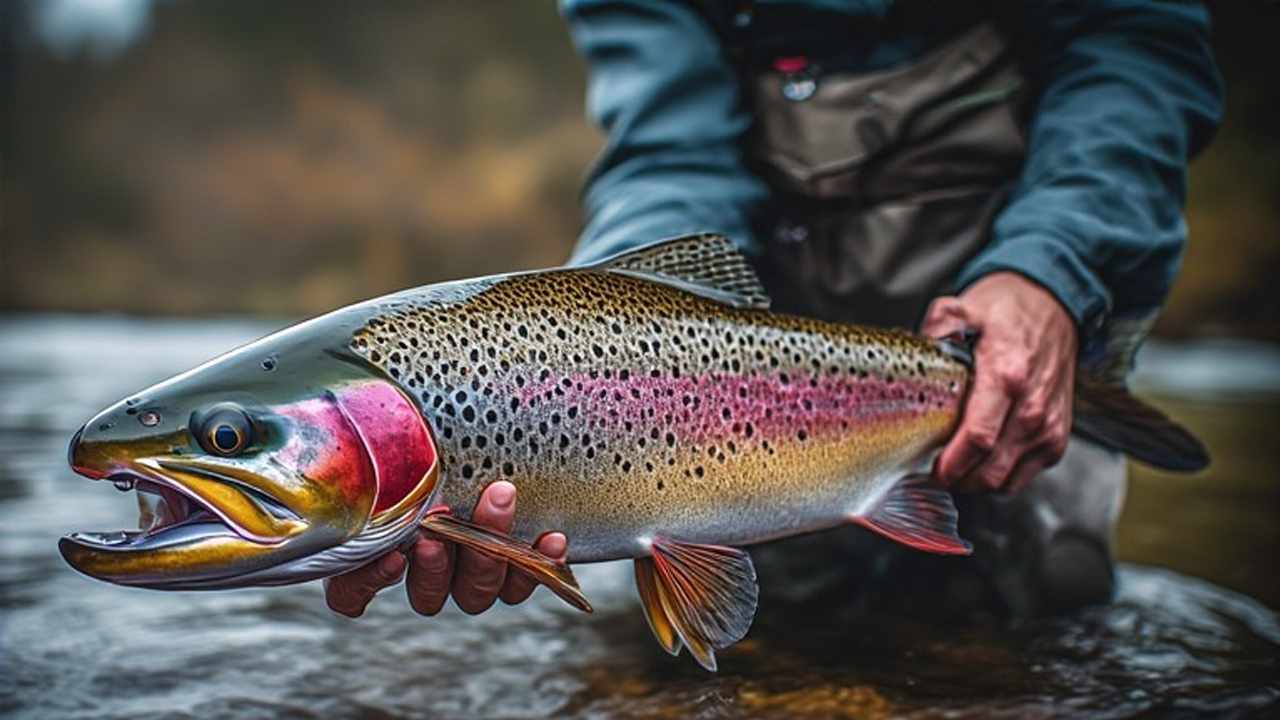
In Delaware, fishing isn’t just a pastime—it’s a year-round invitation to explore tidal marshes, freshwater ponds, and everything in between. Whether you’re a first-timer baiting a hook at Lums Pond or a seasoned angler targeting stripers in the Delaware Bay, understanding the state’s angling seasons and possession limits keeps your experience both legal and fulfilling.
Delaware may be the second-smallest state, but its fishing opportunities punch well above its weight. From the Atlantic coastline to quiet farm ponds, the First State offers diverse fisheries managed with conservation in mind. In 2026, updated regulations reflect ongoing efforts to balance robust fish populations with public access. Licensing is straightforward, enforcement is friendly but firm, and the state genuinely welcomes visiting anglers. Let’s dive into what’s biting, when you can catch it, and where to cast your line this year.
🗓️ Complete Delaware Fishing Season Dates 2026
| Species | Season Opens | Season Closes | Notes |
|---|---|---|---|
| Largemouth Bass | Year-Round | Year-Round | Size and creel limits vary by water body |
| Smallmouth Bass | Year-Round | Year-Round | Check local pond-specific rules |
| Trout (Stocked Waters) | March 1, 2026 | October 31, 2026 | Extended season in select streams |
| Chain Pickerel | Year-Round | Year-Round | No closed season; possession limits apply |
| Northern Pike | Year-Round | Year-Round | Rare but legal; found in larger reservoirs |
| Channel Catfish | Year-Round | Year-Round | Popular in farm ponds and rivers |
| Bluegill & Sunfish | Year-Round | Year-Round | Family-friendly; high bag limits |
| Crappie | Year-Round | Year-Round | Spring spawning offers peak action |
| Yellow Perch | Year-Round | Year-Round | Excellent ice fishing in northern ponds |
| Striped Bass (Freshwater) | April 1, 2026 | December 31, 2026 | Slot limits protect spawning stock |
| American Shad | March 15, 2026 | May 31, 2026 | Catch-and-release only on spawning runs |
| Walleye | Year-Round | Year-Round | Limited distribution; check size rules |
🌅 Seasonal Fishing Breakdown
Early Spring (March–May)
Spring awakens Delaware’s waterways with a burst of activity. Trout stockings begin in earnest as hatchery trucks deposit rainbows and browns into designated creeks and ponds. Expect crowds at popular spots like Wilson Run and White Clay Creek during opening weekend, but mid-week trips reward patient anglers with solitude and willing fish. Bass begin staging near spawning flats as water temperatures climb into the 50s—sight-fishing becomes possible in clear farm ponds. Shad runs peak in April along the Christina River, offering fast-paced action for spin and fly fishermen alike. Remember: shad fishing is strictly catch-and-release to protect this historic migration.
Peak Summer (June–August)
Summer shifts the focus to early mornings and late evenings when heat pushes fish deeper or into shaded structure. Bass fishing thrives around submerged timber, docks, and weed lines—topwater lures at sunrise can produce explosive strikes. Catfish prowl river channels and deeper pond holes, eagerly taking cut bait and prepared dough baits. Panfish like bluegill and redear sunfish guard beds near shoreline vegetation, making them perfect targets for kids and beginners. If you’re chasing larger game, striped bass in the Chesapeake & Delaware Canal offer hard-fighting excitement, especially during twilight hours. Hydration and sun protection matter as much as bait selection during Delaware’s humid summers.
Fall Transition (September–November)
Autumn transforms Delaware’s landscape and its fisheries. Cooling water temperatures trigger feeding frenzies as fish bulk up before winter. Bass fishing reaches a second peak—crankbaits and jerkbaits worked along rocky points produce hefty largemouths and smallmouths. Trout fishing remains productive through October in streams with extended seasons, and stocked ponds receive fall trout plants for late-season opportunities. Chain pickerel become more aggressive, ambushing baitfish in weedy shallows. The foliage adds stunning backdrops to every cast, and reduced angler pressure means you’ll often have prime spots to yourself. Fall is arguably Delaware’s most underrated fishing season.
Winter (December–February)
Winter fishing in Delaware requires patience but delivers rewards for those who brave the cold. Yellow perch congregate in deeper sections of ponds like Becks Pond and Trap Pond, accessible to ice fishermen during hard freezes (though safe ice is unpredictable and requires caution). Channel catfish remain active in rivers and deeper impoundments, especially during mild spells. Pike and pickerel prowl beneath lily pad mats and fallen timber. Many anglers overlook winter entirely, which means uncrowded waters and fish that haven’t seen lures in months. Dress in layers, pack hand warmers, and adjust your retrieve to match lethargic cold-water behavior.
🐟 Game Fish Anglers Target Most
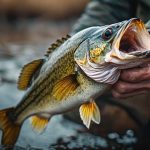
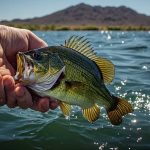
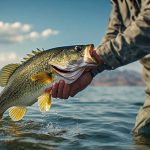
Largemouth Bass: Delaware’s signature sportfish thrives in virtually every pond, lake, and slow-moving river section. Peak action occurs in spring when bass move shallow to spawn, and again in fall when they feed aggressively before winter. Most waters enforce a 12 or 15-inch minimum size limit with daily possession caps around five fish. Urban ponds like Brandywine Park offer surprising quality fishing within city limits, while larger reservoirs like Lums Pond and Killens Pond State Park produce trophy-class specimens exceeding five pounds.
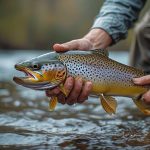
Trout (Rainbow & Brown): Stocked trout fisheries define spring and fall angling across Delaware. The Division of Fish & Wildlife releases thousands of catchable-size rainbows and browns into designated streams and ponds between March and November. White Clay Creek, Wilson Run, and Brandywine Creek receive heavy stocking and attract devoted followings. Possession limits typically range from four to six trout daily, with some waters implementing catch-and-release or single-hook artificial lure restrictions. Holdover trout occasionally survive Delaware summers in spring-fed stretches, rewarding anglers who explore beyond opening day crowds.
Chain Pickerel: Often overlooked, chain pickerel provide explosive strikes and hard runs in weedy ponds and tidal creeks. These toothy predators hit topwater lures, spinnerbaits, and live minnows with reckless abandon. They’re abundant in backwaters of the Nanticoke River and throughout Sussex County farm ponds. No closed season applies, and generous creel limits make them accessible for anglers of all skill levels. Their willingness to bite even in cold water makes them a go-to species when bass and panfish shut down.
Striped Bass (Freshwater): Landlocked stripers inhabit the Chesapeake & Delaware Canal and select freshwater impoundments where they’re stocked as hybrids. These powerful fish challenge anglers with blistering runs and aerial displays. Spring and fall migrations concentrate fish near canal locks and tributary mouths. Delaware enforces slot limits—typically one fish between 20–25 inches and one over 28 inches—to protect breeding populations. Live eels, swimbaits, and trolled plugs produce consistent results during peak seasons.
🦞 Regulated or Special-Permit Fisheries
Delaware manages certain fisheries with extra care to ensure long-term sustainability. American shad epitomize this approach—once decimated by overfishing and habitat loss, shad now benefit from strict catch-and-release regulations during their spring spawning runs up the Christina and Brandywine. Anglers can target these silver torpedoes using shad darts and small spoons, but every fish must return to the water immediately.
Striped bass face complex regulations varying by water body and size class. The Chesapeake & Delaware Canal implements slot limits designed to protect both juvenile recruitment and mature spawning females. Special tagging programs help biologists track migration patterns and population health. Anglers targeting stripers should consult current guides closely—possession limits and size windows change based on stock assessments.
Some urban fishing ponds operate under youth-only or mentored-youth rules, reserving these accessible waters for anglers under 16 accompanied by non-fishing adults. These programs introduce the next generation to angling in controlled, high-success environments. Respect these designations—they’re investments in Delaware’s fishing future.
🐠 Everyday Fish & Panfish Opportunities
| Species | Typical Creel Limit | Where to Find Them |
|---|---|---|
| Bluegill | 25 per day | Farm ponds, state park lakes, tidal creeks |
| Redear Sunfish | Combined with bluegill limit | Deeper ponds with sandy bottoms |
| Black Crappie | 10 per day | Submerged brush piles, dock pilings |
| White Crappie | 10 per day | Rivers, canal sections with current breaks |
| Yellow Perch | 25 per day | Larger ponds, winter ice fishing destinations |
| White Perch | 25 per day | Tidal rivers, brackish marshes |
| Rock Bass | No specific limit | Rocky streams, canal riprap |
Panfish represent Delaware’s most accessible fishing. These species reproduce prolifically, tolerate diverse habitats, and bite readily on simple presentations like worms, crickets, and small jigs. They’re ideal for teaching children the fundamentals of angling—bite detection, hook setting, and fish handling. Many state park lakes maintain fishing piers and shoreline access designed specifically for panfish enthusiasts. The generous creel limits reflect healthy populations that can sustain harvest while maintaining ecological balance.
🏞️ Stocked Waters & Management Programs
Delaware’s Division of Fish & Wildlife operates an ambitious stocking program that transforms ordinary waters into premier fishing destinations. Each spring and fall, hatchery-raised rainbow and brown trout arrive at designated streams and ponds throughout New Castle and Kent counties. Stocking schedules get published online weekly, allowing anglers to plan trips around fresh fish arrivals.
Lums Pond State Park receives heavy trout plants and also benefits from channel catfish stockings that create summer fishing opportunities when trout slow down. Killens Pond State Park similarly sees multi-species stockings that support diverse angler interests. Urban ponds like Brandywine Park and Alapocas Run State Park bring quality fishing to Wilmington residents without requiring long drives.
The state also maintains a youth fishing education program that stocks small ponds exclusively for kids’ fishing events. These supervised outings teach angling ethics, fish identification, and basic techniques in fun, pressure-free environments. Special “First State Fishing” clinics occur throughout the season at state parks—equipment provided, no license required.
For current stocking updates and schedules, Delaware maintains an online stocking report that updates weekly during peak season. Checking this resource before your trip can mean the difference between slow fishing and a cooler full of fresh-stocked trout.
🌍 Access Rules: Public vs Private Waterways
- Public Waters: Delaware offers extensive public fishing access through state parks, wildlife management areas, and designated roadside pull-offs. State parks charge modest daily or annual entrance fees, but these support facility maintenance and habitat improvements. Wildlife areas generally offer free access but may have limited amenities—pack out what you pack in.
- Tidal Waters: Most tidal rivers, creeks, and marshes allow public access below the high-tide line, even when adjacent land is privately owned. This means shoreline fishing along tidal sections remains legal, but crossing private property to reach that shoreline is not. Use designated boat ramps and public landings.
- Private Ponds: Delaware’s countryside is dotted with farm ponds, many of which hold excellent bass and panfish populations. Always ask permission before fishing private water—most landowners appreciate respectful requests and may grant access to polite anglers. Trespassing damages relationships and leads to posted signs that close future opportunities.
- Navigable Waterways: Rivers and streams deemed navigable for commerce allow public passage by boat, but anglers cannot trespass across private riparian land without permission. Know your access points and respect boundary markers.
- Signage Compliance: Posted signs indicating “No Trespassing,” “Private Water,” or “Permission Required” must be obeyed. Violating property rights gives all anglers a bad reputation and invites stricter regulations.
🎟️ Delaware Fishing License Overview
- Who Needs a License: Anyone age 16 and older fishing in Delaware’s freshwater or tidal waters must possess a valid fishing license. This includes catch-and-release fishing—even if you don’t keep fish, the license requirement applies.
- Resident vs Non-Resident: Delaware residents enjoy lower license fees compared to out-of-state visitors. Residency requires proof of Delaware domicile (driver’s license, utility bill, etc.). Non-residents pay higher fees but gain access to the same waters and seasons as residents.
- Youth Exemptions: Anglers under 16 fish license-free in all Delaware waters, though they must still follow possession limits and size restrictions. This exemption encourages family fishing and introduces young people to the sport without financial barriers.
- Short-Term Licenses: Visitors planning brief trips can purchase 7-day licenses at reduced rates compared to annual licenses. These temporary permits provide full fishing privileges and make sense for tourists or anglers testing Delaware’s waters before committing to a full season.
- Trout Stamp: Some stocked trout waters require an additional trout stamp beyond the base fishing license. This stamp funds hatchery operations, stocking programs, and stream habitat improvements. Check current regulations to determine if your target waters require this endorsement.
- Senior and Military Discounts: Delaware offers reduced-fee or free licenses to qualifying senior residents and disabled veterans. These programs recognize service and ensure fishing remains accessible regardless of income.
- Where to Buy: Licenses are available online through Delaware’s Fish & Wildlife website, by phone, and at authorized retailers including sporting goods stores, bait shops, and some state park offices. Online purchases print immediately, eliminating waiting periods.
If you’re curious about angling regulations in neighboring states, checking out resources on Connecticut’s freshwater fishing rules or exploring California’s diverse fishing opportunities can provide helpful comparisons and trip-planning ideas for multi-state angling adventures.
❓ Angler FAQs
Can I fish in Delaware without a boat?
Absolutely. Delaware excels at shoreline access. State parks feature fishing piers, and many ponds have cleared banks perfect for casting. Tidal creeks offer endless wade-fishing opportunities. Bank anglers catch just as many fish as boaters—sometimes more, since you’re quieter and less intrusive.
What’s the best time of day to fish Delaware waters?
Early morning and late evening consistently produce the best action, especially during summer heat. Dawn and dusk trigger feeding activity across species. However, overcast days extend prime fishing hours, and winter fishing often peaks during midday warmth. Match your timing to the season and target species.
Do I need special gear for Delaware fishing?
Not really. A medium-action spinning rod with 8–12 pound test line handles bass, pickerel, and most panfish. If targeting stocked trout, lighter 4–6 pound line increases bites. For striped bass in the canal, step up to medium-heavy gear and 15–20 pound line. Delaware fishing rewards versatility over specialization.
Are there any waters where fishing is prohibited year-round?
Certain private waters, water supply reservoirs, and designated waterfowl sanctuaries prohibit fishing to protect water quality or nesting habitat. These closures are clearly posted. Public waters managed by Fish & Wildlife remain open unless temporary advisories close them for environmental concerns or stocking operations.
How often do regulations change?
Delaware reviews and updates fishing regulations annually, with changes typically announced in late winter before the spring season. Major regulation overhauls are rare, but possession limits, size restrictions, and season dates can shift based on population surveys and management goals. Always check current guides before fishing.
Can I keep fish I catch, or is catch-and-release required?
Most Delaware waters allow harvest within specified creel limits and size ranges. Only special fisheries like shad runs or certain urban ponds require catch-and-release. Practice selective harvest—keep a few for the table, release the rest to maintain healthy populations and future fishing quality.
What should I do if I catch an invasive species?
Do not release invasive fish back into the water. Species like northern snakehead occasionally appear in Delaware waterways. If you catch one, kill it humanely, photograph it, note the location, and report it to Delaware Fish & Wildlife. Your vigilance protects native ecosystems.
For anglers interested in exploring fishing opportunities beyond the First State, the Delaware Division of Fish & Wildlife provides comprehensive resources, while Take Me Fishing’s Delaware guide offers additional tips and family-friendly fishing locations.
🗺️ Where to Fish This Year
Delaware packs incredible variety into its compact geography. Lums Pond State Park reigns as the state’s largest freshwater pond, offering bass, catfish, crappie, and stocked trout. Its 200+ acres provide boat ramps, kayak rentals, and miles of fishable shoreline. Spring and fall bring the best action, but summer evenings reward patient anglers with topwater bass explosions.
Head south to Killens Pond State Park, where cypress trees draped in Spanish moss create a Southern atmosphere unique in Delaware. The pond’s dark tannin-stained water holds bass, pickerel, catfish, and panfish. Paddle the quiet coves in a kayak for an intimate fishing experience far removed from urban hustle.
White Clay Creek defines Delaware trout fishing. This designated scenic river receives heavy stocking and features public access points throughout its length. Wading anglers work pocket water behind boulders, while spin fishermen target deeper runs and pools. The creek’s natural beauty rivals the fishing quality—it’s a place to slow down and savor each cast.
For something different, explore the Chesapeake & Delaware Canal. This engineered waterway connects two great bays and hosts striped bass, white perch, catfish, and even occasional cobia. Bank fishing spots dot the entire canal length, and boat anglers troll the channel for stripers during migration periods. It’s big-water fishing with ocean-run potential right in Delaware’s backyard.
Trap Pond State Park offers the northernmost naturally occurring bald cypress swamp in the United States. Beyond its ecological significance, the pond provides excellent fishing for chain pickerel, bass, and panfish. Paddle through the cypress forest, casting into shadowy channels where pickerel ambush prey. It’s a fishing adventure that feels more Louisiana than Delaware.
Check Delaware’s official fishing access map for detailed launch locations, parking areas, and facility information before your trip.
✅ Final Thoughts
Delaware’s 2026 fishing landscape offers something for every angler willing to explore. From the March 1 trout opener that kicks off spring to year-round bass and panfish opportunities, the First State rewards those who respect its regulations and embrace its diverse waters. Key rules to remember: trout season runs March 1–October 31 in most stocked waters, shad remain catch-and-release from March 15–May 31, and striped bass face slot limits protecting breeding populations. Bass, pickerel, catfish, and panfish provide year-round action with generous possession limits designed to sustain both harvest and healthy populations.
Licensing is straightforward—residents and non-residents alike can purchase online instantly, and youth under 16 fish free. Whether you’re casting for stocked rainbows in White Clay Creek, chasing trophy largemouths at Lums Pond, or introducing your kids to fishing on a state park pier, Delaware’s conservation-minded management ensures quality fishing experiences today and into the future. Tight lines, respect the resource, and discover why the First State’s fishing scene deserves more than a second look.

- Wyoming Fishing Regulations 2026: State Rules & Management Areas - February 16, 2026
- Wisconsin Fishing Regulations by Zone 2026: Seasons & Size Limits - February 16, 2026
- West Virginia Fishing Regulations 2026: Stream & Lake Rules - February 16, 2026