South Dakota’s fishing landscape transforms dramatically with each passing season, offering anglers a constantly evolving palette of opportunities—from trout-filled mountain streams to sprawling Missouri River reservoirs teeming with pike and bass.
Whether you’re a visitor planning your first angling adventure in the Mount Rushmore State or a local looking to maximize your time on the water, understanding the rhythm of South Dakota’s fishing calendar makes all the difference. The state’s diverse waterways—ranging from glacial lakes in the northeast to tailwater fisheries along major dams—support an impressive variety of species under carefully managed regulations designed to balance recreation with conservation.
Getting your license sorted early, familiarizing yourself with possession limits, and knowing which waters offer the best action during different times of year will set you up for success. South Dakota’s approach to fisheries management emphasizes accessibility, sustainability, and creating memorable experiences for families and serious anglers alike.
🗓️ Complete South Dakota Fishing Season Dates 2026
| Species | Season Opens | Season Closes | Special Notes |
|---|---|---|---|
| Walleye & Sauger | January 1 | December 31 | Year-round; daily limits vary by water body |
| Northern Pike | January 1 | December 31 | Open all year; check specific lake regulations |
| Largemouth & Smallmouth Bass | May 15 | December 31 | Catch-and-release only until mid-May opener |
| Black Crappie & White Crappie | January 1 | December 31 | No closed season; creel limits enforced |
| Yellow Perch | January 1 | December 31 | Popular ice fishing target in winter |
| Channel Catfish & Flathead Catfish | January 1 | December 31 | Best action June through September |
| Trout (Stream) | April 1 | March 31, 2027 | Most mountain streams; special regs on select waters |
| Trout (Lakes) | January 1 | December 31 | Stocked lakes open year-round |
| Paddlefish | Mid-May | Late May | Limited season; snagging only in designated areas |
| Lake Sturgeon | Closed | Closed | Catch-and-release only; immediate release required |
Note: Always verify water-specific regulations before heading out, as some reservoirs and managed fisheries have unique creel rules or seasonal adjustments.
🌅 Seasonal Fishing Breakdown: When South Dakota Waters Come Alive
Early Spring: Ice-Out to Mid-May 🌱
As frozen lakes begin to crack and retreat, South Dakota enters one of its most dynamic angling periods. This is when predator fish emerge from their winter lethargy, moving into warming shallows to feed aggressively before spawning. Walleye fishing hits its stride during this window—anglers flock to places like Lake Oahe and Angostura Reservoir, working jigs and live bait near rocky points and emerging weed lines.
Trout anglers also have reason to celebrate, as April 1 marks the traditional opener for many Black Hills trout streams. Spring Creek, Spearfish Creek, and Rapid Creek become bustling with fly fishers and spin casters chasing freshly stocked rainbows and wild browns. The water runs cold and clear, requiring stealth and precision, but the rewards are well worth the effort.
Keep in mind that bass fishing during this period falls under catch-and-release rules until the mid-May opener, allowing these popular game fish to complete their spawning cycle undisturbed. It’s a conservation measure that helps sustain healthy populations for years to come.
Peak Summer: June Through August ☀️
Summer transforms South Dakota into a haven for warm-water species. With water temperatures climbing into the 70s, fish activity reaches its zenith. This is prime time for largemouth and smallmouth bass in the state’s countless prairie lakes and Missouri River impoundments. Topwater lures at dawn, crankbaits during midday structure fishing, and soft plastics at dusk all produce consistent results.
Catfish enthusiasts enjoy some of the year’s best action during these months. Channel cats cruise shallow flats at night, while flatheads lurk in deeper river channels and beneath submerged logs. Night fishing becomes a ritual for many South Dakota anglers, with stink bait and fresh-cut shad bringing steady bites.
Northern pike remain active throughout summer, particularly in the state’s glacial lakes and sprawling reservoirs. They’re ambush predators that favor weed edges and submerged timber—perfect targets for spinnerbaits and large swimbaits. Possession limits tend to be generous, making pike a great option for anglers looking to bring home a meal.
Don’t overlook panfish during this season. Bluegill, crappie, and perch school up around docks, brush piles, and rocky shorelines, providing nonstop action for families and young anglers learning the ropes.
Fall Transition: September Through November 🍂
As daylight hours shrink and water temperatures begin their gradual descent, fish enter a feeding frenzy to bulk up before winter. This often translates to some of the year’s most productive angling. Walleye, in particular, become more aggressive, staging on main-lake points and humps as they follow baitfish migrations.
Fall is also an underrated time for trout fishing in South Dakota’s mountain streams and tailwaters. Brown trout begin their spawning runs, moving into tributaries and gravel-bottomed riffles. Anglers targeting these fish should exercise caution and practice ethical catch-and-release to protect spawning fish, but the opportunity to encounter trophy-sized browns is unmatched.
Bass fishing remains viable well into October, with fish continuing to feed heavily before the cold sets in. Transition zones where shallow flats meet deeper water become magnets for bass chasing schools of shad and shiners.
Winter: December Through March ❄️
Ice fishing culture runs deep in South Dakota, where frozen lakes become bustling communities of anglers huddled over tip-ups and jigging rods. Walleye, perch, crappie, and pike all remain active beneath the ice, particularly during low-light periods at dawn and dusk. Lakes like Bitter Lake, Enemy Swim Lake, and sections of the Missouri River reservoirs become winter fishing hotspots.
Safety is paramount during this season—ice thickness should be at least four inches for foot traffic and significantly more for vehicles. Many anglers invest in portable shelters, sonar units, and ice augers to maximize their success and comfort on the frozen water.
Trout lakes that remain open through winter also provide opportunities for anglers willing to brave the cold. These fisheries often see less pressure during the winter months, giving those who venture out a chance at larger, less wary fish.
🐟 Game Fish Anglers Target Most
Walleye: The Golden Standard
Ask any South Dakota angler what they’re chasing, and chances are good they’ll say walleye. These prized fish inhabit the state’s major reservoirs—Lake Oahe, Lake Sharpe, Lake Francis Case—and offer excellent table fare combined with challenging, tactical fishing. Peak activity occurs during spring and fall, though summer night fishing can be equally productive.
Typical possession limits allow for reasonable harvest while maintaining sustainable populations, and many anglers practice selective harvest, keeping mid-sized fish and releasing larger spawners. Jigs tipped with minnows, trolled spinner rigs, and crankbaits worked along rocky structure all produce consistent results.
Bass: A Growing Obsession
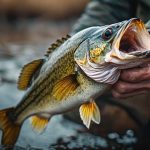
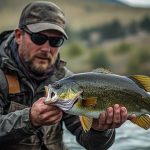
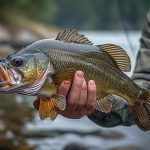
Both largemouth and smallmouth bass have gained a devoted following in South Dakota, particularly as the state’s bass fisheries continue to improve through habitat enhancement and stocking efforts. Smallmouth thrive in the cooler, rockier sections of reservoirs and rivers, offering acrobatic fights that test an angler’s skill. Largemouth dominate weedy lakes, farm ponds, and slower river backwaters.
The mid-May opener creates pent-up anticipation, and anglers hit the water in droves once the season kicks off. Creel limits are designed to encourage catch-and-release for larger specimens while allowing anglers to harvest a few fish for the table.
Northern Pike: The Aggressive Predator
Pike fishing in South Dakota is as exciting as it gets—these toothy predators strike with explosive force and put up relentless battles. They’re found throughout the state’s lakes and reservoirs, with some waters producing fish exceeding 20 pounds. Because pike reproduce prolifically, possession limits tend to be more liberal, making them an excellent choice for anglers looking to fill a cooler.
Weed edges, drop-offs, and submerged timber serve as prime ambush points. Large spoons, in-line spinners, and soft plastic swimbaits all work well, though anglers should be prepared with wire leaders to prevent bite-offs.
Trout: Mountain Jewels
South Dakota’s Black Hills region offers a trout fishing experience distinct from the state’s warm-water fisheries. Cold, clear streams flow through pine-studded canyons, holding populations of rainbow, brown, and brook trout. Some waters are sustained by natural reproduction, while others depend on regular stocking from state hatcheries.
Fly fishing is particularly popular here, with dry flies, nymphs, and streamers all producing takes depending on the season and hatch activity. Spin anglers do well with small spinners, spoons, and live bait like worms or salmon eggs. Size and possession limits vary by water, with some designated as catch-and-release or artificial-lure-only to protect wild populations.
Catfish: The Summer Staple
Channel catfish and flathead catfish provide reliable action during the warm months, particularly in rivers, reservoirs, and farm ponds. Channel cats are the more common of the two and tend to roam in schools, while flatheads are solitary giants that prefer deep holes and heavy cover.
Both species are open year-round, though summer nights are when they’re most active. Cut bait, stink bait, live minnows, and even prepared dough baits all attract catfish. They’re also among the most forgiving species for beginners, making them ideal targets for family fishing outings.
🦞 Regulated or Special-Permit Fisheries
Paddlefish: A Prehistoric Pursuit
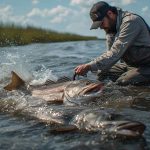
South Dakota’s paddlefish season is one of the most unique angling opportunities in the United States. These ancient, filter-feeding fish are pursued using a technique called snagging, where weighted treble hooks are cast and jerked through the water to hook fish externally. The season runs for a brief window in late May along designated stretches of the Missouri River, and a special snagging permit is required in addition to a standard fishing license.
Because paddlefish populations are carefully monitored, harvest limits are strictly enforced, and all fish must be registered with state authorities. This is as much a cultural event as a fishing trip, with anglers camping along riverbanks and sharing stories around fires while waiting for their turn on the water.
Lake Sturgeon: Catch and Immediate Release
Lake sturgeon are a protected species in South Dakota, and all fish must be released immediately if accidentally caught. These prehistoric giants can live for decades and reach impressive sizes, but their populations are fragile due to historical overharvest and habitat loss. Anglers who encounter sturgeon are encouraged to handle them carefully, minimize air exposure, and report sightings to state fisheries biologists.
Special Regulation Waters
Several South Dakota lakes and streams operate under unique rules designed to improve fish quality or protect sensitive habitats. These might include:
- Artificial lure or fly-only restrictions on select trout streams
- Slot limits on certain bass lakes, requiring the release of fish within a specific size range
- Reduced creel limits on trophy fisheries
- Seasonal closures during spawning periods for specific species
Always consult the state’s official angling handbook or website before fishing unfamiliar waters to ensure compliance. These special regulations exist to create better fishing for everyone, and respecting them is part of being a responsible angler.
🐠 Everyday Fish & Panfish Opportunities
| Species | Typical Creel Approach | Where to Find Them |
|---|---|---|
| Bluegill | Liberal daily limits | Warm ponds, weedy lake edges, around docks |
| Black Crappie | Moderate daily limits | Submerged brush, marina areas, deep basins |
| Yellow Perch | Generous limits | Open water schools, rocky points, ice fishing hotspots |
| White Bass | High daily limits | Rivers during spawn runs, open reservoir waters |
| Rock Bass | Minimal restrictions | Rocky streams, river riprap, bridge pilings |
Panfish are the backbone of family fishing in South Dakota. They’re abundant, eager to bite, and delicious when prepared correctly. Many anglers introduce their children to fishing by targeting bluegill or crappie, as these species offer near-constant action and require minimal specialized gear.
Yellow perch, in particular, provide outstanding winter ice fishing opportunities, with some lakes producing large schools that can keep anglers busy for hours. White bass spawn runs in spring rivers are legendary for their sheer volume of fish and aggressive feeding behavior.
🏞️ Stocked Waters & Management Programs
South Dakota’s Game, Fish and Parks Department operates an active stocking program to supplement natural reproduction and create angling opportunities in waters that wouldn’t otherwise support fish populations. Trout stocking is especially robust, with hatchery-raised rainbows, browns, and brookies distributed to streams, lakes, and community ponds throughout the Black Hills and beyond.
Urban fishing ponds in cities like Sioux Falls, Rapid City, and Aberdeen receive regular stockings of catchable-sized trout and catfish, providing accessible angling opportunities for residents who might not have the means to travel to remote waters. These locations are often stocked before holidays and weekends to maximize family participation.
The state also maintains a youth fishing program that stocks selected ponds with larger fish and designates them as youth-only waters. These spots give young anglers a better-than-average chance at catching their first fish or landing something memorable, fostering a lifelong love of the sport.
Anglers interested in targeting recently stocked waters can check the state’s official stocking schedule online, which lists dates, locations, and species being released. Fishing within a few days of a stocking event can produce fast action as newly introduced fish are still acclimating and feeding aggressively.
For those interested in learning more about how neighboring states manage their fisheries, exploring angling guidelines in neighboring Nebraska can offer insights into regional conservation practices.
🌍 Access Rules: Public vs Private Waterways
- Public Access Sites: South Dakota maintains hundreds of public fishing access points along lakes, rivers, and reservoirs. These locations are marked with signage and often include amenities like boat ramps, parking areas, and courtesy docks. Access is free with a valid fishing license.
- Walk-In Access Programs: The state has agreements with private landowners to allow public access to certain waters in exchange for habitat improvements or financial incentives. These areas are marked with specific signage and require anglers to follow designated routes.
- Private Property Boundaries: Not all water in South Dakota is open to public fishing. Rivers and streams that flow through private land may have restricted access, and anglers must respect posted signage and obtain landowner permission before crossing private property to reach the water.
- Missouri River Reservoirs: The massive reservoirs along the Missouri River—Lake Oahe, Lake Sharpe, Lake Francis Case, and Lewis and Clark Lake—are managed by the U.S. Army Corps of Engineers and offer extensive public shoreline and boat access. These waters are among the most popular fishing destinations in the state.
- Stream Access Laws: Unlike some Western states with strong public stream access laws, South Dakota anglers must be mindful of property rights when wading rivers. If the streambed is privately owned, anglers cannot legally wade without permission, even if they entered the stream from a public bridge or access point.
- Respect and Stewardship: Whether you’re fishing from a crowded boat ramp or a secluded farm pond, always pack out what you pack in, avoid damaging vegetation, and leave the area cleaner than you found it. Conservation is a shared responsibility, and public access depends on anglers demonstrating respect for the resource and the people who make it available.
🎟️ South Dakota Fishing License Overview
- Who Needs a License: Anyone aged 16 and older must possess a valid fishing license to fish in South Dakota’s public waters. This applies to both residents and non-residents.
- Resident vs Non-Resident: South Dakota residents enjoy significantly lower license fees compared to visitors. Residency is generally defined as living in the state for at least 90 consecutive days prior to purchasing a license.
- Youth Exemptions: Children under 16 can fish without a license, though they must still follow all creel limits, size restrictions, and seasonal rules. This exemption encourages families to introduce their kids to fishing without added financial barriers.
- Short-Term Licenses: Non-residents or residents looking for a quick fishing trip can purchase one-day, three-day, or temporary licenses at reduced rates. These are ideal for visitors passing through or residents who fish only occasionally.
- Annual Licenses: For anglers who fish regularly, an annual license provides the best value and covers all standard fishing opportunities statewide.
- Special Permits and Stamps: Certain activities require additional permits beyond the basic license, including:
- Paddlefish Snagging Permit: Required during the paddlefish season
- Second-Rod Permit: Allows the use of a second fishing rod simultaneously, increasing your chances
- Lake Trout Stamp: Required for targeting lake trout in specific waters
- Military and Senior Discounts: South Dakota offers discounted or free licenses to active military personnel, veterans, and senior residents as a way to honor their service or provide affordable recreation opportunities.
- Where to Purchase: Licenses are available online through the state’s official wildlife agency website, at sporting goods stores, bait shops, and select convenience stores across the state. Purchasing online is convenient and allows you to print or display your license digitally on a mobile device.
For anglers who fish across multiple states, checking out Iowa’s angling rules might also be useful for planning multi-state fishing trips.
❓ Angler FAQs
Can I fish South Dakota waters with an out-of-state license?
No. South Dakota requires all anglers to hold a valid South Dakota fishing license, regardless of whether they possess licenses from other states. Reciprocal agreements do not apply here.
Are there any free fishing days in 2026?
Yes, South Dakota typically designates one or two free fishing weekends per year, during which residents and non-residents can fish without a license. These events are widely promoted and are excellent opportunities for newcomers to try the sport risk-free.
What’s the best lake for first-time visitors?
Lake Oahe is a fantastic starting point due to its massive size, diverse fish populations, and abundant public access. Anglers can target walleye, pike, bass, and catfish all in one trip, and guide services are readily available for those wanting expert assistance.
Do I need a boat to fish successfully in South Dakota?
Not at all. While a boat expands your options, plenty of excellent shore fishing opportunities exist throughout the state. Stocked trout streams, urban ponds, river access points, and reservoir shorelines all produce quality catches for bank anglers.
How do I know if a lake has special regulations?
The official South Dakota fishing handbook, available online or in print, lists all water-specific regulations. Before heading out, cross-reference the water you plan to fish against the handbook’s listings to check for slot limits, gear restrictions, or seasonal closures.
Can I keep fish I catch while ice fishing?
Absolutely, as long as you stay within the daily creel limits for the species you’re targeting. Ice fishing is one of South Dakota’s most popular winter activities, and possession limits remain the same whether you’re fishing through ice or open water.
What should I do if I accidentally catch a sturgeon?
Handle the fish carefully, keep it in the water as much as possible, remove the hook gently (or cut the line if the hook is deeply embedded), and release it immediately. Taking photos is fine, but do so quickly to minimize stress on the fish. Report your catch to state biologists if possible—they track sturgeon sightings to monitor population health.
Are there any waters where catch-and-release is mandatory?
Yes, select streams and lakes have catch-and-release-only regulations, particularly for trout. These rules help maintain wild populations and provide high-quality fishing experiences. Check the regulations handbook for specific waters under these restrictions.
🗺️ Where to Fish This Year
South Dakota’s angling landscape is as varied as its geography. Lake Oahe, stretching for miles along the Missouri River, stands as a monument to dam-building ingenuity and a testament to world-class walleye fishing. Its sprawling waters, dotted with submerged timber and rocky points, draw anglers from across the Midwest seeking trophy fish and consistent action.
For those drawn to the rugged beauty of the Black Hills, Pactola Reservoir offers a mountain fishing experience complete with stunning views, clear waters, and healthy populations of trout, salmon, and perch. The lake’s high elevation and surrounding pine forests create an atmosphere that feels worlds away from the prairie lakes of eastern South Dakota.
Further south, Angostura Reservoir near Hot Springs provides a more intimate setting for bass, walleye, and pike fishing. Its relatively manageable size makes it ideal for anglers exploring by kayak or small boat, and the nearby state recreation area offers camping and amenities for multi-day trips.
If river fishing is more your style, the Big Sioux River meanders through the eastern part of the state, offering catfish, carp, and occasional northern pike. Its gentle current and abundant access points make it a favorite for float trips and lazy summer afternoons casting from the bank.
Finally, Bitter Lake in the northeastern glacial lakes region has built a reputation as a panfish paradise, with crappie, perch, and bluegill providing nonstop action year-round. Ice fishing here is particularly popular, with entire communities of anglers setting up seasonal fish houses and spending weekends chasing schools of hungry fish beneath the ice.
For official maps, access details, and real-time conditions, the South Dakota Game, Fish and Parks website serves as an invaluable resource. Additionally, exploring Colorado’s trout fishing strategies can offer useful techniques that translate well to South Dakota’s coldwater fisheries.
✅ Final Thoughts
South Dakota’s 2026 fishing season promises something for every angler, whether you’re chasing trophy walleye on sprawling Missouri River reservoirs, delicately presenting dry flies to selective trout in Black Hills streams, or enjoying a peaceful evening catching panfish with your family at a local pond. The state’s diverse fisheries, supported by thoughtful management and conservation efforts, continue to thrive thanks to balanced regulations and a culture of stewardship among anglers.
Key dates to remember include the April 1 trout stream opener, the mid-May bass season kickoff, and the brief but thrilling late-May paddlefish snagging window. Throughout the year, walleye, pike, catfish, and panfish remain available, ensuring that no matter when you visit or cast a line, opportunities abound.
Possession limits and creel rules exist not to restrict enjoyment but to ensure sustainable populations for future generations. Size restrictions, catch-and-release periods, and special-permit fisheries all contribute to maintaining healthy ecosystems and quality angling experiences.
Whether you’re a resident planning weekend trips to nearby lakes or a visitor crossing state lines to experience South Dakota’s legendary fishing firsthand, proper licensing, respect for regulations, and a commitment to ethical angling will serve you well. The state’s combination of accessible public waters, robust stocking programs, and diverse species makes it a standout destination in the Midwest angling scene.
So grab your tackle, study the season dates, pick a water that calls to you, and get out there. South Dakota’s fish are waiting, and 2026 is shaping up to be an exceptional year on the water. 🎣

- Wyoming Fishing Regulations 2026: State Rules & Management Areas - February 16, 2026
- Wisconsin Fishing Regulations by Zone 2026: Seasons & Size Limits - February 16, 2026
- West Virginia Fishing Regulations 2026: Stream & Lake Rules - February 16, 2026