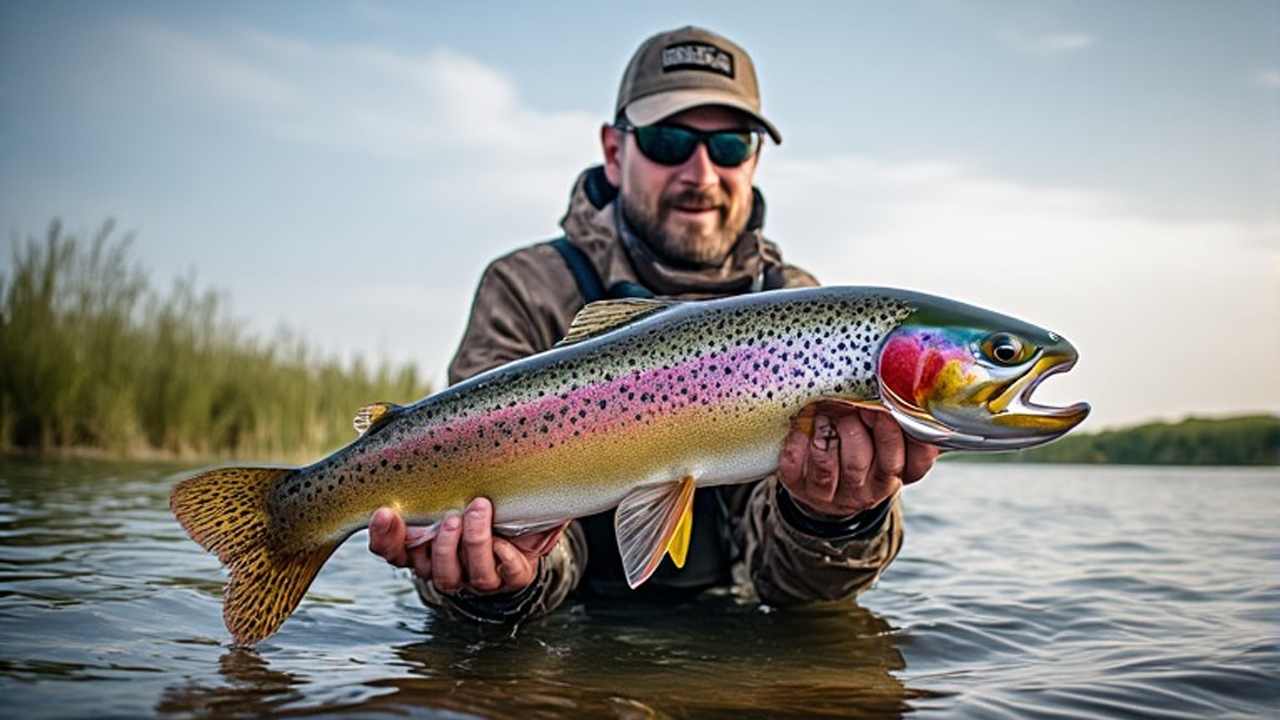
Picture this: dawn breaking over a glassy Iowa lake, mist curling off the water as you cast your first line of the morning. The bobber dips once, twice, then disappears beneath the surface. That’s the magic waiting in Iowa’s waters—but knowing when and where to fish legally makes all the difference between a great day and a costly mistake.
Iowa’s fishing landscape transforms dramatically with each passing season, offering anglers everything from trophy-sized walleye in the Mississippi River to feisty bluegill in neighborhood ponds. Whether you’re a first-timer threading a hook or a seasoned angler exploring new waters, understanding the state’s regulations ensures you’re fishing responsibly while maximizing your chances of success. The Iowa Department of Natural Resources works year-round to balance thriving fish populations with public access, creating opportunities that welcome families, tourists, and serious sport fishers alike. Conservation isn’t just a buzzword here—it’s the foundation that keeps Iowa’s fisheries productive for generations to come.
🗓️ Complete Iowa Fishing Season Dates 2026
| Species | Season Opens | Season Closes | Special Notes |
|---|---|---|---|
| Largemouth/Smallmouth Bass | First Saturday in May | November 30 | Catch-and-release only until opener |
| Walleye | First Saturday in May | February 28, 2027 | Reduced limits during spawn protection |
| Northern Pike | Open Year-Round | No Closure | Size restrictions apply |
| Muskellunge | June 1 | November 30 | Trophy-only harvest rules |
| Channel Catfish | Open Year-Round | No Closure | Night fishing permitted |
| Flathead Catfish | Open Year-Round | No Closure | Some waters have trophy minimums |
| Trout (Stocked Streams) | April 1 | October 31 | Year-round in designated waters |
| Crappie (Black/White) | Open Year-Round | No Closure | Creel limits enforced statewide |
| Bluegill & Sunfish | Open Year-Round | No Closure | Generous daily possession allowed |
| Yellow Perch | Open Year-Round | No Closure | Popular through ice season |
🌅 Seasonal Fishing Breakdown Specific to Iowa
Early Spring (March-April)
When ice finally surrenders its grip on Iowa’s lakes, the early spring period becomes a time of renewal and anticipation. Crappie begin congregating near shallow brush piles and fallen timber, making them accessible targets for bank anglers and kayakers alike. Stocked trout programs kick into high gear during this window, with cold-water streams receiving fresh rainbow and brown trout shipments weekly in some regions.
Regulations during early spring often emphasize protection for spawning fish. Walleye, for instance, face stricter harvest rules leading up to their May opener, allowing populations to reproduce without excessive pressure. Smart anglers use this transitional period to scout locations, clean gear, and prepare for the busier months ahead. Dress in layers—April mornings can feel like winter, while afternoons warm quickly under the strengthening sun.
Peak Summer (June-August)
Summer transforms Iowa into an angler’s playground. Bass fishing reaches its zenith as water temperatures climb into the 70s, triggering aggressive feeding behavior. Topwater lures create explosive strikes during dawn and dusk, while midday heat pushes fish into deeper structure where finesse techniques shine. Catfish become nocturnal hunters, rewarding patient anglers who fish cut bait beneath the stars.
This is also family fishing season. Public access lakes buzz with activity as kids chase sunfish from docks and parents introduce the next generation to fishing traditions. Creel limits remain generous for panfish, allowing families to bring home a meal without guilt. Hydration and sun protection matter as much as tackle selection during these long, hot days—Iowa summers don’t mess around.
Fall Transition (September-November)
Autumn in Iowa brings cooler nights and shorter days, triggering a feeding frenzy among nearly every game fish species. Walleye pack on weight before winter, cruising shallow flats during low-light periods. Muskie hunters experience their best action of the year as trophy fish feed aggressively, and the late-season window stays open through November 30.
Fall also marks the end of some specialty seasons. Trout programs wind down in October on most streams, though a handful of year-round waters continue producing. Bass fishing remains excellent through November, though catch rates slow as water temperatures drop below 50°F. Many anglers consider this the most productive season for sheer variety—you might catch bass, walleye, and pike all in the same outing.
Winter (December-February)
Ice fishing culture runs deep in Iowa, despite shorter, milder winters compared to northern neighbors. When safe ice forms—typically late December through February—anglers drill holes to target panfish, walleye, and pike. Yellow perch become especially popular, schooling in predictable locations and biting readily on small jigs tipped with waxworms.
Winter regulations mirror summer rules for most species, though possession limits for transported fish differ once you leave the ice. Always verify ice thickness before venturing out; 4 inches of clear ice supports individuals, but vehicle access requires much more. Many anglers new to ice fishing join community events or guided trips to learn safety protocols and productive techniques.
🐟 Game Fish Anglers Target Most
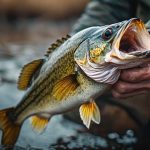
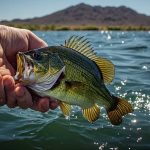
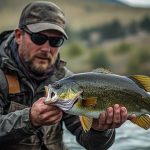
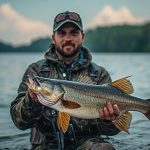
Largemouth and Smallmouth Bass dominate Iowa’s sport fishing conversation. These scrappy fighters inhabit everything from farm ponds to sprawling reservoirs, adapting to diverse environments with remarkable success. Smallmouth prefer rocky, current-driven areas like the Upper Iowa River, while largemouth thrive in weedy lakes and slow-moving backwaters. The late May opener creates anticipation that rivals opening day of any hunting season, with anglers lining up at boat ramps before sunrise. Possession limits typically allow for modest harvest, though many bass enthusiasts practice catch-and-release to sustain quality fishing. Peak action spans May through October, with late spring and early fall producing the most consistent results.
Trout fishing in Iowa surprises many first-time visitors. While not naturally abundant, aggressive stocking programs transform select coldwater streams into productive trout fisheries from April through October. Northeast Iowa’s “driftless region” contains the state’s best natural trout habitat, where spring-fed creeks maintain cool temperatures even during summer heat. Regulations on these waters vary significantly—some allow harvest, others mandate catch-and-release, and a few operate under artificial-lures-only rules. Rainbow trout dominate early-season stocking efforts, while brown trout and occasional brook trout add variety. If you’ve only fished warm-water species before, exploring designated trout waters in Colorado offers similar experiences in a western landscape.
Northern Pike and Muskellunge represent Iowa’s apex freshwater predators. Pike inhabit many natural lakes and river backwaters, growing large on diets of smaller fish, frogs, and even ducklings. They’re catchable year-round, making them reliable targets when other species slow down. Muskies, conversely, receive careful management through restrictive harvest rules and shorter seasons running June through November. The Spirit Lake chain in northwest Iowa produces legendary muskie, with fish over 50 inches landed annually. These fish test both tackle and patience—experienced muskie anglers joke about “the fish of 10,000 casts,” but the explosive strikes make every hour worthwhile.
Walleye and Catfish round out Iowa’s most pursued game fish. Walleye populations thrive in larger rivers and reservoirs, offering excellent table fare and challenging sport. Their light-sensitive eyes make them most active during twilight hours, though cloudy days can produce all-day action. The Mississippi River borders Iowa’s eastern edge, providing world-class walleye fishing accessible to non-residents looking for trophy fish. Catfish, meanwhile, swim virtually everywhere. Channel cats dominate smaller streams and lakes, while flatheads patrol big rivers, sometimes reaching weights exceeding 50 pounds. Night fishing for catfish has become a summer tradition, with cut shad and chicken liver ranking as go-to baits.
🦞 Regulated or Special-Permit Fisheries
Iowa takes trophy fish management seriously, implementing special regulations on select waters to protect genetic quality and angling experiences. The most notable example involves muskellunge minimum size requirements—many waters enforce 48-inch minimum lengths, effectively creating catch-and-release fisheries where only the largest fish qualify for harvest. This regulation reflects decades of research showing that protecting breeding-size females sustains healthy populations.
Certain urban fishing lakes operate under youth-only or family-only designations, reserving these accessible waters for introducing children to fishing. These locations typically feature generous stocking programs, simplified regulations, and amenities like fishing piers and restrooms. No special permit is required beyond a standard license, but the unwritten rule is clear: seasoned anglers should fish elsewhere to preserve opportunities for beginners.
The Mississippi River Pool system presents unique management challenges due to its status as both an Iowa fishery and an interstate waterway. Anglers fishing border waters must follow Iowa regulations when fishing from the Iowa side, but regulations can differ depending on whether you’re targeting species in main channels versus backwater sloughs. Pay attention to boundary waters rules—ignorance doesn’t exempt you from citations.
Iowa also participates in paddlefish snagging seasons, though this occurs outside traditional angling and requires specific endorsements. These prehistoric giants migrate up certain rivers during spring, creating brief opportunities for specialized harvest. Limited permits are issued through lottery systems, emphasizing the rarity and value of these experiences.
🐠 Everyday Fish & Panfish Opportunities
| Species | Typical Creel Approach | Where to Find Them |
|---|---|---|
| Bluegill | Generous daily limits | Farm ponds, lake edges, slow river pools |
| Black Crappie | Combined crappie limits apply | Submerged brush, dock pilings, creek channels |
| White Crappie | Combined with black crappie | Turbid lakes, river backwaters |
| Yellow Perch | Moderate possession rules | Natural lakes, large reservoirs |
| White Bass | Liberal harvest allowed | River systems during spring runs |
| Rock Bass | Included in panfish totals | Rocky streams, clear water areas |
| Pumpkinseed Sunfish | Grouped with bluegill limits | Weedy shallows, quiet coves |
Panfish represent the backbone of Iowa’s fishing participation. These abundant, easy-to-catch species require minimal equipment—a simple rod, bobber, and container of worms is enough to fill a stringer. Crappie fishing peaks during spring spawning when fish move shallow, while bluegill bite consistently throughout summer. Many anglers keep enough panfish for a fish fry without worrying about depleting populations, as high reproductive rates sustain robust numbers. If you’re planning a panfish-focused trip elsewhere, checking Alabama’s fishing regulations reveals similar abundant opportunities in southern waters.
🏞️ Stocked Waters & Management Programs
Iowa invests heavily in stocking programs designed to expand fishing opportunities beyond naturally reproducing populations. The trout stocking initiative stands as the crown jewel, transforming 70+ streams and several lakes into put-and-take fisheries. Stocking schedules are published online, allowing anglers to time trips around recent deliveries for maximum success. Rainbow trout dominate these efforts due to their adaptability and catchability, though brown trout provide holdover potential in streams with adequate habitat.
Urban fishing ponds scattered across cities receive regular infusions of channel catfish, largemouth bass, and panfish. These locations target families and young anglers who might lack transportation to rural waters. Fishing clinics held at these sites teach basic skills, ethical practices, and conservation values—planting seeds for lifelong participation. The Iowa DNR coordinates National Fishing Day events each June, offering free instruction, loaner tackle, and even bait at participating locations.
Walleye fry stocking occurs in select natural lakes and reservoirs, bolstering wild populations that face challenges from habitat changes or overharvest. Unlike trout stocking where harvest is expected, walleye stocking aims to create self-sustaining populations that reproduce naturally. Results take years to materialize but pay dividends in trophy-class fishing. West Okoboji Lake and Clear Lake stand out as success stories where stocking augmented natural reproduction, creating fisheries that draw anglers from neighboring states.
Anglers seeking stocking information shouldn’t rely on word-of-mouth. Official stocking reports provide species, quantities, and exact locations—search online resources provided by the Iowa Department of Natural Resources to plan trips around fresh deliveries.
🌍 Access Rules: Public vs Private Waterways
- Public access sites managed by Iowa DNR feature boat ramps, parking, and shoreline fishing areas open to all licensed anglers. These locations receive regular maintenance and clearly marked signage indicating boundaries and rules.
- Navigable rivers allow public fishing even when adjacent land is privately owned, but “navigable” has legal definitions that don’t always match common sense. Generally, anglers can fish from boats and wade in the waterway itself, but stepping onto banks or private property invites trespassing charges.
- Private farm ponds require explicit landowner permission. Iowa’s rural culture often welcomes polite requests to fish, especially when asking demonstrates respect for property and privacy. Never assume access—always ask, and graciously accept “no” without argument.
- Public hunting and fishing areas sometimes restrict access during hunting seasons or for wildlife management purposes. Temporary closures protect waterfowl nesting or allow habitat restoration without public interference. Check current access status before driving long distances.
- Bridge and road right-of-ways occasionally provide access where formal sites don’t exist, but parking regulations and safety concerns complicate matters. Avoid blocking traffic or creating hazards, and recognize that just because others fish somewhere doesn’t automatically make it legal or safe.
- “No Trespassing” signs carry legal weight—respect them absolutely. Even if you fished a location last year, ownership or permission can change. When in doubt, seek alternative locations with guaranteed public access rather than risking citations or conflicts.
🎟️ Iowa Fishing License Overview
- Resident anglers age 16 and older must possess valid fishing licenses to fish Iowa’s public waters. Licenses run on an annual basis, typically expiring at the end of the calendar year.
- Youth under 16 fish free without licenses, though they must still follow possession limits and regulations. This exemption encourages family participation without financial barriers.
- Non-residents pay higher license fees reflecting their temporary use of Iowa’s resources. Various duration options exist, including annual, 7-day, 3-day, and even 1-day licenses for those passing through the state.
- Boundary water licenses allow fishing Iowa’s portions of the Mississippi and Missouri Rivers, offering specialized options for anglers targeting these massive waterways without purchasing full Iowa licenses.
- Lifetime licenses provide permanent fishing privileges for residents willing to invest upfront. These eliminate annual renewals and eventually pay for themselves over decades of use.
- Trout stamps are required when fishing designated trout streams and lakes, regardless of whether you keep fish or practice catch-and-release. Revenue directly funds trout stocking programs.
- Online purchasing has simplified license acquisition—buy from home, print confirmations, and fish immediately. Keep copies accessible while fishing, as conservation officers routinely check compliance.
- Free fishing days occur periodically throughout the year, allowing anyone to fish without licenses. These events introduce new participants to the sport without financial commitment, though all other regulations remain in force.
❓ Angler FAQs
Can I fish Iowa’s rivers without worrying about private land boundaries?
Navigable waterways allow public fishing from boats and while wading in the water itself. However, stepping onto banks or dry land may constitute trespassing if those areas are privately owned. Stay within the water or use designated public access points to avoid legal complications.
What happens if I accidentally catch a fish during a closed season?
Immediately release the fish unharmed. Accidental catches aren’t violations unless you keep the fish or handle it in ways that reduce survival. Use appropriate tackle to minimize accidental catches during closure periods, especially near spawning areas where fish concentrate.
Do Iowa fishing rules apply to kids under 16?
Young anglers fish without licenses but must follow all creel limits, size restrictions, and seasonal closures. Adults are responsible for ensuring children comply with regulations—ignorance isn’t a defense if violations occur.
Are there waters where I can fish year-round for trout?
Select streams and lakes are designated as year-round trout waters, maintaining populations through natural reproduction or frequent stocking. Most trout waters follow April-October seasons, so verify specific location rules before fishing outside typical seasons.
Can non-residents purchase short-term licenses for weekend trips?
Absolutely. Iowa offers 1-day, 3-day, and 7-day non-resident licenses perfect for vacation fishing or quick getaways. These cost significantly less than annual licenses while providing full legal access.
What should I do if I’m unsure whether a body of water is public or private?
Consult Iowa DNR’s official fishing maps and resources available online. These tools identify public access sites, boat ramps, and legal entry points. When doubt persists, contact local conservation offices for clarification before fishing.
How strictly are possession limits enforced in Iowa?
Very strictly. Conservation officers conduct routine checks at boat ramps, fishing piers, and popular access sites. Violations result in citations, fines, and potential loss of fishing privileges. Keep accurate counts and measure borderline fish carefully to stay compliant.
🗺️ Where to Fish This Year
Iowa’s fishing diversity surprises many first-time visitors. Clear Lake in north-central Iowa spreads across 3,600 acres, offering walleye, yellow bass, and abundant bluegill in a scenic setting surrounded by resort towns. Summer weekends buzz with activity, but weekday mornings deliver peaceful fishing and better results. The lake’s relatively shallow depth makes it accessible to bank anglers and kayakers while still producing quality catches.
Down south, Rathbun Reservoir sprawls across 11,000 surface acres, creating southern Iowa’s premier fishing destination. Crappie fishing here ranks among the state’s best, particularly during spring when fish stack into flooded timber. Walleye, white bass, and channel catfish add variety, while the reservoir’s size allows escaping crowds even during busy periods. Multiple public access points encircle the lake, ensuring you’ll find launching spots regardless of wind direction.
The Upper Iowa River flows through the northeast’s bluff country, offering outstanding smallmouth bass fishing combined with stunning scenery. This designated coldwater stream also contains wild brown trout in select stretches, providing rare opportunities to target multiple species during single trips. Canoe-camping combinations attract adventurous anglers willing to paddle miles between access points, though day trips work perfectly for those preferring simpler logistics.
For anglers seeking comprehensive resources on other state regulations, exploring California’s fishing regulations provides insight into western fishing opportunities and coastal species management approaches that contrast with Midwest freshwater systems.
✅ Final Thoughts
Iowa’s 2026 fishing seasons offer something for everyone—from trophy muskie hunters plotting fall campaigns to families introducing toddlers to bluegill at neighborhood ponds. The state’s regulations balance conservation with access, protecting spawning fish through strategic closures while keeping most waters open year-round for species that sustain harvest pressure. Bass season kicks off the first Saturday in May, running through late November, while walleye follow identical timing with spawn-protection measures early in the season. Trout anglers enjoy April 1 through October 31 on most stocked waters, with select streams providing year-round opportunities. Catfish, panfish, and pike remain available continuously, ensuring productive fishing regardless of when life allows you to wet a line.
Licensing requirements separate youth, residents, and non-residents into distinct categories, with trout stamps mandatory for anyone fishing designated coldwater fisheries. Understanding possession limits, respecting private property boundaries, and staying current with regulation updates keep your fishing experiences legal and ethical. Whether you’re casting topwater baits for explosive bass strikes, drifting nightcrawlers for walleye at twilight, or watching bobbers with kids eager for their next sunfish, Iowa’s waters welcome you—just make sure you’re fishing by the rules that protect these resources for tomorrow’s anglers.

- Wyoming Fishing Regulations 2026: State Rules & Management Areas - February 16, 2026
- Wisconsin Fishing Regulations by Zone 2026: Seasons & Size Limits - February 16, 2026
- West Virginia Fishing Regulations 2026: Stream & Lake Rules - February 16, 2026