The first warm weekend after a Nebraska thaw feels like a tiny holiday. The cattails are still tan, the water is still cold enough to sting your fingers, and yet the shoreline is suddenly busy—someone flipping a jig off riprap, a kid watching a bobber like it’s a TV show, and a couple of walleye hunters quietly comparing notes in the parking lot.
That’s Nebraska fishing in a nutshell: it changes personality as the year turns. Early-season bites can be subtle and technical; summer can be loud and social; fall is “one more cast” weather; winter is for the patient (and the properly dressed). And through it all, the state’s rules are doing what they’re supposed to do—protect fisheries, spread opportunity, and keep things fair for locals and visitors alike.
Before you chase your first 2026 tug, remember the big three: have the right license, know the waterbody-specific rules (because special regs pop up on certain lakes), and fish with conservation in mind—especially around spawning periods and protected slot regulations. Nebraska is also visitor-friendly: hook-and-line is open year-round in general, but the “how” and “what else” (like special methods and special species) come with seasonal boundaries worth learning.
Complete Nebraska Fishing Season Dates 2026 in Table 🗓️
Here’s a clean “plan your year” snapshot. Think of it as the catch dates framework—methods and species that have defined season windows, even though classic rod-and-reel fishing stays broadly open.
| Fishing activity (2026) | What it means in plain English | Season window |
|---|---|---|
| Hook-and-line 🎣 | Your everyday rod-and-reel fishing | Year-round |
| Paddlefish (archery) 🐟 | Limited paddlefish opportunity by bow | June 1 – June 30 |
| Paddlefish (snagging) 🐟 | Permit-based snagging season on the Missouri River | Oct. 1 – Oct. 31 |
| Underwater spearfishing 🐠 | Spearfishing for game fish has a defined season; nongame is more flexible | Game fish: July 1 – Dec. 31 (with exceptions); Nongame fish: year-round |
| Surface spearfishing 🐠 | Surface spearing is for nongame fish only | Year-round (nongame only) |
| Archery fishing 🏹 | Bowfishing methods have their own season rules for game fish | Game fish: July 1 – Dec. 31; Nongame: year-round |
| Bullfrog 🐸 | Frogging varies by region of the state | Aug. 15 – Oct. 31 east of Hwy 81; year-round west of Hwy 81 |
| Snapping turtle 🐢 | Allowed with ongoing rules | Year-round |
| Mussel 🦞 | Allowed in general, but rivers/streams are off-limits for harvest | Year-round; no harvest in any river or stream |
Season dates summarized from Nebraska’s published season-date listings. Always check for waterbody postings and special-area rules.
🗓️ Seasonal Fishing Breakdown
Early Spring (ice-out to stable warming) 🎣
- Focus species that wake up hungry: walleye/sauger in current, crappie staging near brush, and bass sliding toward warming pockets.
- Watch for length limits and “one-over” style restrictions on certain species—Nebraska uses a mix of minimums, protected slots, and “one fish over X inches” rules on some waters.
- Practical move: treat cold water like a whisper—lighter presentations, slower retrieves, and deliberate hooksets.
- Conservation note: spring is when you’ll see the most benefit from gentle handling and quick releases, especially with larger breeders.
Peak Summer (warm water, long daylight) 🐟
- Common targets: largemouth bass in weeds, channel cats after dark, wipers/white bass schooling, and panfish in shaded structure.
- Regulations to keep in the back of your head:
- Hook and line limits differ by water type: lakes/ponds/reservoirs have different line/hook constraints than rivers/streams (especially if you’re setlining in current).
- If you’re running lines or setlines legally in flowing water, make sure they’re labeled and checked as required.
- Special catch-and-release periods: summer often overlaps with “select waters” that are managed more tightly (including some catch-and-release-only pockets noted in statewide regs).
Fall Transition (cool nights, fast feeding) 🐠
- This is when Nebraska fisheries feel like they’re charging up for winter: baitfish bunch, predators roam, and shore anglers get a second wind.
- Common patterns:
- Walleye and saugeye feed hard along windblown banks.
- Pike and muskie hunters start believing in giants again.
- Crappie schools tighten up and become “here one minute, gone the next.”
- Regulations to watch: protected slot limits and water-specific exceptions matter most in fall because you’re more likely to tangle with mature fish.
Winter (ice season, where legal and safe) 🦈
- The vibe changes: fewer words, more preparation.
- Key winter rule reminders:
- Ice anglers can use more lines than open-water anglers, but those lines must be supervised and within unaided observation.
- Some places restrict hole size on managed waters, and permanent shelter rules may require an additional permit.
- Practical move: keep a “warm hands kit” (dry gloves + hand warmers + towel). Comfort keeps beginners fishing longer—long enough to actually learn.
🐟 Game Fish Anglers Target Most (Nebraska edition)
Bass
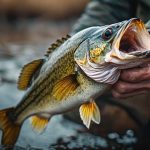
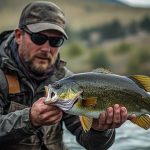
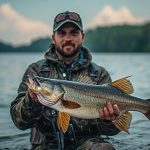
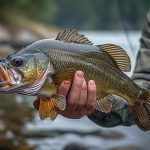
Bass fishing here isn’t just “summer weeds.” Early spring can be sneaky-good in protected coves, while summer pushes fish into shade, grass lines, and deeper edges. Nebraska also uses a mix of statewide rules and special lake rules, so it’s common to see minimum-length requirements plus a “one-over” allowance on bigger fish in a creel. The best bass waters tend to be managed lakes and reservoirs with structure—riprap, submerged timber, and healthy vegetation.
Trout
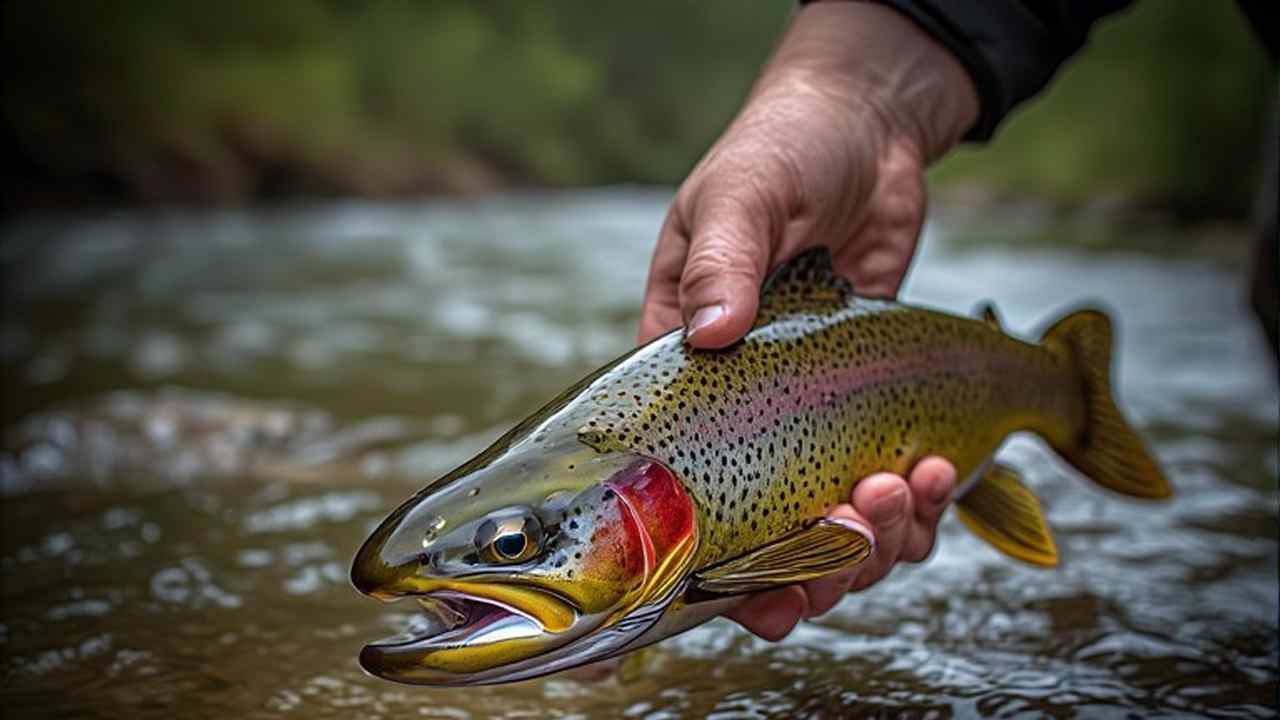
Trout in Nebraska are a “planned surprise”—stocked opportunities that shine when water is cool. You’ll see the best consistency in cool seasons and in designated waters (including special trout lakes/streams). If you’re visiting, trout are one of the easiest ways to get into fish quickly, especially around stocking windows and family-friendly fishing areas close to towns. Some trout waters may allow harvest or may encourage catch-and-release; always verify the local rules before you keep fish.
Pike / Muskie
If you want a fish that makes your knees feel weak at the net, this is the lane. Pike are more widespread, while muskie/tiger muskie are more specialized—often with stricter minimum lengths and low bag limits. Fall is prime time, but cool spring days can also be magic. Look for bigger reservoirs and northern sandhill-type waters, and be ready for rules that prioritize trophy management (long minimums, small possession limits).
Walleye / Catfish
Walleye, sauger, and saugeye offer that classic “feel the tick” bite—strong in spring and again in fall. Nebraska uses a mix of minimum lengths, special exceptions, and slot protections on some reservoirs, so this is a category where reading the specific rule is worth your time. Catfish, on the other hand, are Nebraska’s everyman powerhouse: channels are common in rivers and reservoirs, and summer nights are their playground. Creel rules for catfish can vary by water type (standing vs flowing), so match your plan—bank fishing a lake isn’t always treated the same as running a river set.
🦞 Regulated or Special-Permit Fisheries (Nebraska’s “extra steps”)
Some Nebraska fishing is intentionally harder to do—and that’s the point.
- Paddlefish is the headline here: it has defined seasons (archery vs snagging) and requires a special permit on top of your fishing license. The short season windows help protect a species that can’t handle unlimited pressure. If you draw/secure a permit, treat it like a once-a-year event—plan carefully, bring heavy gear, and practice ethical handling.
- Snagging is tightly restricted: generally closed everywhere except the permitted paddlefish/nongame context in the Missouri River during the designated season. Nebraska is clear that accidental foul-hooked fish generally must go back immediately.
- Spearfishing / bowfishing methods have defined method seasons for game fish, and they’re not “anything goes.” If you’re traveling in and hoping to try it, read the method section first and plan trips around those windows.
🐠 Everyday Fish & Panfish Opportunities
Not every trip needs to be a trophy mission. Sometimes the goal is just: “bend a rod and smile.”
| Easy target species | Typical creel rule style (general) | Common places to find them |
|---|---|---|
| Bluegill / sunfish 🐠 | Often grouped under panfish limits; sometimes special water rules apply | Shallow coves, weed edges, docks |
| Crappie 🐟 | Often has size/number focus on select managed lakes | Brush piles, standing timber, bridge areas |
| Yellow perch 🐠 | May have water-specific adjustments in some years/areas | Cooler-water flats, basin edges |
| Common carp 🦈 | Often treated as nongame in many contexts | Rivers, shallow bays, muddy flats |
Tip: panfish are the best “beginner win” in Nebraska—simple tackle, fast feedback, and easy shoreline access.
🏞️ Stocked Waters & Management Programs (what visitors should know)
Nebraska’s fisheries don’t run on luck alone. Management tools—like stocking, habitat improvements, and special-area rules—are how “good fishing” stays good.
A few practical takeaways:
- If you’re chasing trout, look for stocked streams and put-and-take style lakes/ponds that get seasonal boosts (often spring and fall).
- Urban and youth-focused waters exist specifically to make fishing easier: accessible banks, predictable species, and straightforward rules for new anglers.
- For planning, lean on official stocking and fisheries updates when possible. When you pair those resources with local waterbody regs, you avoid the classic travel mistake: showing up after the bite peak already moved.
🌍 Access Rules: Public vs Private Waterways
- Nebraska fishing is full of “it looks public… but isn’t” moments—assume private until confirmed public.
- Use signed access sites, public ramps, and mapped public entry points for confidence.
- Rivers and streams can be especially tricky: even if water is flowing, banks and streambeds may involve private property concerns—avoid stepping onto posted land without permission.
- If a fence, sign, or “no trespassing” marker makes you hesitate, treat that hesitation as your answer.
- Keep gates the way you found them, don’t block field entrances, and stay respectful—access is a privilege that can disappear if abused.
- Consider walk-in programs and leased public-access properties when you want legal shoreline without guessing.
🎟️ Nebraska Fishing License Overview
- If you’re 16 or older, you generally need a Nebraska fishing permit to take—or attempt to take—fish and other listed aquatic species.
- Residents and nonresidents both need permits, but the permit type differs based on residency and trip length.
- Youth rules: resident youth under a certain age typically have exemptions; nonresident youth may be exempt when accompanied by a permitted adult—double-check the current permit page before traveling.
- Short-term passes are ideal for weekend visitors who want simplicity without committing to an annual license.
- Some activities (like paddlefish) require additional permits beyond your standard fishing permit.
- Nebraska also emphasizes conservation funding through built-in stamp programs tied to permits—think of it as your license dollars quietly doing habitat work while you’re out fishing.
❓ Angler FAQs
1) Can I fish in Nebraska any time of year with rod and reel?
Generally, hook-and-line fishing is open year-round statewide, unless a specific waterbody posts a special closure or rule.
2) What’s the “one-over” rule I keep hearing about?
On some species and waters, you can keep a set number of fish, but only one can be above a certain length. It’s a way to protect larger breeders while still allowing some harvest.
3) Am I allowed to “upgrade” fish in my livewell (keep swapping for bigger)?
Nebraska does not allow culling/high-grading in the usual sense—if it’s being counted toward your daily bag and not immediately released, treat it as kept.
4) How many rods can I use?
Line and hook limits depend on whether you’re on a lake/reservoir versus a river/stream, and ice fishing has its own set of allowances. Know the category of water you’re fishing.
5) Can I snag fish if I see them schooling?
Not generally—snagging is restricted and is mainly tied to paddlefish/nongame rules in the Missouri River during the designated season.
6) What’s a protected slot limit and why does it matter?
It means fish within a certain length range must be released. It’s designed to protect key age classes and keep the fishery balanced.
🗺️ Where to Fish This Year (a few Nebraska classics)
If you’re visiting Nebraska, it helps to think of the state as two big stories happening at once: big open-water reservoirs that feel like inland seas, and rivers that quietly thread through farm country, cities, and sandhills.
For official planning help, start with the state’s interactive “where to fish” mapping tools (the easiest way to confirm public access and find family-friendly fishing areas).
Now, a few well-known waters worth daydreaming about:
Lake McConaughy is the obvious headliner—big water, big skies, and the kind of place where the wind can write the day’s plan for you. On calmer mornings, it’s easy to imagine why so many anglers travel here for walleye and summer action.
Calamus Reservoir is the “room to roam” option—great for anglers who like open shorelines, long casts, and a little exploration baked into the trip.
Branched Oak Lake is a popular choice near Lincoln, especially if you want a managed lake experience that still feels like a getaway.
And if you want moving water, the Missouri River edge offers serious catfish potential and multi-state boundary considerations—meaning it’s both exciting and rule-heavy in a way that rewards preparation.
If you’re the kind of traveler who collects fishing experiences state by state, you might also enjoy comparing rules and access style with nearby destinations—here’s a helpful reference for a different region: Arizona’s freshwater rules and season guide
For a high-authority planning add-on (especially for river levels, flows, and trip timing), the USGS water tools can be a quiet superpower when you’re traveling: USGS WaterWatch stream and lake conditions Source
✅ Final Thoughts
Nebraska’s 2026 fishing picture is simple at the center and detailed at the edges: hook-and-line opportunity is broadly year-round, while method-based seasons (like archery fishing for game fish, underwater spearfishing windows, and the tightly managed paddlefish archery/snaggings dates) add structure where it matters most. Creel rules, possession limits, protected slots, and “one-over” size allowances are there to keep the state’s freshwater fisheries thriving—especially on heavily managed lakes and rivers. If you remember to check waterbody exceptions, respect access boundaries, and keep fish handling gentle during peak stress periods, you’ll fish Nebraska like you belong there. Source

- Wyoming Fishing Regulations 2026: State Rules & Management Areas - February 16, 2026
- Wisconsin Fishing Regulations by Zone 2026: Seasons & Size Limits - February 16, 2026
- West Virginia Fishing Regulations 2026: Stream & Lake Rules - February 16, 2026