Whether you’re a first-timer clutching a borrowed rod or a seasoned angler planning your annual pilgrimage to the Au Sable River, understanding Michigan’s angling seasons and regulations transforms hope into actual catches.
Michigan boasts over 11,000 inland lakes, 36,000 miles of rivers and streams, and access to four of the five Great Lakes. This abundance means fishing opportunities stretch across all four seasons, but they come with thoughtful rules designed to protect fish populations while maximizing your time on the water. From brook trout in pristine UP streams to monster muskies lurking in Traverse City-area waters, knowing what’s legal—and when—makes the difference between a successful outing and a frustrating day explaining yourself to a conservation officer.
Let’s talk licenses first: Michigan requires anyone 17 and older to carry a valid angling permit. Non-residents pay more than locals (as expected), but the state offers affordable 24-hour and weekend options perfect for tourists passing through. Kids under 17? They fish free, making Michigan one of the most family-friendly freshwater fisheries in the Midwest. Special salmon and trout stamps apply to certain waters, and if you’re targeting lake sturgeon, you’ll need a separate endorsement. Always check the Michigan Department of Natural Resources portal before heading out—regulations evolve, and ignorance isn’t a valid defense.
🗓️ Complete Michigan Fishing Season Dates 2026
| Species | Season Opens | Season Closes | Special Notes |
|---|---|---|---|
| Walleye (inland lakes) | May 15 | March 15, 2027 | Catch-and-release only April 1–May 14 |
| Northern Pike | Open year-round | No closure | Some waters have special size limits |
| Muskellunge | June 1 | November 30 | 50-inch minimum on most waters |
| Largemouth/Smallmouth Bass | Last Saturday in April (April 25) | No closure | Catch-and-release only until opener |
| Trout (inland streams) | Last Saturday in April (April 25) | September 30 | Some streams open year-round—check local rules |
| Lake Trout (Great Lakes) | Open year-round | No closure | Daily limits vary by lake |
| Salmon (Great Lakes/tributaries) | Open year-round | No closure | Coho/Chinook limits differ—verify zone regs |
| Yellow Perch | Open year-round | No closure | Possession limits: typically 25 fish |
| Bluegill/Sunfish | Open year-round | No closure | Check local creel limits (often 25 combined) |
| Lake Sturgeon | Varies by waterbody | Varies by waterbody | Limited harvest—special permit required |
Note: Always cross-reference with the Michigan DNR’s official fishing guide for water-specific exceptions and emergency closures.
🌅 Seasonal Fishing Breakdown
🌱 Early Spring (Late March–May)
When snowmelt swells the rivers and ice-out transforms inland lakes from frozen plains into liquid promise, Michigan’s angling season truly begins. This period offers some of the year’s most exciting opportunities, though you’ll need layers—mornings can be brutally cold even when afternoons warm up.
What’s Happening:
- Steelhead runs dominate tributary streams feeding Lakes Michigan, Huron, and Superior. These chrome-bright rainbows push upstream to spawn, offering spectacular fly-fishing and spin-casting action.
- Walleye gather near shallow spawning reefs in the Great Lakes and inland waters. Pre-spawn catch-and-release periods protect vulnerable fish while still letting you enjoy the fight.
- Brook trout become active in UP streams as water temperatures climb into the ideal 50–60°F range.
- Bass season remains closed until late April, but you can practice catch-and-release tactics to scout locations for opening weekend.
Regulations to Watch:
Many trout streams have delayed openers or fly-only sections. Walleye harvest restrictions apply until mid-May on most inland lakes. Always verify possession limits—they’re often reduced during spawning windows to ensure sustainable populations for years ahead.
☀️ Peak Summer (June–August)
Summer transforms Michigan into an angler’s paradise. Water temperatures stabilize, baitfish schools thicken, and game fish cruise predictable feeding zones. This is prime time for families, tourists, and anyone who prefers comfortable conditions over winter hardiness.
What’s Happening:
- Smallmouth and largemouth bass dominate inland lakes and rivers. Topwater lures at dawn, soft plastics during midday, and evening frog patterns create all-day action.
- Muskie season launches June 1st, drawing dedicated hunters willing to cast thousands of times for one explosive strike. Traverse City-area lakes and the Chippewa Flowage host trophy-class fish.
- Panfish congregate around weed beds and docks. Bluegill, pumpkinseed, and rock bass provide easy targets for kids and beginners learning the craft.
- Great Lakes salmon and trout hold in deep, cool water. Downrigger trolling and pier fishing produce consistent catches, especially near harbor mouths at dawn.
Regulations to Watch:
Size and possession limits protect breeding-age fish. Most bass waters allow five fish daily, but trophy waters might restrict you to catch-and-release for bass over 18 inches. Muskie regulations are strict—confirm minimum lengths (often 50 inches) before you even think about keeping one. If you’re targeting species like California’s surf perch or comparing rules across states, Michigan’s approach prioritizes quality over quantity, similar to conservation efforts in Colorado’s coldwater fisheries.
🍂 Fall Transition (September–November)
Autumn in Michigan means two things: spectacular foliage and some of the year’s most aggressive feeding behavior. Fish sense winter approaching and pack on calories, making them more willing to chase larger baits and strike with reckless abandon.
What’s Happening:
- Salmon runs peak as Chinook and Coho push into rivers to spawn. Anglers line popular tributary holes, and the chaos—both above and below the surface—is legendary. Egg patterns, streamers, and body baits all produce.
- Walleye and pike transition from summer haunts to deeper structures. Fall walleye fishing rivals spring for consistency, especially on Saginaw Bay and the western UP.
- Trout season closes on many inland streams September 30th, but fall offers your last shot at wild browns and brookies before winter lockdown.
- Muskie season ends November 30th. October and early November deliver unforgettable topwater strikes as water temperatures drop into the ideal range.
Regulations to Watch:
Salmon harvest rules change as spawning progresses—some waters close entirely to protect vulnerable fish. Trout closures aim to safeguard spawning beds. Always check local postings; tributary regulations differ dramatically from mainstem rivers and Great Lakes zones.
❄️ Winter (December–March)
Michigan winters separate casual anglers from hardcore enthusiasts. Ice fishing becomes its own subculture, with shanty towns sprouting on frozen lakes and tip-ups dotting the snowpack. If you can tolerate the cold, winter offers solitude and surprisingly consistent action.
What’s Happening:
- Yellow perch, bluegill, and crappie cruise beneath the ice near weed beds and drop-offs. Small jigs tipped with waxworms or minnow heads dominate.
- Pike and pickerel ambush baitfish in shallow bays. Tip-ups with live shiners catch the biggest fish.
- Whitefish provide underrated table fare. Jigging spoons in 30–60 feet of water near Great Lakes bays produces steady catches.
- Lake trout remain catchable through the ice on inland lakes stocked by the DNR.
Regulations to Watch:
Ice thickness matters for safety, not legality—but always confirm possession limits haven’t changed for winter fisheries. Some managed lakes close entirely to protect overwintering populations. For contrast, states like Florida remain open year-round due to warmer climates, but Michigan’s seasonal closures ensure healthier fisheries long-term.
🐟 Game Fish Anglers Target Most
🎯 Largemouth & Smallmouth Bass
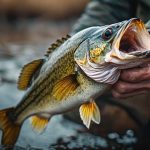
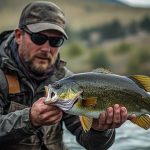
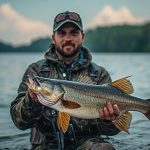
These fish define Michigan’s inland angling culture. Smallmouths thrive in clear, rocky lakes across the northern Lower Peninsula and Upper Peninsula, while largemouths dominate weedy southern lakes and river backwaters. Both species open the last Saturday of April (April 25, 2026), and anticipation builds all winter.
Smallmouths fight harder pound-for-pound than almost any freshwater species. They rocket from boulder fields, tail-walk across the surface, and test every knot in your tackle. Target them with tube jigs, Ned rigs, and crankbaits near rocky points and gravel flats. Largemouths prefer slower presentations—Texas-rigged worms, spinnerbaits through lily pads, and topwater frogs at dusk.
Possession Limits:
Most waters allow five bass daily, with an 14-inch minimum on smallmouth and no minimum on largemouth (though slot limits exist on some trophy lakes). Catch-and-release before the opener protects spawning fish—handle them gently and return them quickly. Michigan’s bass management rivals world-class destinations; if you appreciate thoughtful conservation, explore how Connecticut balances access and sustainability in its urban waters.
🌊 Trout (Brook, Brown, Rainbow, & Lake Trout)
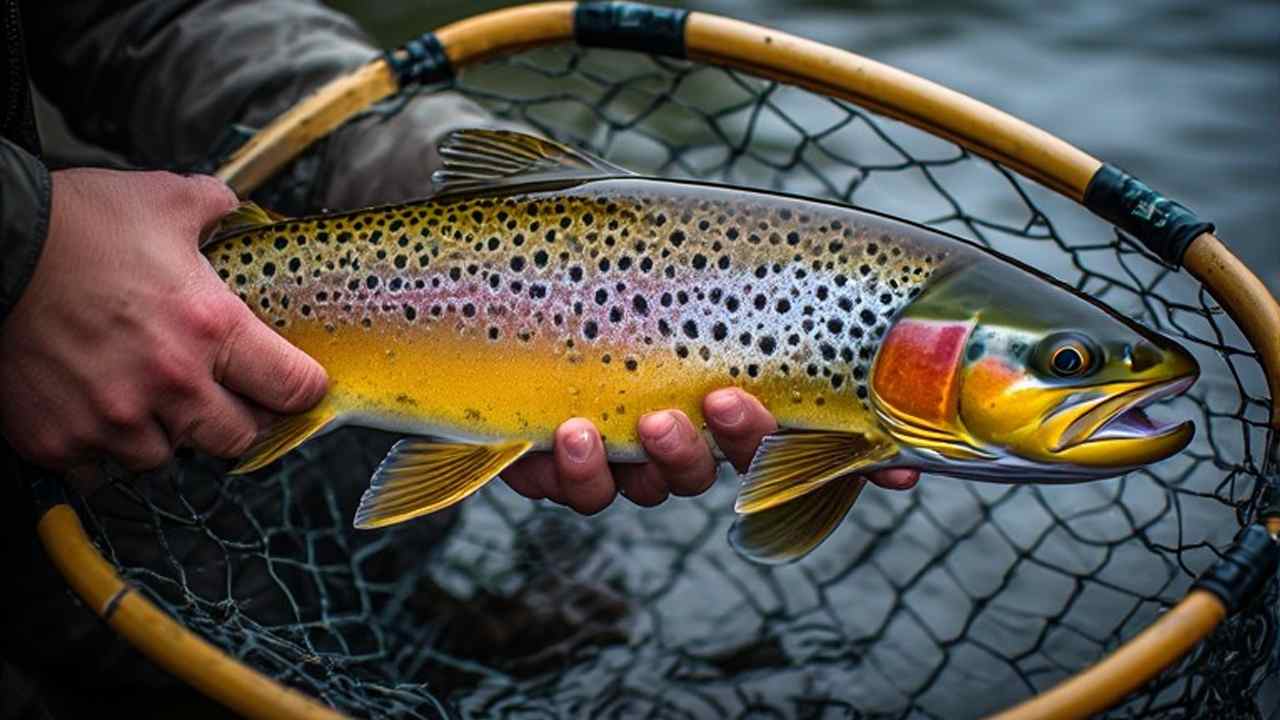
Michigan’s trout fishing is legendary. Brook trout populate cold, remote UP streams—wild fish finicky enough to humble experienced anglers. Brown trout prowl larger rivers like the Pere Marquette and Au Sable, growing hefty on sculpin and crayfish. Rainbow trout (steelhead) run from the Great Lakes into tributaries, offering explosive fights and chrome-bright beauty. Lake trout cruise deep Great Lakes waters and select inland lakes, requiring downriggers or heavy jigging spoons.
Inland stream trout season runs late April through September on most waters, though some designated trout streams remain open year-round with special restrictions. Early-season action centers on nymph patterns and small spinners. Summer demands stealth—low, clear water makes trout spooky. Great Lakes trout have no closed season, providing winter pier-fishing opportunities near Ludington and Charlevoix.
Possession Limits:
Inland streams typically allow five trout daily, but many trophy streams restrict anglers to catch-and-release or one fish over 20 inches. Great Lakes zones have separate limits (often three lake trout, five salmon/trout combined). Check your specific water body—Michigan’s trout regulations are complex for good reason.
🦈 Northern Pike & Muskellunge
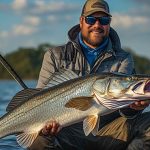
Pike fishing in Michigan is year-round fun. These toothy predators lurk in weedy bays, ambushing anything that swims past. They’re aggressive, grow big (20+ pounds isn’t rare), and strike with startling violence. Target them with spoons, spinnerbaits, and live suckers beneath tip-ups.
Muskies are pike’s larger, moodier cousins. Michigan’s muskie season opens June 1st and closes November 30th, protecting spawning fish. Casting for muskies tests patience—the “fish of 10,000 casts” reputation is earned—but when a 40-inch torpedo explodes on your bucktail, you’ll understand the obsession. Traverse City-area lakes, Thornapple Lake, and the Chippewa Flowage host trophy fish.
Possession Limits:
Pike limits vary by water but generally sit around five fish daily with no minimum size (check locally for slot limits protecting mid-sized breeders). Muskie regulations are strict: most waters enforce a 50-inch minimum, and many anglers practice catch-and-release regardless of size. These apex predators take years to reach trophy class, so conservation-minded fishing ensures future generations enjoy the same thrills.
🐠 Walleye & Catfish
Walleye are Michigan’s favorite table fish—flaky white fillets, mild flavor, and consistent catchability make them beloved by families and tournament anglers alike. Saginaw Bay, Lake Erie’s western basin, and inland lakes like Houghton Lake host massive populations. Walleye season opens mid-May on most inland waters (after a spring catch-and-release period), and action remains strong through fall.
Target walleye with jigs and minnows, crankbaits trolled along drop-offs, and nightcrawler harnesses drifted over reefs. Dawn and dusk produce best, though cloudy days extend feeding windows. Channel catfish and flathead catfish prowl southern Michigan rivers—nocturnal bottom feeders willing to hit cut bait, chicken liver, and stink baits. Catfish have no closed season and liberal possession limits, making them ideal targets for casual anglers.
Possession Limits:
Walleye limits typically sit at six fish daily with a 15-inch minimum (though some waters allow one fish over 20 inches as part of your limit). Catfish limits are generous—often 12 channel cats and five flatheads—because populations remain robust.
🦞 Regulated or Special-Permit Fisheries
Michigan’s most iconic regulated fishery is the lake sturgeon—a prehistoric giant that can live over 100 years and exceed 100 pounds. Sturgeon populations collapsed due to overharvest and habitat loss, but careful management has enabled limited harvest seasons on select waters. Anglers must apply for permits, and harvest windows last only days. Black Lake, for example, hosts a February spearing season with strict quotas.
Salmon and trout stamps apply to designated Great Lakes waters and tributaries. These endorsements fund stocking programs that plant millions of Chinook, Coho, steelhead, and brown trout annually. Without this investment, Michigan’s world-class salmon fishery wouldn’t exist.
Special regulations also govern certain trout streams. Fly-fishing-only sections, catch-and-release zones, and artificial-lure-only areas protect wild populations and provide solitude for purists. The Holy Waters section of the Au Sable River exemplifies this approach—no kill, no bait, no wading—creating a sanctuary for wild brown trout and dedicated anglers.
🐠 Everyday Fish & Panfish Opportunities
| Species | Typical Creel Limit | Where to Find Them |
|---|---|---|
| Bluegill | 25 fish daily | Shallow weed beds, docks, lily pad edges |
| Pumpkinseed Sunfish | 25 fish daily (combined with bluegill) | Rocky shorelines, submerged logs |
| Rock Bass | No specific limit (check local rules) | River pools, boulder fields |
| Yellow Perch | 25 fish daily | Great Lakes piers, inland lake drop-offs |
| Crappie (Black/White) | 25 fish daily | Brush piles, submerged timber, marina docks |
| White Bass | 25 fish daily | River runs during spring spawning, Great Lakes harbors |
Panfish are Michigan’s gateway drug to angling. Simple tackle—ultralight rod, bobber, small hook, worm—produces consistent catches. Kids love the action, and a mixed bag of bluegill, pumpkinseed, and perch makes a memorable fish fry. Target them in spring around spawning beds (shallow, sandy areas where you’ll see circular nests), summer near submerged vegetation, and winter through the ice.
🏞️ Stocked Waters & Management Programs
Michigan’s Department of Natural Resources operates one of the nation’s most aggressive fish stocking programs. Each year, state hatcheries release millions of fish into public waters, including:
- Chinook and Coho salmon in Great Lakes tributaries and harbors
- Steelhead (rainbow trout) in rivers feeding Lakes Michigan and Huron
- Brown and brook trout in inland streams and lakes
- Walleye fingerlings in lakes recovering from population declines
- Muskellunge in select lakes to establish or supplement trophy fisheries
The DNR publishes an annual stocking report listing every waterbody, species, and number of fish planted. This transparency helps anglers target recently stocked waters for better success rates. Urban fishing ponds near Detroit, Grand Rapids, and Lansing receive regular panfish and trout plantings, creating family-friendly opportunities within city limits.
Youth programs deserve special mention. Free fishing weekends (typically in June and February) waive license requirements for everyone, introducing newcomers without financial barriers. Local fishing clubs and conservation groups host kids’ derbies, teaching ethical angling practices alongside basic skills.
🌍 Access Rules: Public vs Private Waterways
Understanding Michigan’s access laws prevents trespassing headaches and ensures respectful interactions with landowners. Here’s the breakdown:
- Navigable waters (those capable of floating a boat) are public up to the ordinary high-water mark. You can wade, fish, and even walk along the bank below that line—even if adjacent land is private.
- Non-navigable streams on private property require landowner permission. Don’t assume access; ask politely or fish designated public stretches.
- Public access sites are marked with DNR signs. These ramps, piers, and shore fishing areas are open to all license holders. Respect parking limits and pack out all trash—keep access sites clean so they remain open.
- Private property often borders prime fishing water. Never cross fences, ignore No Trespassing signs, or assume unmarked land is public. When in doubt, contact the local DNR office for clarification.
- Tribal waters within reservation boundaries may have separate regulations. The Keweenaw Bay Indian Community, Little Traverse Bay Bands, and other tribes manage fisheries independently. Respect their sovereignty and follow posted rules.
🎟️ Michigan Fishing License Overview
- Who needs a license:
Anyone 17 or older fishing in public waters must carry a valid permit. Even catch-and-release anglers need one—the license funds conservation, not just harvest rights. - Resident vs. non-resident:
Michigan residents pay significantly less. Annual resident licenses cost around $26 (as of recent years), while non-residents pay closer to $76. Define residency carefully—you generally need to live in Michigan for six consecutive months to qualify. - Youth rules:
Anglers under 17 fish free without a license. This policy makes Michigan incredibly welcoming for families introducing kids to the outdoors. - Short-term passes:
Tourists or weekend warriors can buy 24-hour ($10 resident/$15 non-resident) or 3-day passes ($35 resident/$52 non-resident). These options eliminate the need for annual commitments if you only fish occasionally. - Special endorsements:
Targeting salmon or trout in designated waters requires an additional stamp (around $10). Lake sturgeon harvest demands a separate, highly limited permit. If you’re comparing licenses across states, Michigan’s structure mirrors approaches in neighboring Indiana but offers more short-term flexibility.
❓ Angler FAQs
Can I fish Michigan’s Great Lakes without a boat?
Absolutely. Hundreds of piers, breakwalls, and shore access points provide excellent fishing for salmon, trout, perch, and smallmouth bass. Ludington, Grand Haven, and Charlevoix host thriving pier-fishing communities.
What’s the best lake for beginners near Detroit?
Lake St. Clair offers abundant action for walleye, smallmouth bass, and panfish. Numerous public ramps and charter services cater to all skill levels. Alternatively, Cass Lake and Pontiac Lake provide inland options with stocked trout and bass.
Do I need different licenses for inland lakes vs. Great Lakes?
No—a single fishing license covers both, though you may need a salmon/trout stamp for certain Great Lakes zones. Always verify zone-specific requirements before casting.
Are there any trout streams open in winter?
Yes. Select rivers remain open year-round with special regulations (often catch-and-release, artificial lures only). The Upper Manistee and sections of the Au Sable allow winter trout fishing for hardy anglers willing to brave the cold.
How do I know if a lake is stocked?
Check the Michigan DNR’s stocking database. Search by waterbody name or county to see species planted and approximate dates. Recent stockings often produce immediate results.
Can non-residents fish for free during Free Fishing Weekends?
Yes. Free Fishing Weekends waive license requirements for everyone—residents, non-residents, and out-of-state visitors. All other regulations (size limits, possession limits, seasons) remain in effect.
What’s the penalty for fishing without a license?
Fines vary but typically start around $100 for first offenses. Violations involving over-limits, illegal gear, or closed-season fishing carry steeper penalties and potential gear confiscation. Don’t risk it—licenses are affordable and fund the fisheries you enjoy.
🗺️ Where to Fish This Year
Michigan’s angling destinations read like a greatest-hits album of freshwater fishing. The Au Sable River winds through northern hardwood forests, offering world-class trout fishing and legendary hatches that attract fly-fishers from across the globe. Paddle a canoe through the Mio stretch at dawn, and you’ll understand why Hemingway spent summers here—mist rising off cedar-tinted water, wild browns sipping mayflies, and solitude broken only by loon calls.
Saginaw Bay produces walleye in staggering numbers. Spring and fall runs draw tournament anglers jigging lindy rigs and trolling crawler harnesses over submerged reefs. Hire a guide your first trip—local knowledge shortcuts the learning curve dramatically—and you’ll leave with coolers full of fillets and unforgettable memories.
For Great Lakes salmon, Ludington remains a perennial favorite. Charter boats depart daily from late spring through fall, targeting Chinook, Coho, and steelhead. If you prefer shore fishing, the north breakwall produces consistent catches during evening hours.
In the Upper Peninsula, Munuscong Bay and St. Marys River serve up pike, smallmouth, and walleye amid stunning scenery. Rent a cabin near Sault Ste. Marie, and you’ll enjoy uncrowded waters within minutes of town.
Finally, Houghton Lake—Michigan’s largest inland lake—offers something for everyone. Walleye, pike, perch, and panfish coexist in healthy populations, and extensive public access means you’ll always find a spot, even on busy weekends.
For official maps, interactive lake finders, and access site details, visit the Michigan DNR Fishing Guide—your comprehensive resource for planning every trip.
✅ Final Thoughts
Michigan’s 2026 angling season unfolds across a landscape of unmatched diversity—from spring steelhead surging up tributary rivers to winter pike prowling beneath frozen lakes. Key regulations include the late-April bass opener (April 25), mid-May walleye season start (May 15), and the June 1 muskie opener, with closures arriving November 30 for muskies and September 30 for many inland trout streams. Possession limits prioritize sustainability: five bass per day (14-inch minimum on smallmouth), six walleye (15-inch minimum), and strict 50-inch minimums on muskies protect breeding populations. Lake sturgeon remains heavily regulated with special permits, while panfish and pike offer generous year-round opportunities.
Whether you’re drifting crawlers for walleye on Saginaw Bay, swinging streamers for wild brook trout in UP creeks, or teaching a child to catch bluegills off a dock, Michigan’s managed waters and thoughtful regulations ensure today’s catches don’t compromise tomorrow’s opportunities. Grab your license, study the rules, respect the resource—and get out there. The fish are waiting. 🐟

- Wyoming Fishing Regulations 2026: State Rules & Management Areas - February 16, 2026
- Wisconsin Fishing Regulations by Zone 2026: Seasons & Size Limits - February 16, 2026
- West Virginia Fishing Regulations 2026: Stream & Lake Rules - February 16, 2026