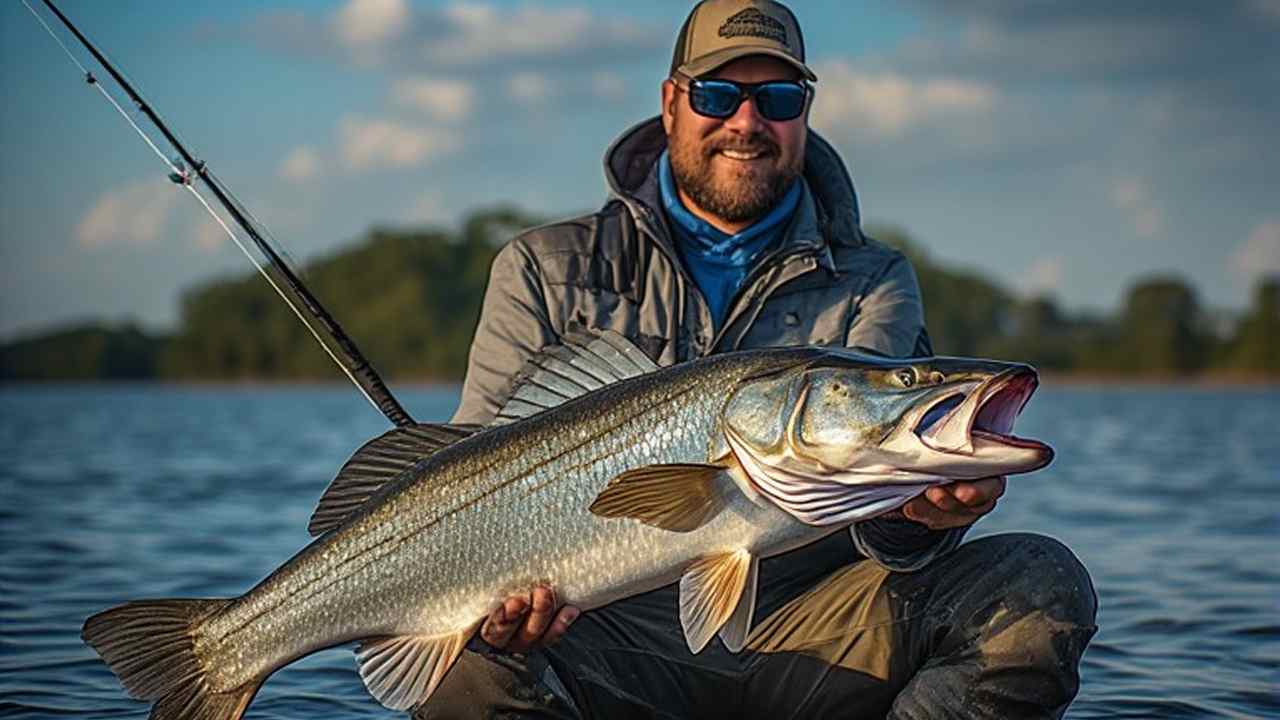
Whether you’re a weekend warrior or someone just discovering the joy of a rod and reel, Mississippi’s waterways offer year-round action—but only if you know the rules, the rhythms, and the right spots to drop a line.
Fishing in the Magnolia State isn’t just about showing up with a tackle box. It’s about understanding seasonal patterns, respecting creel limits, and tapping into one of the most diverse freshwater fisheries in the South. From sprawling reservoirs like Sardis and Ross Barnett to quiet cypress-lined creeks in the Delta, Mississippi’s angling opportunities shift with the calendar. And in 2026, whether you’re chasing trophy largemouth or filling a cooler with catfish, staying informed on possession limits and access rules ensures you fish responsibly—and legally.
This guide walks you through everything: when species are most active, which waters get stocked, what permits you’ll need, and how to make the most of Mississippi’s public fishing resources. Let’s dive in.
🗓️ Complete Mississippi Fishing Season Dates 2026
| Species | Season Opens | Season Closes | Notes |
|---|---|---|---|
| Largemouth & Spotted Bass | Year-round | Year-round | Daily creel limits apply |
| Smallmouth Bass | Year-round | Year-round | Special size restrictions on certain rivers |
| Crappie (Black & White) | Year-round | Year-round | 30-fish daily limit statewide |
| Catfish (Channel, Blue, Flathead) | Year-round | Year-round | No daily limit on most waters |
| Bream (Bluegill, Redear) | Year-round | Year-round | Popular in spring and summer |
| White Bass & Striped Bass | Year-round | Year-round | Hybrid stripers regulated on some reservoirs |
| Trout (Stocked Waters Only) | November 1, 2025 | March 31, 2026 | Seasonal program in select streams |
| Paddlefish | February 1 | April 30 | Snagging only; special permit required |
All dates reflect standard statewide regulations. Always verify local exceptions and water-specific rules before heading out.
🌅 Seasonal Fishing Breakdown
Early Spring (March–May)
As water temperatures climb into the 60s, Mississippi’s fisheries wake up. This is prime spawning season for bass and crappie, which means aggressive feeding and shallow-water action. You’ll find largemouth guarding beds along cypress knees and submerged brush. Crappie stack up near bridge pilings and flooded timber, making this the best time to fill your limit with slab-sized fish.
What to Watch:
- Many anglers target pre-spawn and post-spawn windows for catch-and-release trophy bass
- Bream begin bedding in late April and May—perfect for family outings
- Trout season wraps up by the end of March in stocked streams
Peak Summer (June–August)
Summer heat pushes most species into deeper, cooler water or under heavy cover. Early mornings and late evenings become prime time. Catfish dominate the summer bite, especially in the rivers and reservoirs where they feed aggressively after dark. Bass fishing slows midday but picks up around dawn and dusk near drop-offs, points, and weed edges.
What to Watch:
- Creel limits remain in effect, even during hot-weather feeding frenzies
- Hydration and sun protection are as important as bait selection
- Some urban fishing ponds get restocked with catfish to keep kids engaged
Fall Transition (September–November)
Cooler nights trigger a feeding frenzy. Bass, crappie, and white bass school up to chase shad, and anglers who can locate baitfish schools often experience explosive action. This is also when Mississippi’s trout stocking program begins in select streams, giving anglers a taste of cold-water angling in an otherwise warm-water state.
What to Watch:
- Trout season opens November 1 in designated put-and-take streams
- Bass tournaments peak in the fall due to ideal conditions
- Waterfowl hunters and anglers often share access points—be courteous
Winter (December–February)
Winter doesn’t shut down Mississippi fishing—it just shifts the gameplan. Crappie move to deeper structure, catfish slow down but remain catchable, and the trout fishery stays active through March. This is also paddlefish snagging season, a unique and highly regulated opportunity that draws adventurous anglers to the state’s larger rivers.
What to Watch:
- Paddlefish season runs February 1–April 30 and requires a special permit
- Cold fronts can turn off the bite temporarily, but stable weather brings consistent action
- Trout waters see steady pressure from January through March
🐟 Game Fish Anglers Target Most
Largemouth Bass
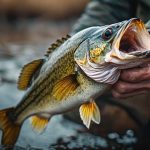
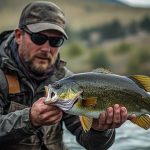
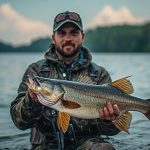
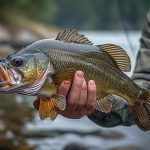
Mississippi is bass country, plain and simple. From the Tennessee-Tombigbee Waterway to the reservoir giants like Ross Barnett and Grenada, largemouth bass are the most sought-after species in the state. Spring offers the most explosive topwater action, while summer and fall anglers rely on deeper structure and offshore ledges. Most public waters enforce a five-fish daily limit, with size restrictions varying by lake. If you’re serious about bass, study the specific rules for your target water—some have slot limits designed to protect mid-size fish and encourage trophy growth.
Crappie
Both black and white crappie thrive in Mississippi’s reservoirs, oxbow lakes, and river backwaters. Crappie fishing peaks in early spring during the spawn, when fish move shallow and become accessible to anglers of all skill levels. Jigs, minnows, and small spinners are go-to baits. The statewide creel limit is 30 crappie per day, which is generous compared to neighboring states. Family-friendly and table-friendly, crappie fishing is a Mississippi tradition that spans generations.
Catfish
Channel cats, blues, and flatheads are abundant, aggressive, and available year-round. Whether you’re fishing from the bank of the Mississippi River or anchored in a quiet cove on Pickwick Lake, catfish deliver reliable action. There’s no daily limit on most waters, making catfish an ideal target for anglers who want to keep a few for the fryer. Blues can grow massive—50-pound fish are reported every season—and flatheads love live bait fished near submerged logs and deep holes.
Striped Bass & Hybrids
Stripers and their hybrid cousins (striped bass crossed with white bass) are stocked in several of Mississippi’s larger reservoirs. These hard-fighting fish provide explosive action in open water, often chasing schools of shad near the surface. Anglers targeting stripers should check for water-specific size and creel limits, as these fish are carefully managed to maintain healthy populations. Barnett Reservoir is especially known for its hybrid striper fishery.
🦞 Regulated or Special-Permit Fisheries
Paddlefish
Paddlefish are prehistoric, filter-feeding giants that can weigh over 100 pounds. Mississippi allows snagging only during a limited season (February 1–April 30), and anglers must obtain a special paddlefish permit in addition to their standard fishing license. This is a draw fishery in some areas, meaning you may need to apply for a specific date or location. It’s a bucket-list experience for adventurous anglers, but it requires patience, heavy tackle, and a willingness to put in serious effort.
Alligator Gar
While not widely targeted, alligator gar inhabit some of Mississippi’s rivers and backwaters. These armored fish are catch-and-release only in most areas, and the state closely monitors populations. If you hook one, consider it a rare privilege—and handle it carefully.
Special Trout Management Waters
Mississippi’s trout program is small but well-loved. A handful of streams in the northern part of the state receive seasonal stockings, and these waters operate under put-and-take regulations. Some streams have daily creel limits of five trout, while others may allow more. Always check the specific rules for the water you’re fishing.
🐠 Everyday Fish & Panfish Opportunities
| Species | Typical Limit | Where to Find Them |
|---|---|---|
| Bluegill | 50 per day | Farm ponds, reservoir coves, creek backwaters |
| Redear Sunfish | 50 per day | Deep gravel beds, near submerged shell beds |
| White Bass | 25 per day | Open water, below dams, chasing shad schools |
| Yellow Bass | No limit | Shallow flats, oxbow lakes |
| Freshwater Drum | No limit | Rivers, deep reservoir channels |
Panfish are Mississippi’s unsung heroes. They’re abundant, willing to bite, and perfect for introducing kids to the sport. Bluegill and redear sunfish (locally called “shellcrackers”) swarm shallow beds in late spring, offering fast action on light tackle. White bass provide explosive spring runs below dams and in open water during the fall. If you’re looking for a relaxed day on the water with plenty of bites, target panfish.
🏞️ Stocked Waters & Management Programs
Mississippi invests heavily in maintaining healthy fisheries through habitat improvement, stocking programs, and access development. Here’s what you should know:
- Trout Streams: Each fall, the Mississippi Department of Wildlife, Fisheries, and Parks stocks rainbow trout in select streams in north Mississippi. These are put-and-take fisheries designed to give anglers a taste of cold-water angling. Popular streams include Dunn’s Falls and areas near Tishomingo State Park.
- Catfish Stocking in Urban Ponds: Community fishing lakes near Jackson, Tupelo, and other cities receive regular catfish stockings to keep fishing accessible for families and beginners. These ponds are often exempt from standard licensing requirements for youth anglers.
- Bass Habitat Enhancement: Reservoirs like Ross Barnett and Grenada Lake benefit from artificial reef programs, where fish attractors (brush piles, Christmas trees, and fabricated structures) are placed to concentrate fish and improve angling success.
- Crappie Management: Some waters have implemented size restrictions or seasonal closures to protect spawning crappie and ensure sustainable populations. These rules are updated annually based on fishery surveys.
For up-to-date stocking schedules and management reports, visit the Mississippi Department of Wildlife, Fisheries, and Parks website.
🌍 Access Rules: Public vs Private Waterways
- Public Waters: Mississippi offers extensive public access through state-managed lakes, wildlife management areas, and designated fishing areas. Look for boat ramps, fishing piers, and marked access points maintained by the state.
- Navigable Rivers: Rivers like the Mississippi, Pearl, and Pascagoula are considered navigable and open to public use below the high-water mark. You can fish from a boat or wade, but be mindful of private property along the banks.
- Private Lakes and Ponds: Unless you have explicit permission, fishing on private property is off-limits. Trespassing laws are enforced, and violators can face fines and loss of fishing privileges.
- Respecting the Resource: Always pack out what you pack in, respect wildlife closures, and follow posted signage. Conservation starts with individual responsibility.
🎟️ Mississippi Fishing License Overview
- Who Needs a License: Anyone aged 16 or older fishing in Mississippi public waters needs a valid fishing license. This includes residents, non-residents, and out-of-state visitors.
- Youth Exemptions: Kids under 16 can fish without a license, making Mississippi a family-friendly destination. Many urban ponds and community lakes also waive license requirements for young anglers.
- Resident vs Non-Resident: Residents pay significantly less than non-residents. Residency is typically defined as living in Mississippi for at least six months prior to purchasing a license.
- Short-Term Licenses: Non-residents and visitors can purchase one-day, three-day, or seven-day licenses, which are perfect for weekend getaways or fishing vacations.
- Special Permits: Paddlefish, trout stamps, and some specialty waters may require additional endorsements. Always verify what’s required before you fish.
- Where to Buy: Licenses are available online, at sporting goods stores, bait shops, and through the official Mississippi Department of Wildlife, Fisheries, and Parks website.
❓ Angler FAQs
Can I use live bait in all Mississippi waters?
Yes, live bait is legal statewide for most species. However, using live fish as bait may be restricted in certain managed trout streams or specialty waters. Always check local rules.
Are there any catch-and-release-only waters?
Some streams and ponds operate under special regulations that require catch-and-release for certain species, especially bass. These areas are typically well-marked and listed in the annual fishing guide.
Do I need a separate license for saltwater fishing?
Mississippi’s saltwater fisheries are managed separately, and coastal anglers may need different permits. However, many freshwater anglers cross into Alabama fishing waters or explore Louisiana’s bayou systems, where reciprocal licensing agreements may apply. Verify requirements before crossing state lines.
What’s the best time of year for trophy bass?
Late winter through early spring (February–April) is prime time for targeting big pre-spawn females. Fall also offers excellent opportunities as bass feed heavily before winter.
Are there any waters closed to fishing?
Certain refuge areas, wildlife sanctuaries, and private reservoirs may be closed to fishing or require special access permits. Always check signage and official maps.
Can I fish at night?
Yes, night fishing is legal and productive, especially for catfish and crappie. Be sure to display proper navigation lights if you’re fishing from a boat.
Where can I find stocking schedules?
The Mississippi Department of Wildlife, Fisheries, and Parks publishes stocking reports online, including dates, locations, and species stocked.
🗺️ Where to Fish This Year
Mississippi’s fishing landscape is as varied as its musical heritage. Whether you prefer the quiet solitude of a backwater slough or the open-water excitement of a sprawling reservoir, there’s a spot calling your name.
Ross Barnett Reservoir sits just northeast of Jackson and serves as the state capital’s backyard fishing paradise. This 33,000-acre impoundment is famous for crappie, bass, and hybrid stripers. Spring crappie runs draw crowds to the bridges and submerged timber, while summer bass anglers work deep ledges and offshore humps. Public boat ramps and fishing piers make access easy, even for first-time visitors.
Grenada Lake in north-central Mississippi is a U.S. Army Corps of Engineers reservoir known for its consistent crappie and bass fishing. With over 35,000 acres of water and extensive shallow flats, Grenada rewards anglers who understand seasonal patterns. Fall is especially productive for bass, and the lake’s stocking programs ensure healthy fish populations year after year.
Pickwick Lake, where Mississippi meets Alabama and Tennessee, is a Tennessee River impoundment with world-class smallmouth bass fishing. The rocky bluffs, deep channels, and clear water make this a bucket-list destination for serious bass anglers. Pickwick also offers excellent catfishing and crappie opportunities.
The Mississippi Delta oxbow lakes—like Lake Washington, Eagle Lake, and Moon Lake—offer a completely different experience. These quiet, cypress-lined waters are rich with history and wildlife. Crappie, bass, and catfish are abundant, and the scenery is hauntingly beautiful. Accessing these lakes often requires navigating narrow channels and unmarked backwaters, adding an element of adventure.
For families and beginners, community fishing lakes near Tupelo, Meridian, and Hattiesburg provide easy access, regular stocking, and a low-pressure environment. These ponds are perfect for teaching kids the basics and building a lifelong love of fishing.
Official fishing maps, access points, and real-time water conditions are available through the Mississippi Department of Wildlife, Fisheries, and Parks. Don’t leave home without them.
✅ Final Thoughts
Fishing in Mississippi in 2026 offers something for everyone—whether you’re chasing a personal-best largemouth, filling a cooler with crappie, or introducing your kids to the thrill of a bluegill on the line. The key to success is understanding the seasonal rhythms: early spring’s shallow-water spawn, summer’s deep-water bite, fall’s feeding frenzy, and winter’s unique opportunities like trout and paddlefish.
Regulations are in place to protect these fisheries for future generations. Statewide, largemouth and spotted bass, crappie, and catfish are available year-round, with standard creel limits ensuring sustainable harvest. Trout fishing runs from November 1, 2025, through March 31, 2026, in stocked streams, while paddlefish snagging is limited to February 1–April 30 with a special permit. Understanding possession limits, size restrictions, and access rules isn’t just about staying legal—it’s about being a steward of the resource.
Mississippi’s public waters are managed with care, and whether you’re wading a quiet creek or launching into a sprawling reservoir, you’re part of a tradition that stretches back generations. Get your license, respect the rules, and make 2026 your best angling season yet.

- Wyoming Fishing Regulations 2026: State Rules & Management Areas - February 16, 2026
- Wisconsin Fishing Regulations by Zone 2026: Seasons & Size Limits - February 16, 2026
- West Virginia Fishing Regulations 2026: Stream & Lake Rules - February 16, 2026