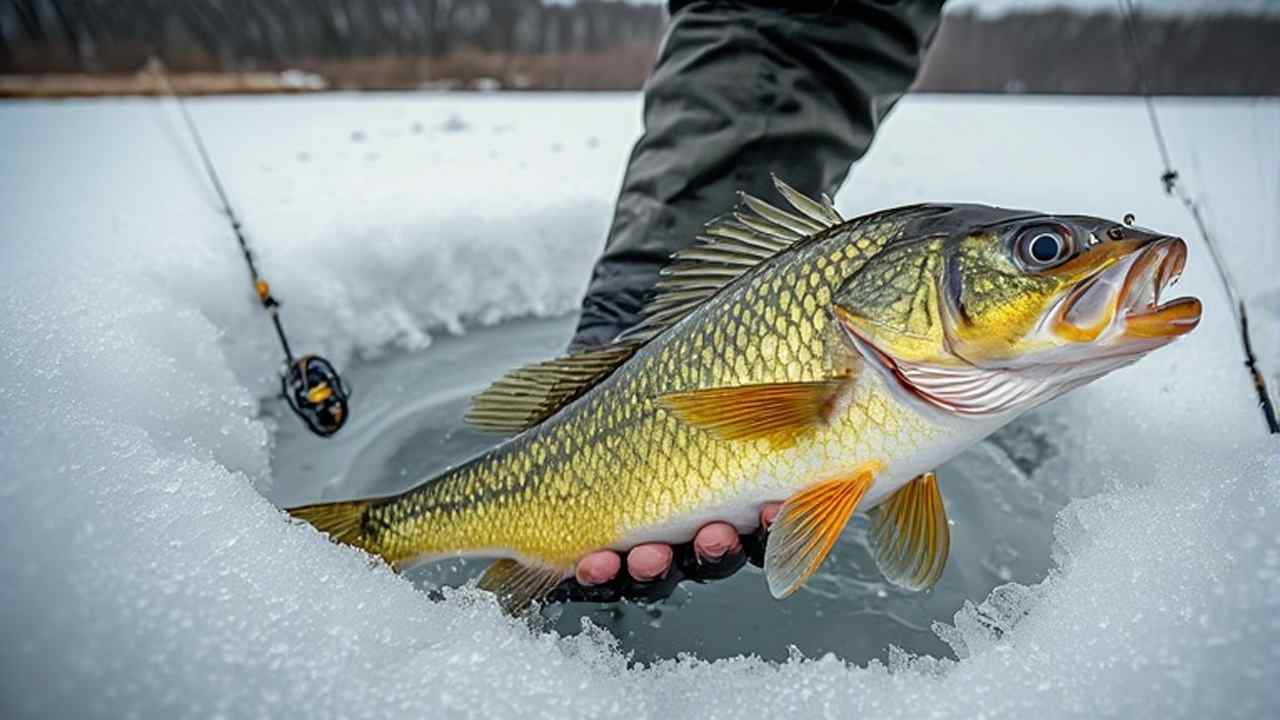
Picture this: dawn breaks over the Chesapeake Bay, mist curling off the water as your line hits the surface. Maryland’s waters wake up slowly in spring, but once they do, the action doesn’t stop until ice forms on the smallest ponds. Whether you’re chasing striped bass in tidal rivers or dropping a line for bluegill at a neighborhood lake, understanding when and where you can fish makes all the difference between a full cooler and a frustrating morning.
Maryland’s angling opportunities shift with the seasons like the tides themselves. Spring brings trout fever to mountain streams, summer opens up the Chesapeake for rockfish, fall triggers trophy bass feeding frenzies, and winter keeps hardy anglers busy with pickerel and perch. The state manages these fisheries carefully, balancing conservation with access, so staying current on possession limits, catch dates, and special management areas ensures you’re fishing legally while supporting sustainable populations. For visitors and locals alike, Maryland offers everything from urban fishing ponds stocked weekly to wild trout streams requiring careful wading and presentation.
🗓️ Complete Maryland Fishing Season Dates 2026
| Species | Season Opens | Season Closes | Special Notes |
|---|---|---|---|
| Striped Bass (Chesapeake Bay) | May 1 | December 31 | Trophy season Apr 15-30, slot limits apply |
| Trout (Put & Take) | March 1 | June 15 | Extended to year-round in designated areas |
| Trout (Catch & Return) | Year-round | Year-round | Artificial lures only, zero harvest |
| Largemouth Bass | June 16 | June 15 (next year) | Catch & release only during spawn (Apr 1-June 15) |
| Smallmouth Bass | June 16 | June 15 (next year) | Same catch & release period as largemouth |
| Chain Pickerel | Year-round | Year-round | No closed season, creel limits apply |
| Northern Pike | Year-round | Year-round | Managed waters have special slot limits |
| Yellow Perch (tidal) | January 1 | February 28 | Spring closure protects spawning runs |
| White Perch | Year-round | Year-round | No closed season in most waters |
| Catfish (all species) | Year-round | Year-round | Blue catfish have no creel limit in tidal areas |
| Walleye | March 1 | May 31 | Limited distribution, check local regulations |
| Carp | Year-round | Year-round | Bow fishing allowed in designated areas |
| American Shad | Year-round | Year-round | Catch & release only statewide |
| Blue Crab | April 1 | December 31 | Separate tidal fish license required |
Note: Dates reflect general statewide regulations. Certain waters have modified seasons—always verify location-specific rules before fishing.
🌅 Early Spring: When Maryland Waters Come Alive
The calendar says March, but Maryland anglers know spring really begins when trout trucks roll into the mountains. Western Maryland’s streams get first priority, with freshly stocked rainbows and browns appearing in Big Hunting Creek, the Savage River, and dozens of smaller tributaries. This is prime time for newcomers—aggressive stocked fish hit almost anything that moves, from spinners to bright nymphs.
Meanwhile, yellow perch are making their spawning runs in tidal creeks. The Susquehanna Flats, upper Bay tributaries, and smaller tidal rivers fill with schools of jumbo perch eager to bite. This fishery closes at the end of February to protect spawning populations, but the weeks leading up to closure often deliver the year’s best action. White perch join the party shortly after, with no closed season, giving anglers non-stop opportunities through April.
Late April brings the trophy striped bass season—a brief, two-week window when anglers can keep one fish over 35 inches. It’s Maryland’s version of Christmas morning for rockfish fanatics. After that, the regular season opens May 1st, though catch-and-release fishing continues year-round in many areas. If you’re planning a spring Chesapeake trip, this is the window to target.
Bass anglers face restrictions during this period. Largemouth and smallmouth enter their spawning phase from April through mid-June, and while you can still fish for them, all catches must be released immediately. Smart anglers use this time to scout productive structure—fallen trees, rocky points, shallow flats—so they’re ready when the harvest season opens in mid-June.
☀️ Peak Summer: Heat, Hatches, and Tidal Action
Summer in Maryland means two things: aggressive bass and incredible saltwater-style fishing in brackish estuaries. Once mid-June arrives and bass season fully opens, largemouth fishing in Deep Creek Lake, Loch Raven Reservoir, and Liberty Reservoir heats up. Early morning and late evening topwater action can be explosive, with bass ambushing prey near weed edges and docks. Possession limits keep harvest sustainable while still allowing anglers to bring home dinner.
Striped bass dominate Chesapeake Bay fishing throughout summer. These powerful fish move with the tides, chasing baitfish schools around bridge pilings, channel edges, and oyster bars. Light tackle casters working soft plastics often outfish live bait anglers, especially during dawn and dusk feeding windows. The slot limit system protects breeding-age fish while allowing harvest of abundant year classes—a conservation model that’s kept Maryland’s rockfish population strong.
Trout fishing shifts to the mountains, where catch-and-return streams offer relief from the heat. Big Hunting Creek and similar designated waters remain open year-round, but only for artificial lures with barbless hooks. No fish go in the cooler, but the challenge of fooling educated wild browns in crystal-clear water draws dedicated fly anglers from across the region. These high-elevation streams stay cool enough to keep trout active even during July heatwaves.
Catfishing reaches its peak during warm months. Blue catfish, an invasive species in the Chesapeake system, have no creel limit in tidal areas—the state actually encourages harvest to reduce their impact on native species. Channel cats and flatheads round out the mix, with nighttime bank fishing producing consistent action on cut bait and chicken liver. It’s simple, family-friendly fishing that doesn’t require a boat or expensive gear.
Don’t overlook panfish. Bluegill, redear sunfish, and pumpkinseed spawn multiple times through summer, staying active near docks, lily pads, and shallow structure. A light spinning rod, small hooks, and a container of worms will keep kids (and adults) entertained for hours. Many urban ponds and community lakes are managed specifically for panfish, with easy bank access and forgiving regulations.
🍂 Fall Transition: Trophy Season Begins
September through November might be Maryland’s best-kept angling secret. Bass feed aggressively before winter, putting on weight and chasing baitfish with reckless abandon. Fall patterns are predictable: fish move shallow in the mornings, following bait into coves and creek arms, then slide back to deeper structure as the day warms. Crankbaits, jerkbaits, and swimbaits mimic dying shad—the primary forage this time of year.
Striped bass start their fall migration, with larger fish pushing upriver toward spawning grounds. The Susquehanna Flats become a staging area for trophy rockfish, some exceeding 40 inches. Trolling, jigging, and live-lining eels all produce, though competition for prime spots increases as word spreads. The regular season runs through December 31st, giving anglers plenty of time to target these fish under comfortable conditions.
Chain pickerel fishing improves dramatically once water temperatures drop. These toothy predators, often overlooked in favor of bass, inhabit weedy lakes, slow rivers, and tidal ponds throughout the state. They strike hard, jump occasionally, and pull like fish twice their size. There’s no closed season, and the creel limit is generous—pickerel make excellent table fare when handled and cleaned properly.
Trout stocking resumes in fall, with another round of put-and-take fish arriving in designated streams. The crowds are smaller than spring, and cooler temperatures mean stocked trout survive longer and become more selective. Matching autumn insect hatches—midges, small mayflies, terrestrials—becomes important as these fish acclimate to their new environment.
🐟 Game Fish Anglers Target Most
Striped Bass (Rockfish): Maryland’s signature gamefish, striped bass define Chesapeake Bay fishing culture. The spring trophy season lets anglers keep one large fish, while the regular season (May through December) allows harvest within slot limits designed to protect breeding adults. These fish feed aggressively on menhaden, alewives, and shad, making them accessible to anglers using everything from kayaks to charter boats. Tidal rivers—the Potomac, Patuxent, Nanticoke—all hold excellent populations, and fish move with lunar tides, creating predictable feeding windows.
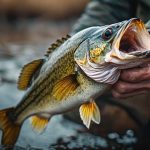
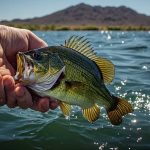
Largemouth Bass: Found in virtually every lake, reservoir, and slow-moving river, largemouth bass offer Maryland anglers year-round opportunities. The spawning closure from April through mid-June protects nesting fish, but once harvest season opens, bass up to 20 inches are fair game within creel limits. Liberty Reservoir, Triadelphia Reservoir, and Mattawoman Creek consistently produce trophy-class fish. Vegetation, wood cover, and rocky points all hold bass, and they respond to a wide range of presentations from finesse worms to loud topwater plugs.
Smallmouth Bass: While less abundant than largemouth, Maryland’s smallies are fighters. The Potomac River, Susquehanna River, and Deep Creek Lake harbor excellent populations. Smallmouth prefer rocky structure, current breaks, and cooler water than their largemouth cousins. They’re active earlier in spring and later into fall, making them ideal targets during shoulder seasons. Possession limits mirror largemouth regulations, with the same spawning closure to protect nesting fish.
Trout (Rainbow, Brown, Brook): Maryland’s trout fisheries split between put-and-take stocking programs and wild trout management. Stocked trout arrive in dozens of easily accessible streams from March through May and again in fall. These fish hit readily on spinners, PowerBait, and salmon eggs. Wild trout, protected in catch-and-return areas, require more skill. Western Maryland’s mountain streams hold naturally reproducing brook trout and browns that demand precise presentations and stealthy approaches. Both fisheries coexist, serving different angler preferences.
Northern Pike: Uncommon but present in select waters, northern pike draw specialized anglers looking for aggressive predators. These fish inhabit weedy lakes and slow rivers, ambushing prey from thick cover. Maryland’s pike fishing is best in early spring when fish move shallow to spawn, and again in fall as water cools. Large spoons, spinnerbaits, and pike-sized swimbaits trigger violent strikes. Waters with pike populations often have special slot limits to protect breeding fish while allowing harvest of others.
🦞 Regulated or Special-Permit Fisheries
Maryland carefully manages several species through limited harvest, special seasons, or outright catch-and-release requirements. American shad, once a commercial staple, are now catch-and-release only statewide. These powerful fish make spring spawning runs up tidal rivers, providing exciting light-tackle action without depleting fragile populations. Anglers targeting shad on the Susquehanna below Conowingo Dam experience some of the state’s most athletic freshwater fishing.
Snakehead, an invasive species, have no closed season or creel limit—in fact, regulations prohibit releasing them alive. These exotic predators have established populations in the Potomac River and Eastern Shore tidal waters. They fight hard, grow large, and taste excellent, making them a silver lining to an ecological problem. Bow fishing for snakehead has become increasingly popular, offering an exciting alternative to traditional rod-and-reel methods.
Blue catfish face similar treatment in tidal areas. As an invasive species threatening native populations, Maryland encourages unlimited harvest. These fish grow enormous—over 50 pounds—and provide incredible sport on medium-heavy tackle. The lack of creel limits means you can keep as many as you want, making them ideal for fish fries and community events.
Certain trophy bass waters operate under special management, with unique slot limits and seasonal closures beyond statewide rules. These regulations protect age structure and allow fish to reach larger sizes. Before fishing any Maryland water, verify location-specific regulations through the Department of Natural Resources’ online resources or printed guide.
For those interested in exploring other regional angling opportunities, Colorado’s high-elevation trout fisheries offer a completely different experience, while Florida’s year-round warmwater fishing provides endless subtropical species diversity.
🐠 Everyday Fish & Panfish Opportunities
| Species | Typical Creel Approach | Where to Find Them |
|---|---|---|
| Bluegill | Daily limit, generous | Farm ponds, urban lakes, coves, dock edges |
| Redear Sunfish | Combined sunfish limit | Deeper than bluegill, shell beds, gravel |
| Pumpkinseed | Combined sunfish limit | Weedy shorelines, lily pads, slow streams |
| Yellow Perch | Seasonal and daily limits | Tidal creeks (winter/spring), reservoirs |
| White Perch | Daily limit | Tidal rivers, brackish ponds, Chesapeake Bay |
| Chain Pickerel | Daily limit | Weedy lakes, tidal marshes, slow rivers |
| Crappie (Black & White) | Daily limit | Submerged brush, bridge pilings, deep docks |
| Rock Bass | Combined sunfish limit | Rocky streams, river pools, smallmouth habitat |
Panfish represent Maryland’s most accessible angling. You don’t need a boat, expensive tackle, or insider knowledge—just a rod, simple terminal tackle, and bait. Urban ponds throughout Baltimore, Montgomery County, and Anne Arundel County receive regular management attention, with fish feeders, habitat structures, and bank improvements making them family-friendly destinations. Spring through fall, these waters produce consistent action for anglers of all ages and skill levels.
🏞️ Stocked Waters & Management Programs
Maryland’s Department of Natural Resources operates an extensive stocking program serving both trout and warmwater fisheries. Trout stocking begins in late February in southern counties and progresses northward through March. Western Maryland streams—Big Hunting Creek, Little Hunting Creek, Savage River, and North Branch Potomac—receive priority, with multiple stockings ensuring fish availability through spring. Urban put-and-take waters near Baltimore and Washington, D.C., also get trout, creating convenient opportunities for city anglers.
The Pond Stocking Program serves private landowners and communities, providing channel catfish, largemouth bass, and sunfish for qualifying waters. This program builds fishing infrastructure beyond public access points, though these private ponds require landowner permission to fish.
Youth Fishing Ponds scattered across the state offer simplified regulations and high stocking rates, introducing children to angling in controlled, safe environments. Many are located in state parks and recreation areas with amenities like playgrounds, picnic tables, and restrooms nearby. These waters often close to adult-only fishing during peak youth programs.
Maryland also participates in Chesapeake Bay restoration efforts that indirectly benefit anglers. Oyster reef restoration, underwater grass planting, and nutrient reduction improve habitat quality for striped bass, perch, and dozens of other species. While not traditional “stocking,” these conservation investments pay dividends in healthier, more abundant fish populations.
For detailed stocking schedules, check the Maryland DNR’s official trout stocking map and reports—these get updated weekly during stocking season and identify exactly which waters received fish and when.
🌍 Access Rules: Public vs Private Waterways
- Navigable tidal waters remain public up to the high tide line, meaning you can fish from a boat anywhere in the Chesapeake Bay system and its tributaries without trespassing concerns
- Boat ramps, fishing piers, and designated shore access points scattered throughout tidal and non-tidal waters provide legal entry—look for Department of Natural Resources signage or check their public access map
- Non-tidal streams and rivers often flow through private property; never assume you can walk streambanks without permission unless posted signs or maps confirm public access
- State Wildlife Management Areas and state parks offer extensive shoreline and wade-fishing opportunities, though some charge entrance fees during peak season
- Posted “No Trespassing” signs must be respected—Maryland law takes property rights seriously, and violations can result in fines or arrest
- When in doubt, ask permission from landowners; many will grant access if approached respectfully, and building these relationships creates long-term fishing opportunities
- Launch your boat from public ramps even if fishing private impoundments—driving across private land to access water without permission constitutes trespassing regardless of where you’re actually fishing
Understanding access rights prevents conflicts and keeps Maryland’s angling community in good standing with landowners and non-fishing neighbors. Lost access points hurt everyone, so tread lightly and practice good stewardship.
🎟️ Maryland Fishing License Overview
- Resident annual licenses cover all freshwater and tidal fishing statewide, with separate options for those who only fish one or the other
- Non-resident annual licenses cost more but grant the same access—whether you’re visiting from Pennsylvania or California, the same rules apply
- Youths under 16 fish free without a license, making Maryland exceptionally family-friendly for introducing kids to angling
- Seven-day tourist licenses serve out-of-state visitors planning short trips—these cover a full week from date of purchase
- Chesapeake Bay Sport Fishing License is required for anyone targeting tidal fish, whether from boat, pier, or shoreline; this includes striped bass, perch, catfish in tidal waters, and blue crabs
- Trout stamp required only for anglers fishing designated trout waters; purchase online or at license agents, and revenues fund stocking programs
- Senior citizens (65+) qualify for discounted licenses, and Maryland residents with certain disabilities can obtain free or reduced-cost licenses through the DNR
- Active military stationed in Maryland may qualify for resident license rates even if their home of record is elsewhere—check with DNR for documentation requirements
- Buy licenses online through the Maryland DNR website, at sporting goods retailers statewide, or at some Walmart and Bass Pro Shops locations; keep your license accessible while fishing, as conservation officers check regularly
License revenues directly fund fisheries management, habitat improvements, and stocking programs—your purchase isn’t just legal compliance, it’s conservation investment.
❓ Angler FAQs
When should I plan my Maryland fishing trip for the best variety?
Late spring through early summer (May-June) offers the widest species diversity. Striped bass, bass, trout, panfish, and catfish are all active simultaneously, giving you options if one bite slows down. Weather is usually pleasant, and water temperatures are optimal for most species.
Can I eat fish I catch from the Chesapeake Bay?
Absolutely, though consumption advisories exist for certain species and locations due to contaminants. Striped bass, white perch, and catfish are generally safe in moderate amounts. Check Maryland’s fish consumption advisory guidelines for specific recommendations by species and location—they’re updated regularly based on testing.
What’s the difference between catch-and-return and catch-and-release areas?
Catch-and-return areas prohibit all harvest and typically require artificial lures only, protecting wild trout populations. Catch-and-release is a voluntary practice anglers use elsewhere during closed seasons or when targeting species they don’t wish to keep. Both terms involve returning fish, but catch-and-return is legally required in designated waters.
Are Maryland’s urban fishing ponds worth targeting?
Yes, especially for families and beginners. These ponds receive regular stocking, have easy parking and bank access, and often hold surprising numbers of quality-sized fish. They won’t deliver trophy bass consistently, but for a quick afternoon of action, they’re hard to beat.
Do I need a boat to fish Maryland effectively?
Not at all. Shore fishing produces excellent results on tidal rivers, fishing piers, public access points, and stocked trout streams. Kayak and canoe anglers also have countless launch points. Boats expand your options, but they’re far from required for success.
What happens if I accidentally catch a fish out of season?
Release it immediately and carefully. Regulations assume incidental catches happen, especially with bass during spawning closures. Use proper fish handling—wet hands, avoid gills, minimize air exposure—to maximize survival. Intentionally targeting closed-season fish or keeping them crosses into illegal territory.
Can I use live minnows as bait everywhere?
Most waters allow live bait, but catch-and-return trout streams prohibit it, requiring artificial lures only. Some waters also restrict certain baitfish species to prevent invasive introductions. When in doubt, check regulations for your specific location before using live bait.
🗺️ Where to Fish This Year
Maryland’s geography creates incredible fishing diversity within a small footprint. Deep Creek Lake, tucked into the westernmost mountains, offers a little bit of everything—largemouth and smallmouth bass, northern pike, walleye, yellow perch, and trout. It’s Maryland’s largest lake, with coves, points, and creek arms providing different fishing environments around every bend. Summer brings pleasure boat traffic, but early morning and evening remain productive.
The Potomac River deserves its reputation as one of the East’s top bass fisheries. From Dam 5 downstream through tidal sections, the Potomac holds massive largemouth and quality smallmouth populations. Structure is everywhere—rockpiles, fallen trees, grass beds, docks—making every cast hold potential. Snakehead add an exotic element to the mix, and striped bass move up from the Bay during spring and fall migrations.
For a comprehensive look at diverse fishing regulations across the U.S., anglers may also find value in reviewing California’s coastal and inland fishing rules, which showcase how different geography shapes management approaches.
Liberty Reservoir and Loch Raven Reservoir provide Baltimore-area anglers with quality bass, crappie, and catfish fishing minutes from downtown. Both have special regulations including boat motor restrictions and seasonal closures to protect drinking water quality, but fishing remains excellent. Bank access is limited compared to other Maryland waters, so a kayak or small boat opens up more shoreline.
The Susquehanna Flats at the head of Chesapeake Bay are legendary for spring and fall striped bass. These shallow, grassy flats hold enormous schools of rockfish feeding on baitfish and spawning river herring. Light tackle anglers catch fish to 30-plus inches, and the bite can be so consistent you’ll think it can’t possibly last—until it does, day after day. Access requires a boat, but numerous ramps surround the area.
Big Hunting Creek, Maryland’s premier wild trout stream, flows through Catoctin Mountain Park. This catch-and-return fishery holds naturally reproducing brown and brook trout in a pristine mountain setting. Fly fishing is traditional here, but spinning tackle works too—just use artificial lures with barbless hooks and handle fish gently. The stream follows the park road, making access easy, though the fish are anything but.
For detailed fishing maps, boat ramp locations, and water-specific regulations, visit the Maryland Department of Natural Resources Fishing & Boating Services page, which provides downloadable maps and real-time fishing reports.
✅ Final Thoughts
Maryland’s 2026 angling opportunities span from ice-out yellow perch in February through late December rockfish runs, with barely a slow period in between. The trophy striped bass season (April 15-30) kicks off spring with a bang, followed by regular rockfish harvest from May 1 through December 31 within carefully managed slot limits protecting breeding stock. Bass fishing operates under spawning closures from April 1 through June 15, requiring catch-and-release during that window, then reopening for harvest mid-June through the following spring. Trout stocking begins March 1 and runs through June 15 in put-and-take waters, while catch-and-return streams offer year-round artificial lure fishing for wild trout.
Yellow perch close after February to protect spawners, but white perch, catfish, chain pickerel, and panfish remain open year-round with daily creel limits ensuring sustainable harvest. Blue catfish and snakehead, both invasive species, have no creel limits—the state actively encourages their removal.
Whether you’re a resident making quick trips after work or a visitor planning a dedicated fishing vacation, Maryland’s combination of Chesapeake Bay, mountain streams, and managed reservoirs delivers consistently across skill levels and fishing styles. License requirements are straightforward, access points are plentiful, and conservation-minded regulations protect fisheries for future generations while still allowing anglers to bring home dinner. The diversity packed into Maryland’s borders—from brackish tidal marshes to cold mountain creeks—means you’re never far from quality fishing, no matter which season you choose to explore.

- Wyoming Fishing Regulations 2026: State Rules & Management Areas - February 16, 2026
- Wisconsin Fishing Regulations by Zone 2026: Seasons & Size Limits - February 16, 2026
- West Virginia Fishing Regulations 2026: Stream & Lake Rules - February 16, 2026