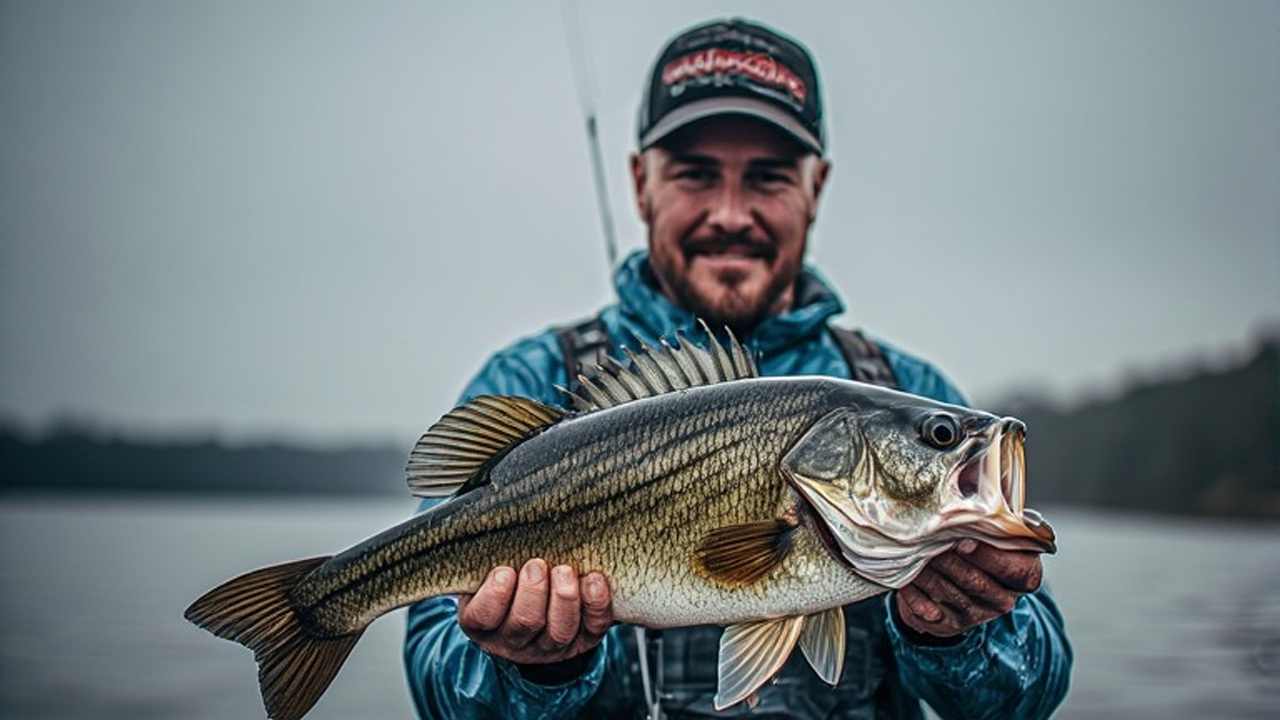
The Sportsman’s Paradise lives up to its name with a breathtaking diversity of fishing opportunities that shift like the tides themselves. From the sprawling brackish marshes of the coast to crystalline northern reservoirs, Louisiana’s fisheries pulse with life throughout the calendar year. What makes this state truly special isn’t just the variety of species swimming beneath the surface—it’s how the seasons paint entirely different fishing portraits across those same waters.
Conservation sits at the heart of everything here. The Louisiana Department of Wildlife and Fisheries (LDWF) carefully manages these aquatic treasures, balancing healthy fish populations with the joy of the catch. Whether you’re a weekend warrior hoping to land your first speckled trout or a visitor eager to experience legendary redfish action, understanding the rhythm of Louisiana’s angling seasons transforms good trips into unforgettable ones. And the best part? Getting started is easier than you think, with licensing options designed for everyone from locals to out-of-state travelers.
🗓️ Complete Louisiana Fishing Season Dates 2026
| Species | Season Status | Size Limits | Daily Creel Limit | Special Notes |
|---|---|---|---|---|
| Red Drum (Redfish) | Open year-round | 18″ min – 27″ max total length | 4 fish per person | No retention of bull reds over 27″ |
| Spotted Seatrout (Speckled Trout) | Open year-round | 13″ min – 20″ max total length | 15 daily (max 2 over 20″) | Two-day possession limit allowed on land |
| Largemouth Bass | Open year-round | Varies by water body | 10 fish daily (most waters) | Check specific lake regulations |
| Crappie (Black & White) | Open year-round | None | 50 daily / 100 possession (most waters) | 25 daily at Poverty Point, Caddo Lake, Sabine River |
| Bream/Bluegill | Open year-round | None | 50 fish daily | Includes all Lepomis species |
| Catfish (Blue, Channel, Flathead) | Open year-round | None (most waters) | 100 fish daily combined | Some WMAs have special limits |
| White Bass | Open year-round | None | 50 fish daily | Hybrid striped bass included |
| Flounder | Open year-round | 12″ min total length | 10 fish daily | — |
| Gag Grouper | CLOSED Jan 1 – Aug 31 | 24″ min total length | 2 fish daily | Open Sept 1 – Dec 31 only |
| Red Snapper | Seasonal – dates TBA | 16″ min total length | 4 fish daily | Season typically announced in spring |
| Wahoo | Open year-round | None | 5 fish per person | New addition to 2026 regulations |
| Rainbow Trout (Stocked Ponds) | Jan-Feb stocking period | None | Varies by location | Community fishing program |
🌊 Seasonal Fishing Breakdown
⚡ Early Spring (February – April)
The rebirth of Louisiana’s fishing year begins as water temperatures climb and fish shake off their winter lethargy. This transition period offers some of the most exciting opportunities for anglers willing to chase the bite.
- Crappie spawn magic: Late February through April marks the legendary crappie spawn, when slabs move shallow into coves, around brush piles, and along cypress-lined shores. Both black and white crappie become aggressive feeders, making them accessible to bank anglers and boaters alike. Target submerged structure with live shiners or small jigs in 4-8 feet of water.
- Bass pre-spawn patterns: Largemouth bass stage in deeper water adjacent to spawning flats as temperatures reach the mid-50s to low-60s. March and April deliver explosive topwater action as bass feed heavily before the spawn. Fish lipless crankbaits and suspending jerkbaits around grass lines and points.
- Inshore saltwater awakening: Speckled trout and redfish become increasingly active in coastal marshes and estuaries. As baitfish populations explode, these predators follow the food. Work shallow flats with soft plastics under popping corks during warming afternoons.
- Stocked trout bonanza: January typically brings rainbow trout stockings to community fishing ponds across the state—a family-friendly opportunity that bridges winter and spring. Check LDWF’s stocking schedule for exact dates and locations.
- Watch for: Spring catch-and-release periods on some bass lakes where spawning protection measures apply. Always verify current regulations for your target water body.
🔥 Peak Summer (May – August)
When Louisiana humidity wraps around you like a warm blanket, the fishing doesn’t slow down—it just moves. Summer fishing requires tactical adjustments, but the rewards are worth every drop of sweat.
- Dawn and dusk dominance: Fish during the “golden hours” when temperatures moderate. Early morning topwater action for bass and speckled trout can be absolutely explosive before the sun climbs high.
- Go deep for bass: Largemouth bass retreat to deeper structure—ledges, creek channels, offshore humps—where they can find cooler water and shade. Carolina rigs, deep-diving crankbaits, and drop-shot techniques shine during summer months.
- Catfish consistency: Blue cats, channel cats, and flatheads remain active throughout summer, especially in rivers and reservoirs. Night fishing becomes prime time. Fish deep holes with cut bait, live bream, or prepared stink baits.
- Redfish in the grass: Summer pushes redfish into marsh grass and shallow oyster reefs during high tides. Sight-fishing becomes possible on calm mornings. Use gold spoons, soft plastics, or topwater frogs in grassy areas.
- Offshore opportunities: For those with boats capable of reaching deeper Gulf waters, summer brings excellent offshore fishing for snapper, grouper, amberjack, and king mackerel. Check federal and state season dates carefully, as red snapper season typically opens in late spring/early summer with specific date announcements.
- Heat advisory: Wear sun protection, stay hydrated, and remember that Louisiana’s summer heat is no joke. Fish early, fish late, or target shaded areas during midday.
🍂 Fall Transition (September – November)
Many Louisiana anglers consider fall the absolute pinnacle of the fishing year. Cooler temperatures, active fish, and reduced fishing pressure create near-perfect conditions.
- Feeding frenzy mode: As water temperatures drop from summer highs, fish enter an aggressive feeding phase to prepare for winter. Expect larger catches and bigger fish.
- Bass bonanza: September through November delivers some of the year’s best bass fishing. Fish move shallow again, chasing shad schools around points, creek mouths, and shallow cover. Throw reaction baits like spinnerbaits, chatterbaits, and swimbaits.
- Speckled trout run: Fall brings exceptional speckled trout fishing in coastal waters, with October often considered the peak month. Schools of trout stack up along marsh edges and near barrier islands. Live shrimp under corks or soft plastics on light jigheads produce consistent action.
- Sac-a-lait time: Crappie fishing picks up again as fish school in deeper water around brush piles and standing timber. Fall patterns differ from spring, with fish holding 10-20 feet deep.
- Redfish abundance: September and October deliver prime redfish action as bronze beauties school up in the marsh. This is arguably the best time to target reds in Louisiana’s coastal zone.
- White bass schooling: Watch for white bass and hybrid striped bass breaking the surface as they chase shad schools. When you find them, it’s non-stop action with multiple species.
❄️ Winter (December – January)
Don’t pack away your gear when cold fronts arrive. Winter fishing in Louisiana remains productive for those who adapt their strategies and embrace the chill.
- Deep and slow: Most freshwater species move to deeper, warmer water during cold snaps. Slow your presentation dramatically—fish are lethargic and won’t chase fast-moving baits.
- Sturdy winter bass: Largemouth bass continue to feed, just less aggressively. Target deeper creek channels, main lake points, and winter sanctuaries with jigs, drop-shots, and suspending jerkbaits.
- Crappie concentration: December through January finds crappie concentrated in predictable deep-water locations. Brush piles in 15-25 feet of water become hotspots. Vertical jigging with small jigs or live minnows produces steady catches.
- Catfish opportunists: Catfish remain catchable year-round in Louisiana. They slow down but don’t stop feeding. Focus on deep holes and channels with cut bait.
- Saltwater consistency: Coastal fishing remains viable, especially on warmer days between fronts. Speckled trout, redfish, and sheepshead continue to bite in deeper marsh channels and around structure.
- Stocked trout returns: Late January often sees another round of rainbow trout stockings at community fishing ponds, providing excellent winter family fishing opportunities.
🐟 Game Fish Anglers Target Most
Largemouth Bass – The Freshwater King
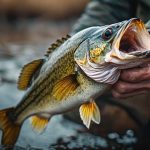
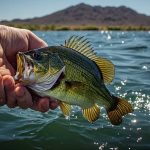
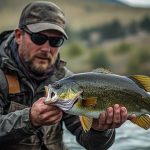
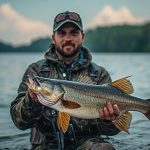
No fish captures the imagination of Louisiana anglers quite like the largemouth bass. These prehistoric-looking predators thrive in virtually every freshwater habitat the state offers, from sprawling reservoirs like Toledo Bend to backwater oxbow lakes and bayous.
Peak activity occurs during spring and fall transitions, when bass move shallow to feed aggressively. Summer finds them relating to deeper structure during daylight hours, while winter concentrations make them more predictable if less aggressive. Most Louisiana waters allow a 10-fish daily creel limit with no minimum size restriction, though some premier bass lakes like Bussey Brake Reservoir implement special slot limits to protect larger specimens. At Bussey Brake specifically, only bass under 18 inches may be kept, with one exception—a single bass over 22 inches can be temporarily held in an aerated livewell for tournament weighing before immediate release.
Look for bass around aquatic vegetation, cypress trees, submerged timber, rocky points, and drop-offs. They’re ambush predators that use cover to their advantage. If you’re new to Louisiana bass fishing, consider visiting Alabama’s bass waters for comparison—the Southern bass fishing culture shares many techniques.
Speckled Trout – Coastal Favorite
Spotted seatrout, affectionately called “specks” by locals, represent Louisiana’s most pursued inshore saltwater species. These beautiful fish with distinctive black spots across their backs offer explosive strikes, acrobatic fights, and excellent table fare.
The current regulations set a 13-inch minimum and 20-inch maximum size limit, with a daily creel of 15 fish (no more than 2 over the maximum). This slot limit protects both young fish and large breeding females. Anglers may possess up to two days’ bag limits on land, allowing for successful multi-day fishing trips.
Speckled trout patrol grass flats, oyster reefs, marsh edges, and open bay waters, typically in 2-6 feet of water during warmer months. Fall months deliver the most consistent action, with October often standing out as spectacular. Live shrimp remains the most reliable bait, but soft plastic jerkbaits rigged on 1/8 to 1/4-ounce jigheads catch plenty of specks year-round. Fish during moving tides for best results, as trout feed most actively when water is flowing.
Redfish – Bronze Beauties of the Marsh
Red drum—called redfish, reds, or channel bass depending on who’s talking—define Louisiana’s inshore fishing culture. These copper-and-gold predators with the distinctive tail spot prowl everything from skinny marsh grass to deeper channels and jetties.
Recent regulation changes implemented in 2024 and continuing through 2026 set the daily creel limit at 4 fish per angler with an 18-inch minimum and 27-inch maximum slot. Importantly, retention of bull reds (those over 27 inches) is now prohibited—these are breeding-sized fish critical to population sustainability. Guide limits have been eliminated, with each angler limited to their personal bag regardless of guide services.
Redfish remain accessible year-round, but September through November delivers peak action as schools congregate in the marsh. Unlike many species, reds feed aggressively during both rising and falling tides. They’re not picky eaters, crushing live shrimp, finger mullet, cut bait, and a wide variety of artificial lures. Gold spoons and soft plastics in natural colors remain Louisiana favorites. The thrill of sight-casting to tailing redfish in inches of water ranks among fishing’s greatest experiences.
Crappie – Springtime Slabs
Black and white crappie occupy a special place in Louisiana fishing traditions, with multi-generational families returning to favorite lakes and brush piles year after year. These panfish grow impressively large in Louisiana’s nutrient-rich waters, with slabs over 2 pounds not uncommon.
The generous 50-fish daily creel limit (100 in possession) on most waters reflects healthy crappie populations, though Poverty Point Reservoir, Caddo Lake, and the Sabine River implement a more conservative 25-fish daily limit. No minimum size restrictions apply.
Late February through April represents primetime, as crappie move shallow to spawn in coves, around cypress trees, and along brushy shorelines. Fish hold in 4-8 feet of water during the spawn, making them accessible to bank anglers. Post-spawn, crappie return to deeper water around submerged brush piles and standing timber, typically suspending 10-20 feet deep.
Live shiners fished under slip bobbers remain the classic approach, but modern crappie anglers also employ spider-rigging techniques with multiple rods and small jigs. Popular crappie destinations include Lake D’Arbonne, Caney Lake, Lake Claiborne, and numerous smaller lakes and bayous statewide.
Catfish – Whiskered Warriors
Louisiana’s catfish populations often fly under the radar because bass and saltwater species capture more headlines, but experienced anglers know better. Blue catfish can reach truly massive sizes—fish over 50 pounds swim in Louisiana rivers and reservoirs. Channel catfish provide consistent action year-round, while flathead catfish (called “yellow cats” locally) offer specialized trophy opportunities.
Most waters allow a generous 100-fish combined daily creel for catfish with no size restrictions, reflecting robust populations. Catfish remain active year-round, though summer nights and warmer periods between winter cold fronts produce the most consistent action.
Habitat preferences vary by species. Channel catfish thrive everywhere from small ponds to major rivers. Blue catfish prefer larger rivers and reservoirs with flowing current. Flatheads are solitary ambush predators that relate to heavy cover. All three species respond to cut bait, prepared baits, and live offerings. Night fishing from boat or bank produces excellent results, as catfish feed more aggressively after dark. The Red River, Atchafalaya Basin, and major reservoirs like Toledo Bend host exceptional catfish populations.
🦞 Regulated or Special-Permit Fisheries
Louisiana’s commitment to sustainable fisheries means certain species require extra attention, additional permits, or face seasonal restrictions to protect vulnerable populations and maintain future fishing opportunities.
Red Snapper – The Regulated Prize
Few fish generate as much anticipation—or regulatory complexity—as Gulf red snapper. Federal and state authorities carefully manage this prized species, with recreational seasons typically announced in spring. The 2026 recreational red snapper season dates should be released by LDWF in late winter or early spring, so check the official Louisiana Wildlife and Fisheries website regularly.
When the season opens (historically starting in late May or early June), anglers must have a valid Recreational Offshore Landing Permit (ROLP) in addition to basic and saltwater fishing licenses. The ROLP is a no-fee permit but must be obtained before possessing red snapper and other regulated offshore species. Bag limits typically allow 4 fish per angler with a 16-inch minimum size. The season structure often includes continuous days followed by weekends-only fishing as the quota is approached.
Gag Grouper – Closed Season Protection
Gag grouper face a closed recreational season from January 1 through August 31, 2026. This extended closure protects the species during critical spawning periods. The season opens September 1 and runs through December 31, with a 24-inch minimum size and 2-fish daily creel limit. Anglers targeting gag during the open season must possess the ROLP permit.
Recreational Offshore Landing Permit Details
Any recreational angler (18 years or older, not on a charter trip) who possesses tunas, billfish, swordfish, amberjacks, groupers, hinds, snappers, dolphinfish (mahi), wahoo, cobia, or gray triggerfish must obtain a ROLP. Charter captains need a Charter ROLP to cover their passengers. The permit is free but mandatory. Registration occurs through the LDWF website, where you’ll create an account and link your fishing license. This system helps biologists track offshore harvest and adjust management strategies.
Wildlife Management Area Special Regulations
Certain Wildlife Management Areas (WMAs) implement unique fishing regulations. For example, Biloxi WMA now requires all fish to be taken by rod and reel only—no trotlines, limb lines, or other passive gear allowed. Several WMAs require WMA Access Permits ($20 annually or $5 for 5 consecutive days) in addition to fishing licenses. Anyone 18 and older using LDWF-administered lands must have this permit, though it’s included in the Sportsman’s Paradise License and all lifetime licenses.
Conservation-Focused Management
Louisiana’s special regulations reflect a science-based approach to fisheries management. Closed seasons allow spawning protection, size limits ensure fish can reproduce before harvest, and creel limits prevent overharvesting. These rules evolve based on population studies, so check current regulations annually. What’s permitted this year may change as fish populations respond to environmental conditions and fishing pressure.
🐠 Everyday Fish & Panfish Opportunities
| Species | Typical Creel Approach | Where to Find Them | Peak Activity |
|---|---|---|---|
| Bluegill/Bream | 50 fish daily | Farm ponds, lake shorelines, cypress-lined bayous, around vegetation | Spring spawn (April-June), warm afternoons |
| White Bass | 50 fish daily | Reservoirs, rivers, open water during shad runs | Spring runs (March-May), fall schooling |
| Yellow Bass | 50 fish daily | Similar to white bass but prefer clearer water | Spring and fall |
| Freshwater Drum | No limit | Rivers, reservoir main bodies, deeper mud-bottom areas | Year-round, most active summer |
| Gar (all species) | No restrictions | Shallow weedy areas, backwaters, bayous | Spring and summer, sight-fishing opportunities |
| Bowfin (Choupique) | No restrictions | Swamps, bayous, shallow vegetated areas | Spring spawning period |
| Sac-a-lait (Crappie) | 50 daily / 100 possession (most waters) | Around structure, brush piles, standing timber | Late winter through spring spawn |
These species often get overlooked by anglers chasing glamour game fish, but they provide outstanding fishing opportunities, especially for families and beginning anglers. Bluegill and other bream species offer non-stop action during spawning periods, with fish aggressively defending beds in shallow water. Kids and novice anglers can enjoy catching dozens of panfish using simple cane poles, small hooks, and crickets or worms.
White bass and their hybrid striped bass cousins create spectacular surface-feeding frenzies during spring spawning runs and fall shad chases. When you find schooling white bass breaking the surface, you’re in for arm-tiring action—they’ll hit virtually any lure that hits the water. These underrated fighters punch well above their weight class.
Freshwater drum (called “gaspergou” locally) rarely receive respect despite being strong fighters that reach impressive sizes. While not prized for eating, they provide fun catches when other species aren’t cooperating. Bowfin (choupique) offer similar opportunities—prehistoric fighters that will test your tackle in the shallow swamps and bayous where they thrive.
🏞️ Stocked Waters & Management Programs
Louisiana’s commitment to accessible fishing opportunities shines through its stocking programs and managed fisheries, bringing quality angling experiences closer to population centers.
Community Fishing Program – Get Out & Fish!
The Get Out & Fish! program represents Louisiana’s dedication to family-friendly fishing access. LDWF stocks approximately 17 community fishing ponds across the state with catchable-sized fish, creating easy opportunities for urban and suburban anglers.
2026 Rainbow Trout Stocking Locations (January stocking period):
- Southeast Louisiana: Joe Brown Park (New Orleans), Sidney Hutchinson Park (Walker), Zemurray Park (Hammond)
- Baton Rouge Area: BREC Burbank Soccer Complex (Baton Rouge)
- Southwest Louisiana: Bayou Country Sports Park (Schriever), Sam Houston Jones State Park (Lake Charles), Jean Lafitte National Park (Marrero)
- North Louisiana: Claiborne Parish Park (Homer), Various locations announced seasonally
These urban fishing ponds receive regular stockings of channel catfish, sunfish, and seasonal rainbow trout. The trout stockings typically occur in January and early February, transforming ordinary ponds into cold-water fisheries for several weeks. It’s an excellent way to introduce children to fishing or enjoy a quick fishing fix without traveling to remote locations.
Most community fishing sites offer bank fishing access, parking, and basic amenities. No special permits are required beyond your standard fishing license (anglers 17 and under fish free). Check the LDWF website for specific stocking dates and locations as schedules can shift based on fish availability and weather conditions.
Reservoir Management & Enhancement
Major Louisiana reservoirs benefit from ongoing habitat enhancement projects. LDWF biologists install fish attractors, plant aquatic vegetation, and implement regulations designed to improve fishing quality. Bussey Brake Reservoir serves as a prime example, where the special 18-inch maximum slot limit (with one over 22 inches temporarily allowed for tournaments) aims to maintain a high-quality bass fishery with abundant fish in the 16-22 inch range.
Lake D’Arbonne, Caney Lake, and Lake Claiborne receive similar attention, with fish surveys, brush pile installations, and water quality monitoring ensuring these waters remain productive. Toledo Bend Reservoir, despite being a massive impoundment on the Texas-Louisiana border, benefits from bi-state management cooperation.
Stocking Programs Beyond Trout
While rainbow trout stockings generate the most publicity, LDWF also stocks various warmwater species to enhance fishing opportunities. Channel catfish, Florida strain largemouth bass, and sunfish go into public waters where natural reproduction needs supplementation. These stockings often target urban fishing locations and smaller lakes where fishing pressure might otherwise deplete populations.
The state also operates several fish hatcheries producing millions of fingerlings annually. While most of these fish support commercial crawfish operations or ecosystem restoration projects, recreational anglers benefit indirectly from healthier aquatic ecosystems.
🌍 Access Rules: Public vs Private Waterways
Understanding Louisiana’s water access laws prevents legal troubles and ensures you’re fishing where you’re allowed. The state’s complex mixture of public and private water rights can confuse visiting anglers.
📍 Navigable Waters Are Publicly Accessible
Louisiana law establishes that navigable waters remain public resources accessible to all licensed anglers. But what qualifies as “navigable”? Broadly speaking, if water historically supported commercial navigation or can float a canoe during normal water levels, it’s likely considered navigable. This includes:
- All major rivers (Mississippi, Red River, Atchafalaya, Pearl River, Sabine River, etc.)
- Large lakes and reservoirs (Toledo Bend, Lake Pontchartrain, Caddo Lake, etc.)
- Bayous with flowing water connecting to larger water bodies
- Coastal marshes and estuaries
- The Gulf of Mexico’s state waters (extending roughly 3 miles offshore)
Key principle: You can legally fish these waters from a boat, but accessing the water itself requires legal entry. You cannot trespass across private property to reach the water.
🏞️ Public Access Points & Boat Launches
Utilize designated public access points, boat launches, and fishing piers to reach public waters. LDWF maintains numerous boat launches statewide, many requiring a WMA Access Permit ($20 annually, $5 for 5 days) if located on Wildlife Management Areas. The Louisiana Outdoor Explorer interactive map on the LDWF website shows public access locations statewide—an invaluable tool for trip planning.
State parks, national wildlife refuges, and municipal parks often provide bank fishing access and boat launches. These facilities sometimes charge parking or launch fees separate from fishing licenses, so carry cash or cards for any fee stations.
🚫 Respecting Private Property
Louisiana’s abundant private land requires anglers to respect property rights:
- Never cross private land without permission to reach water, even if that water is publicly navigable
- Posted signs must be obeyed: “No Trespassing,” “Posted,” and similar signage mark private property boundaries
- Purple paint blazes on trees or fence posts indicate property boundaries in some areas—respect these markings as you would signs
- Don’t assume marshland is public: Much coastal marsh is privately owned despite appearing wild and unpopulated
- Seek landowner permission: Many private landowners grant fishing access if you ask respectfully in advance
🛶 Wading & Watercraft Considerations
If you legally access public navigable water, you can generally fish from a boat, canoe, kayak, or wade within the waterway itself. However:
- Stepping onto banks or shorelines may constitute trespassing on private property
- Anchoring to overhanging trees, docks, or structures on private land can be problematic
- Respect waterfront homeowners—keep reasonable distance from private docks and homes
📋 WMA & Refuge Regulations
Wildlife Management Areas and refuges offer extensive fishing opportunities on public land, but each area may implement specific regulations regarding access hours, allowed watercraft, and permitted fishing methods. For example:
- Some WMAs restrict airboat or mud-motor use
- Certain refuges close specific areas seasonally to protect nesting birds
- A few WMAs require rod-and-reel only (no trotlines or passive gear)
Always check the specific WMA regulations in the LDWF regulation guide before fishing these areas. The general fishing regulations apply, but additional restrictions may exist.
🎟️ Louisiana Fishing License Overview
Navigating Louisiana’s licensing system doesn’t need to be complicated. Here’s everything you need to know to fish legally in the Sportsman’s Paradise.
📝 Who Needs a License
- Anyone age 18 or older engaging in recreational fishing activities in Louisiana waters must possess a valid fishing license
- Residents and non-residents alike require licenses—Louisiana doesn’t exempt visiting anglers
- Active-duty military members stationed in Louisiana can purchase licenses at resident rates with valid military ID
🆓 Who Gets a Pass
- Youth under age 18 (17 and under) fish free without needing a license
- Residents born before June 1, 1940 qualify for a no-fee Senior Hunt/Fish License (still required, just free)
- Certain disabled individuals and veterans with qualifying disabilities can obtain reduced-fee or no-fee licenses (requires application documentation)
🎫 License Types for Most Anglers
Resident Licenses:
- Basic Fishing License ($17): Covers all legal freshwater fishing methods and gear. Required foundation for all fishing activities.
- Saltwater License ($15): Must be added to Basic License for fishing south of the saltwater line (see boundary maps). Covers all legal saltwater recreational gear.
- Combined approach: Most anglers fishing both fresh and saltwater spend $32 total for complete access
Non-Resident Licenses:
- Basic Fishing License ($68): Same freshwater privileges as residents
- Saltwater License ($60): Same saltwater privileges as residents
- Combined total: $128 for complete fishing access throughout Louisiana
- 5-Day Non-Resident Option ($30 Basic + $30 Saltwater = $60 total): Perfect for vacation anglers spending less than a week
Non-Resident Native 10-Day:
- Louisiana natives living elsewhere can purchase 10-day licenses at reduced rates ($17 Basic + $15 Saltwater = $32 total) with proof of Louisiana birth
🏆 Sportsman’s Paradise License
For dedicated anglers (and hunters), the Sportsman’s Paradise License represents the best value:
- Residents: $100 annually
- Non-Residents: $400 annually
This comprehensive license includes Basic Fishing, Saltwater Fishing, Basic Hunting, Deer tags, Turkey permit, Duck stamp, WMA Access, and all recreational gear licenses (except oversized trawls). If you fish regularly and hunt occasionally, this one-stop license saves money and simplifies renewals.
⏰ Short-Term & Specialized Options
- Charter Passenger Licenses: 3-day licenses specifically for charter boat clients (Saltwater: $20, Freshwater: $10)
- Hook and Line License ($5): Limited license for cane pole or simple hook-and-line fishing without reels or artificial bait, plus basic landing nets and minnow traps
- Recreational Offshore Landing Permit (ROLP): Free permit required for possessing certain offshore species (red snapper, grouper, amberjack, tuna, billfish, etc.). Required in addition to fishing licenses.
- Recreational Saltwater Bowfishing Permit: Free permit required for bowfishing in saltwater areas if you’re 18 or older
🎖️ Senior & Military Benefits
Seniors (Louisiana Residents):
- Born before June 1, 1940: Free Senior Hunt/Fish License (must obtain, but no cost)
- Born between June 1, 1940 – May 31, 1962: $5 Senior Hunt/Fish License (covers all fishing and basic hunting)
Military & Veterans:
- Active-duty military (including National Guard) purchase at resident rates regardless of state residency
- Honorably discharged Louisiana resident veterans: $20 combination Hunt/Fish License (requires application)
- 50%+ service-connected disabled veterans: No-fee fishing licenses (requires disability verification)
💻 Where to Buy
- Online: LouisianaOutdoors.com (24/7 access, print immediately or save to mobile device, small convenience fee)
- LA Wallet App: Digital licenses available in Louisiana’s official state app
- Retail Locations: Sporting goods stores, bait shops, and outdoor retailers statewide (look for license vendor signs)
- LDWF Office: Louisiana Department of Wildlife and Fisheries office in Baton Rouge (for lifetime licenses and special documentation situations)
📱 Carrying Your License
Louisiana accepts:
- Printed paper licenses (standard 8.5 x 11″ paper)
- Digital licenses displayed on smartphones or tablets via LA Wallet App or saved PDF
- Lifetime license cards (durable cards for lifetime license holders)
Keep your license accessible while fishing. Law enforcement officers can request to see it at any time. If fishing on a boat with multiple anglers, each person must have their individual license—one license doesn’t cover a group.
🔄 License Validity
Most Louisiana fishing licenses are valid for one year from date of purchase, not calendar year. If you buy a license on May 15, 2026, it expires May 14, 2027. This makes timing purchases strategic—buy before a big fishing trip so the full year’s validity helps you next season too.
🚫 What You Can’t Do
Louisiana fishing licenses do not authorize:
- Commercial fishing or sale of fish
- Trespassing on private property
- Violating gear restrictions or creel limits
- Fishing for certain species without additional required permits (like ROLP species)
❓ Angler FAQs
Can I fish for both freshwater and saltwater species using only one license?
No, Louisiana separates freshwater and saltwater fishing privileges. The Basic Fishing License covers freshwater fishing only, while adding the Saltwater License extends your privileges to coastal and marine waters. The dividing line (called the “saltwater line”) is specifically defined by LDWF and varies across the state. Many productive fishing areas fall below this line, so most serious Louisiana anglers carry both licenses. You’ll find the exact boundary maps in the official regulations or on the LDWF website.
What happens if I exceed my creel limit accidentally while fishing?
Louisiana creel limits are daily maximums—you cannot possess more than one day’s bag limit while on the water. If you’re fishing multiple days (like a weekend trip), you can possess up to two days’ bag limits on land for red drum and spotted seatrout specifically, but only one day’s limit of other species unless otherwise stated. “Accidentally” exceeding limits isn’t a valid defense—it’s your responsibility to count and measure your catch accurately. Violations can result in citations, fines, and potentially having your catch and equipment seized.
Do I need different licenses for fishing from shore versus from a boat?
No, Louisiana doesn’t distinguish between fishing methods when it comes to basic licensing. Your fishing license covers you whether you’re fishing from bank, pier, dock, kayak, or offshore vessel. However, certain activities require additional permits: using a boat on Wildlife Management Areas requires a WMA Access Permit, and possessing certain offshore species requires the Recreational Offshore Landing Permit (ROLP), regardless of how you caught them.
Are there any completely free fishing opportunities in Louisiana?
Yes! Louisiana Free Fishing Days occur periodically (check LDWF announcements for 2026 dates) when anyone can fish without a license. Additionally, youth under 18 never need a fishing license in Louisiana, making all fishing essentially free for kids. Senior residents born before June 1, 1940 qualify for no-fee licenses. The Get Out & Fish community ponds welcome youth anglers for free, family-friendly fishing experiences.
Can non-residents from neighboring states fish Louisiana waters under reciprocal agreements?
Louisiana maintains a reciprocal agreement with Texas for border waters only (Caddo Lake, Toledo Bend Reservoir, Sabine River, Sabine Lake, and Sabine Pass). Texas and Louisiana residents holding valid home-state licenses can fish these specific boundary waters without purchasing the other state’s license. This reciprocity does NOT extend to other Louisiana or Texas waters—you’d need a non-resident license to fish elsewhere in the state. Additionally, Texas residents 65+ can fish Louisiana public waters with valid Texas licenses, and Louisiana residents 65+ enjoy the same privilege in Texas.
What should I do if I catch a fish that’s barely under or over a size limit?
When in doubt, return questionable fish to the water immediately. Enforcement officers carry precise measuring tools, and penalties for size violations aren’t worth the risk. Louisiana measures most fish by total length (from tip of snout to longest part of tail). Pinching tails or manipulating fins to make fish appear legal is illegal. Always measure fish properly: lay them flat on a measuring board or ruler with the mouth closed and tail in natural position. If you don’t have a measuring device, you’re gambling with expensive citations. Invest in a proper measuring board or ruler.
How do tournament anglers comply with creel limits?
Tournament fishing creates unique situations, especially for catch-photo-release events. Louisiana regulations allow temporary possession of certain fish that exceed size limits specifically for tournament weighing at some locations like Bussey Brake Reservoir. However, standard rules apply: each angler is limited to their personal creel limit, and fish must be released or counted against personal limits. Tournament organizers don’t get expanded limits. If a tournament awards points for photographed-then-released fish, those fish don’t count toward creel limits as long as they’re released immediately. Always check specific lake regulations—some waters have special tournament rules.
🗺️ Where to Fish This Year
Louisiana’s fishing destinations span from the cypress-draped north to the salt-sprayed Gulf, each region offering distinct experiences and target species.
🌲 Toledo Bend Reservoir – The Bass Factory
Straddling the Louisiana-Texas border, Toledo Bend ranks among the nation’s premier largemouth bass fisheries. This massive 185,000-acre impoundment consistently produces tournament-winning bass and abundant crappie. Spring and fall deliver exceptional action, with shallow flats and creek arms holding spawning fish. Summer pushes bass to deeper ledges and offshore structure. Numerous boat launches and fishing camps line both banks, though Louisiana residents should note they can fish the entire lake with their resident license due to the reciprocal agreement.
🏞️ Lake D’Arbonne – North Louisiana Gem
Located near Farmerville in north Louisiana, Lake D’Arbonne offers the complete package: quality bass fishing, spectacular crappie runs, abundant catfish, and scenic beauty. The lake’s flooded timber and brush piles create perfect fish habitat. March through May brings legendary crappie fishing when slabs move shallow to spawn. Bass fishing remains consistent year-round, with fall patterns particularly productive. This manageable-sized lake (15,250 acres) provides excellent opportunities for kayak anglers and smaller boats. The state park offers camping, launches, and bank fishing access.
🎣 Caney Lake – Crappie Capital
Northwest of Minden, Caney Lake earned its reputation as a crappie destination where springtime sac-a-lait runs attract anglers from across the region. The lake’s extensive brush piles and standing timber provide perfect crappie habitat. Bass and catfish populations thrive as well, making this a versatile fishing destination. The lake’s moderate size (5,500 acres) and multiple access points make it accessible for various boat sizes. Fall fishing picks up as water temperatures cool, with bass and crappie both feeding actively.
🦞 Atchafalaya Basin – America’s River Swamp
The vast Atchafalaya Basin represents Louisiana’s wild heart—America’s largest river swamp and bottomland hardwood forest. This sprawling wetland wilderness offers fishing for bass, catfish, bream, and bowfin among ancient cypress trees and Spanish moss. Navigation requires local knowledge or GPS mapping, as countless bayous, channels, and lakes interconnect in confusing patterns. The Henderson Swamp area provides excellent access points and guide services. Spring high water brings fish into flooded timber and backwater sloughs.
🌊 Grand Isle – Gateway to Gulf Waters
This barrier island community serves as Louisiana’s primary staging area for offshore fishing adventures. Charter boats launch daily for red snapper (during season), tuna, amberjack, mahi, and king mackerel. Inshore anglers enjoy excellent redfish and speckled trout action around nearby marshes, oil platforms, and beach fronts. The state park offers fishing piers, beach access, and camping. Summer weekends find Grand Isle bustling with anglers, while fall delivers less crowded conditions with excellent inshore action.
🏖️ Calcasieu Lake & Sabine Lake – Southwest Saltwater
Southwest Louisiana’s coastal lakes provide outstanding year-round fishing opportunities. Calcasieu Lake near Lake Charles offers expansive flats, deep channels, and productive marsh edges holding redfish, speckled trout, and flounder. The Calcasieu Ship Channel creates deep-water habitat attracting larger fish. Sabine Lake, shared with Texas, produces similar species with productive fishing around jetties, reefs, and marsh points. Both lakes benefit from freshwater inflow moderating salinity and attracting baitfish concentrations.
For detailed information about accessing these waters and finding exact launch locations, visit the Louisiana Outdoor Explorer interactive map tool at the official LDWF website. Want to explore regulations in nearby states? Check out Florida fishing rules or Arkansas regulations for comparison.
✅ Final Thoughts
Louisiana’s 2026 angling season offers remarkable diversity—from sight-casting to tailing redfish in marsh grass measured in inches to battling trophy blue catfish in river currents, from jigging for crappie around submerged brush to trolling offshore for pelagic gamefish. The Sportsman’s Paradise nickname isn’t marketing fluff; it reflects genuine fishing abundance managed through science-based regulations.
Key 2026 regulations to remember: Redfish remain limited to 4 per person daily with an 18-27 inch slot (no bull reds over 27″ allowed). Speckled trout maintain a 15-fish daily limit with a 13-20 inch slot and maximum of 2 over 20 inches. Most freshwater species remain open year-round, though gag grouper closes January 1 through August 31. Red snapper season dates will be announced in spring—stay tuned to LDWF communications. The new wahoo bag limit allows 5 fish per person. Bussey Brake Reservoir implements a special 18-inch maximum bass slot (one over 22″ temporarily allowed for tournaments only).
Licensing requirements: Anyone 18 or older needs a Basic Fishing License ($17 resident, $68 non-resident) for freshwater and must add a Saltwater License ($15 resident, $60 non-resident) for coastal fishing. Youth 17 and under fish free. The Recreational Offshore Landing Permit (ROLP) is mandatory for possessing regulated offshore species but carries no fee.
Prime seasonal windows: Late February through April delivers the spring crappie spawn and bass pre-spawn. May through August requires early/late fishing strategies as summer heat intensifies. September through November represents peak fishing as cooler temperatures trigger aggressive feeding across most species. December through January slows the pace but rewards patient anglers with concentrated fish in predictable locations.
Whether you’re a Louisiana native planning weekend trips or a visitor hoping to experience fishing that lives up to the legendary reputation, 2026 offers outstanding opportunities. Respect the regulations protecting these resources, practice catch-and-release when appropriate, and introduce someone new to fishing—that’s how we ensure future generations inherit the same abundant fisheries we enjoy today. Tight lines and full stringers await in Louisiana’s waters! 🎣
This comprehensive guide reflects current Louisiana fishing regulations for 2026 based on information from the Louisiana Department of Wildlife and Fisheries. Always verify current regulations before fishing, as emergency closures, season date announcements, or regulation changes can occur throughout the year.

- Wyoming Fishing Regulations 2026: State Rules & Management Areas - February 16, 2026
- Wisconsin Fishing Regulations by Zone 2026: Seasons & Size Limits - February 16, 2026
- West Virginia Fishing Regulations 2026: Stream & Lake Rules - February 16, 2026