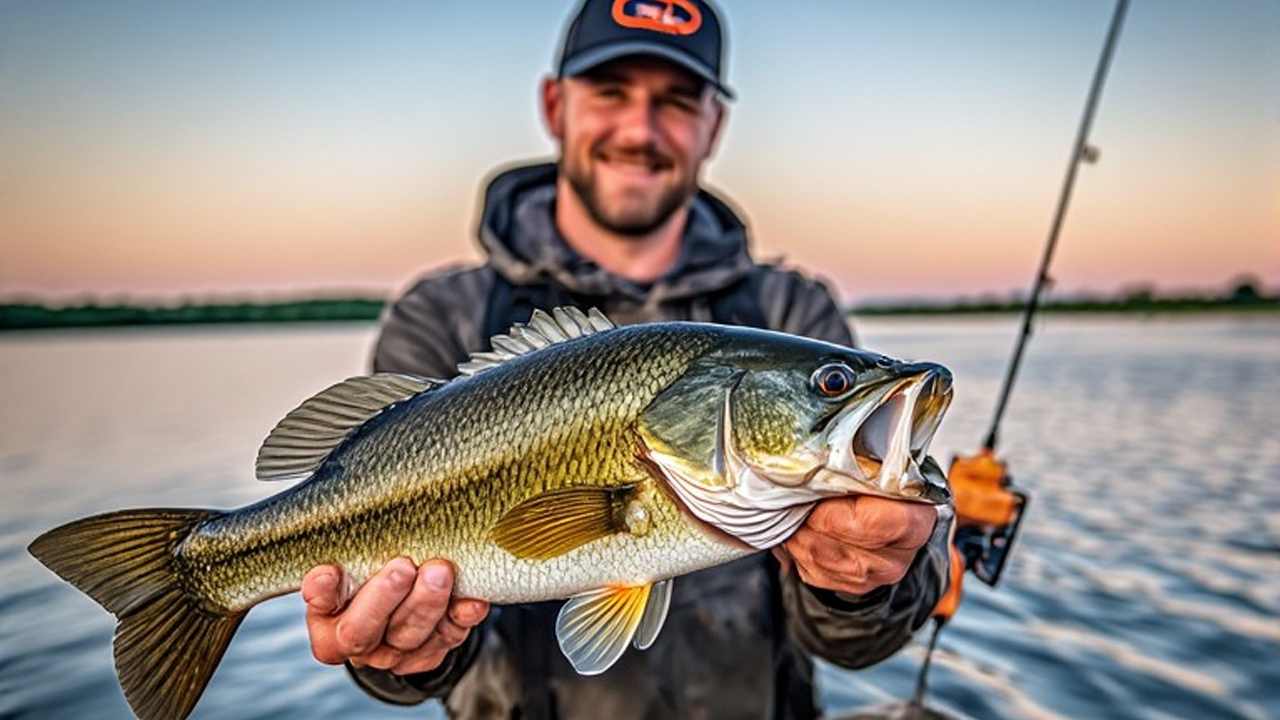
In Kansas, this scene plays out across hundreds of public lakes, prairie streams, and sprawling reservoirs—each offering a different flavor of angling depending on the season. Whether you’re casting for feisty bass in summer heat or chasing stocked rainbows during the cool months, understanding the rhythm of Kansas fishing seasons and the regulations that protect these waters will turn every outing into a success story.
Kansas isn’t just wheat fields and wide skies—it’s a surprisingly diverse fishing destination. From the Missouri River floodplains to the sandy-bottomed Cimarron, the state manages its fisheries with a careful eye on conservation, family access, and long-term sustainability. This guide walks you through everything you need to know about angling opportunities in 2026: what’s biting, where to find it, and how to stay within the rules so these waters stay healthy for generations to come.
🗓️ Complete Kansas Fishing Season Dates 2026
| Species | Season Opens | Season Closes | Daily Creel Limit | Notes |
|---|---|---|---|---|
| Largemouth & Smallmouth Bass | Year-round | Year-round | 5 fish combined | 15-inch minimum on select lakes |
| White Bass | Year-round | Year-round | 15 fish | Most active spring and fall |
| Crappie (Black & White) | Year-round | Year-round | 50 fish combined | Peak bite: March–May |
| Channel Catfish | Year-round | Year-round | 10 fish | No minimum size on most waters |
| Flathead Catfish | Year-round | Year-round | 5 fish | 24-inch minimum on certain reservoirs |
| Walleye | Year-round | Year-round | 5 fish | 15–18 inch minimum varies by water |
| Saugeye | Year-round | Year-round | 5 fish | Same limits as walleye |
| Wiper (Hybrid Striped Bass) | Year-round | Year-round | 2 fish | 21-inch minimum statewide |
| Trout (Rainbow, Brown) | Year-round | Year-round | 5 fish total | Stocked seasonally; check urban pond schedules |
| Bluegill & Sunfish | Year-round | Year-round | No limit | Encouraged harvest for population balance |
| Northern Pike | Year-round | Year-round | 2 fish | 30-inch minimum on designated waters |
Note: Always verify specific lake regulations before fishing. Some managed waters have special slot limits or catch-and-release zones.
🌅 Seasonal Fishing Breakdown Specific to Kansas
Early Spring (March–May)
Kansas fishing truly wakes up when water temperatures climb into the low 50s. This is prime crappie season—anglers flock to brush piles and submerged timber in reservoirs like Milford, El Dorado, and Clinton Lake. White bass runs begin in earnest as fish migrate up tributary arms to spawn, creating fast action with light tackle. Walleye also stage near rocky points and riprap before moving shallow to spawn. Trout stockings ramp up in urban ponds and select stream sections, offering beginner-friendly opportunities close to metro areas. Weather can be unpredictable—pack layers and watch for afternoon thunderstorms.
Peak Summer (June–August)
Heat drives many anglers to early mornings and late evenings, but Kansas fishing doesn’t shut down. Bass transition to deeper structure during midday, holding near drop-offs, submerged roadbeds, and standing timber. Topwater action at dawn and dusk is electric, especially around lily pads and weed edges. Catfish become the go-to target for nighttime anglers, with flatheads prowling shallow flats after dark. Wipers (hybrid striped bass) patrol open water, hitting fast-moving lures near humps and ledges. Bluegill beds are active through early summer, making it an ideal time to bring kids for nonstop panfish action.
Fall Transition (September–November)
Cooling water temperatures trigger aggressive feeding as fish bulk up before winter. This is arguably the best time for multi-species action. Crappie school tightly around brush and channel edges, walleye roam shallow flats chasing baitfish, and bass feed heavily on shad. White bass reappear in numbers, often mixed with schooling wipers creating explosive surface activity. Prairie reservoirs turn stunning shades of gold and crimson, making every trip a scenic escape. Water levels often stabilize after summer draw-downs, improving access and fish location.
Winter (December–February)
Kansas doesn’t freeze over like northern states, so open-water angling continues on most reservoirs. Crappie suspend in deep basins near submerged structure—slow presentations with jigs or minnows under floats work best. Trout fishing picks up again as stockings resume in urban areas, with fish holding in cooler, oxygenated water. Channel catfish remain catchable, though activity slows. Some die-hard bass anglers target deep wintering holes with finesse tactics, but patience is required. Ice fishing is rare and limited to smaller ponds during extreme cold snaps—always check ice thickness and local safety advisories.
🐟 Game Fish Anglers Target Most
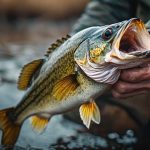
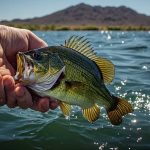
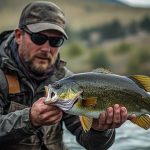
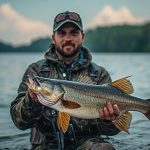
Largemouth and Smallmouth Bass dominate Kansas fishing conversations, and for good reason. Largemouth thrive in the state’s abundant reservoirs, farm ponds, and oxbows, ambushing prey near cover like fallen timber, boat docks, and weed lines. Smallmouth are found in clearer, rockier systems—particularly in streams and rivers with good current. Most waters have a five-fish daily limit, but length restrictions vary: some lakes enforce a 15-inch minimum to protect breeding stock, while others allow slot harvest to balance populations. Spring and fall offer the most consistent action, but summer topwater bites around dawn are unforgettable.
Trout aren’t native to Kansas, but aggressive stocking programs create excellent cold-weather fisheries. Rainbow and brown trout are planted in urban ponds, park lakes, and select stream sections from late fall through early spring. These programs are designed to provide accessible, family-friendly fishing near cities like Wichita, Topeka, and Kansas City. Creel limits are generous—five fish per day—and no special trout stamp is required. Stocking schedules are posted online, so savvy anglers plan trips shortly after fresh fish arrive for the best action. Flies, spinners, and PowerBait all produce.
Walleye and Saugeye represent trophy potential in Kansas. These toothy predators patrol deeper water in reservoirs like Cheney, Kanopolis, and Wilson, feeding on shad and young-of-year fish. Walleye are prized for their table quality and challenging fight, while saugeye (a walleye-sauger hybrid) are stocked to expand opportunities. Most waters enforce a 15-inch minimum with a five-fish creel limit, though some trophy waters use slot limits to protect mid-size fish. Night fishing with live minnows or trolling crankbaits along rocky points and flats produces consistent results. Spring and fall are prime, but patient anglers catch them year-round.
Catfish—channel, flathead, and occasionally blue cats—are the backbone of Kansas angling. Channel cats are abundant, easy to catch, and excellent table fare, making them perfect for beginners and family outings. Flatheads grow to impressive sizes (50+ pounds) and require heavier tackle and live bait like sunfish or goldfish. Blue catfish, though less common, inhabit larger river systems and can exceed 100 pounds. Regulations are lenient: 10 fish daily for channels, five for flatheads (with a 24-inch minimum on select waters), and liberal harvest to support healthy populations. Summer nights and muddy water after storms are peak times.
🦞 Regulated or Special-Permit Fisheries
Kansas manages several trophy waters with special regulations designed to produce larger fish and higher-quality angling experiences. These include minimum length limits, protective slot limits, and catch-and-release zones. For example, certain reservoirs may require all bass between 13 and 18 inches to be released immediately, allowing fish to reach spawning maturity and grow to trophy size. Wiper regulations are strict statewide—only two fish per day with a 21-inch minimum—to maintain population balance.
Trout management areas operate under seasonal stocking schedules and specific creel rules. While most urban trout ponds follow standard five-fish limits, some stream sections designated as “quality trout waters” may have stricter rules or artificial lure requirements during certain periods. Always check the Kansas Department of Wildlife and Parks (KDWP) website or local signage before fishing these areas.
Kansas also participates in paddlefish snagging seasons on the Missouri River and select reservoirs during spring. This unique fishery requires a separate permit and operates under a lottery system. Paddlefish are prehistoric filter feeders—not true sport fish—but snagging them during spawning runs is a beloved tradition. Special regulations govern gear, snagging zones, and possession limits to ensure sustainable harvest.
🐠 Everyday Fish & Panfish Opportunities
| Species | Typical Creel Approach | Where to Find Them |
|---|---|---|
| Bluegill | No limit—encouraged harvest | Farm ponds, shallow coves, weed edges |
| Redear Sunfish | No limit | Sandy-bottomed lakes, near shell beds |
| Green Sunfish | No limit | Small streams, warm ponds, structure-rich areas |
| Black & White Crappie | 50 fish combined daily | Brush piles, submerged timber, deep basins |
| White Bass | 15 fish daily | Tributary arms during spawning runs, open water humps |
| Bullhead Catfish | No specific limit | Muddy ponds, slow streams, shallow night fishing spots |
Panfish are the unsung heroes of Kansas angling—abundant, delicious, and perfect for introducing newcomers to the sport. Unlike trophy species with strict limits, sunfish and bluegill can be harvested freely. In fact, KDWP encourages anglers to keep panfish to prevent overpopulation, which stunts growth. Crappie remain the most sought-after panfish, with anglers targeting them in deep brush during winter and spring, then again in fall as they school up.
🏞️ Stocked Waters & Management Programs
Kansas invests heavily in stocking programs to expand fishing opportunities beyond native species. Trout stockings occur weekly during the cooler months at dozens of urban ponds and select streams—these are often within city parks, making them accessible to families without boats or specialized gear. Saugeye are stocked regularly in prairie reservoirs to boost predator populations and control rough fish numbers.
Wiper stocking has been a game-changer. These hybrid striped bass grow quickly, fight hard, and thrive in Kansas reservoirs, providing an exciting alternative to traditional bass and catfish angling. Youth fishing ponds are another priority, with KDWP maintaining special areas stocked heavily with catfish, trout, and panfish exclusively for anglers under 16 years old.
Check the KDWP stocking calendar online for exact dates and locations. Many anglers time trips to arrive within days of fresh trout plants, when fish are most aggressive and numbers are highest. If you’re looking for similar opportunities in neighboring states, consider exploring Colorado’s managed fisheries or learning about Illinois stocking programs for comparison.
🌍 Access Rules: Public vs Private Waterways
- Public Fishing Access: Kansas maintains hundreds of state fishing lakes, wildlife areas, and reservoir access points managed by KDWP. These waters are open to all licensed anglers and typically feature boat ramps, parking, and shoreline access. Look for brown signs marked “Public Fishing Area.”
- Walk-In Fishing Access (WIFA): Similar to walk-in hunting areas, WIFA properties provide access to private ponds and streams through agreements with landowners. Anglers must stay within marked boundaries and follow all posted rules.
- Corps of Engineers and Federal Waters: Large reservoirs like Milford, Perry, and Clinton are managed by the U.S. Army Corps of Engineers. Fishing regulations follow state rules, but camping, boating, and facility use may have separate federal guidelines.
- Private Ponds and Rivers: Unless explicitly marked as public or enrolled in WIFA, assume water is private. Trespassing laws are enforced seriously in Kansas. Always ask permission before accessing farm ponds, and respect landowner property—close gates, pack out trash, and leave no trace.
- Stream Access: Kansas follows a “navigable waters” doctrine. If a stream is legally navigable, you can fish from a boat or wade within the waterway, but you cannot cross private land to reach it without permission. Research access points carefully and use public road crossings where available.
🎟️ Kansas Fishing License Overview (Simplified)
- Who Needs a License: Anyone 16 years or older fishing in Kansas public waters must carry a valid fishing license. This applies to residents, non-residents, and even out-of-state visitors on a day trip.
- Resident vs Non-Resident: Kansas residents pay significantly lower fees for annual licenses compared to non-residents. Residency is determined by permanent address and where you file state taxes—college students and military personnel should verify their status.
- Youth Anglers: Anyone under 16 can fish without a license, making Kansas highly family-friendly. There are no restrictions on what youth anglers can catch or keep, as long as they follow standard creel limits.
- Short-Term and Daily Permits: Non-residents or visitors can purchase one-day, three-day, or weekly permits instead of committing to an annual license. These are ideal for tourists or anglers trying Kansas waters for the first time.
- Special Stamps and Endorsements: Kansas does not require a separate trout stamp—trout fishing is included with your base license. However, paddlefish snagging requires an additional permit during designated seasons.
- Where to Buy: Licenses are available online through the KDWP website, at sporting goods stores, bait shops, and many convenience stores statewide. Digital licenses on your smartphone are legal and accepted—just ensure the screen is readable if checked by a conservation officer.
- Lifetime and Multi-Year Options: Kansas offers lifetime licenses for residents, including discounted youth and senior options. Multi-year licenses provide cost savings for dedicated anglers.
For additional context on licensing in other regions, the U.S. Fish & Wildlife Service provides national resources on fishing regulations and conservation.
❓ Angler FAQs
Can I fish at night in Kansas?
Absolutely. Night fishing is legal and popular, especially for catfish. Bring headlamps, insect repellent, and always let someone know your location when fishing after dark.
Are there any catch-and-release-only waters?
A few designated waters or specific zones within reservoirs enforce catch-and-release rules for certain species during spawning or to protect trophy populations. These are clearly marked with signage and listed in the KDWP fishing regulations guide.
What’s the rule on live bait?
Live bait is generally allowed, but do not release unused baitfish into waters where they weren’t caught. Transporting and releasing non-native baitfish can disrupt ecosystems. Use minnows, worms, and crickets purchased from local bait shops responsibly.
Do I need a boat to fish Kansas reservoirs?
Not at all. Many of Kansas’s best fishing spots are accessible from shore, piers, and fishing docks. Smaller state fishing lakes and urban ponds are specifically designed for walk-up access.
When is the best time to fish for crappie?
March through May, hands down. Water temperatures in the mid-50s to low 60s trigger spawning behavior, and crappie move shallow near brush, docks, and submerged trees. Fall offers a second bite as fish school up again.
Can I clean fish on-site?
Yes, but always check specific lake regulations. Some areas have fish cleaning stations; others prohibit cleaning near boat ramps or swimming beaches. Pack out remains or dispose of them in designated trash receptacles.
What should I do if I catch an invasive species?
Do not release it back into the water. Common invasives like white perch or certain Asian carp species should be killed and disposed of properly. Report large catches of suspected invasives to KDWP to help track and control populations.
🗺️ Where to Fish This Year
Kansas might surprise you with the sheer variety of fishing environments packed into its borders. Milford Lake, the state’s largest reservoir, sprawls across nearly 16,000 acres of water and offers everything from walleye and wiper to catfish and white bass. Its rocky points, submerged humps, and creek arms provide endless structure to explore. On calm summer mornings, watching the sunrise over Milford while bass boil on shad is a quintessential Kansas experience.
For a more intimate setting, Cheney Reservoir near Wichita is a walleye and wiper hotspot. The lake’s clear water and rocky shorelines create ideal habitat, and night fishing along the dam produces trophy fish. El Dorado Reservoir is another gem, known for its excellent crappie fishing in spring and consistent bass action year-round. The lake’s campgrounds and marinas make it a great destination for weekend trips.
If you prefer stream fishing, the Elk River in southeastern Kansas winds through wooded hills and offers surprising smallmouth bass action. The Neosho River system provides access to flathead catfish and the occasional paddlefish during snagging season. For trout, urban ponds in Wichita’s Sim Park or the Prairie Queen Recreation Area near Topeka are stocked regularly and perfect for beginners.
Planning a fishing road trip? Consider checking out Arkansas’s diverse angling options or the California coast for saltwater variety to expand your horizons.
The KDWP interactive fishing atlas online is an invaluable resource—it maps public access points, provides species information, and includes recent stocking reports. Download it to your phone before heading out, especially when exploring new water.
✅ Final Thoughts
Kansas angling in 2026 offers something for everyone—whether you’re chasing trophy walleye in sprawling reservoirs, teaching a kid to catch bluegill in a city park pond, or stalking flathead cats on a moonlit summer night. Most game fish are available year-round, with no closed seasons, making Kansas one of the most angler-friendly states in the Midwest. Key dates to remember: spring crappie runs peak in March through May, trout stockings ramp up from October through April, and fall feeding frenzies in September and October deliver multi-species action.
Regulations are straightforward—five-fish limits for bass and walleye, generous creel allowances for panfish and catfish, and strict protections for wiper to maintain their trophy status. Always verify lake-specific rules before casting, as certain waters enforce special slot limits or length minimums to support quality fisheries. Licensing is simple, youth fish free, and public access is abundant across the state.
Respect the resource, follow the rules, and Kansas waters will reward you with memories that last far beyond the final cast.

- Wyoming Fishing Regulations 2026: State Rules & Management Areas - February 16, 2026
- Wisconsin Fishing Regulations by Zone 2026: Seasons & Size Limits - February 16, 2026
- West Virginia Fishing Regulations 2026: Stream & Lake Rules - February 16, 2026