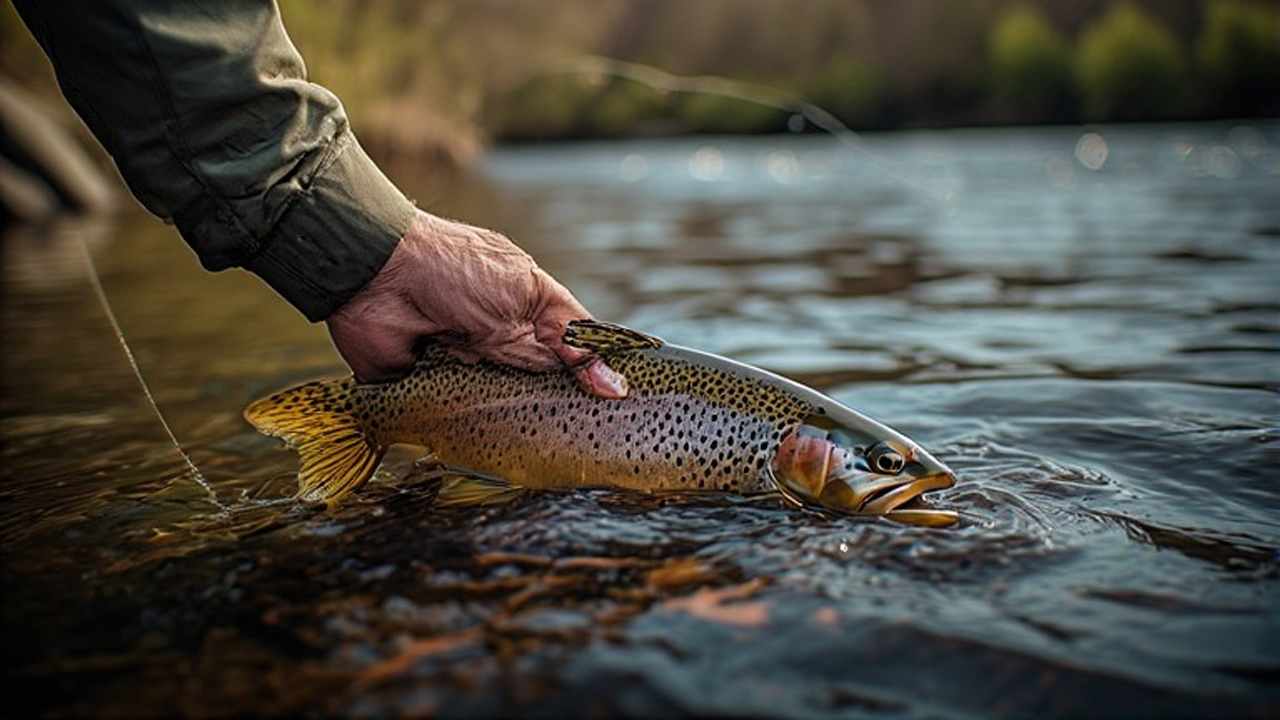
The first time you watch Colorado “wake up” in early spring, it’s hard not to feel like the whole state is stretching after a long nap. Snowmelt trickles into creeks, lakes lose their ice like a slow curtain lift, and suddenly every pull-off with a bit of water looks like it might hold a hungry trout. That’s the magic here: fishing opportunities don’t just change through the year—they transform.
Colorado is wonderfully visitor-friendly for anglers, but it’s also serious about conservation. Licenses and rules aren’t just paperwork; they’re how Colorado Parks & Wildlife (CPW) keeps managed lakes and rivers healthy for the next season, the next generation, and the next road-trip family with a cooler and a spinning rod. One big “timing” detail to remember is that annual fishing licenses run March 1 through March 31 of the following year (a 13‑month season window).
So if you’re planning a 2026 trip—whether it’s a weekend at a reservoir, a fly-fishing morning in a canyon, or teaching a kid to cast at an easy-access pond—this guide will help you line up your catch dates, creel rules mindset, and access plans without making it feel like homework. 🎣
Complete Colorado Fishing Season Dates 2026 in Table 🗓️
Colorado is broadly “open” year-round for fish, amphibians, and crustaceans unless a specific water has a special closure or restriction in the official brochure/regulation listings.
| Season item (plain-English) | What it usually means for anglers | 2026 planning note |
|---|---|---|
| Annual license “season window” | One license covers spring, summer, fall, and winter fishing | March 1, 2026 → March 31, 2027 (annual license validity is 13 months) |
| General statewide opportunity | Many waters can be fished day/night year-round | Always check water-by-water special regulations in CPW’s brochure/atlas tools |
| Free Fishing Days | A short “try it” window for residents/nonresidents | Typically first full weekend of June (rules still apply—just not the license requirement) |
| Stocking updates (trout) | Freshly stocked fish can boost beginner success | CPW stocking report is updated weekly (Fridays) during the fishing season |
🗓️ Seasonal Fishing Breakdown
🌱 Early Spring (ice-out energy, cold hands, hot bites) 🎣
- Best “feel” of the season: That first open shoreline after winter where the water is dark, calm, and full of possibility.
- Species you’ll commonly run into: trout (especially in stocked streams/ponds), plus warming-water species starting to stir in lower-elevation reservoirs.
- Regulations to watch closely:
- Special restrictions often show up on certain stretches—think artificial-only zones, catch-and-release segments, or short closures near spawning areas (these are water-specific). Use CPW’s atlas and the current brochure to confirm before you go.
- Practical beginner move:
- Pick one “easy-access” place and fish it a few times rather than bouncing around. Early spring rewards familiarity—where the sun hits first, where the wind pushes warmer water, where you can safely walk the bank. 🐟
☀️ Peak Summer (family water, fast mornings, long evenings) 🐠
- Common active targets: trout in higher elevations and colder tailwaters; bass, walleye, catfish, and pike in warmwater reservoirs; panfish near structure.
- Typical rule “gotchas” to keep in mind:
- Some waters have tighter possession limits or slot-style protections for certain species—especially where trophy management is the goal. (You don’t need to memorize numbers; you do need to read the sign or check the water listing.)
- Special catch-and-release patterns you’ll see:
- Many quality fisheries use selective harvest or release-focused rules to keep bigger fish in the system longer.
- Field-proven advice:
- Summer success often comes down to timing: fish earlier, rest midday, come back when shadows stretch. If you’re visiting from out of state, don’t underestimate Colorado sun at elevation—hydrate like it’s part of your tackle. 🦈
🍂 Fall Transition (cool nights, aggressive fish, postcard scenery) 🐟
- What changes: Water temps drop, baitfish movements shift, and predatory fish often feed more aggressively before winter.
- Species that shine: trout (especially in rivers), pike, walleye, and reservoir fish that feel the “winter clock.”
- Regulations worth watching:
- Spawning-protection closures can occur on specific waters/segments and can be short but strict. Always verify the specific water rules.
- Fall visitor tip:
- This is one of the best times to explore public access waters because crowds thin out. Just be ready for rapid weather swings.
❄️ Winter (ice edges, tailwaters, and the quiet season) 🦞
- Reality check: Winter fishing can be fantastic, but it’s more “choose-your-adventure” than automatic.
- Likely opportunities: open water below dams (tailwaters), lower-elevation waters that don’t lock up, and safe ice fishing where allowed/conditions permit.
- Rules & safety to respect:
- Ice isn’t a regulation topic—it’s a survival topic. If you’re new, go with someone experienced and never assume thickness is uniform.
- Why it’s worth it:
- Fewer people, clearer water, and that calm, hushed feeling you only get when the shoreline is rimmed with frost. 🎣
🐟 Game Fish Anglers Target Most
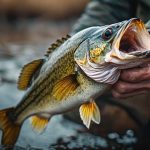
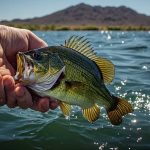
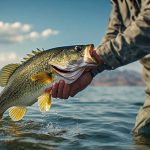
Bass: In Colorado, bass fishing tends to feel like a warm-weather side quest that turns into a full-blown obsession once you find the right reservoir corner. They’re most active when water temps are up and shallow structure gets lively—think rocky banks, weed edges, and marina areas. Limits and size rules vary by water, especially where bass are managed as a quality fishery, so treat each lake as its own rulebook. Lakes and reservoirs are the classic bass playgrounds here, especially those with easy bank access for casual anglers.
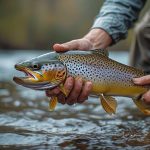
Trout: Trout are Colorado’s headline act for a reason. They’re active across a long stretch of the year, but they really shine when water stays cool—spring runoff timing, summer mornings at elevation, and crisp fall afternoons. You’ll run into everything from stocked streams to wild trout water with special restrictions. Possession limits and method rules (bait vs. artificial) can change dramatically by location, so it’s smart to build your trip around one or two rivers/lakes and learn their specific creel rules. CPW also highlights and manages high-quality trout waters (including “Quality Waters” and other programs) through their fishing resources.
Pike / Muskie: Northern pike are the ambush predators that turn an ordinary day into a “what just happened?” moment—big flash, heavy head-shakes, and a grin you can’t hide. They’re often most catchable when they’re roaming shallow edges during feeding windows (low light can be excellent). Colorado also has tiger muskie in select waters—these can be more tightly managed, so expect special rules in some places. Pike/muskie fishing is typically a reservoir game: points, coves, weed lines, and drop-offs.
Walleye / Catfish: Walleye are the “quiet confidence” fish—subtle bites, big payoff—often best during low light or when wind stirs the water. Catfish lean into warm evenings and scent-based tactics, especially in more fertile lower-elevation waters. Limits are often designed to balance harvest with long-term fishery health, so you’ll see management vary by reservoir. If you’re visiting, ask locals at the ramp what depth range and presentation have been working—Colorado anglers are usually happy to point you in the right direction (without giving away everything).
🦞 Regulated or Special-Permit Fisheries
Colorado has fisheries that aren’t just “go whenever.” Some are protected because they hold sensitive native species, others because they’re trophy-focused, and others because access is limited for habitat reasons.
Here’s what that can look like in practice:
- Water-specific closures: Some locations can temporarily close to protect spawning runs or reduce stress during critical periods. These are usually short windows but strictly enforced.
- Special method restrictions: Artificial flies and lures only, single-hook rules, or mandatory release sections exist in various waters to keep mortality low and maintain “quality water” outcomes.
- Boating/ANS compliance layer: If you bring a motorboat or sailboat, Colorado’s Aquatic Nuisance Species program is a big deal. The ANS stamp requirements and clean/drain/dry expectations are part of keeping invasive species from wrecking freshwater fisheries.
The practical takeaway: if a fishery is “special,” the rules are usually there because it’s working—producing bigger fish, protecting native populations, or keeping pressure sustainable. Treat those regulations like part of the experience, not an obstacle. 🐠
🐠 Everyday Fish & Panfish Opportunities
If you’re bringing kids, teaching a friend, or just want steady action, panfish and “everyday” species can save the day.
| Species | Creel rule style you’ll commonly see | Where you’ll commonly find them |
|---|---|---|
| Bluegill / sunfish | Often a harvest-friendly limit | Warm, calm coves; docks; weedy edges in reservoirs |
| Crappie | May be managed with a moderate take limit | Brushy structure, marina areas, submerged timber |
| Yellow perch | Often harvest-friendly where abundant | Schooling flats, edges of weed beds |
| Suckers / carp (varies by water) | Sometimes encouraged harvest where overabundant | River runs, reservoir inlets, muddy bays |
🏞️ Stocked Waters & Management Programs
Colorado’s stocking efforts are one reason beginners can have a genuinely good first trip here. CPW runs a trout stocking report that specifically tracks where catchable trout (around 10″) were recently stocked, and it’s updated every Friday during the fishing season. That’s a huge planning advantage if you’re short on time or just want the odds tilted your way.
Two super-useful tools worth knowing about:
- The CPW stocking report (fresh info, great for quick plans).
- The Colorado Fishing Atlas which helps you search by species, interest, access, and more (including stocked waters and special regulations).
If you’re fishing with kids, also keep an eye out for urban ponds and community lakes—Colorado has plenty of family-friendly fishing areas where a short walk from the car can still mean real bites. 🎣
🌍 Access Rules: Public vs Private Waterways
- Public access waters are often clearly marked at trailheads, state parks, state wildlife areas, or designated easements—if you’re unsure, the safest move is to use CPW’s map/atlas tools before you drive out.
- If a shoreline crosses private land, water doesn’t automatically mean access. Respect fences, posted signs, and “no trespassing” markers—even if the spot looks perfect.
- Look for developed entry points: parking pull-offs with signage, fishing piers, boat ramps, or maintained paths.
- When in doubt, choose waters listed with public access or accessibility notes in CPW resources to avoid accidental trespass situations.
- Leave gates as you found them, keep noise down near homes, and treat every access point like you want it to stay open forever. 🐟
🎟️ Colorado Fishing License Overview
- If you’re 16 or older, you generally need to buy and carry a fishing license to fish (with limited exceptions like Free Fishing Days).
- Youth 15 and under can fish without buying a license (and can take a full bag/possession limit), which makes Colorado great for family trips.
- Resident vs nonresident licenses differ—plan ahead if you’re visiting because your best value depends on trip length (short stay vs extended vacation).
- If you buy a license close to your trip dates, you may fish using a temporary authorization number (TAN) while waiting for the physical license in some cases.
- Want to fish two lines? Colorado offers a second-rod stamp option (it doesn’t increase your bag limit—it just lets you fish another line legally).
- Some purchases include or require stamps (like the habitat stamp) depending on age and situation—your cart may auto-add what’s needed, but it’s still smart to understand what you’re paying for.
For an example of how another state structures its fishing rules (useful if you’re road-tripping), you can compare how regulations are explained in Arizona fishing rules and seasonal info.
❓ Angler FAQs
1. Do I need a fishing license in Colorado, and where can I get one?
Yes, anyone 16 years of age or older must possess a valid Colorado fishing license to fish in public waters. Licenses are available online through Colorado Parks and Wildlife (CPW), at CPW offices, and at hundreds of licensed agents statewide (such as sporting goods stores and bait shops). Different licenses are available for residents, non-residents, seniors, and youth.
2. What are “fishing waters” and why are they color-coded on the regulations brochure?
Colorado categorizes its waters to simplify regulations. These designations are found in the annual fishing brochure:
- Green (General Regulations): Apply to most lakes and reservoirs.
- Blue (Special Regulations): Have unique rules for specific bodies of water (e.g., catch-and-release only, slot limits, bait restrictions). Always check the specific listing.
- Orange (Gold Medal Waters): Designated for exceptional trout size and quality. Stricter bait and catch limits apply to preserve these fisheries.
- Red (Fishing Prohibited): Closed to all fishing.
3. What are the standard bag and possession limits for trout?
On most general regulation (green) waters, the daily bag limit for trout is 4 fish, with a possession limit of 8. However, numerous “blue” special regulation waters have lower limits (e.g., 2 fish), are catch-and-release only, or have slot limits (e.g., all trout between 12-16 inches must be immediately released). Always verify the rules for your specific destination.
4. Can I use live bait everywhere in Colorado?
No. The use of live baitfish is prohibited in all Colorado waters to prevent the introduction of invasive species. The use of worms, salmon eggs, and artificial flies/lures is widespread. However, many special regulation and all Gold Medal waters are artificial flies and lures only, and bait (including worms or PowerBait) is prohibited. Check the water’s classification before you go.
5. Are there specific rules for ice fishing?
Ice fishing follows the same license and limit requirements as open-water fishing. Key additional rules include:
- Holes cut in the ice must not exceed 10 inches in diameter.
- Each angler may use no more than two rods or lines (or three on certain specifically designated waters).
- You must attend your lines at all times.
- All holes must be marked for safety and cleared of ice chunks.
6. Where can I find the most current and official regulations?
The definitive source is the annual Colorado Fishing Brochure published by CPW. It is critical to use the current year’s edition, as rules change. It is available digitally on the CPW website, via the CPW Fishing app, or in print at license vendors. Always double-check for emergency regulations or temporary closures posted on the CPW website before your trip.
🗺️ Where to Fish This Year (storytelling + links)
If you’re planning a Colorado trip in 2026, start by opening the Colorado Fishing Atlas on a quiet evening and just zooming around like you’re scouting a treasure map. You can search by species, see access notes, and spot waters that fit your vibe—easy parking for a quick stop, longer trails for a “get away from people” day, or reservoirs with ramps when you want to cover water. The atlas is part of CPW’s interactive mapping tools.
For well-known waters, many anglers build trips around classics like Chatfield, Cherry Creek, Pueblo Reservoir, Horsetooth, or eleven-mile style high-country options—places where infrastructure makes it easier to fish effectively even if you’re new. The best move is to pick one “main” destination and one “backup” close by, then check the latest water-specific regulations and any stocking notes right before you go.
If you want a second layer of trip confidence, browse CPW’s “where to fish” resources for quality waters and planning ideas—especially helpful when you’re trying to match a species goal with public access waters.
For a high-authority, non-Colorado-specific learning boost (knots, seasonal tips, beginner skills), Take Me Fishing’s Colorado license guidance can be helpful as a general reference alongside CPW’s official rules.
✅ Final Thoughts
Colorado in 2026 is set up for anglers who like freedom and structure: many waters are fishable year-round unless a specific listing says otherwise, annual licenses run on a March-to-March cycle (13 months), and CPW tools like the Fishing Atlas and weekly trout stocking updates make trip planning far easier than “just guessing.” Expect water-by-water differences in possession limits and creel rules—especially on trophy or heavily managed lakes and rivers—so the smartest habit is to verify the exact place you’re fishing before you cast. Keep conservation in mind, respect access boundaries, and you’ll find Colorado is one of the most beginner-friendly freshwater fisheries states in the country.
Sources used (official CPW references)
- CPW Fishing Licenses and Dates
- CPW Fish Stocking Report
- CPW Maps & GIS (includes Fishing Atlas mention)
- CPW Where to Fish
- CPW Colorado Fishing Brochure (PDF)

- Wyoming Fishing Regulations 2026: State Rules & Management Areas - February 16, 2026
- Wisconsin Fishing Regulations by Zone 2026: Seasons & Size Limits - February 16, 2026
- West Virginia Fishing Regulations 2026: Stream & Lake Rules - February 16, 2026