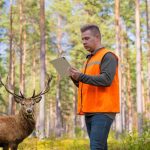
Indiana gives hunters a little bit of everything. Deer hunting is the headline attraction, but the state also offers solid opportunities for turkey, waterfowl, squirrels, rabbits, doves, furbearers, and a handful of lesser-known legal species. Whether you hunt crop edges in the north, big woods in the south, or marsh country near major flyways, Indiana has enough variety to keep both new and experienced hunters busy.
Whitetails remain the main draw for many hunters, and Indiana continues to be a strong state for mature bucks. Turkey hunting is also popular, especially in the spring, while duck and goose hunters benefit from clearly defined waterfowl zones. Small-game hunters still have long seasons and plenty of chances to get afield without the pressure that often comes with deer season.
Public access is another big part of the picture. Fish & Wildlife Areas, state forests, selected draw hunts, and the Indiana Private Lands Access program all help open doors for hunters who do not have private land. If you like comparing opportunities across regions, this state-by-state hunting seasons guide is a useful starting point.
Indiana Hunting Season Overview
| Category | Details |
|---|---|
| Licensing Requirement | Basic hunting license required for most species; deer, turkey, waterfowl, and some game birds need extra privileges or stamps |
| Main Game Species | Deer, wild turkey, ducks, geese, dove, squirrel, rabbit, pheasant, quail, coyote, raccoon |
| Public Hunting Areas | Fish & Wildlife Areas, state forests, Hoosier National Forest, IPLA private-land tracts |
| Online Harvest Reporting | CheckIN Game through GoOutdoorsIN, by phone, or at check stations |
| Youth Hunting Opportunities | Youth deer, youth turkey, youth waterfowl, youth free hunting days, reserved youth hunts |
| Public Land Programs | Where to Hunt map, Reserved Hunts, Indiana Private Lands Access (IPLA) |
| Hunter Education Requirement | Required for anyone born after Dec. 31, 1986, unless hunting on an apprentice license |
Indiana’s system is straightforward once you break it down: buy the right license, know your season and county rules, follow orange and weapon rules, and report harvests on time. For deer and turkey hunters especially, annual review is important because limits and local restrictions can change.
Big Game Hunting Seasons
Indiana’s big-game focus is deer. The state does not currently have a general bear or elk hunting season, so deer regulations carry most of the weight for big-game planning.
Deer Hunting Season
| Season Type | Dates | Bag Limit | Notes |
|---|---|---|---|
| Archery | Oct. 1, 2026 – Jan. 3, 2027 | Counts toward statewide limit of 1 antlered and 6 antlerless deer | Crossbows allowed with archery license |
| Firearms | Nov. 14 – Nov. 29, 2026 | Counts toward statewide limit | One deer per valid license; county antlerless limits still apply |
| Muzzleloader | Dec. 5 – Dec. 20, 2026 | Counts toward statewide limit | Separate muzzleloader rules apply |
| Youth Hunt | Sept. 26 – 27, 2026 | 1 antlered deer plus antlerless opportunity within county/state limits | Adult partner required |
| Special Hunts / Reduction Zone | Sept. 15, 2026 – Jan. 31, 2027 | Up to 10 deer in reduction zones, only 1 antlered | Antlerless deer must be taken first before a buck in the zone |
Indiana deer seasons are simple on the surface, but local rules matter. County antlerless limits now do most of the fine-tuning. A hunter can take only one antlered deer statewide during the regular youth, archery, firearms, and muzzleloader seasons. There is no general statewide antler-point rule, but reduction zones use an earn-a-buck approach if you want to take an antlered deer there.
Reduction zones are special deer-management areas in designated places only. These are separate from the regular statewide deer bag structure, so hunters need to pay close attention to which license they are using and where they are hunting. Indiana also offers extra opportunity through reserved hunts on some public properties and through IPLA private-land access.
Deer must be reported within 48 hours, and county antlerless rules should always be checked before hunting. That is one of the most important things beginners miss.
Deer Hunting Rules
| Regulation | Requirement |
|---|---|
| Hunter Orange | Required during youth, firearms, and muzzleloader seasons; also required when applicable in reduction zones. Ground blinds need visible orange material |
| Legal Weapons | Legal archery gear, crossbows, qualifying centerfire rifles, approved handguns, shotguns with slugs/sabots, legal muzzleloaders, and qualifying air guns |
| Reporting Deadline | Within 48 hours through CheckIN Game |
| Baiting Rules | Hunting over bait, salt, mineral blocks, or transported food attractants is illegal |
| Tagging Requirements | Temporary transportation tag required immediately after harvest; head stays attached until confirmation number is received |
Elk Hunting Season
| Season | Dates | Permit Type |
|---|---|---|
| No open elk season | Not applicable | Indiana does not have a regulated elk hunt at this time |
Indiana does not currently offer an elk draw or elk season.
Bear Hunting Season
| Season | Dates | Unit/Zone |
|---|---|---|
| No open bear season | Not applicable | Indiana does not have a regulated bear season |
There is no Indiana bear quota or bear check-in system because there is no established bear hunting season.
Turkey Hunting Seasons
Turkey hunting remains one of Indiana’s best spring traditions, and fall opportunity still exists in a more limited form.
Spring Turkey Season
| Season | Dates | Bag Limit |
|---|---|---|
| Youth Hunt | Apr. 17 – 18, 2027 | 1 bearded or male turkey |
| Regular Season | Apr. 21 – May 9, 2027 | 1 bearded or male turkey |
Fall Turkey Season
| Season | Dates | Bag Limit |
|---|---|---|
| Archery | Oct. 1 – Nov. 1, 2026; Dec. 5, 2026 – Jan. 3, 2027 | 1 bird of either sex |
| Firearms | Oct. 21 – Nov. 1, 2026 | 1 bird of either sex |
Turkey Hunting Regulations
| Rule | Requirement |
|---|---|
| Shotgun Restrictions | .410, 10, 12, 16, 20, or 28 gauge shotguns with legal shot sizes; legal muzzleloading shotguns also allowed |
| Hunter Orange Requirement | Not a blanket spring rule, but required when fall turkey overlaps deer orange requirements and on some properties |
| Legal Hunting Hours | Half-hour before sunrise to sunset |
| Youth Requirements | Age 17 or younger; must be accompanied by a licensed adult partner |
Spring turkey is open statewide, while fall firearms is limited to selected counties. Fall archery is broader, but hunters still need to confirm county openings and property rules. Indiana requires a separate turkey license for spring and fall unless you hold a qualifying youth or lifetime license. Turkey harvests must be checked in within 48 hours.
Waterfowl Hunting Seasons
Indiana waterfowl hunting is split into North, Central, and South zones, which helps the state better match migration timing.
Duck Seasons
| Zone | Dates |
|---|---|
| North | Oct. 24 – Dec. 13, 2026; Dec. 19 – 27, 2026 |
| Central | Oct. 31 – Nov. 8, 2026; Nov. 21, 2026 – Jan. 10, 2027 |
| South | Nov. 7 – 8, 2026; Nov. 28, 2026 – Jan. 24, 2027 |
Goose Seasons
| Zone | Dates |
|---|---|
| North | Sept. 5 – 13, 2026; Oct. 24 – Nov. 1, 2026; Nov. 21, 2026 – Feb. 14, 2027 |
| Central | Sept. 5 – 13, 2026; Oct. 31 – Nov. 8, 2026; Nov. 21, 2026 – Feb. 14, 2027 |
| South | Sept. 1 – 13, 2026; Nov. 7 – 11, 2026; Nov. 21, 2026 – Feb. 14, 2027 |
Special Waterfowl Hunts
| Hunt Type | Dates |
|---|---|
| Youth Waterfowl | North: Oct. 17 – 18, 2026; Central: Oct. 24 – 25, 2026; South: Oct. 31 – Nov. 1, 2026 |
| Veteran Waterfowl | North: Oct. 17 – 18, 2026; Central: Oct. 24 – 25, 2026; South: Oct. 31 – Nov. 1, 2026 |
| Early Teal | Sept. 5 – 13, 2026 (South goose-only opener begins Sept. 1 for geese, not teal) |
Waterfowl Requirements
| Requirement | Details |
|---|---|
| HIP Registration | Required for migratory bird hunters |
| Federal Duck Stamp | Required for hunters age 16 and older |
| State Stamp | Indiana waterfowl stamp required for most adults; resident and nonresident youth 17 and younger are exempt |
Duck daily limit is 6, with species-specific restrictions. Canada geese and brant are limited to 5 in the aggregate, white-fronted geese to 2 daily, and light geese to 20 daily with no possession limit. Waterfowl hours are half-hour before sunrise to sunset, except teal, which runs sunrise to sunset. Hunters should also remember the federal duck stamp requirement before opening day by checking the U.S. Fish & Wildlife Service Duck Stamp.
Small Game Hunting Seasons
Indiana small-game seasons give hunters some of the longest and most beginner-friendly opportunities of the year.
| Species | Season Dates | Daily Limit |
|---|---|---|
| Squirrel | Aug. 15, 2026 – Jan. 31, 2027 | 5 |
| Rabbit | Nov. 1, 2026 – Feb. 28, 2027 | 8 |
| Pheasant | Nov. 1 – Dec. 15, 2026 | 2, cock only |
| Quail | North of I-74: Nov. 1 – Dec. 15, 2026; South of I-74: Nov. 1, 2026 – Jan. 10, 2027 | 4 |
| Grouse | Suspended | No season |
| Dove | Sept. 1 – Oct. 18, Nov. 1 – 29, Dec. 19 – 31, 2026 | 15 |
| Woodcock | Oct. 15 – Nov. 28, 2026 | 3 |
| Snipe | Sept. 1 – Dec. 16, 2026 | 8 |
Regional differences matter most for quail. Some DNR properties also have their own small-game procedures, draws, or reduced limits, so property-specific checks are worth the extra time.
Furbearer Hunting and Trapping Seasons
| Species | Dates | Notes |
|---|---|---|
| Coyote | Oct. 15, 2026 – March 15, 2027 | No statewide hour restriction |
| Fox | Oct. 15, 2026 – Feb. 28, 2027 | Red and gray fox |
| Raccoon | Nov. 8, 2026 – Jan. 31, 2027 | Dog-running season also exists |
| Opossum | Nov. 8, 2026 – Jan. 31, 2027 | Same season as raccoon |
| Beaver | Nov. 15, 2026 – March 15, 2027 | Hunting and trapping opportunity |
| Bobcat | Nov. 8, 2026 – Jan. 31, 2027 | Trapping only in designated counties; 1 per season; closes early if quota is hit |
| Otter | Nov. 15, 2026 – March 15, 2027 | Trapping only; 2 per season; closes early if quota is hit |
Trappers also need to remember that river otter and bobcat are special cases. Both require CheckIN reporting within 24 hours, followed by physical registration and CITES tagging. Otter season can close early when the statewide quota is reached, and the same is true for bobcat.
Before you head out, it is smart to review the annual rules. In Indiana, season windows, county antlerless limits, reduction-zone rules, waterfowl zones, and property-specific regulations all matter. This article was cross-checked against the latest official Indiana season sheet, deer, turkey, waterfowl, license, and public-access information available from the Indiana DNR Hunting & Trapping Guide.
Additional Hunting Opportunities
| Species | Season Dates |
|---|---|
| Crow | July 1 – Aug. 15, 2026; Dec. 13, 2026 – March 1, 2027 |
| Frog | June 15, 2026 – April 30, 2027 |
| Turtle | July 1, 2026 – March 31, 2027 |
| Other Legal Species | Sora rail: Sept. 1 – Nov. 9, 2026 |
Hunting Licenses and Fees
Resident License Fees
| License Type | Fee |
|---|---|
| Annual Hunting License | $20 |
| Deer Permit | $39 individual deer license; Deer Bundle $91 |
| Turkey Permit | $32 spring or fall |
| Waterfowl Stamp | $11 |
| Trapping License | $20 |
Nonresident License Fees
| License Type | Fee |
|---|---|
| Annual Hunting License | $90 |
| Deer Permit | $240 individual deer license; Deer Bundle $550 |
| Turkey Permit | $175 spring or fall (adult nonresident) |
| Waterfowl Stamp | $11 |
| Trapping License | $140 |
Youth and Senior Licenses
| License Type | Fee |
|---|---|
| Youth License | $12 resident youth hunt/trap license |
| Senior License | No separate discounted annual hunting license listed by Indiana DNR |
| Apprentice License | Usually the same price as the license category chosen; limited to 3 lifetime apprentice licenses |
Indiana annual licenses generally expire March 31 of the following year. If you buy online, expect a $3 technology fee per license plus a card-processing fee. Mail, retailer, and property sales usually carry a $1 technology fee.
Hunter Education Requirements
| Requirement | Details |
|---|---|
| Minimum Age | No general minimum hunting age, but youth rules apply and very young hunters must be supervised |
| Hunter Safety Course | Required to buy a standard Indiana hunting license if born after Dec. 31, 1986 |
| Apprentice Option | Available instead of hunter education, but limited to 3 lifetime apprentice licenses |
| Online Course Availability | Yes, Indiana offers online hunter education and free classroom options |
Indiana is fairly hunter-friendly here. If you are new, an apprentice license lets you get started, but the long-term plan should still be finishing hunter education. It is the easiest way to avoid licensing headaches later.
Public Hunting Land in Indiana
Public hunting is a real strength in Indiana, especially for deer, turkey, waterfowl, and small game.
Major Public Hunting Areas
| Area Name | Acres | Popular Species |
|---|---|---|
| Goose Pond Fish & Wildlife Area | 9,098 | Waterfowl, deer, dove, turkey, squirrel, rabbit |
| Willow Slough Fish & Wildlife Area | 10,175 | Deer, quail, rabbit, squirrel, dove, woodcock, turkey, waterfowl |
| Tri-County Fish & Wildlife Area | 3,546 | Deer, turkey, pheasant, rabbit, squirrel, waterfowl, frogs, turtles |
Indiana hunters should also look at Hoosier National Forest, state forests, and the DNR’s Where to Hunt map. Fish & Wildlife Areas are often the easiest public starting point because many already have parking, maps, check stations, or draw systems. IPLA adds another layer by opening selected private lands through controlled public access.
Special Hunting Programs
Access Programs
| Program | Description |
|---|---|
| Walk-In Access | Limited in the classic western sense; use self-service public areas and the Where to Hunt map |
| Private Land Access | IPLA opens selected private lands through DNR-managed access |
| Youth Hunts | Youth deer, youth turkey, youth waterfowl, free youth hunting days, reserved youth hunts |
| Draw Hunts | Reserved hunts offered for deer, turkey, waterfowl, dove, pheasant, and some property-specific opportunities |
Most draw and reserved opportunities run through Indiana’s Activity Hub or DNR reserved-hunt system. Apply early, because late applications usually are not accepted.
Important Hunting Regulations
General Hunting Rules
| Regulation | Requirement |
|---|---|
| Hunter Orange | Solid fluorescent orange only; camo orange does not count |
| Trespassing | Permission required on private land, including for retrieving game |
| Baiting | Illegal for deer; transported food, salt, and mineral attractants count as bait |
| Drones | Illegal for scouting game during season and 14 days before season |
| Spotlighting | Illegal from a vehicle while possessing a gun, bow, or crossbow |
| Party Hunting | Illegal |
| Road Hunting | Illegal to shoot within, into, on, or across a public road |
| Suppressors | Legal if used in compliance with federal law |
For many hunters, the biggest mistakes are simple ones: assuming orange camo is good enough, crossing onto private land without clear permission, or forgetting that baited ground remains baited for days after removal. Drone rules also deserve attention because Indiana is strict about using unmanned aircraft to locate game.
Hunting Hours
| Species | Legal Hunting Hours |
|---|---|
| Deer | Half-hour before sunrise to half-hour after sunset |
| Turkey | Half-hour before sunrise to sunset |
| Waterfowl | Half-hour before sunrise to sunset; teal is sunrise to sunset |
| Small Game | No general statewide restriction for most species, with some property-specific exceptions |
Harvest Reporting Requirements
| Species | Reporting Deadline |
|---|---|
| Deer | Within 48 hours |
| Turkey | Within 48 hours |
| Bear | Not applicable |
| Elk | Not applicable |
Indiana uses the CheckIN Game system. Hunters can report online through GoOutdoorsIN, by phone, or at a check station. Deer and turkey need a temporary transportation tag right away, then official registration within the deadline.
Penalties for Hunting Violations
| Violation | Possible Penalty |
|---|---|
| Hunting Without License | Citation, fines/court costs, and possible license action |
| Trespassing | Criminal citation, fines, and loss of access privileges |
| Exceeding Bag Limits | Citation, restitution, possible seizure of game/equipment, license consequences |
| Illegal Harvest | Can lead to serious charges depending on the facts, plus revocation risk |
| Failure to Report Harvest | Citation and possible loss of legal possession documentation |
Penalties vary by county, court, and the exact violation, but Indiana DNR does state that hunting licenses can be revoked after fish and wildlife law convictions. In other words, a “small” mistake can become an expensive season.
Hunting Tips for the 2026–2027 Season
- Check season dates again before every opener.
- Confirm county antlerless limits before deer hunting.
- Wear solid hunter orange when required.
- Do not hunt over bait, mineral, or salt sites.
- Report deer and turkey harvests within 48 hours.
- Keep a paper tag ready in your pack.
- Double-check waterfowl zone boundaries before opening day.
- Buy HIP registration and stamps before migratory bird hunts.
- Get written permission for private land whenever possible.
- Study property-specific rules for FWAs and reserved hunts.
- Scout public land early, especially parking and access routes.
- Keep extra batteries, gloves, and dry socks during late seasons.
Frequently Asked Questions
1. Do I need hunter education to hunt in Indiana?
If you were born after Dec. 31, 1986, yes—unless you hunt on an apprentice license.
2. Can I use a crossbow during Indiana archery deer season?
Yes. Indiana allows crossbows with an archery deer license.
3. How many bucks can I take in Indiana?
One antlered deer statewide during the regular deer seasons.
4. Are deer reduction zones separate from the regular deer bag limit?
Yes. They have their own rules and allow additional harvest opportunity.
5. Is baiting legal for deer in Indiana?
No. Salt, minerals, grain, apples, and similar attractants are illegal for deer hunting.
6. How long do I have to report a deer?
You must report it within 48 hours.
7. Does Indiana have a bear season?
No, not at this time.
8. Does Indiana have an elk season?
No, Indiana does not have an open elk hunt.
9. Do youth hunters need a federal duck stamp?
Yes, if they are 16 or older.
10. Are nonresident youth exempt from the state waterfowl stamp?
Yes, youth 17 and under are exempt from the Indiana waterfowl stamp.
11. Where can I find public hunting land in Indiana?
Fish & Wildlife Areas, state forests, Hoosier National Forest, and IPLA lands are the main places to start.
12. Can I use a suppressor while hunting?
Yes, if you follow federal law.
Final Thoughts
Indiana’s 2026–2027 hunting season offers solid opportunity across the board. Deer hunters get long archery dates, a useful youth hunt, a traditional firearms season, and extra action in reduction zones. Turkey hunters still have a strong spring structure, and waterfowl hunters benefit from zone-based timing that fits migration better than a one-size-fits-all system.
Small-game hunters are in good shape too. Squirrel, rabbit, dove, woodcock, snipe, crow, frog, and turtle seasons give hunters plenty of ways to stay active outside of the deer and turkey spotlight. Furbearer hunters and trappers also have a meaningful season, especially for coyote, raccoon, fox, beaver, otter, and bobcat where legal.
Licensing is not difficult, but it does require attention. Indiana uses a simple base-license system with species-specific add-ons, and fees are still reasonable for residents compared with many states. The real key is buying the exact privilege you need and remembering the reporting deadlines that follow a harvest.
Public access remains one of Indiana’s most useful advantages. Large Fish & Wildlife Areas, national-forest ground, state properties, and IPLA private-land access create real opportunity even for hunters without a farm or lease. If you are willing to scout, learn draw systems, and hunt weekdays when possible, public land can be very productive.
Above all, keep safety and legality first. Wear the right orange, know your boundaries, skip bait, and check your game on time. Regulations can change by county, zone, property, or season, so hunters should always verify the latest details with the Indiana Department of Natural Resources before hunting.

- 2026-2027 Nevada Hunting Seasons New Dates & Regulations - August 13, 2026
- NC Turkey Season 2026 New Dates & Rules - July 23, 2026
- Thrilling 2026-2027 NM Elk, Deer And Pronghorn Season! - July 23, 2026