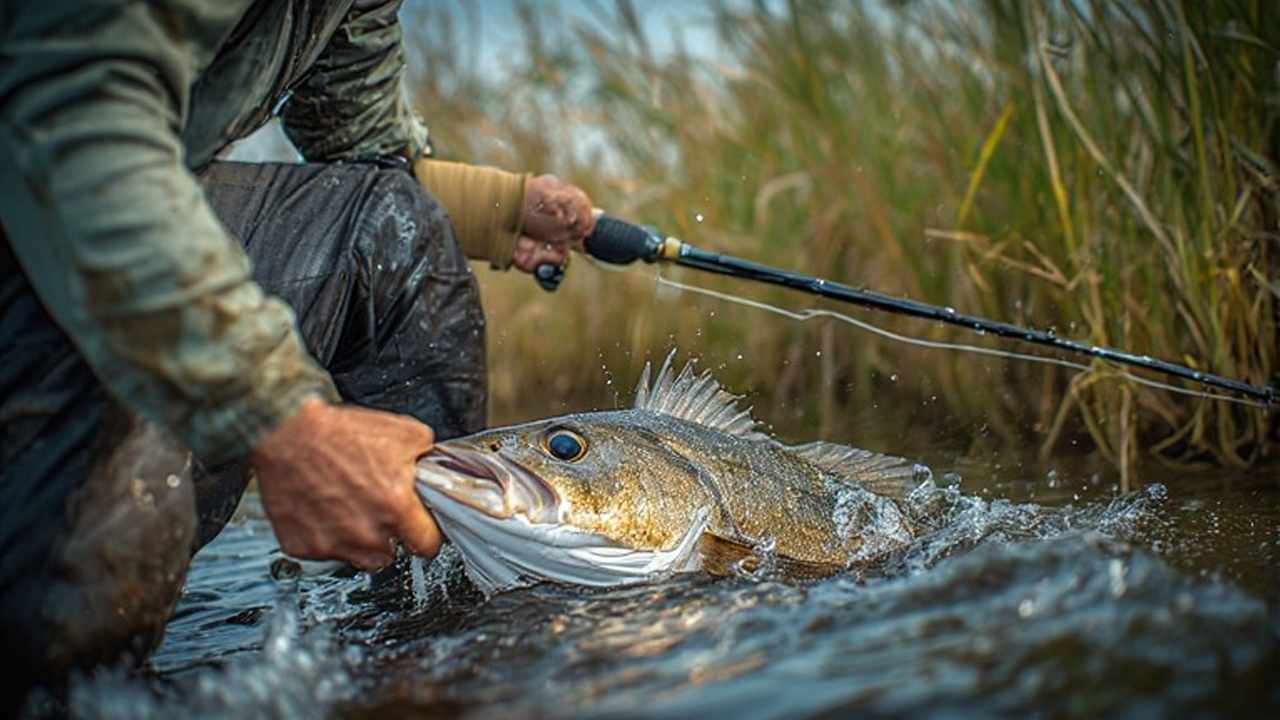
Picture this: the sun barely cresting over Diamond Head, casting golden light across Oahu’s southeastern shore. You’re standing waist-deep in crystalline water, fly rod in hand, watching the ripples for signs of bonefish cruising the flats. This is Hawaii fishing—an experience that defies everything mainland anglers know about seasons, species, and strategy.
Unlike continental fishing where ice-out dates and trout stockings dictate your calendar, Hawaiian angling follows the ocean’s pulse. Trade winds shift. Currents change direction. Pelagic predators migrate through channels between islands. The aloha spirit extends to fishing here: year-round opportunities, minimal closures, and a conservation-minded approach that keeps these island ecosystems thriving for future generations.
Whether you’re a kamaʻāina (local resident) planning weekend outings or a visitor squeezing in shore casting between beach days, understanding Hawaii’s unique regulatory landscape ensures you fish legally, ethically, and successfully. The state manages both freshwater and marine resources with an eye toward sustainability, blending traditional Hawaiian fishing wisdom with modern science. Licensing requirements are straightforward, access is generally generous, and the variety of species will make your tackle box work overtime.
Let’s dive into what makes 2026 an exceptional year to wet a line in the Aloha State.
🗓️ Complete Hawaii Fishing Season Dates 2026
| Fishery Type | Season Status | Peak Activity | Special Notes |
|---|---|---|---|
| Nearshore Reef Fish | Year-round | April–October | Watch for temporary closures during spawning |
| Pelagic Species (Ahi, Ono, Mahimahi) | Year-round | May–September | Best during summer trade winds |
| Bonefish (Oʻio) | Year-round | March–November | Catch-and-release encouraged |
| Ulua (Giant Trevally) | Year-round | June–August | No size limits, sustainable harvest |
| Freshwater Bass | Year-round | February–May, September–November | Found in reservoirs across islands |
| Tilapia & Tucunaré | Year-round | April–October | Excellent panfish opportunities |
| Opelu (Mackerel Scad) | Year-round | Summer months | Traditional bait fish, minimal restrictions |
| Lobster (Spiny) | Closed May 1–August 31 | September–April | Minimum carapace length enforced |
| Kona Crab | Year-round | Winter months | Size and gear restrictions apply |
🌊 Seasonal Fishing Breakdown Across Island Waters
🌺 Early Spring (January–March)
The new year brings calmer ocean conditions after winter swells subside. This transitional period offers fantastic opportunities for anglers targeting reef species like uhu (parrotfish) and kole (surgeonfish). Shore casters find success along lava rock coastlines, particularly on the Big Island’s Kona coast where calm leeward conditions prevail.
Freshwater enthusiasts should mark their calendars for peak bass activity in public reservoirs. Wahiawa Reservoir on Oahu and Waiāhole Reservoir deliver consistent peacock bass action as these aggressive exotics prepare for spawning. Regulations remain simple: respect creel limits and practice ethical catch-and-release for undersized fish.
This season also marks prime time for deep-dropping bottom fish like onaga (red snapper) and ehu (squirrelfish snapper). Commercial and recreational anglers share these resources, so familiarize yourself with possession limits that protect breeding populations.
☀️ Peak Summer (April–September)
Summer transforms Hawaii into a pelagic playground. Trade winds blow consistently from the northeast, creating current lines and temperature breaks offshore where ahi (yellowfin tuna), ono (wahoo), and mahimahi (dorado) congregate. Charter boats out of Kewalo Basin, Honokohau Harbor, and Lahaina reel in trophy catches weekly.
Shore-bound anglers aren’t left out. Bonefish patrol sandy flats and turtle grass beds, offering world-class sight-fishing comparable to the Bahamas or Seychelles. Wading anglers on Molokai’s south shore and Oahu’s windward tide pools experience thrilling runs from these silver ghosts. Remember: catch-and-release is culturally encouraged and helps maintain healthy populations.
Regulations during summer focus on protecting spawning aggregations of certain reef species. Temporary area closures may appear around known spawning sites—check local updates before heading to remote coastlines. Conservation officers patrol actively during these periods, ensuring compliance benefits everyone’s future fishing.
🍂 Fall Transition (October–November)
As autumn arrives (though temperatures barely shift), fishing patterns change subtly. Ulua—powerful giant trevally that test the limits of your gear—become more aggressive along rocky points and harbor mouths. These apex predators require heavy tackle and ironclad determination. State regulations impose no size limits, but responsible anglers release larger breeding females and keep only what they’ll consume.
Freshwater fishing heats back up as cooler nights (relative to summer) trigger feeding activity. Smallmouth bass and peacock bass in reservoirs like Nuuanu on Oahu provide excellent shore and kayak opportunities. These waters require awareness of access rules since some reservoirs border military land or private property.
This season also brings increased activity for ulua slidebaiting—a uniquely Hawaiian technique involving live bait presentations from steep coastal cliffs. Safety is paramount; anglers should never fish alone in these challenging environments.
❄️ Winter (December–February)
Winter means big surf on north shores across the island chain. While this limits some fishing access, south shores and leeward coasts remain fishable and productive. Kona coast fishing for pelagics continues strong, and many visitors discover that Hawaii has no true “off-season.”
Spiny lobster season reopens September 1st after summer closure, making winter months prime time for bug hunting. Divers and trap fishermen target these crustaceans along reef edges and lava tubes. Strict size requirements (minimum 3.25-inch carapace length) and daily possession limits (2 per person) ensure sustainable harvest. Measure carefully—conservation officers carry gauges and issue citations for undersized lobster.
Freshwater options remain available year-round, with tilapia and tucunaré (peacock bass variant) providing consistent action even during December rains.
🐟 Game Fish Anglers Target Most
Peacock Bass (Tucunaré): Introduced decades ago, these South American transplants thrive in Hawaiian reservoirs and irrigation ditches. They strike topwater lures with explosive violence, making them favorites for light-tackle enthusiasts. Prime locations include Wilson Reservoir on Oahu and several Kauai ditches. Most anglers practice catch-and-release, though possession limits do exist. Peak feeding occurs during low-light hours—dawn and dusk sessions produce best results.
Bonefish (Oʻio): These coastal speedsters represent Hawaii’s premium flats species. Wading anglers stalk shallow bays and estuaries, presenting small crabs or shrimp patterns to fish averaging 3-6 pounds. Trophy specimens exceeding 10 pounds cruise certain Molokai flats. While technically legal to harvest, cultural respect and conservation ethics strongly favor release. Modern Hawaiian anglers view oʻio as tapu (sacred), honoring traditional connections between people and reef ecosystems.
Giant Trevally (Ulua): Ulua embody raw power. These bruisers patrol reef edges, channels, and shorelines hunting smaller fish. Shore casters use heavy conventional gear loaded with 80+ pound test, often fishing at night when ulua feed most aggressively. The state imposes minimal restrictions—no size limits, generous bag allowances—but veteran anglers self-regulate, releasing large breeding adults. A 40-pound ulua provides remarkable table fare and memories that last lifetimes.
Yellowfin Tuna (Ahi): Offshore pelagics like ahi drive Hawaii’s sportfishing economy. These powerful tuna range from “school-size” teens to 200+ pound giants requiring stand-up battles lasting hours. Regulations focus on commercial versus recreational allocations rather than season closures. Recreational anglers enjoy generous possession limits, though selling your catch without commercial licenses remains illegal. Responsible anglers avoid spawning aggregations and practice selective harvest.
Mahimahi (Dorado): Mahimahi offer fast action and exceptional eating. These colorful fish congregate around floating debris, current edges, and temperature breaks. Schools appear suddenly and disappear just as fast—success requires mobility and willingness to cover water. Regulations remain minimal; the species’ rapid growth and reproductive rate support sustainable harvest levels that would devastate slower-maturing fish.
🦞 Regulated or Special-Permit Fisheries
Hawaii manages several species under stricter frameworks to ensure long-term population health:
Spiny Lobster: The May through August closure protects breeding adults during peak reproductive months. When season opens September 1st, divers and trap operators must measure every lobster carefully. Carapace length (measured from eye socket ridge to rear carapace edge) must meet 3.25-inch minimum. Daily bag limit stands at 2 lobsters per person, and berried females (carrying eggs) must be released immediately regardless of size. These rules apply statewide across all islands.
Opihi (Limpets): These traditional Hawaiian delicacies cling to wave-swept rocks, and harvesting them involves serious danger. Regulations vary by island and specific management areas. Some regions prohibit collection entirely; others enforce size minimums and seasonal closures. The cultural significance of opihi demands respect—take only what you’ll personally consume, never for commercial sale without permits.
Aquarium Species: Collecting ornamental reef fish for aquarium trade requires special permits. Yellow tangs, flame wrasses, and other colorful species face tight quotas in certain zones. West Hawaii maintains Fish Replenishment Areas where collection is completely prohibited. Recreational anglers rarely encounter these regulations, but anyone considering keeping tropical fish should research requirements thoroughly.
Bottomfish Complex: Species like onaga, opakapaka, and ehu fall under federal management in deeper waters beyond state jurisdiction. These long-lived, slow-growing fish require careful monitoring. Seasonal closures occasionally apply, and recreational anglers must obtain specific federal permits for certain depths. Check NOAA Pacific Islands Regional Office updates before targeting deepwater snappers.
🐠 Everyday Fish & Panfish Opportunities
| Species | Typical Harvest Approach | Where to Find Them |
|---|---|---|
| Tilapia | Generous limits, no restrictions | Irrigation reservoirs, freshwater ponds statewide |
| Papio (Juvenile Trevally) | No size limits, take reasonable amounts | Shore casting, piers, harbor walls |
| Aholehole (Hawaiian Flagtail) | Minimal restrictions | Estuaries, stream mouths, brackish zones |
| Mullet (ʻAmaʻama) | Cultural importance, practice restraint | Shallow bays, fishponds, coastal flats |
| Moi (Pacific Threadfin) | Increasingly protected, check local rules | Sandy beaches, calm bays, aquaculture facilities |
These species provide consistent action for families, beginners, and anglers seeking simple, accessible opportunities. Most require nothing more than basic tackle, local knowledge, and respect for harvest ethics.
🏞️ Stocked Waters & Management Programs
Unlike mainland states with robust trout stocking programs, Hawaii’s freshwater management focuses on maintaining introduced species populations through natural reproduction. The state doesn’t operate traditional hatchery-to-reservoir stocking schedules.
However, several programs enhance angling opportunities:
Reservoir Management: The Division of Aquatic Resources maintains public fishing access at reservoirs across Oahu, Kauai, Maui, and the Big Island. These waters receive periodic habitat improvements, vegetation control, and water quality monitoring to sustain bass, tilapia, and other sport fish.
Youth Education Initiatives: Programs like “Try Fish” introduce keiki (children) to angling through supervised events at accessible ponds. These family-oriented gatherings teach basic techniques, conservation ethics, and safety practices. Participants often keep their catches, creating positive memories that foster lifelong appreciation for fishing.
Aquaculture Integration: Several commercial aquaculture facilities occasionally allow public fishing access. These controlled environments produce moi, mullet, and other species under regulated conditions. Contact individual operations for availability and requirements.
Marine Protected Areas: While not “stocking” per se, Hawaii’s network of Marine Life Conservation Districts protects reef ecosystems, allowing fish populations to rebound. Spillover effects benefit adjacent fishable waters, creating sustainable harvest opportunities. Famous MLCDs include Hanauma Bay on Oahu and Molokini Crater off Maui.
For official information about managed waters and access programs, consult the California fishing regulations comparison resources or explore Colorado’s approach to stocking for contrasting mainland strategies. Hawaii’s island ecosystem requires fundamentally different management than continental models.
🌍 Access Rules: Public vs Private Waterways
- Beach Access Law: Hawaii guarantees public access to beaches up to the high-water mark. You can legally walk along any shoreline regardless of adjacent private property, though reaching that shoreline sometimes requires navigating access points carefully.
- Recognizing Public Entry Points: Look for official beach access signs, public parking areas, and marked pathways. County and state agencies maintain databases of legal access routes. Never trespass across clearly posted private land—hefty fines and criminal charges apply.
- Stream and River Access: Navigable waters remain public up to the high-water mark. Wading upstream from public ocean access points keeps you legal even when banks belong to private landowners. However, “navigable” has specific legal definitions—smaller streams may not qualify.
- Military and Restricted Zones: Several islands host active military installations with restricted coastal access. Signage is clear and abundant. Respect these boundaries absolutely; violations involve federal penalties far exceeding state infractions.
- Traditional Fishing Rights: Native Hawaiian fishing practices receive special recognition under state law. Konohiki fishing rights and traditional gathering areas deserve cultural respect. If local community members request you fish elsewhere, honor that request graciously.
- Private Ponds and Reservoirs: Some freshwater bodies remain entirely private despite appearing accessible. Ancient Hawaiian fishponds (loko iʻa) often fall under private or cultural stewardship. Research before assuming access, and always ask permission when in doubt.
🎟️ Hawaii Fishing License Overview (Simplified)
- Freshwater License Requirement: Anyone age 16+ must carry a valid freshwater game fishing license when pursuing bass, tilapia, or other inland species. This applies to both residents and visitors fishing public reservoirs, streams, and irrigation ditches.
- Marine/Saltwater Exemption: Hawaii does NOT require licenses for ocean fishing, whether from shore, pier, or private boat. This generous policy makes saltwater angling incredibly accessible to visitors and locals alike. Commercial fishing requires separate permits, but recreational ocean anglers fish license-free statewide.
- Resident vs Non-Resident: Freshwater licenses differentiate between kamaʻāina and visitors. Resident licenses cost significantly less and require proof of Hawaii residency (driver’s license, state ID). Non-resident licenses provide identical fishing privileges at higher cost.
- Youth and Kupuna (Elders): Anglers under 16 and over certain ages may qualify for discounted or free licenses. Check current age thresholds, as these occasionally adjust. Youth fishing remains a priority for education and conservation programming.
- Where to Purchase: Freshwater licenses are available online through the DLNR website, at sporting goods retailers, and at certain government offices. Online purchasing provides instant access—print your license before heading to reservoirs. Digital copies on smartphones satisfy enforcement checks.
- Special Stamps and Endorsements: Unlike some mainland states with trout stamps or salmon tags, Hawaii keeps it simple. A basic freshwater license covers all inland angling opportunities without additional endorsements.
- Enforcement and Penalties: Conservation officers patrol both freshwater and marine environments. While saltwater fishing needs no license, regulations still apply—possession limits, size requirements, gear restrictions, and area closures all carry penalty provisions. Cooperation and courtesy during checks makes everyone’s day easier.
❓ Angler FAQs
Can I fish from beaches without worrying about private property issues?
Absolutely. Hawaii’s public trust doctrine ensures access to shorelines up to the high-water mark. You might cross private land to reach the beach via established access points, but once on the sand and in the water, you’re fishing legally. Respect helps—pack out trash, avoid disturbing residents, and follow posted instructions at access points.
What’s the best time of year for visitors to catch trophy fish?
Summer months (May through September) deliver peak pelagic action offshore, with ahi, ono, and mahimahi all running strong. Shore fishing stays productive year-round, though winter swells limit north shore access. If your visit falls during winter, focus on leeward coasts and south shores. Really, any time is fish time in Hawaii—you just adjust species and tactics to match conditions.
Do I need different licenses for fishing on different islands?
Nope. A single Hawaii freshwater license covers all islands statewide. Whether you’re bass fishing on Oahu Monday and exploring Kauai streams Friday, one license handles everything. Marine fishing remains license-free regardless of which island’s shores you’re casting from.
Are there any fish I absolutely cannot keep?
Certain species enjoy total protection: monk seals (obviously—they’re marine mammals), sea turtles, manta rays, and several shark species. Some reef fish face seasonal or area-specific closures to protect spawning. When in doubt, practice catch-and-release or consult official species identification guides before keeping anything unfamiliar.
How do bag limits work when I’m fishing with family?
Each licensed angler receives their own possession limit. A family of four with four valid licenses can legally possess four times the individual bag limit. However, you cannot “pool” limits creatively—each fish must be attributable to a specific angler, and you can’t exceed limits just because others in your party didn’t catch their share.
Where can I find real-time closure information?
The Hawaii Division of Aquatic Resources maintains updated closure notices on their official website and social media channels. Before fishing unfamiliar areas, especially remote coastlines or seasonal spawning sites, verify current regulations. Local tackle shops also provide excellent real-time intel on temporary restrictions.
Is catch-and-release encouraged in Hawaii?
Strongly, especially for culturally significant species like bonefish and large breeding ulua. Hawaiian fishing culture historically emphasized sustainability—taking only what you need, returning the rest. Modern anglers continue this tradition. You’re legally allowed to harvest many species, but ethical restraint ensures future generations enjoy the same opportunities.
🗺️ Where to Fish This Year
Official state resources provide comprehensive maps and access information through the Hawaii DLNR Division of Aquatic Resources website. Interactive tools show public reservoirs, boat ramps, shore access points, and managed areas across all islands.
Wahiawa Reservoir, Oahu: This central Oahu impoundment delivers consistent peacock bass action within easy reach of Honolulu. Shore access exists along several points, and small boats or kayaks extend your range. Mornings and evenings produce best—midday heat slows the bite considerably. Local anglers guard their favorite spots, but friendly conversations often yield helpful tips. The surrounding area offers ample parking and basic facilities.
Kona Coast, Big Island: The leeward Kona coastline represents world-class blue water fishing. Charter operations run daily from Honokohau Harbor, targeting marlin, ahi, ono, and mahimahi. Shore casters work lava rock points for trevally, reef fish, and occasional pelagic surprises. Calm conditions prevail most of the year, making this region ideal for visitors with limited ocean experience. Sunset sessions along Ali’i Drive combine productive fishing with spectacular scenery.
Molokai South Shore Flats: Serious bonefish hunters know Molokai’s shallow southern coastline rivals any destination globally. Wading anglers cover miles of turtle grass and sandy bottom, sight-casting to cruising schools. Solitude and challenging conditions keep crowds minimal. This is destination fishing requiring skill, patience, and respect for a delicate ecosystem. Public access exists at several points; inquire locally about current access routes and conditions.
Wailoa River, Hilo: This Big Island river mouth and adjacent fishponds provide family-friendly opportunities in a scenic setting. Mullet, aholehole, and various brackish-water species offer light-tackle action suitable for beginners. The area includes park facilities, making it perfect for combining fishing with picnics and sightseeing. Regulations here emphasize conservation—check posted rules regarding specific species and harvest limits.
Kaneohe Bay, Oahu: This massive windward bay hosts diverse fishing opportunities from shore, kayak, and boat. Sandbar islands (accessible by boat) provide unique settings for wading and casting. Reef fish, papio, and seasonal pelagics all appear. Military restrictions affect certain zones—stay aware of boundary markers. The bay’s protection from open ocean swells makes it accessible even when rougher waters shut down other areas.
For comparison with continental fisheries management and licensing structures, review guidelines from states like Connecticut’s regulated waters to appreciate Hawaii’s unique approach. Additional perspective comes from examining how Arkansas manages warmwater species in reservoir systems.
Authoritative resources for Hawaiian marine ecology and conservation can be found through NOAA Pacific Islands Fisheries Science Center and The Nature Conservancy Hawaii Program, both offering science-based insights into sustainable fishing practices.
✅ Final Thoughts
Hawaii’s 2026 fishing landscape offers something remarkable: year-round opportunities across freshwater and marine environments, minimal bureaucratic barriers, and a cultural foundation of sustainability that benefits everyone. Unlike seasonal mainland fisheries where ice dictates calendars, Hawaiian waters pulse with life every month. The spiny lobster closure from May 1st through August 31st represents the most significant restriction—otherwise, you’re choosing species and tactics based on conditions rather than arbitrary dates.
Regulations remain refreshingly straightforward. Freshwater anglers age 16+ need a license regardless of residency. Saltwater fishing requires no license at all, though possession limits, size requirements, and area closures absolutely apply. Peacock bass thrive in reservoirs year-round with peak activity during spring and fall. Bonefish patrol flats across all seasons, with summer providing the most consistent sight-fishing. Pelagic species like ahi and mahimahi run strongest during summer trade winds, though offshore opportunities exist twelve months annually.
The state’s conservation approach blends modern science with traditional Hawaiian resource management concepts. When regulations request catch-and-release for culturally significant species or protect spawning aggregations, they’re honoring centuries of sustainable practice. Respect for these rules isn’t just legal compliance—it’s participating in living culture that views ocean and land resources as gifts requiring careful stewardship.
Whether you’re dropping bait from Oahu’s volcanic shores, stalking bonefish across Molokai’s pristine flats, or battling trophy ulua under moonlight, 2026 promises exceptional angling across the Aloha State. Review the seasonal breakdown above, verify current regulations before trips to new locations, and embrace the philosophy of taking only what you’ll use. These islands and their surrounding waters offer fishing experiences found nowhere else on Earth. Tight lines and mahalo for respecting the resources that make it all possible. 🌺🎣

- Wyoming Fishing Regulations 2026: State Rules & Management Areas - February 16, 2026
- Wisconsin Fishing Regulations by Zone 2026: Seasons & Size Limits - February 16, 2026
- West Virginia Fishing Regulations 2026: Stream & Lake Rules - February 16, 2026