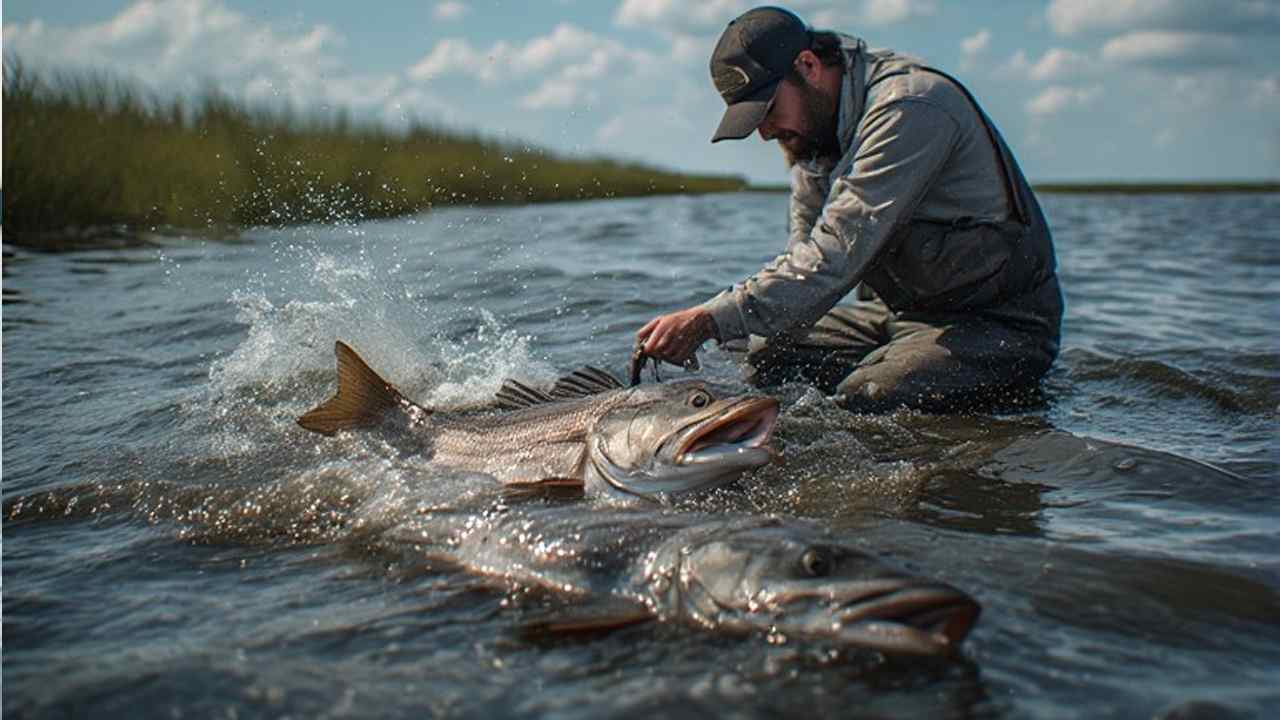
North Carolina offers both scenes—and everything in between. From the Appalachian highlands to the coastal sounds, the Tar Heel State’s fishing opportunities shift like the tides themselves, each season opening new doors for anglers willing to chase them.
Understanding when and where you can fish legally isn’t just about avoiding fines—it’s about timing your trips for peak action, respecting the resource that gives us these moments, and ensuring your kids inherit waters as rich as the ones we enjoy today. Whether you’re a Raleigh resident planning weekend escapes or a visitor mapping out a Carolina fishing vacation, knowing the rhythm of the angling calendar makes all the difference. Let’s walk through what 2026 holds for anglers across North Carolina’s diverse watersheds.
📅 Complete North Carolina Fishing Season Dates 2026
| Species | Season Opens | Season Closes | Water Type | Special Notes |
|---|---|---|---|---|
| Largemouth Bass | Year-round | Year-round | Lakes, ponds, rivers | 5 fish daily limit; 14″ minimum on some waters |
| Striped Bass (Inland) | October 1 | April 30 | Reservoirs | 2 fish per day; 16″-22″ slot limit protected |
| Mountain Trout (Hatchery-Supported) | April 5 | February 28, 2027 | Designated streams | 7 trout daily; mix of brook, brown, rainbow |
| Wild Trout Waters | Year-round | Year-round | Designated wild streams | Artificial lures only; single-hook; 4 fish limit |
| Red Drum (Coastal) | Year-round | Year-round | Sounds, estuaries, nearshore | 1 fish per day; 18″-27″ slot limit |
| Speckled Trout | Year-round | Year-round | Inshore waters | 4 fish daily; 12″ minimum |
| Flounder | May 15 | December 31 | Coastal/sounds | 1 fish daily; 15″ minimum |
| Blue Catfish | Year-round | Year-round | Rivers, reservoirs | No size or creel limits |
| Crappie (Black/White) | Year-round | Year-round | Lakes, slow rivers | 20 fish combined daily limit |
| Muskie | Year-round | Year-round | Select western lakes | 1 fish per day; 40″ minimum |
All dates subject to emergency closures or adjustments by NC Wildlife Resources Commission. Always verify current regulations before heading out.
🌅 Seasonal Fishing Breakdown Across North Carolina
Early Spring (March–May): The Awakening
- 🌸 Mountain streams come alive: April’s trout opener draws crowds to hatchery-supported waters like the Davidson River and Wilson Creek. Stocking trucks run weekly through May, and the action stays hot as water temps climb into the 50s.
- 🎣 Bass spawn triggers: Largemouth and smallmouth move shallow around the new moon in April. Lake Norman, Jordan Lake, and Falls Lake see topwater bites at dawn that’ll make your heart race.
- 🐟 Coastal species migrate inward: Speckled trout flood the sounds. Red drum cruise grass flats. Charter captains around Morehead City and Nags Head start seeing consistent action as baitfish schools thicken.
- ⚖️ Watch for slot limits: Striped bass season closes April 30 on inland waters—know your harvest window before it shuts.
Peak Summer (June–August): Diversity Hits Its Stride
- ☀️ Heat sends freshwater bass deep: Early morning and late evening become prime times. Carolina-rigged plastics and deep-diving crankbaits work ledges on reservoirs like High Rock and Fontana.
- 🦈 Saltwater fishing peaks: King mackerel tournaments fire up. Dolphin (mahi-mahi) run the Gulf Stream. Flounder season is fully open—sandy bottoms near inlets produce limits for those who know how to bounce bucktails.
- 🌊 Catfish own the nights: Blue cats and channels feed aggressively after dark. The Roanoke, Neuse, and Cape Fear rivers all fish well on cut bait and chicken liver.
- 🧊 Trout retreat to tailwaters: Wild trout streams in the mountains slow down, but the Tuckasegee River below Fontana Dam stays cold and productive year-round.
Fall Transition (September–November): The Golden Window
- 🍂 Striped bass season reopens: October 1 marks the return of striper fishing on inland reservoirs. Lake Gaston, Kerr Lake, and Roanoke Rapids Lake light up with schooling fish chasing shad.
- 🎣 Smallmouth bronze up: Cooler water temps trigger aggressive feeding. The New River and Yadkin River systems reward anglers with chunky bronze-backed beauties.
- 🐟 Coastal reds run heavy: Bull redfish cruise the surf zone. Pier anglers and kayak fishermen alike enjoy consistent drum action as migrations ramp up.
- 🦞 Trout fishing improves: As leaves turn, mountain streams cool back into ideal trout range. Less pressure, better conditions—it’s a locals’ secret.
Winter (December–February): Cold-Water Opportunities
- ❄️ Trout stay active: Hatchery-supported waters remain open all winter in most zones. Nymphing deep pools and slow runs pays off when air temps dip.
- 🎣 Striped bass season continues: Inland stripers feed heavily before spring spawn. Vertical jigging and live bait tactics work best in deeper channels.
- 🐠 Crappie fishing shines: As water cools, crappie stack up around submerged brush and docks. Falls Lake, Jordan Lake, and Hyco Reservoir are crappie magnets come January.
- 🌊 Coastal fishing slows but doesn’t stop: Speckled trout move into creeks. Red drum still bite on warmer afternoons. Winter fishing rewards the persistent.
🐟 Game Fish Anglers Target Most
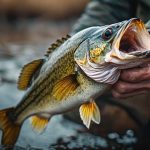
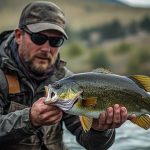
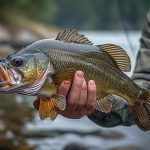
Largemouth Bass – The king of Carolina freshwater. Year-round open season means you can chase bucketmouths twelve months a year, but spring and fall offer the most explosive action. Reservoirs like Lake Norman and Shearon Harris are known for producing hawgs over 8 pounds. Watch for special length limits on certain tournament waters—some require 14-inch minimums or protected slot limits to maintain trophy genetics. Flipping docks, dragging worms through grass, or burning spinnerbaits over shallow flats all work depending on the season.
Striped Bass – Landlocked stripers in places like Kerr Lake and Roanoke Rapids Lake offer freshwater anglers a taste of coastal power. The regulated season (October 1 through April 30) protects spawning adults during warm months. Slot limits (often 16″ to 22″ must be released) ensure a sustainable fishery. Live gizzard shad, umbrella rigs, and deep-diving plugs all score. Expect 10- to 20-pound fish—sometimes bigger if you’re lucky. Understanding the seasonal closure is critical; don’t get caught keeping a striper in July.
Mountain Trout – North Carolina’s high-country streams hold wild brook, brown, and rainbow trout. Hatchery-supported waters open in early April and stay productive through late winter, while designated wild trout streams fish year-round under special regulations (artificial lures, single hooks, reduced creel limits). The Davidson River, Nantahala River, and countless tiny feeder creeks offer everything from easy access for families to technical dry-fly water for purists. Trout stamps are required for anyone 16 and older—don’t skip this add-on when buying your license.
Red Drum (Redfish) – The heartbeat of North Carolina’s inshore fishery. From the Pamlico Sound to the Cape Fear River estuary, reds feed year-round but hit their peak from late summer into fall. The 18″ to 27″ slot limit allows harvest of one fish per day—anything outside that range must be released. Bull reds (over 27″) cruise the surf in autumn, offering catch-and-release battles that test your drag. Cut mullet, live mud minnows, and gold spoons all produce. Respect the slot; these fish are managed carefully to sustain both recreational and commercial pressure.
Speckled Trout (Spotted Seatrout) – Shallow grass flats, oyster bars, and dock lights draw specks throughout the coastal zone. Four fish per day, 12-inch minimum—it’s a generous limit for table fare. Winter fishing around Wrightsville Beach and Topsail Island can be outstanding when cold snaps push trout into deeper creek mouths. Soft plastics on light jigheads or topwater plugs at dawn are go-to tactics. Unlike some southern states, North Carolina’s speck fishery stays open year-round, so there’s no closed season to worry about.
Muskie – The fish of 10,000 casts lives in select western North Carolina waters. Fontana Lake and Hiwassee Lake hold decent populations, and the state’s 40-inch minimum length and one-fish daily limit reflect the trophy nature of this fishery. Muskie fishing demands patience, heavy gear, and an understanding that most days end without a catch—but when it happens, you’ll remember it forever. Fall is prime time as water temps drop and muskies feed aggressively before winter.
🦞 Regulated or Special-Permit Fisheries
North Carolina takes a conservation-first approach to species that need extra protection. Flounder faced significant population declines in recent years, prompting stricter rules: the season now runs May 15 through December 31, with a one-fish daily limit and 15-inch minimum. This shortened season and reduced creel limit aim to rebuild spawning stocks. If you’re used to more liberal flounder rules from years past, adjust your expectations.
Striped bass on inland waters operate under a slot limit system that protects mid-sized breeders. The 16″ to 22″ slot is often protected (must be released), while you can keep fish above or below that range—check specific water body regulations, as some lakes have unique rules. The seasonal closure from May 1 through September 30 prevents harvest during the spawn and summer stress periods, giving stripers a break when they’re most vulnerable.
Wild trout streams are designated by the Wildlife Resources Commission and marked with special signage. These waters require artificial lures only and often enforce single-hook regulations and reduced creel limits (commonly four trout instead of seven). The goal? Preserve wild, naturally reproducing trout populations in fragile headwater streams. If you’re serious about mountain trout fishing, download the current wild trout water list before your trip—fishing these streams under regular rules can result in citations.
Some urban fishing ponds and delayed-harvest trout streams have unique calendars and rules, too. Delayed-harvest waters allow catch-and-release-only fishing most of the year, then open for harvest during a short window in late winter or early spring. It’s a way to provide quality fishing experiences near populated areas without depleting stocked fish immediately. Always read the signage at access points—ignorance won’t hold up as a defense.
🐠 Everyday Fish & Panfish Opportunities
| Species | Typical Creel Limit | Where to Find Them |
|---|---|---|
| Bluegill | No specific limit (included in general panfish rules) | Farm ponds, lake coves, slow river backwaters |
| Redear Sunfish (Shellcracker) | No specific limit | Sandy-bottomed lakes, around aquatic vegetation |
| Black Crappie | 20 per day (combined with white crappie) | Brush piles, submerged timber, deep docks |
| White Crappie | 20 per day (combined with black crappie) | Reservoirs, slow rivers, creek arms |
| Yellow Perch | No specific limit | Coastal rivers, brackish ponds, some piedmont lakes |
| Chain Pickerel | No creel or size limit | Weedy ponds, swamp margins, slow coastal streams |
| White Perch | No specific limit | Tidal rivers, coastal sounds, brackish water zones |
Panfish get overlooked by trophy hunters, but they’re the backbone of family fishing trips and fish fries. Bluegill and redear sunfish spawn in shallow water from late April through June—watch for beds in clear water and you’ll catch them on every cast. Crappie fishing peaks in spring when they spawn, then again in fall and winter when they school up around structure. A bucket of live minnows and a slip-bobber rig is all you need to fill a cooler.
🏞️ Stocked Waters & Management Programs
The North Carolina Wildlife Resources Commission runs one of the most robust stocking programs in the Southeast. Trout stocking begins in late March and continues through early May on hatchery-supported streams and lakes, with supplemental stockings in fall on some waters. Popular destinations like the Davidson River, Nantahala River, and Mills River receive weekly trout plants during peak season. Urban trout ponds near Charlotte, Raleigh, and Greensboro get stocked regularly to provide fishing close to home.
Striped bass are stocked in reservoirs like Kerr Lake, Lake Gaston, and Roanoke Rapids Lake to maintain inland populations that don’t reproduce naturally in these systems. Fingerling stockings occur annually, and over time, these fish grow into the powerful adults that draw anglers from across the region.
Channel catfish stockings happen throughout the year in community fishing lakes and urban ponds, giving beginner anglers and families easy access to hard-fighting fish. These waters often have special regulations—like no-license-required days or youth-only zones—to encourage the next generation of anglers.
Want to know where and when fish are stocked near you? Visit the NC Wildlife Resources Commission’s Fish Stocking Database for real-time updates. The site lets you search by county, species, and date—invaluable for planning a trip right after a fresh plant drops thousands of trout into your favorite creek.
North Carolina’s Fishing Education Program also offers free workshops, kids’ fishing clinics, and loaner rod programs at state parks. It’s all part of a broader effort to keep fishing accessible, sustainable, and thriving for generations to come.
🌍 Access Rules: Public vs Private Waterways
- 🗺️ Public waters are clearly marked: Look for Wildlife Access Areas, boat ramps managed by the state, and designated fishing piers. These spots guarantee legal access without trespassing concerns.
- 🚧 Navigable streams have public access rights: In North Carolina, you can legally float and fish navigable waterways even if they pass through private land—but you can’t trespass to reach them. Enter at public road crossings or designated put-ins.
- 🏡 Respect posted property: “No Trespassing” signs mean exactly that. Cutting fences, ignoring gates, or walking through private farmland to reach a fishing hole isn’t just rude—it’s illegal and gives all anglers a bad name.
- 🚤 Bank fishing requires permission on private ponds and lakes: Just because you can see water from the road doesn’t mean you can fish it. Always ask landowners for permission if you’re unsure about access rights.
- 🌲 National Forests and Game Lands are open to public fishing: Pisgah and Nantahala National Forests contain hundreds of miles of fishable streams. State-owned Game Lands also allow fishing unless posted otherwise—check for special rules on certain tracts.
- 🛶 Know your water trail etiquette: Popular paddling rivers like the French Broad and New River see heavy canoe and kayak traffic. Don’t block launches, pack out trash, and be courteous to other users sharing the resource.
- 📍 Use mapping apps to verify access: Tools like onX Hunt or NC Wildlife’s own mapping resources help identify public land boundaries and access points—essential for remote fishing adventures in the mountains or coastal backwaters.
🎟️ North Carolina Fishing License Overview
- 🎣 Residents age 16 and older need an annual fishing license for freshwater, saltwater, or both. Coastal Recreational Fishing Licenses cover ocean and sound fishing; inland licenses cover rivers, lakes, and streams.
- 🌍 Non-residents pay higher fees but get the same access. Short-term licenses (10-day options) are available for visitors planning a week at the Outer Banks or a long weekend in the mountains.
- 👶 Youth under 16 fish free in North Carolina—no license required. It’s one of the best youth-friendly policies in the country and a smart investment in creating lifelong anglers.
- 🎖️ Special exemptions apply to active-duty military, disabled veterans, and senior residents over a certain age. Check the Wildlife Resources Commission website for eligibility details and required documentation.
- 🏔️ Trout fishing requires a separate stamp if you’re 16 or older and fishing designated trout waters. The stamp is inexpensive and helps fund hatchery operations and habitat restoration.
- 🦞 Special endorsements exist for activities like gill-netting, crabbing with more than five pots, or taking flounder by gigging. Most recreational anglers won’t need these, but know they exist if you expand your methods.
- 💳 Purchase licenses online, at tackle shops, or Walmart: The online system is fast, and your license is valid immediately. Keep a digital or printed copy with you while fishing—wardens do check, and fines for fishing without a license aren’t trivial.
- 📅 Licenses run on a calendar-year or annual basis depending on the type. Coastal licenses follow the calendar year (January 1–December 31), while inland licenses can be purchased year-round and last 12 months from the purchase date.
❓ Angler FAQs
Can I fish saltwater and freshwater on the same day with one license?
Not quite. North Carolina separates Inland Fishing Licenses (for rivers, lakes, ponds, streams) from Coastal Recreational Fishing Licenses (for ocean, sounds, estuaries). If you want to hit a mountain stream in the morning and a beach pier in the afternoon, you’ll need both. Combo licenses are available and save a bit of money compared to buying separately. If you’re planning to fish the entire state, invest in the combo—it’s worth it.
What’s the penalty for keeping an undersized or over-limit fish?
Violations can result in fines ranging from $75 to $250 per fish, depending on the species and circumstances. More serious violations (like fishing without a license or in closed seasons) can lead to higher fines, court costs, and even suspension of fishing privileges. Wildlife officers have the authority to seize illegally harvested fish and gear. It’s not worth the risk—measure your catch, know the rules, and practice ethical angling.
Are there any “no-license” fishing days in North Carolina?
Yes! North Carolina typically offers free fishing days twice a year—one in early summer and one around July 4th. On these days, anyone can fish without a license in both freshwater and saltwater. It’s a great opportunity to introduce friends or family to the sport without the upfront cost. Verify the exact dates each year on the Wildlife Resources Commission website.
Do I need a license to fish from a pier or charter boat?
If you’re fishing from a licensed fishing pier on the coast, the pier’s blanket license often covers you—no personal license required. However, charter boats operate differently: the captain’s license typically covers passengers for certain species and methods, but some charters require you to have your own license depending on what you’re targeting. Always ask the pier operator or charter captain before you cast to avoid surprises.
Can I keep fish I catch on catch-and-release-only waters?
No. Catch-and-release waters, delayed-harvest trout streams, and certain wild trout zones prohibit keeping any fish during designated periods. Violating these rules can result in steep fines and damage fragile fish populations. If you’re unsure whether a stream or lake section is catch-and-release-only, look for posted signs or check the regulations digest. When in doubt, release the fish carefully and enjoy the fight—not every fishing trip needs to end with a cooler full of fillets.
What’s the best way to find out about emergency closures or regulation changes?
Follow the NC Wildlife Resources Commission on social media or sign up for email alerts on their website. Emergency closures due to algae blooms, pollution, or fish health concerns get announced quickly. The Commission also publishes an annual Inland Fishing Regulations Digest and a separate Coastal Fishing Guide—both are free downloads or available at tackle shops. Bookmark these resources on your phone and check them before big trips.
Are there any special rules for fishing tournaments?
Yes. If you’re organizing or participating in a fishing tournament with prizes, entry fees, or significant participation, you may need to register the event with the Wildlife Resources Commission. Rules vary depending on whether it’s a charity event, a bass club tournament, or a major competition. The goal is to prevent overharvest and ensure fair play. Check the Commission’s tournament guidelines well before your event to stay compliant.
🗺️ Where to Fish This Year
North Carolina’s geography delivers an unmatched variety of fishing environments. In the mountains, the Davidson River near Brevard is a hatchery-supported gem that sees heavy stocking and offers easy wading for all skill levels. For a wilder experience, head into Pisgah National Forest’s remote creeks—wild trout, solitude, and scenery straight out of a fly-fishing magazine.
Moving east, Jordan Lake near Raleigh is a piedmont powerhouse for largemouth bass, crappie, and catfish. With multiple access points, camping facilities, and consistent fishing year-round, it’s a weekend warrior’s paradise. Lake Norman, the state’s largest man-made lake, offers everything from bass tournaments to striper trolling, plus excellent shore fishing along public parks and greenways.
Head toward the coast, and Kerr Lake on the Virginia border becomes a striped bass mecca every fall. Anglers launch from Satterwhite Point, Henderson Point, or Nutbush Bridge and troll live bait or cast topwater plugs at schooling fish. It’s not unusual to boat a dozen stripers in a morning when the bite is on.
On the coast itself, Cape Hatteras National Seashore provides miles of surf fishing access—no boat required. Red drum, bluefish, Spanish mackerel, and pompano all cruise the beaches from spring through fall. For a family-friendly saltwater experience, try the Jennette’s Pier in Nags Head or the Ocean Crest Pier in Oak Island. Both offer rod rentals, bait shops, and the chance to hook a king mackerel or cobia without owning a boat.
Don’t overlook smaller community lakes managed by cities and counties. Places like Lake Brandt in Greensboro, Lake Crabtree near Raleigh, and Lake Julian in Asheville provide close-to-home fishing with crappie, bass, and catfish. Many are stocked regularly and have accessible piers or kayak launches.
For official maps, boat ramp locations, and water body-specific regulations, visit the NC Wildlife Resources Commission’s Interactive Fishing Map. It’s a one-stop resource for planning your next adventure, whether you’re chasing mountain brookies or saltwater kings. If you’re planning a broader Southeast fishing road trip, you might also explore opportunities in nearby states like Georgia’s diverse fisheries or Virginia’s excellent tidal river systems.
✅ Final Thoughts
North Carolina’s 2026 angling season offers something for everyone—from wild trout streams tucked into the Great Smoky Mountains to red drum cruising the Pamlico Sound at sunset. Largemouth bass provide year-round action across hundreds of lakes and ponds. Striped bass season reopens October 1 and runs through April 30 on inland reservoirs, with strict slot limits protecting breeding stock. Mountain trout waters open for harvest April 5 and stay productive through late winter, while wild trout streams fish year-round under artificial-lure-only regulations. Coastal species like red drum (18″–27″ slot limit, one per day) and speckled trout (four per day, 12″ minimum) keep inshore anglers busy all year. Flounder season runs May 15 through December 31 with a tight one-fish daily limit reflecting ongoing conservation efforts.
Understanding these rules isn’t red tape—it’s the framework that keeps North Carolina’s waters healthy, diverse, and accessible. Whether you’re a resident planning weekend escapes or a visitor scheduling a coastal vacation, respect the limits, practice catch-and-release when possible, and share the resource thoughtfully. Fishing isn’t just about what you bring home; it’s about the sunrise over the lake, the tug on the line, and the knowledge that your grandkids will inherit waters as wild and full as the ones you’re fishing today. Tight lines, Tar Heel anglers—2026 is shaping up to be a memorable season. 🎣

- Wyoming Fishing Regulations 2026: State Rules & Management Areas - February 16, 2026
- Wisconsin Fishing Regulations by Zone 2026: Seasons & Size Limits - February 16, 2026
- West Virginia Fishing Regulations 2026: Stream & Lake Rules - February 16, 2026