The first real hint of spring in North Dakota isn’t a date on a calendar—it’s the sound of runoff in the ditches and that muddy edge of ice pulling away from the shoreline like it’s finally had enough of winter. 🎣 One day you’re staring at a frozen bay, the next you’re sipping gas-station coffee while watching open water widen by the hour.
That “in-between” season is also when fishing rules start to matter again. Not because North Dakota suddenly becomes complicated (it’s refreshingly angler-friendly), but because the state’s freshwater fisheries are managed with a conservation-first mindset: keep the populations healthy, protect special waters, and still make it easy for visitors to have a great weekend. North Dakota’s waters are generally open year-round, but your license year, certain special areas, and a few unique fisheries can shift what’s legal and what’s smart.
Complete North Dakota Fishing Season Dates 2026 🗓️
Here’s the “big picture” table most beginners wish they had on day one—focused on what actually changes through the year.
| What you’re planning | Typical open window for 2026 rules | Where it applies | Notes beginners should not skip |
|---|---|---|---|
| General hook-and-line fishing (most waters) | Open year-round (license year matters) | Statewide | The fishing license year runs Apr 1 → Mar 31 (so spring is your “reset”). |
| Wildlife refuge waters (special access style rules) | Varies by refuge (often shore/ice vs boat split) | Select National Wildlife Refuges | Some refuges allow shore/ice in the license year, but boat use may be limited to warm-season windows. |
| Darkhouse spear & bow fishing (ice season style) | Nov 15 → Mar 15 | Many waters (with exceptions) | Registration required before participating; not every lake is open to this. |
| Underwater spearfishing | May 1 → Nov 30 | Limited list of big waters | Certain species are off-limits; also distance rules around other anglers. |
| Paddlefish snagging (special tag fishery) | May 1 → May 21 (may close early) | Missouri + Yellowstone River areas | Daytime-only hours; must have your own unused tag; shore-based only. |
🗓️ Seasonal Fishing Breakdown
Early Spring (ice-out energy + “license reset” season) 🎣
- Expect a mix of “last ice” and “first open water,” which affects gear rules—open-water setups usually feel simpler than the full ice spread.
- Many anglers start fresh around the April 1 license-year change, so it’s a natural time to double-check what you’re carrying on your phone or in your wallet.
- Early-season bites often revolve around classic northern staples—walleyes, pike, perch, and early panfish action in protected bays.
- Regulations to watch:
- Creel rules and possession limits (especially if you’re traveling and keeping fish overnight).
- Waters with special exceptions (a few lakes and river stretches don’t follow the “standard feel”).
- Special catch-and-release windows exist on certain waters (example: a trout exception is listed for Lightning Lake during part of the spring window).
Peak Summer (long daylight + travel season) 🐟
- This is when visitors show up, boat ramps are busy, and “public access waters” become your best friend—especially if you’re not from the area.
- Common warm-season targets: bass (largemouth + smallmouth), walleye on deeper structure, catfish in rivers, and panfish near weeds.
- Regulations to watch:
- Hook-and-line gear rules (the “how many rods” question comes up constantly—North Dakota’s general rule is straightforward, with an ice-season exception).
- Bait and transport rules get extra important because people road-trip between lakes.
Fall Transition (cool nights + feeding windows) 🐠
- Water temps drop, baitfish school up, and predators get serious—this is when a casual angler can feel like a hero.
- Fish behavior shifts:
- Walleyes slide shallower more often.
- Pike roam edges and points like they own the place.
- Perch schools can stack in obvious locations and stay there.
- Regulations to watch:
- Some managed areas (including certain refuge zones or rest areas) have seasonal closures for parts of the fall.
- If you keep fish, transport rules matter more as temps drop (people start freezing fillets, and packaging/counting rules apply).
Winter (North Dakota’s “second fishing season”) 🦈
- Ice fishing isn’t just an option here—it’s a culture.
- Common winter action: perch, walleye, pike, crappie/bluegill, and burbot in the right places.
- Regulations to watch:
- Ice anglers can run more poles than open-water anglers (tip-ups count).
- Hole marking requirements if you drill large holes (this is one of those rules that seems small until you’ve walked a wind-swept flat).
- Fish house identification and removal timing (important for anyone using a permanent-style shelter).
🐟 Game Fish Anglers Target Most
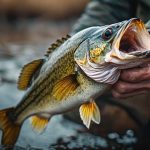
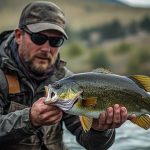
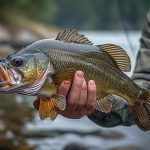
Bass: North Dakota bass fishing really shines once summer settles in and weedlines get established. Largemouth tend to feel “homey” around cover—think warm bays, reeds, and structure you can pick apart slowly. Smallmouth are the opposite vibe: current edges, rocks, clearer water, and that “thump” that makes you check your drag twice. Limits are generally handled like most sportfish rules: keep a reasonable number, don’t stockpile, and watch for any water-specific exceptions.
Trout: Trout opportunities here can surprise visitors—often tied to stocked streams or specific managed waters. Your biggest “gotcha” isn’t usually the season (many waters are open), but the special exceptions: certain lakes can run catch-and-release windows for trout during part of the year. If you’re new, treat trout waters like they’re more delicate—barbless mindset, gentle handling, and quick releases when required.
Pike / Muskie: Northern pike are the state’s “always-could-happen” fish—cast for walleyes, and a pike might still show up to crash the party. Muskie are a different world: fewer fish, bigger dreams, and stricter size protection. In North Dakota, muskie rules include a minimum length requirement statewide, so this is one species where measuring tools aren’t optional—they’re part of being a responsible angler.
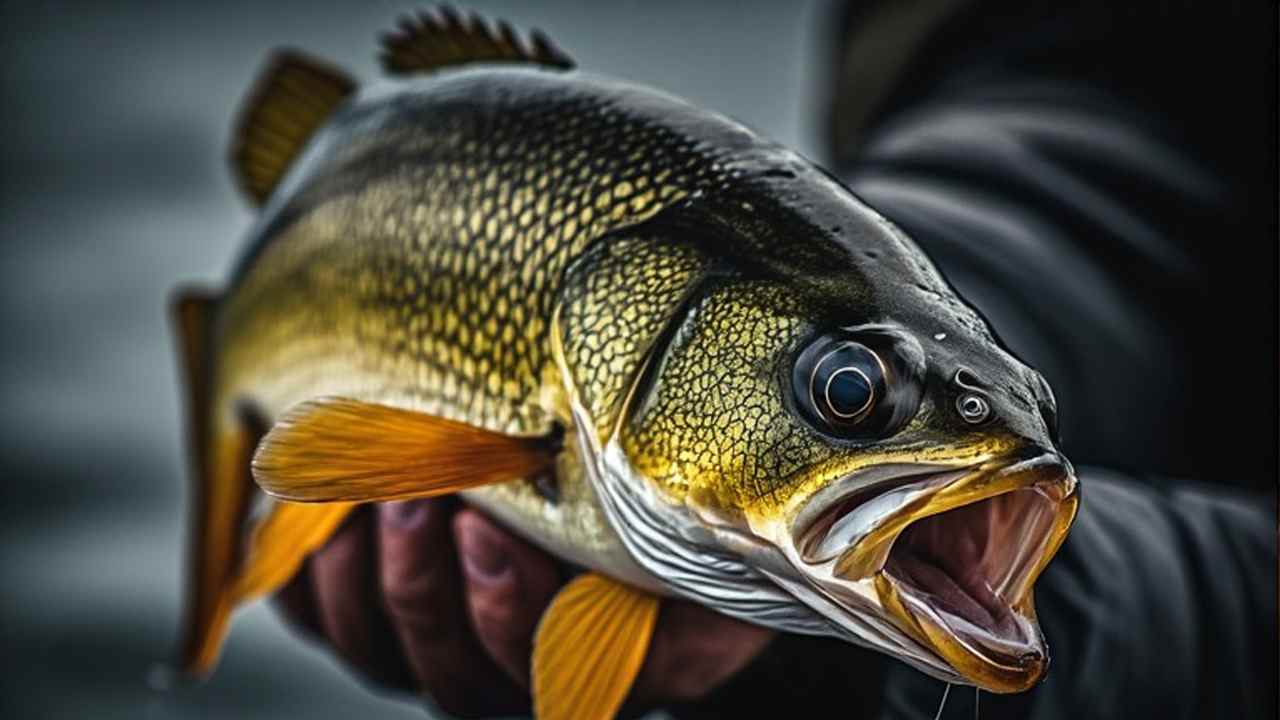
Walleye / Catfish: Walleyes are the headline act, especially on big reservoirs and major systems. They’re most active when light is low—morning, evening, windy days, and those “weather changed overnight” moments. Catfish, meanwhile, turn rivers into playgrounds once water warms—especially the Red River system. Catfish rules can vary by region (including special length/possession considerations in parts of the state), so it’s smart to confirm the area you’re fishing before you decide what you’re keeping.
🦞 Regulated or Special-Permit Fisheries
Some North Dakota fisheries are tightly managed because they’re unique, fragile, or simply too popular to leave on autopilot.
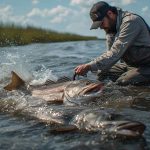
- Paddlefish snagging is the big one: it runs May 1–May 21 (and can close early if harvest targets are met). You must carry a paddlefish tag plus required licensing, and you can’t “share” a tag or snag without your own unused one. Hours are restricted (daytime window), and snagging from a boat is not allowed. It’s a conservation model in action—high excitement, hard guardrails.
- Sturgeon protections are another conservation cornerstone: certain sturgeon species must be released immediately if caught—no debating, no “quick photo.”
- Refuge-specific fisheries can feel like special-permit zones even when they aren’t: the season structure (shore/ice vs boat) and closures are designed around wildlife needs first. That’s not a bad thing—it just means reading signage is part of the trip.
🐠 Everyday Fish & Panfish Opportunities (simple table)
| Easy-to-target species | “Creel rule” style (plain-English) | Where you’ll usually find them |
|---|---|---|
| Yellow perch 🐟 | Higher daily take allowed than most gamefish | Big lakes, bays, and schools over flats |
| Bluegill 🐠 | Modest daily/possession approach | Weeds, docks, sheltered shorelines |
| Crappie 🐟 | Similar “panfish-style” limits | Brushy cover, edges, and slow zones |
| White bass 🐟 | Often generous limits | Open water chasing bait; can be fast action |
🏞️ Stocked Waters & Management Programs
North Dakota’s stocking and management work is a big reason casual anglers do well here. Some lakes get boosted with fish to balance pressure, some waters are managed for specific outcomes, and some are simply maintained so families can count on action.
If you want to fish smarter (not harder), use the state’s “where to fish” and stocking info tools before you drive. A practical move is to look up your target lake and see whether it has recent stocking notes listed in its details.
Also, the state keeps a helpful map hub where anglers can find official layers for waters, access, and more—perfect for visitors trying to avoid the “we drove 40 minutes to a closed gate” problem.
🌍 Access Rules: Public vs Private Waterways
- Public waters often have obvious entry points—boat ramps, signed trails, or managed parking areas—so start by searching official access points before assuming a shoreline is open.
- If you’re unsure whether a spot is public, use official fishing-water search tools and map resources to confirm ramps, piers, and shore access areas.
- Treat fences, crops, and posted signs as hard boundaries—don’t “just hop through for a quick cast.”
- Leave gates exactly how you find them (open stays open, closed stays closed).
- Pack out line, bait containers, and snack trash—even small litter near water creates long-term closures when landowners get fed up.
- When fishing border waters (like the Red River), your shoreline license obligations follow the side you’re standing on, and on-water rules follow the license you’re fishing under—know which one you’re using that day.
🎟️ North Dakota Fishing License Overview
- If you’re 16 or older, you generally need a fishing license—resident and nonresident rules both apply.
- The license year runs April 1 through March 31, which is why spring feels like “opening day” even though fishing itself is often open.
- Residents under 16 can usually fish and keep fish without a license (within limits).
- Nonresidents under 16 can fish without a nonresident license if they’re accompanied by an adult who has a valid license.
- Visitors who are just passing through often look for short-term options (like multi-day licenses) instead of committing to a full season.
- If you’re chasing a special fishery like paddlefish, expect an additional tag requirement.
❓ Angler FAQs
1. If fishing is “open year-round,” why do people talk about opening day?
North Dakota has not had a traditional “opening day” for over 30 years. The state established a statewide year-round fishing season in 1993. People talk about “opening day” because they are likely referring to neighboring states like Minnesota, which still has a closed season and a highly marketed fishing opener. North Dakota simply does not have this event; the license year simply renews on April 1 .
2. Can I bring leftover live minnows from another state into North Dakota?
No. It is illegal for anglers to import live aquatic bait—including minnows, leeches, and frogs—into North Dakota. All live aquatic bait must be purchased from a licensed North Dakota retail bait vendor or trapped in North Dakota .
3. What’s the simplest way to avoid breaking bait transport and invasive-species rules?
There are three clear “yes/no” rules to follow for compliance:
- Importation: Do not bring live bait into North Dakota. Buy it in-state .
- Species: Only use the legal species. Statewide, this is limited to fathead minnows, creek chubs, and sticklebacks. (White suckers are only legal in the Red and Bois de Sioux rivers) .
- Water: If you are fishing on a waterbody infested with Class 1 ANS (e.g., Red River, Lake Ashtabula), you must drain all water from your bait bucket before leaving the shore. On non-infested waters, you may transport bait in water, but only in containers of 5 gallons or less .
4. If I keep fish for a weekend trip, what’s the difference between a daily limit and possession limit?
- Daily Limit: The maximum number of fish you can harvest in a single day (midnight to midnight). You cannot have more than this limit while on the water or ice .
- Possession Limit: The maximum number of fish you can have in your possession during a trip lasting more than one day. This is generally double the daily limit (e.g., 5 walleye daily = 10 walleye possession) .
5. Are there places where I can’t use live baitfish even if the lake is open?
Yes. Even on lakes open to fishing, live baitfish (like fatheads) are strictly prohibited on specific waters. The 2024-26 regulations list ten specific waters where you cannot use or possess live baitfish, including Bylin Dam, Camels Hump Lake, Lightning Lake, Nelson Lake, and Velva Sportsmen’s Pond. On these waters, you are restricted to artificial lures or other legal live bait like nightcrawlers and leeches .
6. What’s different about ice fishing rules compared to open-water fishing?
The main mechanical differences are:
- Number of Lines: You may use a maximum of 4 poles while ice fishing. In open water, the limit is 2 lines .
- Hole Marking: If you cut a hole larger than 10 inches in diameter, you must mark it with a brightly colored object visible from 150 feet .
- Shelters: There are specific regulations regarding fish house placement and distances from other anglers’ holes .
7. Do any fisheries in North Dakota close early even if dates look set?
Yes. While most waters are open year-round, specific locations have “early” closures or seasonal windows that differ from the standard open season:
- National Wildlife Refuges: At Lake Ilo, boat fishing is only open May 1 – September 30, even though shore fishing is open year-round . Similarly, Lake Alice is open to ice fishing only and closed to all boating .
- Waterfowl Rest Areas: Sheyenne Lake is closed to all fishing from September 20 through “ice up” .
- Catch-and-Only Windows: Lightning Lake is open, but it is catch-and-release only for trout from April 1 through June 30 .
🗺️ Where to Fish This Year
If you’re visiting North Dakota, start by thinking in “water types,” not just names. Big reservoirs give you that wide-open, windy, structure-based bite where electronics and trolling passes can shine. Rivers offer a more intimate feel—eddies, seams, and holes that fish use like highways. And then there are the local managed lakes and ponds that quietly produce steady panfish action for families.
A smart first stop (before you pick a destination) is the state’s map and fishing-water tools. The official map hub helps you explore access and water layers, while the fishing-water search tool is perfect when you want to filter for things like shore access, ramps, or fishing piers.
For well-known waters that many anglers build trips around, North Dakota’s big names often include Devils Lake energy (wind, walleyes, perch) and the Missouri River system’s huge-water possibilities (from roaming predators to deep structure patterns). If you want a “plan B” that still feels like a win, look for family-friendly fishing areas with easy shore access—then check if the water has recent stocking notes before you commit.
If you’re the kind of traveler who likes comparing rules across destinations, you can also peek at Arizona’s desert-lake rules and seasons to see how differently states manage warmwater fisheries versus North Dakota’s northern waters. (One link, one time—so it doesn’t hijack your planning.)
For a high-authority conservation angle, it’s also worth reading how the U.S. Fish & Wildlife Service frames public-use priorities on refuge lands—fishing is often allowed, but wildlife needs drive seasonal boundaries: bold refuge recreation guidance.
✅ Final Thoughts
North Dakota stays simple in the best way: most waters are open year-round, but your license year resets April 1, and some methods have hard seasonal windows—like darkhouse spear/bow fishing (Nov 15–Mar 15), underwater spearfishing (May 1–Nov 30), and paddlefish snagging (May 1–May 21, possible early closure). Most beginners do great by focusing on a handful of core habits: carry the right license, learn the difference between daily and possession limits, follow bait and aquatic nuisance species rules (especially no importing live aquatic bait), and watch for water-specific exceptions and refuge restrictions. Do that, and 2026 becomes less about “rules stress” and more about what it should be—time outside and a real chance at fish. 🎣🐟

- Wyoming Fishing Regulations 2026: State Rules & Management Areas - February 16, 2026
- Wisconsin Fishing Regulations by Zone 2026: Seasons & Size Limits - February 16, 2026
- West Virginia Fishing Regulations 2026: Stream & Lake Rules - February 16, 2026