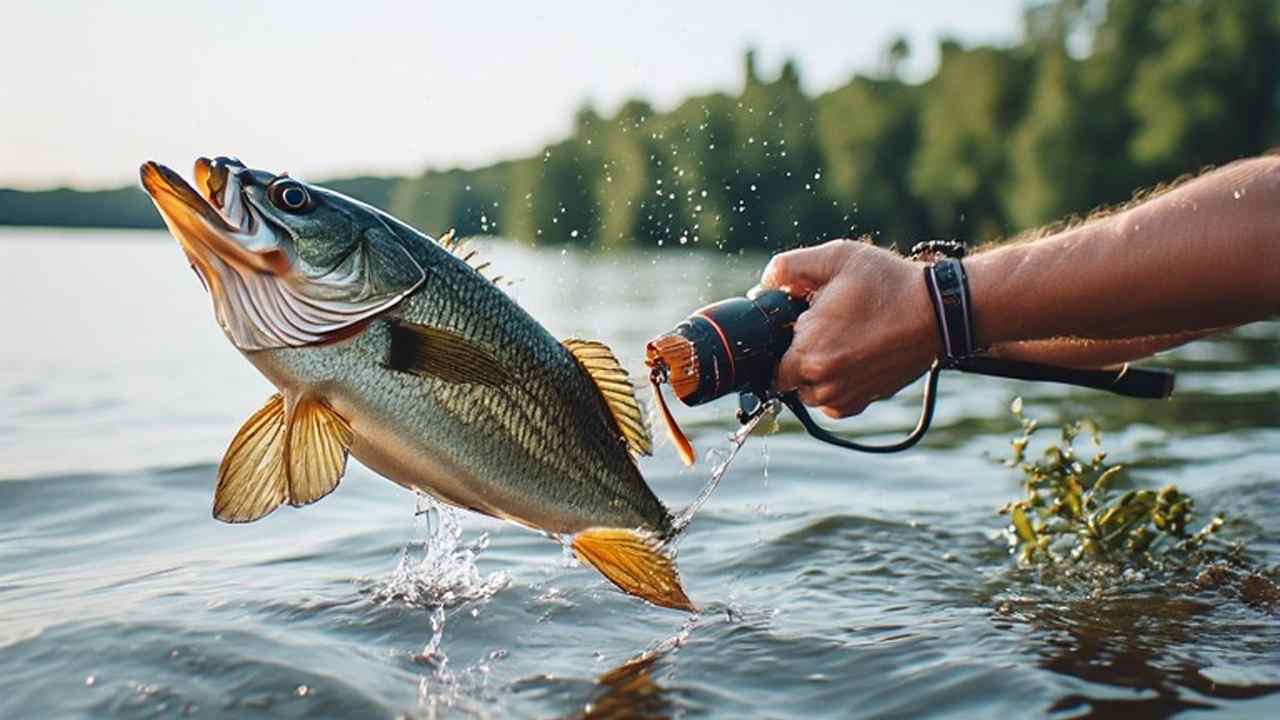
Whether you’re a complete beginner tying your first knot or a weekend warrior planning your next lake escape, understanding the rhythm of New York’s angling calendar makes all the difference between a frustrating outing and a memorable catch.
The Empire State’s fishing landscape shifts like the seasons themselves—spring trout streams awaken with fresh stockings, summer bass explode on topwater lures, fall walleye runs ignite in the Great Lakes tributaries, and yes, even winter offers ice fishing adventures for the brave. But here’s the thing: New York manages its fisheries with precision, balancing conservation with access. That means knowing what’s open, what’s protected, and where you can legally wet a line isn’t just good practice—it’s essential.
This guide walks you through everything you need to navigate New York’s 2026 angling opportunities, from stocked trout ponds perfect for kids to trophy muskie waters that test your skills. Let’s dive in. 🐟
🗓️ Complete New York Fishing Season Dates 2026
| Species | Season Opens | Season Closes | Key Notes |
|---|---|---|---|
| Brook, Brown & Rainbow Trout | April 1 | October 15 | Extended season in select waters |
| Lake Trout | Year-round | Year-round | Specific limits on certain lakes |
| Largemouth & Smallmouth Bass | Third Saturday in June | November 30 | Catch-and-release allowed earlier |
| Northern Pike | First Saturday in May | March 15 | Some waters open year-round |
| Muskellunge | First Saturday in June | November 30 | Trophy management zones exist |
| Walleye | First Saturday in May | March 15 | Lake Erie has separate regulations |
| Yellow Perch | Year-round | Year-round | Creel limits vary by water body |
| Panfish (Sunfish, Crappie) | Year-round | Year-round | No closed season statewide |
| Channel Catfish | Year-round | Year-round | Excellent summer night fishing |
| Atlantic Salmon | April 1 | September 30 | Lake Ontario tributaries only |
Regulations may vary by specific water body. Always check local postings and the official DEC guide before fishing.
🌅 Seasonal Fishing Breakdown Specific to New York
Early Spring: The Trout Rush 🌸
When ice-out happens across the Catskills and Finger Lakes—usually late March through April—New York anglers experience something close to a collective awakening. Opening day for trout (April 1st in most streams) draws crowds to stocked waters like the Beaverkill, Esopus Creek, and dozens of accessibility-focused ponds. Early season tactics favor bright spinners, worms, and PowerBait as water temps remain cold and fish are sluggish. This is prime time for families and beginners—the state stocks heavily before opener, and cooperative trout are abundant in designated public access areas. Special youth fishing events often coincide with this period, offering relaxed creel rules and mentorship opportunities.
Peak Summer: Bass, Pike & Warm-Water Action ☀️
Once water temperatures climb into the 60s and 70s, New York’s warm-water fisheries explode. Bass season officially opens the third Saturday in June, but catch-and-release fishing is permitted earlier in many waters. Summer is when Lake Champlain, Oneida Lake, and the St. Lawrence River become bass fishing meccas—topwater action at sunrise, deep crankbaits at midday, and soft plastics along weed edges as evening approaches. Northern pike prowl the shallows of the St. Lawrence and Thousand Islands region, ambushing anything flashy. Walleye fishing peaks at dawn and dusk, particularly in Lake Erie’s eastern basin and Chautauqua Lake. Don’t overlook panfish during summer—bluegill and crappie congregate around docks and brush piles, offering nonstop action for kids and light-tackle enthusiasts.
Fall Transition: Salmon Runs & Trophy Hunting 🍂
Autumn in New York means one thing to serious anglers: salmon and steelhead runs. Lake Ontario tributaries like the Salmon River, Oak Orchard Creek, and Eighteenmile Creek become staging grounds for Chinook and Coho salmon pushing upstream. The spectacle draws anglers from across the Northeast. Meanwhile, muskie hunters find fall to be their golden window—cooler water temperatures trigger aggressive feeding, and trophy fish over 40 inches become realistic targets in places like Chautauqua Lake and the St. Lawrence. Bass fishing remains strong through November, with fish fattening up before winter. Fall walleye fishing also intensifies as schools roam deeper structures preparing for the cold months.
Winter: Ice Fishing & Cold-Water Opportunities ❄️
New York’s ice fishing culture runs deep, especially in the North Country. Once ice thickness reaches safe levels (typically late December through February), hardwater anglers target perch, pike, crappie, and trout through tip-ups and jigging rods. Popular ice fishing destinations include Lake George, Saratoga Lake, and countless Adirondack ponds. Some regulations shift during winter—certain trout waters close entirely, while others remain open year-round. Always verify ice thickness locally and check for winter-specific creel limits before heading out.
🐟 Game Fish Anglers Target Most
Bass: The State’s Most Pursued Predator
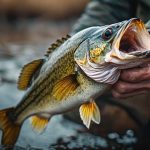
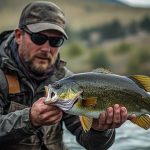
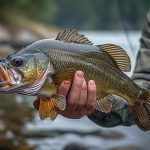
Largemouth and smallmouth bass dominate New York’s angling scene. Smallies thrive in the rocky, clear waters of Lake Ontario, Lake Champlain, and the St. Lawrence River—these fish are aggressive, acrobatic, and notorious for crushing topwater lures. Largemouth bass prefer weedy, warmer environments like the Finger Lakes, Long Island ponds, and Hudson River backwaters. Possession limits typically hover around five bass per day, with minimum size requirements varying by region (often 12-15 inches depending on the water). The catch-and-release window before the June opener lets ethical anglers enjoy early season action while protecting spawning fish.
Trout: From Brookies to Big Rainbows
New York offers incredible diversity in trout fishing. Brook trout—the state fish—inhabit pristine Adirondack streams and beaver ponds, often requiring hikes to reach. Brown trout dominate the Catskill rivers, where dry fly fishing becomes an art form along storied waters like the Willowemoc and Neversink. Rainbow trout thrive in tailwater fisheries below reservoirs and in heavily stocked public waters. Lake-run steelhead from Lake Ontario and Lake Erie provide world-class winter and spring fishing in tributaries. Daily creel limits generally run five trout combined (all species), though catch-and-release sections and special regulations exist on many streams. Pay attention to distinctions between wild trout streams (often with stricter rules) and stocked put-and-take waters.
Pike & Muskie: Toothy Apex Predators
Northern pike and muskellunge represent the top of New York’s freshwater food chain. Pike are widespread—found in the St. Lawrence, Lake Champlain, and countless Adirondack lakes. They’re aggressive, willing to hit big lures and live bait, making them exciting targets year-round (where open). Muskellunge, the “fish of 10,000 casts,” demand patience and persistence. The St. Lawrence River system holds some of the continent’s best muskie fishing, with trophy specimens exceeding 50 inches. Chautauqua Lake and the Allegheny Reservoir also harbor quality fish. Possession limits are conservative—typically one or two fish per day with minimum size restrictions around 40-54 inches depending on location. Many dedicated muskie anglers practice total catch-and-release to sustain populations.
Walleye & Catfish: The Night Shift
Walleye fishing in New York centers around Lake Erie, where the eastern basin produces legendary spring and fall runs. Walleye also thrive in the Finger Lakes (especially Seneca and Cayuga), Oneida Lake, and sections of the St. Lawrence. These fish are structure-oriented, relating to rocky reefs, drop-offs, and weed edges—and they feed most aggressively during low-light conditions. Daily limits vary but often allow three to five walleye. Channel catfish, meanwhile, offer underrated summer fishing throughout New York. They’re abundant in rivers like the Hudson and Mohawk, and they feed actively at night on cut bait, nightcrawlers, and stink baits. No closed season and generous creel limits make catfish a family-friendly target.
🦞 Regulated or Special-Permit Fisheries
New York manages several trophy fisheries and special-regulation zones to ensure sustainability and quality angling. The Delaware River system, for instance, features catch-and-release-only sections protecting wild trout populations—these areas prohibit bait and restrict anglers to artificial lures or flies. Similarly, certain Adirondack ponds enforce “no-kill” rules or restrict motors to preserve wilderness character.
Atlantic salmon in Lake Ontario tributaries remain tightly regulated due to ongoing restoration efforts. Though the fishery has improved, daily limits are minimal, and anglers must carefully identify species to avoid mishandling protected fish.
Some muskie and pike waters enforce slot limits—requiring the release of fish within a certain size range to protect breeding stock while allowing harvest of smaller or trophy-sized individuals. These management zones reflect New York’s commitment to balancing angler opportunity with ecological health.
If you plan to target unique species like lake sturgeon (where permitted) or fish in designated Heritage Trout Waters, review the specific regulations in the DEC guide. These fisheries often require additional education on handling techniques and release practices. 🦈
🐠 Everyday Fish & Panfish Opportunities
| Species | Typical Creel Limit | Where Commonly Found |
|---|---|---|
| Bluegill | 15-50 per day (varies) | Ponds, lakes, slow rivers statewide |
| Pumpkinseed | Combined panfish limit | Weedy shallows, docks, lily pads |
| Black Crappie | 25-50 per day | Submerged brush, deep docks, reservoirs |
| Yellow Perch | 25-50 per day | Great Lakes, Finger Lakes, large reservoirs |
| Rock Bass | No limit in most waters | Rocky shorelines, rapids, clear streams |
| White Perch | No limit in most waters | Tidal Hudson, brackish estuaries |
Panfish represent the backbone of New York’s family fishing culture. They’re abundant, willing to bite simple rigs (bobber and worm setups work great), and often congregate in accessible shoreline areas. Crappie fishing peaks in spring during the spawn when fish move shallow, while bluegill action stays consistent through summer. Perch fishing, especially on the Great Lakes and Finger Lakes, can produce limit catches when schools are located along weed edges or over gravel bars. These species also excel as table fare—cleaning a mess of perch or bluegill is a time-honored tradition in New York fishing families. 🎣
🏞️ Stocked Waters & Management Programs
New York’s Department of Environmental Conservation operates one of the most robust fish stocking programs in the nation. Every year, millions of trout, salmon, walleye, and bass are raised in state hatcheries and released into public waters to supplement wild populations and create fishing opportunities.
Trout stocking typically begins in late March and continues through early summer, targeting over 300 streams, ponds, and lakes. Popular stocked trout waters include Canadarago Lake, Delta Lake, and countless roadside ponds near urban centers—designed specifically for accessibility and family fishing. The DEC publishes annual stocking schedules online, letting anglers time their trips around fresh releases.
Beyond trout, the state stocks walleye in waters like Oneida Lake to bolster natural reproduction, and muskellunge in strategic lakes to maintain trophy fisheries. Urban fishing programs bring stocked ponds to cities like Buffalo, Rochester, and Syracuse, ensuring that even non-mobile anglers have access to quality fishing without long drives.
Youth fishing clinics, often held at stocked waters, teach kids basic angling skills, conservation ethics, and water safety. These events frequently waive license requirements for participants under supervision. For families new to fishing, starting at a stocked, managed water offers the best chance of early success—and building lifelong enthusiasm for the sport.
🌍 Access Rules: Public vs Private Waterways
- Public Fishing Rights (PFRs): New York maintains Public Fishing Rights along thousands of miles of streams and rivers. These easements, marked by yellow signs, grant legal access to the water even when adjacent land is privately owned. Anglers can walk along the streambed within the high-water mark but cannot trespass onto private banks or uplands without permission.
- State Boat Launches and Access Sites: The DEC manages over 200 public boat launches statewide, offering parking, ramps, and often fishing piers. These sites are clearly marked and require minimal fees (if any). Many have accessible fishing platforms compliant with ADA standards.
- Navigable Waterways: On large rivers and lakes deemed navigable, anglers can fish from boats legally even if shorelines are private. However, wading ashore or anchoring on private property without consent remains trespassing.
- Respect Posted Signage: Not all water access is public. If you see “No Trespassing” or “Private Property” signs, honor them. Violating access laws can result in fines and damage landowner relations—jeopardizing future access for everyone.
- Great Lakes and Lake Champlain: These massive water bodies offer virtually unlimited public access from state parks, municipal launches, and shoreline parks. Fishing pressure is dispersed, and opportunities are vast for both boat and shore anglers.
🎟️ New York Fishing License Overview
- Who Needs a License? Anyone age 16 and older must possess a valid New York fishing license to fish in freshwater or marine districts. Residents and non-residents pay different fees, and licenses are available in annual, 7-day, and 1-day formats.
- Youth Anglers: Children under 16 fish for free—no license required. This policy encourages family participation and removes financial barriers for young anglers.
- Resident vs Non-Resident: New York residents enjoy significantly lower license costs. Non-residents pay higher fees but gain access to the same waters and regulations. If you live in a neighboring state and plan frequent trips, an annual non-resident license may be cost-effective.
- Short-Term Licenses: Visiting for a weekend or vacation? One-day and seven-day licenses provide flexibility without committing to a full-year purchase. These are perfect for tourists exploring the Adirondacks or Finger Lakes regions.
- Special Stamps and Permits: Certain fisheries require additional endorsements. For example, if you plan to fish for trout in many regions, checking whether a trout stamp is bundled or separate in your license tier is important. Marine fishing in tidal waters may require a marine registry (free) in addition to freshwater licenses.
- Where to Buy: Licenses are available online through the DEC website, at sporting goods retailers, and at town clerk offices statewide. Purchasing online is instant—you can print or display your license digitally on a mobile device.
- Military and Senior Discounts: Active-duty military members and senior residents often qualify for reduced fees or lifetime licenses. Check eligibility requirements before purchasing to maximize savings.
For more details on licensing across different states, see Alabama’s freshwater licensing structure or explore how California manages angling permits for comparison.
❓ Angler FAQs
Can I fish year-round in New York?
Many species, including panfish, catfish, and certain pike waters, are open all year. However, popular game fish like trout, bass, and walleye have closed seasons to protect spawning cycles. Always verify current regulations for the specific water body you plan to fish.
What’s the best lake for beginners in New York?
Saratoga Lake, Delta Reservoir, and numerous stocked ponds near urban centers offer easy access, consistent fish populations, and family-friendly environments. These waters are forgiving for learning basic techniques and provide reliable action.
Do I need a boat to catch big fish in New York?
Not necessarily. Shore anglers regularly land trophy fish from piers, jetties, and bank access points—especially during trout and salmon runs in tributaries. However, boats expand your range on large waters like Lake Ontario and the Finger Lakes, where fish relate to offshore structures.
Are there any special rules for the Great Lakes?
Yes. Lake Ontario and Lake Erie have distinct regulations, including separate creel limits for species like lake trout and walleye. The Great Lakes also require awareness of international boundaries if fishing near Canadian waters. Review the DEC’s Great Lakes-specific sections carefully.
How do I identify Public Fishing Rights areas?
Look for yellow-and-brown “Public Fishing Stream” signs along roadways near waterways. These mark legal access points. You can also reference the DEC’s interactive mapping tools online to locate PFR sections before your trip.
Can non-residents fish in New York state parks?
Absolutely. Non-residents can fish any public waters in New York with the appropriate non-resident license. State parks often have some of the best-maintained access points, with amenities like restrooms, picnic areas, and fishing piers.
What should I do if I accidentally catch an undersized fish?
Handle the fish gently, avoid removing it from the water if possible, and release it immediately. Using barbless hooks or circle hooks reduces injury during release. Taking undersized fish is illegal and harms population sustainability—practice ethical angling at all times.
🗺️ Where to Fish This Year
New York’s fishing opportunities span from the rugged Adirondack wilderness to the urban waterfronts of New York City. Here are a few standout destinations worth exploring in 2026:
Salmon River (Oswego County) — Known as the crown jewel of New York’s Lake Ontario tributary fishery, the Salmon River attracts anglers from across the continent during fall salmon and spring steelhead runs. The stretch from the Douglaston Salmon Run to the estuary offers diverse water types—pools, riffles, and deep runs. Expect crowds during peak times, but the sheer density of fish makes it worthwhile. Fly anglers and conventional gear users coexist here, and local guides offer immense knowledge for first-timers.
Lake Champlain (Clinton County) — Straddling the New York-Vermont border, Lake Champlain offers world-class bass and pike fishing. The lake’s diverse habitat—from shallow weed flats to deep rocky ledges—supports trophy-sized smallmouth and largemouth bass. Spring and fall are prime times, and the scenic backdrop of the Adirondacks adds to the experience. Public launches are plentiful, and shore fishing opportunities exist at Ausable Point State Park and other access sites.
Finger Lakes (Central New York) — Seneca, Cayuga, and Canandaigua Lakes combine deep, cold water perfect for lake trout with productive shallows for bass and pike. These glacially carved lakes reach depths over 600 feet, creating unique thermal layers that concentrate fish. Summer trolling for trout and landlocked salmon is popular, while fall bass fishing around points and drop-offs can be exceptional. Watkins Glen, Ithaca, and Geneva provide excellent launch facilities and nearby amenities.
St. Lawrence River (Northern New York) — This legendary waterway forms part of the U.S.-Canada border and ranks among North America’s best muskie and bass fisheries. The river’s current, island structures, and weed beds create ideal predator habitat. Anglers targeting trophy muskie should focus on late fall, while bass fishing peaks in summer. The Thousand Islands region offers breathtaking scenery alongside world-class angling—making it a bucket-list destination for serious freshwater anglers.
Catskill Mountain Streams (Delaware and Ulster Counties) — For fly fishing purists, the Catskills represent hallowed ground. The Beaverkill, Willowemoc, and Esopus Creek have shaped American fly fishing culture for over a century. These freestone streams hold wild brown and rainbow trout, and selective, technical fishing is the norm. Dry fly hatches—Hendricksons, March Browns, and caddis—bring surface action, while nymphing remains productive year-round. Respect catch-and-release sections and tread lightly in these ecologically sensitive waters.
For more on regional fishing opportunities, check out the official New York DEC fishing portal, which includes interactive maps, launch locators, and stocking schedules updated seasonally.
If you’re curious about angling opportunities in neighboring states, explore Pennsylvania’s trout streams and bass lakes for a broader Northeast fishing perspective.
✅ Final Thoughts: Your 2026 New York Angling Blueprint
New York’s 2026 angling season offers something for every skill level and interest—from stocked trout ponds where kids catch their first fish, to challenging wild trout streams demanding precision, to trophy muskie waters testing patience and technique. The state’s regulations reflect a commitment to sustainable fisheries, balancing harvest opportunities with conservation needs. Key dates to remember: trout season opens April 1st, bass season starts the third Saturday in June, and salmon runs peak in September and October. Creel limits vary by species and water body, so always reference the official DEC guide and local postings before casting.
Whether you’re drawn to the quiet solitude of an Adirondack stream, the adrenaline of hooking a Lake Champlain smallmouth, or the family fun of a summer panfish outing, New York delivers. Respect access rules, practice catch-and-release when appropriate, and contribute to the culture of ethical angling that keeps these waters thriving for future generations. Tight lines, stay curious, and make 2026 your best New York fishing season yet. 🐟🎣

- Wyoming Fishing Regulations 2026: State Rules & Management Areas - February 16, 2026
- Wisconsin Fishing Regulations by Zone 2026: Seasons & Size Limits - February 16, 2026
- West Virginia Fishing Regulations 2026: Stream & Lake Rules - February 16, 2026