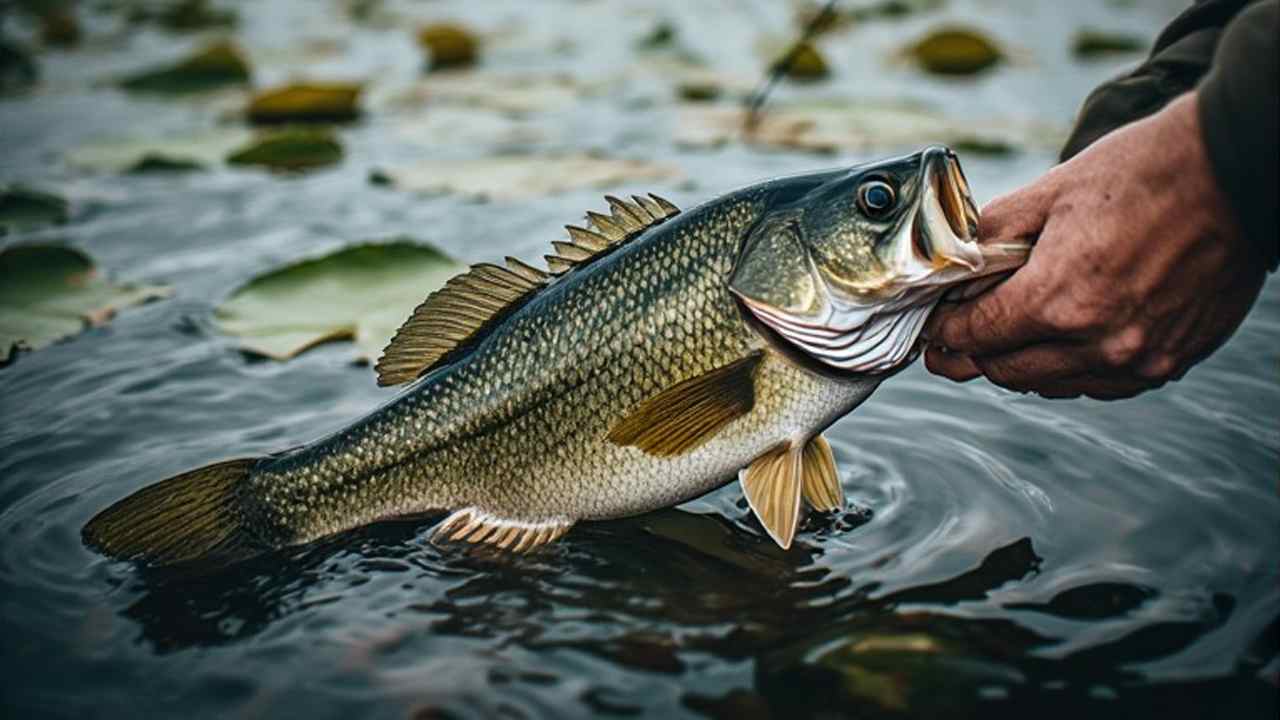
The first light of dawn breaks over Quabbin Reservoir, and the mist rises like a curtain revealing another chapter in Massachusetts’ storied angling tradition. Whether you’re a first-timer threading your line at a neighborhood pond or a seasoned angler planning a spring trout expedition through the Berkshires, understanding the rhythm of Massachusetts fishing seasons can transform your outings from hopeful casts to memorable catches. The Bay State’s waters pulse with life year-round, but knowing when species are active, where access is granted, and what rules govern your harvest makes all the difference between a frustrating day and a fish story worth retelling.
Massachusetts manages its fisheries with a conservation-first mindset, balancing abundant recreational opportunities with sustainable practices that protect native populations and restore declining species. The state’s diverse geography—from cold mountain streams to coastal estuaries, urban ponds to sprawling reservoirs—creates fishing experiences as varied as the anglers who pursue them. Licensing requirements are straightforward, regulations are designed with clarity, and visitor access is genuinely welcoming. Whether you’re after the fighting spirit of a largemouth bass, the delicate presentation required for wild brook trout, or simply a peaceful afternoon catching sunfish with your kids, 2026 brings updated guidelines that every angler should understand before wetting a line.
🗓️ Complete Massachusetts Fishing Season Dates 2026
| Species/Fishery | Season Opens | Season Closes | Special Notes |
|---|---|---|---|
| Trout (Stocked Waters) | April 12, 2026 | Continuous | Third Saturday in April traditional opener |
| Wild Trout (Designated Streams) | January 1, 2026 | December 31, 2026 | Catch-and-release only in specific reaches |
| Largemouth & Smallmouth Bass | June 13, 2026 | March 1, 2027 | Catch-and-release allowed during closed season |
| Northern Pike & Pickerel | January 1, 2026 | December 31, 2026 | Year-round opportunity |
| Yellow Perch & White Perch | January 1, 2026 | December 31, 2026 | Open all year |
| Crappie & Sunfish | January 1, 2026 | December 31, 2026 | No closed season |
| American Shad | April 15, 2026 | June 15, 2026 | Connecticut River system only |
| Atlantic Salmon | Closed | Closed | Catch-and-release exceptions in specific zones |
| Lake Trout (Quabbin Reservoir) | January 1, 2026 | September 30, 2026 | Special harvest restrictions apply |
| Tiger Muskie (Stocked Lakes) | June 13, 2026 | March 1, 2027 | Limited stocking locations |
🌅 Seasonal Fishing Breakdown Specific to Massachusetts
Early Spring: Ice-Out to Green-Up (March–May)
The moment ice releases its grip on central Massachusetts lakes, anglers experience a narrow window of exceptional opportunity. Cold-water species like rainbow and brown trout become aggressive feeders in the shallows, while stocked ponds throughout the state receive fresh loads of catchable-sized fish just days before the traditional trout opener. This period demands patience—water temperatures hover in the 40s, and presentations must be slow and deliberate. Spinners, small jigs, and live bait dominate techniques. Meanwhile, early-season pike anglers find success in weedy bays where spawning activity triggers territorial strikes. Regulations during this window emphasize catch-and-keep opportunities for stocked trout, encouraging families to harvest their limit while wild populations in designated streams remain protected under special rules.
Peak Summer: Warmwater Dominance (June–August)
When bass season officially opens in mid-June, Massachusetts transforms into a warmwater angler’s paradise. Largemouth bass patrol lily pad edges in farm ponds, smallmouth bass cruise rocky points in highland reservoirs, and chain pickerel ambush prey in shallow coves. Summer fishing operates under different rhythms—early morning and evening topwater action, midday deep structure fishing, and night fishing opportunities that many anglers overlook. Possession limits become especially important during this peak season, as anglers targeting panfish like bluegill and pumpkinseed can quickly fill a cooler. This is also when urban fishing programs shine, with stocked ponds in Boston, Worcester, and Springfield providing accessible angling for residents who don’t have transportation to remote waters.
Fall Transition: Preparing for Winter (September–November)
Autumn in Massachusetts brings some of the year’s most consistent fishing as species gorge themselves before winter’s lean months. Trout fishing experiences a renaissance—stream temperatures drop back into ideal ranges, fall stocking programs supplement spring plantings, and wild fish become more active throughout the day. Bass fishing remains excellent through October, with fish moving shallow to feed on baitfish schools. This is also prime time for anglers targeting lake trout in deep, cold bodies like Quabbin Reservoir, where these apex predators move from summer depths to more accessible zones. Regulations remain largely consistent with summer rules, but anglers should note that some bass waters close to harvest on March 1st, creating a “last call” urgency for those wanting to keep a trophy.
Winter: Ice Fishing & Cold-Water Specialists (December–February)
While casual anglers often disappear when snow flies, dedicated Massachusetts ice anglers know that winter provides some of the state’s most productive fishing. Frozen lakes across the state host thriving ice fishing communities, with anglers targeting everything from yellow perch and crappie to northern pike and pickerel. Special regulations govern ice fishing equipment—tip-ups are limited, holes must be clearly marked, and anglers must remain within certain distances of their gear. Open-water opportunities persist too: designated wild trout streams allow year-round catch-and-release fishing for those willing to brave the cold, and some coastal tributaries host late-season holdover fish. Winter fishing emphasizes safety above all—ice thickness requirements and weather awareness can mean the difference between a great day and a dangerous situation.
🐟 Game Fish Anglers Target Most
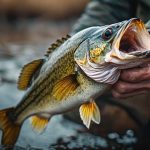
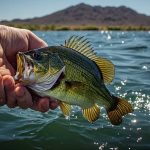
Largemouth Bass remain the undisputed favorite among Massachusetts anglers, thriving in virtually every warmwater environment from tiny farm ponds to sprawling reservoirs. These ambush predators become most active once water temperatures stabilize above 60 degrees, typically coinciding with the mid-June season opener. The state manages bass populations with a slot limit approach in many waters, protecting breeding-sized fish while allowing harvest of smaller individuals. Anglers consistently find success using soft plastics around vegetation, crankbaits along drop-offs, and topwater lures during low-light conditions. Lakes like Lake Cochituate, Wachusett Reservoir, and countless smaller impoundments produce quality fish, with the occasional trophy exceeding six pounds keeping anglers coming back season after season.
Brook Trout hold a special place in Massachusetts angling culture as the state’s only native trout species and a symbol of pristine coldwater habitat. While many anglers encounter stockers in accessible ponds, pursuing wild brookies in designated streams offers an entirely different experience—one requiring stealth, precise presentations, and an appreciation for backcountry solitude. These jewel-toned fish rarely exceed ten inches in Massachusetts’ waters, but their willingness to strike well-presented flies and their stunning coloration make them prized catches. Regulations protecting wild trout populations include tackle restrictions, catch-and-release mandates, and seasonal closures in sensitive spawning areas. The state’s Connecticut River trout regulations demonstrate similar conservation priorities in other neighboring waters.
Smallmouth Bass occupy a special niche in Massachusetts fisheries, preferring cooler, clearer waters with rocky structure rather than the weedy shallows their largemouth cousins favor. The Connecticut River, Quabbin Reservoir, and numerous highland lakes host robust smallmouth populations that provide spectacular spring and fall fishing. These hard-fighting fish are famous for aerial acrobatics when hooked, often clearing the water multiple times during battles. Size limits and creel restrictions mirror largemouth regulations in most waters, and the same mid-June opener applies. Successful anglers focus on points, submerged boulders, and gravel bars, using tubes, jerkbaits, and live crayfish to tempt strikes.
Rainbow and Brown Trout constitute the backbone of Massachusetts’ stocked trout program, with thousands of pounds released annually in designated public waters. While these aren’t native species, they’ve become integral to the state’s recreational fishing economy and provide countless entry points for novice anglers. Rainbows, known for their fighting ability and willingness to strike lures, typically range from ten to fourteen inches in stocked waters, with occasional holdovers reaching trophy sizes. Brown trout, more cautious and predatory, often survive longer after stocking and can reach impressive sizes in waters with adequate forage. The traditional stocking schedule begins weeks before the April opener, giving fish time to acclimate before facing angling pressure. For those interested in similar trout opportunities elsewhere, Colorado’s fishing regulations showcase another state with exceptional coldwater programs.
🦞 Regulated or Special-Permit Fisheries
Atlantic salmon management represents one of Massachusetts’ most significant conservation challenges and successes. Once abundant in state rivers, these anadromous fish were driven to near-extinction by dams, pollution, and overfishing. Today, restoration efforts focus on the Connecticut River system, where strictly enforced catch-and-release regulations protect the fragile population. Anglers lucky enough to encounter one of these silvery migrants must release them immediately and unharmed. Special education programs teach identification skills, proper handling techniques, and the ecological importance of supporting this comeback story.
Lake trout fishing in Quabbin Reservoir operates under unique regulations reflecting the specialized nature of this deep, cold fishery. This massive drinking water supply, while restricted in some access points, provides one of the state’s premier lake trout fisheries. Anglers pursue these deep-dwelling predators using downriggers, lead-core lines, and vertical jigging techniques in waters exceeding 100 feet deep. Strict boat regulations, seasonal restrictions, and specific gear requirements apply, and harvest limits are carefully calibrated to maintain population health. The experience of hooking into a ten-pound laker in these pristine waters rewards anglers willing to master specialized techniques.
American shad runs in the Connecticut River create brief but spectacular springtime fishing opportunities. These ocean-going fish return to freshwater each spring to spawn, creating a narrow window where anglers can target them using shad darts, spoons, and flies. Regulations limit harvest to protect breeding populations while allowing anglers to experience this seasonal phenomenon. Access points along the river see significant angling pressure during the peak run, and local knowledge about timing—often dependent on water temperature and flow conditions—separates successful anglers from those who arrive too early or too late.
🐠 Everyday Fish & Panfish Opportunities
| Species | Typical Creel Approach | Where to Find Them |
|---|---|---|
| Yellow Perch | Generally generous limits | Ponds, reservoirs, ice fishing hotspots |
| White Perch | Liberal harvest allowed | Brackish coastal ponds, tidal rivers |
| Bluegill | High daily limits | Shallow weedy areas, farm ponds |
| Pumpkinseed | Combined panfish limits | Vegetated shallows, docks, lily pads |
| Black Crappie | Moderate creel restrictions | Submerged brush, deeper structure |
| Chain Pickerel | Often unrestricted | Weedy bays, shallow coves, lily pads |
| Rock Bass | Rarely limited | Rocky areas, river edges, dam tailwaters |
Panfish represent the most accessible, family-friendly fishing Massachusetts offers. These scrappy species inhabit virtually every warmwater body in the state, require minimal specialized gear, and provide nonstop action that keeps young anglers engaged. Bluegill beds in shallow water during early summer create visual fishing opportunities where kids can watch fish investigate their bait before striking. Crappie fishing demands slightly more sophistication—finding suspended schools near submerged structure and presenting small jigs at precise depths—but the payoff comes in excellent table fare and respectable size. Many Massachusetts anglers cut their teeth pursuing panfish before graduating to more specialized angling pursuits.
🏞️ Stocked Waters & Management Programs
The Massachusetts Division of Fisheries and Wildlife operates one of the Northeast’s most extensive trout stocking programs, distributing fish across hundreds of public waters each spring and fall. This effort focuses on creating accessible fishing opportunities within short drives of urban centers while maintaining wild trout populations in suitable habitat. Stocking schedules, published online and updated weekly during active periods, allow anglers to plan trips around fresh releases. Popular stocked waters like Walden Pond, Pontoosuc Lake, and the Swift River receive heavy attention, while lesser-known ponds in rural areas often provide less crowded alternatives with equally good fishing.
Urban fishing initiatives bring angling opportunities directly to city residents who might otherwise lack access to quality fishing. Programs in Boston, Worcester, Springfield, and other population centers stock easily accessible ponds with catchable-sized fish, provide free loaner equipment, and host instructional events. These initiatives serve dual purposes: creating immediate fishing opportunities for underserved communities and building a new generation of anglers who will support conservation funding through future license purchases. Many urban waters operate under special youth-only or catch-and-release regulations to maximize educational value.
The Commonwealth’s pond and lake management extends beyond stocking to include habitat restoration, aquatic vegetation control, and fish population surveys. Biologists regularly assess fish communities through electrofishing surveys, gill netting, and angler creel surveys. This data drives management decisions about stocking rates, size limits, and seasonal restrictions. Waters experiencing problems with invasive species like water chestnuts receive targeted treatment, while ponds with naturally reproducing populations may see reduced stocking to prevent overpopulation and stunted growth.
🌍 Access Rules: Public vs Private Waterways
- Public Access Fundamentals: Massachusetts law provides public fishing rights in all “great ponds” exceeding ten acres, regardless of shoreline ownership, though access to shorelines themselves requires permission or public boat launches
- Boat Launch Etiquette: State-maintained ramps are plentiful but can become congested during peak seasons; arrive early, have your gear pre-rigged, and be prepared to launch efficiently during busy periods
- Private Property Respect: Even when fishing legally from boats on public waters, anglers must respect private docks, beaches, and marked swimming areas; trespassing complaints damage the angling community’s reputation
- Posted Signage: Orange or yellow “No Trespassing” signs have legal force; when property boundaries aren’t clearly marked, ask permission rather than assuming access
- River and Stream Navigation: Massachusetts generally allows fishing from within stream channels even across private land, but this right doesn’t extend to crossing private property to reach those waters
- Conservation Land Access: State Wildlife Management Areas, state forests, and many municipal conservation lands provide extensive fishing access, though some areas restrict motorized vehicles or require walk-in access
- Coastal Access Complexities: Tidal waters operate under different access rules than inland fisheries, with rights extending to mean high tide lines but creating confusion about exact boundaries
🎟️ Massachusetts Fishing License Overview
- Resident Requirements: Anyone 15 years or older who has lived in Massachusetts for at least six months must purchase an annual resident fishing license before angling in freshwater or saltwater
- Youth Exemptions: Anglers under 15 fish without a license but must still follow all creel limits, size restrictions, and seasonal closures that apply to licensed anglers
- Nonresident Options: Visitors can purchase annual nonresident licenses or choose shorter-duration options (three-day, seven-day) that provide better value for vacation anglers
- Senior Discounts: Massachusetts residents 65 and older qualify for discounted lifetime licenses or reduced-cost annual options, recognizing their contributions to conservation funding over decades
- Free Fishing Days: The state typically designates specific days when all residents can fish without licenses, providing opportunities for families to try angling before committing to license purchases
- Trout Stamp Requirements: Anglers targeting trout or salmon must purchase an additional trout stamp beyond their base fishing license, with revenue supporting coldwater fisheries programs
- Digital Licensing: The online licensing system allows instant purchases and provides immediate access to fishing privileges, with physical licenses mailed separately for those wanting wallet cards
- Combination Licenses: Sportsmen’s licenses bundle fishing and hunting privileges at reduced combined costs, ideal for outdoors enthusiasts pursuing multiple activities
Additionally, you could be interested in the year-round warmwater fishing with an endless variety of subtropical species in the Great Florida fisheries, which provide a unique experience.
❓ Angler FAQs
Can I legally fish without a license if I’m practicing catch-and-release exclusively?
License requirements apply to all angling activity regardless of whether you keep fish or release them. The act of fishing itself—not the harvest decision—triggers licensing obligations. This policy ensures all anglers contribute to fisheries management while preventing enforcement complications about anglers’ intentions.
What happens if conservation officers check my license and I’m over the creel limit?
Possession limit violations carry serious consequences including substantial fines, potential gear confiscation, and in extreme cases, loss of fishing privileges. Officers use discretion based on violation severity, but claiming ignorance of regulations doesn’t provide legal protection. Count your catch carefully and know the limits before fishing.
Are there waters where I can keep more trout than the standard limit?
Some stocked waters operate under more liberal “trophy trout lake” regulations with higher daily limits, while others impose stricter catch-and-release rules. The Massachusetts fishing regulation abstracts specify water-specific rules. Never assume—always check regulations for your specific fishing location before keeping any fish.
How do regulations change when fishing from a boat versus shore?
Most regulations apply equally regardless of fishing method, but boat anglers must meet additional requirements: proper registration, required safety equipment, navigation light compliance, and specific rules about livewell operation. Boat positioning near swimming areas or private docks creates access complications shore anglers don’t face.
Can I use multiple rods while fishing alone?
Massachusetts limits anglers to two rods (or one rod and three tip-ups for ice fishing) in most situations. This rule prevents excessive fish mortality from unattended lines and ensures equitable fishing pressure. Commercial fishing guides may fish with clients under different rules, but recreational anglers face clear limits.
What’s the penalty for keeping an undersized bass or over-limit catch?
Violating size or creel limits constitutes illegal possession subject to per-fish fines that can quickly accumulate. First-time minor violations might result in warnings, but repeat offenders face escalating penalties. Conservation officers have authority to seize illegally possessed fish and, in severe cases, fishing equipment used in violations.
Do fishing regulations differ between weekdays and weekends?
Season dates and creel limits apply consistently throughout the week—regulations don’t change based on day of week. However, fishing pressure, boat launch availability, and parking access may differ significantly between weekdays and weekends, affecting practical fishing success rather than legal requirements.
🗺️ Where to Fish This Year
The Connecticut River, winding through the heart of Massachusetts from north to south, provides the state’s most diverse fishing opportunities. Its broad waters host robust smallmouth bass populations, while tributaries support wild trout and the main stem hosts returning shad and sea lamprey. Access points dot the entire length, from Vernon Dam near the Vermont border to the brackish reaches near Long Island Sound. Spring and fall offer peak fishing, with summer remaining productive for anglers willing to fish early mornings or late evenings when temperatures cool. The river’s history—once heavily polluted, now significantly restored—reminds anglers that conservation efforts genuinely work when communities commit to environmental recovery.
Quabbin Reservoir stands as Massachusetts’ premier trophy fishery and a testament to how management priorities shape fishing quality. This massive drinking water supply restricts shore access and prohibits gasoline motors, creating a fishery that rewards anglers willing to paddle, electric motor, or hike to remote sections. Lake trout, smallmouth bass, and landlocked salmon provide trophy opportunities, while panfish keep action consistent. The reservoir’s pristine character—enforced through strict regulations about boat cleaning and access restrictions—demonstrates how protecting water quality and fishing quality work hand-in-hand. Plan trips carefully, as access points are limited and weather can change quickly on this massive body of water.
The Westfield River system offers Massachusetts’ finest wild trout fishing for anglers willing to trade stocked-pond crowds for backcountry solitude. Multiple branches flow through the Berkshire Hills, creating dozens of miles of designated wild trout water where special regulations protect naturally reproducing populations. Wading these freestone streams requires caution—slippery rocks, fast currents, and sudden depth changes challenge even experienced anglers—but rewards include brilliantly colored brook trout sipping mayflies from pocket water. Access typically requires walking streamside trails, and fishing pressure concentrates near road crossings, meaning hikers who venture upstream find better fishing and fewer fellow anglers.
For comprehensive Massachusetts fishing maps, lake-specific regulations, and real-time stocking updates, consult the Massachusetts Division of Fisheries and Wildlife official resources, which provide constantly updated information beyond what printed guides can offer. Additionally, connecting with similar fishing communities in nearby states like Connecticut’s managed fisheries can provide valuable comparative insights for traveling anglers.
Walden Pond carries cultural significance beyond its fishing opportunities—Thoreau’s writings immortalized this Concord landmark. Today it serves dual purposes as a heavily visited historic site and a stocked trout fishery. Spring and fall plantings bring catchable rainbows and browns to eager anglers, though crowds can be significant during nice weather. The pond’s clarity allows sight-fishing opportunities rare in Massachusetts, where anglers can watch fish investigate offerings before striking. Parking limitations mean early arrival is essential during peak season, and swimming season restrictions change fishing access patterns as summer progresses.
✅ Final Thoughts
Massachusetts angling opportunities in 2026 reflect decades of conservation investment, adaptive management, and a commitment to providing public fishing access across diverse aquatic habitats. The traditional trout season opener on April 12th marks the year’s ceremonial beginning, but fishing continues year-round for various species under regulations designed to balance harvest with sustainability. Bass season opens June 13th, launching the warmwater fishing season that runs through early spring, while panfish, pike, and pickerel remain available every month of the year. Possession limits vary by species and sometimes by specific waters—always consult current regulations for your fishing location before keeping any fish. Special management waters, from wild trout streams requiring catch-and-release to urban ponds stocked for youth anglers, demonstrate the diversity of experiences available.
Whether you’re a resident who’s fished Massachusetts waters for decades or a visitor experiencing the state’s fisheries for the first time, understanding these seasonal patterns, regulatory requirements, and access rules transforms legal compliance from a burden into a framework for more successful, more ethical, and ultimately more satisfying angling experiences. The Commonwealth’s waters hold fish, memories, and traditions worth protecting—and following these 2026 guidelines ensures they’ll continue offering those gifts to future generations of anglers who stand at dawn, waiting for that first strike.

- Wyoming Fishing Regulations 2026: State Rules & Management Areas - February 16, 2026
- Wisconsin Fishing Regulations by Zone 2026: Seasons & Size Limits - February 16, 2026
- West Virginia Fishing Regulations 2026: Stream & Lake Rules - February 16, 2026