The first light of dawn breaks over the Salmon River, painting the water in shades of amber and gold. A cool breeze carries the scent of pine as you tie your fly, anticipating that electric moment when a cutthroat trout strikes. Idaho’s fishing landscape transforms dramatically throughout the year—from ice-melt streams teeming with hungry trout to summer reservoirs where bass patrol the shallows, and autumn rivers where salmon return to spawn. Understanding when and where these opportunities unfold makes the difference between a frustrating outing and a memorable day on the water.
For 2026, Idaho continues its commitment to sustainable fisheries management while maintaining some of the West’s most accessible angling opportunities. Whether you’re a resident planning weekend trips or a visitor exploring the Gem State’s legendary waters, knowing the seasonal rhythms, possession limits, and access regulations ensures you fish legally and responsibly. Conservation isn’t just a bureaucratic requirement here—it’s the foundation that keeps Idaho’s streams, lakes, and reservoirs thriving for generations to come.
🗓️ Complete Idaho Fishing Season Dates 2026
| Species/Water Type | Season Opens | Season Closes | Special Notes |
|---|---|---|---|
| General Trout (most waters) | Saturday before Memorial Day (May 23) | November 30 | Year-round on select waters |
| Steelhead (Clearwater River) | June 1 | April 30, 2027 | Check zone-specific rules |
| Chinook Salmon (Salmon River) | June 15 | July 31 | Varies by river section |
| Smallmouth & Largemouth Bass | Continuous | Continuous | No closed season statewide |
| Northern Pike | Continuous | Continuous | Special limits on certain waters |
| Kokanee Salmon (select lakes) | Saturday before Memorial Day | October 31 | Snagging prohibited |
| Lake Trout (deep reservoirs) | Continuous | Continuous | Liberal limits to reduce population |
| Sturgeon (Snake River) | January 1 | December 31 | Catch-and-release only |
| Ice Fishing (legal waters) | December 1 | March 31 | Check ice safety advisories |
Note: Specific waters may have different dates. Always verify current regulations before fishing.
🌅 Seasonal Fishing Breakdown Across Idaho
Early Spring Awakening (March–May)
Winter’s grip loosens across Idaho’s diverse elevations at different rates. Lower-elevation reservoirs like C.J. Strike and Brownlee warm first, bringing smallmouth bass out of their lethargic winter patterns. Meanwhile, freestone streams remain frigid, but savvy anglers know this period offers exceptional midge and blue-winged olive hatches.
Most managed trout waters remain closed until late May, giving fish crucial spawning time. However, year-round streams like the South Fork of the Snake River provide consistent action for those willing to brave unpredictable weather. This season rewards patience—water temperatures dictate fish activity more than calendar dates. Spring runoff typically peaks in late May, temporarily muddying prime rivers but signaling that summer fishing isn’t far behind.
Special catch-and-release regulations protect spawning populations during this vulnerable period. Pay particular attention to seasonal closures on tributary streams where cutthroat and rainbow trout spawn. Respecting these restrictions ensures robust populations for years ahead.
Peak Summer Abundance (June–August)
When general trout season opens the Saturday before Memorial Day, Idaho anglers practically vibrate with anticipation. Mountain lakes become accessible as snowpack recedes, revealing alpine gems stocked with rainbow, brook, and cutthroat trout. Reservoirs hit their stride—warm surface temperatures push bass, crappie, and perch into predictable feeding patterns.
Salmon and steelhead runs create spectacles in the Clearwater and Salmon River systems. The legendary Chinook salmon season, though brief, draws anglers worldwide hoping to tangle with these powerful fish. Regulations remain strict to protect returning spawners, with specific quotas and harvest windows that can close suddenly when limits are reached.
Hot afternoons may slow fishing on exposed waters, but evenings come alive. Caddisfly hatches blanket rivers at dusk, and topwater bass action peaks as temperatures moderate. This season offers Idaho’s most diverse fishing menu—something bites somewhere every single day.
Fall Transition (September–November)
Autumn transforms Idaho into an angler’s paradise painted in crimson and gold. Cooling water temperatures trigger aggressive feeding as fish prepare for winter. Brown trout, typically elusive during summer’s bright days, spawn in fall and become more catchable (though many waters implement catch-and-release rules during spawning).
Kokanee salmon stage their spectacular spawning runs in lakes like Payette, Anderson, and Redfish. Their brilliant red bodies create unforgettable visual displays, though snagging remains illegal. This period offers family-friendly fishing opportunities as fish concentrate near shorelines and inlets.
Many trout waters close by November 30, but bass fishing continues unabated. Fall bass fishing often gets overlooked, yet it consistently produces Idaho’s largest catches. As winter approaches, fish pack on weight, making each hookup memorable.
Winter Opportunities (December–February)
Idaho’s winter fisheries cater to hardy souls willing to embrace the cold. Ice fishing regulations in Colorado share similarities with Idaho’s approach—both states maintain liberal winter seasons on select waters to keep anglers engaged year-round.
Popular ice fishing destinations include Magic Reservoir, Ririe Reservoir, and Island Park Reservoir. Perch, trout, and pike provide consistent action beneath the ice. Year-round streams like the South Fork continue producing, especially during mild spells when insect activity briefly resumes.
Safety supersedes everything during winter angling. Check ice thickness reports regularly, never venture onto ice alone, and carry appropriate safety equipment. Conservation officers patrol actively, ensuring anglers follow possession limits and stay within legal seasons.
🐟 Game Fish Anglers Target Most
Rainbow Trout dominate Idaho’s freshwater fisheries, thriving in everything from alpine lakes to tailwater rivers. Peak activity occurs during spring and fall when water temperatures hover between 50-65°F. Most waters enforce a five-fish daily limit, though some trophy sections permit only catch-and-release or restrict harvest to smaller sizes. Heavily stocked urban ponds provide excellent opportunities for families and beginners, while wild populations in the Henry’s Fork and Silver Creek challenge even expert fly anglers.
Cutthroat Trout, Idaho’s native jewel, receives special management attention across its range. Yellowstone cutthroat, westslope cutthroat, and rare fine-spotted Snake River cutthroat each occupy distinct watersheds. Many cutthroat streams implement restrictive harvest regulations—some allow only one fish over a specific size, while others require releasing all catches. These magnificent fish become most active during summer months, though they bite opportunistically whenever conditions allow. Wilderness streams and backcountry lakes harbor populations that see minimal pressure, rewarding hikers with exceptional fishing.
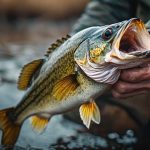
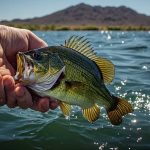
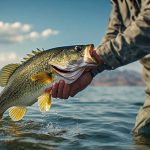
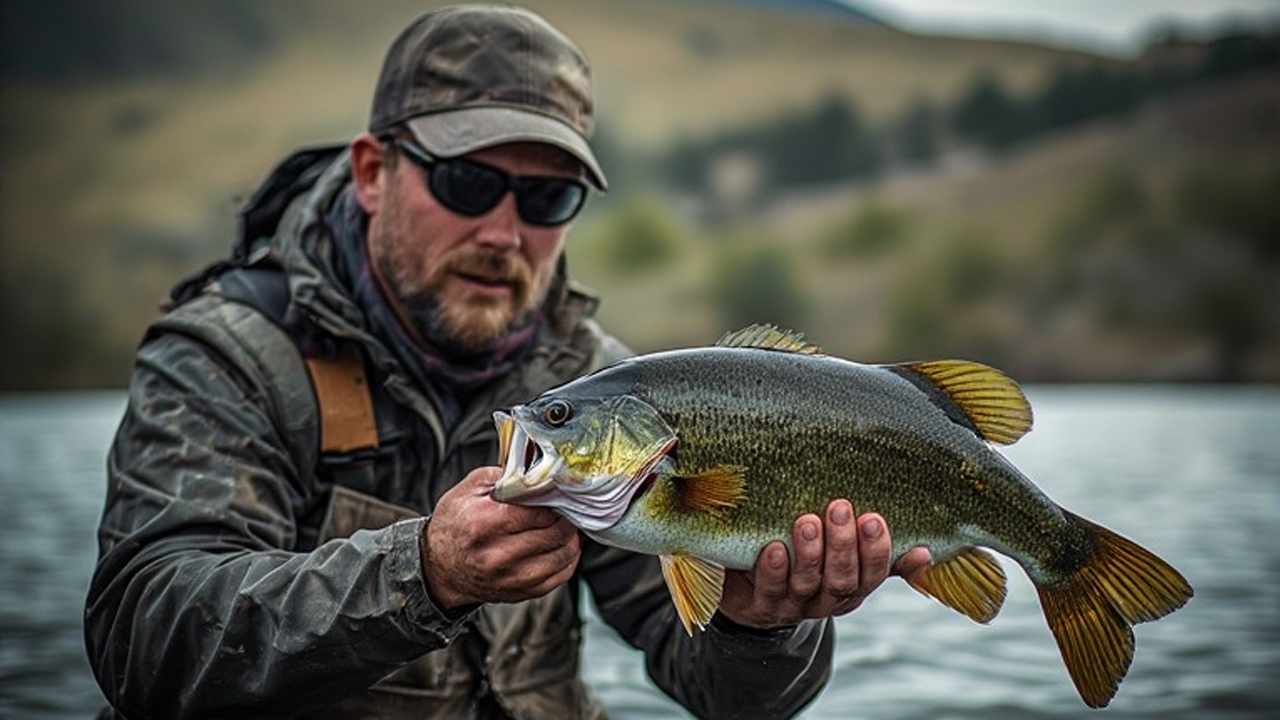
Smallmouth and Largemouth Bass thrive in Idaho’s reservoirs and warm-water rivers. Brownlee Reservoir along the Oregon border hosts the state’s premier bass fishery, producing trophy-class fish regularly. Unlike trout, bass have no closed season statewide, providing year-round opportunities. Summer months from June through September offer peak action, with fish relating to rocky structure, weed edges, and submerged timber. Daily limits typically allow five bass, though specific waters may impose different rules. These aggressive predators provide thrilling surface strikes and dogged fights—perfect for anglers seeking variety beyond trout.
Northern Pike occupy select waters where their predatory nature helps manage rough fish populations. C.J. Strike Reservoir and the American Falls complex support strong pike populations. These toothy predators grow impressively large—fish over 20 pounds get caught annually. Idaho encourages liberal harvest on most pike waters since they can impact other species. Winter ice fishing and early spring periods produce exceptional pike catches as these ambush predators concentrate in shallow bays.
Chinook and Sockeye Salmon represent Idaho’s most tightly regulated fisheries due to their anadromous lifecycle and conservation status. The Salmon River Chinook season, typically running mid-June through July, operates under strict daily quotas monitored in real-time. When harvest limits approach, emergency closures protect remaining spawners. Special permits, specific gear restrictions, and mandatory check stations ensure sustainable management. Landing one of these powerful fish remains a pinnacle achievement for many anglers—the combination of limited opportunity and incredible fighting ability creates memories lasting lifetimes.
Steelhead run Idaho’s major river systems throughout much of the year, with distinct summer and winter runs. The Clearwater River system hosts world-class steelhead fishing, drawing dedicated anglers who brave cold temperatures for a chance at these “fish of a thousand casts.” Strict regulations govern steelhead fishing—many areas allow only catch-and-release for wild fish, while hatchery fish (identifiable by clipped adipose fins) may be harvested within limits. Learning to distinguish wild from hatchery steelhead is mandatory for legal compliance.
🦞 Regulated or Special-Permit Fisheries
Idaho operates several draw-based permit systems for particularly sensitive or high-demand waters. Henrys Lake, a legendary trophy trout destination, requires special permits during specific periods to manage angler pressure. These controlled-access systems prevent overcrowding while maintaining quality fishing experiences.
Sturgeon fishing on the Snake River operates under strict catch-and-release regulations due to this ancient species’ slow growth and late maturation. Anglers may target these massive fish, but all catches must be released immediately. Special handling guidelines minimize stress—keeping fish in the water, avoiding gill contact, and limiting fight time protects Idaho’s remaining sturgeon population.
Certain waters implement barbless hook requirements to facilitate easier catch-and-release and reduce fish mortality. Trophy trout sections often prohibit bait entirely, allowing only artificial flies or lures. These regulations reflect Idaho’s progressive approach to balancing fishing opportunity with conservation necessity.
Salmon and steelhead permits often require additional endorsements beyond the basic fishing license. The salmon-steelhead permit funds hatchery operations and habitat restoration, directly supporting the fisheries it regulates. During peak runs, daily or weekly quotas may close seasons abruptly—checking current status before each trip prevents wasted travel.
🐠 Everyday Fish & Panfish Opportunities
| Species | Typical Limit Type | Where to Find Them |
|---|---|---|
| Yellow Perch | 25 per day | Magic Reservoir, Cascade Lake, Anderson Ranch |
| Crappie (Black & White) | 25 combined | C.J. Strike, American Falls, Lucky Peak |
| Bluegill | 25 per day | Urban ponds, warm sloughs, reservoir coves |
| Channel Catfish | No limit on most waters | Snake River, Boise River, farm ponds |
| Bullhead | No limit | Shallow lakes, irrigation reservoirs |
| Mountain Whitefish | No limit | Most trout streams, especially fall/winter |
Panfish provide Idaho’s most underutilized fishing opportunities. While trout and salmon dominate headlines, massive perch schools inhabit reservoirs throughout the state. Ice fishing for jumbo perch creates addictive action—30-fish days aren’t uncommon when you locate schools.
Crappie fishing peaks during spring spawning when these tasty panfish congregate near shallow structure. Brush piles, dock pilings, and submerged trees hold concentrations that can fill livewells quickly. Unlike trout’s delicate flavor, crappie and perch offer firm, sweet flesh perfect for fish fries.
Catfish fishing remains criminally underappreciated in Idaho. The Snake River harbors channel cats exceeding 20 pounds, providing powerful fights on light tackle. Summer evenings produce best results—cut bait, chicken liver, or prepared stink baits work consistently. Catfish enthusiasts exploring surrounding states might compare experiences with Arkansas’s diverse catfishing opportunities, which emphasize similar warm-water species management.
🏞️ Stocked Waters & Management Programs
Idaho Fish and Game operates an extensive stocking program delivering millions of fish annually. Catchable-sized rainbow trout get planted in over 300 waters statewide, prioritizing accessibility for families, youth, and anglers with disabilities. Urban fishing ponds in Boise, Idaho Falls, Twin Falls, and other population centers receive regular plants throughout summer.
Fingerling stocking supports long-term population sustainability in waters lacking natural reproduction. Mountain lakes above 6,000 feet often cannot support spawning due to harsh conditions, so biologists plant juvenile fish that grow to catchable size over several years. Alpine lake stocking often occurs via airplane, with fish released directly into remote waters inaccessible by road.
The Family Fishing Waters Program designates specific ponds and small lakes for youth and family use. These waters often feature relaxed regulations, ample fish populations, and amenities like accessible docks and restrooms. Many families start their angling journeys at these thoughtfully managed locations.
Specialty stocking includes tiger trout (a sterile hybrid), brook trout in alpine settings, and kokanee salmon in select reservoirs. Each species receives strategic placement based on habitat suitability and management objectives. Stocking reports published online allow anglers to target recently planted waters for optimal success.
🌍 Access Rules: Public vs Private Waterways
- Navigable waterways allow public use below the high-water mark even when adjacent land is private—this includes the Snake, Salmon, Clearwater, and other major rivers
- Always access navigable waters from public boat ramps or bridge crossings to avoid trespassing on private land
- Stream banks below high-water marks remain contentious legally; when in doubt, stay in the water or seek explicit permission
- Reservoirs managed by federal agencies (Bureau of Reclamation, Corps of Engineers) typically allow public access around shorelines
- Respect posted signage at all times—“No Trespassing” means exactly that, even if water appears public
- Landowner permission opens doors to exceptional private water fishing; always ask politely and respect any conditions imposed
- Walk-in access programs coordinate with private landowners to allow fishing on enrolled properties—check Idaho Fish and Game’s access maps for participating lands
Understanding access rights prevents conflicts and legal issues. Many of Idaho’s best fishing spots flow through private property. Building positive relationships with landowners—closing gates, packing out trash, avoiding disturbance to livestock—preserves access for future anglers. When landowners feel respected, they’re more likely to grant permission.
🎟️ Idaho Fishing License Overview
- All anglers 14 and older require a valid fishing license except on Free Fishing Day (typically first Saturday in June)
- Resident licenses cost significantly less than non-resident options; residency requires living in Idaho for six consecutive months
- Annual licenses run calendar year (January 1–December 31), not from purchase date
- Youth anglers under 14 fish free without a license, though they must follow all other regulations
- One-day and three-day permits accommodate visitors and occasional anglers at reduced rates
- Senior licenses offer discounted rates for Idaho residents aged 65 and older
- Disabled veteran licenses may be available at reduced cost or free with proper documentation
- Salmon-steelhead permits serve as mandatory add-ons for anyone targeting these anadromous species
- Second-rod endorsements allow using two rods simultaneously on waters where permitted (primarily lakes and reservoirs)
Licenses can be purchased online through Idaho Fish and Game’s website, at sporting goods retailers statewide, or at regional Fish and Game offices. Purchasing online provides instant access to printable licenses valid immediately. The California licensing system mirrors Idaho’s structure in many ways, both states offering flexible short-term options for tourists alongside traditional annual permits.
Always carry your license while fishing—conservation officers actively patrol popular waters and check compliance regularly. Violations carry substantial fines and can jeopardize future licensing privileges. When in doubt about any regulation, call your regional Fish and Game office before fishing rather than risking penalties.
❓ Angler FAQs
When exactly does Idaho’s general trout season begin in 2026?
General trout season opens the Saturday before Memorial Day, which falls on May 23, 2026. However, dozens of waters remain open year-round, and specific regulations vary by water body. Always check the current proclamation for the exact water you plan to fish.
Can I keep steelhead I catch, or must they all be released?
It depends on whether you catch wild or hatchery fish. Hatchery steelhead (identified by a clipped adipose fin) may be harvested within possession limits. Wild steelhead (intact adipose fin) must be released immediately in most Idaho waters. Learn to identify this crucial difference before targeting steelhead.
Are there any waters where I can fish without buying a license?
Idaho residents and non-residents aged 13 and younger fish without licenses. Additionally, one designated Free Fishing Day per year (typically early June) allows everyone to fish without a license, though all other regulations remain in effect. Private fee-fishing ponds sometimes operate under different rules, but public waters always require proper licensing.
What happens if I accidentally catch more fish than my daily limit allows?
Once you reach your daily limit, stop fishing or release all additional catches immediately. Possession limits exist for conservation reasons—exceeding them, even accidentally, constitutes a violation. If you’re fishing with others, keep catches clearly separated to demonstrate individual compliance. Ignorance of limits provides no legal defense.
Can I use live minnows or other baitfish in Idaho waters?
Only on specific waters listed in the regulations. Many waters prohibit live baitfish entirely to prevent introduction of non-native species and diseases. Where permitted, you may only use baitfish legally obtained—never transport live fish between water bodies. Frozen or preserved baitfish have fewer restrictions but check regulations for your specific location.
Do ice fishing regulations differ from open-water rules?
Core regulations remain consistent—possession limits, size restrictions, and license requirements apply year-round. However, some waters close entirely during winter, while others open specifically for ice fishing. Always verify that your target water allows ice fishing and check for any seasonal modifications to standard rules.
What’s the best resource for real-time fishing regulation updates?
Idaho Fish and Game’s official website provides the most current information, including emergency closures, quota updates, and regulation clarifications. Their regional offices can answer specific questions, and conservation officers in the field offer authoritative guidance. For critical situations like salmon season quotas, check online before each trip since closures can occur with minimal notice.
🗺️ Where to Fish This Year
The South Fork of the Snake River below Palisades Dam ranks among America’s premier trout destinations. This tailwater fishery produces prolific insect hatches supporting healthy populations of rainbow, cutthroat, and brown trout. Guided float trips remain popular, though wade fishing access exists at multiple points. Summer brings crowds, but the sheer productivity means catching remains excellent even under pressure. Autumn offers solitude and some of the year’s largest trout.
Henry’s Fork near Island Park represents fly fishing’s hallowed ground. The Railroad Ranch section’s smooth glides demand technical presentations, while the Box Canyon section offers pocket water perfect for nymph fishing. Massive rainbow trout sip tiny insects in crystal-clear water, testing anglers’ skills and humility. This isn’t beginner water, but those willing to learn its nuances discover why Henry’s Fork appears in every serious angler’s bucket list.
Lake Cascade provides diverse opportunities in a stunning mountain setting. Kokanee salmon, perch, rainbow trout, smallmouth bass, and coho salmon inhabit these 30,000 acres. Ice fishing draws crowds each winter, while summer boating access opens the entire reservoir. Multiple campgrounds and marinas support extended trips, making Cascade ideal for families wanting variety beyond just fishing.
C.J. Strike Reservoir on the Snake River hosts Idaho’s southernmost warm-water fishery. Bass, crappie, catfish, bluegill, and even northern pike inhabit this sprawling impoundment. Spring crappie spawns create outstanding action, while summer bass fishing stays consistent through October. The desert setting provides early and late-season opportunities when mountain waters remain too cold or close for the season.
Salmon River, particularly the Main Salmon and Middle Fork, delivers wilderness fishing experiences unmatched elsewhere in the Lower 48. Multi-day raft trips combine world-class whitewater with excellent trout and smallmouth bass fishing. Summer steelhead runs and fall Chinook seasons draw anglers worldwide, though these opportunities require careful planning given limited access and strict quotas.
Idaho Fish and Game publishes detailed fishing maps on their official website at Idaho Department of Fish & Game, including GPS coordinates, access points, and current stocking information. These resources prove invaluable for trip planning, especially when exploring unfamiliar waters.
✅ Final Thoughts
Idaho’s 2026 angling seasons showcase the state’s commitment to balancing recreational opportunity with conservation stewardship. From the general trout opener on May 23 through autumn kokanee runs and winter ice fishing, opportunities span every month and skill level. Possession limits reflect scientific management—five trout on most waters, liberal bass limits, and tightly restricted salmon and steelhead harvests protect vulnerable species while allowing sustainable enjoyment.
Key regulations to remember: always carry your valid fishing license, verify season dates for your specific water, respect the distinction between wild and hatchery salmon and steelhead, and understand access rights to avoid trespassing. Special-permit fisheries like Henrys Lake require advance planning, while everyday panfish opportunities in reservoirs like Magic and Cascade deliver consistent action for families.
Idaho’s diverse geography creates fishing seasons that vary dramatically by elevation and location. Lower Snake River reservoirs fish productively year-round, while alpine lakes remain icebound into July. This diversity means something always bites somewhere—the key is matching your timing and tactics to seasonal patterns. Whether you’re swinging flies for steelhead in October, chasing trophy bass in August, or jigging perch through ice in January, Idaho delivers authentic experiences that keep anglers returning year after year.

- Wyoming Fishing Regulations 2026: State Rules & Management Areas - February 16, 2026
- Wisconsin Fishing Regulations by Zone 2026: Seasons & Size Limits - February 16, 2026
- West Virginia Fishing Regulations 2026: Stream & Lake Rules - February 16, 2026