There’s a particular kind of Connecticut morning that makes even non-anglers stop and stare—late March, when the last crusty snow piles finally give up, and the edge of a river starts talking again. The water isn’t “warm” (not even close), but it’s alive. A merganser slices the surface, the current loosens its shoulders, and suddenly you’re thinking: Maybe today is the day.
That’s the trick with fishing in Connecticut in 2026—opportunity shifts with the water, not the calendar. As days stretch longer, stocked streams wake up. When summer settles in, warmwater fish take center stage. Then fall rolls in like a reset button, and even familiar ponds fish “new” again. And yes—some folks here still chase a bite through winter when the safe-ice window opens.
The one constant? Connecticut manages its fisheries with conservation in mind, and the rules are designed to keep the bite good next year, too. The state’s 2026 Freshwater Fishing Guide highlights major updates effective January 1, 2026—especially around trout and some special waters.
📅 Complete Connecticut Fishing Season Dates 2026 (Quick-Glance)
This table is meant for trip-planning and “what’s the general rhythm?” thinking. Always confirm your specific waterbody rules in the official guide because many rivers, lakes, and management areas run special regulations.
| Fishery / Season Window | What’s Generally Open | What Commonly Changes (rules to watch) |
|---|---|---|
| Year-round base season | Many inland species remain open year-round statewide | Specific waters may have tighter creel rules or method limits (fly-only, lure-only, etc.) |
| March 1 → early April (spring catch-and-release window) | Trout fishing continues, but the “keep” part changes | Statewide trout catch-and-release period applies until 6:00 a.m. on the second Saturday of April (exceptions exist by water) |
| Second Saturday of April (6:00 a.m.) → late winter | “Harvest season” for many trout waters resumes | Trout daily limit/length rules apply, plus Trout & Salmon Stamp requirements |
| Summer warmwater stretch | Bass, pickerel, panfish, catfish peak | Certain areas (like parts of the Housatonic) have special bass handling rules, including catch-and-release zones |
| Fall transition (Sept → Nov-ish) | Mixed-bag fishing: trout + warmwater + migratory runs | Some TMAs switch to catch-and-release after summer harvest periods |
| Winter (ice season when safe) | Ice fishing for several species where allowed | Some waters restrict tip-ups/gear; always check the waterbody listing |
🗓️ Seasonal Fishing Breakdown in Connecticut
🌱 Early Spring (cold water, big rewards)
- 🎣 What’s active: trout (stocked + holdovers), early prespawn bass, pickerel in weedy bays, and occasional surprise fish in deeper lakes.
- 🐟 Regulations to keep an eye on: trout rules are the big one—Connecticut’s statewide trout catch-and-release window runs March 1 until 6:00 a.m. on the second Saturday of April (some waters differ).
- 🐠 Special handling moments: if you’re new, this is the season to practice gentle releases—cold water helps fish recover, but long fights and dry hands still do damage.
☀️ Peak Summer (early mornings, shady edges)
- 🎣 What’s active: largemouth and smallmouth bass, channel catfish (especially evenings), panfish for fast action, and pike in deeper/weedline zones.
- 🐟 Regulations to watch: some waters have bass management rules; the Housatonic River (MA/CT line to Bleachery Dam) is catch-and-release only for bass year-round.
- 🦞 Heat-season reality check: look for “thermal refuge” closures or no-fishing buffers on certain managed waters—Connecticut added a protective thermal refuge rule for part of Highland Lake (Taylor Brook mouth) with a summer-to-fall closure window.
🍂 Fall Transition (the “second spring” bite)
- 🎣 What’s active: aggressive bass feeding windows, trout re-energizing as water cools, plus walleye in select lakes.
- 🐟 Regulations to watch: some Trout Management Areas allow harvest only during defined windows and switch back to catch-and-release later. That’s why checking the specific TMA rules matters.
- 🐠 Bonus tip: fall is when casual anglers disappear—shoreline spots that felt “taken” in July suddenly open up.
❄️ Winter (if applicable: ice and slow precision)
- 🎣 What’s active: pike, walleye, panfish, and some trout opportunities where ice fishing is permitted.
- 🐟 Regulations to watch: ice fishing is legal in many places, but waterbody-specific restrictions (like tip-up caps) pop up often.
- 🦈 Safety note: no fish is worth unsafe ice—local shops and towns usually know what’s locking up and what’s sketchy.
🐟 Game Fish Anglers Target Most (Connecticut-style)
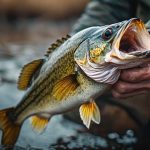
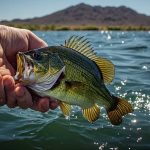
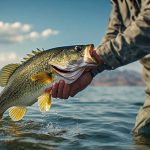
Bass: Connecticut bass fishing isn’t just “summer fun”—it’s an all-year puzzle. In warm months, you’ll find largemouth hugging weeds and docks in lakes and coves, while smallmouth love rocky structure and current. Some areas are managed specifically for bass, and at least one major stretch (the upper Housatonic area noted above) is strictly catch-and-release for bass year-round, which tells you how seriously the state treats quality fisheries.
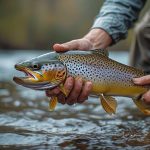
Trout: Trout are Connecticut’s headline act, and 2026 brought big clarity to the “keep” conversation: as of January 1, 2026, all trout must be at least 9 inches to keep statewide (unless a water is stricter or harvest isn’t allowed). They’re most “friendly” to beginners in stocked streams, Trout Parks, and Community Fishing Waters—places designed for high success and easy access.
Pike / Muskie: Northern pike bring that “something big lives here” thrill. Connecticut stocks pike in certain waters as part of management efforts, and they’re a favorite for winter anglers when safe ice sets up. In many waters, the pike/tiger muskie rules include size requirements and limited harvest—think of them as apex fish that managers want you to treat like a resource, not a giveaway.
Walleye / Catfish: Walleye are a “plan your trip” fish in Connecticut—targeted in specific managed lakes and especially popular during colder seasons. Connecticut also stocks and manages channel catfish in select waters, and Community Fishing Waters have a smaller catfish daily limit than general statewide rules—great for families, but still managed carefully.
🦞 Regulated or Special-Permit Fisheries (Read this before you assume)
Connecticut has a few fisheries where “regular license” isn’t the whole story:
- 🐟 Trout & Salmon Stamp waters: If you’re keeping trout/salmon or fishing in designated places like Trout Management Areas, Trout Parks, Wild Trout Management Areas (Class 1–3), or Atlantic Salmon Management Areas, you generally need the Trout & Salmon Stamp.
- 🦈 Coastal sharks (saltwater): Connecticut’s marine rules note that an Atlantic HMS permit is required for most shark species (excluding smooth/spiny dogfish).
- 🦞 Personal use lobster (marine): Connecticut lists a Personal Use Lobster License for taking lobsters via limited pots or diving (with reporting requirements).
The theme here is sustainability: these permits help fund management, track harvest, and keep pressure from crushing sensitive populations.
🐠 Everyday Fish & Panfish Opportunities (Simple Table)
Here’s a quick “what can I catch with the kids or on a lunch break?” snapshot—kept intentionally simple so you can decide fast. (Always confirm the exact creel rules for your waterbody.)
| Species | Typical creel-limit style | Where you’ll commonly find them |
|---|---|---|
| Bluegill / Sunfish | Often generous or no strict cap in many inland waters | Shallow weed edges, docks, warm coves 🐠 |
| Black Crappie | Generally “panfish-style” rules | Deeper brush, spring shallows, evening bite 🐟 |
| Yellow Perch | Often open broadly | Points, drop-offs, and ice-fishing areas ❄️ |
| Bullhead | Usually flexible limits | Weedy ponds, muddy flats, dusk-to-night 🦞 |
🏞️ Stocked Waters & Management Programs
Connecticut doesn’t just “hope” fishing stays good—it actively builds it.
- 🎣 The state runs interactive trout stocking resources so anglers can see stocked waters and recent activity—hugely helpful for visitors who don’t know where to start.
- 🐟 The 2026 guide also calls out beginner-friendly programs like Trout Parks and Community Fishing Waters, aimed at high catch rates and easy access.
- 🐠 Trout Management Areas (TMAs) are designed to provide higher-quality trout opportunity, with some areas set for year-round catch-and-release and others following seasonal harvest windows.
If you like the “teach someone to fish” vibe, Connecticut even promotes specific no-license/free-license days in 2026 to get more people started.
🌍 Access Rules: Public vs Private Waterways
- 🏞️ In tidal and navigable waters, Connecticut recognizes public trust access waterward of the mean high water line—so you can often fish the intertidal area without trespassing as long as you don’t cross private property to get there.
- 🎣 Use official maps and town/state access points (boat launches, parks, right-of-ways) to avoid “accidental shortcut” trespassing.
- 🐟 Treat “No Trespassing” and posted signage like a hard boundary—if you’re unsure, move on; Connecticut has plenty of public access waters.
- 🐠 Leave the shoreline cleaner than you found it—access disappears fastest when landowners get fed up.
🎟️ Connecticut Fishing License Overview
- ✅ Who needs a license: anyone 16+ fishing in inland waters needs the appropriate license. Source
- 🧭 Resident vs non-resident: non-residents can buy standard options, and Connecticut specifically offers 3 consecutive day licenses for inland and marine fishing.
- 🧒 Youth rules: kids under 16 typically fish without needing a standard license (Connecticut also promotes youth programs like the Youth Fishing Passport).
- 🗓️ Short-term passes: perfect for visitors—grab the 3-day option if you’re road-tripping New England.
- 🐟 Special stamps/endorsements: the Trout & Salmon Stamp matters if you’re keeping trout/salmon or fishing certain managed trout waters.
❓ Angler FAQs
Is there an “opening day” for fishing in Connecticut?
Many fisheries are open year-round, but trout rules shift seasonally—especially the spring catch-and-release window and special-regulation waters.
What’s the big trout change for 2026 I keep hearing about?
Connecticut set a statewide 9-inch minimum length for keeping trout starting January 1, 2026 (unless a water is stricter or harvest is prohibited).
Can I fish for trout in March?
Yes—trout fishing continues, but March 1 through early April is typically catch-and-release only statewide until the second Saturday of April at 6:00 a.m. (with exceptions by water).
Do I need anything besides a license for trout?
Often yes—Connecticut uses a Trout & Salmon Stamp system for keeping trout/salmon and for fishing certain designated trout waters.
Where do beginners usually do best?
Trout Parks and Community Fishing Waters are built for high success rates and easy access—great when you’re learning knots, casting, or just trying to get a first bite.
Are saltwater rules included in the 2026 freshwater guide?
Connecticut notes that marine regulations are typically finalized separately, and anglers should check official saltwater resources for current rules.
If I’m visiting from another state, do I have quick license options?
Yes—Connecticut offers nonresident 3-day options for inland and marine waters.
🗺️ Where to Fish This Year
If you want that postcard Connecticut trout experience—waders on, water clear enough to count stones—the Farmington River system and its managed stretches are the kind of places that turn a casual visitor into a repeat customer. You’ll see fly anglers working seams like they’re threading a needle, and on a calm day you can hear the river before you see it.
For lake-style days—cooler packed, lawn chair optional—Candlewood Lake feels like its own little world. It’s big enough to explore and varied enough to keep bass anglers busy from dawn to dusk. When you’re new, big water is forgiving: if one cove looks dead, you simply move.
If you like a river that blends “wild feel” with “easy to reach,” the Housatonic River is a name you’ll hear a lot—just remember certain stretches come with specific bass rules (including catch-and-release zones).
And if you’re bringing kids or teaching someone who’s never held a rod, aim for Trout Parks / Community Fishing Waters where stocking and access are designed for smiles-per-hour, not bragging rights.
For planning help, start with Connecticut’s own “where to go” hub and maps. Use Where to Go Fishing as your launch point—it links out to trout parks, lake/pond regulation pages, and interactive mapping tools.
If you’re comparing how different states structure seasons and creel rules, you might enjoy this companion guide: California’s 2026 fishing rules and season overview (helpful perspective if you travel).
For saltwater travelers and anyone chasing federally managed species, NOAA’s recreational regulation hub is a solid reference point: NOAA recreational fishing regulations by species.
✅ Final Thoughts (quick snapshot + key dates/rules)
Connecticut’s 2026 fishing year is built around flexibility: many species are open year-round, but your “catch dates” and harvest rules depend on species and waterbody. The headline items to remember are the statewide trout update (trout must meet a 9-inch minimum to keep as of January 1, 2026) and the spring trout catch-and-release-only window from March 1 until 6:00 a.m. on the second Saturday of April (with water-specific exceptions). Add in special managed systems—Trout Management Areas, Wild Trout Management Areas, and certain bass waters like the Housatonic catch-and-release stretch—and you’ve got a state that’s clearly balancing access with long-term fish health.

- Wyoming Fishing Regulations 2026: State Rules & Management Areas - February 16, 2026
- Wisconsin Fishing Regulations by Zone 2026: Seasons & Size Limits - February 16, 2026
- West Virginia Fishing Regulations 2026: Stream & Lake Rules - February 16, 2026