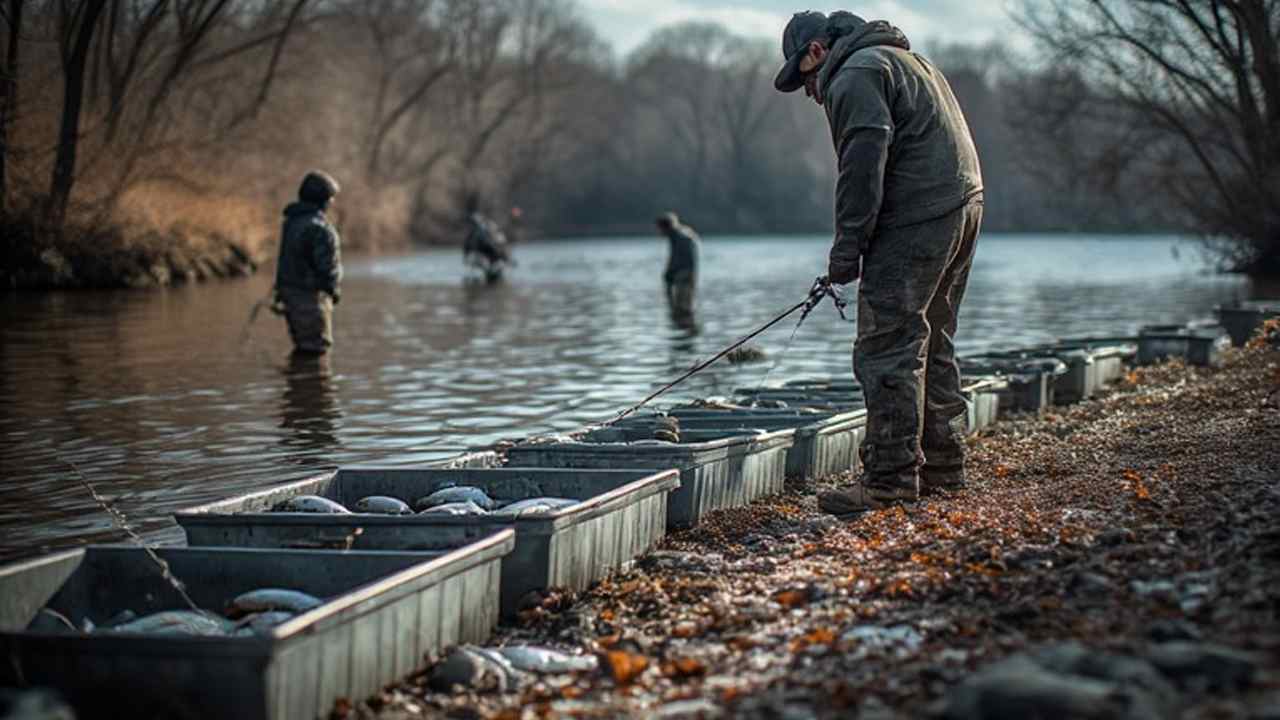
There’s a particular kind of Missouri morning that feels like it was made for beginners.
You know the one: the first warm-ish weekend after winter finally loosens its grip. The lake edges still look half-asleep, but the shallows start waking up. A few redbuds show off along the bank, and somebody’s kid is already flinging a bobber like it’s an Olympic event. 🎣🐟
That’s Missouri fishing in a nutshell—your opportunities change as the year turns, but there’s almost always something biting somewhere. The “how” is where most people get tripped up: seasons, creel rules, special areas, and the little location-based exceptions that can surprise visitors.
The good news? Missouri is extremely visitor-friendly once you know the basics: carry the right permit, follow conservation-minded limits, and pay attention to waterbody-specific rules—especially on managed lakes and rivers, trout parks, and border waters. For the official statewide season list and notes, Missouri Department of Conservation keeps a simple “seasons at a glance” resource that’s worth bookmarking.
Complete Missouri Fishing Season Dates 2026 in Table 🗓️
Below is a beginner-first “big picture” table for common fishing opportunities. It’s intentionally not stuffed with exact creel numbers—because those can vary by waterbody and special regulation areas—but it does give you the practical catch dates that shape the year. (Always double-check special-area rules for the exact lake/stream you’re on.)
| Fishing opportunity (Missouri) | Typical 2026 open dates | What to watch for (plain English) |
|---|---|---|
| Most warmwater fishing (general statewide rhythm) | Year-round in many places | Area-specific length/possession limits can override statewide norms |
| Crappie (black & white) | Jan 1–Dec 31, 2026 | Special creel rules on some lakes; watch for “no more than X over Y inches” type rules in certain spots |
| White, yellow, striped bass & hybrids | Jan 1–Dec 31, 2026 | Often “all-year” with size notes and special-water exceptions |
| Walleye & sauger | Generally open all year | Some waters have stricter minimum length rules; some have exceptions |
| Muskellunge / northern pike | Generally open all year | Low daily keep; long grow time = strong conservation focus |
| Trout parks (catch-and-keep “regular” season) | Mar 1–Oct 31 (typical trout park season window) | Trout tags/permits differ by location—don’t assume it’s the same as a normal lake |
| Trout parks (winter catch-and-release season) | Second Friday in Nov → second Monday in Feb (weekends + Mon) | Specific parks only; specific days/hours; catch-and-release only |
| Paddlefish snagging (varies by water) | Spring windows are common (many waters Mar 15–Apr 30) | Permits + special zones + method rules; not a “wing it” fishery |
🗓️ Seasonal Fishing Breakdown (NOT by Month) — Missouri’s Year in “Fishing Seasons”
1) Early Spring: the “everything wakes up” stretch 🎣
- Target species that shine: crappie staging near cover, bass cruising warming pockets, and catfish beginning to feed more consistently on warmer evenings.
- Regulations to keep an eye on:
- Special waterbody rules (this is when people accidentally keep fish from “special management” areas without realizing).
- Stream and river bass rules in certain regions can include protection windows or special handling requirements in defined areas.
- Catch-and-release moments:
- Some waters are managed to protect spawning fish or trophy genetics—expect “must release” language in certain stretches, especially in managed stream segments.
2) Peak Summer: long days, early alarms, and shaded banks 🐟
- Target species that shine: largemouth bass in vegetation/structure, channel catfish after dark, and sunfish/panfish for family-friendly fishing areas.
- Regulations to keep an eye on:
- Heat brings crowds, and crowds bring enforcement: keep your permits handy and follow possession limits (Missouri emphasizes that possession is generally tied to daily limits).
- If you’re using alternative methods (jug lines, trotlines, setlines), the rules get specific fast—especially about attendance and labeling.
- Catch-and-release moments:
- On pressured lakes, a simple personal rule—release big breeders—can do more good than you’d think.
3) Fall Transition: crisp air, clear water, aggressive bites 🐠
- Target species that shine: bass feeding up, crappie pushing into predictable patterns again, and walleye/sauger improving as water temps slide down.
- Regulations to keep an eye on:
- Some special area regs become extra important because fall anglers travel more—reservoir to reservoir—assuming the same limits everywhere.
- Catch-and-release moments:
- If you stumble into a muskie bite window, handle them like the slow-growing trophy fish they are: quick photos, minimal air time, strong release.
4) Winter: quiet banks, urban ponds, and trout dreams 🦞
- Target species that shine: stocked trout opportunities (including urban programs), plus steady catfish in some systems and panfish in smaller lakes.
- Regulations to keep an eye on:
- Trout parks have structured winter catch-and-release seasons (specific dates and specific parks).
- Winter trout stocking programs are real “bite insurance” for casual anglers near cities.
- Catch-and-release moments:
- Winter trout seasons often require immediate, unharmed release in designated times/areas—barbless hooks and soft nets help.
🐟 Game Fish Anglers Target Most (story-style, not a checklist)
Bass
Bass fishing in Missouri is like ordering coffee: everyone has their style, and they’ll defend it. In early spring, you’ll see beginners do best by keeping it simple—slow presentations near warming cover. Summer bass? Think shade lines, deeper structure, and dawn patrols. Fall bass often feel “easier” because they chase more aggressively. Size and possession limits can differ between lakes vs streams and in special management areas, so treat every new water like it has its own rulebook.
Trout
Trout are Missouri’s “special occasion” fish—especially for visitors. You’ve got classic trout parks with regular seasons, plus winter catch-and-release windows that turn cold weekends into something worth waking up for. Trout regs are also where permits/tags tend to confuse people most, so it pays to check the official trout regulation pages before you go. And yes, trout feel “more regulated” because they’re heavily managed and stocked—on purpose.
Pike / Muskie
If bass fishing is coffee, muskie fishing is espresso: fewer bites, bigger feelings. Muskies and pike are generally open much of the year, but harvest is tightly limited because these fish take a long time to grow. Expect conservative creel rules and length requirements—especially on managed waters. The practical takeaway: plan for catch-and-release, carry long pliers, and keep handling gentle and fast.
Walleye / Catfish
Walleye and sauger tend to reward patience—points, ledges, current seams—and they often improve as water cools. Catfish, on the other hand, can be your most beginner-friendly “put dinner in the cooler” option, especially on summer evenings. Missouri also allows several legal set-type methods in some places (with strict rules), so read up before you try jug lines or similar tactics.
🦞 Regulated or Special-Permit Fisheries (where Missouri gets serious)
Some Missouri freshwater fisheries are “standard hook-and-line fun.” Others are more like a structured event—with permits, defined seasons, and method restrictions.
Here are the ones casual anglers most often hear about:
- Paddlefish snagging (spoonbill) 🦈
This is a uniquely Missouri-style spring tradition on certain waters. It’s also one of the easiest ways for newcomers to break rules accidentally—because the methods and areas are tightly defined. Before you snag, check both statewide season language and the special-area notes. - Sturgeon rules & roe restrictions (high conservation focus)
Sturgeon management can include very specific rules (including protected stretches and restrictions related to eggs/roe). If you’re fishing big rivers where sturgeon are present, it’s worth reading the official regulation page so you know what must be released, and where.
🐠 Everyday Fish & Panfish Opportunities (quick table, simple choices)
When someone says, “We just want to catch something,” this is the lane. Perfect for visitors and kids. 🎣🐠
| Everyday species | Typical creel limit type (general) | Common places to find them |
|---|---|---|
| Bluegill / sunfish | Often a higher daily limit than game fish | Community lakes, coves, docks, weed edges |
| Crappie | Moderate-to-higher daily limit; special lake rules sometimes | Brush piles, submerged timber, marina edges |
| Bullheads | Often grouped under “nongame” type rules | Muddy flats, creek mouths, backwaters |
| Carp (common) | Usually liberal rules; varies by use as bait | Shallow bays, rivers, warm flats |
🏞️ Stocked Waters & Management Programs (Missouri’s “extra help” for anglers)
Missouri’s stocking and management work is part of why beginners do well here. You don’t need a boat or a secret handshake—just the right timing and a place with public access waters.
A few beginner-friendly pathways:
- Winter trout stocking lakes: MDC stocks rainbow trout in winter in certain lakes, giving cold-season anglers a legitimate target close to cities.
- Urban fishing programs: Kansas City and St. Louis metro areas have managed fishing options, including seasonal stockings for different species.
- Trout parks and special trout areas: Some trout opportunities come with unique hours/days and rules—great experiences, but check before you drive.
🌍 Access Rules: Public vs Private Waterways
- Missouri has public fishing opportunities across conservation areas, lakes, and many stream corridors—but access still matters as much as the water itself.
- If you’re wading streams, understand the difference between being in the streambed versus stepping onto private banks; trespassing rules are spelled out clearly by MDC.
- Use official maps and conservation area pages to find legitimate entry points (parking lots, boat ramps, signed trails).
- Treat fences, posted signs, and “no trespassing” notices as hard boundaries—even if the water looks fishy.
- When in doubt, choose managed lakes and public conservation areas first; they remove most access confusion for visitors.
🎟️ Missouri Fishing License Overview
- Most anglers need a fishing permit unless they fall into an exemption category (age and other conditions can matter).
- Resident vs non-resident permits are different categories; buy the one that matches your legal residency status.
- Youth rules are generally more forgiving than adult rules (many kids can fish without buying the same permits adults need), but always confirm your specific situation.
- Short-term permits exist and can be the easiest choice for visitors doing a weekend trip rather than a full year.
- Certain fisheries (especially trout-focused and some special opportunities) may require add-ons or special permits/tags beyond the basic fishing permit.
❓ Angler FAQs
If I’m visiting Missouri for a weekend, what’s the simplest “legal setup” to bring?
A basic rod-and-reel setup is fine almost everywhere, but the key is buying the correct permit type and checking whether your destination has special area rules (especially trout waters and managed lakes).
Do I need to memorize every limit number before I fish?
No. A smarter approach: know your target species, then check the waterbody you’ll fish for special regulations. Missouri’s statewide pages are a great starting point.
Can I fish in winter and still have a good day?
Absolutely—winter trout stockings and trout park seasons make cold-weather fishing very realistic in Missouri.
What’s the most common beginner mistake with trout parks?
Assuming trout rules work like a normal lake. Trout parks and special trout areas can have unique season structures and restrictions.
Are jug lines and similar catfish methods allowed everywhere?
Not everywhere. Missouri has specific jug line rules and some waters prohibit them outright, so read the method rules and area notes first.
How do I avoid accidental trespassing when stream fishing?
Start from public access points, stay aware of property boundaries, and follow MDC’s trespassing guidance—especially about stepping out onto banks.
Is there a quick way to find public spots without guesswork?
Yes—use MDC’s “where to fish” mapping and location tools to plan around public entry points.
🗺️ Where to Fish This Year (a few famous waters, with a little scene-setting)
If you want to fish Missouri and feel like you’re really in Missouri, start with places that carry a reputation even among non-anglers.
Lake of the Ozarks is the loud, busy classic—summer boat traffic, endless pockets, and plenty of structure that holds bass and crappie if you’re willing to explore. Table Rock Lake (shared waters regionally) often feels clearer and more “open-water,” a place where points and deeper patterns can be the difference between a slow day and a “we’re coming back next year” day.
For river anglers, the Missouri River is big-water fishing with big-water rules and big-water surprises—catfish, current seams, and long stretches where planning your access matters as much as your bait.
And if you want an iconic Missouri experience with training wheels attached, a trout park trip is hard to beat. It’s the kind of place where you can show up early, breathe in cold spring air, and watch beginners go from “I’ve never cast before” to “wait—was that my fish?” in a single morning. 🐟
To plan with confidence, start with the state’s official mapping and destination hub: Where to Fish in Missouri (official maps and tools).
For a nearby-state comparison (helpful if your road trip crosses borders), you can also glance at Arkansas fishing regulation guide (neighbor-state reference).
✅ Final Thoughts
Missouri’s 2026 fishing year is built around “nearly always open” opportunity—with the real details living in where you fish and what you target. Use the statewide seasons list to confirm year-round species and special date windows like trout park winter catch-and-release (second Friday in November through second Monday in February) and spring paddlefish snagging frameworks (commonly March 15–April 30 on many waters, with special-area rules). Keep an eye on possession limits (often tied to daily limits), method rules (especially jug lines and similar gear), and public vs private access boundaries. If you do those few things, you’ll fish Missouri like a local—even if you’re just passing through for a weekend.

- Wyoming Fishing Regulations 2026: State Rules & Management Areas - February 16, 2026
- Wisconsin Fishing Regulations by Zone 2026: Seasons & Size Limits - February 16, 2026
- West Virginia Fishing Regulations 2026: Stream & Lake Rules - February 16, 2026