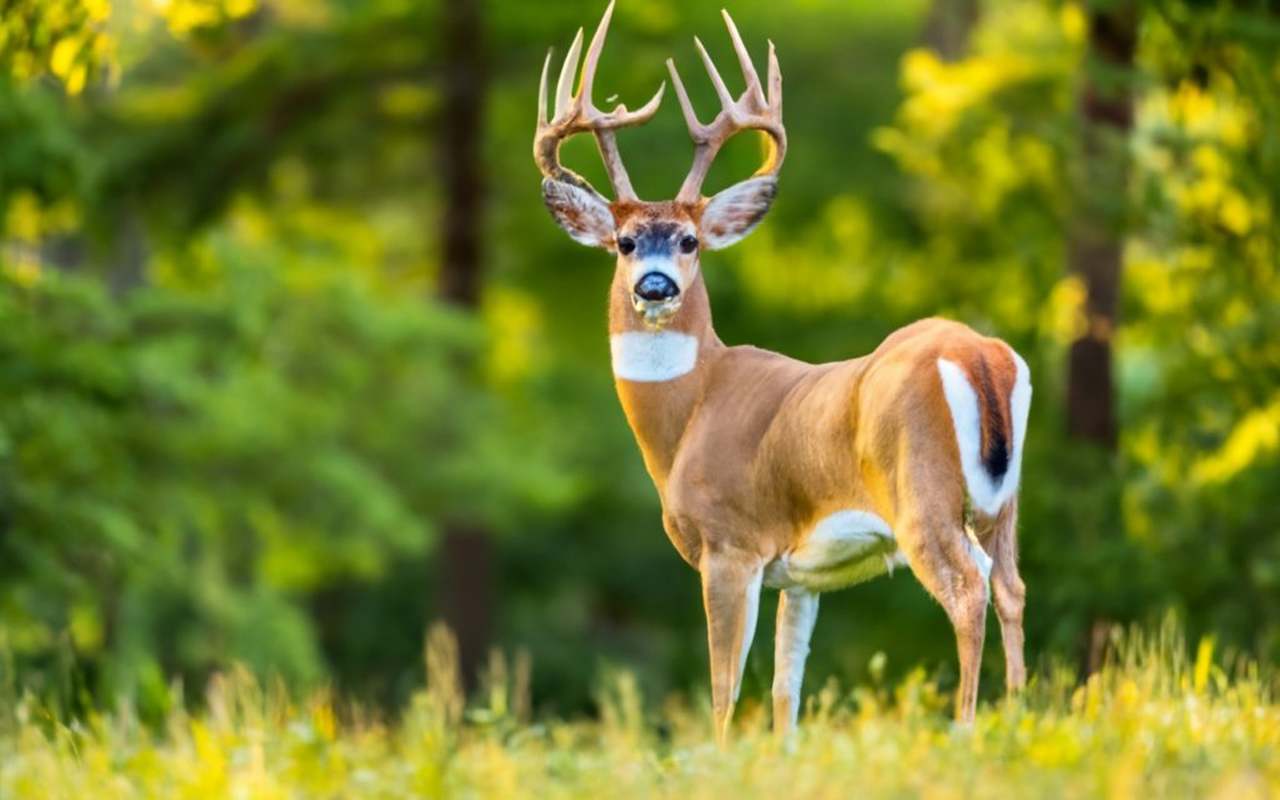
Wisconsin gives hunters one of the broadest lineups in the Midwest. You can chase whitetails in farm country, hunt ducks over big marshes, work grouse coverts in the Northwoods, or apply for once-in-a-lifetime species like elk and bear. For beginners, that variety is exciting. For experienced hunters, it is one more reason Wisconsin stays on the short list every fall.
Deer are still the headline draw, but they are far from the whole story. Turkey hunting is strong, waterfowl opportunities are excellent in the right weather, and public-land hunters can also target squirrel, rabbit, pheasant, grouse, woodcock, snipe, crow, coyote, fox and more. Wisconsin’s mix of wetlands, forests, river bottoms and farm edges creates a true four-season hunting state.
Public access is another major advantage. Wisconsin hunters have access to state wildlife areas, state forests, national forest land, refuges and private lands enrolled in public-access programs. The DNR also points hunters to about six million acres of public lands statewide, which gives do-it-yourself hunters room to explore.
Licensing is straightforward, but the rules can change more than many hunters expect. Season frameworks, special hunts, unit rules, tags, registration deadlines and public-land restrictions can all shift.
Wisconsin Hunting Season Overview
| Category | Details |
|---|---|
| Licensing Requirement | Most hunters need the proper season license, stamps and harvest approvals through Go Wild |
| Main Game Species | Deer, turkey, bear, elk, ducks, geese, pheasant, grouse, squirrel, rabbit, coyote, fox, raccoon |
| Public Hunting Areas | State wildlife areas, state forests, refuges, Chequamegon-Nicolet National Forest, enrolled private lands |
| Online Harvest Reporting | Deer, turkey and bear must be registered through GameReg |
| Youth Hunting Opportunities | Youth deer, youth spring turkey and youth waterfowl weekends |
| Public Land Programs | Public Access Lands tools, VPA private lands, THAP spring turkey access |
| Hunter Education Requirement | Required for anyone born on or after Jan. 1, 1973, unless exempt or hunting under mentored rules |
Wisconsin is a hunter-friendly state, but it is also a rules-driven state. That means success starts with knowing your season, your zone, your tags and your reporting deadlines.
Big Game Hunting Seasons
Big game is where most hunters begin planning. Deer is the core season, but Wisconsin also offers regulated bear and elk hunts with lottery-style permit systems.
Deer Hunting Season
| Season Type | Dates | Bag Limit | Notes |
|---|---|---|---|
| Archery/Crossbow | Sept. 12, 2026 – Jan. 3, 2027 | 1 buck per harvest authorization; antlerless deer only with unused antlerless authorization | Extended to Jan. 31, 2027 in metro subunits and select counties |
| Firearms (Gun Deer) | Nov. 21–29, 2026 | Same tag rules apply | Main statewide gun season |
| Muzzleloader | Nov. 30–Dec. 9, 2026 | Same tag rules apply | Follows gun season |
| Youth Deer Hunt | Oct. 10–11, 2026 | Same tag rules apply | Youth-focused weekend |
| Special Hunts | Oct. 3–11 disability hunt; Dec. 10–13 antlerless-only; Dec. 24, 2026 – Jan. 1, 2027 holiday antlerless-only | Depends on valid deer approvals | Holiday hunt open only in select Farmland Zone counties |
Wisconsin deer hunting is organized by deer management units and zone structure. Bag opportunity on antlerless deer can vary by unit and available authorizations, so that is one area where hunters need to double-check before buying licenses or traveling.
Antler restrictions are not statewide in the way some states use them. In practice, the most important deer rule for many hunters is whether the unit is offering antlerless harvest opportunities and whether any hunt is buck-restricted or antlerless-only.
Harvest reporting is mandatory. Deer must be registered through GameReg by 5 p.m. the day after recovery. That deadline matters, and missing it can turn a legal deer into a violation.
Hunters looking for more whitetail detail can also review this Wisconsin deer hunting season guide for additional planning help.
Deer Hunting Rules
| Regulation | Requirement |
|---|---|
| Hunter Orange | During firearm deer seasons, at least 50% of clothing above the waist must be blaze orange or pink; head covering must also be at least 50% blaze orange or pink |
| Legal Weapons | Check the annual hunting regulations for season-specific weapon rules |
| Reporting Deadline | By 5 p.m. the day after the deer is recovered |
| Baiting Rules | Baiting restrictions can change by county and disease status; verify before hunting |
| Tagging Requirements | Carry the proper deer approval and register through GameReg after harvest |
Elk Hunting Season
| Season | Dates | Permit Type |
|---|---|---|
| Elk | Oct. 17–Dec. 13, 2026 | Draw-only elk license |
Wisconsin elk hunting is still highly limited. Applications ran from March 1 through May 31. The state does not use preference points for elk, so each applicant has an equal chance in the draw. New for 2026, quotas are assigned to specific unit groups inside the northern and central elk zones. A hunter may only receive one Wisconsin elk license in a lifetime, and successful applicants must complete a mandatory elk hunter education course before buying the license.
Bear Hunting Season
| Season | Dates | Unit/Zone |
|---|---|---|
| Bait/no dogs | Sept. 9–15, 2026 | Zones A, B, D |
| Dogs, bait, other legal methods | Sept. 16–Oct. 6, 2026 | Zones A, B, D |
| Dogs only | Oct. 7–13, 2026 | Zones A, B, D |
| Bait/other legal methods, no dogs | Sept. 9–Oct. 13, 2026 | Zones C, E, F |
Wisconsin black bear hunting requires a Class A bear license. Tags are distributed through a preference point lottery system, and the application deadline remains Dec. 10 in the year before the season. After harvest, a bear must be registered by 5 p.m. the day after recovery. Successful hunters also have to submit two upper premolar teeth to the DNR by Oct. 15 for age monitoring.
Turkey Hunting Seasons
Turkey hunting is one of Wisconsin’s best beginner-friendly seasons because the structure is clear and the opportunities are strong.
Spring Turkey Season
| Season | Dates | Bag Limit |
|---|---|---|
| Youth Hunt | April 11–12, 2026 | 1 bearded or male turkey |
| Period A | April 15–21 | 1 bearded or male turkey per authorization |
| Period B | April 22–28 | Same |
| Period C | April 29–May 5 | Same |
| Period D | May 6–12 | Same |
| Period E | May 13–19 | Same |
| Period F | May 20–26 | Same |
Fall Turkey Season
| Season | Dates | Bag Limit |
|---|---|---|
| Fall Turkey | Sept. 12, 2026 – Jan. 3, 2027 | 1 turkey of any age or sex per authorization |
Turkey Hunting Regulations
| Rule | Requirement |
|---|---|
| Shotgun Restrictions | Use only legal turkey equipment under current Wisconsin regulations; verify the 2026–27 booklet for weapon details |
| Hunter Orange Requirement | Important anytime a firearm deer season overlaps; check current regulations for exact situations |
| Legal Hunting Hours | Wisconsin uses annual northern/southern shooting-hour tables |
| Youth Requirements | Under age 16, valid license/stamp/authorization, and must be accompanied by an adult age 18+ |
Spring authorizations are issued through a preference-based drawing, then leftover bonus authorizations are sold over the counter. Fall turkey no longer uses the old drawing system in the same way. As with deer and bear, registration is due by 5 p.m. the day after harvest.
Waterfowl Hunting Seasons
Wisconsin waterfowl hunting is driven by marshes, river systems and migration timing. Zone choice matters.
Duck Seasons
| Zone | Dates |
|---|---|
| North | Sept. 26–Nov. 24, 2026 |
| South | Oct. 3–11 and Oct. 17–Dec. 6, 2026 |
| Open Water | Oct. 17–Dec. 15, 2026 |
Goose Seasons
| Zone | Dates |
|---|---|
| North | Sept. 16–Dec. 16, 2026 |
| South | Sept. 16–Oct. 11; Oct. 17–Dec. 6; Dec. 19, 2026 – Jan. 2, 2027 |
| Mississippi River | Oct. 3–11 and Oct. 17, 2026 – Jan. 5, 2027 |
Special Waterfowl Hunts
| Hunt Type | Dates |
|---|---|
| Youth Waterfowl | Sept. 19–20, 2026 |
| Veteran Waterfowl | Verify with WDNR; not listed on the main 2026 page reviewed |
| Early Teal | Sept. 1–9, 2026 |
Waterfowl Requirements
| Requirement | Details |
|---|---|
| HIP Registration | Required annually |
| Federal Duck Stamp | Required for waterfowl hunters age 16+ |
| State Stamp | Wisconsin Waterfowl Stamp required |
For ducks, the statewide daily bag is 6. Early teal is 6 per day. Regular goose limits vary by zone, so goose hunters should confirm the exact daily limit for the zone and portion they plan to hunt.
Small Game Hunting Seasons
| Species | Season Dates | Daily Limit |
|---|---|---|
| Squirrel | Sept. 12, 2026 – Feb. 28, 2027 | 5 |
| Rabbit | North: Sept. 12 – Feb. 28; South: Oct. 17 – Feb. 28; Milwaukee County year-round | 3 |
| Pheasant | Oct. 17, 2026 (9 a.m.) – Jan. 3, 2027 | 1 rooster opening weekend, 2 roosters after |
| Quail | Oct. 17 (9 a.m.) – Dec. 9, 2026 | 5 |
| Grouse | Zone A: Sept. 12 – Jan. 3; Zone B: Oct. 17 – early Dec. | 5/day in Zone A; 2/day in Zone B |
| Dove | Sept. 1–Nov. 29, 2026 | 15 |
| Woodcock | Sept. 19–Nov. 2, 2026 | 3 |
| Snipe | Sept. 1–Nov. 9, 2026 | 8 |
Regional differences matter most for rabbit, grouse and pheasant. Hunters should also remember that pheasant and waterfowl stamps may be needed depending on species.
Furbearer Hunting and Trapping Seasons
| Species | Dates | Notes |
|---|---|---|
| Coyote | Hunting year-round; trapping Oct. 17, 2026 – Feb. 15, 2027 | No bag limit listed in reviewed sources |
| Fox | Oct. 17, 2026 – Feb. 15, 2027 | Hunting and trapping |
| Raccoon | Resident: Oct. 17, 2026 – Feb. 15, 2027; Nonresident: Oct. 31, 2026 – Feb. 15, 2027 | Hunting and trapping |
| Opossum | No season, bag, size or possession limits | License required |
| Beaver* | Latest posted framework: Zone A/B Nov. 1–Apr. 30; Zone C Nov. 1–Mar. 31; Zone D Dec. 8–Mar. 15 | Trap-specific rules |
| Bobcat | Oct. 17–Dec. 25, 2026 and Dec. 26, 2026 – Jan. 31, 2027 | Permit required |
| Otter* | Latest posted framework: North Nov. 1–Apr. 30; South Nov. 1–Mar. 31 | Quota species |
*Beaver and otter were still on the latest posted DNR trapping framework reviewed, so verify 2026–27 trap dates before the season opens.
Additional Hunting Opportunities
| Species | Season Dates |
|---|---|
| Crow | Nov. 21, 2026 – March 24, 2027 |
| Frog | Saturday nearest May 1 through Dec. 31 |
| Turtle | July 15 – Nov. 30 |
| Other Legal Species | Opossum, skunk, weasel, porcupine, woodchuck and some others have no closed season, but license rules still apply |
Wisconsin updates its regulations booklet periodically, so hunters should always confirm final details with the DNR before heading afield at Wisconsin DNR season dates and regulations and U.S. Fish & Wildlife Service duck stamp guidance
Hunting Licenses and Fees
Resident License Fees
| License Type | Fee |
|---|---|
| Annual Hunting / Small Game | $18.00 |
| Deer Permit (Gun, Archer or Crossbow) | $24.00 |
| Turkey Permit (Spring or Fall License) | $15.00 |
| Turkey Stamp | $5.25 |
| Waterfowl Stamp | $12.00 |
| Trapping License | $20.00 |
Nonresident License Fees
| License Type | Fee |
|---|---|
| Annual Hunting / Small Game | $90.00 |
| Deer Permit (Gun, Archer or Crossbow) | $200.00 |
| Turkey Permit (Spring or Fall License) | $65.00 |
| Turkey Stamp | $5.25 |
| Waterfowl Stamp | $12.00 |
| Trapping License | $150.00 |
Youth and Senior Licenses
| License Type | Fee |
|---|---|
| Youth Small Game (Resident 12–17) | $9.00 |
| Senior Small Game (Resident 65+) | $9.00 |
| Mentored / Apprentice Option | Same basic price as the regular license for that season |
Nonresident licenses are listed by the DNR as valid from April 1 through March 31 of the following year. Mentored hunters buy normal season approvals, but those approvals are restricted to mentored use.
Hunter Education Requirements
| Requirement | Details |
|---|---|
| Minimum Age | No minimum age for traditional or internet + field day course |
| Hunter Safety Course | Required for anyone born on or after Jan. 1, 1973, unless exempt |
| Apprentice Option | Mentored hunting allows new hunters to hunt without hunter ed first |
| Online Course Availability | Internet + field day for any age; online-only no-field-day option for age 18+ |
Mentored hunters must stay within arm’s reach of a qualified mentor. The mentor must be age 18 or older, properly licensed and able to supervise one mentee at a time.
Public Hunting Land in Wisconsin
| Area Name | Acres | Popular Species |
|---|---|---|
| Horicon Marsh Wildlife Area | 33,000 | Ducks, geese, pheasant, deer, turkey, small game |
| George W. Mead Wildlife Area | 33,000+ | Deer, turkey, bear, grouse, waterfowl, furbearers |
| Meadow Valley Wildlife Area | ~56,000 | Deer, turkey, grouse, small game, waterfowl |
| Necedah National Wildlife Refuge hunting area | 45,000 noted for deer hunting | Deer, turkey, waterfowl, small game |
| Chequamegon-Nicolet National Forest | 1.5+ million | Big game, upland birds, waterfowl, small game |
Wisconsin public hunting includes wildlife areas, state forests, refuges and private lands enrolled in public access. The DNR’s PAL maps, Hunt Wild tools and VPA map are especially useful for finding less-crowded options.
Special Hunting Programs
| Program | Description |
|---|---|
| Walk-In Access | VPA lands open public hunting, fishing, trapping and wildlife observation |
| Private Land Access | Enrolled VPA properties are signed and mapped by county and interactive map |
| Youth Hunts | Youth deer, youth turkey and youth waterfowl |
| Draw Hunts | Bear, elk, spring turkey and some permit-only species or units |
VPA lands are open year-round, but vehicles are prohibited and only posted access areas are legal to use. THAP is a spring turkey-focused access option.
Important Hunting Regulations
| Regulation | Requirement |
|---|---|
| Hunter Orange | Mandatory during firearm deer seasons as described by DNR |
| Trespassing | Stay within posted boundaries and get permission on private ground unless enrolled in public access |
| Baiting | Check county-specific baiting rules before hunting |
| Drones | Do not rely on drones to help locate or pursue game; verify current policy |
| Spotlighting | Follow strict after-hours wildlife-lighting rules |
| Party Hunting | Understand species-specific rules before sharing harvest opportunities |
| Road Hunting | Do not shoot from or across roads |
| Suppressors | Verify current legal status and season-specific use before hunting |
Hunting Hours
| Species | Legal Hunting Hours |
|---|---|
| Deer | Use Wisconsin annual shooting-hours tables |
| Turkey | Use annual northern/southern turkey shooting-hours tables |
| Waterfowl | Varies by zone and date; early teal is sunrise to sunset |
| Small Game | Use annual northern/southern shooting-hours tables |
Harvest Reporting Requirements
| Species | Reporting Deadline |
|---|---|
| Deer | By 5 p.m. the day after recovery |
| Turkey | By 5 p.m. the day after harvest |
| Bear | By 5 p.m. the day after recovery |
| Elk | Follow current elk registration instructions in season materials |
GameReg is the main reporting system Wisconsin hunters need to know.
Penalties for Hunting Violations
| Violation | Possible Penalty |
|---|---|
| Hunting Without License | General Chapter 29 penalties can include fines up to $1,000, jail time, or both |
| Trespassing | Citation, possible loss of access, and possible revocation tied to natural resource offenses |
| Exceeding Bag Limits | Citation, restitution surcharge, and possible license revocation |
| Illegal Harvest | Fine, restitution value of animal, and possible approval revocation |
| Failure to Report Harvest | Forfeiture/citation under wild animal registration rules |
Wisconsin law also allows wild animal protection surcharges based on restitution value, so illegal harvests can get expensive fast.
Wisconsin Hunting Tips for the 2026–2027 Season
- Check whether your deer county has the extended archery season before planning late-January hunts.
- Use the DNR PAL mapping tools before scouting; they save time on new ground.
- If you hunt Horicon or Mead, look closely at property-specific waterfowl closures and early shutoff times.
- Apply for bear and spring turkey before the Dec. 10 deadline so you do not lose a year.
- Elk applicants should study unit groups, not just elk zones, because 2026 quotas are unit-based.
- Register deer, turkey and bear immediately instead of waiting until the next afternoon.
- On VPA lands, stay inside signed access boundaries and never assume nearby private fields are also open.
- Milwaukee County rabbit hunters should remember the county’s year-round opportunity, but still follow all license rules.
- Pheasant hunters should remember opening weekend bag limits are tighter than the rest of the season.
- Waterfowl hunters should confirm whether they are in the Northern, Southern, Open Water or Mississippi goose structure before opening day.
Frequently Asked Questions
Do I need hunter education to buy a Wisconsin hunting license?
Yes, if you were born on or after Jan. 1, 1973, unless you qualify for an exemption or hunt under mentored rules.
When does Wisconsin gun deer season open in 2026?
The main gun deer season opens Nov. 21, 2026.
How long is Wisconsin archery deer season in 2026?
Sept. 12, 2026 through Jan. 3, 2027, with some metro and select county extensions to Jan. 31, 2027.
How many deer can I tag in Wisconsin?
A buck requires a valid harvest authorization, and antlerless deer require unused antlerless authorizations.
What is the deadline to register a deer in Wisconsin?
By 5 p.m. the day after the deer is recovered.
Is there a youth deer hunt in Wisconsin?
Yes. The 2026 youth deer hunt is Oct. 10–11.
How does the Wisconsin elk draw work?
There are no preference points. Applicants enter a drawing, and successful hunters can only draw once in a lifetime.
Do I need a duck stamp in Wisconsin?
Yes, if you are 16 or older and hunting waterfowl, along with Wisconsin requirements and HIP registration.
Are there good public hunting lands in Wisconsin?
Yes. Horicon, Mead, Meadow Valley, Necedah and the Chequamegon-Nicolet are all major options.
Can I hunt without hunter education if I am new?
Yes, through Wisconsin’s mentored hunting program if you follow the mentor rules.
Final Thoughts
Wisconsin’s 2026–2027 hunting lineup is strong from start to finish. Deer remains the main event, but turkey, ducks, geese, bear, elk, grouse, pheasant and small game give hunters plenty of ways to stay active across the calendar.
What makes Wisconsin especially appealing is the mix of access and variety. Few states combine major public land, productive wetlands, classic Northwoods cover and easy-to-use online licensing and harvest reporting tools as well as Wisconsin does.
Still, this is not a state where hunters should rely on memory from last year. Unit rules, season structures, access restrictions and reporting requirements can change. That is especially true for deer management units, public-land rules and trap-specific species.
Licensing is also more detailed than it first appears. The right base license is only part of the picture. Many hunts also require stamps, authorizations or draw permits, and some species have strict next-day reporting requirements.
Safety matters just as much as paperwork. Wear the required orange or pink when firearm seasons overlap, know your property boundaries, and do not wait until opening morning to figure out your tags, hours or zone lines.
Before you hunt, take a final look at the latest Wisconsin DNR updates and verify current dates, unit designations, bag limits and access rules with the state wildlife agency.

- 2026-2027 Nevada Hunting Seasons New Dates & Regulations - August 13, 2026
- NC Turkey Season 2026 New Dates & Rules - July 23, 2026
- Thrilling 2026-2027 NM Elk, Deer And Pronghorn Season! - July 23, 2026
Wisconsin archery opener appears to be on Sunday instead of the traditional Saturday. ????
Opening day for archery is September 16 which is a Saturday.