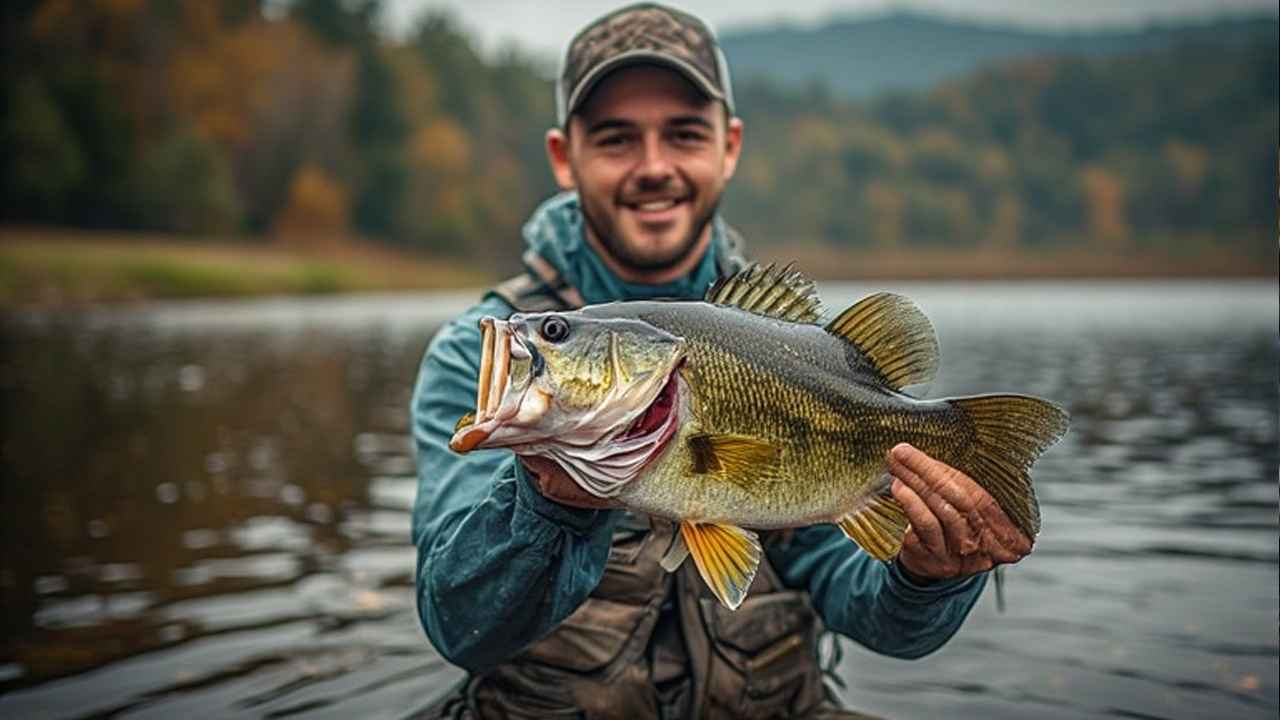
Whether you’re a first-timer figuring out which end of the rod to hold or a seasoned angler planning your next trophy chase, understanding how Tennessee’s fishing opportunities shift with the seasons makes all the difference.
The Volunteer State doesn’t just offer great fishing—it protects it. Conservation-minded regulations ensure that today’s catch doesn’t compromise tomorrow’s opportunities. From the tailwaters of the Cumberland Plateau to the sprawling reservoirs that dot the landscape, Tennessee’s fisheries management balances access with sustainability. Visitors from neighboring states often find Tennessee’s licensing system straightforward and its public access generous, making it a top destination for weekend getaways and serious angling trips alike.
This guide walks you through everything you need to know about fishing Tennessee waters in 2026—not just the rules, but the rhythm of the seasons, the species worth targeting, and where to find your next favorite fishing hole.
🗓️ Complete Tennessee Fishing Season Dates 2026
| Species | Season Opens | Season Closes | Special Notes |
|---|---|---|---|
| Largemouth Bass | Open Year-Round | Open Year-Round | Size and creel limits apply |
| Smallmouth Bass | Open Year-Round | Open Year-Round | Catch-and-release encouraged in streams |
| Spotted Bass | Open Year-Round | Open Year-Round | No closed season |
| Rainbow Trout | Open Year-Round | Open Year-Round | Check specific stream regulations |
| Brown Trout | Open Year-Round | Open Year-Round | Trophy waters have special rules |
| Brook Trout | Open Year-Round | Open Year-Round | Native stream protections |
| Striped Bass | Open Year-Round | Open Year-Round | Size restrictions on major reservoirs |
| White Bass | Open Year-Round | Open Year-Round | Spring runs are peak times |
| Crappie (Black/White) | Open Year-Round | Open Year-Round | Spawning aggregations in spring |
| Channel Catfish | Open Year-Round | Open Year-Round | No seasonal closures |
| Blue Catfish | Open Year-Round | Open Year-Round | Trophy potential in large rivers |
| Flathead Catfish | Open Year-Round | Open Year-Round | Summer nights best |
| Walleye | Open Year-Round | Open Year-Round | Spring spawn draws crowds |
| Sauger | Open Year-Round | Open Year-Round | Cooler water species |
| Muskie | Open Year-Round | Open Year-Round | Minimum length requirements |
Note: Always verify current possession limits and size restrictions through the Tennessee Wildlife Resources Agency before heading out.
🌅 Seasonal Fishing Breakdown Specific to Tennessee
Early Spring: The Wake-Up Call (March–April)
When the dogwoods start blooming across the Cumberland Plateau, Tennessee’s waters come alive. Crappie stage near shallow structure—fallen trees, brush piles, and rocky banks become magnets for spawning slabs. This is prime time for filling the cooler, as crappie fishing during the spawn offers some of the year’s most consistent action.
Trout fishing in East Tennessee’s mountain streams hits its stride as water temperatures hover in the ideal range. Kentucky’s neighboring trout waters also see similar patterns, making the southern Appalachian region a springtime trout angler’s paradise. Stocked rainbow trout in urban ponds and put-and-take streams draw families and beginners, while wild brook trout in high-elevation creeks challenge purists with technical presentations.
Regulations to watch: Some tailwater fisheries implement seasonal creel adjustments. Catch-and-release zones protect spawning fish in designated stream sections, especially for smallmouth bass beginning their pre-spawn movements.
Peak Summer: Heat and Habits (May–August)
Summertime fishing in Tennessee means adjusting your clock. Dawn and dusk become prime time as largemouth and spotted bass seek cooler, oxygen-rich water. Deep structure on reservoirs like Kentucky Lake, Norris Lake, and Watts Bar offers refuge during the midday heat, while shoreline vegetation provides ambush points during low-light feeding windows.
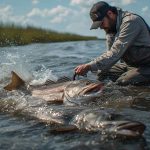
Catfish anglers thrive during these months. Flatheads prowl at night, and channel cats remain active in river systems and lake tributaries. Blue catfish in the Tennessee River system reach trophy sizes, and summer’s warmth keeps them feeding aggressively on cut bait and live offerings.
Special considerations: Some smaller lakes experience temporary fishing pressure limits to prevent overcrowding. Always check local postings, especially on popular family-friendly waters where shoreline access stays busy throughout summer weekends.
Fall Transition: The Feeding Frenzy (September–November)
Autumn might be Tennessee’s secret weapon. As leaves turn gold and crimson across the Smokies, bass feed heavily in preparation for winter. Shad migrations trigger explosive topwater action on major reservoirs—few things beat the thrill of a striper or hybrid blowing up a surface lure under October skies.
Walleye and sauger fishing improves significantly as cooler water temperatures activate these species. Tailrace areas below dams become hotspots, and anglers targeting these fish often enjoy less competition than during spring’s peak runs.
Trout stocking programs ramp up again in fall, refreshing urban ponds and delayed-harvest streams. This season offers a second chance for anglers who missed the spring rush, with cooler air temperatures making all-day fishing comfortable again.
Winter: Cold Water Opportunities (December–February)
Don’t pack away the gear just because temperatures drop. Tennessee’s mild winters—at least compared to northern states—keep many fisheries productive. Tailwaters maintain stable temperatures year-round, offering consistent trout action even when snow dusts the ridgelines.
Crappie suspend in deep water near structure, and anglers who master vertical presentations with jigs or live minnows can enjoy quality catches without the crowds. Bass slow down but remain catchable on sluggish presentations near deeper wintering holes.
Some anglers explore Georgia’s nearby reservoirs during particularly harsh cold snaps when Tennessee’s highland fisheries freeze over, but most winters keep Tennessee waters accessible and fishable.
🐟 Game Fish Anglers Target Most
Bass: Tennessee’s Bread and Butter
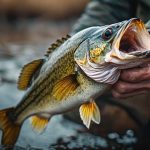
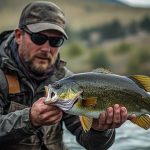
Largemouth bass don’t just live in Tennessee—they thrive. From the lily pad mazes of Reelfoot Lake to the rocky points of Dale Hollow Reservoir, largemouth offer year-round action. Spring pré-spawn and spawning periods (typically late March through May) bring bass shallow, where sight-fishing and flipping heavy cover produce explosive strikes. Summer patterns shift to deeper structure, early morning topwater, and night fishing around lighted docks.
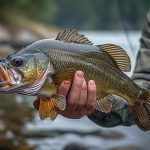
Smallmouth bass in Tennessee’s rivers and highland reservoirs challenge anglers with acrobatic fights and finicky feeding habits. The Caney Fork River, Elk River, and portions of the Tennessee River system hold strong smallmouth populations. Catch-and-release ethics run deep among smallmouth enthusiasts, preserving these fisheries for future generations. Most productive periods coincide with spring and fall when smallies stage on gravel bars and rocky shoals.
Spotted bass—sometimes called “Kentucky bass” in local parlance—fill the niche between largemouth and smallmouth. They suspend over deep structure, chase baitfish in open water, and often surprise anglers targeting other species. Possession limits apply equally across bass species, encouraging selective harvest and conservation-minded fishing.
Trout: Mountain Magic and Tailwater Treasures
Tennessee’s trout fisheries split into two distinct worlds. Coldwater streams in the Cherokee National Forest and Great Smoky Mountains National Park harbor wild brook, brown, and rainbow trout. These native and naturalized populations require delicate presentations—light tippets, small flies, and stealthy approaches. Regulations often mandate single-hook artificial lures only, with catch-and-release requirements protecting fragile populations.
Tailwater trout fisheries below major dams—like the Clinch River, Caney Fork River, and South Holston River—provide year-round opportunities thanks to cold bottom releases. These waters produce trophy-class trout, with brown trout exceeding 20 inches and rainbows pushing double-digit weights. Generation schedules dictate fishing conditions, and savvy anglers time their trips around water releases for optimal wading and fishing conditions.
Urban trout programs stock accessible ponds and small streams near population centers, creating family-friendly opportunities. Put-and-take regulations allow harvest while introducing new anglers to the sport without the pressure of catch-and-release-only waters.
Pike and Muskie: The Apex Pursuit
While not as abundant as bass or trout, Tennessee’s muskie fisheries attract dedicated trophy hunters. Norris Lake, Melton Hill Lake, and portions of the Tennessee River system hold these apex predators. Muskie fishing demands patience—the “fish of 10,000 casts” reputation isn’t exaggeration. Fall provides the most consistent action as muskies feed heavily before winter.
Minimum length requirements protect juvenile fish, ensuring that caught-and-released muskies have time to reach trophy size. Regulations typically mandate specific hook types and handling practices to maximize survival rates. Anglers pursuing these fish often embrace the challenge, valuing the chase as much as the catch.
Walleye and Catfish: Reliable Action
Walleye populations in Tennessee’s larger reservoirs and river systems provide excellent table fare and exciting sport. Spring spawning runs bring walleye into shallow, rocky areas, often in the tailrace zones below dams. Night fishing with live minnows or jigs tipped with minnow heads produces consistent results. Possession limits encourage reasonable harvest while maintaining population health.
Catfish in Tennessee waters range from eating-size channels to giant blues that challenge tackle and angler strength alike. The Tennessee Wildlife Resources Agency actively manages catfish populations through habitat improvements and regulations that balance recreational opportunities with commercial fishing interests. Summer bank fishing for catfish remains a beloved Tennessee tradition, accessible to anglers of all skill levels.
🦞 Regulated or Special-Permit Fisheries
Tennessee maintains several trophy fisheries with enhanced regulations designed to produce larger fish and better angling experiences. Dale Hollow Reservoir’s smallmouth bass management area, for example, enforces stricter size and creel limits than standard statewide rules. These regulations allow bass to reach trophy dimensions, creating destination-worthy fishing that attracts anglers from across the country.
Delayed-harvest trout streams operate under seasonal rule changes. During fall and winter, these streams prohibit harvest, allowing stocked trout to grow and providing catch-and-release opportunities on fish that exceed typical put-and-take sizes. Come spring, harvest reopens under standard regulations, giving anglers a chance to take home trout that have acclimated to wild conditions.
Some urban fishing lakes implement special youth-and-senior-only days or shoreline-access-only rules to reduce pressure and create more equitable fishing opportunities. Permit systems don’t typically apply to Tennessee public waters, but special events like kids’ fishing derbies may require registration.
Great Smoky Mountains National Park enforces federal regulations within park boundaries, including requirements for single-hook artificial lures in most streams and catch-and-release mandates for all brook trout. Park fishing doesn’t require a Tennessee state license but does require familiarity with park-specific rules.
🐠 Everyday Fish & Panfish Opportunities
| Species | Typical Creel Approach | Common Locations |
|---|---|---|
| Bluegill | Daily limits allow generous harvest | Farm ponds, lake coves, slow river sections |
| Redear Sunfish | Similar to bluegill regulations | Gravel and shell beds in reservoirs |
| Black Crappie | Moderate limits; spring spawn best | Brush piles, submerged timber, docks |
| White Crappie | Same as black crappie | Rivers and river-connected lakes |
| Yellow Perch | Smaller populations; light harvest | Cool, clear highland reservoirs |
| Warmouth | Rarely targeted; no special rules | Weedy, shallow backwaters |
| Rock Bass | Often incidental catch | Rocky streams alongside smallmouth |
Panfish represent the entry point for countless Tennessee anglers. Bluegill beds appear in shallow water during late spring and early summer, offering simple, fun fishing perfect for kids and beginners. A cane pole, bobber, and container of worms is all you need to fill an afternoon with action and maybe a fish fry at sunset.
Crappie fishing enjoys cult status in Tennessee. Local fishing clubs, online forums, and tackle shops buzz with spawn timing reports and hot brush pile locations. Whether you’re vertical jigging over deep structure with electronics or spider-rigging multiple rods across shallow flats, crappie deliver consistent action and excellent eating quality.
🏞️ Stocked Waters & Management Programs
Tennessee Wildlife Resources Agency maintains an active stocking program that replenishes fisheries and creates put-and-take opportunities in urban areas. Rainbow trout receive the most attention, with regular stockings in designated streams and ponds from fall through spring. Stocking schedules are published online, allowing anglers to time trips shortly after fresh fish arrive.
Urban fishing initiatives stock accessible ponds near cities like Nashville, Memphis, Knoxville, and Chattanooga with catfish, trout, and panfish. These waters often feature paved pathways, fishing piers, and amenities that accommodate anglers with disabilities and families with young children. The goal extends beyond catching fish—it’s about creating positive outdoor experiences that build lifelong conservation ethics.
Trout stream management varies by designation. Put-and-take streams receive regular stockings and allow harvest under standard creel limits. Delayed-harvest streams follow seasonal regulation changes that balance catch-and-release fishing with harvest opportunities. Wild trout streams receive no stocking and enforce strict regulations—often catch-and-release only with artificial lures—to protect self-sustaining populations.
The agency also manages fish habitat through structure placement, aquatic vegetation management, and water quality monitoring. Anglers occasionally encounter temporary area closures for habitat restoration projects, with long-term benefits that include better fish populations and improved angling quality.
🌍 Access Rules: Public vs Private Waterways
- Navigable Waterways: Tennessee law generally allows fishing from navigable rivers and streams, even when banks are privately owned, as long as you stay below the high-water mark and access from public land or with permission.
- Reservoir Access: Most major reservoirs managed by TVA or the Corps of Engineers offer abundant public access through boat ramps, fishing piers, and designated shore fishing areas—many free to use year-round.
- Private Ponds and Lakes: Always obtain landowner permission before fishing private waters; trespassing laws carry serious penalties, and respecting private property maintains goodwill between landowners and the angling community.
- Wildlife Management Areas (WMAs): Many WMAs contain fishable waters with public access, though some have seasonal restrictions related to hunting seasons—check specific WMA regulations before planning your trip.
- Signage and Boundaries: Posted signs indicate private property boundaries; when in doubt, assume land is private and seek permission or choose clearly marked public access points instead.
- Float Trip Etiquette: When floating rivers, you may legally fish while on the water, but stepping onto private banks without permission constitutes trespassing—plan put-in and take-out points at public locations only.
🎟️ Tennessee Fishing License Overview
- Resident vs Non-Resident: Tennessee residents pay significantly lower fees than out-of-state visitors; residency determination follows standard legal residency rules, not vacation home ownership.
- Youth Exemptions: Anglers under a certain age (typically 13 or under, but verify current rules) fish without a license when accompanied by a licensed adult; this encourages family fishing without added cost barriers.
- Senior Discounts: Tennessee residents meeting age requirements qualify for reduced-cost licenses or, in some cases, complimentary licenses—rewarding lifetime residents who’ve contributed to conservation funding over the years.
- Short-Term Options: Visitors can purchase one-day, three-day, or week-long licenses that cover temporary fishing trips without committing to annual fees—ideal for tourists or anglers passing through the state.
- Special Endorsements: Trout fishing in designated waters requires an additional trout stamp beyond the base fishing license; this targeted funding supports trout stocking and coldwater habitat management directly.
- Military and Disability Provisions: Active military personnel stationed in Tennessee and disabled veterans often qualify for free or reduced-cost licenses—honoring service and ensuring accessibility for all.
- Online and Vendor Purchases: Licenses are available through TWRA’s website or at sporting goods stores, tackle shops, and many county clerk offices—making it easy to purchase before your trip or even streamside in some cases.
❓ Angler FAQs
When is the absolute best time to fish Tennessee waters?
Spring and fall shoulder seasons deliver the most consistent action across species. April and October see bass feeding aggressively, trout streams fishing comfortably, and crappie staging predictably. That said, every season offers something—summer catfish, winter tailwater trout, or late-summer topwater explosions all have devoted followings.
Do I need different licenses for different types of water?
A single Tennessee fishing license covers most public waters statewide. The trout endorsement is the primary add-on required for designated trout waters. Great Smoky Mountains National Park doesn’t require a state license but has its own permit requirements. Always check specific water body regulations, as some have enhanced rules independent of licensing.
Can kids fish without supervision?
Youth under the exemption age don’t need licenses, but adult supervision is strongly recommended for safety reasons, especially near swift water, steep banks, or boat launch areas. Unsupervised youth fishing typically isn’t prohibited by fishing regulations, but parental judgment and water-specific hazards should guide decisions.
What happens if I accidentally catch a fish out of season or over the limit?
Tennessee operates under a principle that accidental overages happen—immediately releasing fish unharmed (when possible) shows good faith. However, possession over limits or keeping illegal fish is a violation regardless of intent. Conservation officers appreciate honest mistakes reported voluntarily but enforce regulations to protect fisheries for everyone.
Are there waters where only catch-and-release is allowed?
Yes. Designated wild trout streams, portions of some bass trophy management lakes, and specific sections of tailwaters enforce catch-and-release rules. These regulations appear prominently in the fishing guide and on site signage. They exist to maintain exceptional fishing quality that attracts anglers specifically seeking that experience.
How do I find real-time fishing reports and hot spots?
Local tackle shops remain the gold standard for current conditions—shop owners talk to dozens of anglers weekly and know what’s biting where. Online forums and social media groups dedicated to Tennessee fishing provide community knowledge, though take reports with healthy skepticism. TWRA’s website offers stocking schedules and reservoir generation schedules that inform planning.
What’s the deal with wade fishing versus boat fishing regulations?
Regulations apply equally regardless of how you access the water. Some areas restrict bank fishing to specific zones or require boats for practical access, but possession limits, size restrictions, and seasonal rules don’t change based on your fishing platform. Navigation rules and boating safety requirements obviously apply only to boaters.
🗺️ Where to Fish This Year
Tennessee’s fishing destinations range from legendary trophy waters to hidden gems that locals guard jealously (but not really—Tennessee anglers love sharing).
Kentucky Lake and Lake Barkley straddle the Tennessee-Kentucky border as part of the Land Between the Lakes region. These massive impoundments of the Tennessee and Cumberland Rivers offer world-class crappie fishing, especially during spring spawn when shallow bays fill with staging fish. Bass tournaments run constantly during peak season, testament to the quality largemouth and smallmouth fishing available. Catfish reach impressive sizes, and striper fishing provides exciting open-water action.
Norris Lake in the Cumberland Mountains combines stunning scenery with excellent fishing. Clear water, rocky structure, and abundant forage support healthy bass, walleye, and muskie populations. Striped bass and hybrids cruise open water, while crappie stack around the lake’s famous standing timber. Summer house boating and fall leaf-viewing make this a destination beyond just fishing.
The Clinch River below Norris Dam ranks among the nation’s premier tailwater trout fisheries. Wild brown trout, rainbow trout, and even brook trout thrive in cold, oxygen-rich releases. The river’s reputation attracts fly anglers worldwide, but spin fishing with small jigs and inline spinners produces well too. Generation schedules dictate wadability—check flow data before making the drive.
Reelfoot Lake in Tennessee’s northwest corner exists as a natural lake formed by earthquakes centuries ago. Bald cypress trees rise from shallow water, creating a unique ecosystem that supports incredible crappie and bass fishing. Guided fishing here often involves poling boats through flooded timber—an experience that feels more like Louisiana bayou than inland Tennessee. Winter eagle watching adds wildlife viewing to fishing trips.
Great Smoky Mountains National Park streams offer backcountry solitude and wild trout fishing. Regulations protect native brook trout populations, and the park enforces catch-and-release rules throughout most streams. Hiking to remote headwater tributaries combines outdoor adventure with technical fishing challenges. The experience matters as much as the catch—these are fish that have never seen a hatchery.
For official lake maps, stream access points, and boat ramp locations, the Tennessee Wildlife Resources Agency’s mapping tools provide comprehensive planning resources. County tourism websites often highlight local fishing opportunities with specific directions and facility information.
✅ Final Thoughts
Tennessee’s 2026 angling opportunities stretch across every calendar page. Whether you’re targeting trophy muskies in Norris Lake during October’s cool snap, floating the Elk River for summer smallmouth bass, or introducing a child to fishing at an urban trout pond in February, the Volunteer State delivers accessible, high-quality fishing experiences. Regulations built around conservation science ensure these opportunities persist—possession limits, size restrictions, and seasonal adjustments all serve long-term fishery health.
Key dates to remember center around seasonal transitions rather than specific calendar dates. Early spring (March-April) activates crappie spawns and trout stocking cycles. Peak summer (June-August) shifts focus to deep structure and low-light periods. Fall (September-November) triggers feeding frenzies as fish prepare for winter. Even winter (December-February) maintains productive tailwater trout fishing and deep crappie action.
Main regulations across Tennessee include year-round seasons for most sport fish, with specific size and creel limits applied to protect breeding populations and trophy potential. The trout endorsement requirement for designated waters, catch-and-release zones on wild trout streams, and enhanced management areas on select bass waters represent the primary regulatory variations from standard statewide rules.
Get your license, grab your tackle, and explore Tennessee’s diverse waters this year. The seasons change, the fish move, and the memories last—that’s the beauty of angling in a state that takes both fishing and conservation seriously. 🎣

- Wyoming Fishing Regulations 2026: State Rules & Management Areas - February 16, 2026
- Wisconsin Fishing Regulations by Zone 2026: Seasons & Size Limits - February 16, 2026
- West Virginia Fishing Regulations 2026: Stream & Lake Rules - February 16, 2026