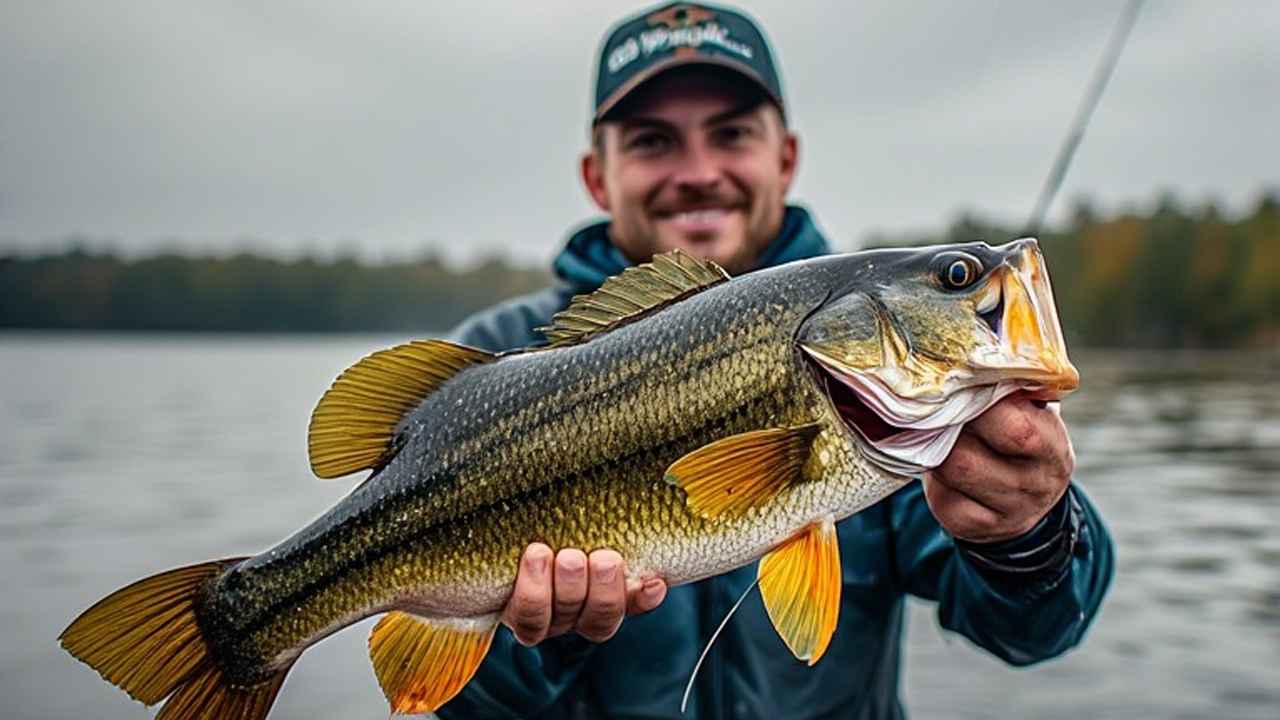
Whether you’re a first-timer baiting a hook at a neighborhood pond or a seasoned angler chasing trophy largemouth in the Santee Cooper lakes, understanding the rhythms of South Carolina’s fishing calendar makes all the difference.
This year, 2026 brings fresh opportunities and a few tweaked guidelines aimed at protecting our waterways while keeping access wide open for families, tourists, and dedicated anglers alike. South Carolina’s approach balances conservation with recreation beautifully—stocking programs keep popular spots thriving, while sensible creel limits ensure future generations can enjoy the same abundant fisheries. From the Upstate’s cool trout streams to the Lowcountry’s brackish estuaries, there’s always something biting somewhere in the Palmetto State.
Let’s dive into what you need to know: the season dates, the species worth targeting, the waters you can explore, and the simple rules that keep it all sustainable and fun.
🗓️ Complete South Carolina Fishing Season Dates 2026
| Species/Category | Season Opens | Season Closes | Special Notes |
|---|---|---|---|
| Largemouth Bass | Open Year-Round | Open Year-Round | Size/creel limits vary by water body |
| Striped Bass (Freshwater) | Open Year-Round | Open Year-Round | Specific slot limits on certain lakes |
| Catfish (All Species) | Open Year-Round | Open Year-Round | No closed season |
| Crappie | Open Year-Round | Open Year-Round | Daily possession limits apply |
| Trout (Mountain Streams) | March 29, 2026 | November 1, 2026 | Delayed Harvest streams have unique dates |
| Trout (Stocked Ponds) | Open Year-Round | Open Year-Round | Check individual pond schedules |
| Redbreast Sunfish | Open Year-Round | Open Year-Round | Popular panfish, minimal restrictions |
| Chain Pickerel | Open Year-Round | Open Year-Round | No size limits in most waters |
| Hybrid Striped Bass | Open Year-Round | Open Year-Round | Regulations mirror striped bass |
| Bowfin | Open Year-Round | Open Year-Round | No limits, great sport fish |
Note: Always verify current regulations through the South Carolina Department of Natural Resources (SCDNR) before heading out—rules can shift based on conservation needs.
🌅 Seasonal Fishing Breakdown: What to Expect Throughout 2026
🌱 Early Spring (March – May)
As temperatures climb and water warms past the mid-50s, South Carolina’s fisheries wake up hungry. This is prime pre-spawn and spawn season for largemouth bass, meaning shallow coves and protected bays become hotspots. Anglers should focus on soft plastics, spinnerbaits, and topwater lures during early mornings.
Trout enthusiasts celebrate late March when mountain streams officially open. The Upstate’s Delayed Harvest waters—managed stretches stocked throughout winter—switch to artificial lure and single-hook fly-only rules, creating technical challenges and rewarding catches. Crappie also move into shallow brush piles and docks, making this the season for slab-hunting with jigs and minnows.
Regulations to Watch: Trout stream openings, slot limits on certain bass lakes, and early-season crappie creel limits designed to protect spawning populations.
☀️ Peak Summer (June – August)
Summer in South Carolina means heat, humidity, and fish that go deep or feed during low-light windows. Early dawn and late evening become the angler’s best friends. Catfish—blue, channel, and flathead—dominate summer fishing, especially in rivers like the Pee Dee, Congaree, and Wateree. Cut bait, chicken liver, and stink baits work wonders on sultry nights.
Bass fishing shifts to offshore structure: ledges, humps, and submerged timber around 15-25 feet deep. Crankbaits, Carolina rigs, and deep-diving plugs pull strikes from lethargic fish. Panfish like bream and redbreast sunfish stack up around cypress trees and lily pads, offering easy action for families and kids.
Regulations to Watch: No major closures, but pay attention to possession limits and size slots on popular reservoirs. Some urban ponds enforce catch-and-release rules during extreme heat to protect stressed fish.
🍂 Fall Transition (September – November)
Autumn transforms South Carolina’s waters. Cooler nights trigger feeding frenzies as fish bulk up before winter. Bass fishing peaks again—both largemouth and spotted bass become aggressive, chasing shad schools into shallow flats. Topwater lures like buzzbaits and poppers create explosive strikes.
Trout fishing in the mountains continues through early November, with cooler water temperatures bringing fish to the surface for dry flies and small spinners. Crappie begin their fall transition, moving toward deeper structure but still within reach of vertical jigging techniques.
Regulations to Watch: Mountain trout streams close November 1st in most areas. Creel limits tighten slightly on some lakes to preserve spawning stock heading into winter.
❄️ Winter (December – February)
Winter fishing in South Carolina is underrated and incredibly productive. While northern states freeze solid, the Palmetto State’s mild climate keeps most waters accessible. Striped bass fishing—both landlocked freshwater stripers and hybrid stripers—heats up as these fish prefer colder water. Lakes Murray, Hartwell, and Wateree become striped bass factories, with anglers trolling live bait or casting heavy jigs near dam structures.
Trout stocking programs shift to urban ponds and accessible lakes, creating family-friendly opportunities close to cities like Greenville, Columbia, and Charleston. Catfish remain active, especially on warmer winter afternoons.
Regulations to Watch: Some Delayed Harvest trout waters open to catch-and-keep fishing from November through February, allowing unlimited harvest with standard tackle.
🐟 Game Fish Anglers Target Most
Largemouth Bass
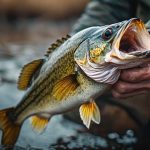
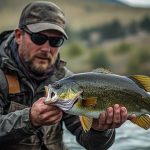
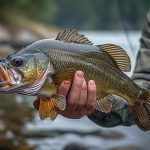
South Carolina’s signature game fish. These aggressive predators inhabit everything from massive reservoirs like Santee Cooper to backyard farm ponds. Peak activity occurs during pre-spawn (March-April) and fall feed (October-November), but year-round open seasons mean there’s never a bad time to chase them. Most public waters enforce a five-fish daily limit with size restrictions varying by lake—some require 12-inch minimums, others enforce protective slot limits (e.g., must release fish between 14-18 inches). Lake Murray, Wateree, and Greenwood’s waters consistently produce trophy fish over 8 pounds.
Striped Bass & Hybrids
Freshwater stripers and their hybrid cousins (striped bass crossed with white bass) offer hard-fighting action and impressive size potential. Found primarily in larger reservoirs with deep, oxygen-rich water, these fish thrive in winter and early spring when water temperatures drop. Anglers target them with live herring, gizzard shad, or large bucktail jigs near dam tailraces and deep channels. Creel limits typically allow two striped bass per day with a 26-inch minimum, though specific lakes may have unique slot rules to protect breeding populations.
Trout (Rainbow, Brown, Brook)
The Upstate’s cool mountain streams and stocked urban ponds provide South Carolina’s trout fishery. Wild populations exist in a handful of pristine headwater streams, but most trout fishing centers around stocked waters. Rainbow trout dominate stocking programs due to their hardiness and willingness to bite. Brown trout, while less common, grow larger and challenge experienced anglers. Brook trout—the state’s only native trout—inhabit remote, high-elevation streams and require catch-and-release practices. Daily creel limits usually sit at five trout per day on general harvest waters, while Delayed Harvest sections enforce strict artificial lure and single-hook rules with no harvest until November.
Catfish (Channel, Blue, Flathead)
South Carolina’s rivers and lakes teem with catfish, offering accessible fishing for all skill levels. Channel catfish populate urban ponds, small lakes, and rivers—perfect for family outings with simple tackle and natural baits. Blue catfish reach monster sizes in large river systems like the Santee and Cooper, with fish over 50 pounds documented annually. Flathead catfish prefer live bait and structure-heavy rivers, providing trophy potential for patient anglers. No closed seasons and generous creel limits (often 10-25 fish depending on species and location) make catfish a year-round staple.
Crappie (Black & White)
Crappie fishing ranks among South Carolina’s most popular pursuits, especially during spring spawning runs when these panfish flood shallow brush piles, docks, and cypress trees. Both black crappie (preferring clearer water) and white crappie (tolerating murkier conditions) coexist throughout the state. Anglers use light tackle, small jigs, and live minnows to target schools suspended around structure. Most waters enforce a 30-crappie daily limit with no size restrictions, though some managed lakes reduce limits during spawning to protect populations.
🦞 Regulated or Special-Permit Fisheries
South Carolina takes a thoughtful approach to protecting sensitive or high-value species. American shad runs in coastal rivers like the Edisto and Santee receive seasonal protections to allow spawning migrations. While not requiring special permits, timing your fishing around these conservation closures shows respect for the resource.
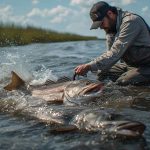
Sturgeon—both Atlantic and shortnose species—are entirely off-limits. These ancient fish are federally protected, and any incidental catch must be released immediately and reported to SCDNR. Similarly, bowfin (sometimes called “mudfish”) face no harvest restrictions but are increasingly recognized for their ecological importance and sporting qualities, prompting voluntary catch-and-release ethics among anglers.
Some Wildlife Management Area (WMA) ponds and lakes require special permits beyond standard licenses. These draw-only or quota-controlled waters offer exceptional fishing with reduced pressure. Applications typically open in late winter for spring/summer access, and while competition for permits can be stiff, the quality of fishing justifies the effort.
🐠 Everyday Fish & Panfish Opportunities
| Species | Typical Creel Limit | Where to Find Them |
|---|---|---|
| Bluegill | 50 per day | Farm ponds, lake edges, cypress-lined coves |
| Redbreast Sunfish | No specific limit (part of aggregate sunfish total) | Rivers and streams with flowing water |
| Redear Sunfish (Shellcracker) | 50 per day | Deeper water near vegetation beds |
| Warmouth | Included in sunfish aggregate | Weedy, shallow areas with heavy cover |
| Yellow Perch | No specific limit | Cooler reservoirs, less common in SC |
| Chain Pickerel | No limit | Swampy, vegetated backwaters and oxbows |
| Bowfin | No limit | Shallow bays with abundant cover |
Panfish deliver consistent action when bigger game fish turn finicky. Bluegill and redear sunfish swarm around docks and brush during spring and summer, eagerly attacking crickets, worms, and tiny jigs. Redbreast sunfish—a personal favorite among South Carolina river anglers—inhabit flowing waters and strike aggressively, making them ideal targets for ultralight spinning gear or fly rods.
🏞️ Stocked Waters & Management Programs
South Carolina’s Division of Wildlife – Freshwater Fisheries operates one of the Southeast’s most robust stocking programs, distributing millions of fish annually to public waters.
Trout stocking runs from late fall through early spring, targeting both mountain streams and urban ponds. Popular stocked locations include:
- Table Rock State Park Pond (Pickens County)
- Greenville City Reservoir System (Multiple ponds)
- Saluda River Delayed Harvest Section (Greenville County)
- Walhalla State Fish Hatchery Pond (Oconee County)
Stocking schedules are published weekly on SCDNR’s website, allowing anglers to plan trips around fresh releases. Some ponds receive channel catfish stockings during summer to provide action when trout aren’t viable due to warm water temperatures.
Beyond trout, striped bass and hybrid striped bass receive regular supplemental stocking in major reservoirs to maintain sustainable populations despite harvest pressure. Lakes Marion, Moultrie, Murray, and Hartwell benefit from these programs, ensuring world-class striper fishing remains accessible.
Youth fishing events and community fishing days leverage stocked ponds to introduce kids to angling in controlled, high-success environments. These initiatives foster conservation ethics and create lifelong anglers who’ll support habitat protection and sustainable management.
🌍 Access Rules: Public vs Private Waterways
Understanding where you can legally fish is crucial in South Carolina:
- Public Lakes and Reservoirs: Most large reservoirs—Marion, Moultrie, Murray, Hartwell, Thurmond, Wateree, Wylie—are open to public access with designated boat ramps and fishing piers. No additional access fees beyond licensing are required.
- Navigable Rivers: South Carolina follows the “navigability doctrine,” meaning rivers capable of supporting commercial boat traffic historically are public waters up to the high-water mark. Anglers can wade, float, or anchor in these waters regardless of adjacent land ownership. However, stepping onto private shorelines or banks without permission constitutes trespassing.
- State Parks and Wildlife Management Areas: Require a valid fishing license and sometimes an additional WMA permit (around $120 annually for non-residents, $45 for residents). These areas offer pristine access to backcountry streams, remote ponds, and lightly pressured fisheries.
- Private Ponds and Fee Lakes: Require explicit landowner permission or paid access. Many private fishing clubs and pay lakes provide well-managed, trophy-quality fishing with amenities like guides, lodging, and equipment rentals.
- Respect Posted Signage: “No Trespassing” and “Private Property” signs must be honored. South Carolina takes property rights seriously, and violations can result in fines, confiscated equipment, or criminal charges.
- Urban Fishing Access: Cities like Charleston, Columbia, and Greenville maintain public fishing piers, canal access points, and stocked ponds specifically for community angling. These spots often feature accessible fishing platforms for individuals with disabilities.
🎟️ South Carolina Fishing License Overview
Navigating licensing doesn’t have to be complicated:
- Who Needs a License: Anyone age 16 and older fishing in South Carolina’s public waters must carry a valid fishing license. Exceptions include South Carolina residents fishing in their home county’s ponds with landowner permission and certain disabled veterans.
- Resident vs Non-Resident: Residents (individuals who’ve lived in SC for at least 180 consecutive days) pay significantly less. A resident annual license costs around $10, while non-residents pay approximately $35 for the same coverage. If you’re planning an extended fishing trip, the non-resident rate remains one of the Southeast’s better values.
- Youth Anglers: Kids under 16 fish free—no license required. This policy encourages family fishing and introduces the next generation to conservation-funded management.
- Short-Term Options: Visiting for a weekend? 14-day non-resident licenses run about $11, perfect for vacation anglers. There’s also a 3-day saltwater option for coastal fishing trips.
- Trout Stamps: Anyone fishing designated trout waters must purchase an additional trout stamp for around $10 annually. This dedicated funding supports trout stocking, habitat restoration, and stream monitoring.
- Where to Buy: Licenses are available online through SCDNR’s website, at most sporting goods retailers (Walmart, Bass Pro Shops, local tackle shops), and county offices. Digital licenses on your smartphone are accepted—no need to print.
- Special Endorsements: While most freshwater fishing requires only a base license and trout stamp (if applicable), certain activities like commercial fishing, cast-netting, or gigging require additional permits.
❓ Angler FAQs
Can I fish South Carolina’s lakes with an out-of-state license?
No. South Carolina requires its own state-issued license regardless of reciprocity agreements with neighboring states. Fortunately, licensing fees are affordable, and the process takes minutes online. If you’re planning to explore nearby Georgia’s reservoirs and rivers, though, you might need their credentials too—a neighboring state worth checking out if you’re already in the region.
Are there any “free fishing days” in 2026?
Yes! South Carolina typically designates two free fishing days annually—usually one in early summer and another around the Fourth of July—when anyone can fish without a license. Watch SCDNR announcements for exact 2026 dates.
What’s the deal with “Delayed Harvest” trout streams?
Delayed Harvest waters are stocked heavily from November through February, but during this period, anglers must use artificial lures with single hooks only and release all trout. Come March 1st, the section converts to “harvest” status with standard creel limits until the stream closes November 1st. This system spreads pressure, protects stocked fish during vulnerable periods, and creates challenging angling for fly-fishing purists.
Can I keep every catfish I catch?
Generally, yes—South Carolina’s catfish limits are generous (often 10-25 fish depending on species). However, some urban ponds and WMA lakes enforce catch-and-release or reduced limits to maintain quality fishing. Always check site-specific regulations posted at access points.
Is it legal to use live bait in all waters?
Most waters allow live bait freely, but Delayed Harvest trout streams prohibit it during the winter artificial-only season. Additionally, transporting and releasing non-native baitfish (like goldfish or exotic minnows) is illegal due to invasive species risks. Stick to locally sourced minnows, worms, and crickets from licensed bait dealers.
What should I do if I accidentally catch a protected species?
Release it immediately and carefully. Sturgeon, for example, must go back unharmed. If the fish appears injured or dies despite your efforts, report the incident to SCDNR. Honest mistakes aren’t typically punished, but failing to report protected species encounters can result in penalties.
Do I need a separate saltwater license?
Yes. South Carolina distinguishes between freshwater and saltwater fishing. Coastal anglers targeting redfish, flounder, or sea trout need a saltwater recreational fishing license. If you plan to fish both environments, combination licenses are available at a slight discount.
🗺️ Where to Fish This Year
South Carolina offers an embarrassment of angling riches. Lake Murray, sprawling across the Midlands near Columbia, remains a perennial favorite for largemouth bass, striped bass, and catfish. Its vast expanse features countless coves, creek arms, and offshore structure—every trip feels like exploring new water. Summer evenings here, watching the sun dip below the horizon as bass crash shad on the surface, rank among the state’s finest fishing experiences.
Head to the Upstate and you’ll find Lake Hartwell, a highland reservoir shared with Georgia. Hartwell’s clear, deep waters produce trophy striped bass, spotted bass, and hybrid stripers. Spring and fall see anglers flocking to its points and ledges, while winter brings the serious striper crowd chasing fish over 20 pounds.
For river enthusiasts, the Santee River system—feeding Lakes Marion and Moultrie—offers world-class catfishing and a unique landlocked striped bass fishery. The Santee Cooper lakes connected by the Diversion Canal create one of the country’s most storied striper destinations, with fish migrating between the two lakes seasonally.
Mountain anglers shouldn’t miss the Chattooga River, a federally designated Wild and Scenic River forming part of South Carolina’s border with Georgia. Its remote, boulder-strewn runs hold wild rainbow and brown trout, offering solitude and technical fly-fishing challenges. Access requires hiking, but the reward is pristine water and fish that see minimal pressure.
Finally, Francis Marion National Forest in the Lowcountry shelters hidden blackwater swamps and oxbow lakes where chain pickerel, bowfin, and panfish thrive. These backwoods waters rarely see crowds, providing adventurous anglers with a taste of old-South Carolina wilderness fishing.
For detailed maps, public access points, and seasonal hotspot updates, visit the official South Carolina Department of Natural Resources fishing page—an authoritative resource for planning your trips. You may also explore the North Carolina fishing rules and make a more interesting planning for your fishing season this year
✅ Final Thoughts
South Carolina’s 2026 angling season offers something for everyone, from trophy chasers to weekend panfish anglers to families introducing kids to the joys of fishing. Year-round open seasons on most species mean flexibility—you’re never locked out of the water. Trout enthusiasts can mark March 29th as their mountain stream opener and plan for Delayed Harvest regulations through early November. Bass fishing peaks during pre-spawn in March-April and again in October-November as fish feed aggressively before winter. Summer belongs to catfish and deep-water bass, while winter surprises with excellent striped bass action and accessible stocked trout ponds.
Possession limits remain generous but purposeful—typically five bass, 30 crappie, and 10-25 catfish depending on water body and species. Trout anglers targeting mountain streams should remember their five-fish daily limit and ensure they’ve got that trout stamp on top of their base license. Public access is abundant, with major reservoirs, state parks, WMA lands, and urban ponds all welcoming anglers who follow posted rules and respect the resource.
Whether you’re wading a cold mountain stream in April, casting for bass under summer’s scorching sun, or jigging for crappie on a crisp October morning, South Carolina delivers. Tight lines, y’all. 🎣

- Wyoming Fishing Regulations 2026: State Rules & Management Areas - February 16, 2026
- Wisconsin Fishing Regulations by Zone 2026: Seasons & Size Limits - February 16, 2026
- West Virginia Fishing Regulations 2026: Stream & Lake Rules - February 16, 2026