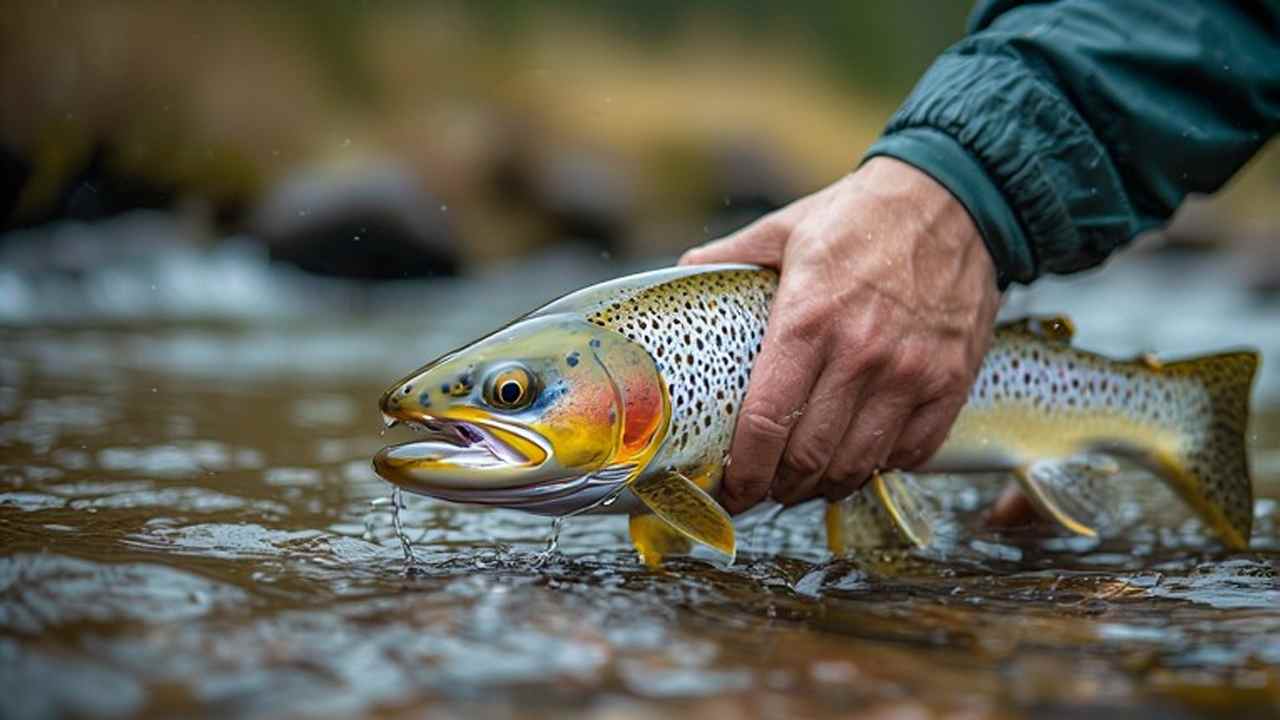
There’s a specific Oregon moment I look forward to every year: that early-spring thaw when the valley mornings still feel like winter, but the rivers start to “wake up.” You’ll see a skim of mist above the water, hear geese arguing overhead, and—if you’re lucky—feel that first tap on your line that tells you the season is turning. 🎣🐟
Oregon fishing isn’t one long, samey season. It’s a rotating menu of opportunities that changes with snowmelt, reservoir warming, coastal swells, and fish migrations. One week you’re drifting a worm for stocked trout in a city pond; a few months later you’re casting into a cool evening river run for bass; and if you’re visiting the coast, you might be hearing crab pot buoys clink while you plan a tide-timed clamming walk.
For 2026, the “big idea” is simple: Oregon is visitor-friendly, but it’s also conservation-forward. The rules are designed to protect spawning fish, reduce pressure on sensitive runs, and keep public access waters fishing well for the long haul. That means you’ll want to do two quick things before any trip: (1) make sure you’re properly licensed and endorsed for the water you’re fishing, and (2) check in-season rule changes (some fisheries adjust quickly based on quotas or returns). Oregon keeps active updates posted here:
Complete Oregon Fishing Season Dates 2026
Below is a practical “planner-style” overview (not a legal substitute). Oregon has zone- and water-specific rules, so treat this as your starting map—not the final GPS voice. For the official statewide booklet, see the Oregon Sport Fishing Regulations guide hosted by eRegulations:
| Fishery / Water Type | Typical 2026 Open Window (General Pattern) | What Commonly Changes Mid-Season | Quick “Beginner Watch-Out” |
|---|---|---|---|
| Most warmwater lakes (bass, panfish) | Often open year-round in many waters | Size/possession limits vary by waterbody | Special rules for trophy lakes & selective harvest waters |
| Many trout waters (lakes/streams) | Many open much of the year; some have spring openers | Bait restrictions, fly-only, or catch-and-release stretches | “Artificial only” sections sneak up on visitors |
| Salmon/steelhead rivers (zone-based) | Runs open/close by river and timing | In-season updates based on returns | Always confirm the exact river section boundaries |
| Columbia River salmon/steelhead/sturgeon | Managed with endorsements + frequent updates | Retention days can open/close quickly | Don’t assume yesterday’s rules apply today |
| Oregon Coast marine (bottomfish/groundfish) | Open with seasonal structures | Bag limits and sub-limits adjust | Know what counts in a “general marine bag” |
| Pacific halibut (sport) | Structured dates and subareas | Openers can be “as quota allows” | You may need to plan around specific open days |
| Shellfish (crab/clams) | Open much of the year, but closures happen | Health advisories can shut areas fast | Always check biotoxin/closure status before harvesting |
🗓️ Seasonal Fishing Breakdown
Early Spring (the “cold hands, hot coffee” season) 🎣
- Target moods: trout in stocked streams and ponds, early-run steelhead opportunities, and the first warming-lake bites.
- Species you’ll hear people talk about: stocked rainbow trout; steelhead in certain systems; warmwater fish starting to move shallow on sunny afternoons.
- Regulations to watch closely:
- “Selective gear” stretches (artificial lures only, barbless hooks, fly-only) are common in Oregon’s managed rivers.
- Some waters have bait bans to protect wild fish or reduce hooking mortality.
- Special catch-and-release periods: often used on rivers where wild fish need extra protection or where managers want fishing opportunity without harvest. (Always confirm the river section details in the official guide.)
Peak Summer (long evenings, warm shallows, busy boat ramps) 🐠
- Target moods: bass and panfish in lakes, trout at higher elevations, and coast trips for marine species.
- Species likely active: largemouth/smallmouth bass; crappie/bluegill; trout in cooler water; marine bottomfish; plus coastal crabbing/clamming windows depending on conditions.
- Regulations to watch:
- Heat can stress trout—some waters lean toward gear restrictions or are managed to reduce mortality.
- Marine bag limits often include “sub-limits” (for example, limits within the general bag). Oregon highlights 2026 marine/groundfish guidance in documents like this:
Fall Transition (shorter days, heavier fish, “last best” vibes) 🦈
- Target moods: big-bite bass before the water cools too much, salmon/steelhead focus in many places, and some excellent coastal shellfish days when crowds thin out.
- Regulations to watch:
- Migratory fish rules can be exacting (river section boundaries, mark-selective harvest, gear rules).
- Always check Oregon’s current in-season changes—fall can bring fast updates.
Winter (quiet banks, clear water, fewer people) 🐟
- Target moods: steelhead-focused anglers, certain trout lakes/streams, and hardy coastal trips where weather windows matter.
- Regulations to watch:
- Winter fisheries may be more conservation-driven—catch-and-release stretches and gear rules are common.
- Sturgeon in the Columbia system is especially dynamic; retention is managed via short windows and notices.
🐟 Game Fish Anglers Target Most
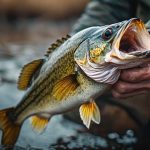
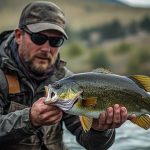
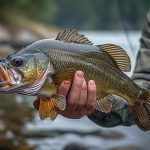
Bass: In Oregon, bass fishing feels like the state’s “casual after-work” fishery—especially in warmer lakes, reservoirs, and slower rivers. They’re most active during warm spells and stable weather, with a strong bite through the heart of summer and again during fall transition when they feed up. Limits vary by waterbody and management goals, so don’t assume one lake matches the next. Expect bass around weedlines, rocky points, docks, and current breaks in rivers.
Trout: Trout are Oregon’s welcoming committee for beginners—especially where hatchery stockings support easy action. They tend to be most cooperative in cool water periods (spring and shoulder seasons), and in summer they shine in higher-elevation lakes or cold rivers. Rules range from generous harvest in stocked streams to strict catch-and-release or artificial-only in wild trout management areas. If you’re traveling, trout are often the safest “Plan A” because there are many family-friendly fishing areas supported by stocking programs.
Pike / Muskie: These aren’t Oregon’s headline species in the way they are in some Midwest states, but anglers do ask about toothy predators. In Oregon, your “predator” conversations more often drift toward warmwater species and localized opportunities rather than broad, statewide pike/muskie culture. If you’re specifically chasing them, research the exact waters and rules first—Oregon’s fisheries are managed very deliberately, and assumptions can backfire.
Walleye / Catfish: Walleye and catfish come up as “weekend project fish” in certain Oregon waters. They’re typically most active in warmer months and around low-light periods. Regulations are often waterbody-specific—some places encourage harvest, others focus on balance. Expect walleye around structure and edges; catfish around soft bottoms, cover, and evening feeding lanes.
🦞 Regulated or Special-Permit Fisheries (unique & tightly managed)
Some Oregon fisheries are famous precisely because they’re not wide-open. They’re managed carefully, often with short retention windows, special gear rules, or area closures.
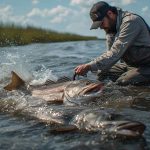
- Columbia River sturgeon: Sturgeon retention opportunities can be limited and announced as specific openings. Oregon posts notices and updates (sometimes for single-day events), so you’ll want to check right before you go—not the week before.
- Pacific halibut (sport): Halibut seasons are structured by subarea and quota-based timing. Even experienced anglers plan this one like a mini-campaign—weather window + opener dates + gear ready. Oregon maintains a halibut regulations hub and supporting PDFs for season structures.
- Marine groundfish / bottomfish: These often come with a general marine bag limit and specific sub-limits (certain species capped within that total). Oregon provides a “what can I keep” reference that’s very beginner-friendly.
- Shellfish health closures: Crabbing and clamming can be open coastwide—until they’re not. Biotoxins and advisories are real. Oregon’s shellfish rules page emphasizes checking for closures before you harvest.
🐠 Everyday Fish & Panfish Opportunities
Here’s a quick “grab-and-go” view of easy, casual targets—perfect for beginners, families, and visitors.
| Everyday Species | Creel Rule Style (Typical) | Where You Commonly Find Them |
|---|---|---|
| Bluegill / Sunfish | “General daily limit” (varies by water) | Warm, weedy coves in lakes and ponds |
| Crappie | Often grouped with panfish limits | Brush piles, docks, submerged trees |
| Perch | May be managed as a common harvest fish | Shallower flats, edges of deeper basins |
| Bullhead / Catfish | Often more relaxed harvest rules | Soft-bottom bays, evening shoreline spots |
| Sculpin / misc. small species | Usually incidental (check rules) | Rocky river edges, cold streams |
🏞️ Stocked Waters & Management Programs
If Oregon had a “gateway drug” for fishing, it would be stocked trout. The state stocks millions of trout across managed lakes and rivers, including a ton of urban ponds that are intentionally designed for easy access and high success rates.
Two tools worth bookmarking for trip planning:
- Oregon’s weekly trout stocking schedule (searchable and filterable).
- Oregon’s trout stocking maps that pair well with the schedule when you’re traveling.
If you’re fishing with kids or first-timers, these stocked waters reduce the “blank day” risk dramatically. And if you’re new yourself, they let you practice knots, casting, and fish handling without needing expert-level reading of water.
🌍 Access Rules: Public vs Private Waterways
- Public access waters usually include state parks, BLM lands, national forests, wildlife areas, and designated boat ramps—look for official signs and maintained parking areas.
- Use official fishing zone pages and maps to understand where access points actually exist; don’t rely on “looks open to me” guessing.
- If you see fenced pasture, posted signage, or “no trespassing,” treat it as a hard stop—even if the river is visible and tempting.
- Riverbanks can be tricky: a “public waterway” doesn’t automatically mean every shoreline is public land.
- Pack out trash, keep noise down near homes, and give landowners zero reasons to tighten access.
- When in doubt, choose established entry points (parks, ramps, trailheads) and fish confidently from there.
🎟️ Oregon Fishing License Overview
- Most anglers need an Oregon license to fish; licenses run on a calendar year (Jan 1–Dec 31).
- Residents and non-residents have different license options, including short-term passes that work well for visitors.
- Youth rules matter: Oregon has specific requirements for young anglers—double-check age thresholds before your trip.
- Some fisheries require add-ons/endorsements (especially for certain major systems or ocean fishing). Oregon’s “what’s new” page highlights changes and reminders for 2026.
- If you’re bringing a boat (even non-motorized), Oregon also emphasizes aquatic invasive species prevention and waterway access permitting—important for out-of-state visitors.
❓ Angler FAQs
Do I need to re-check rules the same day I fish?
If you’re targeting salmon/steelhead/sturgeon or marine fisheries, yes—updates can change quickly.
Is Oregon beginner-friendly if I don’t own a boat?
Very. Stocked ponds, city lakes, and bank-access reservoirs can be excellent—especially when you time your trip around stocking.
What’s the fastest way to find a “sure thing” fishing spot while traveling?
Look up a stocked pond or reservoir near your route, then fish simple bait under a bobber (where legal). Stocking maps help narrow it down.
Can I keep fish everywhere I catch them?
No—some waters are harvest-friendly, while others are catch-and-release or have special rules. Always confirm the exact waterbody section in the official regulations.
How do I avoid trouble with private property along rivers?
Use established access points and avoid crossing posted land. “Public water” doesn’t guarantee “public bank.”
Is crabbing/clamming always open on the coast?
It can change due to health advisories. Always check shellfish status before harvesting.
What’s one Oregon rule beginners overlook the most?
Gear restrictions—barbless hooks, artificial-only, fly-only, and selective gear zones can apply even when the water looks “normal.”
🗺️ Where to Fish This Year
If you want a “compass” for Oregon waters, start with Oregon’s zone system—it’s the easiest way to understand how opportunities mosaic across the state: high desert reservoirs, Willamette Valley warmwater, coastal streams, and big-river fisheries. Here’s the official zone hub: ODFW’s fishing zone directory.
For iconic, well-known waters that visitors often hear about, think in terms of experiences: a big, wind-swept reservoir morning; a quiet high-lake afternoon; a wide river where the current seems to carry stories; and the Oregon Coast where fishing feels like it shares space with weather itself. Places like Crater Lake-area waters (nearby fisheries), the Deschutes system, the Willamette system, and coastal bays/rivers are commonly on traveling anglers’ shortlists—not because they’re easy, but because they’re memorable.
If you also travel down the coast or do multi-state trips, it can help to compare approaches; for example, Bold anchor: California’s coastal-to-inland fishing rules can be a useful contrast in how neighboring states structure their guidance.
For a high-authority general “how to start fishing” resource (especially for families), this beginner hub is solid: Bold anchor: Take Me Fishing’s Oregon license and getting-started overview.
✅ Final Thoughts
Oregon’s 2026 fishing year is best approached like a road trip playlist: you’ll enjoy it more when you know what’s coming next. Early spring often favors stocked trout and cold-water opportunities, peak summer leans into warmwater lakes and select trout refuges, fall transition brings migratory fish focus and shifting rules, and winter rewards the patient angler—especially where steelhead and selective fisheries apply. Keep your licensing squared away, expect waterbody-specific possession limits and creel rules, and treat in-season updates (especially for Columbia River and marine fisheries) as part of the routine, not an afterthought.

- Wyoming Fishing Regulations 2026: State Rules & Management Areas - February 16, 2026
- Wisconsin Fishing Regulations by Zone 2026: Seasons & Size Limits - February 16, 2026
- West Virginia Fishing Regulations 2026: Stream & Lake Rules - February 16, 2026