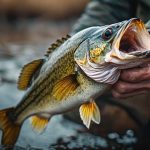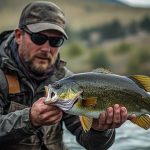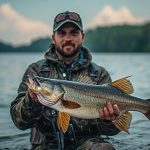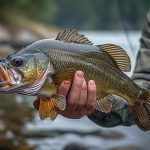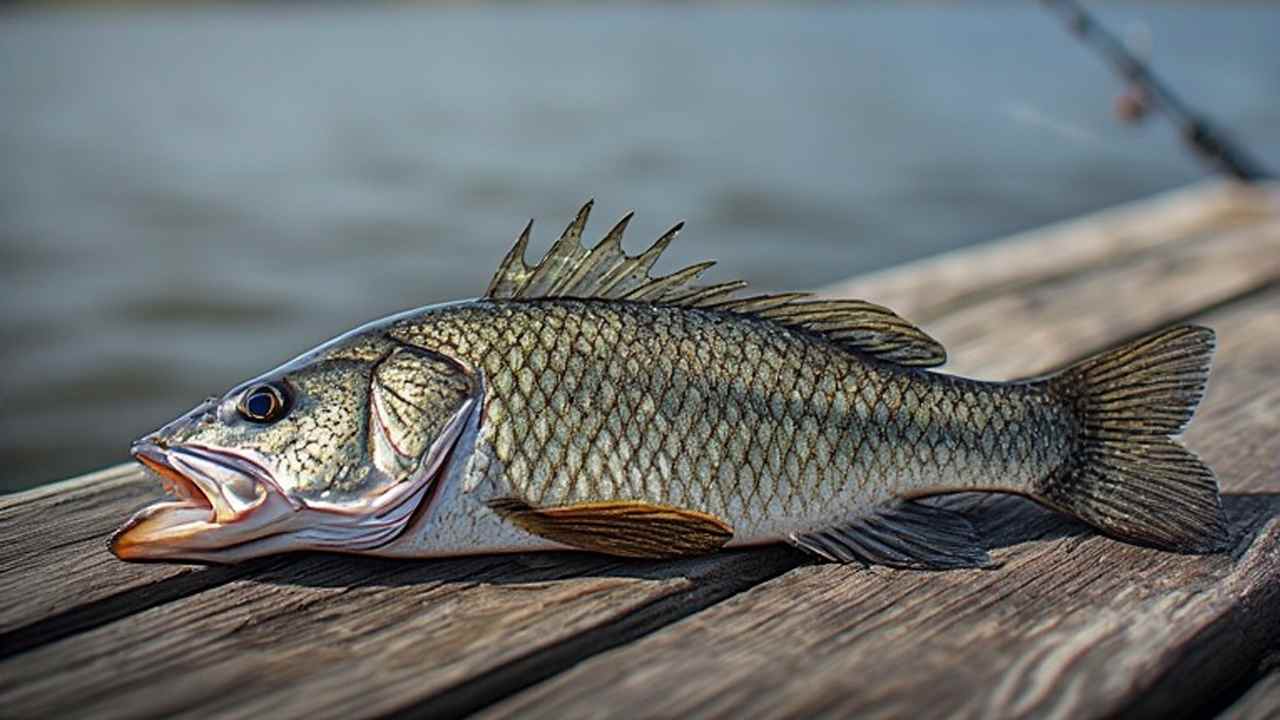
The first time you fish Ohio in that in-between season—when winter finally loosens its grip—you can feel the change before you see it. Ice softens along the edges, creek mouths start running a little louder, and suddenly the same shoreline that looked empty a week ago has boot prints and tackle trays open like picnic baskets. That’s Ohio fishing in a nutshell: it’s not one “season,” it’s a rolling set of opportunities that shift with water temps, spawning windows, and a few very specific rule changes that protect fish when they’re most vulnerable.
For visitors and beginners, Ohio is refreshingly friendly: a huge mix of managed lakes and rivers, public access waters, and family-friendly fishing areas that can keep you busy all year. The “gotcha” isn’t difficulty—it’s details. Licenses are required in most cases, and there are different creel rules and catch dates depending on where you fish (Lake Erie, inland waters, and parts of the Ohio River can all play by different rulebooks). Ohio also runs strong conservation programs—stocking, special-regulation waters, and seasonal protections—so reading the rule digest is part of being a good guest in these freshwater fisheries.
If you want a quick “neighbor-state comparison” before a Midwest road trip, you can also peek at Indiana’s fishing rules overview (one link, once—just enough to help you plan a border-hopping weekend).
Complete [Ohio] Fishing Season Dates 2026 in Table
Ohio’s official regulation booklets run on a March-to-February cycle (example: March 1, 2025–Feb. 28, 2026 in the current digest), so “2026 season dates” often means: plan around spring protections, spawning closures, and any Lake Erie zone rules that update each year. The table below is a practical “what’s generally open and what to watch” snapshot for 2026 planning based on Ohio’s current statewide and Lake Erie frameworks. (Always confirm your exact waterbody for site-specific exceptions.)
🗓️ Ohio 2026 Fishing Season & Rule Windows
| Fishing “Window” (practical) | What it means on the water | Rules anglers most often trip over |
|---|---|---|
| Year-round general fishing | Many species are open across most public waters | Size/possession limits differ by species; some waters have special postings |
| Spring protection periods (spawning-focused) | Extra care windows for bass/walleye runs, especially in tributaries and certain rivers | Lake Erie black bass rules shift around spring; some rivers restrict hook types/gear during spring windows |
| Summer harvest rhythm | Warmwater bite is stable; panfish and catfish shine | Don’t assume “no limit” means “anything goes”—some catfish have special size-triggered possession rules |
| Fall transition | Big fish feed; steelhead/trout runs (Lake Erie tribs) | Trout & salmon limits in Lake Erie/tributaries can change by date range |
| Ice season (when safe) | Tip-ups, shelters, and ice holes bring their own rules | Ice gear limits and hole-size rules apply; Lake Erie has specific hole-size language |
🗓️ Seasonal Fishing Breakdown
🌱 Early Spring (the thaw + the first real bite) 🎣
- Species that wake up first: walleye/saugeye in rivers and reservoirs, pre-spawn bass in warming coves, and early catfish on sunny afternoons.
- Regulations to keep on your radar:
- Lake Erie and tributaries have date-based rule shifts for black bass and for trout/salmon (these are the ones travelers miss).
- Certain rivers can have springtime gear restrictions (hook style/number) to reduce snagging and protect runs.
- Special catch-and-release vibe: even where harvest is allowed, many anglers go “photo + release” early spring because fish are staged shallow and easier to stress. Think of it like borrowing a book—return it in good shape.
☀️ Peak Summer (long days, easy wins) 🐟
- Species most active: bluegill and crappie around structure, largemouth in weeds and shade, channel cats after dark, and smallmouth where current stays cool.
- Typical rules to watch: statewide daily limits exist for major groups like bass and trout, plus species-specific triggers for bigger catfish.
- Practical tip: summer is when “possession limits” matter most—camp trips, cabin coolers, and cleaning fish at the lake can accidentally create violations if fish aren’t kept identifiable/whole when required. Ohio’s digest is clear that fish generally must stay whole while you’re still on the water or actively fishing.
🍁 Fall Transition (feed-bag season) 🐠
- Species that shine: big largemouth and smallmouth bulk up, crappie slide to deeper structure, and Lake Erie tributaries start pulling in trout/salmon action.
- Rules to watch closely: Lake Erie trout/salmon creel rules change by date windows in the regulation digest.
- Local rhythm tip: fall is when you’ll see the most “mixed crowds”—shore anglers, fly folks, and families. Give space at popular access points; nothing ruins a beautiful October morning like a shoulder-to-shoulder casting war.
❄️ Winter (when it’s safe, it’s special) 🦞
- Species to target: crappie, saugeye, and panfish through ice; catfish and river smallmouth can still be caught in open water during warm snaps.
- Rules to remember: Ohio allows ice angling with limitations (like tip-ups/rods and hole sizing). Lake Erie’s ice hole sizing has its own wording.
- Safety note (not a regulation, just real life): treat ice like a bargain-bin ladder—test it, don’t trust it.
🐟 Game Fish Anglers Target Most
Bass (largemouth + smallmouth)
Bass fishing in Ohio feels like two different sports: largemouth in weedy lakes and ponds where shade matters, and smallmouth in rivers and clearer reservoirs where current seams become your “lanes.” They’re most active from late spring into early fall, with a noticeable uptick again during fall feeding. Bass rules can shift depending on whether you’re on Lake Erie/tributaries versus inland waters, and some places run tighter protections during the spawn. Size and possession limits exist, but you don’t need to memorize numbers to fish responsibly—just know bass are one of the most regulated sport groups, and Lake Erie adds extra date-based structure.
Trout
Trout are Ohio’s “surprise guest”—you don’t expect them everywhere, but when you find stocked streams, managed creek sections, or Lake Erie tributary runs, they can steal the whole trip. They’re best in cooler water windows: early spring stockings, fall runs, and winter stretches where water stays cold and oxygen-rich. Inland trout often tie into stocking schedules; Lake Erie trout/salmon rules have their own seasonal creel windows. If you’re new, fish small jigs, spawn bags (where legal), or simple inline spinners—then read the water like a roadmap: riffles are intersections, pools are rest stops.
Pike / Muskie
Northern pike aren’t as universal as bass, but where they exist, they’re ambush artists—think reed edges, shallow bays, and places baitfish collect. Muskellunge, on the other hand, are Ohio’s “once-in-a-season” fish for many anglers: long hours, big baits, bigger hope. They’re often most active during cooler transitions (spring and fall), and they commonly come with larger minimum size expectations and smaller possession allowances because they’re slower-growing trophies. Lakes, reservoirs, and certain connected systems are the usual stages for these toothy fish.
Walleye / Catfish
Walleye is practically a state obsession—especially anywhere connected to Lake Erie culture, but also in inland reservoirs and river systems during runs. They pop hardest during low-light windows and during spring/fall transitions. Catfish are the reliable “after-hours” option: channel cats for steady action, and bigger blues/flatheads where available. Ohio’s statewide framework includes special size-triggered rules for larger catfish (the kind of detail that matters when you finally land your personal best). Walleye rules can vary by waterbody, and some lakes have had minimum-length rules adjusted in recent regulation updates, so it’s worth checking the specific lake page or digest before you go. Source
🦞 Regulated or Special-Permit Fisheries
- Lake Erie trotlines require a special license in the Lake Erie Fishing District (this is niche, but important for anyone setline/jug/trotline curious).
- The Ohio River can have agreement-based rules depending on which unit you’re fishing, and licensing reciprocity details can change (so always confirm before a border-water trip).
- Some waters have site-specific rules posted (special size structures, split daily limits, or seasonal restrictions). Translation: a lake can be “Ohio legal” and still have its own rule set.
- Protected/rare species exist statewide and must be released immediately if caught; possession is prohibited for listed species. This is conservation in action—handle gently and let them go.
🐠 Everyday Fish & Panfish Opportunities
Here’s a simple “what you’ll actually catch on a casual afternoon” look—without turning into a law textbook:
| Everyday species | Typical creel limit style (not numbers) | Where you’ll most often find them |
|---|---|---|
| Bluegill / sunfish 🐟 | Group daily limit; sometimes special “quality” rules on select lakes | Docks, weedlines, shallow cover in ponds and reservoirs |
| Crappie 🐠 | Often a daily limit + sometimes a minimum size on certain managed lakes | Brush piles, standing timber, bridge pilings |
| Yellow perch 🐟 | Often managed by daily limits; Lake Erie has zone-based management | Lake Erie basins; some inland lakes |
| Common carp 🦈 | Often liberal harvest rules, but method restrictions still apply | Slow rivers, flats, warm backwaters |
(For exact counts and exceptions, use the official digest for your water.)
🏞️ Stocked Waters & Management Programs
Ohio’s stocking is one of the easiest “new angler shortcuts” you can use—because it turns a random Saturday into a high-odds trip. The state provides public access to fish stocking records through an interactive database that goes back decades, and it’s updated regularly. You can filter by year range, location, species, and life stage, then even export results. That’s powerful planning—especially for trout and youth-focused ponds.
If you want to nerd out (in the best way), the stocking records portal is here via ODNR’s resource page, which points to DataOhio’s stocking database.
For added authority on learning basics (knots, handling, beginner-friendly setups), a solid high-authority reference is the fishing basics hub from the U.S. Fish & Wildlife Service—use it like a quick skills refresher before your trip.
🌍 Access Rules: Public vs Private Waterways
- 🎣 Public doesn’t always mean “every shoreline.” A lake can be public, but access may be limited to designated entry points, ramps, and marked shoreline corridors.
- 🐟 Look for maintained signage and mapped access points. Wildlife areas and state-managed properties usually post rules at kiosks or lots.
- 🐠 Private property boundaries matter even along rivers. If you’re wading, confirm you’re not crossing posted land or using private banks without permission.
- 🦞 Respect “closed to fishing” time blocks at special management areas (some places restrict days/hours to protect quality fisheries).
- 🦈 Pack out line, bait cups, and trash. The fastest way to lose access is to treat it like a disposable space.
🎟️ [Ohio] Fishing License Overview
- 🎣 Most anglers need a license to take fish from Ohio waters, including some privately owned waters that are open to public fishing through agreements.
- 🐟 Under 16? No fishing license is required for kids under 16.
- 🐠 Resident vs non-resident: Ohio defines residency by living in the state for the past six consecutive months; otherwise you’ll need a nonresident license.
- 🦞 Short trips are covered: Ohio offers short-duration options (useful for visitors doing a weekend on Lake Erie or a quick cabin stay).
- 🦈 Carry it while fishing: You must have your license available and show it on request; displaying it on a mobile device is allowed.
- 🎣 Free fishing days exist (dates vary by year), where residents can fish without buying a license while still following size and daily limits.
❓ Angler FAQs
Can I fish in Ohio all year, or do I need to wait for “opening day”?
In many places you can fish year-round, but the rules change by species and water—especially Lake Erie/tributaries and certain managed lakes.
Do I really need to keep fish “whole” until I’m done fishing?
Yes—Ohio’s digest explains that possession rules often require fish to remain whole while on or unloading from the water in most situations.
How many rods can I use at once?
Ohio allows up to three fishing lines statewide (with some exceptions in the administrative code).
Are Lake Erie rules the same as inland rules?
Not always. Lake Erie has its own regulation section, including date-based limits for some key sport species and zone-based perch management.
Is snagging allowed in Ohio?
Snagging is illegal for all fish statewide, and it’s specifically called out for the Ohio River as well.
How do I find out what got stocked near where I’m staying?
Use Ohio’s public stocking records page to jump into the database and filter by location/species/year range.
🗺️ Where to Fish This Year
If you’re visiting Ohio in 2026, you can almost pick your adventure based on what kind of morning you want.
Want the “big water, big sky” feeling where the horizon looks like an ocean? Lake Erie is the obvious magnet—especially around harbors and tributary mouths when bait is moving and game fish are cruising. A different vibe entirely: the Maumee River area can feel like a seasonal reunion when spring runs bring anglers out at sunrise, thermos in hand, comparing lures like baseball cards (just remember: certain stretches can have spring gear restrictions and time-of-day limitations).
For inland travelers, Alum Creek Lake, Caesar Creek Lake, Buckeye Lake, and Indian Lake are classic “weekend-friendly” waters—big enough to explore, structured enough to learn, and popular enough that you can usually find local intel at a bait shop. Some of these lakes have had regulation updates over time (like walleye/saugeye/sauger minimum-length adjustments on certain waters), so treat your pre-trip check like you’d check tire pressure before a long drive: quick, easy, and it prevents a bad day.
To plan with confidence, use Ohio’s official fishing regulation hub and map-style resources from ODNR (start at the regulations page and follow the links to properties and access).
✅ Final Thoughts
For 2026, Ohio remains one of those states where you can fish almost any time you can find open water—but success (and staying legal) comes from knowing which rule set you’re standing in: statewide waters, Lake Erie/tributaries, or special-regulation rivers and lakes. The official digest framework runs March-to-February (for example, March 1, 2025 through Feb. 28, 2026 in the current booklet), and it spells out key items like license requirements (most anglers 16+ need one), statewide daily limits for major sport species, Lake Erie’s date-based rule windows for black bass and trout/salmon, and even niche items like the special trotline license in the Lake Erie district. Fish stocked waters by checking the state’s public stocking database, stick to public entry points, and keep fish identifiable when required—and you’ll spend more time enjoying sunrise bites and less time second-guessing the rules.

- Wyoming Fishing Regulations 2026: State Rules & Management Areas - February 16, 2026
- Wisconsin Fishing Regulations by Zone 2026: Seasons & Size Limits - February 16, 2026
- West Virginia Fishing Regulations 2026: Stream & Lake Rules - February 16, 2026