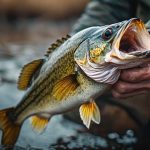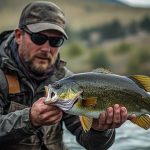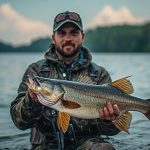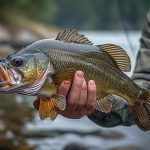
New Mexico fishing—a blend of alpine streams, warm-water reservoirs, and wild desert rivers that offer something for every angler, no matter the season.
Understanding when and where you can fish in the Land of Enchantment isn’t just about following rules—it’s about timing your adventures to match the rhythms of the water. From spring runoff that brings hungry rainbows into shallow creeks to late-fall pike cruising the edges of Navajo Lake, New Mexico’s angling opportunities shift with the seasons. Whether you’re a first-timer casting from a stocked urban pond or a seasoned fly fisher chasing wild browns in the Pecos Wilderness, knowing the current regulations and seasonal patterns will make your time on the water more rewarding and sustainable. The state takes conservation seriously, with carefully managed creel limits, habitat restoration programs, and special-permit fisheries designed to protect trophy waters while keeping access open for families and visitors.
Let’s dive into what 2026 has in store for anglers across New Mexico—from the Gila River’s remote canyons to the bustling shores of Elephant Butte.
🗓️ Complete New Mexico Fishing Season Dates 2026
| Species/Water Type | Season Opens | Season Closes | Special Notes |
|---|---|---|---|
| General Trout Streams | January 1 | December 31 | Year-round access; check daily bag limits |
| Special Trout Waters | January 1 | March 31 (catch-and-release only) | Regular harvest begins April 1 |
| Warm-Water Species (Bass, Catfish, Pike) | Open Year-Round | Open Year-Round | No closed season |
| Kokanee Salmon (select waters) | May 1 | September 30 | Heron Lake, Eagle Nest Lake |
| High-Elevation Lakes (some alpine areas) | June 1 (typical access) | October 15 | Weather-dependent; check local conditions |
| San Juan River Quality Waters | Open Year-Round | Open Year-Round | Special slot limits and gear restrictions |
| Rio Grande (Middle Reach) | Open Year-Round | Open Year-Round | Check flow advisories during monsoon season |
🌅 Seasonal Fishing Breakdown Specific to New Mexico
Early Spring (March–May) 🌸
When the snow begins to melt from the Sangre de Cristo Mountains, New Mexico’s rivers and streams come alive with opportunity. Early spring is when many anglers target stocked rainbows in accessible locations like Fenton Lake and Cochiti Lake. Runoff can cloud some rivers by late April, but this is also when brown trout become aggressive feeders before spawning season. Mid-elevation lakes warm up enough for bass to start moving shallow, especially in the southern reservoirs like Caballo and Ute Lake. This is prime time for families to introduce kids to fishing—water levels are stable, and stocked trout are plentiful. Keep an eye on special regulations for waters transitioning from catch-and-release to harvest periods around April 1st.
Peak Summer (June–August) ☀️
Summer in New Mexico means two things: monsoon thunderstorms and high-country fishing. As lower elevations heat up, smart anglers head to alpine lakes and streams above 8,000 feet, where native cutthroat trout and brookies thrive in cold, clear water. Iconic destinations like the Pecos River headwaters and Rio Cebolla offer backcountry solitude and technical dry-fly fishing. Meanwhile, warm-water anglers dominate the reservoirs—largemouth bass, smallmouth bass, and white bass are actively feeding, especially early morning and late evening. Catfishing peaks during this period, with channels and flatheads prowling the deeper channels of Elephant Butte and Conchas Lake. Always check possession limits as some waters have reduced creel rules during hot weather to protect stressed fish populations.
Fall Transition (September–November) 🍂
Autumn is arguably the best time to fish New Mexico. Cooler temperatures bring trout back to aggressive feeding patterns, and the famed San Juan River below Navajo Dam sees its busiest season as anglers chase trophy rainbows on midge hatches. Fall is also when northern pike and tiger muskie become more active in lakes like Heron and Eagle Nest, offering explosive topwater action. Kokanee salmon turn brilliant red as they prepare to spawn, and targeting them before the September 30th closure is a bucket-list experience. The monsoon rains have passed, so water clarity improves, and access roads to remote fisheries are easier to navigate. This is the season for multi-species exploration—bass, trout, walleye, and pike can all be caught in the same weekend.
Winter (December–February) ❄️
Don’t put your gear away just because it’s cold. New Mexico’s tailwater fisheries remain productive all winter, with the San Juan River and Rio Grande below Cochiti Dam offering consistent action for hardy anglers. Midday fishing is best when water temps rise slightly, and small nymphs or streamers work well. Ice fishing becomes an option at high-elevation lakes like Eagle Nest and Hopewell Lake, where anglers jig for perch, trout, and pike through the ice. Always verify ice thickness and safety conditions. Many urban ponds and warm-water reservoirs in the southern part of the state remain open and fishable, especially during mild spells. Winter is also when special catch-and-release regulations kick in on certain trophy trout waters, designed to protect spawning populations.
🐟 Game Fish Anglers Target Most
Rainbow Trout are New Mexico’s most popular species, thanks to extensive stocking programs and quality wild populations in rivers like the Red River and Cimarron. They’re active nearly year-round, with peak feeding in spring and fall. Daily bag limits are generous on most public waters, but special trout waters enforce stricter creel rules to maintain trophy fisheries. Expect fish ranging from stocked 10-inchers to wild 18-inch holdovers in nutrient-rich tailwaters.
Brown Trout attract serious fly fishers seeking a challenge. These fish are more nocturnal and wary than rainbows, often holding in undercut banks and deep pools. The Chama River, San Juan River, and Rio Grande all harbor sizable browns, especially in stretches with year-round flows. Fall is prime time as they prepare for spawning, and streamers fished at dusk can produce explosive strikes. Some waters have slot limits protecting mid-sized browns to boost trophy potential.
Largemouth and Smallmouth Bass dominate warm-water reservoirs across the state. Elephant Butte, New Mexico’s largest lake, is a bass fishing destination with excellent topwater action in spring and fall. Navajo Lake’s smallmouth population is nationally recognized, with fish regularly exceeding four pounds. Bass are open year-round with five-fish daily limits on most waters, making them perfect for tournament anglers and casual boaters alike. Shallow flats, rocky points, and submerged timber are key holding areas.
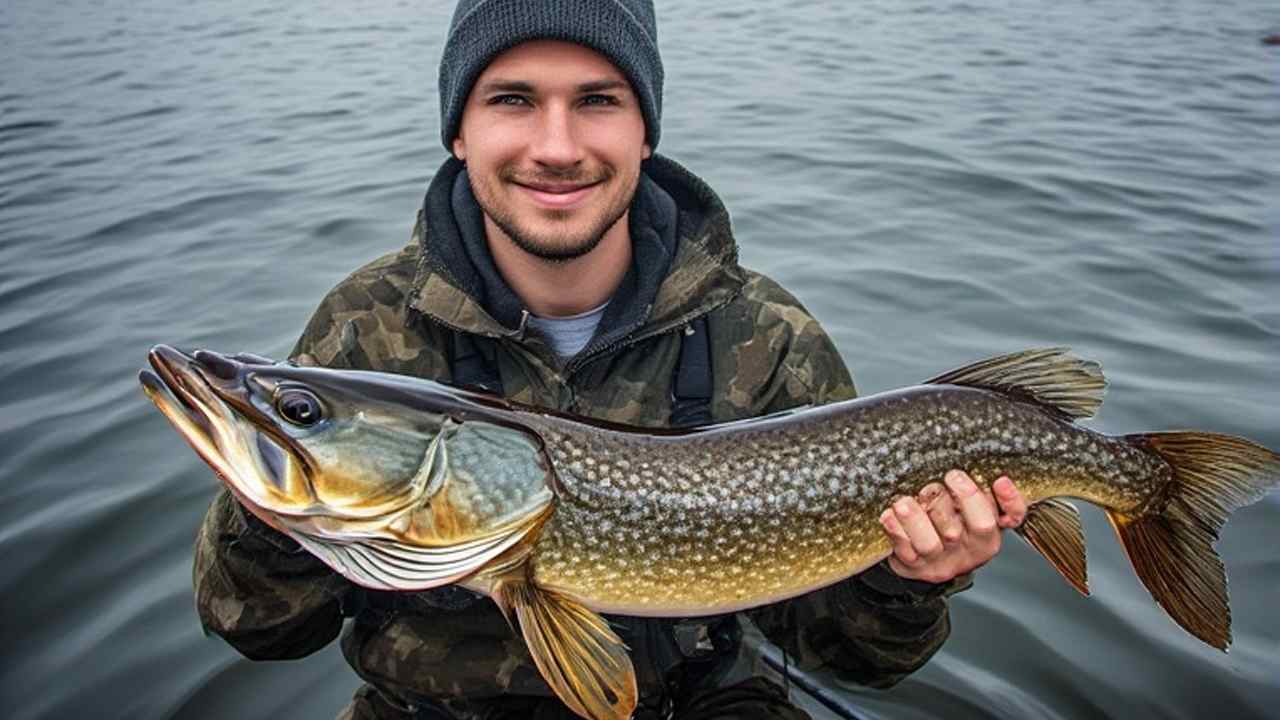
Northern Pike and Tiger Muskie add a predatory edge to New Mexico fishing. Heron Lake and Eagle Nest Lake are the primary destinations for these toothy giants, which can exceed 20 pounds. Pike prefer cooler water and are most active in spring and fall, often ambushing prey near weed beds and drop-offs. Special regulations apply—check for size limits and gear restrictions, especially on waters managed for trophy specimens. These fish require wire leaders and stout tackle.
Walleye thrive in Ute Lake and Conchas Lake, offering excellent table fare and exciting low-light fishing. They’re most active at dawn and dusk, and jig-and-minnow combos or trolled crankbaits are go-to methods. Walleye populations benefit from stocking efforts and natural reproduction, with daily limits typically set at five fish. Summer nights under the stars, waiting for that telltale tap, are a cherished tradition for walleye anglers.
Channel Catfish are everywhere—from the muddy Rio Grande to clear mountain reservoirs. They’re forgiving for beginners, aggressive feeders, and delicious. Night fishing with cut bait or stink bait is the classic approach, and many urban ponds and family-friendly lakes are stocked specifically for catfish action. No closed season means you can chase whiskers any time of year.
🦞 Regulated or Special-Permit Fisheries
New Mexico protects several trophy waters through unique management strategies. The San Juan River Quality Waters below Navajo Dam operate under special rules: barbless hooks, artificial flies and lures only, and strict slot limits that require releasing trout between 20 and 24 inches. This world-class tailwater produces rainbows exceeding 10 pounds, and the regulations ensure sustainable catch rates.
Kokanee salmon fisheries at Heron Lake and Eagle Nest Lake require attention to seasonal closures. These landlocked sockeye salmon are catch-and-keep only during the May 1–September 30 window, with a daily limit of three fish. As they prepare to spawn, their flesh remains excellent eating, and snagging is prohibited—only hook-and-line methods are legal.
Certain wild trout streams in the Pecos Wilderness and Gila National Forest have reduced creel limits (two fish per day) and gear restrictions to preserve native Rio Grande cutthroat trout populations. These areas emphasize catch-and-release ethics, and anglers are encouraged to handle fish gently and minimize time out of water. If you’re fortunate enough to catch a native cutthroat, consider taking a photo and letting it go—these fish are living pieces of New Mexico’s natural heritage, much like the approach seen in Colorado’s native trout conservation efforts.
🐠 Everyday Fish & Panfish Opportunities
| Species | Typical Creel Limit | Common Locations |
|---|---|---|
| White Bass | 20 per day | Elephant Butte, Cochiti Lake, Conchas |
| Bluegill | No limit | Urban ponds, Bottomless Lakes, Maxwell Lake |
| Crappie (Black/White) | 20 combined | Ute Lake, Conchas, Santa Rosa Lake |
| Yellow Perch | 20 per day | Eagle Nest Lake, Hopewell Lake |
| Rio Grande Cichlid | No limit | Warm canals and ponds in southern NM |
| Green Sunfish | No limit | Farm ponds, stock tanks, small reservoirs |
These panfish are the backbone of family fishing trips and shore-angling adventures. You don’t need a boat or expensive gear—a simple rod, bobber, and worms will catch dinner. Bluegill and crappie are especially cooperative during spring spawning, when they move into shallow bays. White bass runs in spring can be spectacular, with schools of fish hammering topwater lures in a feeding frenzy.
🏞️ Stocked Waters & Management Programs
- New Mexico Department of Game and Fish (NMDGF) operates one of the most aggressive trout stocking programs in the Southwest, releasing millions of catchable-size rainbows annually into over 100 lakes, ponds, and streams.
- Urban Fishing Program targets city parks and accessible ponds in Albuquerque, Santa Fe, and Las Cruces, making it easy for kids and beginners to catch fish without leaving town. These waters receive frequent stockings throughout spring and summer.
- High-country lakes in the Carson and Santa Fe National Forests are stocked by helicopter, providing backcountry anglers with reliable trout fishing in remote alpine settings.
- Warm-water stocking includes channel catfish, walleye, and bass in southern reservoirs to maintain population health and angling quality.
- The state website provides an interactive stocking map updated weekly, so you can plan trips around recent stockings for maximum success. Bookmark the New Mexico stocking schedule for real-time updates.
🌍 Access Rules: Public vs Private Waterways
- Public waters in New Mexico include all navigable rivers and streams up to the high-water mark, but accessing them legally can be tricky. You must enter from public land, road rights-of-way, or with landowner permission—wading through private property is trespassing.
- State parks and federal lands (BLM, USFS) offer guaranteed legal access to rivers and lakes. Look for designated fishing access sites marked with signs.
- Respect private property at all times. New Mexico has a strong ranching culture, and unlocked gates don’t mean public access. Always ask permission if you’re unsure, and close gates behind you.
- Tribal waters on Pueblo lands require separate permits and follow different regulations. The Jicarilla Apache Nation and Navajo Nation both offer excellent fishing, but you must purchase tribal licenses in advance.
- Many irrigation canals and ditches are private or controlled by acequia associations—don’t assume they’re public even if they connect to public rivers.
🎟️ New Mexico Fishing License Overview
- Who needs a license: Anyone 12 years or older must carry a valid fishing license. Kids under 12 fish free but must be accompanied by a licensed adult.
- Resident licenses are available to anyone who has lived in New Mexico for at least 30 consecutive days and can prove residency.
- Non-resident options include annual licenses, five-day passes, and single-day permits—great for vacationers and out-of-state anglers exploring the state.
- Youth licenses (ages 12-17) are significantly discounted to encourage the next generation of anglers.
- Special stamps are required for trout fishing in certain waters and for habitat conservation programs. When in doubt, buy the stamp—it’s affordable and supports fisheries management.
- Licenses can be purchased online through the NMDGF website, at sporting goods stores, or at many gas stations and convenience stores statewide.
- Military discounts and senior pricing are available for eligible New Mexico residents.
Similar licensing structures exist in neighboring states, and if you’re planning a multi-state fishing trip, check out Arizona’s fishing regulations for comparable desert fishing opportunities.
❓ Angler FAQs
Can I fish the Rio Grande year-round?
Yes, most stretches of the Rio Grande are open all year for warm-water species like catfish, bass, and carp. However, special trout waters along the middle Rio Grande have seasonal restrictions, so always check the regulations for your specific stretch.
What’s the deal with barbless hooks?
Barbless hooks are required on quality trout waters like the San Juan River to reduce injury and improve survival rates for catch-and-release fish. You can pinch down the barbs on standard hooks with pliers—it’s easy and makes releasing fish much faster.
Are there any free fishing days?
Yes! New Mexico offers free fishing days several times a year, typically around holidays and youth hunting/fishing weekends. On these days, anyone can fish without a license, making it a perfect time to introduce friends and family to the sport.
Do I need a boat to fish New Mexico lakes?
Not at all. Many of the state’s best fisheries have excellent shore access, and urban ponds are specifically designed for walk-up fishing. Elephant Butte and Cochiti Lake have long shorelines and fishing piers.
What happens if I accidentally catch a native cutthroat trout?
Handle it gently, keep it in the water as much as possible, and release it immediately. Native cutthroats are a conservation priority, and some waters have mandatory catch-and-release for them. Take a quick photo if you want, but get the fish back in the water fast.
Can I keep fish caught on private land?
If you have permission to fish private waters, the same state creel limits apply unless the landowner has stricter rules. Always clarify with the owner before keeping fish.
What’s the penalty for fishing without a license?
Fines vary, but expect a citation starting around $100 for a first offense. Game wardens patrol popular waters regularly, especially during peak seasons. Just buy the license—it’s cheap and funds conservation.
🗺️ Where to Fish This Year
Start with Elephant Butte Lake, the state’s crown jewel reservoir sprawling across over 36,000 surface acres. It’s a bass and catfish paradise, with marinas, campgrounds, and endless coves to explore. Spring white bass runs are legendary, and you can launch a boat or fish from shore with equal success.
Head north to Navajo Lake, shared with Colorado, where deep, clear water holds record-class smallmouth bass and massive pike. The San Juan River flowing out of the dam is a bucket-list destination for trout anglers worldwide, offering technical nymphing and sight-casting opportunities that rival anything in Montana.
For high-country solitude, Eagle Nest Lake sits at over 8,000 feet, surrounded by peaks and meadows. It’s a four-season fishery: trout and salmon in summer, pike in fall, and ice fishing in winter. The scenery alone is worth the trip.
Don’t overlook Cochiti Lake, just an hour from Albuquerque. It’s a convenient escape with quality bass, trout, and catfish, plus a designated no-wake area perfect for kayak anglers. The Rio Grande below the dam offers wade fishing for trout and carp.
Finally, explore the Gila River in the remote southwest corner of the state. It’s wild, undammed, and home to unique desert fish species. Access requires hiking and respect for wilderness ethics, but the solitude and scenery are unmatched. For more structured advice on navigating complex angling rules across the West, the Take Me Fishing resource hub provides excellent guidance for beginners.
✅ Final Thoughts
New Mexico’s 2026 angling season is shaping up to be exceptional, with strong carryover from last year’s stocking programs and healthy fish populations across the state. Whether you’re chasing rainbow trout in special trophy waters, targeting kokanee salmon during the May 1–September 30 window, or simply enjoying a family day at an urban pond with no harvest restrictions, there’s something for everyone.
Key regulations to remember: slot limits on trophy waters, barbless hook requirements on quality streams, and seasonal closures for kokanee and certain trout waters between October and April. Licensing is straightforward—residents and visitors alike can purchase annual or short-term permits online or at local vendors. Always verify creel limits, especially on managed lakes where daily bag rules protect spawning populations and maintain ecosystem balance.
From the icy flows of the San Juan in January to the warm, weedy bays of Elephant Butte in July, New Mexico offers year-round fishing adventures that blend desert landscapes, mountain streams, and rich angling traditions. Grab your gear, respect the resource, and go make some memories on the water. 🎣

- Wyoming Fishing Regulations 2026: State Rules & Management Areas - February 16, 2026
- Wisconsin Fishing Regulations by Zone 2026: Seasons & Size Limits - February 16, 2026
- West Virginia Fishing Regulations 2026: Stream & Lake Rules - February 16, 2026