Whether you’re a weekend warrior chasing your first brook trout or a seasoned angler planning a summer bass expedition, understanding when and where to fish makes all the difference between a good day and a legendary one.
New Hampshire’s waters pulse with opportunity throughout 2026, but they’re also carefully managed to protect the incredible fisheries that make this state special. The Granite State takes conservation seriously, balancing public access with sustainability through thoughtful regulations that change with the seasons. Before you even think about wetting a line, you’ll need to understand the licensing requirements, respect the catch limits designed to keep populations healthy, and know which waters are open when. This isn’t just bureaucracy—it’s how we ensure our kids and grandkids get to experience the same thrill we do when a fish hits the line.
For visitors coming from neighboring states, New Hampshire offers remarkably accessible fishing. Public boat launches dot the landscape, shore access is generous, and the state actively stocks popular waters to keep action consistent. But don’t mistake accessibility for simplicity—these waters have rhythm and rules that change as predictably as the White Mountains change color in autumn. Let’s break down everything you need to know to make 2026 your best fishing year yet in the Live Free or Die state.
🗓️ Complete New Hampshire Fishing Season Dates 2026
| Species | Season Opens | Season Closes | Notes |
|---|---|---|---|
| Brook Trout (streams) | January 1, 2026 | October 15, 2026 | Catch-and-release only certain designated waters |
| Rainbow & Brown Trout (lakes) | January 1, 2026 | December 31, 2026 | Year-round in most lakes with daily limits |
| Lake Trout | January 1, 2026 | December 31, 2026 | Ice fishing permitted; depth restrictions apply |
| Landlocked Salmon | January 1, 2026 | September 30, 2026 | Special size limits on select waters |
| Smallmouth & Largemouth Bass | January 1, 2026 | December 31, 2026 | Catch-and-release encouraged during spawn (mid-May to mid-June) |
| Northern Pike | January 1, 2026 | December 31, 2026 | Trophy waters have enhanced regulations |
| Chain Pickerel | January 1, 2026 | December 31, 2026 | No closed season; possession limits apply |
| Yellow Perch | January 1, 2026 | December 31, 2026 | Popular ice fishing target |
| White Perch | January 1, 2026 | December 31, 2026 | No bag limit in certain waters |
| Crappie (Black & White) | January 1, 2026 | December 31, 2026 | Prime time: spring spawn period |
| Sunfish (Bluegill, Pumpkinseed) | January 1, 2026 | December 31, 2026 | Great for family fishing year-round |
🌅 Seasonal Fishing Breakdown Across New Hampshire
Early Spring: Ice-Out to Mid-May
The moment ice recedes from the lakes, New Hampshire transforms into a trout angler’s paradise. This period—roughly late March through mid-May—offers some of the year’s most explosive action. Freshly stocked trout are actively feeding after a long winter, and they’re not yet pressured by summer’s crowds. Stream anglers hit the brooks and smaller rivers where native brookies emerge from their winter lairs hungry and aggressive. Meanwhile, lake anglers target rainbow trout in the shallows where warming water temperatures trigger feeding frenzies.
During this window, pay close attention to special regulations on trophy trout waters. Certain streams require barbless hooks or enforce strict catch-and-release rules to protect spawning populations. The Connecticut River headwaters, for instance, have unique size restrictions designed to maintain world-class fishing. Landlocked salmon also become active during ice-out, particularly in deeper lakes like Winnipesaukee where they chase smelt toward the shallows. Trolling with streamer flies or small crankbaits near drop-offs can produce fish of a lifetime.
Bass anglers should note that while the season technically remains open year-round, ethical anglers practice catch-and-release during the spawn (typically mid-May through mid-June). Disturbing bedding bass can harm recruitment, so consider targeting post-spawn bass instead or switching to trout until summer arrives.
Peak Summer: Mid-June Through August
Summer transforms New Hampshire’s fishing landscape entirely. Trout retreat to deeper, cooler waters or seek out spring-fed streams with consistent temperatures. Bass, however, absolutely explode. Smallmouth bass fishing reaches its zenith in June and July, particularly in rocky lakes like Squam Lake and the Merrimack River system. These bronze warriors ambush prey around boulders, ledges, and submerged timber, offering heart-stopping topwater action during dawn and dusk.
Largemouth bass dominate the weedier, warmer waters—think Massabesic Lake or the shallow bays of larger reservoirs. Plastic worms, spinnerbaits, and frog imitations worked over lily pads can produce aggressive strikes that’ll test your drag system. Northern pike also patrol these weedy areas, adding an element of surprise to every cast. Don’t be shocked if a 30-inch pike inhales your bass lure—it happens more often than you’d think.
Summer also brings families to the water. Public fishing areas specifically managed for youth and beginner anglers see heavy stocking of rainbow trout and panfish. These spots—often located near parks with amenities—provide low-pressure environments perfect for teaching kids the basics. Sunfish, crappie, and yellow perch require minimal gear and offer consistent action that keeps young anglers engaged.
Fall Transition: September Through November
Autumn in New Hampshire isn’t just about foliage—it’s prime time for serious anglers. As water temperatures drop, trout become active again, and the fall bite rivals spring’s intensity. Landlocked salmon, which spent summer in deep, cool water, move into shallower zones chasing baitfish preparing for winter. Note that salmon season closes September 30 in most waters, so plan accordingly if you’re targeting these spectacular fighters.
Brook trout in streams reach their most vibrant spawning colors—brilliant orange bellies against olive backs—though many designated brook trout waters close October 15 to protect spawning fish. Lake trout fishing, however, shifts into high gear as these deep-water predators move onto shallow reefs and rocky points. Jigging or trolling near structure can connect you with lake trout exceeding 20 pounds.
Bass fishing remains excellent through October, with fish actively feeding to build energy reserves before winter. Slower presentations—jerkbaits, jigs, and suspending plugs—work better as metabolism slows, but the quality of fish caught often peaks in fall. Pike and pickerel also become more aggressive as they sense winter approaching.
Winter Ice Fishing: December Through March
When ice reaches safe thickness (typically late December), a entirely different angling community emerges. Ice fishing in New Hampshire isn’t a desperation tactic—it’s a cherished tradition. Lake trout, yellow perch, pickerel, and various panfish species remain active beneath the ice, and the state’s ice-fishing culture rivals any northern tier state.
Popular ice-fishing destinations include Lake Winnipesaukee, Newfound Lake, and numerous smaller ponds that freeze early and maintain safe ice longer. Perch provide the most consistent action for families, while lake trout and salmon appeal to anglers seeking trophy fish. Remember that ice thickness can vary dramatically—always check local reports and never venture onto questionable ice regardless of how eager you are to fish.
Regulations during winter generally mirror open-water rules, but some waters have specific ice-fishing restrictions or modified creel limits. Always verify current rules before drilling that first hole, and pack a portable ice fishing shelter—New Hampshire winters don’t mess around.
🐟 Game Fish Anglers Target Most
Largemouth & Smallmouth Bass
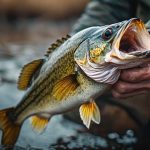
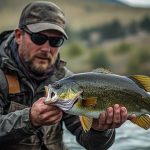
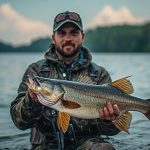
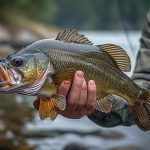
Bass fishing defines summer in New Hampshire. Smallmouth bass—the state’s bronze warriors—thrive in clear, rocky lakes and river systems. These fish fight disproportionately to their size, often launching completely out of the water when hooked. Prime smallmouth water includes Squam Lake, Newfound Lake, and the Connecticut River. They prefer water temperatures between 65-75°F, making June through September the sweet spot. Typical possession limits allow anglers to keep a modest number of fish, but many serious bass anglers practice catch-and-release exclusively to preserve the quality of the fishery.
Largemouth bass prefer warmer, weedier environments. Massabesic Lake, Pawtuckaway Lake, and countless smaller ponds hold healthy largemouth populations. These fish grow larger than their smallmouth cousins and show remarkable tolerance for warmer water and lower oxygen levels. Target them around vegetation, docks, and fallen timber using a variety of presentations from power-fishing tactics like spinnerbaits to finesse approaches like drop-shot rigs.
Both species remain open year-round, but spawn protection is crucial. From mid-May through mid-June, bass guard their nests aggressively. While it’s legal to fish for them, removing a guarding male can doom the entire nest to predation. Many ethical anglers avoid bedding bass or quickly release any caught during this critical window.
Brook, Rainbow & Brown Trout
Trout represent New Hampshire’s angling heritage. Brook trout—the state’s only native trout—inhabit cold, clear mountain streams and remote ponds. These fish rarely exceed 12 inches in wild populations but display colors so vivid they seem painted. Stream regulations often include special protections: fly-fishing-only sections, catch-and-release mandates, or restricted harvest windows. Designated wild trout waters close October 15 to protect spawning populations.
Rainbow trout, introduced over a century ago, dominate stocking programs and thrive in lakes and larger rivers. These silver missiles readily strike a wide variety of lures and flies, making them ideal for novice anglers. The state aggressively stocks rainbows in accessible waters near population centers, ensuring high catch rates in popular fishing areas.
Brown trout—the craftiest of the trio—grow larger and live longer than other trout species. While less commonly stocked, browns inhabit many rivers and lakes, often in lower numbers but larger average sizes. These nocturnal feeders require patience and stealth, rewarding skilled anglers with trophy-class fish. Specific lake regulations may include minimum size limits to protect growing brown trout populations.
Lake Trout & Landlocked Salmon
Lake trout—New Hampshire’s deep-water giants—inhabit the state’s coldest, deepest lakes. These fish spend summer in depths exceeding 60 feet where temperatures remain optimal, requiring specialized tactics like downrigging or lead-core line trolling. Come fall, however, they move into shallow water (15-30 feet) to spawn on rocky reefs, providing thrilling opportunities for conventional tackle fishing.
Possession limits on lake trout typically allow fewer fish than other species due to their slow growth rates—a 20-pound lake trout might be 20 years old. Trophy regulations on waters like Winnipesaukee encourage catch-and-release of larger specimens to maintain population structure. Like neighboring states such as Maine’s carefully managed trout waters, New Hampshire prioritizes sustainability over harvest.
Landlocked salmon—essentially Atlantic salmon trapped in freshwater after the last ice age—offer world-class sport fishing. These fish fight with spectacular aerial displays and require precise trolling techniques with small spoons or streamer flies. The season closes September 30 on most waters, making spring and early summer the prime windows. Special size restrictions apply on select waters to protect spawning runs.
Northern Pike & Chain Pickerel
Pike fishing in New Hampshire is underrated. While not as abundant as in states further west, northern pike populations in waters like [Connecticut River impoundments](https https://www.fws.gov/refuge/silvio-o-conte) provide exciting action for anglers targeting toothy predators. These ambush feeders lurk in weed beds and along drop-offs, striking explosively at large spoons, spinnerbaits, and swimbaits. Pike over 40 inches are caught annually, and the state encourages harvest in some waters where pike populations impact other species.
Chain pickerel—smaller cousins of northern pike—inhabit nearly every warm-water pond and slow-moving river in the state. While rarely exceeding 24 inches, pickerel fight aggressively and strike with reckless abandon. They’re particularly popular with ice anglers during winter months and provide excellent action for beginning anglers who appreciate their willingness to bite almost anything that moves.
Both species remain open year-round with generous possession limits. Unlike bass, no ethical concerns surround fishing during spawning periods, making pike and pickerel excellent targets during spring when other species receive more protection.
🦞 Regulated or Special-Permit Fisheries
New Hampshire manages certain waters under enhanced regulations to create trophy fisheries or protect sensitive populations. These “special regulation waters” often require careful study of current rules before fishing, as they differ significantly from statewide standards.
Trophy trout waters, for instance, might enforce slot limits where anglers must release fish between certain sizes while keeping only smaller or exceptionally large specimens. This protects prime breeding-stock fish while allowing harvest of young, fast-growing individuals. Other waters operate under catch-and-release-only rules to maximize fishing quality over harvest opportunity.
The state also maintains a Wild Trout Management Program identifying streams with self-sustaining brook trout populations. These waters receive special protection—often including gear restrictions (artificial lures only, barbless hooks) and shortened seasons. Anglers fishing these designated streams contribute to conservation simply by observing regulations that let wild populations thrive.
Some waters require special attention due to invasive species concerns. Felt-soled wading boots remain banned statewide to prevent spread of aquatic nuisances like didymo (rock snot). Anglers moving between watersheds must clean, drain, and dry all equipment to avoid transporting invasive plants, animals, or diseases. These aren’t suggestions—they’re legal requirements backed by significant fines.
Certain urban fishing programs in cities like Manchester and Nashua offer heavily stocked ponds specifically for youth and novice anglers. While technically open to all licensed anglers, these areas emphasize education and family participation over competitive fishing. Respect the spirit of these programs by keeping only what you’ll eat and assisting young anglers when possible.
🐠 Everyday Fish & Panfish Opportunities
| Species | Typical Creel Approach | Where to Find Them |
|---|---|---|
| Bluegill | Moderate daily limit | Warm ponds, lake coves with vegetation |
| Pumpkinseed Sunfish | Moderate daily limit | Rocky shorelines, lily pad edges |
| Yellow Perch | Generous daily limit | Open water in lakes; aggressive around structure |
| White Perch | Often unlimited or very generous | Rivers, lakes; sometimes invasive—check local rules |
| Black Crappie | Moderate daily limit | Submerged brush, boat docks, deeper structure |
| White Crappie | Moderate daily limit | Similar to black crappie; slightly murkier water |
| Rock Bass | Usually no specific limit | Rocky streams and lake shorelines |
| Bullhead Catfish | Generous daily limit | Muddy bottoms, warm shallow water |
Panfish represent New Hampshire’s unsung angling heroes. These species don’t demand expensive equipment, specialized techniques, or deep knowledge of underwater structure. A simple rod and reel, container of worms, and a bobber is sufficient to catch fish after fish from shore or dock.
Sunfish—bluegills and pumpkinseeds—provide endless entertainment for children and beginning anglers. They spawn in easily visible beds in shallow water during late spring, becoming extremely aggressive and easy to catch. While spawning sunfish are legal to harvest, consider releasing them to ensure future populations. These fish hit small jigs, flies, and live bait with enthusiasm that keeps young anglers engaged.
Yellow perch, by contrast, offer more substantial table fare and can be caught in impressive numbers. Schools of perch roam open water, feeding aggressively on small fish and invertebrates. Ice fishing for perch is particularly popular, with anglers catching dozens of fish in a single outing. The white, flaky meat makes excellent eating, and possession limits typically allow generous harvests.
White perch present an interesting situation. In some waters, they’re considered invasive and outcompeting native species, leading to relaxed or no bag limits. Always check specific water regulations—sometimes the state actually encourages harvest to control populations. In other waters, white perch exist in balance with native species and face standard limits.
🏞️ Stocked Waters & Management Programs
New Hampshire’s Fish and Game Department operates one of the Northeast’s most ambitious stocking programs. Every spring, thousands of rainbow, brook, and brown trout are released into public waters from Great Bay to the Connecticut River. These hatchery-raised fish supplement wild populations and create fishing opportunities in waters that wouldn’t naturally sustain trout year-round.
The state maintains several fish hatcheries producing fish specifically for public waters. The Berlin State Fish Hatchery, Powder Mill Hatchery, and others raise trout from eggs through fingerling and adult stages before distribution. Stocking schedules are published online, allowing anglers to fish recently stocked waters when fish are most concentrated—though also most competitive with other anglers.
Urban fishing initiatives focus on bringing angling opportunities to cities where access might otherwise be limited. Stocked ponds in parks near Manchester, Concord, and Portsmouth receive regular trout plants designed specifically for family fishing. These programs often coincide with free fishing weekends or youth fishing events, lowering barriers to participation.
The state also manages a “Fishing Derby” program at select locations, encouraging youth participation through competitions with prizes and education. These events introduce kids to ethical angling practices, species identification, and conservation principles while making fishing fun and social rather than solitary.
Anglers can access detailed stocking reports online through the New Hampshire Fish and Game website. These reports specify which waters received fish, what species, approximate quantities, and average sizes. Serious anglers study these reports to time their trips around fresh stockings, though quality fishing can be found throughout the season regardless of stocking schedules.
🌍 Access Rules: Public vs Private Waterways
Understanding water access rights is critical in New Hampshire. Unlike western states with significant federal public lands, most New Hampshire shoreline is privately owned. However, the state maintains an extensive network of public boat launches, shore fishing areas, and access sites ensuring everyone can reach fish.
- Public boat launches are clearly marked and typically require a daily or seasonal parking fee unless you hold a valid New Hampshire boat registration. These launches vary from primitive gravel ramps to improved concrete ramps with docks, parking, and restroom facilities.
- Shore fishing access areas are designated spots where anglers without boats can reach productive water. These areas might be small parks, road-crossing culverts, or developed fishing piers specifically for public use.
- Great Ponds Law grants public access to waters exceeding 10 acres, but only for activities like fishing, swimming, and navigation. This doesn’t grant trespassing rights across private land to reach water—access must come from public land or launch areas.
- “Posted” signs indicating private property must be respected. New Hampshire takes trespassing seriously, and ignorance isn’t a defense. Always enter waterways from public access points, and if uncertain about property status, ask permission from landowners.
- Rivers and streams present complex access situations. Navigable waters are generally considered public, but defining “navigable” can be contentious. The safest approach is accessing rivers from bridges, road crossings, or designated access areas rather than crossing private land.
- Respect works both ways: Many private landowners generously allow fishing access to courteous anglers who ask permission first. A polite conversation and commitment to leave no trace often opens opportunities not available to the general public. Never abuse this generosity by littering, damaging property, or overstaying your welcome.
🎟️ New Hampshire Fishing License Overview
Getting legal to fish in New Hampshire is straightforward, affordable, and supports the very conservation programs that maintain quality fishing. Here’s what you need to know:
- Who needs a license: Everyone aged 16 and older fishing in New Hampshire waters must carry a valid fishing license. Age is determined as of January 1 of the license year.
- License exemptions: Children under 16 fish free without a license but must still follow all possession limits and regulations. Residents aged 68+ qualify for free licenses. New Hampshire residents with disabilities may qualify for reduced-cost permits.
- Resident vs non-resident status: Residency requires domiciling in New Hampshire, registering vehicles here, and voting here. College students and military personnel stationed in New Hampshire can purchase resident licenses with appropriate documentation. Non-residents pay higher fees but gain access to the same outstanding fishing opportunities.
- License duration options: Annual licenses cover January 1 through December 31. Three-consecutive-day licenses provide affordable options for visitors planning short trips—perfect for weekend getaways or vacation fishing. One-day licenses work for truly spontaneous fishing opportunities.
- Youth considerations: While those under 16 don’t need licenses, purchasing a youth license supports conservation education programs and introduces young anglers to the licensing system they’ll enter at 16.
- Special stamps and endorsements: Fishing licenses cover most angling activities, but certain species or methods may require additional stamps. Currently, New Hampshire doesn’t require separate trout stamps or saltwater endorsements since the state has minimal coastal fishing compared to its abundant freshwater opportunities.
- Where to purchase: Licenses are available online through the New Hampshire Fish and Game website, by phone, at Fish and Game regional offices, and through hundreds of license agents statewide including sporting goods stores, town clerk offices, and many gas stations.
- Carry your license: Always have your physical or digital license accessible while fishing. Conservation officers conduct license checks regularly, and fines for fishing without proper licensing are substantial—far exceeding the cost of a license.
Supporting the licensing system isn’t just about legal compliance—it’s about preserving the resource. License fees fund habitat restoration, fish stocking, public access improvements, and enforcement that protects fishing quality for future generations. Think of it as an investment in every fish you catch throughout the year, similar to how responsible anglers in neighboring Vermont’s managed waters support their state programs.
❓ Angler FAQs
Can I fish New Hampshire waters for free during any time of year?
New Hampshire offers free fishing days several times annually, typically coinciding with National Fishing and Boating Week in early June and other promotional periods. During these designated days, licenses aren’t required, but all other regulations remain fully enforced. Check the Fish and Game website for 2026’s specific free fishing dates.
What happens if conservation officers catch me exceeding possession limits?
Exceeding bag limits is taken very seriously in New Hampshire. Violations can result in substantial fines, loss of fishing privileges, equipment seizures, and even criminal charges for egregious violations. Conservation officers have full law enforcement authority and conduct both uniformed and plainclothes patrols. The best policy is simple: know the limits, count your catch carefully, and when in doubt, release fish rather than risk violations.
Are there waters where I can use multiple fishing rods simultaneously?
New Hampshire generally limits anglers to using one fishing rod at a time in most freshwater situations, though exceptions exist for certain species and waters. Ice fishing often allows multiple tip-ups or jigging rods. Always verify specific regulations for the water you’re fishing—specialty regulations can modify statewide rules.
How do I identify waters with special regulations versus standard rules?
The annual New Hampshire Fishing Digest (available free online and in print) lists all waters with special regulations. These are organized geographically and by water body name. When fishing unfamiliar waters, always consult the digest before making your first cast. Ignorance of special regulations isn’t a defense if you’re cited for violations.
Can I keep fish caught in New Hampshire and transport them to another state?
You may transport legally caught and possessed fish outside New Hampshire, but other states’ import regulations might apply. If you’re fishing near borders and plan to take fish into neighboring states, verify their importation rules. Additionally, New Hampshire possession limits apply while you remain in the state—you can’t exceed daily limits even if you’re leaving immediately afterward.
Is catch-and-release fishing encouraged or required anywhere?
New Hampshire actively promotes catch-and-release fishing on many trophy waters and during sensitive periods like bass spawning season. Certain designated waters enforce mandatory catch-and-release, particularly for wild brook trout streams. Even where harvest is legal, consider releasing large, breeding-age fish to maintain population genetics and fishing quality.
What’s the best resource for real-time fishing reports and conditions?
The New Hampshire Fish and Game website maintains stocking reports, and local tackle shops provide current fishing reports. Online forums and social media groups dedicated to New Hampshire fishing offer real-time insights from anglers on the water. Ice thickness reports during winter are particularly valuable for safety planning.
🗺️ Where to Fish This Year
New Hampshire’s fishing opportunities stretch from the seacoast to the Canadian border, offering incredible diversity within a relatively compact state. Lake Winnipesaukee—the state’s largest lake at over 70 square miles—deserves its reputation as a fishing mecca. This sprawling water holds every warmwater species discussed plus robust trout and salmon populations. The lake’s 365 islands create endless shoreline structure, and its varying depths allow fish to find optimal conditions year-round. Public launches are plentiful, though summer boating traffic can be intense.
For a more tranquil experience, Squam Lake offers exceptional smallmouth bass fishing in pristine surroundings. This glacier-carved gem features dramatic depths, crystal-clear water, and minimal development compared to its larger neighbor. The rocky shorelines and submerged boulders create ideal smallmouth habitat, and light fishing pressure means fish are less educated. Several public access points allow exploration of this beautiful water.
The Connecticut River forms New Hampshire’s entire western border, creating hundreds of miles of fishing opportunity. The river hosts exceptional smallmouth bass fishing, particularly in the upper sections between Lancaster and Hanover. Massive brown trout inhabit certain sections, including trophy-class fish exceeding 20 inches. Public access comes from numerous bridge crossings and boat launches, making float fishing particularly effective.
Mountain streams like the Swift River, Ellis River, and countless unnamed brooks tumbling down from the White Mountains offer pristine wild brook trout fishing. These waters require more effort—hiking, wading, and careful approach—but reward anglers with unspoiled beauty and vivid native fish. Most receive minimal fishing pressure beyond immediate road access, so those willing to walk are often rewarded with solitude and willing trout.
For families and beginning anglers, urban ponds near Manchester and Concord receive heavy stocking and offer easy access with amenities like parking, restrooms, and sometimes fishing piers. Massabesic Lake near Manchester provides quality bass and panfish action within minutes of the state’s largest city. Pawtuckaway State Park features multiple ponds with boat launches, camping, and consistent fishing for multiple species.
✅ Final Thoughts
New Hampshire’s 2026 angling seasons offer something for everyone—from ice-out trout bonanzas starting as early as late March through prime summer bass action peaking June through August, fall trophy opportunities in September and October, and hard-water fishing once safe ice forms in late December. The state manages these opportunities through carefully crafted regulations balancing harvest with conservation: landlocked salmon seasons close September 30, brook trout stream seasons end October 15, while most warmwater species remain open year-round.
Key regulations to remember include respecting possession limits specific to each species, observing special regulations on designated trophy and wild trout waters, practicing ethical catch-and-release during bass spawning periods (mid-May through mid-June), and always carrying proper licensing regardless of whether you’re a resident or visiting from out of state. The state’s generous stocking programs ensure accessible fishing near population centers, while wilderness waters reward those seeking solitude with wild, native fish populations.
New Hampshire’s approach to fisheries management mirrors its state motto—Live Free or Die—by providing maximum access while asking anglers to act responsibly. The licensing system, special regulations, and conservation programs exist not to restrict your freedom but to preserve the very resource that brings you to the water. Whether you’re casting for stocked rainbows in an urban pond or stalking wild brook trout in a mountain stream, you’re participating in a tradition sustained by thoughtful management and ethical angling practices. Make 2026 the year you explore new waters, respect the regulations that protect them, and create fishing memories that’ll last a lifetime in the Granite State. 🎣

- Wyoming Fishing Regulations 2026: State Rules & Management Areas - February 16, 2026
- Wisconsin Fishing Regulations by Zone 2026: Seasons & Size Limits - February 16, 2026
- West Virginia Fishing Regulations 2026: Stream & Lake Rules - February 16, 2026