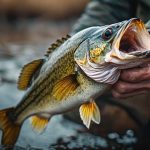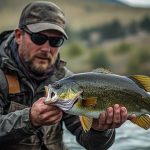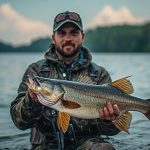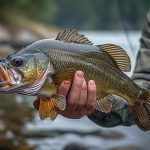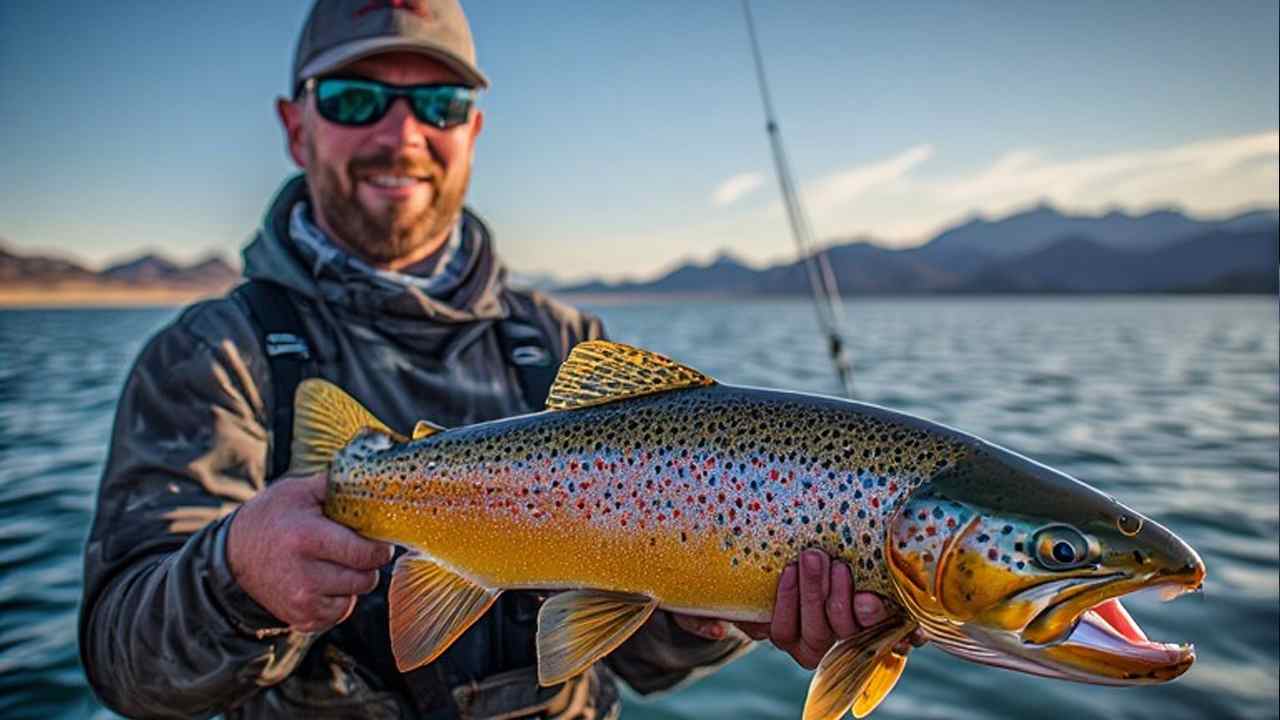
Nevada’s fishing landscape offers moments like these year-round, from high-desert lakes teeming with trout to hidden streams where smallmouth bass lurk beneath cottonwood shade. But here’s the thing—knowing when and where to drop your line makes all the difference between a cooler full of keepers and a day of beautiful scenery with empty hands.
The Silver State’s angling opportunities shift with the seasons like a well-choreographed dance. Winter ice-off brings hungry trout to shallow waters. Summer heat pushes bass into deeper structure. Fall triggers aggressive feeding before the cold sets in. Whether you’re a Las Vegas local escaping the city heat or a visitor chasing trophy Lahontan cutthroat, understanding Nevada’s fishing calendar helps you time your trips perfectly. The state’s conservation-minded approach balances healthy fish populations with accessible recreation, making it friendly for families, first-timers, and seasoned anglers alike.
🗓️ Complete Nevada Fishing Season Dates 2026
| Species | Season Opens | Season Closes | Special Notes |
|---|---|---|---|
| Rainbow Trout (general waters) | January 1 | December 31 | Year-round access in most lakes/rivers |
| Lahontan Cutthroat Trout | April 15 | October 31 | Pyramid Lake and select streams |
| Largemouth Bass | Year-round | Year-round | Catch-and-release encouraged during spawn (March-May) |
| Smallmouth Bass | Year-round | Year-round | Some waters have slot limits |
| Striped Bass | Year-round | Year-round | Lake Mead and Colorado River system |
| Black Crappie | Year-round | Year-round | Spring spawn offers best action |
| Channel Catfish | Year-round | Year-round | Peak activity June-September |
| Walleye | Year-round | Year-round | Night fishing restrictions on some reservoirs |
| Tiger Muskie | Year-round | Year-round | Special permit waters only |
| Kokanee Salmon | July 1 | December 31 | Cave Lake primary destination |
🌅 Seasonal Fishing Breakdown Across Nevada’s Waters
Early Spring Awakening (March-May)
Ice retreats from higher elevations while desert reservoirs warm to ideal temperatures. This transitional period sees rainbow trout staging near inlets as snowmelt brings oxygen-rich water and food sources. Smallmouth bass begin their pre-spawn movements along rocky banks, making them aggressive toward jigs and crankbaits. Anglers targeting Lahontan cutthroat trout should prepare for the April 15 opener at Pyramid Lake—one of Nevada’s signature fishing events where 20-pounders cruise nearshore hunting Tui chubs.
Regulations tighten during spawn periods for certain species. Several managed lakes implement catch-and-release-only rules for bass between mid-March and late May, protecting nesting fish while still allowing angling recreation. Always verify water-specific rules before heading out, as urban ponds near Reno and Las Vegas may have unique creel restrictions designed for family fishing programs.
Peak Summer Action (June-August)
Desert heat drives fish into deeper, cooler zones, but it also unlocks fantastic night fishing opportunities. Striped bass in Lake Mead become nocturnal feeders, ambushing shad schools under cover of darkness. Channel catfish prowl shallow flats after sunset, creating excellent bank-fishing opportunities for kids and beginners. If you’re chasing trout in summer, head for high-country streams and alpine lakes above 7,000 feet where temperatures stay comfortable.
Mid-summer brings special youth fishing derbies and community events across Nevada, often stocked heavily beforehand to ensure action. These family-friendly gatherings introduce the next generation to angling ethics, proper handling techniques, and the simple joy of feeling a fish tug your line.
Fall Transition Period (September-November)
Cooling water temperatures trigger aggressive feeding behavior as fish bulk up before winter. This might be Nevada’s best-kept secret season—crowds thin out after Labor Day, yet the fishing heats up. Largemouth bass chase baitfish with reckless abandon. Trout move shallow again, accessible to shore anglers casting spinners and spoons. Kokanee salmon in Cave Lake turn brilliant red during their autumn spawn, offering spectacular visual fishing even if you practice catch-and-release.
October through November sees excellent walleye fishing at Lake Mead and the Colorado River system, where these toothy predators school up in predictable locations. Vertical jigging with live bait or swimbaits produces consistent results during this window.
Winter Opportunities (December-February)
While ice fishing isn’t as widespread in Nevada as in northern states, select high-elevation lakes freeze solid enough for safe hard-water angling. Cave Lake, Eagle Valley Reservoir, and sections of Wild Horse Reservoir attract ice anglers targeting perch, trout, and crappie. Open-water fisheries in the south remain productive year-round—Lake Mead’s striped bass continue feeding through winter, especially during warm spells when surface temperatures climb into the 50s.
Winter also marks planning season. This is when the Nevada Department of Wildlife announces upcoming stocking schedules, regulation changes, and special-permit application periods for trophy fisheries.
🐟 Game Fish Anglers Target Most
Rainbow Trout dominate Nevada’s freshwater fisheries, thriving in both natural lakes and managed reservoirs. These adaptable fish tolerate varying water conditions and provide year-round action. Most waters enforce a five-fish daily creel, though some urban ponds allow higher limits to encourage harvest. Spring and fall deliver the most consistent trout fishing, when cooler water brings them into casting range. Expect active feeding during overcast days and the first few hours after sunrise. Popular rainbow trout destinations include Wild Horse Reservoir, Comins Lake, and the East Walker River—each offering different angling experiences from float-tubing to wade fishing.
Largemouth Bass rule Nevada’s warm-water fisheries, with Lake Mead producing genuinely impressive specimens exceeding 10 pounds. These structure-oriented predators ambush prey around submerged timber, rocky points, and weed edges. The spawn period from March through May sees males guarding beds in shallow water—visible targets for sight-fishing enthusiasts. While harvest is allowed year-round, many conservation-minded anglers practice catch-and-release during this vulnerable window. Summer bass fishing shifts to early mornings, late evenings, and nighttime hours when fish move shallow to hunt. Topwater lures create explosive strikes under low-light conditions.
Smallmouth Bass occupy Nevada’s rivers and rocky reservoirs, preferring cooler, clearer water than their largemouth cousins. The Humboldt River system and portions of Lake Mohave hold excellent smallmouth populations. These bronze-backed fighters often school together, meaning one catch frequently leads to several more in the same area. Possession limits typically mirror largemouth regulations, though certain waters implement protective slot limits—requiring anglers to release fish between specific size ranges to maintain balanced age structures. Check water-specific rules carefully, as these management tools help sustain quality fishing.
If you’re exploring regulations elsewhere in the West, California fishing regulations offer an interesting comparison to Nevada’s approach, especially regarding trout management strategies in similar high-desert environments.
🦞 Regulated or Special-Permit Fisheries
Nevada protects several unique angling opportunities through limited-entry systems and restrictive harvest rules. Lahontan cutthroat trout—Nevada’s state fish—represents a conservation success story. Once driven to near-extinction, careful management restored populations in Pyramid Lake, Walker Lake, and Independence Lake. These prehistoric trout grow exceptionally large on native forage fish. Special regulations govern their harvest, including gear restrictions (barbless hooks, artificial lures only in some waters) and reduced creel limits compared to rainbow trout.
Tiger muskie fisheries exist in select reservoirs to control rough fish populations while offering trophy angling. These hybrid predators (northern pike × muskellunge) grow rapidly on a diet of carp and other non-game species. Most tiger muskie waters enforce strict regulations: single-fish daily limits, minimum size requirements around 40 inches, and sometimes even advance reservation systems for boat launching during peak periods. Echo Canyon Reservoir exemplifies this management approach, where anglers pursue genuine monster fish while contributing to ecosystem balance.
The Nevada Department of Wildlife occasionally opens application periods for specialty fishing opportunities—guided trips to rarely accessed waters, youth mentor programs pairing beginners with experienced anglers, and heritage fishing events at historically significant locations. These limited-entry experiences create memorable fishing adventures while supporting conservation funding.
🐠 Everyday Fish & Panfish Opportunities
| Species | Typical Creel Approach | Where to Find Them |
|---|---|---|
| Black Crappie | 25-fish combined limit | Wildhorse, Rye Patch, Lahontan Reservoir |
| White Crappie | 25-fish combined limit | Lake Mead, Colorado River backwaters |
| Bluegill | 25-fish limit | Urban ponds, Overton WMA, Floyd Lamb Park |
| Green Sunfish | No specific limit (general panfish) | Small creeks, farm ponds, irrigation channels |
| Yellow Perch | 25-fish limit | Ruby Lake, Cave Lake, South Fork Reservoir |
| Channel Catfish | Generous limits (varies by water) | Las Vegas Wash, Carson River, community ponds |
These species form the backbone of family fishing in Nevada. They inhabit accessible locations, bite readily on simple tackle, and provide excellent table fare. Spring spawning periods concentrate panfish in shallow water, making them perfect targets for young anglers learning the basics. Many community ponds receive regular stocking to maintain abundant populations despite heavy fishing pressure.
🏞️ Stocked Waters & Management Programs
Nevada’s stocking program transforms ordinary ponds and struggling streams into productive fisheries. The state plants millions of trout annually, focusing on urban areas where access matters most. Veterans Memorial Park pond in Boulder City, Sunset Park in Las Vegas, and Sparks Marina in the Reno area receive frequent trout plants throughout cooler months, creating convenient fishing spots for families without boats or specialized gear.
Beyond urban locations, the stocking program supplements natural reproduction in popular reservoirs. Wild Horse Reservoir receives tiger trout—a hybrid known for stunning markings and aggressive behavior. Cave Lake gets kokanee salmon fry to maintain its landlocked salmon population. The East Walker River benefits from fingerling rainbow trout plants that grow to catchable size within the river system.
Anglers can access the Nevada Department of Wildlife’s online stocking report, showing recent plants by water body, date, species, and approximate numbers. This transparency helps you plan trips around fresh fish arrivals—especially valuable when targeting newly stocked trout that haven’t yet developed wariness toward artificial lures.
Youth fishing programs operate statewide, introducing children to angling through clinics, derbies, and mentorship events. These initiatives focus on conservation ethics alongside fishing skills, building the next generation of responsible anglers who appreciate Nevada’s aquatic resources.
🌍 Access Rules: Public vs Private Waterways
- High-Water Mark Rule: Nevada’s unique law allows anglers to access waters up to the natural high-water mark, even when adjacent land is privately owned—provided you reach that point legally (public road, boat launch, designated access point)
- Recognizing Public Entry: Look for Nevada Department of Wildlife signs indicating fishing access areas, boat ramps, and designated parking zones—these mark legal entry points to public waters
- Respecting Private Property: Never cross fenced areas, ignore “No Trespassing” signs, or access waters through private land without explicit permission—violating property rights damages relationships between anglers and landowners
- Stream Access Challenges: Many Nevada streams flow through private ranches—always verify access rights before wading in, as some reaches remain open while adjacent sections are closed to public fishing
- Walk-In Opportunities: The Wildlife Department negotiates walk-in access agreements with private landowners, opening special fishing areas in exchange for habitat improvements and respectful angler behavior
- Urban Water Access: City-managed ponds typically offer free access with ample parking and sometimes even loaner rod programs for visitors—these represent the easiest entry point for beginners
- Reservoir Shorelines: Federal reservoirs like Lake Mead and Lahontan grant public access around the entire shoreline below high-water marks, though launching boats may require permits and fees at designated facilities
Understanding access rights prevents conflicts and preserves fishing opportunities for everyone. When in doubt, contact the local Nevada Department of Wildlife office for clarification on specific water bodies.
🎟️ Nevada Fishing License Overview (Simplified)
- Universal Requirement: Anyone 12 years or older must carry a valid fishing license while angling in Nevada waters, with very limited exceptions for private pond owners fishing their own property
- Resident Benefits: Nevada residents enjoy significantly lower license fees and access to annual permits that cover year-round fishing—residency requires living in-state for at least six consecutive months
- Non-Resident Options: Visitors can purchase short-term licenses (1-day, 3-day, 10-day) that provide full angling privileges without committing to annual costs—perfect for vacation fishing trips
- Youth Anglers: Children under 12 fish free without licenses, though they must still follow all possession limits, size restrictions, and seasonal regulations that apply to adults
- Special Endorsements: Some species and waters require additional stamps or permits beyond the basic fishing license—examples include the Lahontan cutthroat trout stamp for Pyramid Lake fishing
- Military Discounts: Active-duty military personnel stationed in Nevada receive reduced-rate resident licenses regardless of their official state of residence—a thank-you for their service
- Purchase Convenience: Licenses are available online through the Nevada Department of Wildlife website, at sporting goods stores, and at many convenience stores near popular fishing destinations
- Carry Requirements: Keep your license physically with you while fishing (paper copy or accessible on smartphone)—wardens conduct routine checks and appreciate cooperation during inspections
License fees directly fund fisheries management, habitat restoration, public access improvements, and conservation officers who protect Nevada’s aquatic resources. Every purchase contributes to better fishing for current and future generations.
❓ Angler FAQs
When do most Nevada lakes experience ice-off and become fishable in spring?
Lower-elevation desert reservoirs like Lake Mead and Lahontan never freeze and fish year-round. Mid-elevation waters (4,000-6,000 feet) typically shed ice by late March or early April. High-country alpine lakes above 8,000 feet may stay frozen until May or even June depending on winter snowpack. Always check current conditions before making long drives to remote waters.
Can I keep Lahontan cutthroat trout, or is it entirely catch-and-release?
Harvest is permitted with restrictions. At Pyramid Lake, anglers may keep two Lahontans per day with a minimum size limit of 18 inches. Other waters like Walker Lake implement zero-harvest rules to protect rebuilding populations. Always verify the specific regulations for the water you’re fishing—rules exist to balance angling opportunity with conservation needs.
What’s the best time of day for summer bass fishing in Nevada’s heat?
Early morning (dawn until 9 AM) and late evening (two hours before sunset through dark) produce the most action when temperatures soar. Many experienced bass anglers shift to night fishing during July and August, when fish feed aggressively in shallow water under cover of darkness. Topwater lures create thrilling strikes you can hear even if you can’t see them.
Are there any free fishing days when I don’t need a license?
Nevada typically designates two free fishing days annually, often around National Fishing and Boating Week in June and another in fall. During these events, all residents and non-residents can fish without licenses, though regular possession limits and other rules still apply. These days aim to introduce newcomers to angling without financial barriers.
Do I need a boat to catch fish in Nevada, or is shore fishing productive?
Plenty of quality shore-fishing opportunities exist throughout Nevada. Urban ponds, Washoe Lake, Lahontan Reservoir, sections of the Colorado River, and numerous community access areas provide bank access. While boats open up more water, patient shore anglers using appropriate tactics catch plenty of fish. Focus on areas with structure like rocky points, inlet streams, and docks.
How do Nevada’s trout possession limits work—is it five fish total or five per day?
The five-trout limit represents possession, not daily catch. Once you have five trout in your possession (in cooler, cleaned at camp, or at home), you cannot legally catch more until you’ve consumed or given away some of those fish. This prevents freezer-filling and ensures sustainable harvest. Some anglers practice catch-and-release on abundant days to stay within limits while enjoying extended fishing.
What should I do if I accidentally catch an endangered fish species?
Nevada’s waters harbor protected species including certain suckers and chubs. If you hook something you don’t recognize, handle it gently with wet hands, remove the hook quickly (cut the line if deeply hooked), and release it immediately. Take a photo if possible and report the encounter to the Nevada Department of Wildlife—your information helps biologists track population distributions.
🗺️ Where to Fish This Year
The Nevada Department of Wildlife’s interactive fishing map provides comprehensive details on every public water body—species present, access points, facilities, and current regulations. This digital resource beats any printed guide because it receives real-time updates reflecting changing conditions and new rules.
For first-time visitors, Lake Mead offers diversity unmatched elsewhere in Nevada. This massive reservoir straddling the Nevada-Arizona border holds largemouth bass, smallmouth bass, striped bass, channel catfish, bluegill, and even rainbow trout during cooler months. Multiple marinas, hundreds of miles of shoreline, and both developed and primitive camping create a complete fishing destination. Spring and fall deliver the most comfortable weather, though dedicated anglers find action year-round.
Pyramid Lake, located 40 minutes northeast of Reno, represents a bucket-list destination for serious anglers. This ancient remnant of prehistoric Lake Lahontan holds the Lahontan cutthroat trout, which grow to extraordinary sizes. Wade fishing from sandy beaches or launching small boats both produce results. The season runs April through October with special permit requirements and gear restrictions—but landing a 15-pound native trout makes every rule worthwhile.
Wild Horse Reservoir in northeastern Nevada flies under the radar compared to more famous waters. This high-desert impoundment holds rainbow trout, tiger trout, perch, and crappie. The remote location means lighter fishing pressure and stunning scenery. Primitive camping around the shoreline lets you wake up steps from your favorite fishing spot. Ice fishing happens here during winters with sufficient freeze-up.
Urban anglers shouldn’t overlook community ponds receiving regular trout plants. Sunset Park in Las Vegas, Floyd Lamb Park at Tule Springs, and Sparks Marina all provide convenient fishing within city limits. These waters serve families perfectly—short drives, facilities like restrooms and playgrounds, and stocking schedules designed to ensure catches. Consider exploring similar Colorado fishing regulations if you’re planning a multi-state fishing trip through the mountain west.
The East Walker River and portions of the Truckee River offer stream fishing for anglers who prefer moving water to stillwater lakes. These rivers hold resident trout populations supplemented by stocking. Fly fishing becomes particularly effective during spring and fall hatches, though spin anglers catch plenty using small spinners and spoons. Access points dot both rivers, though be mindful of private property boundaries.
✅ Final Thoughts
Nevada’s 2026 angling seasons offer something for everyone, from high-country trout streams to desert bass reservoirs that fish year-round. Most species remain open all twelve months, with special regulations protecting Lahontan cutthroat trout (April 15-October 31 at Pyramid Lake) and kokanee salmon (July 1-December 31 at Cave Lake). Daily possession limits vary by species and water body—typically five trout, though bass and panfish follow different creel rules designed to balance harvest with sustainable populations. Whether you’re casting for stripers at Lake Mead, targeting spring crappie at Wildhorse, or wading Pyramid Lake’s historic shores for trophy cutthroat, understanding seasonal patterns and current regulations sets you up for success. The state’s extensive stocking program, public access improvements, and conservation-focused management ensure that Nevada’s fisheries remain healthy and accessible for generations to come.

- Wyoming Fishing Regulations 2026: State Rules & Management Areas - February 16, 2026
- Wisconsin Fishing Regulations by Zone 2026: Seasons & Size Limits - February 16, 2026
- West Virginia Fishing Regulations 2026: Stream & Lake Rules - February 16, 2026