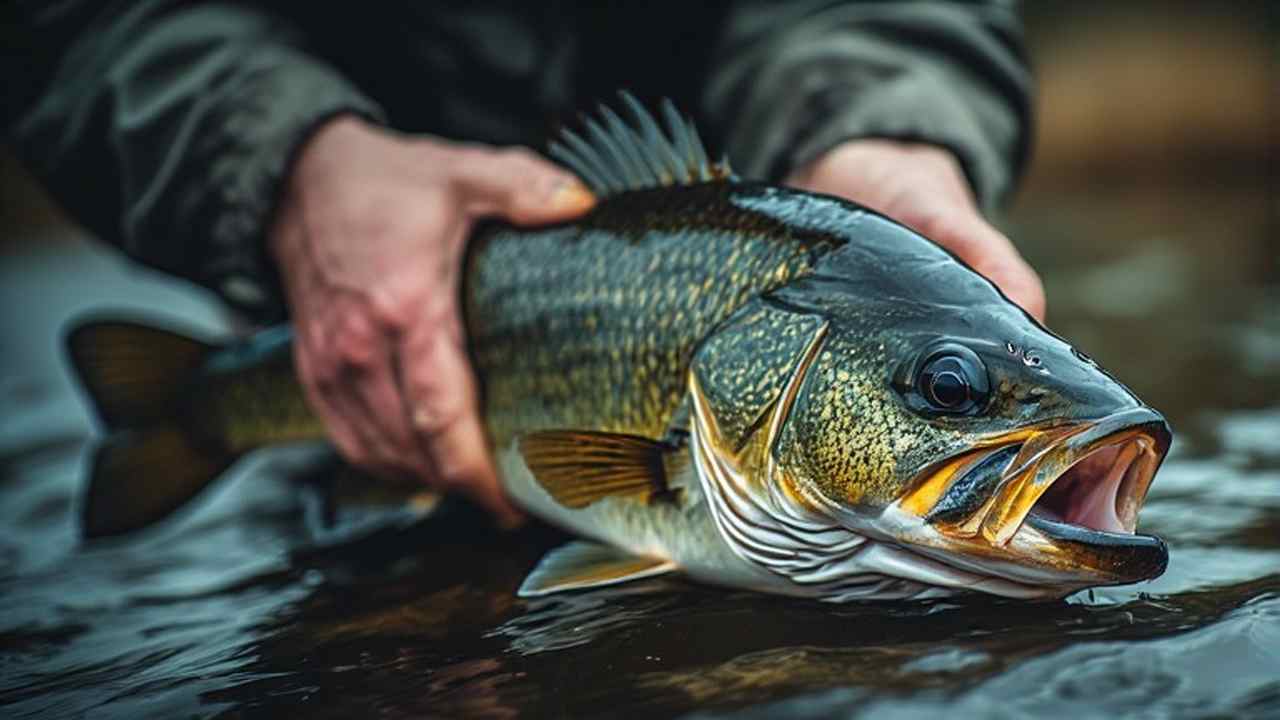
New Jersey—a state many overlook as a fishing destination, yet it holds some of the Mid-Atlantic’s most rewarding angling opportunities.
From the Delaware River’s wild rapids to the serene ponds of the Pine Barrens, the Garden State offers year-round fishing adventures shaped by thoughtful conservation and accessible public waters. Whether you’re a first-timer learning to cast or a seasoned angler chasing trophy bass, understanding New Jersey’s seasonal rhythms and creel rules makes all the difference. The state’s Division of Fish and Wildlife works tirelessly to balance healthy fish populations with angler access, stocking thousands of trout annually and managing warmwater fisheries that thrive in our humid summers.
This guide walks you through everything you need to know for 2026: when waters open for specific species, possession limits that protect breeding populations, and where to find those hidden gems that locals guard like family recipes. Let’s dive in.
🗓️ Complete New Jersey Fishing Season Dates 2026
| Species | Season Opens | Season Closes | Special Notes |
|---|---|---|---|
| Trout (Stocked Waters) | April 5, 2026 (Opening Day) | Ongoing (catch & release after June 15 in some streams) | Two-fish daily limit through June 14; varies afterward |
| Bass (Largemouth/Smallmouth) | Year-round | N/A | Catch & release only: Jan 1 – June 13; harvest season begins June 14 |
| Striped Bass | March 1, 2026 | December 31, 2026 | Slot limits apply (28″–38″ harvestable) |
| Channel Catfish | Year-round | Year-round | No closed season; bag limits vary by water body |
| Northern Pike | Year-round | Year-round | Size and creel limits enforced |
| Walleye | March 1, 2026 | Year-round | Length restrictions on select waters |
| Muskellunge | Year-round | Year-round | Highly regulated; 54″ minimum in most waters |
| Panfish (Crappie, Sunfish) | Year-round | Year-round | Liberal limits; great for families |
| American Shad | April 1, 2026 | May 31, 2026 | Delaware River only; catch & release encouraged |
🌸 Seasonal Fishing Breakdown Across the Garden State
Early Spring (March–May)
- What’s Happening: Spring is New Jersey’s most celebrated fishing period. Trout stocking begins in late March, culminating in the much-anticipated April 5 Opening Day, when thousands of anglers line stream banks statewide. Brook, brown, and rainbow trout dominate headlines, especially in North Jersey’s tailwaters like the Musconetcong and Pequest Rivers.
- Regulations to Watch: The first six weeks allow a generous two-trout daily limit in stocked waters. After mid-June, many streams transition to catch-and-release or reduced creel limits to protect holdover fish through summer heat.
- Bonus Opportunities: Early spring also marks the shad run on the Delaware River—a thrilling sight-fishing experience where silvery fish leap and thrash. Though American shad fishing is now catch-and-release only to aid population recovery, it’s a bucket-list event for fly anglers. Learn more about neighboring state rules through resources like Pennsylvania’s fishing guidelines for cross-border trips.
Peak Summer (June–August)
- What’s Happening: As temperatures climb, warmwater species take center stage. Largemouth and smallmouth bass enter their harvest season starting June 14, and this is prime time for topwater action at dawn and dusk. Catfish prowl the Raritan, Passaic, and Delaware after dark, while pike and pickerel ambush prey in weedy coves.
- Regulations to Watch: Bass anglers must release all catches before mid-June to protect spawning fish. Once the season opens, possession limits typically allow five bass per day (combined largemouth and smallmouth), but always verify specific lake regulations—some managed waters impose stricter creel rules.
- Where to Go: Urban anglers love summer panfishing at places like Mercer Lake or Cooper River, where bluegill and crappie are abundant and kid-friendly.
Fall Transition (September–November)
- What’s Happening: Autumn paints New Jersey’s woodlands in burnt orange and crimson, and the fishing matches that intensity. Trout get a second life as the state restocks select waters in October, offering another chance at cold-water action. Meanwhile, bass fatten up for winter, aggressively feeding on shad and minnows.
- Regulations to Watch: Fall trout stocking follows different rules than spring—some waters allow harvest, others remain catch-and-release zones. Check the NJ Division of Fish and Wildlife stocking schedule before heading out.
- Hybrid Striped Bass: Fall is also when hybrid stripers (a cross between striped bass and white bass) become exceptionally active in reservoirs like Spruce Run and Round Valley. These hard-fighting fish have specific slot limits, so measure carefully before keeping one.
Winter (December–February)
- What’s Happening: Don’t pack away your gear just yet. New Jersey’s winter fishery surprises many. Ice fishing isn’t common due to unpredictable freeze patterns, but open-water anglers can target pickerel, yellow perch, and chain pickerel in southern lakes that rarely ice over. Trout fishing continues year-round in tailwaters where cold releases from reservoirs maintain ideal temperatures.
- Regulations to Watch: Bass are catch-and-release only again from January 1, protecting pre-spawn fish. Winter is a contemplative, low-pressure season—perfect for honing technique without the crowds.
🐟 Game Fish Anglers Target Most
Largemouth & Smallmouth Bass
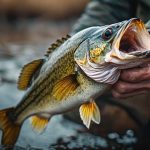
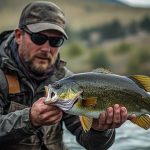
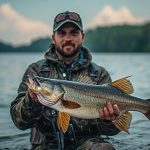
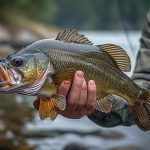
New Jersey’s bass fishery rivals any in the Northeast. Largemouth bass dominate shallow, weedy lakes and ponds—think lily pad edges at sunset, where a buzzbait draws explosive strikes. Smallmouth bass prefer rocky, current-driven environments like the Delaware River and Greenwood Lake, where they leap acrobatically when hooked.
The state enforces a catch-and-release period from January through mid-June to let bass spawn undisturbed. Come June 14, the harvest season begins with a five-fish daily limit (no more than two over 15 inches on some trophy waters). This balance keeps populations robust while allowing anglers to bring home a meal. If you’re exploring bass fishing across multiple states, check out Connecticut’s bass seasons for nearby adventures.
Trout (Rainbow, Brown, Brook)
Trout are New Jersey’s flagship species. The state stocks over 600,000 trout annually in more than 200 streams, rivers, and lakes, creating opportunities from Bergen County suburbs to Sussex County’s forested hills. Rainbow trout dominate stocking lists due to their resilience and aggressive feeding, but wild brown and brook trout persist in remote headwaters.
Opening Day in early April is a cultural phenomenon—families camp overnight at trailheads, coffee thermoses in hand, waiting for the 8 a.m. start. Post-June 15, many waters shift to year-round trout fishing with modified limits, rewarding anglers who adapt to low, clear summer flows.
Northern Pike & Muskellunge
For anglers craving apex predators, New Jersey offers both northern pike and the elusive muskellunge (muskie). Pike inhabit lakes like Swartswood and Hopatcong, averaging 24–36 inches with occasional bruisers topping 40 inches. They’re year-round targets with modest size limits.
Muskie fishing is a different beast entirely. These “fish of 10,000 casts” require patience, heavy tackle, and respect for strict regulations—most waters mandate a 54-inch minimum length. Only a handful of muskies are caught annually, making each one a trophy. Monksville Reservoir and the Delaware River are your best bets.
Walleye & Channel Catfish
Walleye thrive in deeper reservoirs like Greenwood and Wanaque, especially during spring and fall low-light periods. They’re prized for their delicate, flaky meat, and possession limits reflect careful management—often three to five fish depending on the lake.
Catfish, meanwhile, are the unsung heroes of New Jersey angling. Channel cats inhabit nearly every river system, offering reliable action year-round. They’re perfect for beginners—simple bait (chicken liver, nightcrawlers), forgiving tackle, and strong fights. Urban rivers like the Passaic produce surprising numbers of 5–10 pound cats, even within sight of Newark’s skyline.
🦞 Regulated or Special-Permit Fisheries
Striped Bass & Hybrid Stripers
Striped bass are New Jersey’s coastal celebrities, migrating up tidal rivers and haunting the Atlantic surf. In 2026, the harvest slot remains 28 to 38 inches, protecting both juvenile and trophy breeding stock. Only one fish per day may be kept, a rule that’s helped Atlantic striped bass populations stabilize after decades of overfishing.
Hybrid stripers (often called “wipers”) are stocked in select inland reservoirs and fight like freight trains. They don’t reproduce naturally, so the state maintains populations through annual stocking. Check specific reservoir regulations—some allow two hybrids daily, others just one.
American Shad Conservation
The Delaware River’s shad run was once legendary, drawing commercial fisheries and subsistence anglers alike. Today, shad are protected under catch-and-release rules due to population declines linked to dam construction and habitat loss. Anglers can still enjoy the challenge during the April–May window, using light tackle and small darts to fool these spirited fish. It’s fishing with a conservation conscience—every released shad gets another chance to spawn.
Lake-Specific Trophy Programs
Certain waters are managed for trophy fish, meaning stricter limits and size requirements. For example, Union Lake in Cumberland County enforces special bass regulations to grow larger fish. Always consult the NJ Fishing Regulations Digest before visiting unfamiliar waters—ignorance isn’t an excuse if a conservation officer checks your creel.
🐠 Everyday Fish & Panfish Opportunities
| Species | Typical Creel Limit | Where to Find Them |
|---|---|---|
| Bluegill | 25 per day | Ponds, slow rivers, coves |
| Crappie (Black/White) | 25 per day | Marinas, brush piles, docks |
| Yellow Perch | 25 per day | Deep lakes, piers in winter |
| Rock Bass | No limit (in most waters) | Rocky streams, rip-rap |
| Sunfish (Pumpkinseed, Redear) | 25 per day (combined) | Shallow weedy areas |
| Chain Pickerel | 5 per day | Weedy ponds, southern lakes |
| White Perch | 25 per day | Tidal rivers, brackish zones |
Panfish are New Jersey’s gateway drug to angling. They’re abundant, bite eagerly on worms or tiny jigs, and taste fantastic in a shore-lunch fry-up. Kids master the basics hauling in hand-sized bluegills, while adults appreciate the meditative rhythm of bobber-watching on a lazy Saturday.
🏞️ Stocked Waters & Management Programs
New Jersey’s trout stocking program is the backbone of its spring fishery. The state operates three fish hatcheries—Hackettstown, Pequest, and Oxford—raising hundreds of thousands of trout annually. Stocking schedules are published online weekly during the season, creating a cat-and-mouse game where savvy anglers follow the trucks.
Beyond trout, the Division of Fish and Wildlife stocks hybrid striped bass, channel catfish, and even walleye in select waters. Urban fishing initiatives bring fishing to cities: Echo Lake in Union County, Mercer Lake in Mercer County, and Newton Lake in Camden are stocked regularly to give city kids a shot at hooking a fish without traveling hours.
Youth fishing events are plentiful—many counties host “Kids’ Fishing Days” where pre-stocked ponds guarantee action, and volunteers teach knot-tying, casting, and fish handling. It’s community-building through conservation.
For detailed stocking locations and schedules, visit the New Jersey Fish and Wildlife official site, your go-to authority for real-time updates.
🌍 Access Rules: Public vs Private Waterways
- Public Waters: New Jersey offers generous public access through state parks, Wildlife Management Areas (WMAs), and county parks. The Delaware River, for instance, has dozens of public boat ramps and shore fishing spots from the Water Gap to Trenton.
- Identifying Access Points: Look for green-and-white “Public Fishing Access” signs or consult the NJ Fish and Wildlife website’s interactive map. Many WMAs allow fishing along stream corridors even when upland areas are restricted during hunting seasons.
- Private Property: Respect is non-negotiable. If land isn’t clearly marked as public, assume it’s private. Trespassing damages the sport’s reputation and can result in fines. When in doubt, knock on a farmhouse door and ask—many landowners will grant permission if you’re polite and promise to pack out trash.
- Tidal and Navigable Waters: New Jersey law allows anglers to access tidal waters below the high-tide mark, even if adjacent land is private. This applies to places like the Mullica River and coastal tidal creeks. Wade carefully and avoid trampling marsh grasses—these ecosystems are fragile.
- Special Regulations: Some waters are “Trout Conservation Areas” with fly-fishing-only or catch-and-release rules. Others are “Year-Round Trout Waters” with modified limits. Always check before casting—signage at parking areas usually spells out the rules, but the digest is your ultimate reference.
🎟️ New Jersey Fishing License Overview
- Who Needs One: Anyone 16 or older fishing New Jersey’s freshwaters or tidal/marine waters must carry a valid fishing license. Exceptions include residents under 16, anglers with disabilities (with proper documentation), and licensed fishing guides’ clients under supervision.
- Resident vs Non-Resident: New Jersey residents pay significantly less. If you’ve lived in the state for six months or maintain a permanent address, you qualify for resident rates. Non-residents pay roughly double but gain access to the same waters.
- License Types: Options include annual licenses (valid January 1–December 31), 7-day tourist licenses perfect for visitors, and single-day licenses for spontaneous trips. A trout stamp is required to fish trout-stocked waters during stocking season (typically April–May).
- Youth & Senior Programs: Under-16s fish free—no license needed. Seniors 65+ get discounted resident licenses. Active military members stationed in New Jersey receive free licenses upon request.
- Special Endorsements: Beyond the base license, you may need additional stamps depending on your target species. The trout stamp is mandatory for early-season trout fishing. If targeting striped bass or other marine species in tidal zones, a saltwater registry (free) is required.
- Where to Buy: Purchase online through the NJ Division of Fish and Wildlife website, at sporting goods retailers (Dick’s, Bass Pro Shops), or at town clerk offices. Digital licenses on your smartphone are accepted by conservation officers.
❓ Angler FAQs
Can I fish opening day without prior experience?
Absolutely! Opening day is chaotic but welcoming. Arrive early, watch experienced anglers, and don’t hesitate to ask questions. Locals often share tips—or at least a sympathetic nod when your line tangles for the third time.
What’s the deal with catch-and-release bass season?
From January 1 through June 13, all bass must be released immediately to protect spawning fish. This regulation has dramatically improved bass sizes and populations. Come mid-June, harvest is allowed, but many trophy hunters release big fish voluntarily to keep the fishery strong.
Do I need a boat to fish New Jersey effectively?
Not at all. Countless streams, rivers, and ponds offer excellent shore access. The D&R Canal provides miles of walkable towpath fishing for bass, catfish, and carp. Many reservoirs have fishing piers and shoreline trails. Kayaks or canoes open up additional spots, but they’re optional, not essential.
Are there family-friendly places for beginners?
Yes! County parks like Echo Lake (Union), Mercer Lake (Mercer), and Colliers Mills WMA (Ocean) are perfect. They’re heavily stocked, have easy parking, and see lots of kid-friendly panfish action. Many host free youth fishing clinics on weekends.
How do slot limits work for striped bass?
New Jersey’s striped bass slot limit (28″–38″) means you can only keep fish within that size range—nothing smaller, nothing larger. This protects juvenile fish (under 28″) and trophy breeders (over 38″), ensuring future generations.
Can I fish the Delaware River year-round?
Yes, the Delaware offers year-round fishing. However, species regulations vary: trout in certain sections have seasonal rules, while smallmouth bass follow the statewide catch-and-release period through mid-June. Shad fishing is limited to spring.
What happens if I’m caught without a license?
Conservation officers patrol popular waters, especially on opening day. Fishing without a license carries fines starting around $100 for first offenses, plus court fees. It’s cheaper—and ethical—to buy a license.
🗺️ Where to Fish This Year
New Jersey’s diverse geography creates fishing microclimates, each with its own character. Up north, Lake Hopatcong reigns as the state’s largest lake, offering bass, pickerel, and panfish amid summer boat traffic and cozy shoreline cottages. It’s bustling and social—bring a cooler and make it a day.
For solitude, drive west to the Paulinskill River in Sussex County, a tumbling freestone stream where wild brown trout hide beneath undercut banks. It’s tight-quarters casting through hemlocks, the kind of fishing where a perfect drift matters more than expensive gear.
Central Jersey’s Round Valley Reservoir is a trophy hunter’s playground. This deep, cold-water impoundment holds lake trout that grow to double-digit pounds, plus smallmouth bass that ambush baitfish along rocky points. It’s worth renting a boat to explore its vastness, though shore fishing near the spillway produces, too.
Down south, the Mullica River winds through the Pine Barrens’ tea-colored waters, stained by cedar tannins. It’s hauntingly beautiful and holds chain pickerel, largemouth bass, and the occasional bowfin—a prehistoric-looking fish that fights like a freight train. Launch a kayak at Atsion Lake and drift downstream; you’ll feel like you’ve time-traveled.
For updated access maps, stocking reports, and seasonal tips, bookmark the New Jersey Fish and Wildlife maps portal—it’s free, interactive, and far better than relying on outdated guidebooks.
✅ Final Thoughts
New Jersey’s 2026 angling season is a testament to smart conservation meeting public access. From the April 5 trout opener that kicks off spring in a frenzy of bobbers and laughter, to the bass harvest season starting June 14, to the quiet beauty of fall trout restocking, the Garden State offers something for every angler.
Key regulations shape your year: respect the catch-and-release bass period through mid-June, adhere to the 28″–38″ striped bass slot limit, and always carry your trout stamp during spring stocking season. Whether you’re targeting trophy muskies in Monksville, teaching a child to hook bluegills at Mercer Lake, or swinging flies for shad on the Delaware, these rules protect the resource we all cherish.
New Jersey may not have Montana’s trout rivers or Florida’s tarpon flats, but its fishing punches well above its weight. Public access is generous, stocking programs are robust, and the sheer variety—from tidal stripers to mountain brook trout—keeps anglers coming back. Grab your license, check the stocking schedule, and find your own dawn-lit reservoir moment. Tight lines. 🎣
If you’re planning trips beyond New Jersey, explore angling opportunities in nearby Delaware’s fishing waters or venture south to discover Maryland’s Chesapeake fisheries for additional Mid-Atlantic adventures.

- Wyoming Fishing Regulations 2026: State Rules & Management Areas - February 16, 2026
- Wisconsin Fishing Regulations by Zone 2026: Seasons & Size Limits - February 16, 2026
- West Virginia Fishing Regulations 2026: Stream & Lake Rules - February 16, 2026