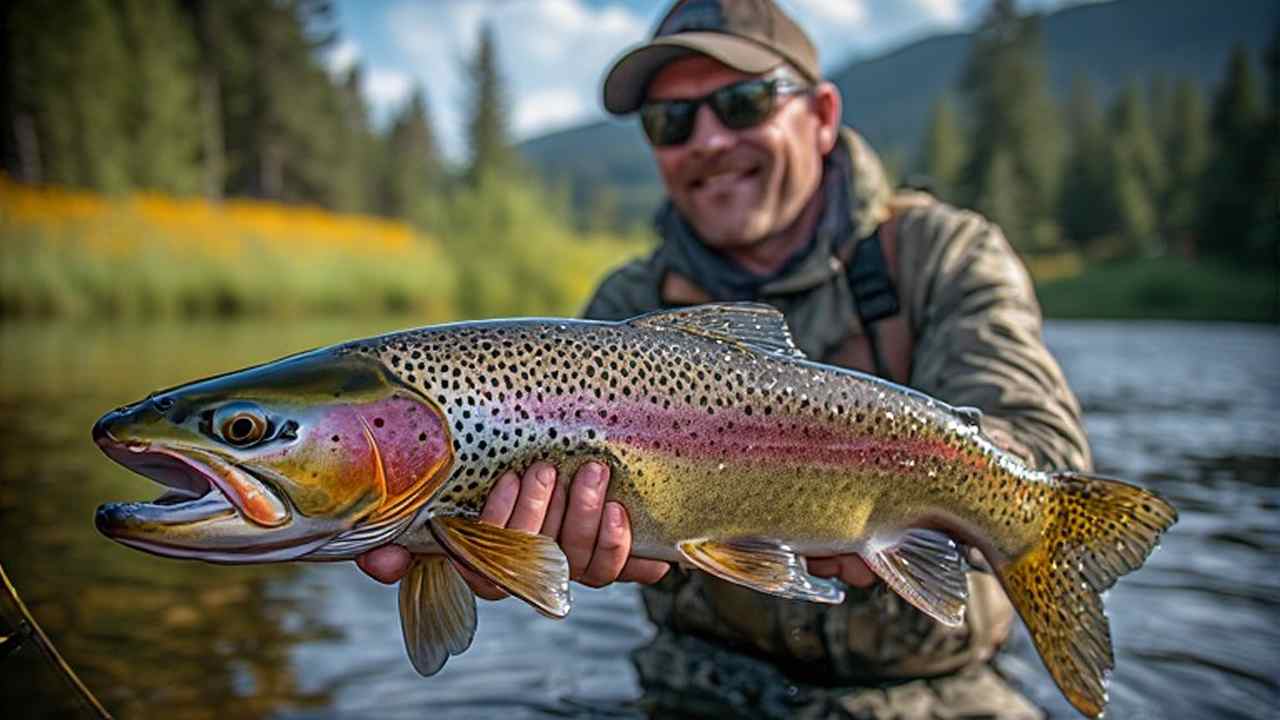
The first time you watch a Montana river shake off winter, it feels like the whole state exhales. One week the banks are rimmed with ice and the cottonwoods are still asleep; the next week there’s runoff noise in the background and a few brave anglers taking careful steps along muddy access trails, coffee steaming in the cold. 🎣
That’s the rhythm here: fishing changes as the landscape changes. Spring can mean cold-water trout windows (and a few closures to protect spawning fish). Summer brings long, early mornings on reservoirs and rivers—plus heat-related stress rules on some waters. Fall is pure magic: crisp air, golden hillsides, and fish that suddenly act like they’ve got somewhere to be. Winter? In many places, it’s still game on—especially across Central and Eastern Montana where “open all year” is more than a slogan. 🐟
If you’re visiting, the good news is Montana is pretty welcoming to newcomers—as long as you treat the regulations like part of the adventure. Licensing is straightforward, conservation is front-and-center, and the state’s system is built around fishing districts and “exceptions,” meaning the general season rules are only step one.
Complete Montana Fishing Season Dates 2026 in Table
Montana organizes “what’s open” mainly by district and water type. Think of this as your quick-glance planning board before you drill into a specific river or lake’s exception rules.
| Fishing area type | General open window (2026 regs context) | What to double-check before you cast |
|---|---|---|
| Western District rivers & streams | Open from the third Saturday in May through Nov 30 (unless an exception says otherwise) | Special closures, gear restrictions (often “artificial lures only”), or short catch-and-release windows |
| Western District lakes & reservoirs | Open all year | Lake-specific limits, invasive-species rules, and any special management regs |
| Central District rivers & streams | Open all year (unless an exception says otherwise) | Thermal/low-flow advisories, special harvest rules, and unique water listings |
| Central District lakes & reservoirs | Open all year | Species-specific creel rules and special regs for managed lakes |
| Eastern District rivers & streams | Open all year | Paddlefish areas, special tags, and listed exceptions |
| Eastern District lakes & reservoirs | Open all year | Reservoir-specific rules and species management changes |
Practical takeaway: Montana is a “start with the district, then confirm exceptions” state. That’s not red tape—it’s how the best fisheries stay great. 🐠
🗓️ Seasonal Fishing Breakdown
Early Spring: the “cold fingers, hot hope” season 🎣
- Focus on lakes and reservoirs first, especially in the West where many still fish year-round even when rivers aren’t fully open under the general stream season.
- Expect trout activity to be moody: short feeding windows, slower presentations, and big rewards for patience.
- Watch for spring protection periods on select waters (temporary closures or restricted gear) meant to reduce stress during spawning or sensitive flow conditions.
- If you’re a beginner, early spring is perfect for learning clean hooksets and fish handling—cold water helps fish recover, but only if you keep them wet and quick at release. 🐟
Peak Summer: long days, early alarms, and shifting tactics 🐟
- Rivers can fish wonderfully—until heat arrives. Plan your day around cool mornings and avoid pushing fish hard in warm afternoons.
- Warmwater species (where present) get more consistent now, and reservoir shorelines can be excellent for casual anglers.
- Typical regulation “gotchas” in summer:
- Water-specific rules that shift possession limits for certain species
- “Artificial-only” stretches designed to protect heavily pressured trout water
- Managed lakes that may have special creel rules or size structures
- This is the season for family-friendly fishing areas: easier banks, picnic-friendly access, and stocked options that keep things fun when the bite is slow. 🐠
Fall Transition: when the state turns gold and the fishing turns serious 🦞
- Trout and predators often feed more aggressively as daylight shortens.
- Fall is also when some waters become more sensitive—spawning runs, changing flows, and pressure from traveling anglers.
- Look for special catch-and-release periods or water-specific protection rules. If a stretch is listed under exceptions, it overrides the district standard.
- Practical pro-tip: fall success in Montana is less about fancy gear and more about reading the day—cloud cover, wind, and water clarity can change everything in an hour.
Winter: quiet water, careful steps, and surprising opportunities 🦈
- Central and Eastern Montana being open all year creates real winter options—especially on larger rivers and reservoirs.
- Ice edges and shelf ice mean safety matters as much as technique.
- Regulations still apply normally (limits, tackle rules, exceptions), and winter is when having the right map/access plan keeps you from wandering onto closed or unsafe areas.
🐟 Game Fish Anglers Target Most
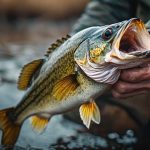
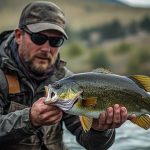
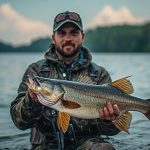
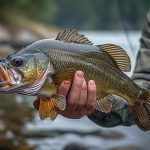
Bass: Montana isn’t primarily a bass state in the way the Deep South is, but warmwater fisheries exist—especially in reservoirs and select waters where summer patterns shine. Bass are most dependable when the water warms and stabilizes. Limits vary by water, so think “check the local creel rules” rather than assuming one statewide standard. Lakes, weedy bays, and warmer reservoirs are your usual playing field.
Trout: This is Montana’s heartbeat. Trout can be active nearly any time you can safely access water, but the type of action changes: spring and fall can bring strong feeding windows; summer can be outstanding if temperatures cooperate; winter can be quietly productive in open areas. You’ll commonly see regulations aimed at protecting wild fish—gear restrictions, special release rules, and water-specific harvest limits. Rivers, spring-creek style waters, and stocked lakes all play a role.
Pike / Muskie: Northern pike are a real option in parts of the state, especially where shallow bays, vegetation edges, and reservoir structure set up classic ambush lanes. Activity often peaks during warmer seasons and transition periods. These fish are managed carefully in certain places, and some waters may have unique rules—so always confirm possession limits before keeping one.
Walleye / Catfish (where applicable): Walleye opportunities are meaningful in several Montana reservoirs and larger systems, and they can be a highlight for visitors who want something besides trout. They’re often most cooperative in low-light windows and shoulder seasons. Catfish exist in some waters too; the main idea is the same: reservoir and big-river anglers should treat each water as its own ruleset.
🦞 Regulated or Special-Permit Fisheries
Some Montana fishing is intentionally restricted—not to make your trip harder, but to keep rare or vulnerable fish populations from being loved to death.
Here are two big examples that visitors should know:
| Special fishery | What makes it different | What you must have / do |
|---|---|---|
| Bull Trout | Most waters are closed to intentional fishing for bull trout because the species is federally listed as threatened | Only a few Western District waters allow it, and you must carry a Bull Trout Catch Card for the specific area you choose |
| Paddlefish | Unique seasons with harvest tags tied to specific areas | You choose one tag area/season style and must follow mandatory reporting rules and tag validation requirements |
If you’re new: don’t be intimidated. Just treat these like a “special trail permit” in a national park—extra structure because the resource is extra special. 🐟
🐠 Everyday Fish & Panfish Opportunities
This table is meant to be “what can I catch when I just want steady action” rather than a trophy roadmap.
| Everyday species | Typical creel-limit style (varies by water) | Commonly found in |
|---|---|---|
| Perch | Often managed with a daily take allowance | Prairie reservoirs, weedy flats, deeper basin edges |
| Bluegill / sunfish types | Usually “family-friendly” harvest rules | Warm bays, ponds, community/urban waters |
| Crappie | Often set up with water-specific limits | Reservoir coves, submerged timber zones |
| Suckers / non-game fish (where legal to keep) | Often less restrictive but still regulated | Rivers, tributary mouths, current seams |
Reminder: Montana does use district standards, but exceptions can change the story fast on a specific lake. 🐠
🏞️ Stocked Waters & Management Programs
Montana’s stocking system is a tool—used carefully—especially when wild trout already thrive in a river system. The most helpful way to think about stocking is: it often supports managed lakes and reservoirs, some smaller waters, and “easier access” places that help beginners and kids get consistent bites.
If you want to plan a low-stress day, use Montana’s official stocking databases and reports to see what’s been planted and where. Two good starting points:
- Stocking hub and hatchery info
- Searchable stocking records tool (waterbody-based)
That’s especially useful if you’re traveling and want a “Plan B pond” when rivers run high or turn silty. 🎣
🌍 Access Rules: Public vs Private Waterways
- Montana access often comes down to knowing your entry point, not just the water itself.
- Start by identifying whether you’re stepping in from:
- A signed public fishing access site
- A public road right-of-way (rules vary—confirm locally)
- A trail or easement that legally reaches the water
- Use official mapping tools and published access sites whenever possible to locate public access waters.
- If a bank is posted or clearly managed privately, treat it like someone’s front yard—don’t “sneak in” because the river looks tempting.
- Leave gates as you find them, follow signage, and keep noise low near homes and ranch operations.
- When in doubt, pick a different spot. Montana has enough water that you can almost always find an alternative with a better welcome. 🐟
🎟️ Montana Fishing License Overview (Simplified) (listicle only)
- A fishing license is required for anyone 12 or older fishing Montana state waters.
- Most anglers will need:
- A Conservation License
- A Base Fishing License
- An AIS prevention pass to support aquatic invasive species work
(Montana explains these as the typical package for anglers.)
- Youth 11 and under can fish without the standard licenses, but must still follow limits and regulations.
- Residents and nonresidents have different options, including short-term passes designed for visitors or quick trips.
- Licenses generally align with a season window that runs March 1 through the end of February of the following year.
- Certain opportunities (like bull trout in designated waters or paddlefish) may require special documents/tags/catch cards beyond the standard fishing license.
Internal reading idea (if you’re comparing travel fishing plans): check how another state lays things out in this guide to get a feel for different regulation styles—Colorado’s fishing regulation overview.
❓ Angler FAQs
Do I have to stop fishing at night?
Many Montana waters allow fishing at all hours during open seasons, but exceptions exist—always confirm your specific water listing.
If a river is open in my district, can it still be closed?
Yes. District standards are the baseline; exceptions for individual waters can shorten seasons, change gear rules, or add closures.
I’m visiting for a long weekend—what’s the easiest legal setup?
A short-term nonresident option plus the required add-ons (conservation and invasive species prevention) is commonly used; confirm what applies to your age and trip length.
Can I target bull trout if I accidentally catch one elsewhere?
Most waters are closed to intentional bull trout fishing; only specific waters allow it and require a catch card for the area you choose.
Where do I find out what’s been stocked recently?
Use Montana’s stocking information pages and the searchable plant/stocking database by waterbody.
Do “artificial lures only” rules mean I can still use scented soft plastics?
On many systems, “artificial only” is intended to exclude live or dead bait; check the specific regulation wording for the water you’re fishing.
Is there one single statewide limit for every species?
Not usually. Montana relies on district standards plus water-by-water exceptions, so possession limits and creel rules can differ.
🗺️ Where to Fish This Year
If you’re picking Montana waters for 2026, imagine building a “three-chapter” trip: one iconic big-water day, one scenic river day, and one easy-access backup day.
For the big-water chapter, Flathead Lake has that expansive, wind-and-light feeling that makes the West feel truly western. It’s the kind of place where you can start the morning glass-calm and end it with whitecaps—so plan with weather humility.
For a river chapter, the Missouri River below major dams has a reputation for consistency and technical trout fishing. It’s also the kind of water where local etiquette matters: give space, avoid crowding, and don’t be the person who anchors in the middle of someone’s drift line.
If you want pure postcard scenery mixed with real fishing, the Yellowstone River delivers that “wide sky, moving water” experience that visitors remember for years. It can be moody with flows, but it’s always Montana.
And for the backup day—especially if you’re traveling with kids or beginners—look for stocked ponds or managed lakes near your route. That’s where a slow river day turns into a “we caught a bunch!” afternoon. Use official maps and resources to find access points and legal entry.
For planning and official references, start with Montana’s regulation and district structure pages, then confirm exceptions for your exact water.
If you want a high-authority general fishing education refresher (knots, ethics, beginner basics), a solid stop is Take Me Fishing’s Montana license and learning hub—helpful for visitors building confidence before the trip.
✅ Final Thoughts
Montana’s 2026 fishing picture is simple once you hold the right mental map: district standards first, exceptions second. Western District rivers and streams generally open from the third Saturday in May through Nov 30, while many lakes, reservoirs, and most Central/Eastern waters are open all year—but local exception rules can change seasons, gear, and harvest expectations fast. Licenses typically run on a March-to-February cycle, and anglers 12+ need the right paperwork (plus invasive-species prevention requirements). If you respect the access rules, check your waterbody exceptions, and treat creel rules like conservation tools—not obstacles—you’ll fish Montana the way it’s meant to be fished. 🎣🐟 Source

- Wyoming Fishing Regulations 2026: State Rules & Management Areas - February 16, 2026
- Wisconsin Fishing Regulations by Zone 2026: Seasons & Size Limits - February 16, 2026
- West Virginia Fishing Regulations 2026: Stream & Lake Rules - February 16, 2026