The first time you notice it, it’s usually small: a thin skin of ice pulling back from a pond edge, geese getting loud again, and that “maybe today’s the day” feeling when you grab your rod from the garage. Indiana is like that—quietly seasonal. The fishing doesn’t just start and stop; it shifts. Early spring is about cold-water bites and stocked opportunities, summer is full-throttle bass-and-bluegill chaos, fall feels like a reset button, and winter turns everything into a slow, patient puzzle.
If you’re new here (or visiting), the good news is Indiana is very visitor-friendly. The not-so-fun news: rules can change by species, water type, and region, and a few fisheries have extra “read the fine print” moments. In general, the state focuses hard on conservation—bag/possession limits, legal harvest methods, and special protections for certain species are all part of keeping these freshwater fisheries healthy for the long haul.
Before you make that first cast in 2026, think of the regulations like your seatbelt: you don’t plan to need them, but you’ll be glad you checked. 🎣
Complete Indiana Fishing Season Dates 2026
Below is a practical “big-picture” season table to help you plan trips. Always confirm details for your exact waterbody—some places have special creel rules or exceptions.
| Fishery / Rule Area | Typical 2026 “Open” Window (Planning View) | Notes anglers should watch |
|---|---|---|
| General freshwater fishing | Year-round | Methods, limits, and special site rules still apply |
| Inland trout (streams) | Late April opener → end of year | A defined opener is common for streams; lakes can differ by site |
| Stocked urban trout events | Spring + fall windows | Often timed around spring and mid-fall stockings |
| Smelt (Lake Michigan) | Early spring window | A short spring season with gear restrictions |
| Ice fishing (where safe) | Winter-dependent | Same “3 lines” concept; extra shelter marking rules apply |
If you want the most reliable “plan-it-on-your-phone” tool for 2026 trip building, Indiana’s interactive map is gold because it blends public access, advisories, and hazards like low-head dams.
🗓️ Seasonal Fishing Breakdown
🌱 Early Spring (ice-out to stable warming)
- 🎣 Where it shines: Stocked ponds, below-dam tailwaters, slow-warming lakes, and spillways
- 🐟 Species that often wake up first: Trout (stocked), crappie staging, hungry channel cats, early-bite bass in the warmest pockets
- 📌 Regulations to keep on your radar:
- Possession is commonly treated as up to twice the daily limit (with key exceptions when processed/stored at home)
- “Don’t move fish around” rules are real—stocking/releasing live fish into public waters requires approval
- 🐠 Practical tip: In cold water, downsize everything—smaller jigs, slower retrieves, lighter line—and plan for your bite window to be shorter than you want it to be.
☀️ Peak Summer (steady warmth + long daylight)
- 🎣 Where it shines: Weedlines, docks, reservoir creek arms, river current seams, shaded banks
- 🐟 Most active: Largemouth & smallmouth bass, bluegill, catfish (especially evenings), walleye/saugeye on deeper structure, muskie hunters grinding big water
- 📌 Regulations worth remembering:
- You can’t fish with “unlimited everything.” Indiana commonly limits anglers to no more than three poles/hand lines at once
- Each line has restrictions on hooks/lures (think “keep it reasonable,” not a Christmas tree)
- 🦞 Practical tip: Summer is when people accidentally break rules—especially with multiple rods, extra coolers, or “I forgot I already kept some.” Decide your harvest plan before you start catching.
🍂 Fall Transition (cool nights + clear water)
- 🎣 Where it shines: Windy banks, rocky points, river bends, baitfish schools, feeder creeks
- 🐟 Most active: Bass feeding up, crappie shifting deeper, muskie/pike bursts, late-season catfish on rivers
- 📌 Regulatory “gotchas”:
- Some waters have special size/creel rules—fall is when travelers hit new lakes and assume “same rules everywhere”
- If you give fish away, it’s smart to document what you handed off so nobody looks “over limit” by accident
- 🦈 Practical tip: When the water clears, go stealthy—lighter leaders, longer casts, and natural colors. Fall fish can be aggressive, but they’re not always careless.
❄️ Winter (where applicable + safe access)
- 🎣 Where it shines: Deep holes, warmwater discharges, smaller lakes with safe ice, slow river pools
- 🐟 Most active: Panfish, occasional bass bite windows, trout where stocked, catfish in the right slow water
- 📌 Rules to know for ice fishing:
- Ice anglers typically follow the same “no more than three lines” concept
- Shelter marking and safety requirements exist, plus rules about when shelters must be removed
- 🐟 Practical tip: Winter is a confidence season—use fewer techniques, but use them well (tiny jigs, live bait, slow cadence).
🐟 Game Fish Anglers Target Most
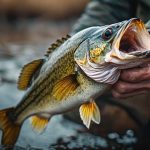
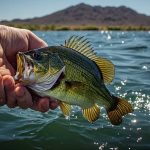
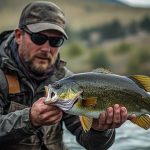
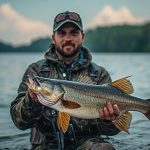
Bass (largemouth & smallmouth) are Indiana’s “anyone can get hooked” fish. They’re most active from warming spring through fall, with summer mornings and evenings often producing the most comfortable bite for casual anglers. You’ll see typical size/possession limits depending on the water, and certain lakes can have special bass rules—so don’t assume one reservoir fishes “legally” the same as the next. Bass love managed lakes and rivers, especially places with weeds, rock, wood, and shade lines.
Trout in Indiana feel like a seasonal gift. Many anglers connect with them through state stocking efforts and designated waters, especially when spring conditions are cool and oxygen levels stay high. Inland trout rules can include defined openers for streams and different expectations on certain lakes and special waters. Stocked streams and ponds can be family-friendly fishing areas when you time it around stockings. Indiana also publishes stocking resources and plans you can reference when trip planning.
Pike / Muskie are the “one bite could change your whole year” category. They tend to shine in cool-water windows—spring and fall especially—and often live in weedy, bait-rich lakes and connected waters. Indiana stocks and manages species including muskellunge and northern pike in selected places, so pay attention to waterbody-specific rules and minimum lengths. Muskie anglers in particular usually lean toward conservation-minded handling—big nets, long pliers, quick photos, clean releases.
Walleye / Catfish cover two totally different moods. Walleye and saugeye are your structure-and-light-level fish—think low light, deeper edges, current breaks, and slow precision. Catfish are the laid-back-but-serious crowd: summer nights, river holes, stinkbait and cutbait, and that slow rod-load that turns into a fight. Indiana’s stocking program includes walleye and channel catfish, and urban fisheries can be especially helpful for new anglers trying to get consistent action.
🦞 Regulated or Special-Permit Fisheries
Indiana has a few “extra managed” corners where the rules aren’t just suggestions—they’re part of a long-term plan.
- 🎣 Illegal stocking / moving fish: Releasing live fish into public waters without approval is treated seriously because it can damage existing fish populations and habitat balance. That includes aquarium releases.
- 🐟 Protected/endangered species: Certain fish are illegal to take/possess at any time (endangered listings exist). When in doubt, release immediately and safely.
- 🦈 Invasive species possession rules: Some species are illegal to possess alive; if taken into possession they must be dispatched per guidance to protect native ecosystems.
- 🦞 Lake Michigan & boundary water quirks: Some method rules and hook/gear restrictions can change in Great Lakes tributary situations, so verify before you travel.
Conservation isn’t just a slogan here—it’s the difference between “good fishing” and “why did this lake collapse?” five years from now.
🐠 Everyday Fish & Panfish Opportunities
When people say, “I just want to catch something,” they’re usually talking about panfish. And honestly? That’s the healthiest way to fall in love with Indiana fishing.
| Everyday species | Typical creel limit type (high level) | Common locations & patterns |
|---|---|---|
| Bluegill / sunfish 🐠 | Daily harvest limit | Shallow weeds, docks, lily edges; perfect for bobber + worm |
| Crappie 🐟 | Daily harvest limit | Spring staging near cover; summer/fall deeper brush and basins |
| Yellow perch 🐟 | Daily harvest limit | Schools near drop-offs; often best with small jigs/minnows |
| Carp (common) 🦞 | Often liberal rules | Shallow flats, rivers; great for sight fishing and strong fights |
🏞️ Stocked Waters & Management Programs
Indiana’s stocking work is a big reason beginners can find success without owning a boat or mastering electronics.
- The state produces and stocks many species (including trout, catfish, walleye, muskie, and more), and the stocking database/dashboard helps anglers search by species, county, and waterbody.
- The Urban Fishing Program is especially friendly: stocked channel catfish and rainbow trout, shore access, parking, and “learn to fish” vibes in or near city parks. That’s huge for families and visitors without local knowledge.
If you’re trying to plan a “nearly guaranteed” outing, checking recent stockings (and then arriving early) is one of the simplest wins in freshwater fishing. 🎣
🌍 Access Rules: Public vs Private Waterways
- 🏞️ Public access waters usually mean you can fish from designated access sites, ramps, or public fishing areas—even if surrounding land is private.
- 🧭 Use Indiana’s “Where to Fish” tool to locate access points and trip-safe details like ramps, restrictions, and advisories.
- 🚫 A river being there doesn’t automatically mean you can cross private land to reach it—watch for signage and property boundaries.
- 🐟 If you’re unsure, treat fences, posted signs, and mowed yards as a hard stop. Find another entry point.
- 🤝 Leave gates as you found them, pack out line/garbage, and keep noise down—access is a privilege that disappears fast when abused.
🎟️ Indiana Fishing License Overview
- 👤 Most anglers 18 and older need a valid fishing license unless they meet specific exemptions (always verify your situation).
- 🧾 Resident vs non-resident rules differ—your residency status matters when you buy.
- 🧒 Youth rules are generally more forgiving; many under-18 anglers can fish without a license in typical situations (confirm for stamps/endorsements where required).
- 🗓️ Short-term passes exist for visitors who want a weekend trip without committing to an annual license.
- 🐟 Trout anglers should expect an extra requirement (often a stamp/endorsement) in addition to the base license.
- ✅ If you’re traveling across states and want a comparison mindset, you can peek at how other regulations are presented here: Illinois fishing rules overview (internal reference, one-time link as requested).
❓ Angler FAQs
Do I really need to read the “methods” section, or just the limits?
Methods matter. Indiana has restrictions on number of poles/lines and hook setups, and those rules are easy to break accidentally.
How many rods can I use if I’m trying to run multiple baits?
Indiana commonly limits anglers to three poles/hand lines at a time—great to know before you set up a “rod spread.”
What’s the difference between a daily limit and a possession limit?
Daily is what you can take in a calendar day; possession is what you can have overall—often two times daily in general guidance, with important exceptions.
Can I release extra live baitfish into the lake when I’m done?
Don’t. Illegal stocking rules exist for a reason—introductions can harm ecosystems.
Are city park ponds actually worth fishing?
Yes—Indiana’s urban program is designed for access and consistent bites (stocked catfish and seasonal trout).
How do I find legal public entry points without driving in circles?
Use the interactive map to filter public access sites and spot ramps, restrictions, and advisory info.
Is there any short spring fishery people overlook?
Smelt in Lake Michigan has a defined spring window and specific gear limits—very seasonal, very “know before you go.”
🗺️ Where to Fish This Year
If you’re fishing Indiana for the first (or fifth) time, don’t overcomplicate it. Start with waters that are famous for a reason—easy access, steady populations, and enough space that you’re not elbow-to-elbow with strangers at sunrise.
A smart first step is pulling up Indiana’s official interactive “Where to Fish” map and scouting access points the way you’d scout a hiking trail—look for ramps, bank access, and notes that match your style (shore fishing vs boat). Bold anchored map reference is the kind of resource that saves you time and keeps you legal.
For well-known waters, think of Indiana’s big-name reservoirs and natural lakes as your “training grounds.” Monroe Lake feels like a choose-your-own-adventure with creek arms and coves; Patoka Lake often rewards patient anglers who work structure; Lake Wawasee and Lake Webster have strong reputations for warmwater species; and if you’re near the region, Lake Michigan’s influence adds a whole different layer of opportunity (and extra rules to respect). When you show up, take ten minutes to just listen—wind direction, bait activity, where birds are working—and let the lake tell you what chapter you’re in today. 🐟
For a high-authority national “learn-to-fish” companion that pairs well with Indiana’s programs, basic how-to guidance from Take Me Fishing is beginner-friendly and practical (external authority link, one-time use).
✅ Final Thoughts
Indiana’s 2026 fishing is less about chasing one “perfect” day and more about matching your approach to the season: early spring favors stocked trout and slow presentations, peak summer brings fast action and multi-species options, fall transition rewards anglers who follow bait and cooling water, and winter (when safe) becomes a panfish-and-patience game. Remember the big compliance basics—possession is generally tied to daily limits, anglers are typically restricted to three lines, and moving/stocking live fish into public waters without permission is illegal. Use the state’s Where to Fish map to stay on public access, lean on stocking resources when you want a higher-odds trip, and keep conservation at the center of your harvest decisions. 🎣🐠

- Wyoming Fishing Regulations 2026: State Rules & Management Areas - February 16, 2026
- Wisconsin Fishing Regulations by Zone 2026: Seasons & Size Limits - February 16, 2026
- West Virginia Fishing Regulations 2026: Stream & Lake Rules - February 16, 2026