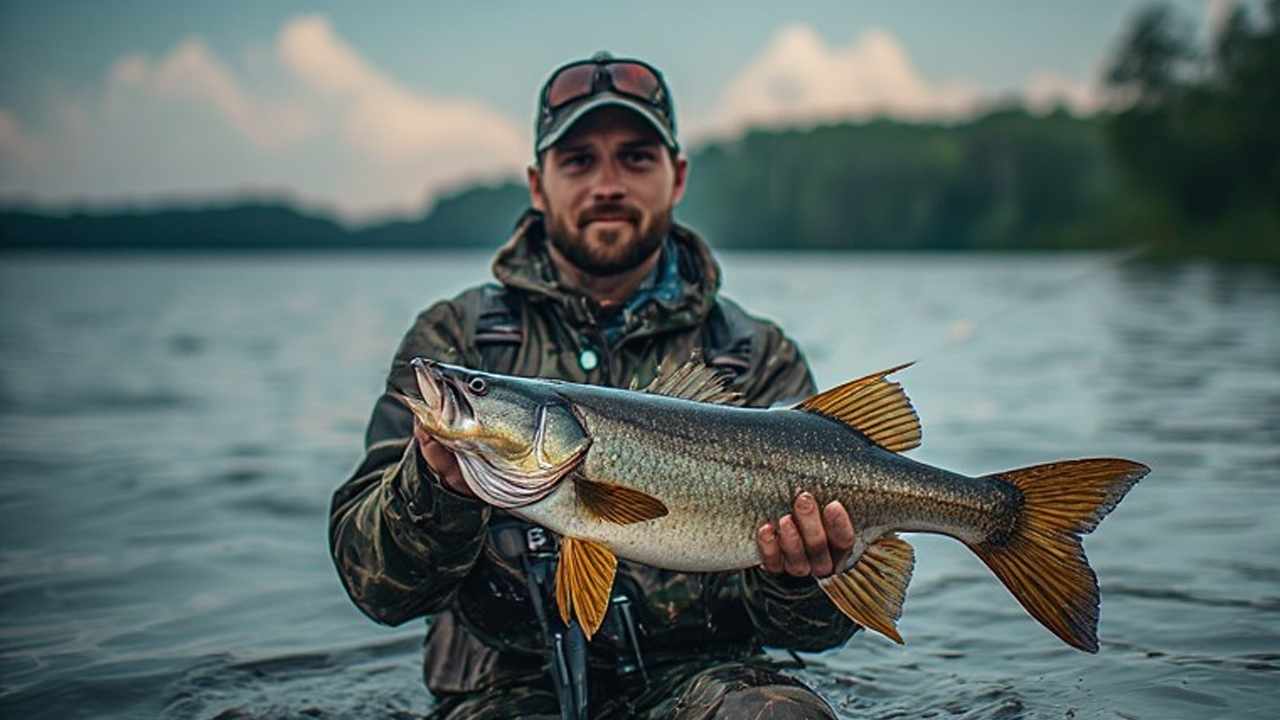
There’s something magical about standing at the edge of Lake Michigan on a crisp April morning, watching the sunrise paint the water gold while your line cuts through the surface. Or maybe you’re the type who prefers the shade of a cypress tree along the Cache River in July, waiting for a channel catfish to strike. Illinois fishing isn’t just about what you catch—it’s about when you fish, where you cast, and understanding the rhythms that govern this incredible fishery. Whether you’re a Chicago resident looking for a weekend escape or a visitor discovering the Prairie State’s waterways for the first time, 2026 brings fresh opportunities to explore some of the Midwest’s most underrated angling destinations. Conservation efforts have never been stronger, licensing has never been more accessible, and the variety of species available means there’s truly something for everyone—from trophy muskie hunters to families teaching kids how to bait their first hook.
🗓️ Complete Illinois Fishing Season Dates 2026
| Species | Season Opens | Season Closes | Daily Creel Limit | Special Notes |
|---|---|---|---|---|
| Largemouth/Smallmouth Bass | Year-round | Year-round | 6 fish | Catch-and-release recommended during spawn (April 15–May 31) |
| Trout (Stocked Waters) | April 5, 2026 | Year-round | 5 fish | Special early catch-and-release areas open March 15 |
| Walleye | Year-round | Year-round | 6 fish | Protected slot limit 15-20 inches on select waters |
| Northern Pike | Year-round | Year-round | 2 fish | Minimum size 24 inches |
| Muskellunge | June 15, 2026 | December 15, 2026 | 1 fish | 48-inch minimum; draw-only trophy waters |
| Channel/Flathead Catfish | Year-round | Year-round | 6 fish combined | No minimum size |
| Crappie (Black/White) | Year-round | Year-round | 25 fish combined | Peak action March–May |
| Bluegill/Sunfish | Year-round | Year-round | 25 fish combined | No size restrictions |
| White/Striped Bass | Year-round | Year-round | 3 fish | 17-inch minimum on striped bass |
Note: Always verify current regulations with the Illinois Department of Natural Resources before heading out, as emergency closures or adjustments may occur.
🌅 Seasonal Fishing Breakdown Across Illinois Waters
Early Spring Awakening (March–May)
When the ice finally breaks and water temperatures climb past 45 degrees, Illinois transforms into an angler’s playground. This is prime time for crappie spawning runs in backwater sloughs and tributary arms of major reservoirs like Carlyle Lake and Rend Lake. Fishermen crowd boat ramps before dawn, armed with jigs and minnows, targeting shallow brush piles where slabs congregate. Trout enthusiasts flock to newly stocked urban ponds and designated put-and-take streams across the northern counties—think Skokie Lagoons, Bolingbrook’s Hidden Lakes, and the DuPage River. Early spring also marks the beginning of catch-and-release bass fishing, though most serious anglers voluntarily avoid bedding areas to protect the spawn. White bass make legendary runs up tributary rivers like the Fox and Illinois, offering fast action that even beginners can enjoy. Just remember: layered clothing, waterproof boots, and patience are your best companions during this unpredictable season.
Peak Summer Intensity (June–August)
Summer fishing in Illinois means adapting to heat, seeking shade, and fishing the golden hours—dawn and dusk. Largemouth bass retreat to deeper structure: docks, weed edges, drop-offs near old creek channels. Top-water lures create explosive strikes during the first hour of light, while Texas-rigged worms and jigs dominate midday fishing. Catfish anglers own the night, especially along the Mississippi and Illinois Rivers, where flatheads exceeding 40 pounds lurk in submerged timber and rock piles. If you’re chasing walleye, focus on windswept points and rocky shorelines at dawn; these fish often suspend over deep water during the day. The muskie season officially kicks off June 15, drawing serious anglers to Shabbona Lake, Pierce Lake, and the Chain O’Lakes region—where 50-inch fish are legitimate possibilities. Stay hydrated, use sun protection, and always check water temperatures; when surface temps exceed 80 degrees, deep-water species often shut down until cooler evening conditions arrive.
Fall Transition Magic (September–November)
Autumn might be Illinois’ best-kept fishing secret. As water temperatures drop and forage fish migrate, predators go on feeding binges before winter. Smallmouth bass on the Rock River and Lake Michigan tributaries become aggressive, crushing crankbaits and spinnerbaits with reckless abandon. Fall walleye action intensifies on lakes like Clinton and Shelbyville, with fish moving shallower to chase shad schools. Crappie patterns shift too—look for suspended schools over deep basins, often 15-25 feet down, relating to standing timber or brush. Pike fishing peaks in October and November; these ambush predators stage near weed edges and creek mouths, fattening up before the freeze. The fall trout stocking program ramps up again in October, giving anglers a second chance at quality catches in park ponds and stream sections. Bring layers, watch weather fronts (falling barometric pressure triggers incredible bites), and embrace the solitude—you’ll often have entire lakes to yourself during weekday mornings.
Winter Opportunities (December–February)
While ice fishing isn’t as dominant in Illinois as in neighboring Wisconsin or Minnesota, the northern lakes and ponds do freeze solid enough for safe hardwater angling. Species like bluegill, crappie, and perch remain active beneath the ice, providing consistent action for those willing to brave the cold. Southern Illinois rarely freezes, keeping open-water fishing viable all winter long—particularly for creel-hungry catfish and winter walleye on tailwaters below dams. This is also when serious muskie anglers chase the elusive “fish of 10,000 casts” during the final weeks before the December 15 closure. Winter demands safety awareness: check ice thickness religiously, fish with a buddy, carry safety picks, and never venture onto early or late-season ice alone.
🐟 Game Fish Anglers Target Most
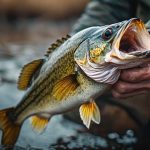
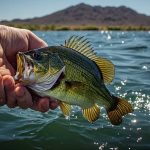
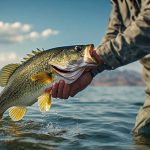
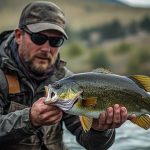
Largemouth and Smallmouth Bass dominate Illinois fishing conversations, and for good reason. These aggressive predators inhabit nearly every body of water in the state, from tiny farm ponds to sprawling reservoirs. Largemouth thrive in warm, weedy environments—think Horseshoe Lake near Granite City or the backwaters of the Mississippi. They readily strike soft plastics, crankbaits, and spinnerbaits. Smallmouth, meanwhile, prefer cooler, rockier habitats like Lake Michigan shorelines, the Rock River, and Kaskaskia River stretches. Possession rules allow six bass daily, though catch-and-release practices have cultivated a healthy trophy fishery. During spring spawn (mid-April through May), biologists encourage voluntary release to protect nesting males guarding fry.
Trout fishing offers a refreshing contrast to warmwater species, thanks to Illinois’ aggressive stocking program. Rainbow, brown, and brook trout are released into designated streams, urban lakes, and special-regulation areas throughout northern and central regions. The official trout season opens April 5, but many catch-and-release zones open weeks earlier, giving fly fishermen a head start. Stocked trout rarely survive Illinois’ hot summers, making spring and fall prime windows. Public access sites like Mazon River State Fish and Wildlife Area provide excellent bank fishing, while hidden gems like Bishop Creek reward those willing to hike. For anglers accustomed to Alabama’s diverse bass fisheries or the mountain streams out west, Illinois trout fishing offers a surprisingly accessible urban experience.
Walleye and Sauger represent the state’s premier table fare, with firm white meat that rivals any freshwater fish. These low-light feeders become most active during dawn, dusk, and overcast conditions. Prime walleye waters include Kinkaid Lake, Lake Shelbyville, and the Illinois River—especially below dams where current concentrates baitfish. Anglers rely on jig-and-minnow combos, crankbaits, and live nightcrawler harnesses. The six-fish daily limit ensures plenty for the frying pan, though many waters enforce protective slot limits (releasing fish between 15-20 inches) to maintain breeding stock. Winter walleye fishing below warm-water discharges can be exceptional, with fish stacking up in predictable feeding zones.
Northern Pike are Illinois’ toothy apex predators, haunting weed edges, shallow bays, and river oxbows. The two-fish daily limit and 24-inch minimum size protect smaller pike while allowing harvest of true trophies. The Chain O’Lakes region—a sprawling network of interconnected natural lakes near the Wisconsin border—produces pike over 40 inches annually. Steel leaders are non-negotiable (those teeth will slice through monofilament instantly), and big spoons, spinnerbaits, or soft swimbaits trigger violent strikes. Pike fishing pairs beautifully with bass or panfish outings since these predators occupy similar habitats.
Muskellunge are the ultimate challenge—a fish that tests patience, skill, and mental fortitude. Illinois’ muskie season runs June 15 through December 15, with a strict one-fish limit and 48-inch minimum. Only a handful of lakes support managed muskie populations: Shabbona Lake, Pierce Lake, Kinkaid Lake, and select Chain O’Lakes waters. These fish require specialized tackle (heavy rods, high-capacity reels, oversized lures) and an understanding that most days end without a single strike. But when a 50-inch muskie explodes on your bucktail or glide bait, every hour of effort becomes worth it. Some waters operate under draw-only trophy permits to prevent overharvest, so check regulations carefully before planning your trip.
🦞 Regulated or Special-Permit Fisheries
Illinois takes conservation seriously, especially for species requiring extra protection or management. Muskellunge fall under some of the state’s strictest rules—those 48-inch minimums and single-fish possession limits ensure that only mature, post-spawn fish can be harvested. Certain trophy-designated waters require anglers to enter a draw for limited-access permits, reducing pressure and enhancing the overall experience.
Lake sturgeon, once abundant in Illinois rivers, are now fully protected. Accidental catches must be released immediately and reported. These prehistoric giants can live over 100 years, and restoration efforts continue along the Mississippi and Illinois Rivers. Encountering one while fishing for catfish is a rare thrill—handle with care, snap a photo, and let it swim free.
Special catch-and-release zones exist on select trout streams, allowing year-round fishing but prohibiting harvest. These areas protect wild-reproducing trout populations (rare in Illinois but present in a few spring-fed creeks) and provide quality angling experiences. Anglers must use artificial lures or flies only, with barbless hooks strongly recommended.
The state also enforces slot limits on walleye at certain reservoirs—requiring release of fish within protected size ranges to bolster natural reproduction. For instance, Clinton Lake enforces a protective slot to maintain its reputation as one of the Midwest’s premier walleye destinations. Understanding these nuanced rules prevents accidental violations and supports sustainable fisheries management, much like California’s carefully managed coastal and inland regulations.
🐠 Everyday Fish & Panfish Opportunities
| Species | Typical Creel Limit | Where They’re Found |
|---|---|---|
| Bluegill | 25 fish daily | Farm ponds, state parks, shallow lake coves |
| Redear Sunfish | 25 fish combined with bluegill | Deeper water than bluegill; prefer gravel/shell bottoms |
| Black/White Crappie | 25 fish combined | Submerged brush, docks, standing timber in reservoirs |
| Yellow Perch | 25 fish daily | Lake Michigan, larger inland lakes, cool-water rivers |
| Rock Bass | No specific limit (general 25 panfish rule applies) | Rocky streams, river riffles, clear-water lakes |
| White Bass | 25 fish daily | Open water during summer; spring river runs are legendary |
Panfish represent Illinois fishing at its most democratic—no expensive gear required, abundant populations, and reliable action. Bluegill beds appear in late May, creating easy targets for kids and beginners. Crappie fishing through submerged brush piles demands patience but rewards anglers with coolers full of fillets. White bass runs up tributary rivers each spring create frenzied action where even novices can catch dozens in a single morning.
🏞️ Stocked Waters & Management Programs
Illinois invests heavily in creating fishing opportunities where natural reproduction falls short, particularly for trout and muskie:
- Trout Stocking Program: Over 400,000 catchable-size trout (8-12 inches) are released annually into approximately 50 designated waters. Urban ponds in Chicago suburbs, Champaign, Springfield, and Bloomington provide convenient access for metro anglers. Spring stockings begin in early April, with fall releases resuming in October. Check the IDNR stocking schedule for specific dates and locations.
- Muskie Enhancement: Selected lakes receive fingerling muskie from state hatcheries, supplementing natural reproduction. Shabbona Lake’s muskie program has produced multiple state-record contenders, proving that intensive management works. Anglers contribute through annual muskie stamps, funding habitat improvements and stocking efforts.
- Urban Fishing Initiative: Recognizing that not everyone can drive hours to remote waters, Illinois has developed dozens of family-friendly urban ponds stocked with channel catfish, rainbow trout, and panfish. These sites feature accessible shorelines, parking, and often educational programming during summer months.
- Community Fishing Waters: Special “kids-only” ponds and senior-accessible docks provide inclusive angling opportunities. These waters enforce simplified rules (often no license required for participants) and receive extra stocking to ensure consistent catches.
Stocking reports are published online weekly during peak season—bookmark the IDNR fisheries page to stay current on recent releases.
🌍 Access Rules: Public vs Private Waterways
Understanding where you can legally fish prevents trespassing issues and protects landowner relationships:
- Public lakes and reservoirs managed by IDNR or Army Corps of Engineers allow unrestricted shoreline access unless specifically posted. Boat ramps, parking areas, and fishing piers are clearly marked.
- Navigable rivers (Illinois River, Mississippi River, Rock River, etc.) permit fishing from boats or sandbars even when adjacent land is privately owned. You can anchor and wade, but stepping onto the bank above the waterline constitutes trespassing unless public access is marked.
- State parks and recreation areas provide hundreds of miles of accessible shoreline. Daily parking fees apply at most sites ($5-10), or purchase an annual state parks pass for unlimited access.
- Private ponds and lakes require explicit permission from landowners. Never assume access is allowed—knock on doors, make phone calls, and respect “No Trespassing” signs.
- Easements and walk-in programs exist on select streams and rivers, where landowners grant public access through agreements with conservation agencies. These spots are often marked with brown-and-yellow signs indicating legal entry points.
- Stream access in Illinois differs from states with stronger public trust doctrines. Many smaller creeks flow through private property, and anglers must obtain permission or enter only at public bridges and road crossings.
When in doubt, ask. Most landowners appreciate respectful inquiries and may grant access—especially if you offer to share your catch or help maintain the property. Building goodwill with private landowners expands future opportunities for everyone.
🎟️ Illinois Fishing License Overview
Navigating licensing doesn’t have to be complicated:
- Who needs a license?: Anyone 16 years or older fishing in Illinois public waters. Exceptions include fishing from private ponds (with owner permission), disabled veterans with proper credentials, and residents fishing in certain designated urban program waters.
- Resident vs Non-Resident: Illinois residents pay significantly less than out-of-state visitors. Residency requires living in Illinois for 30+ consecutive days. Active military stationed in Illinois qualify for resident rates regardless of home state.
- Youth exemptions: Kids under 16 fish free, no license required. However, they still must follow all creel limits, size restrictions, and seasonal closures.
- Senior rates: Illinois residents age 65+ receive discounted licenses, making retirement fishing even more affordable.
- Short-term options: Visitors can purchase 1-day, 7-day, or 15-day non-resident licenses, perfect for vacation or tournament trips. These cover all legal species and waters statewide.
- Special stamps and endorsements: Targeting salmon or trout requires an Inland Trout Stamp ($6.50 for residents). Serious muskie hunters should purchase the Muskie/Pike Stamp, which funds habitat restoration and fingerling stocking. Lake Michigan salmon anglers need a Salmon Stamp on top of their base license.
- Digital licenses: Purchase online through the IDNR website or mobile app. Electronic copies on your smartphone are legally valid—no need to carry paper. However, bring a backup screenshot in case of dead batteries or lost cell service.
Licenses run on a calendar-year basis (January 1 – December 31), not 12 months from purchase. Buying in December means just a few weeks of validity, so time your renewal wisely.
❓ Angler FAQs
Can I fish without a license if I’m catch-and-release only?
Nope—licensing requirements apply regardless of whether you keep fish. The license funds conservation, research, stocking programs, and habitat restoration, not just harvest enforcement. Think of it as supporting the fishery’s future.
Are there any free fishing days in Illinois?
Yes! Illinois typically offers Free Fishing Weekend in mid-June, coinciding with National Fishing and Boating Week. Residents and non-residents can fish license-free, though all other rules (creel limits, size restrictions, seasons) remain enforced. It’s a perfect chance to introduce friends or family to angling without upfront costs.
Where can I find real-time fishing reports?
IDNR publishes weekly fishing reports during spring and summer, highlighting recent catches, water conditions, and recommended tactics for major lakes and rivers. Local bait shops often provide the most current intel—stop in, chat with staff, and support small businesses. Online forums and social media groups (like Illinois Fishing Reports on Facebook) offer crowd-sourced updates, though always verify info before planning long drives.
Do I need separate licenses for different types of fishing?
A standard Illinois sport fishing license covers freshwater angling statewide. However, specialty stamps (trout, muskie, salmon) are required for specific species. If you plan to fish Lake Michigan for salmon and trout, budget for those additional endorsements. There’s no separate “river license” or “bass license”—one license opens all legal opportunities.
What’s the penalty for fishing without a license?
Fines vary but typically start around $75 for a first offense, escalating with repeat violations. Conservation police regularly patrol popular waters, especially during peak seasons and free fishing weekends. Getting caught isn’t worth the risk—licenses are affordable, easy to obtain, and directly benefit the sport you love.
Can I use live bait everywhere?
Most Illinois waters permit live bait (worms, minnows, leeches), but specific streams and ponds may restrict bait to artificial lures only—especially in catch-and-release trout zones. Check posted regulations at access points. Also, transporting live bait between waters can spread invasive species, so dispose of unused minnows on land (never release them into different lakes).
How do slot limits work, and why do they exist?
Slot limits protect breeding-age fish by requiring anglers to release individuals within a certain size range. For example, a 15-20 inch protected slot on walleye means you must release any fish measuring between 15 and 20 inches, but you can keep smaller or larger fish (within the daily creel limit). This management tool maintains population health by ensuring mature fish survive to spawn multiple times. Trophy hunters benefit too—slot limits grow bigger fish over time, much like the systems used in Arizona’s well-managed bass and trout lakes.
🗺️ Where to Fish This Year
Illinois’ diverse geography creates fishing opportunities from Chicago’s urban waterfront to southern cypress swamps. Lake Michigan offers world-class salmon and trout fishing, with charter boats departing from Waukegan, Chicago, and Winthrop harbors. Pier fishing at Navy Pier or Montrose Harbor provides free access to lake trout, coho, and chinook during migration periods. The sheer size and power of Great Lakes fish shock anglers accustomed to inland waters—bring heavy tackle and be ready for screaming drag runs.
Head south and discover Carlyle Lake, Illinois’ largest inland reservoir. This 26,000-acre impoundment hosts everything from white bass spring runs to trophy catfish and consistent walleye action. Multiple marinas, campgrounds, and boat ramps make it ideal for weekend trips. The tailwater below Carlyle Dam concentrates fish year-round, especially during winter when warm discharges create comfortable conditions.
Shabbona Lake near DeKalb is Illinois’ muskie mecca—a smaller lake (318 acres) with trophy potential that rivals natural lakes up north. Strict regulations and dedicated management have produced 50+ inch fish. Rental boats, a concession stand, and accessible shorelines welcome both serious muskie hunters and families chasing panfish.
For river enthusiasts, the Rock River winds through scenic northern Illinois, offering superb smallmouth bass and walleye fishing. Public access sites near Oregon, Dixon, and Sterling provide boat launches and wading opportunities. Fall float trips through the wooded corridors rank among the state’s most beautiful outdoor experiences.
Down in southern Illinois, Rend Lake sprawls across 18,900 acres, blending warm-water fishing with waterfowl hunting opportunities. Crappie fishing during spring spawn is legendary, with anglers hauling coolers full of slabs from submerged timber and brush piles. The state park offers cabins, campgrounds, and a full-service marina.
Don’t overlook smaller gems like Lake of Egypt (huge largemouth potential), Kinkaid Lake (clear water and scenic bluffs), or the Chain O’Lakes (interconnected natural lakes near Fox Lake). Each water body has unique characteristics, seasonal patterns, and local knowledge worth discovering. Visit the IDNR’s Lake Finder tool for detailed maps, depth charts, and species information—an invaluable resource for planning your next adventure.
For those willing to explore beyond state lines, Connecticut’s diverse fisheries and Arkansas’s renowned bass lakes offer exciting alternatives within a day’s drive, expanding your angling horizons while appreciating Illinois’ own rich waters.
✅ Final Thoughts
Illinois fishing in 2026 delivers unmatched variety—from the adrenaline rush of battling a Lake Michigan king salmon to the peaceful simplicity of bobber fishing for bluegills at a hometown pond. The state’s year-round open seasons on most species ensure there’s never a bad time to wet a line, though spring (March-May) and fall (September-November) consistently produce the best action across multiple species. Largemouth and smallmouth bass dominate with a six-fish daily limit and year-round availability, though voluntary catch-and-release during the April 15–May 31 spawn protects future generations. Trout season kicks off April 5 across stocked waters, with special catch-and-release zones opening even earlier for die-hard fly fishermen. Muskie hunters circle June 15 on their calendars, chasing 48-inch trophies until the December 15 closure. Walleye anglers enjoy unrestricted seasons but must navigate protective slot limits (15-20 inches) on key waters to maintain breeding populations. Panfish—crappie, bluegill, perch—offer 25-fish daily limits and consistent action for families and beginners.
Northern pike, catfish, and white bass round out a roster that satisfies every angling ambition. Licensing remains straightforward: residents 16+ need a base license ($15 range), with additional stamps for trout ($6.50) and muskie if targeting those species. Non-residents pay premium rates but gain access to the same world-class fisheries. Free Fishing Weekend in June removes all barriers, inviting everyone to discover Illinois’ aquatic treasures. Conservation initiatives—stocking programs, habitat restoration, slot limits—ensure these waters thrive for decades ahead. So whether you’re a lifelong resident or a first-time visitor, grab your rod, respect the regulations, and write your own fishing story across Illinois’ 90,000 miles of rivers and streams and 300+ public lakes. Tight lines! 🐟

- Wyoming Fishing Regulations 2026: State Rules & Management Areas - February 16, 2026
- Wisconsin Fishing Regulations by Zone 2026: Seasons & Size Limits - February 16, 2026
- West Virginia Fishing Regulations 2026: Stream & Lake Rules - February 16, 2026