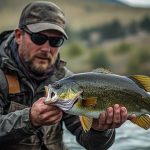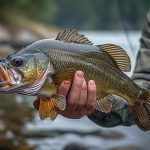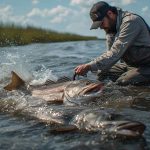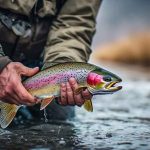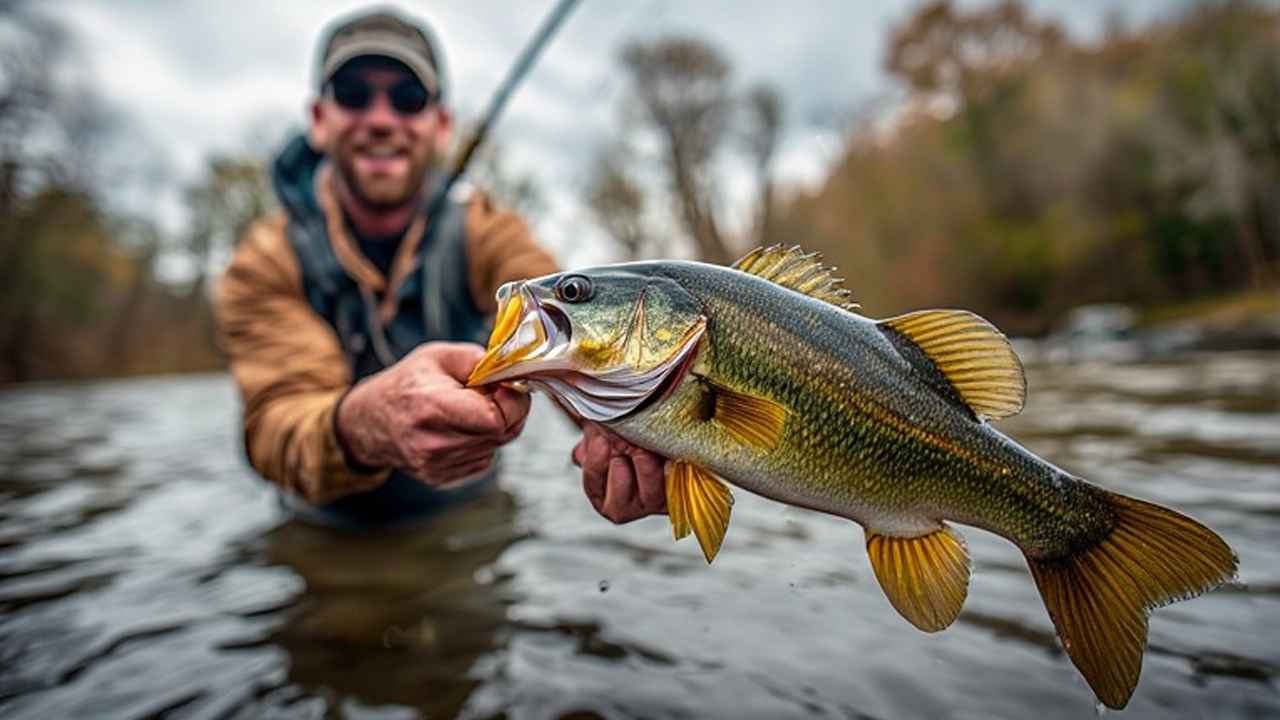
This is Virginia fishing—a year-round adventure that transforms with every season, offering something special whether you’re casting from the Chesapeake Bay shoreline or wading into the Blue Ridge headwaters.
Virginia’s fishing landscape is as diverse as its geography. From the saltwater estuaries of the Tidewater region to the cold-water trout streams threading through Appalachian valleys, the Commonwealth provides anglers with exceptional opportunities twelve months a year. The Virginia Department of Wildlife Resources manages these fisheries with a conservation-first approach, balancing healthy fish populations with accessible recreational opportunities for residents and visitors alike. Whether you’re a beginner tying your first hook or a seasoned angler planning your next trophy hunt, understanding the 2026 regulations ensures you’re fishing legally while supporting sustainable practices that keep Virginia’s waters thriving for generations.
This year brings some exciting updates, including modifications to trout stocking schedules and special regulation waters. Free Fishing Days return June 5–7, 2026, offering a perfect introduction for newcomers who want to experience Virginia’s fisheries without purchasing a license. Let’s dive deep into what makes 2026 a remarkable year for Virginia anglers.
🗓️ Complete Virginia Fishing Season Dates 2026
| Species | Season Dates | Daily Creel Limit | Size Restrictions | Special Notes |
|---|---|---|---|---|
| Largemouth/Smallmouth Bass | Year-round (Jan 1–Dec 31) | 5 per day (aggregate) | No statewide length limit | Lake-specific regulations apply |
| Striped Bass (Landlocked) | Year-round (varying limits) | 2-4 per day (varies by water) | 20-26 inches (varies by season) | Check specific lake regulations |
| Walleye/Saugeye | Year-round | 5 per day (aggregate) | No walleye/saugeye less than 18 inches | Claytor Lake: 2 per day |
| Muskellunge | Year-round | 1 per day | No muskie less than 40 inches | New River has special slot limits |
| Trout (Stocked Waters) | Oct 1–June 15 (license required) | 6 per day | 7-inch minimum | See designated stocked waters list |
| Crappie (Black/White) | Year-round | 25 per day (aggregate) | No statewide length limit | Some lakes have 9-10 inch minimums |
| Catfish (Channel/White/Flathead) | Year-round | 20 per day | No length limits | Blue catfish regulations vary |
| Bluegill & Sunfish | Year-round | 50 per day (aggregate) | No statewide length limit | Excludes crappie and rock bass |
| Chain Pickerel/Northern Pike | Year-round | 5 per day | No statewide length limit | No daily limit at Kerr Reservoir |
| Yellow/White Perch | Year-round | No statewide limit | No statewide length limit | Lake Moomaw: 10 per day |
🌅 Seasonal Fishing Breakdown Specific to Virginia
Early Spring Awakening (March–May)
Spring arrives differently depending on where you fish in Virginia. Down in the Piedmont and Tidewater regions, March often brings the first warm spells that activate bass and trigger aggressive pre-spawn feeding. Largemouth bass begin staging in shallow coves, making them more accessible to bank anglers and kayak fishermen. This is prime time for targeting Smith Mountain Lake, where bass move into creek arms as water temperatures climb into the mid-50s.
Meanwhile, in the mountains, spring means trout. Virginia’s catchable trout stocking program kicks into high gear during these months, with Category A waters receiving up to eight stockings between October and May. Popular streams like the Jackson River and Mossy Creek see regular deliveries of rainbow, brown, and brook trout. Special regulation waters maintain unique rules designed to create quality fishing experiences—some areas practice delayed harvest, meaning all trout must be released until June 15, after which anglers can keep their legal limit.
Spring also brings striped bass runs into tidal tributaries below the fall line. These powerful fish migrate from the Chesapeake Bay into freshwater rivers like the James and Rappahannock, creating spectacular fishing opportunities. Anglers target them with cut bait, live herring, and large swimbaits cast from boats or piers.
One critical regulation to remember: American shad remain under a possession moratorium. While you can catch and immediately release them, keeping any American shad is illegal statewide. River herring (blueback herring and alewife) face the same prohibition—all must be released immediately if caught.
Peak Summer Action (June–August)
Summer transforms Virginia’s fishing scene completely. As water temperatures soar into the 70s and 80s, bass fishing shifts to early morning and evening patterns. Topwater action becomes explosive during these low-light periods, with bass crushing poppers and walking baits in the shallows before retreating to deeper, cooler water during midday heat.
This is when Lake Anna—one of Virginia’s most popular fishing destinations—truly shines. Its nearly 10,000 acres provide endless bass habitat, and the warm-water discharge from the power station creates a unique “hot side” that maintains elevated temperatures year-round. Summer anglers also target Buggs Island Lake (Kerr Reservoir), where June through September brings relaxed striped bass regulations allowing four fish per day with no length restrictions.
Catfish fishing peaks during summer nights. Blue catfish in the tidal James River grow to massive sizes, and the Commonwealth has implemented special regulations to protect trophy-class fish while allowing harvest. North Carolina anglers exploring similar regulations might find interesting comparisons by checking fishing guidelines in neighboring states.
Free Fishing Days occur June 5–7, 2026, making this an ideal time to introduce friends or family to angling without needing licenses. All freshwater fishing regulations remain in effect during these days, but the license requirement is waived for everyone.
Fall Transition (September–November)
Autumn brings some of Virginia’s finest fishing as temperatures moderate and fish feed aggressively before winter. Smallmouth bass in the New River and James River become particularly active, chasing baitfish and crayfish as they fatten up for colder months. The fall topwater bite can rival spring action, with cooler water temperatures keeping fish active throughout the day.
Muskie hunters target the New River system during fall, when these apex predators move into shallower water and become more catchable. Virginia’s muskellunge regulations protect this fishery carefully—you can only keep one per day, and it must exceed 40 inches. The New River has additional slot limits between June 1 and February 28, prohibiting harvest of fish between 40 and 48 inches to protect prime breeding stock.
Trout fishing returns as mountain streams cool below 70 degrees. While summer pushed many anglers away from warm trout waters, September and October bring renewed opportunities. Wild trout streams in the George Washington National Forest fish beautifully during these months, with native brook trout becoming more active.
Winter Opportunities (December–February)
Don’t pack away your gear when temperatures drop. Winter fishing in Virginia offers solitude and surprising action for anglers willing to brave the cold. Trout stocking continues through winter, with some Category A waters receiving fish even in January and February. Urban stocked trout waters near Richmond, Alexandria, and other population centers provide convenient cold-weather fishing close to home.
Larger reservoirs like Claytor Lake and South Holston Reservoir fish well for suspended striped bass and walleye during winter months. Vertical jigging deep structure produces solid catches, and the lack of recreational boat traffic makes winter an appealing time for serious anglers.
The tidal Potomac River maintains excellent fishing through winter for anglers pursuing yellow perch and white perch. These panfish school in deeper holes and provide steady action on light tackle. Freshwater anglers can also explore ice fishing opportunities during particularly cold winters, though Virginia’s milder climate makes safe ice less reliable than in states like Michigan or Minnesota.
🐟 Game Fish Anglers Target Most
Largemouth and Smallmouth Bass dominate Virginia’s sportfishing scene, and for good reason—the Commonwealth produces trophy-class fish regularly. Sandy River Reservoir, Occoquan Reservoir, and Briery Creek Lake consistently rank among the top waters for citation-sized largemouth bass (fish exceeding eight pounds). These highly managed reservoirs benefit from habitat enhancement projects and carefully crafted regulations that protect spawning adults while allowing reasonable harvest.
Smallmouth bass thrive in Virginia’s river systems, particularly the James, New, and Shenandoah rivers. The James River fishery from the fall line in Richmond upstream through the mountains offers world-class smallmouth fishing with stunning scenery. Many sections have special regulations protecting smaller fish—only two of your five-bass daily limit can be under 14 inches in many waters. This “slot limit” approach protects juveniles while allowing harvest of some fish.
Striped Bass represent Virginia’s premier trophy species, whether targeting anadromous fish in coastal rivers or landlocked populations in major reservoirs. Smith Mountain Lake’s striped bass fishery attracts anglers year-round, with regulations varying by season to protect spawning adults. From November through May, you’re limited to two fish per day, and they must fall between 20 and 26 inches—slot limits that protect both young fish and large breeding females. Summer rules relax to allow four per day with no length restrictions, creating excellent action when schools surface-feed on shad.
Buggs Island Lake shares similar striped bass seasons with slight variations. Understanding these water-specific rules prevents accidental violations. The Virginia Department of Wildlife Resources provides detailed regulation summaries, and referring to authoritative resources like the National Marine Fisheries Service offers additional perspective on anadromous fish management across the Atlantic coast.
Trout fishing splits between wild and stocked opportunities. Virginia boasts over 2,900 miles of naturally reproducing trout streams, primarily in mountain counties. These wild trout waters contain native brook trout, naturally reproducing brown trout, and some rainbow trout populations. Meanwhile, the stocking program adds approximately 600 miles of designated stocked trout waters, where catchable-sized fish are released regularly from October through May.
South Holston Reservoir provides exceptional trophy trout fishing, including lake trout that grow to impressive sizes. Special regulations apply here—anglers can harvest seven trout per day, but only two may be lake trout. This mixed coldwater fishery attracts serious trout anglers from across the region.
Walleye and Saugeye offer excellent table fare and challenging fishing. Claytor Lake maintains Virginia’s premier walleye fishery, with special regulations limiting harvest to two per day and prohibiting fish between 19 and 28 inches. This aggressive slot limit protects mid-sized breeding adults while allowing anglers to keep smaller “eater” fish or the occasional true trophy exceeding 28 inches. New River walleye fishing improves annually as the population establishes itself upstream from the lake.
🦞 Regulated or Special-Permit Fisheries
Muskellunge represent Virginia’s most carefully managed trophy fishery. New River muskie grow to 50+ inches and weigh upward of 30 pounds, creating bucket-list fishing for dedicated anglers. Conservation regulations reflect the species’ slow growth and reproductive challenges. You’re limited to one muskie per day statewide, and it must measure at least 40 inches total length.
The New River takes protection further with seasonal slot limits. From June 1 through the last day of February, you cannot harvest muskies between 40 and 48 inches—they must be released immediately. This protects prime breeding-age adults. From March 1 through May 31, the minimum size increases to 48 inches, further restricting harvest during the spawning season. These regulations have transformed the New River into one of the East Coast’s premier muskie destinations.
Snakehead regulations differ dramatically from other species. Northern snakehead are invasive predators that threaten native fish populations. Virginia encourages unlimited harvest—there’s no daily limit or size restriction. However, if you catch a snakehead, regulations require you to immediately kill it and notify the Department of Wildlife Resources. Don’t transport live snakeheads under any circumstances. While these fish provide excellent eating and sport, preventing their spread remains the priority.
Several waters feature special regulations designed to create quality fishing experiences. Delayed harvest trout streams remain catch-and-release only from October 1 through May 31, with all fish returned immediately. Starting June 1, normal creel limits apply, allowing anglers to harvest six trout daily. This management strategy maintains high fish densities for winter and spring anglers while providing some harvest opportunity during summer.
Urban stocked trout waters near major population centers require trout licenses from November 1 through April 30, even though they’re stocked later than traditional mountain streams. These convenient fishing spots receive multiple stockings throughout late winter and spring, with dates posted the week before delivery to prevent pre-stocking crowding.
🐠 Everyday Fish & Panfish Opportunities
| Species | Typical Limits | Prime Waters | Best Season |
|---|---|---|---|
| Bluegill | 50 per day | Farm ponds, small lakes | Late spring–summer |
| Crappie | 25 per day | Kerr Reservoir, Lake Gaston | Spring pre-spawn |
| Yellow Perch | No statewide limit | Tidal rivers, Lake Moomaw | Fall through winter |
| Rock Bass | 25 per day (with Roanoke bass) | James River, New River | Spring–early summer |
| White Perch | No statewide limit | Chesapeake Bay tributaries | Year-round |
| Sunfish (Redear/Pumpkinseed) | 50 per day (combined with bluegill) | Natural lakes, reservoirs | Late spring |
Panfish provide accessible fishing for families and beginners while offering fast action that keeps kids engaged. Bluegill spawn repeatedly through summer, creating extended opportunities to catch dinner-plate-sized “bulls” guarding nests in shallow water. Fly anglers enjoy targeting them with small poppers and nymphs, while bait fishermen succeed with worms and crickets under bobbers.
Crappie fishing peaks during the pre-spawn period when these schooling fish move shallow and feed aggressively. Kerr Reservoir produces exceptional crappie catches, particularly around submerged timber and brush piles. Special regulations require a nine-inch minimum on crappie here, protecting young fish while allowing harvest of prime two-year-old adults.
🏞️ Stocked Waters & Management Programs
Virginia’s trout stocking program represents one of the Department of Wildlife Resources’ most visible conservation efforts. Four state-operated hatcheries—Vic Thomas, Buller, Coursey Springs, and Montebello—produce over one million trout annually for stocking in public waters. These fish supplement wild populations and create fishable trout waters where none existed naturally.
Stocking Categories:
- Category A Waters: Receive eight stockings between October 1 and May 31, providing consistently fresh fish throughout the primary trout season. Popular streams like Mossy Creek, Passage Creek, and the Jackson River fall into this category.
- Category B Waters: Stocked five times between October 1 and May 15. These waters offer quality fishing with slightly less frequent stockings.
- Category C Waters: Receive three stockings between October and mid-May. These locations provide good fishing with more selective timing.
Pre-announced stocking occurs on specific high-profile waters, with dates published in advance. This allows anglers to plan trips around fresh deliveries while acknowledging that fishing pressure increases immediately after stocking. Most waters use unannounced stockings to distribute pressure and prevent overcrowding.
Urban fishing initiatives bring angling opportunities to metropolitan areas. Lakes and ponds in Alexandria, Richmond, Virginia Beach, and other cities receive regular trout stockings during spring. These locations require trout licenses during the stocking season but provide convenient fishing without mountain driving. Many urban sites offer accessible fishing piers and shorelines designed for anglers with disabilities.
The Department’s Family Fishing Program manages small lakes specifically for youth and family fishing. These waters receive special stockings and often have simplified regulations encouraging catch-and-release or minimal harvest. Events throughout the year introduce children to fishing fundamentals in supportive environments.
Anglers can track daily stocking schedules through the Virginia DWR website and mobile app, showing exactly which waters received fish each day. This transparency helps anglers plan trips while giving less competitive fishermen opportunities to avoid peak pressure periods.
🌍 Access Rules: Public vs Private Waterways
- Navigable Waters: Virginia law establishes that navigable rivers and streams remain public resources accessible to everyone for fishing, boating, and recreation. The key question: what qualifies as “navigable”? Generally, waters historically used for commercial transportation or currently capable of supporting such use fall into this category. Major rivers like the James, New, and Shenandoah clearly qualify.
- Public Access Points: Virginia maintains over 200 public boat landings and fishing access areas. These sites provide parking, launch ramps, and sometimes fishing piers or shore fishing access. Respect posted regulations regarding parking, hours of operation, and special restrictions. Some access points charge modest launch fees, while others remain free.
- Private Property Boundaries: Confusion often arises where public waters flow through private land. Virginia follows the “wet foot” rule—if you’re physically in the water (wading or in a watercraft), you’re legally accessing public resources. However, you cannot cross private land to reach the water without permission, stand on privately owned banks or islands, or anchor in shallow water that would place you on the streambed without permission in non-navigable waters.
- Posted Waters: Respect “No Trespassing” and “Posted” signs. Virginia takes property rights seriously, and criminal trespass charges result from intentionally entering marked private property. When uncertain about access legality, contact local authorities or the landowner before fishing.
- Special Permit Areas: Some Department of Wildlife Resources properties require daily or annual access permits beyond fishing licenses. Check specific lake or management area regulations before visiting to ensure compliance. These permit fees support habitat management and facility maintenance.
- Be a Good Steward: Whether fishing from public piers or remote mountain streams, practice Leave No Trace principles. Pack out all trash, respect other anglers’ space, and avoid disturbing streamside vegetation. Proper behavior ensures continued access for future generations.
🎟️ Virginia Fishing License Overview
- Who Needs a License: Virginia residents and nonresidents aged 16 and older must possess valid fishing licenses when pursuing finfish in freshwater or saltwater. This includes actively fishing with rod and reel, setlines, trotlines, or other legal methods.
- Resident vs Nonresident: Virginia residents benefit from significantly lower license costs compared to nonresidents. You qualify as a resident if you’ve lived in Virginia for at least 60 days and intend to remain permanently. Military personnel stationed in Virginia and full-time students attending Virginia colleges qualify for resident licenses regardless of prior residency.
- Youth and Senior Exceptions: Children under 16 can fish without licenses, though all regulations regarding creel limits, size restrictions, and legal methods apply. Virginia residents aged 65 and older who possess valid state identification qualify for reduced-fee licenses. Disabled veterans meeting specific criteria may qualify for free or reduced-cost licenses.
- Short-Term Options: Nonresidents visiting Virginia for brief fishing trips can purchase five-day freshwater licenses instead of annual permits. These temporary licenses cost considerably less and work well for vacation fishing. Many tackle shops, marinas, and sporting goods stores sell licenses on-site, or purchase online through Virginia’s GoOutdoorsVirginia portal.
- Trout License Requirements: Fishing designated stocked trout waters from October 1 through June 15 requires an additional trout license beyond your base freshwater license. This special endorsement funds the stocking program and helps manage these popular fisheries. Trout licenses aren’t required on wild trout streams or during the off-season on stocked waters.
- Saltwater Licensing: Saltwater fishing in Virginia is regulated separately by the Virginia Marine Resources Commission. Different license structures and fees apply for fishing Chesapeake Bay, coastal waters, and tidal tributaries below the fall line. The Fisherman Identification Program (FIP) requires unlicensed saltwater anglers to register for free identification numbers.
- Free Fishing Days: During designated Free Fishing Days (June 5–7, 2026), all license requirements are waived for freshwater fishing statewide. This provides perfect opportunities for trying fishing without financial commitment or introducing newcomers to the sport. All other regulations remain enforced during these days.
❓ Angler FAQs
Can I use live baitfish I caught myself when fishing Virginia waters?
Virginia restricts baitfish usage to protect against invasive species introduction. You can use legally purchased baitfish from licensed dealers, or you can catch your own using minnow traps, seines, or hook and line. However, transporting live baitfish between different watersheds is prohibited. Use bait where you caught it, or purchase commercially raised bait that’s disease-certified. Never release unused baitfish into waters different from where you obtained them.
What should I do if I catch an invasive species like snakehead or blue catfish?
Northern snakehead must be killed immediately and cannot be released alive. After humanely dispatching the fish, report your catch to the Department of Wildlife Resources by calling their headquarters or regional offices. Blue catfish aren’t subject to the same mandatory reporting, but biologists appreciate harvest data. In the tidal James River, special regulations protect trophy blue catfish by limiting daily harvest of fish exceeding 32 inches to just one per day, encouraging anglers to take smaller fish for the table while photographing and releasing true giants.
Do I need separate licenses for fishing different Virginia waters in the same day?
A single Virginia freshwater fishing license covers all inland public waters statewide. You don’t need separate permits when moving between lakes or rivers. However, remember that trout licenses are required for designated stocked trout waters during October through mid-June. Saltwater fishing requires different licensing through the Virginia Marine Resources Commission. Some private lakes or club waters require additional permissions beyond state licenses—confirm requirements before fishing these locations.
Are there special considerations when fishing around the Virginia-North Carolina border?
Buggs Island Lake (Kerr Reservoir) and Lake Gaston straddle the Virginia-North Carolina border. Reciprocal agreements allow Virginia and North Carolina residents to fish these boundary waters with their home state licenses without purchasing nonresident permits from the other state. Check which state’s regulations apply based on where you’re physically located—Virginia rules govern the Virginia side, North Carolina rules apply to their side. Nonresidents from other states need licenses from whichever state they’re fishing.
How do slot limits work, and why does Virginia use them?
Slot limits protect specific size ranges of fish by prohibiting harvest within designated length ranges. For example, Smith Mountain Lake’s largemouth and smallmouth bass regulations allow five fish daily, but none between 16 and 24 inches, and only one exceeding 24 inches. This protects prime breeding-age adults (the 16-24 inch range) while allowing harvest of smaller fish and the occasional true trophy. Research shows slot limits maintain healthy populations while improving size structure, creating better fishing for everyone.
What resources help me identify fish species correctly?
The Virginia Department of Wildlife Resources offers excellent identification guides on their website, including detailed photos and descriptions of common species. Mobile apps like FishVerify use artificial intelligence to identify fish from photos. When uncertain about a species, especially regarding protected or regulated fish, photograph it from multiple angles and consult identification resources before deciding to harvest or release. If still uncertain, always release questionable fish rather than risk violating regulations.
Can I eat the fish I catch in Virginia, or are there health concerns?
Fish consumption advisories apply to specific waters where contaminants like mercury or PCBs exceed safe levels for regular consumption. The Virginia Department of Health issues these advisories, typically recommending limiting meals of certain species from affected waters. Most Virginia waters produce safe, healthy fish for the table when consumed in moderation. Check current fish consumption advisories before keeping fish, especially if you’re pregnant, nursing, or feeding children who are more vulnerable to contaminants.
🗺️ Where to Fish This Year
No Virginia fishing guide would be complete without highlighting premier destinations worth traveling to experience. Start with Smith Mountain Lake, Virginia’s crown jewel reservoir sprawling across 20,000+ acres in the Blue Ridge foothills. This lake produces trophy striped bass, quality largemouth bass, and abundant crappie. Numerous marinas provide boat launches, rentals, and amenities, while shoreline fishing spots accommodate bank anglers.
Travel west to Claytor Lake along Interstate 81 for excellent smallmouth bass fishing in clear water surrounded by mountain scenery. The lake’s long, narrow configuration creates river-like fishing environments that smallmouth bass love. Walleye populations continue expanding here, offering exciting opportunities for anglers targeting these toothy predators.
Head southeast to Buggs Island Lake (Kerr Reservoir), Virginia’s largest lake at 50,000 acres when full. This massive impoundment straddles the Virginia-North Carolina border and produces everything from monster blue catfish to citation-sized largemouth bass. Spring crappie fishing attracts anglers from hundreds of miles away, with fish congregating around submerged timber in pre-spawn mode.
River enthusiasts should explore the James River system, offering hundreds of miles of diverse fishing from the Allegheny Mountains to the Chesapeake Bay. Smallmouth bass dominate the upper river sections, while shad runs and striped bass highlight the tidal reaches. Accessible wade fishing, kayak launches, and classic Virginia scenery make the James unforgettable.
Mountain trout anglers find paradise in Shenandoah National Park, where native brook trout swim in pristine headwater streams. Special regulations require catch-and-release fishing with single-hook artificial lures, protecting these fragile wild populations while allowing anglers to experience Southern Appalachian trout fishing at its finest.
Don’t overlook coastal opportunities in the Chesapeake Bay and its tributaries. The Eastern Shore, Virginia Beach, and tidal Potomac River provide exceptional saltwater fishing for species like red drum, speckled trout, and flounder. These fisheries operate under Virginia Marine Resources Commission regulations, offering different challenges and target species compared to freshwater angling.
Interactive fishing maps and detailed lake information are available through the Virginia Department of Wildlife Resources website, helping you locate specific waters, identify access points, and understand local regulations before you go.
✅ Final Thoughts
Virginia’s 2026 fishing season presents exceptional opportunities for anglers of all skill levels and interests. From January 1 through December 31, you’ll find action somewhere in the Commonwealth, whether that’s casting for largemouth bass on Smith Mountain Lake during warm summer evenings, drift fishing for striped bass in April on Kerr Reservoir as they chase spawning herring, or presenting dry flies to wild brook trout in a Shenandoah mountain stream come October.
Key regulations to remember: bass fishing remains open year-round with five-fish daily limits (aggregate largemouth and smallmouth), though many waters enforce special slot limits protecting mid-sized fish. Striped bass regulations vary by water body and season—always check specific lake rules before keeping fish. Trout fishing splits between wild streams with seven-inch minimums and designated stocked waters requiring special trout licenses from October through mid-June. Most stocked waters receive multiple deliveries through spring, creating excellent opportunities for anglers pursuing rainbow, brown, and brook trout.
Crappie, bluegill, and other panfish provide family-friendly fishing without complex regulations—just respect the generous creel limits (25 crappie, 50 bluegill daily) and observe water-specific size minimums where they apply. Catfish anglers enjoy liberal limits with special provisions for blue catfish management below the fall line. Muskellunge remain heavily protected at one fish daily with 40-inch minimums, reflecting their status as Virginia’s premier trophy species.
Remember those Free Fishing Days June 5–7, 2026—perfect timing for introducing friends or family to Virginia’s incredible fishing without license requirements. Conservation-minded anglers appreciate that license fees fund habitat improvements, stocking programs, and the research that keeps Virginia’s fisheries healthy and productive.

- Wyoming Fishing Regulations 2026: State Rules & Management Areas - February 16, 2026
- Wisconsin Fishing Regulations by Zone 2026: Seasons & Size Limits - February 16, 2026
- West Virginia Fishing Regulations 2026: Stream & Lake Rules - February 16, 2026