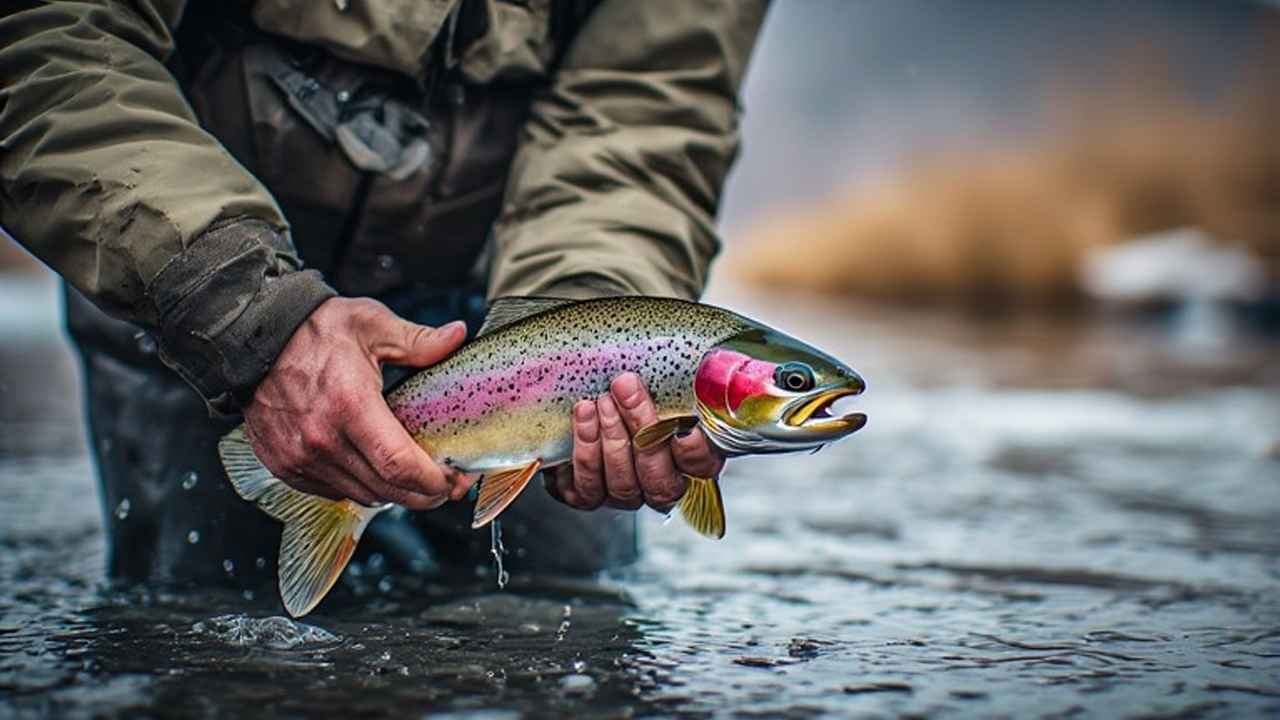
Utah’s fishing landscape transforms dramatically as seasons shift—from ice-off feeding frenzies in March to high-alpine summer pursuits and those golden autumn days when trout stack up before winter. Understanding the state’s angling rules isn’t just about staying legal; it’s about timing your trips to match nature’s rhythms and protecting the fisheries that make Utah a world-class destination. Whether you’re a first-timer casting at a neighborhood pond or a seasoned angler planning a backcountry expedition, this guide walks you through everything you need to know about Utah’s 2026 fishing opportunities, licensing requirements, and conservation-driven regulations that keep these waters thriving for generations.
🗓️ Complete Utah Fishing Season Dates 2026
| Fishery Type | Season Opens | Season Closes | Special Notes |
|---|---|---|---|
| General Fishing (Most Waters) | January 1 | December 31 | Year-round access on most lakes and reservoirs |
| High-Mountain Lakes | Approximately July 1 | October 31 | Varies by elevation and ice-out conditions |
| Blue Ribbon Trout Streams | Year-round | Year-round | Check specific stream regulations for fly-fishing-only zones |
| Bear Lake Cutthroat Spawning Closure | January 1 | February 28 | Tributary closures to protect spawning runs |
| Strawberry Reservoir (Special Regs) | Year-round | Year-round | Slot limits on cutthroat; check current proclamation |
| Boulder Mountain Lakes | Late June | Late October | Weather-dependent; verify road access |
| Kokanee Salmon Snagging | September 15 | December 15 | Flaming Gorge and select reservoirs only |
| Ice Fishing Season | When ice is safe | March 31 | Popular through February; always check ice thickness |
Note: Always consult the official Utah Division of Wildlife Resources proclamation for water-specific exceptions and emergency closures.
🌅 Seasonal Fishing Breakdown – When Utah’s Waters Come Alive
Early Spring: The Thaw and the Rush 🌱
March through May delivers some of Utah’s most explosive fishing action. As snowmelt floods mountain tributaries, lower-elevation reservoirs wake from winter dormancy. Rainbow trout become aggressive feeders, gorging on emerging insects and baitfish to recover from spawning stress. This is prime time for shore anglers at Jordanelle Reservoir and Deer Creek, where pre-runoff clarity gives way to murkier but nutrient-rich water. Midges, mayflies, and early caddis hatches trigger surface action on the Provo River and Green River tailwaters. Bass begin staging in shallow coves as water temperatures climb past 55°F, making April an underrated month for largemouth and smallmouth alike. If you’re targeting tiger trout or splake in stocked community ponds, early spring offers less competition and hungry fish.
Peak Summer: Alpine Adventures and Reservoir Heat ☀️
June through August shifts the focus upward—literally. As valley waters warm into the 70s, savvy anglers chase brook trout and cutthroat in the Uinta Mountains and Boulder Mountain backcountry, where snowbanks still linger lakeside and fish stay active all day. Lowland reservoirs like Utah Lake and Willard Bay transition to early-morning and evening bite windows, with catfish, white bass, and walleye prowling deeper structures during midday heat. Kokanee salmon suspend at thermocline depths in Flaming Gorge and Fish Lake, requiring downriggers or lead-core setups to reach the 40–60-foot strike zone. Summer also brings family-friendly opportunities: stocked urban ponds stay active, and carp flyfishing along the Jordan River corridor gains momentum. Just remember—sunscreen, hydration, and checking for algae bloom advisories are part of the summer routine.
Fall Transition: Color, Cooling, and Pre-Winter Feeding 🍂
September through November is Utah’s sleeper season for serious anglers. Cooling water temperatures trigger aggressive feeding as trout, bass, and pike pack on calories before winter. Cutthroat trout stage near tributary inlets at Strawberry Reservoir, making float-tubing incredibly productive. Brown trout begin their spawning migrations on rivers like the Weber and Logan, though many spawning areas close to protect redds—always verify closure maps before wading. Fall also brings the kokanee snagging season to Flaming Gorge’s pipeline area, where bright-red salmon cluster in shallow bays (snagging-specific rules apply; check gear restrictions). Smallmouth bass fishing peaks in October on Lake Powell and Starvation Reservoir, where schools chase shad into rocky points. The aspens turn gold, crowds thin out, and fish cooperate—if you can only fish Utah one season, make it autumn.
Winter: Ice Fishing and Tailwater Solitude ❄️
December through February caters to the dedicated. Ice fishing dominates the scene once reservoirs freeze solid, with Panguitch Lake, Scofield Reservoir, and Mantua Reservoir drawing crowds for rainbow trout, perch, and tiger trout. Always auger test holes and bring safety spikes—early-season and late-season ice can be treacherous. Meanwhile, tailwater rivers below dams (Provo River below Jordanelle, Green River below Flaming Gorge) remain open and fishable, offering midging opportunities when air temps climb above freezing. Winter regulations often include reduced creel limits or special gear rules on select waters, so double-check before heading out. Solitude is the reward: you’ll have blue-ribbon streams nearly to yourself, provided you don’t mind numb fingers and the occasional snow squall.
🐟 Game Fish Anglers Target Most in Utah Waters
Cutthroat Trout: Utah’s Native Icon
The Bonneville cutthroat is Utah’s state fish, and for good reason. These crimson-slashed beauties thrive in everything from high-mountain cirque lakes to sprawling reservoirs like Strawberry and Scofield. Peak activity runs from late spring through early fall, with the best action occurring during mayfly and caddis hatches on rivers like the Provo and Middle Fork Ogden. Many waters enforce slot limits (e.g., keeping only one fish over 22 inches at Strawberry) to protect breeding-size adults, so measure carefully. Cutthroat hit everything from dry flies to inline spinners, and they’re less line-shy than their rainbow cousins. If you’re chasing Utah’s Heritage strain, check the DWR’s conservation waters list—some streams are catch-and-release only to preserve genetic purity. Expect fish from 12 inches in alpine creeks to 24-inch brutes in fertile reservoirs.
Rainbow Trout: The Workhorse of Stocked Fisheries
Rainbows dominate Utah’s put-and-take programs, showing up in urban ponds, community fishing waters, and major reservoirs. They’re aggressive, acrobatic, and forgiving to beginners—perfect for family outings. Spring and fall deliver the most consistent action, but summer mornings can be productive if you target deeper water or shaded banks. Possession limits typically range from four to eight fish depending on the water body, with a few trophy-only exceptions. Flaming Gorge produces monster rainbows exceeding 20 pounds, thanks to abundant kokanee forage, while smaller stockers in neighborhood ponds average 10–14 inches. PowerBait, nightcrawlers, and small spoons are go-to baits, but fly anglers find success with woolly buggers and nymph rigs. Since rainbows don’t reproduce effectively in most Utah waters, they rely on hatchery stocking—respect creel limits to ensure everyone gets a shot.
Smallmouth and Largemouth Bass: Utah’s Warm-Water Heavyweights
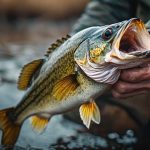
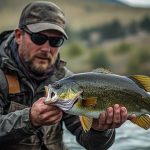
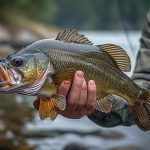
Bass fishing in Utah flies under the radar compared to neighboring states, but those who know tap into exceptional smallmouth action on Lake Powell, Jordanelle, and the Green River near the Colorado border. Smallies favor rocky structure and current breaks, ambushing crawfish and shad from late spring through October. Largemouth, meanwhile, prefer vegetated coves and backwaters in reservoirs like Utah Lake, Yuba, and Cutler Reservoir. Both species tolerate Utah’s temperature swings better than trout, making summer evenings prime time for topwater blowups. Creel rules lean toward catch-and-release culture, with generous bag limits (usually six fish combined) that few anglers max out. Tube baits, jerkbaits, and dropshot rigs dominate smallmouth strategies, while largemouth respond to frogs, swimbaits, and Texas-rigged plastics in the shallows. Bass tournaments run all summer—just be sure you’re up to date on livebait restrictions and size minimums, which vary by reservoir.
Northern Pike and Tiger Muskie: Apex Predators for Thrill Seekers
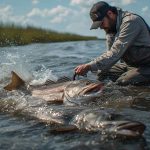
If you crave the heart-stopping strike of a toothy predator, Utah’s pike and muskie waters deliver. Yuba Reservoir and Pineview Reservoir are pike strongholds, where 30- to 40-inch fish patrol the weed edges and ambush points. Spring and fall are peak seasons, with pike moving shallow during ice-out and again before winter. Tiger muskies—a sterile hybrid stocked to control rough fish populations—lurk in Panguitch Lake, Newton Reservoir, and Huntington North Reservoir. These fish require patience and heavy tackle: wire leaders, oversized swimbaits, and bucktails are standard. Possession limits are typically low (one or two fish) with minimum size requirements (often 40+ inches for tigers) to protect slow-growing adults. Catch-and-photo-release is the norm among muskie chasers. Bring jaw spreaders, long-nose pliers, and a net big enough to land a fish that fights like it’s twice its weight.
Walleye: The Nocturnal Table Fare Champion
Walleye fishing in Utah centers on Starvation Reservoir and Deer Creek, where these marble-eyed predators school in deep basins and cruise rocky points after dark. Peak activity hits from April through June during the spawn and post-spawn feed, then again in October as water cools. Jigging with live minnows or plastics along drop-offs produces steady results, while trolling crankbaits covers water efficiently. Walleye are light-sensitive, so low-light periods—dawn, dusk, and overcast days—yield the most bites. Creel limits typically allow six fish, making walleye a favorite for anglers who actually plan to eat their catch (firm, white, flaky fillets). Just watch for mercury advisories on some waters and follow filleting regulations carefully, as wardens check for proper species identification.
🦞 Regulated or Special-Permit Fisheries
Utah takes conservation seriously, and nowhere is that more evident than in its Heritage Trout Waters and trophy fisheries. The Bonneville Cutthroat Recovery Program designates certain streams—like sections of the Boulder Creek drainage and tributaries of the Bear River—as gene-pool sanctuaries where only native cutthroat can be kept, and many are strictly catch-and-release. These areas help preserve the genetic integrity of Utah’s original trout lineage, which once faced displacement by non-native species.
Blue Ribbon Fisheries like the Green River below Flaming Gorge Reservoir operate under specialized slot limits and artificial-lure-only rules to maintain trophy trout populations. Anglers targeting these waters should familiarize themselves with the “Use and Possession” rule, which counts fish toward your limit even if you release them after landing (applies to specific waters to prevent high-grading).
Kokanee snagging represents another unique regulatory category. From mid-September through mid-December, select bays at Flaming Gorge and Strawberry Reservoir allow anglers to snag spawning kokanee using weighted treble hooks. This isn’t traditional angling—it’s a harvest method designed to utilize fish that will die post-spawn anyway. Snagging-specific licenses or stamps may apply, and gear is restricted to handheld rods (no tip-ups or setlines).
For anglers interested in Bear Lake’s native Bonneville cisco or the rare June sucker in Utah Lake, these species are either heavily restricted or entirely protected under federal and state endangered species laws. Respect closure signs, and if you accidentally hook one, handle it gently and release immediately. Conservation officers actively patrol these sensitive areas, and violations carry steep fines.
🐠 Everyday Fish & Panfish Opportunities
| Species | Typical Possession Limit | Where to Find Them |
|---|---|---|
| Yellow Perch | 50 fish daily | Panguitch Lake, Fish Lake, Yuba Reservoir |
| Bluegill | 50 fish daily | Community ponds, Utah Lake, Mantua Reservoir |
| Black Crappie | 50 fish daily | Yuba Reservoir, Starvation Reservoir, Deer Creek |
| White Bass | 50 fish daily | Utah Lake, Willard Bay (schooling near inlets) |
| Channel Catfish | 8 fish daily | Jordan River, Utah Lake, Salem Pond |
| Carp | Unlimited | Jordan River, Utah Lake (catch-and-release or bowfishing) |
Panfish and rough-fish species offer year-round action without the pressure of trout season crowds. Yellow perch school in massive numbers through the ice at Panguitch and Fish Lake, making them a favorite for families and fish-fry enthusiasts. Crappie suspend near submerged timber and brush piles, responding well to small jigs and live minnows during spring and fall. White bass run up rivers and reservoir inlets in spring, creating fast-paced action on small spinners and crankbaits. If you’re after a shore-fishing experience that’s low-stress and high-reward, bluegill beds in June provide nonstop surface strikes on poppers and foam spiders. For adventurous anglers, the state’s liberal carp limits (and encouragement of bowfishing) mean you can practice casting accuracy or try your hand at sight-fishing these “freshwater bonefish” without worrying about quotas.
🏞️ Stocked Waters & Management Programs
Utah’s Division of Wildlife Resources operates one of the most aggressive trout-stocking programs in the West, releasing millions of fingerlings and catchable-sized fish annually. The goal: provide accessible fishing opportunities across urban and rural landscapes while balancing wild trout conservation.
Community Fishing Ponds—like those at Sugarhouse Park in Salt Lake City, Salem Pond, and Holbrook Reservoir near Park City—receive regular rainbow trout plants from March through October. These waters are designed for accessibility, often featuring paved paths, fishing piers, and kid-friendly infrastructure. Trout average 10–12 inches, and the bite stays consistent thanks to biweekly stockings during peak season.
The state also manages Blue Ribbon Fisheries through selective stocking and habitat restoration. Strawberry Reservoir, for example, benefits from cutthroat and kokanee salmon introductions that have transformed it into a year-round destination. Meanwhile, Scofield Reservoir receives tiger trout and cutthroat plants to supplement natural reproduction and maintain genetic diversity.
For real-time stocking updates, anglers can check the Utah DWR’s fish stocking schedule, which lists recent plants by water body, species, and size class. Bookmark this page and plan your trips around fresh stockings—fish are most aggressive in the first 48 hours after release.
Youth fishing programs like the annual “Free Fishing Day” (typically in early June) and urban pond clinics introduce kids to angling without requiring licenses. These initiatives help build the next generation of conservationists and keep Utah’s angling traditions alive.
🌍 Access Rules: Public vs Private Waterways
- Navigable Water Rule: Utah follows the “navigable at statehood” principle, meaning certain rivers and streams are public up to the high-water mark, even if they flow through private land. However, accessing those waters by crossing private land without permission is trespassing. Use designated public access points, boat launches, and walk-in areas.
- Public Access Atlas: The DWR publishes a Walk-In Access (WIA) program that leases private land for public fishing and hunting access. Look for orange WIA boundary markers and respect property limits. Popular fishing WIA sites include sections along the Weber River and Sevier River corridors.
- BLM and Forest Service Lands: Vast stretches of Utah’s fishable water flow through federal lands, meaning you can access streams and lakes without special permission. However, always pack out trash, respect fire restrictions, and camp only in designated areas. The Uinta-Wasatch-Cache National Forest and Fishlake National Forest offer thousands of miles of backcountry stream fishing.
- Tribal Waters: The Ute Tribe manages fisheries on reservation lands, including sections of the Uinta River and several mountain lakes. Tribal permits are required and sold separately from state licenses. Check with the Ute Tribe Fish and Wildlife Department before fishing these waters.
- Respect Private Property: If a stream or lake is posted “No Trespassing,” honor it. Utah landowners have the right to restrict access, and violations can result in fines or criminal charges. When in doubt, ask permission or consult a public lands map before entering.
🎟️ Utah Fishing License Overview (Simplified)
- Who Needs a License: Anyone 12 years or older must carry a valid Utah fishing license while angling. Children under 12 can fish for free but are encouraged to register through the DWR’s youth program.
- Resident vs. Non-Resident: Resident licenses apply to Utah residents who’ve lived in the state for six consecutive months. Non-residents pay higher fees but gain the same access to public waters. Active military stationed in Utah qualify for resident rates with proper documentation.
- License Types: Choose from annual licenses (valid January 1 through December 31), one-day licenses, seven-day licenses, or two-day licenses. Multi-day options are perfect for visitors testing Utah waters before committing to a full-year investment.
- Youth and Senior Discounts: Anglers aged 12–17 qualify for discounted youth licenses. Seniors 65 and older receive reduced rates on both resident and non-resident licenses. Disabled veterans may qualify for free or reduced-cost licenses through the DWR’s accommodation program.
- Special Stamps and Permits: Fishing in national parks like Flaming Gorge National Recreation Area requires a second-rod permit if you’re using multiple lines. A bonus point system applies to certain limited-draw waters, though most Utah fishing remains open-access. If you’re targeting Bear Lake cutthroat during specific seasons, additional endorsements may apply—verify current requirements before heading out.
- Purchasing Licenses: Buy licenses online through the Utah DWR website, at sporting goods retailers, or via the Utah DWR mobile app. Keep a digital or printed copy with you at all times while fishing. Wardens conduct routine checks, and penalties for unlicensed fishing start at $200.
❓ Angler FAQs – Your Utah Fishing Questions Answered
Can I fish Utah’s reservoirs with two rods at the same time?
Yes, but only on designated waters with a valid second-rod permit. The permit costs an additional fee and allows you to use two rods simultaneously on lakes and reservoirs (not rivers). Check the current fishing proclamation for eligible waters—most major reservoirs qualify, but some smaller ponds and all flowing streams prohibit multiple rods.
Are there any waters where I can fish without a license in Utah?
State-managed waters require a license for anglers 12 and older, but Free Fishing Day (typically the second Saturday in June) waives this requirement statewide. Additionally, private, fee-based fishing ponds may operate under different rules—confirm licensing needs before casting at commercial operations.
What’s the rule on keeping fish caught in slot-limit zones?
Slot limits protect mid-sized breeding fish while allowing harvest of smaller and larger individuals. For example, Strawberry Reservoir’s cutthroat slot (often 15–22 inches) requires immediate release of fish within that range. You may keep fish under 15 inches and one over 22 inches. Measure carefully at the waterline, and if in doubt, release it. Violations carry hefty fines and potential license suspension.
Can I use live bait everywhere in Utah?
No. Many Blue Ribbon streams and trophy fisheries restrict anglers to artificial lures and flies only to reduce deep-hooking mortality and protect wild trout populations. Live minnows are prohibited statewide to prevent the spread of invasive species. However, worms, insects, and PowerBait are generally allowed on most reservoirs and community ponds. Always consult water-specific regulations before rigging live bait.
Is ice fishing allowed on all Utah reservoirs during winter?
Ice fishing is legal once ice forms sufficiently, but safety is your responsibility—the state doesn’t officially open or close ice fishing seasons based on thickness. Some waters, like Bear Lake tributaries, close entirely during winter to protect spawning fish. Always check the proclamation for seasonal closures and avoid fishing near inlets, outlets, or pressure cracks where ice is unstable.
What should I do if I accidentally catch an endangered species?
Handle the fish gently, avoid removing it from the water if possible, and release it immediately. Species like the June sucker and Colorado pikeminnow are federally protected, and intentional harm can result in prosecution. If you’re unsure whether a fish is protected, snap a photo and report it to the DWR—biologists appreciate citizen sighting data.
Do I need separate licenses to fish in Utah and at Flaming Gorge?
Flaming Gorge Reservoir straddles the Utah-Wyoming border, creating a unique reciprocal agreement: a valid Utah or Wyoming license allows you to fish the entire reservoir from either shore. However, if you’re fishing Flaming Gorge tributaries on the Wyoming side, you must follow Wyoming’s stream-specific regulations. When in doubt, carry both state licenses or stick to the main reservoir body.
🗺️ Where to Fish in Utah This Year – Top Waters for 2026
Strawberry Reservoir remains the crown jewel of Utah’s coldwater fisheries, sprawling across nearly 17,000 acres of high-country splendor. Cutthroat trout and kokanee salmon dominate the catch, with ice fishing, trolling, and float-tubing all producing throughout the year. The Soldier Creek and Renegade Point areas offer consistent action, while the reservoir’s slot limits ensure trophy-class cutties patrol the depths. Summer brings throngs of anglers, but weekday trips in September and October reward patient casters with solitude and aggressive fish.
Flaming Gorge Reservoir, shared with Wyoming, feels more like a fjord than a reservoir—deep, steep-walled, and packed with trophy-class fish. Lake trout, rainbow trout, smallmouth bass, and kokanee salmon all thrive here, thanks to abundant forage and cold, oxygenated water. The Pipeline area turns into kokanee central come fall, while spring trolling along the Utah-Wyoming line produces rainbows exceeding 15 pounds. Rent a houseboat, explore the slot canyons, and fish until your arms ache.
Provo River represents Utah’s most famous fly-fishing destination, flowing from the Uinta Mountains through Jordanelle and Deer Creek reservoirs before joining Utah Lake. The Middle Provo (between the two reservoirs) is a year-round blue-ribbon stretch with abundant wild brown and rainbow trout. Midges hatch through winter, caddis and mayflies blanket the water in spring, and terrestrial patterns (ants, hoppers, beetles) dominate summer. Wade carefully, practice catch-and-release, and prepare for technical hatches that test your presentation skills. Similar experiences await on neighboring Colorado’s regulated streams, where anglers can also enjoy world-class trout fishing with strict conservation measures in place.
Utah Lake often gets overlooked by trout snobs, but this shallow, warm-water fishery delivers fantastic white bass, channel catfish, and carp action from April through October. Shore access abounds at Lincoln Beach and Saratoga Springs, making it ideal for beginners and families. The lake’s turbidity keeps visibility low, so focus on scent-based baits and noisy lures. Springtime white bass runs up the Provo River inlet create chaos—cast anything shiny and hold on.
Fish Lake, nestled at 8,800 feet, is famous for its lake trout (mackinaw) and splake. Trolling deep with downriggers remains the standard approach, though ice fishing through February and March puts anglers directly over suspended fish. The scenery alone—golden aspens in fall, snow-capped peaks in spring—makes the drive worthwhile. Plan for cooler temperatures even in summer, and book lodging early if you’re visiting during holiday weekends.
If alpine solitude calls, the Uinta Mountains offer hundreds of backcountry lakes holding brook trout, cutthroat, and grayling. Many lakes require multi-mile hikes, but the reward is pristine water, aggressive fish, and zero competition. Check trail conditions and access dates—high-elevation lakes often stay frozen until July. Pack bear spray, practice Leave No Trace ethics, and bring a lightweight fly rod for unforgettable days in Utah’s wilderness.
✅ Final Thoughts – Your 2026 Utah Angling Roadmap
Utah’s 2026 angling season opens the door to extraordinary diversity: year-round fishing on major reservoirs like Strawberry and Flaming Gorge, seasonal alpine adventures in the Uintas and Boulder Mountain, and urban accessibility through community ponds and stocked streams. The state’s regulations—ranging from general year-round seasons to species-specific closures like the Bear Lake cutthroat tributary protections (January 1 – February 28) and kokanee snagging windows (September 15 – December 15)—reflect a careful balance between opportunity and conservation. Key creel limits, including slot restrictions on Strawberry cutthroat (one fish over 22 inches) and trophy muskie minimums (40+ inches), ensure sustainable fisheries for future generations. Whether you’re chasing cutthroat trout in heritage streams, walleye at Starvation Reservoir after dark, or tiger muskies in Panguitch’s weed lines, understanding these regulations—and respecting seasonal closures—keeps Utah’s waters productive, accessible, and teeming with life. Grab your license, study the proclamation, and make 2026 the year you explore everything from tailwater technical fishing to backcountry brook trout. The fish are waiting—so are the stories.
For anglers exploring nearby Western states, don’t miss the exceptional fishing opportunities in Arizona’s regulated waters, where desert reservoirs and mountain streams offer year-round action. Additionally, the comprehensive framework of Wyoming’s fishing seasons provides excellent cross-border angling experiences, especially for those frequenting the Flaming Gorge area.

- Wyoming Fishing Regulations 2026: State Rules & Management Areas - February 16, 2026
- Wisconsin Fishing Regulations by Zone 2026: Seasons & Size Limits - February 16, 2026
- West Virginia Fishing Regulations 2026: Stream & Lake Rules - February 16, 2026