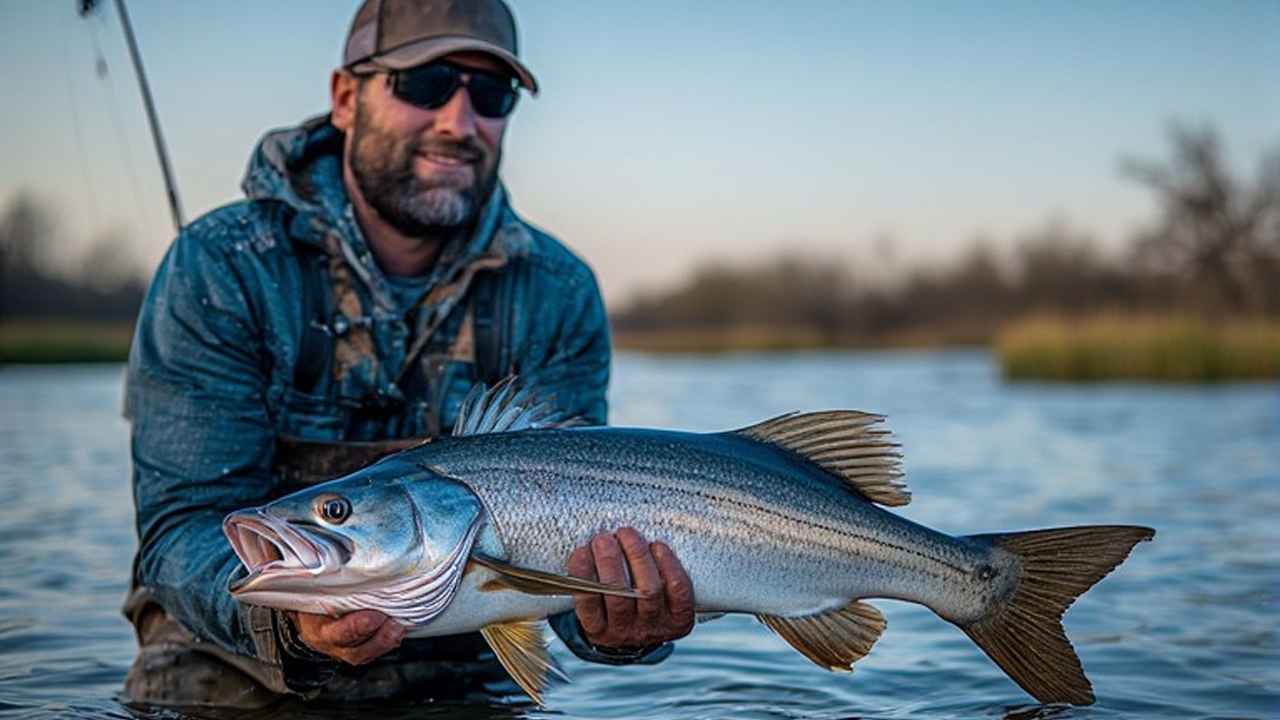
Whether you’re a curious first-timer or a weekend warrior chasing your next story, understanding when and where to wet a line makes all the difference between empty coolers and unforgettable memories.
Texas isn’t just big on land—it’s a fishing paradise with over 191,000 miles of rivers and streams, plus countless lakes, reservoirs, and coastal waters. The Lone Star State’s angling opportunities evolve throughout the year, shaped by spawning cycles, weather patterns, and thoughtful conservation efforts. Knowing the rhythm of these waters helps you plan trips that align with peak activity, stay within creel rules, and respect the sustainable practices that keep fisheries thriving for generations.
Before you cast, you’ll need the proper credentials. Texas Parks and Wildlife Department (TPWD) manages licensing, and most anglers aged 17 and older require a valid permit. The state welcomes visitors warmly, offering short-term options and resident-friendly annual passes. Beyond paperwork, Texas emphasizes ethical angling—catch-and-release programs protect vulnerable populations, while stocking initiatives ensure family-friendly access across urban and rural waters alike.
🗓️ Complete Texas Fishing Season Dates 2026
| Species | Season Dates | Daily Bag Limit | Notes |
|---|---|---|---|
| Largemouth Bass | Open Year-Round | 5 fish | 14-inch minimum length on certain waters |
| Spotted Bass | Open Year-Round | 5 fish (combined with largemouth) | Check specific water body regulations |
| Smallmouth Bass | Open Year-Round | 5 fish (combined with largemouth) | Primarily in northern rivers |
| White Bass | Open Year-Round | 25 fish | No size restrictions |
| Striped Bass (Freshwater) | Open Year-Round | 5 fish | 18-inch minimum length |
| Hybrid Striped Bass | Open Year-Round | 5 fish (combined with striped) | 18-inch minimum length |
| Catfish (Channel, Blue, Flathead) | Open Year-Round | 25 fish (combined) | No size limits in most waters |
| Crappie (White & Black) | Open Year-Round | 25 fish (combined) | 10-inch minimum on select reservoirs |
| Sunfish (Bluegill, Redear) | Open Year-Round | 25 fish (combined) | No size restrictions |
| Walleye | Open Year-Round | 5 fish | 16-inch minimum in specific lakes |
| Rainbow Trout | Nov 1, 2026 – Mar 31, 2027 | 5 fish | Stocked in designated urban ponds |
| Brown Trout | Open Year-Round | 5 fish (combined with rainbow) | Limited to Guadalupe River tailrace |
| Red Drum (Redfish – Saltwater) | Open Year-Round | 3 fish | 20–28 inch slot limit |
| Speckled Trout (Saltwater) | Open Year-Round | 5 fish | 15-inch minimum length |
| Flounder (Saltwater) | Nov 1, 2026 – Dec 14, 2026 (Closed) | 5 fish when open | 14-inch minimum; check fall closure dates |
Note: Regulations vary by water body. Always consult the latest TPWD Outdoor Annual before fishing.
🌅 Seasonal Fishing Breakdown Specific to Texas
Early Spring (March – May) 🌸
- What’s Biting: Largemouth bass move shallow for spawning, making them aggressive and accessible. Crappie stack up near brush piles and submerged timber. White bass begin their legendary spawning runs up rivers like the Brazos and Colorado.
- Regulations to Watch: Many waters have minimum length requirements for bass during bedding season to protect breeding-size fish. Some lakes enforce slot limits—keep only fish outside specified size ranges to maintain trophy populations.
- Techniques: Target shallow coves, rocky points, and creek channels during warming trends. Morning topwater action can be explosive as water temperatures climb past 60°F. Crappie anglers thrive with jigs and minnows around docks and standing timber.
Peak Summer (June – September) ☀️
- Prime Species: Bass retreat to deeper structure—ledges, humps, and offshore brush piles. Catfish prowl muddy river bottoms and reservoir flats. Saltwater anglers enjoy fantastic redfish and speckled trout action along the Gulf Coast.
- Heat Management: Early mornings and late evenings are golden hours. Midday heat pushes fish deep, so adjust tactics with Carolina rigs, drop-shots, or slow-rolled swimbaits. Coastal flats light up at sunrise with topwater explosions.
- Special Considerations: Summer is catch-and-release season for many trophy bass hunters. Use circle hooks and proper handling techniques to ensure released fish survive. Stay hydrated and watch for afternoon thunderstorms—Texas weather can turn fast.
Fall Transition (October – November) 🍂
- Feeding Frenzy: Cooler temperatures trigger aggressive feeding as fish bulk up for winter. Bass chase shad schools, walleye become more active in northern reservoirs, and crappie begin their fall patterns around deeper structure.
- Where to Focus: Look for baitfish activity—diving birds and surface disturbances signal feeding zones. Points, humps, and channel swings near creek mouths concentrate predators. Trout stocking programs kick off in urban ponds, giving city anglers easy access.
- Regulation Shifts: Some coastal species enter brief closed periods. Flounder seasons often include fall closures to protect spawning migrations, so check current dates before targeting flatfish.
Winter (December – February) ❄️
- Slow & Steady: Fishing slows but doesn’t stop. Bass hold tight to structure—slow presentations like jigging spoons and blade baits work best. Catfish remain active in deeper holes, especially on warmer afternoons.
- Trout Season Peaks: Rainbow trout stocking intensifies in designated urban fishing lakes across Dallas, Houston, Austin, and San Antonio. These programs create fantastic family opportunities with minimal travel.
- Access Perks: Winter means fewer crowds. Popular lakes that swarm in summer become peaceful retreats. Dress in layers, focus on midday warmth, and enjoy solitude on the water.
🐟 Game Fish Anglers Target Most
Largemouth Bass
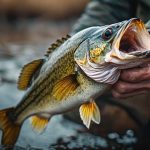
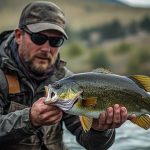
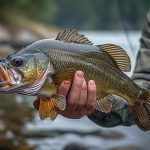
Few fish capture Texan hearts like largemouth bass. From the legendary Toledo Bend Reservoir to suburban neighborhood ponds, these green-backed fighters thrive in diverse environments. Spring sees them shallow and aggressive, defending nests and ambushing prey near cover. Summer pushes them offshore, where electronics and structure-fishing skills separate consistent anglers from the rest. Fall brings another feeding surge, with topwater action rivaling spring’s best days.
Possession limits remain straightforward—five bass per day—but size restrictions vary widely. Some waters enforce 14-inch minimums, while others use slot limits like “keep five fish, but only one over 18 inches.” These rules protect mid-size breeders and trophy-class fish simultaneously. Lake Fork, for example, maintains strict regulations that have produced multiple state records. Always double-check the specific guidelines for your destination before keeping fish.
Expect largemouth in every corner of Texas—from piney woods reservoirs in the east to desert tanks in the far west. They adapt readily, tolerate warm water, and respond to countless lure presentations. That versatility makes them perfect for beginners learning the ropes and experts refining techniques.
Striped Bass & Hybrids
These silver rockets bring saltwater power to freshwater lakes. Striped bass were introduced to Texas reservoirs decades ago, creating explosive fisheries in places like Lake Texoma and Sam Rayburn. Hybrids—crosses between stripers and white bass—combine the best traits of both parents: size, strength, and aggressive feeding behavior.
Spring and fall are prime times. Stripers chase shad schools near the surface, creating “jumps” where anglers can cast into feeding frenzies. Summer sends them deep, requiring downriggers, heavy slabs, or live bait rigs. An 18-inch minimum protects juvenile fish, allowing them to spawn and sustain populations.
These fish don’t tolerate heat well, so many lakes with striper programs are in northern Texas or feature cooler tailrace waters below dams. If you’ve never felt a 15-pound hybrid strip drag on a medium-weight rod, you’re missing one of freshwater fishing’s purest thrills.
Catfish (Channel, Blue, Flathead)
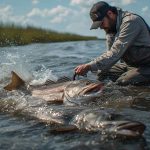
Texas catfish are the ultimate everyman’s fish—abundant, tasty, and willing biters. Channel catfish prowl shallow flats and river channels, eagerly taking stinkbaits, cut shad, and prepared dough baits. Blue catfish, the giants of the group, roam deep river bends and reservoir channels, often topping 30 pounds. Flatheads are solitary ambush predators, hiding under logjams and attacking live sunfish or shad after dark.
No closed seasons. No size limits on most waters. A generous 25-fish combined daily limit. Catfish represent accessible, family-friendly fishing that doesn’t require expensive gear or advanced techniques. Kids love the steady action, and adults appreciate the exceptional table fare.
Summer nights are legendary for catfish. Set up on a gravel bar, bait multiple rods, and wait for rod tips to dance. Trophy blue cats patrol main lake points and river channels year-round, rewarding patient anglers with fish that pull like submerged logs. For those comparing regulations across states, Louisiana’s catfish rules offer an interesting contrast in creel limits and size management.
Crappie (White & Black)
Crappie fishing in Texas is a spring tradition. When dogwoods bloom and water temperatures hit the low 60s, crappie swarm shallow structure to spawn—brush piles, boat docks, submerged trees, and rocky riprap. Anglers jig minnows and small plastics vertically, often catching limits in short bursts.
Daily limits reach 25 fish combined, though some waters enforce 10-inch minimums to protect populations. Crappie are fragile compared to bass, so handle them gently and consider keeping only what you’ll eat. Fall patterns shift to deeper water—spider rigging and slow-trolling become productive techniques around main lake structure.
White crappie dominate rivers and turbid reservoirs. Black crappie prefer clearer lakes with rocky habitat. Both species deliver sweet, flaky fillets that rival any panfish in flavor. Whether you’re vertical jigging over a brush pile or casting micro jigs around docks, crappie fishing offers consistent action and delicious rewards.
Walleye
Walleye aren’t native to Texas, but stocking efforts in lakes like Meredith and Greenbelt transformed these northern waters into regional walleye hotspots. These marble-eyed predators thrive in cooler, clearer environments, feeding heavily on shad and small perch during low-light periods.
Spring and fall bring peak activity. Target rocky points, wind-blown shorelines, and river channels with jigs, crankbaits, or live bait rigs. A five-fish daily limit and 16-inch minimum protect populations while allowing harvest of quality-sized fish. Walleye fillets—thick, white, and mild—rank among the finest eating fish in freshwater.
Though walleye distribution is limited compared to bass or catfish, dedicated anglers make pilgrimages to Texas Panhandle lakes for a taste of northern-style fishing without leaving the state.
🦞 Regulated or Special-Permit Fisheries
Red Drum (Redfish) – Coastal Jewel 🌊
Along Texas’s 367 miles of coastline, redfish represent both sport and symbol. These copper-backed bruisers cruise shallow flats, tailing in inches of water while rooting for crabs and shrimp. Sight-casting to tailing reds ranks among the most thrilling experiences in saltwater angling.
A strict 20–28 inch slot limit with a three-fish daily bag protects both juvenile and breeding-size fish. Reds over 28 inches—called “bull reds”—must be released immediately. These regulations have rebuilt stocks after decades of overfishing, creating world-class fisheries in bays like Galveston, Corpus Christi, and the Lower Laguna Madre.
Spring through fall offers consistent action, but fall is legendary. Massive bull reds migrate along beaches and jetties, providing tackle-testing battles on surf rods. Even catch-and-release enthusiasts treasure these encounters—few fish blend power, beauty, and accessibility like Texas redfish.
Speckled Trout – Inshore Favorite 🐟
Speckled trout share the bays with redfish, often feeding together on shrimp and mullet. These spotted beauties respond eagerly to soft plastics, topwater plugs, and live bait under corks. A five-fish daily limit and 15-inch minimum ensure sustainable harvests while allowing anglers to keep quality meals.
Cold snaps can devastate speckled trout, so TPWD monitors populations closely. Occasional emergency closures protect survivors during extreme weather events. Most years, however, trout fishing remains open and productive year-round, peaking during spring and fall migrations.
Wade fishing shallow grass flats at sunrise—watching your topwater disappear in an explosion of spray—captures the essence of Texas coastal angling. It’s meditative, exhilarating, and deeply connected to place.
Flounder – Seasonal Specialist 🦈
Texas flounder fishing follows a strict calendar. These flatfish migrate offshore to spawn each fall, and temporary closed seasons (typically November 1 through mid-December) protect spawning aggregations. When open, anglers can keep five fish daily over 14 inches.
Flounder ambush prey from sandy bottoms, relying on camouflage and lightning-fast strikes. Target bay shorelines, channel edges, and passes with live finger mullet, mud minnows, or soft plastics bounced slowly along the bottom. Gigging at night remains a popular method during open seasons, blending hunting and fishing into one adventure.
Fall pre-closure periods see intense activity as flounder stage near passes. Respect closed dates—these short pauses allow successful spawning that replenishes populations for future seasons.
🐠 Everyday Fish & Panfish Opportunities
| Species | Daily Limit | Common Habitats | Best Times |
|---|---|---|---|
| Bluegill | 25 (combined sunfish) | Ponds, lake coves, slow rivers | Spring spawn near shorelines |
| Redear Sunfish (Shellcracker) | 25 (combined sunfish) | Deeper beds, sandy bottoms | Late spring into early summer |
| Warmouth | 25 (combined sunfish) | Weedy shallows, cypress sloughs | Year-round, peak spring |
| White Perch | No limit | Reservoirs, rivers | Spring and fall |
| Freshwater Drum (Gasper Goo) | No limit | Deep river pools, reservoir channels | Summer nights |
| Carp (Common & Grass) | No limit | Rivers, lakes, urban ponds | Spring shallows, year-round activity |
| Gar (Longnose, Alligator) | 1 alligator gar per day | Rivers, bayous, large reservoirs | Summer, sight-fishing shallows |
Panfish are the heartbeat of casual fishing. They bite readily, fight on light tackle, and introduce countless kids to the joy of bending rods. Bluegill and redear sunfish swarm shallow during spring, attacking worms, crickets, and tiny jigs with reckless abandon. Warmouth—often overlooked—offer bass-like aggression in miniature packages.
No closed seasons. Generous limits. Minimal regulations. These species embody accessible angling—perfect for impromptu pond trips, teaching moments, and fish fries. Many Texas communities maintain neighborhood ponds stocked specifically with sunfish, catfish, and bass, creating fishing opportunities within minutes of home.
🏞️ Stocked Waters & Management Programs
Texas Parks and Wildlife Department operates one of the nation’s most ambitious stocking programs, distributing millions of fish annually across public waters. Rainbow trout receive special attention each winter. From November through March, TPWD stocks designated urban ponds in major metro areas, creating convenient cold-weather fishing for families who might never visit mountain streams. These trout grow quickly on supplemental feed, offering fast action and excellent eating.
Florida-strain largemouth bass stockings have revolutionized Texas bass fishing. By introducing genetics from faster-growing, larger Florida bass into native populations, lakes like Fork, Conroe, and Alan Henry now produce double-digit giants regularly. Biologists carefully monitor growth rates, survival, and spawning success, adjusting stocking strategies to maintain genetic diversity and trophy potential.
Striped bass and hybrid stripers require ongoing stocking because they rarely reproduce successfully in reservoirs. Hatcheries raise millions of fingerlings each year, releasing them into suitable lakes. This artificial recruitment sustains fisheries that otherwise wouldn’t exist, demonstrating TPWD’s commitment to diverse angling opportunities.
Catfish, sunfish, and other panfish receive attention in community fishing lakes—small, urban ponds designed for easy access and high catch rates. These waters welcome anglers of all ages and abilities, often featuring accessible fishing piers, paved paths, and nearby amenities. Check TPWD’s stocking schedules to find recently stocked waters near you.
Youth programs like “First Fish” and “Family Fishing Celebrations” provide free tackle, bait, and instruction at stocked ponds statewide. These initiatives remove barriers, build confidence, and create lifelong anglers. If you’re new to fishing or introducing kids, these events offer perfect entry points.
🌍 Access Rules: Public vs Private Waterways
- Public Waters: Texas provides extensive public access through state parks, wildlife management areas, and public boat ramps. Most large reservoirs feature multiple launch points managed by TPWD, county authorities, or the U.S. Army Corps of Engineers. These sites typically include parking, restrooms, and sometimes fishing piers. Entry is often free or requires a modest daily fee.
- Navigable Rivers: Texas law grants public access to navigable waterways—streams capable of supporting commercial traffic historically. However, you must enter and exit at public crossings like bridges or designated access points. Walking or wading along the river itself is legal; crossing private land to reach water is not.
- Private Property Boundaries: Texas is majority private land. Lakes created by private dams, stock tanks, and ponds on private property are off-limits without landowner permission. Trespassing laws are strict and enforced. Always seek permission before crossing fences or gates.
- Wade Fishing Coastal Access: Texas beaches below the mean high tide line are public, allowing wade fishing and surf fishing along most coastlines. However, adjacent properties may restrict access routes. Use public beach accesses, parks, or boat launches to avoid conflicts.
- Know Before You Go: Respect posted signs, locked gates, and “No Trespassing” notices. Many private landowners welcome polite requests for access, especially during less-crowded weekdays. Building respectful relationships with property owners opens doors—literally—to hidden fishing gems.
- Leave No Trace: Pack out all trash, broken line, and bait containers. Cut tangled line from trees and bushes. Public access depends on collective stewardship. Protect these privileges by leaving waters cleaner than you found them.
🎟️ Texas Fishing License Overview
- Who Needs a License: Texas residents and visitors aged 17 and older must carry a valid fishing license when angling in public waters. Younger anglers fish for free, making family trips affordable and accessible.
- Resident vs Non-Resident: Residents enjoy lower fees and longer validity periods. Non-residents pay higher rates but gain access to all the same waters and species. Both categories include options for freshwater-only, saltwater-only, or combination licenses covering all angling.
- Short-Term Options: Visiting for a weekend tournament or vacation? Temporary licenses range from one-day passes to week-long permits. These cost-effective choices eliminate commitment while keeping you legal.
- Youth and Senior Exemptions: Anglers under 17 fish without licenses. Seniors may qualify for discounted or lifetime licenses, depending on age and residency status. Active military personnel stationed in Texas also receive special considerations.
- Special Endorsements: Certain species require additional stamps or tags beyond the base license. While most freshwater fish fall under standard permits, check current requirements if targeting specific coastal species or participating in special-permit fisheries.
- Where to Buy: Licenses are available online through the TPWD website, at most sporting goods stores, bait shops, and many convenience stores statewide. Digital licenses on smartphones are legal and convenient—just ensure your screen brightness allows game wardens to verify information.
- Support Conservation: License fees fund habitat restoration, stocking programs, access improvements, and enforcement. Buying a license isn’t just legal compliance—it’s an investment in Texas’s fishing future.
❓ Angler FAQs
Can I fish Texas lakes without a boat?
Absolutely! Texas offers exceptional bank fishing at countless locations. Public parks, fishing piers, dams, and designated shoreline access points welcome wade and bank anglers. Many urban ponds and community lakes feature accessible piers designed specifically for anglers without boats. Coastal wade fishing in bays and along beaches provides world-class opportunities without ever launching a boat.
What’s the difference between creel limits and possession limits?
Creel limits refer to the number of fish you can harvest in a single day. Possession limits—less common in Texas—restrict how many fish you can have in your possession at any time, including those at home or in storage. Most Texas regulations focus on daily bag limits, allowing you to keep legal catches each day as long as they’re properly stored and identifiable.
Are there any free fishing days in Texas?
Yes! Texas traditionally offers Free Fishing Days in early June, coinciding with National Fishing and Boating Week. On these days, residents and visitors can fish without purchasing licenses. It’s a perfect opportunity to try angling risk-free or introduce friends to the sport. Check TPWD announcements each year for specific dates and any rule modifications.
How do I identify public waters vs private property?
Look for signs, boat ramps, and designated access points maintained by parks or wildlife agencies. Many reservoirs built by the U.S. Army Corps of Engineers or other federal entities allow public access along certain shorelines. If in doubt, consult TPWD’s Public Water Access Maps online, which detail launch sites, fishing piers, and legal entry points statewide.
What should I do if I catch an oversized or undersized fish?
Release it immediately and carefully. Use wet hands or rubberized nets to minimize slime coat damage. Remove hooks gently—consider using needle-nose pliers or dehookers. If the fish is deeply hooked, cut the line close to the mouth rather than tearing out the hook. Support the fish upright in the water until it swims away strongly. Proper catch-and-release ensures trophy fisheries thrive for future generations.
Can I fish at night in Texas?
Night fishing is legal and often productive, especially for catfish, hybrid striped bass, and certain coastal species. However, some parks or access points enforce overnight closures—check local rules before planning all-night sessions. Use headlamps with red-light modes to preserve night vision, and always wear life jackets on boats after dark.
Where can I find current water conditions and fishing reports?
TPWD publishes regular fishing reports covering major lakes, rivers, and coastal bays. These reports include water temperature, clarity, recent catches, and effective techniques. Local bait shops, fishing forums, and social media groups also share real-time conditions. Apps like Fishbrain and others crowdsource catch data, helping anglers identify hot bites and productive patterns.
🗺️ Where to Fish This Year
Lake Fork – Trophy Bass Heaven
Drive east toward the Piney Woods, and you’ll find Lake Fork—a name whispered with reverence among bass anglers. This reservoir produces more giant largemouth than almost anywhere else in Texas. Stringent regulations, including slot limits and harvest restrictions, protect mid-size spawners while allowing anglers to keep trophy-class fish. Hydrilla beds, submerged timber, and deep creek channels create diverse habitat. Expect crowds during tournaments, but weekdays offer breathing room. Fish early spring around spawning pockets or fall when bass chase shad into shallow coves.
Lake Texoma – Striper Central
Straddling the Texas-Oklahoma border, Lake Texoma is synonymous with striped bass. Spring and fall “jumps”—where stripers herd shad to the surface—create heart-pounding action. Cast into feeding frenzies, and hang on. Summer requires downriggers or heavy spoons to reach fish in 40+ feet of water. The lake also harbors excellent catfish, crappie, and sand bass populations. Public access abounds, with ramps and marinas dotting both shores. Nearby amenities make it ideal for weekend getaways that blend fishing with family fun. Anglers exploring the region might also appreciate comparing Oklahoma’s approach to striper management with Texas practices.
Guadalupe River – Trout Oasis
Below Canyon Lake Dam, the Guadalupe River flows cold and clear—Texas’s only significant trout stream. Rainbow and brown trout thrive in tailrace waters, offering fly fishing and spin casting opportunities rare in the Lone Star State. Winter stocking intensifies action, but resident browns remain year-round. Wade through crystalline pools, targeting trout with nymphs, small spinners, or live worms. Strict regulations—including artificial-lure-only zones—protect this unique fishery. The river’s Hill Country setting adds scenic beauty to every cast.
Falcon Lake – Border Bass Giant
South Texas’s Falcon Lake bakes under desert sun, growing bass to epic proportions. This international reservoir on the Rio Grande consistently produces double-digit largemouth. Target flooded brush, rocky points, and offshore humps. Summer heat is brutal—fish dawn and dusk, seek shade during midday. Winter offers some of the year’s best action as bass move shallow. Political and safety considerations occasionally arise near the border, so stay informed on current conditions and heed local advisories.
Galveston Bay – Coastal Playground
Where rivers meet the Gulf, Galveston Bay thrives as Texas’s most productive estuary. Redfish, speckled trout, and flounder roam grassy flats, oyster reefs, and deeper channels. Wade fishing along beaches and shorelines requires minimal gear and delivers maximum excitement. Kayak anglers explore back lakes and marshes inaccessible to bigger boats. Fall brings bull redfish runs along jetties and beaches—pound-for-pound battles that test tackle and nerves. Launch from numerous public ramps or wade directly from beach accesses.
✅ Final Thoughts
Texas angling in 2026 promises something for everyone—from dawn patrols chasing trophy bass on Lake Fork to lazy afternoons drifting worms under bobbers for bluegill in neighborhood ponds. The year unfolds in distinct chapters: early spring’s spawning frenzy, summer’s deep-water challenges, fall’s feeding blitzes, and winter’s trout stockings. Understanding these seasonal rhythms helps you plan trips that align with peak activity, whether targeting largemouth bass under stringent slot limits, striped bass during surface feeds, or coastal redfish within the protected 20–28 inch slot.
Key dates to remember include the year-round bass and catfish seasons, winter trout stocking from November through March, and fall flounder closures protecting spawning migrations. Daily bag limits remain generous for most species—five bass, 25 catfish, 25 crappie—while trophy-focused regulations on specific waters preserve genetic quality and size structure. Coastal anglers must respect the three-fish redfish limit and temporary flounder closures that sustain long-term abundance.
Licensing is straightforward: residents and visitors aged 17+ need valid permits purchased online or at retailers statewide. Youth fish free, removing financial barriers for families. Revenue supports habitat restoration, stocking programs, and the public access that makes Texas fishing so accessible. Conservation isn’t an afterthought—it’s woven into every regulation, stocking decision, and seasonal closure.
Whether you’re exploring urban fishing ponds, legendary reservoirs, or coastal bays, Texas rewards preparation, adaptability, and respect. Check specific water body regulations before fishing, handle released fish carefully, and leave every access point cleaner than you found it. The 2026 season is yours to seize—tight lines, fellow anglers. 🎣

- Wyoming Fishing Regulations 2026: State Rules & Management Areas - February 16, 2026
- Wisconsin Fishing Regulations by Zone 2026: Seasons & Size Limits - February 16, 2026
- West Virginia Fishing Regulations 2026: Stream & Lake Rules - February 16, 2026